Plant extracts are concentrated phytotherapeutic preparations made from the roots, leaves, bark, and fruits of medicinal plants. Active compounds — flavonoids, alkaloids, terpenes, polyphenols — are concentrated into a convenient liquid form of tincture or capsules. Phytotherapy, or treatment and prevention using plants, has a well-established history in traditional medicine and an increasingly rich scientific literature. On this page, you will find an overview of the Cosma Pure Herbs line, a practical dosage guide, research results, and answers to the most common questions from buyers. You will learn how to choose an extract tailored to your goal, how to use it safely, and what to pay attention to when purchasing.
How to choose a plant extract?
The choice of the right preparation starts with a precise goal. Research published in Phytomedicine (2017) showed that standardized herbal extracts exhibit up to three times higher repeatability of action compared to non-standardized dried herbs — this is one of the stronger arguments for tinctures over classic herbal teas.
When choosing, pay attention to four main criteria:
- Purpose of use. Adaptogens like ashwagandha and maca are effective for chronic stress and fatigue. Calming extracts — valerian and hops — support relaxation and sleep. Plant antioxidants like green tea and rosemary fit into cellular prevention. Mint and white mulberry support the digestive system.
- Form and concentration. Tinctures in dropper bottles allow for precise dosing; sublingual application speeds up absorption compared to a swallowed capsule.
- Composition and certification. Choose products without synthetic fillers, preservatives, and dyes. The Cosma Pure Herbs line uses natural compositions, free from GMOs. Before purchasing, check if the manufacturer provides standardization of the active ingredient.
- Interactions with medications. St. John’s Wort interacts with contraceptive and immunosuppressive drugs; valerian may enhance the effects of sleeping pills. If you are taking medications regularly, consult your pharmacist.
The most common mistake buyers make is choosing an extract without a specific goal — the effects are then difficult to assess. The second mistake is stopping treatment after a few days: most phytoadaptogens require regular use for several weeks to show measurable effects. Patience and consistency determine effectiveness.
Who are plant extracts for? For adults who want to supplement their diet with proven medicinal plants in a convenient form — especially for busy individuals, athletes, and wellness enthusiasts seeking support without synthetic chemicals. They are not intended for pregnant and breastfeeding women and for children without medical consultation.
Most popular products in the category
All the preparations below belong to the Cosma Pure Herbs line — liquid extracts with a dropper in a natural composition, available with free shipping for purchases over the minimum amount.
Support for stress and energy. Cosma Pure Herbs Ashwagandha 30 ml is one of the most frequently chosen adaptogens at Bucha — an extract from the root of Withania somnifera, helpful for daily stress and recovery. Cosma Pure Herbs Maca 30 ml uses the root from the Peruvian Andes, associated with energy and vitality support, particularly popular among physically active individuals. For a natural boost without nervousness, an interesting alternative is Cosma Pure Herbs Yerba Mate 30 ml, rich in natural xanthines and antioxidants supporting daily immunity.
Calmness and sleep. Two classics of phytotherapy have found their place in the Cosma line: Cosma Pure Herbs Kozłek Lekarski 30 ml (valerian) is an extract from the root of valerian, traditionally used for nervous tension and difficulties falling asleep, and Cosma Pure Herbs Chmiel 30 ml — an extract from hop cones with a mild calming and relaxing effect. Both preparations complement each other naturally and can be used in the evening routine.
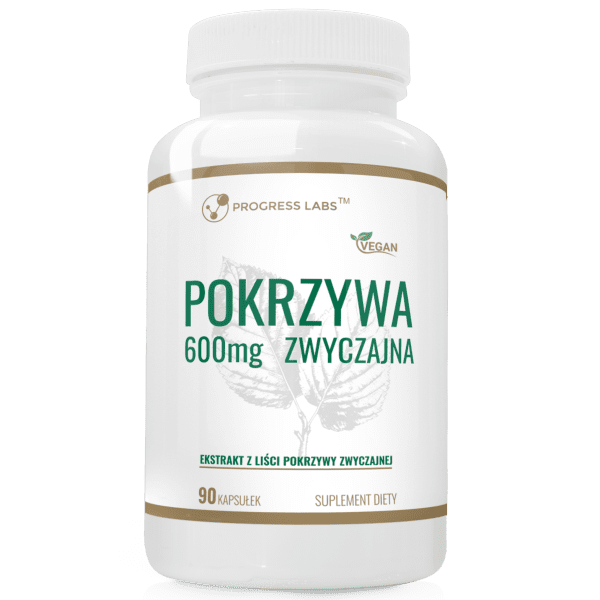
Antioxidants and digestion. Cosma Pure Herbs Zielona Herbata 30 ml provides EGCG polyphenols supporting metabolism and concentration. Cosma Pure Herbs Rozmaryn 30 ml contains rosmarinic acid — a compound with documented antioxidant activity (Nutrients, 2020). For support of glucose metabolism and the digestive system, it is worth reaching for Cosma Pure Herbs Morwa Biała 30 ml. If you care about skin and hair support, take a look at Cosma Pure Herbs Pokrzywa 30 ml — a rich source of vitamins and minerals from plant tissues. For the digestive system and refreshing taste, Cosma Pure Herbs Mięta 30 ml works well.
How to use plant extracts? Dosage step by step
Plant tinctures are easy to use, but a few rules determine their effectiveness. Below you will find the procedure recommended by the manufacturers of the Cosma Pure Herbs line.
-
Determine the goal and choose the extract
Before reaching for the bottle, define what you are looking for: calmness, energy, digestive support, or antioxidants. One preparation at a time gives you a clear picture of the action and an easy assessment of the effects.
-
Measure with the dropper
The standard portion of the Cosma line is about twenty to twenty-five drops once or twice a day. The dropper allows for precise dose reduction — start with half for the first few days to check tolerance.
-
Take sublingually or dilute in water
Sublingual application — contact with the mucous membrane for several seconds — speeds up the absorption of active ingredients. You can also dilute the extract in a glass of lukewarm water or mild herbal tea.
-
Match the time of day to the action
Adaptogens — ashwagandha, maca — and stimulating preparations like Yerba Mate should be taken in the morning or before noon. Calming extracts — valerian, hops — should be taken half an hour to an hour before sleep.
-
Continue regularly for several weeks
Most phytoadaptogens require regular supplementation for at least four weeks for the effects to become noticeable. After eight weeks, take a break and observe whether your body still needs support.
-
Store in a cool, dark place
Volatile aromatic compounds and polyphenols degrade under UV light and heat. A closed bottle remains fresh until the expiration date on the label; use an opened one within a few weeks.
What do studies say about phytotherapy?
Phytotherapy — the use of plant-based medicinal and health-promoting preparations — has a rich scientific documentation. Among the extracts available at Bucha, ashwagandha is the best studied: a randomized study published in Medicine (2019) showed that ashwagandha and other plant adaptogens reduce cortisol levels by about twenty-seven percent after sixty days of supplementation in individuals with chronic stress. This is a significant result, although individual response depends on lifestyle, diet, and genetics.
Green tea extract rich in EGCG is being studied for its protective effects on cells against oxidative stress. A meta-analysis published in Nutrients (2020) confirmed its impact on biomarkers of inflammation. White mulberry extract attracts the attention of diabetes researchers due to its content of deoxynojirimycin (DNJ) — a compound that inhibits glucose-digesting enzymes, as documented in a study in Evidence-Based Complementary Medicine (2013).
More about how adaptogens and nootropics fit into modern biohacking can be found in our supplementation overview for this year. However, remember that clinical studies usually concern specific doses of standardized extracts — results do not always translate directly to commercially available products. Before drawing conclusions from a press headline, check the original publication and compare the dose from the study with what your chosen tincture actually contains.
Rosemary and green tea act synergistically as antioxidants — both preparations neutralize reactive oxygen species and support natural liver detoxification pathways. Nettle, on the other hand, is unique in terms of its mineral profile: it provides iron, silicon, magnesium, and B vitamins in a bioavailable plant form. This makes it one of the more versatile herbal supplements for those caring for skin, hair, and overall energy levels.
Who are plant extracts a good choice for?
Plant extracts work best as a supplement to a balanced diet and active lifestyle. They are not a panacea — but for many groups, they provide valuable, well-tolerated support for daily health routines.
Individuals with chronic stress and fatigue. Plant adaptogens — ashwagandha, maca — help the body better adapt to mental and physical overload. They do not replace rest or therapy, but they can support stress resilience in a busy schedule. It is worth reading our guide on adaptogens for women, which details how to match the plant to the goal.
Physically active individuals and athletes. Maca supports energy and endurance, yerba mate provides natural xanthines without a sharp insulin spike. Nettle supplements iron and minerals needed during intense effort. These extracts can be used as part of daily sports supplementation as a plant-based dietary supplement.
Individuals concerned about sleep quality. Valerian and hops are two herbal classics that have accompanied evening routines for generations. Their extracts in tincture form act faster than capsules, which is particularly important just before sleep.
Who may not be a suitable candidate for plant extracts? Individuals with serious conditions requiring pharmacotherapy should treat herbal preparations only as a supplement to treatment — never as a substitute. If you are awaiting a diagnosis or are undergoing specialized treatment, always consult new supplements with your attending physician.
Safety and contraindications
Plant extracts are generally well tolerated by adults, but “natural” is not synonymous with “safe for everyone.” Pay attention to a few issues:
- Drug interactions. Valerian extract may enhance the effects of sedatives and sleeping pills — discontinue one of the substances or consult your pharmacist about combining them. White mulberry extract used alongside hypoglycemic medications may excessively lower glucose levels. Rosemary in high doses is not recommended for hypertension.
- Allergies and hypersensitivity. If you react to plants from the Asteraceae family, exercise caution with extracts from wormwood, chamomile, and similar herbs. Test the first use on a small portion.
- Pregnancy and breastfeeding. For many herbs, there is insufficient safety research in these states — avoid use without consulting a doctor.
- Children. Products are designed for adults; dosing for children requires individual consultation with a pediatrician.
How long should extracts be used continuously? Phytotherapy recommends cycles: six to eight weeks of treatment, followed by two to four weeks of break. A detailed description of supplementation cycles for ashwagandha can be found in our article on dosing. A break helps avoid tolerance and allows the body to self-regulate — upon returning to the preparation, the effects are usually more pronounced than with continuous use.
Can several extracts be combined at the same time? Many combinations are safe and even synergistic — for example, ashwagandha with maca for energy and resilience, green tea with rosemary for antioxidant protection. However, avoid using multiple calming preparations simultaneously without consulting a pharmacist or doctor, as the additive effect may be stronger than you expect. A sensible approach is to introduce one new extract every two weeks — this way, you know exactly which preparation gives you the observed effects.
Frequently Asked Questions
What is the difference between a plant extract and dried herb or tea?
An extract is a concentrated preparation: from one kilogram of plant raw material, you typically obtain several dozen to several hundred grams of standardized preparation, which means multiple concentrations of active compounds compared to dried herbs. Phytomedicine (2017) showed that standardized preparations exhibit up to three times higher repeatability of action than classic teas. Tinctures also have faster absorption with sublingual application.
How long will it take to feel the effects of using the extract?
It depends on the type of plant. Calming extracts — valerian, hops — may act within an hour of intake. Adaptogens like ashwagandha and maca require regular supplementation for several weeks — a study from Medicine (2019) indicates a significant reduction in cortisol after sixty days. Consistency is key.
Can plant extracts be combined with each other?
Many combinations are safe — for example, ashwagandha with maca. However, avoid combining several calming preparations simultaneously without consulting a pharmacist; the additive effect may be stronger than you assume. Start with one preparation for two weeks before adding another.
How to store an opened bottle of extract?
Store in a cool (below twenty-five degrees Celsius), dark place, away from heat sources. Polyphenols and terpenes are sensitive to UV and high temperatures — degradation of active ingredients accelerates significantly with improper storage. Check the expiration date on the label before use.
Are plant extracts vegan and gluten-free?
Products from the Cosma Pure Herbs line do not contain animal ingredients or gluten — this information can be found on each product page. However, if you have celiac disease or follow a vegan diet, always check the label of a specific batch, as the composition may change between production batches.
How many servings are in a bottle of extract?
With a standard dose of one milliliter per day, a thirty-milliliter bottle will last for about thirty days of use. The dropper allows for precise portion measurement — the manufacturer estimates that one milliliter corresponds to about twenty-five drops.
Can I mix the extract with coffee or hot tea?
Hot beverages — above seventy degrees Celsius — may degrade thermolabile ingredients, including some enzymes and polyphenols. It is safer to dilute in lukewarm water up to forty degrees or use sublingually. More tips can be found in the guide on dosing ashwagandha.
Who are plant extracts NOT suitable for?
Individuals taking immunosuppressive, anticoagulant, or sedative medications should consult supplementation with a doctor — the risk of interactions is clinically documented. Pregnant and breastfeeding women, children under twelve years old, and individuals after organ transplants should avoid self-administering herbal preparations. More about safe combinations of herbs can be read in our article on adaptogens.
This page is for informational and educational purposes and does not replace consultation with a doctor. If you are pregnant, breastfeeding, taking medications, or have chronic conditions, consult the use of supplements or herbs with a specialist.