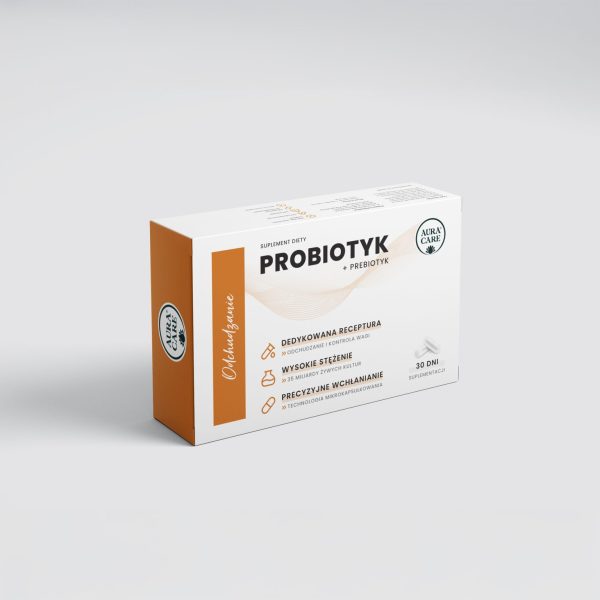
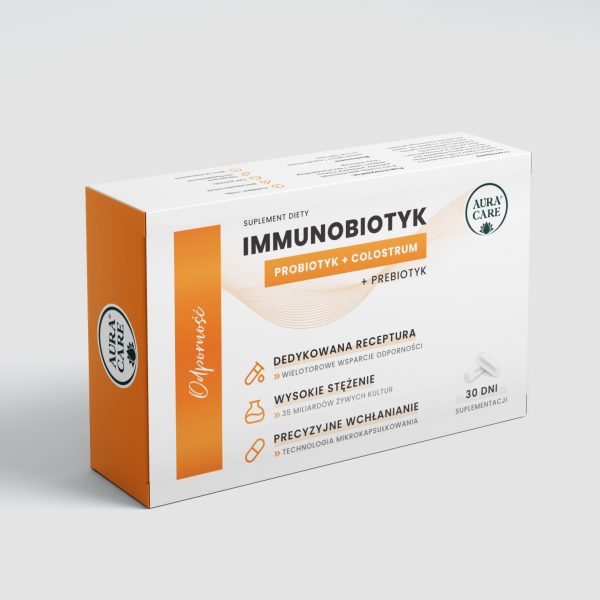
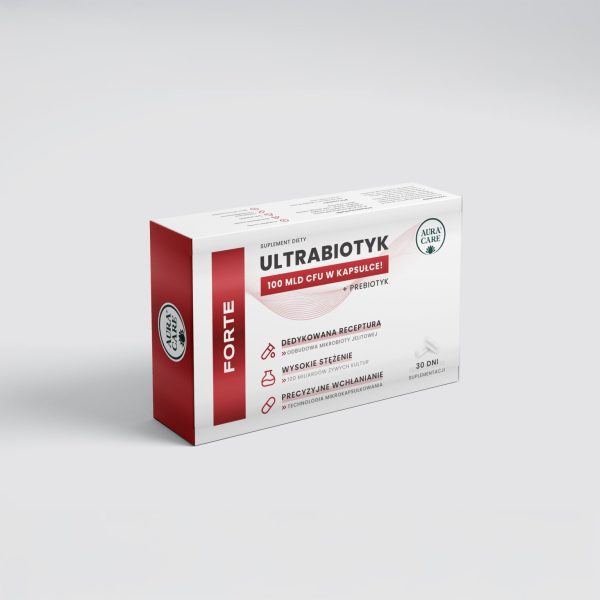
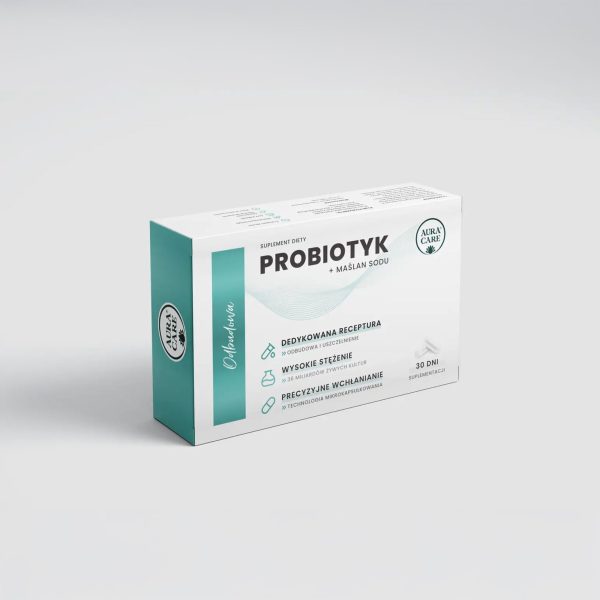
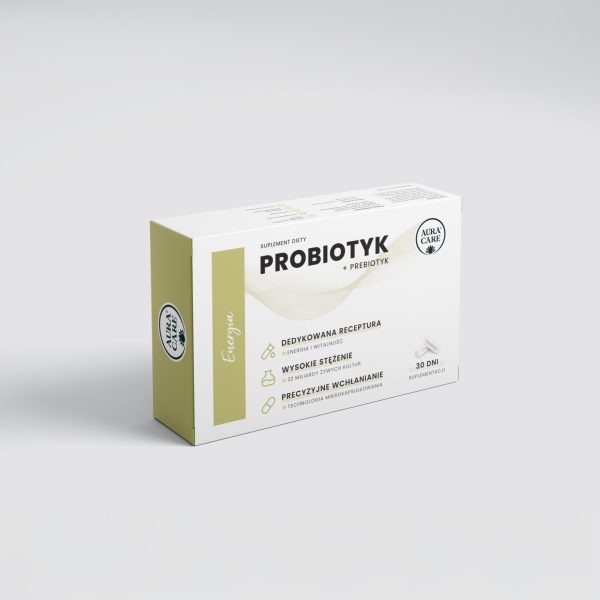
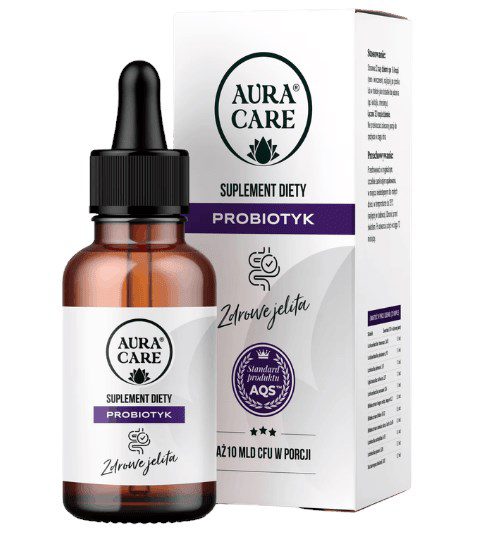
Probiotics are live cultures of bacteria and yeasts that — when administered in appropriate amounts — have a beneficial effect on gut health and the entire body. The definition was formulated by FAO/WHO: a probiotic must be alive, administered in an adequate dose, and produce a documented health effect in the host [1]. On this page, you will find carefully selected probiotic supplements, prebiotics, and formulas supporting digestion: from drops for children and adults, through specialized capsules for women, to plant-based preparations for gut comfort. Each product comes from trusted manufacturers, and the composition is transparent — full names of strains, declared number of CFU, and information about the technology protecting bacteria from stomach acid. Below, you will learn how to choose a preparation tailored to your needs, how to dose probiotics, and what to avoid when purchasing.
How to choose probiotics?
The effectiveness of a probiotic primarily depends on the choice of strain, the number of live bacteria (CFU), and the technology protecting the capsule. Studies published in Frontiers in Microbiology [1] indicate that not all strains work the same — matching the specific health goal is key. Before reaching for a supplement, check the five factors below.
- Bacterial strain — strains from the Lactobacillus and Bifidobacterium families have the best-documented effects. Lactobacillus rhamnosus GG is one of the most studied strains in the world [2]. Choose products that provide the full name of the strain (genus + species + designation), not just the genus.
- Number of CFU (Colony Forming Units) — typical probiotic doses range from 1 billion to 50 billion CFU per serving [3]. For daily prevention, 5–10 billion CFU is sufficient, while for treatment after antibiotics, it is worth reaching for doses of 15–50 billion CFU. It is crucial that the number of CFU is stated at the end of the shelf life, not on the production date — manufacturers often underestimate the declared content of live cultures after a few months of storage.
- Protection technology — microencapsulation and DUOCAP — stomach acid destroys a significant portion of unprotected probiotic bacteria before they reach the intestines [13]. Technologies such as microencapsulation or DUOCAP® capsules ensure that live cultures reach the small and large intestine in full strength.
- Prebiotic in the composition (synbiotic) — prebiotics (FOS, inulin, arabinogalactan) nourish probiotic bacteria and extend their activity in the intestines. Synbiotic formulas (probiotic + prebiotic) are clinically more effective than standalone probiotics [4].
- Form of administration — drops are better absorbed by children and people with swallowing difficulties, while capsules are more convenient for travel and have a longer shelf life.
Common mistakes when purchasing: The first is buying products with a large number of strains but without information about their clinical confirmation — 10 poorly studied strains work worse than 2 well-documented ones [1]. The second mistake is storing probiotics at inappropriate temperatures — details in the safety section below.
Who should use probiotics: for people after antibiotic therapy, with recurrent infections, irritable bowel syndrome (IBS), problematic digestion, and also for women caring for the balance of intimate microflora. Probiotics are also effective for seasonal prevention — especially in autumn and winter when the immune system is exposed to a greater number of pathogens. Seniors and frequent travelers (exposed to traveler’s diarrhea) are other groups that particularly benefit from regular supplementation.
Who should NOT use probiotics without consulting a doctor: people with severe immune deficiencies, after organ transplants, or in critical condition should consult supplementation with a doctor before starting treatment. This also applies to patients with active fungal infections — some preparations contain probiotic yeasts (S. boulardii), which can be risky in systemic candidiasis.
Most popular products in the category
In Bucha’s offer, you will find both classic preparations of live cultures and prebiotics as well as plant-based gut formulas — each product with a different action profile.
Probiotics in drops: Floradrop Protect¹, probiotic, drops 20 ml (24.90 zł) is a preparation based on microencapsulated bacteria Lactobacillus rhamnosus GG — one of the best-studied probiotic strains in the world [2]. Additionally, vitamin D3 in the form of Quali®-D at a dose of 2000 IU [12] per serving. Just 15 drops daily in a cool drink are enough to take care of your microbiome every day.
Probiotic for women: Floradrop Femi, probiotic for women, capsules 20 pcs. (41.90 zł) contains 15 billion bacteria Lactobacillus acidophilus La-14® and prebiotic FOS in protective DUOCAP® capsules. The formula supports the balance of both intestinal and intimate microflora — a clinically significant combination that gynecological studies pay attention to [5]. Vegan product, sugar-free and without sweeteners.
Immunological probiotic: Floradrop Immune¹, probiotic, capsules 20 pcs. (41.90 zł) are DUOCAP® capsules with the patented HOWARU® Restore II formula — four probiotic strains plus prebiotic FOS. Each capsule provides 10 billion CFU, and vitamin D supports the proper functioning of the immune system [3].
Prebiotic: Floradrop Digest¹, prebiotic, sachets 10 pcs. (49.90 zł) is based on the branded extract from larch ResistAid® — 85% arabinogalactan [6] — inulin from chicory and beet juice. Arabinogalactan stimulates the growth of beneficial gut bacteria and exhibits immunostimulatory properties. Ideal support for those who want to nourish the existing microflora without adding new strains from outside.
Gut and digestion support — plant formula: Parasitik Gut and Digestion (89 zł) is a plant extract from walnut, wormwood, and clove — a traditional formula for bloating, discomfort after meals, and gastrointestinal hygiene. A supplement to probiotic therapy, especially recommended for excessive intestinal fermentation.
Dosing and using probiotics
Proper dosing of probiotics is not only about the number of CFU but also about timing and duration of treatment. A meta-analysis published in the Journal of the American Medical Association indicates that probiotics administered simultaneously with antibiotics reduce the risk of antibiotic-associated diarrhea by 42% [7].
- Step one — choose the timing: the survival of bacteria is significantly higher when the preparation is taken on an empty stomach or 30 minutes before a meal [13]. The exception is probiotics without a protective coating — these should be taken during a meal to reduce the acidic environment.
- Step two — start with the basic dose: for the first week, use the minimum recommended dose from the package (usually 5–10 billion CFU) [3]. Introducing high doses too abruptly can cause temporary bloating or changes in bowel rhythm — this is a sign of gut adaptation, not an allergic reaction.
- Step three — maintain regularity for at least 4 weeks: probiotic effects are visible after at least 28 days of regular supplementation [1]. Interrupting treatment every few days does not yield the expected results — probiotic bacteria must colonize the intestines continuously.
- Step four — store according to the manufacturer’s recommendations: temperatures above 40°C destroy live cultures of bacteria [13]. Probiotics in drops (e.g., Floradrop Protect) require refrigeration after opening. DUOCAP capsules can be kept at room temperature up to 25°C — never mix probiotics with hot drinks.
- Step five — adjust the duration of treatment to the goal: treatment after antibiotics — minimum 4–6 weeks [7]. Seasonal prevention — 8–12 weeks in autumn and winter. Support for intimate microflora (Floradrop Femi) — 3 months of continuous supplementation for a lasting effect [5].
Did you know that live cultures do not replace a varied diet rich in fiber? Even the best formula will not last long without proper food for the bacteria. The prebiotic Floradrop Digest is an excellent complement to any probiotic set — it nourishes the microbiome from within and supports its lasting establishment in the intestines.
What do studies say about probiotics?
The human gut microbiome contains about 38 trillion bacterial cells — more than the cells of the human body [8]. This number illustrates the significant role that healthy gut flora plays in daily functioning. So how do probiotics fit into this ecosystem?
A Cochrane review from 2019 covering 82 clinical studies — over 12,000 participants — showed that probiotics reduce the incidence of diarrhea in children and adults [9]. The strains Lactobacillus rhamnosus GG and Saccharomyces boulardii had the strongest and best-documented effects in this group of studies.
The gut-brain axis is another area of intensive research. A review published in Nutrients documents that probiotic supplementation may alleviate symptoms of anxiety and depression — Lactobacillus and Bifidobacterium strains influence the production of serotonin and GABA [10]. The studies are promising, although the mechanisms require further confirmation in randomized clinical trials.
It is also worth knowing that the microbiome reacts to diet faster than to supplements — changes in the composition of gut flora after dietary changes are visible within 3–4 days [8]. These supplements act as a reinforcement of these changes, not a substitute. A diet rich in fiber, fermented dairy products, and cruciferous vegetables is the foundation of a healthy microbiome — probiotic supplements are effective support, especially when this foundation is compromised by antibiotic therapy, stress, or a diet low in variety.
If you are interested in broad supplementation, also read our article on biohacking and supplements — nootropics, adaptogens, and collagen, where we show how to combine probiotics with other health-supporting ingredients.
Safety and contraindications
Probiotics are among the best-tolerated supplements — most side effects are temporary bloating or changes in stool consistency in the first 2–3 days of supplementation [3]. However, as with any supplement, there are groups that should exercise particular caution.
Who should consult a doctor before supplementation:
- People with severe immune deficiencies (e.g., after chemotherapy, with HIV/AIDS, after organ transplants) — there are documented cases of probiotic sepsis in critically ill patients [11].
- Infants under 6 months of age — use only probiotics dedicated to this age group, after pediatric consultation, as their immune system is still maturing [2].
- Pregnant and breastfeeding women — Lactobacillus and Bifidobacterium strains are considered safe by most scientific societies, but the decision should be made by the attending physician.
It is also important to avoid combining probiotics with alcohol — alcohol reduces the survival of bacterial cultures and disrupts the rhythm of intestinal colonization. If you are taking antibiotics, maintain a 2-hour gap between the antibiotic dose and the probiotic — the antibiotic may destroy live cultures before they reach the intestines [7].
Natural supplements, such as ashwagandha in drops or capsules, can be successfully combined with probiotics — they act on different biological axes and do not mutually exclude each other.
Regarding storage: drops (Floradrop Protect) require refrigeration after opening — temperatures above 8°C for extended periods reduce the viability of bacteria [13]. DUOCAP capsules can be safely stored at room temperature up to 25°C, away from moisture and direct sunlight. Do not mix probiotics with hot drinks or leave an open package in a car on hot days.
Frequently Asked Questions
How many CFU should good probiotics have?
The optimal dose depends on the purpose of supplementation. For daily prevention, preparations with 5–10 billion CFU per serving are sufficient [3]. For treatment after antibiotics or in IBS, doses of 15–50 billion CFU are recommended. More important than the number itself is the selection of the right strain for the specific health issue.
How long should probiotics be taken?
At least 4 weeks to see the first effects of gut colonization [1]. For recurrent digestive issues, 3-month treatments with a 1-month break are recommended. Shorter treatments (7–14 days) do not yield lasting changes in the microbiome composition.
Can probiotics be combined with antibiotics?
Yes — and it is even recommended. Administering a probiotic together with an antibiotic (maintaining a 2-hour gap) reduces the risk of antibiotic-associated diarrhea by about 42% [7]. The probiotic does not reduce the effectiveness of the antibiotic but protects the gut flora during treatment.
What is the difference between a probiotic and a prebiotic?
A probiotic is live cultures of bacteria delivered from the outside (e.g., Floradrop Protect or Floradrop Immune). A prebiotic is a nutrient (e.g., inulin, FOS, arabinogalactan) that stimulates the growth of bacteria already present in the intestines [4]. A synbiotic combines both components — an example is Floradrop Femi with a probiotic and prebiotic FOS in one capsule.
How to store probiotics?
Drops (Floradrop Protect) require refrigeration after opening and maintaining the cold chain [13]. DUOCAP capsules can be stored at temperatures up to 25°C, away from moisture and sunlight. High temperatures and humidity destroy live cultures, reducing the effectiveness of the preparation.
Do probiotics help with immunity?
Yes — about 70% of human immune cells are located in the intestines [12]. Probiotics with vitamin D, such as Floradrop Immune, support both the microbiome and the immune system. Regular supplementation can reduce the frequency and duration of upper respiratory infections.
Are probiotics safe for children?
Probiotics with L. rhamnosus GG are considered safe for children over 6 months of age [2]. For infants under 6 months and premature babies, supplementation should be consulted with a pediatrician. Always use the dose recommended for the specific age group provided by the manufacturer on the packaging.
Can I take probiotics on an empty stomach?
Yes — and this is the recommended time for probiotics with a protective coating (microencapsulation, DUOCAP). The survival of bacteria is higher when the preparation is taken 30 minutes before a meal, rather than immediately after eating [13]. Unprotected preparations are better taken with a meal to mitigate the acidity of the stomach environment.
The page is for informational and educational purposes and does not replace consultation with a doctor. If you are pregnant, breastfeeding, taking medications, or have chronic conditions, consult the use of supplements or herbs with a specialist.