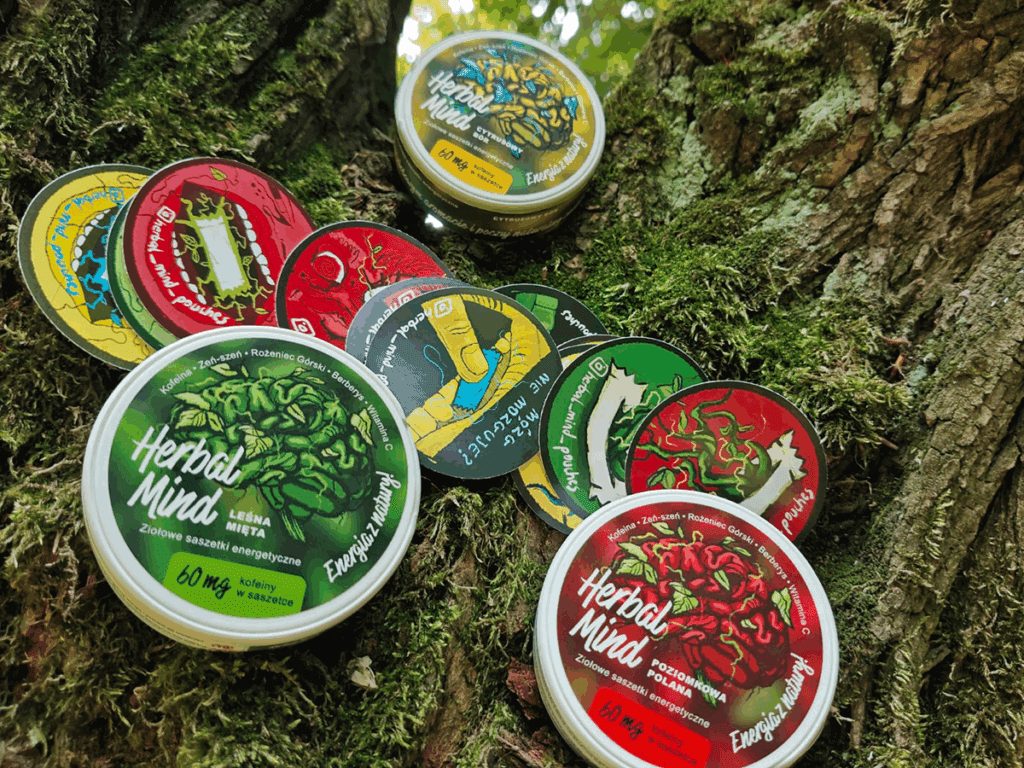
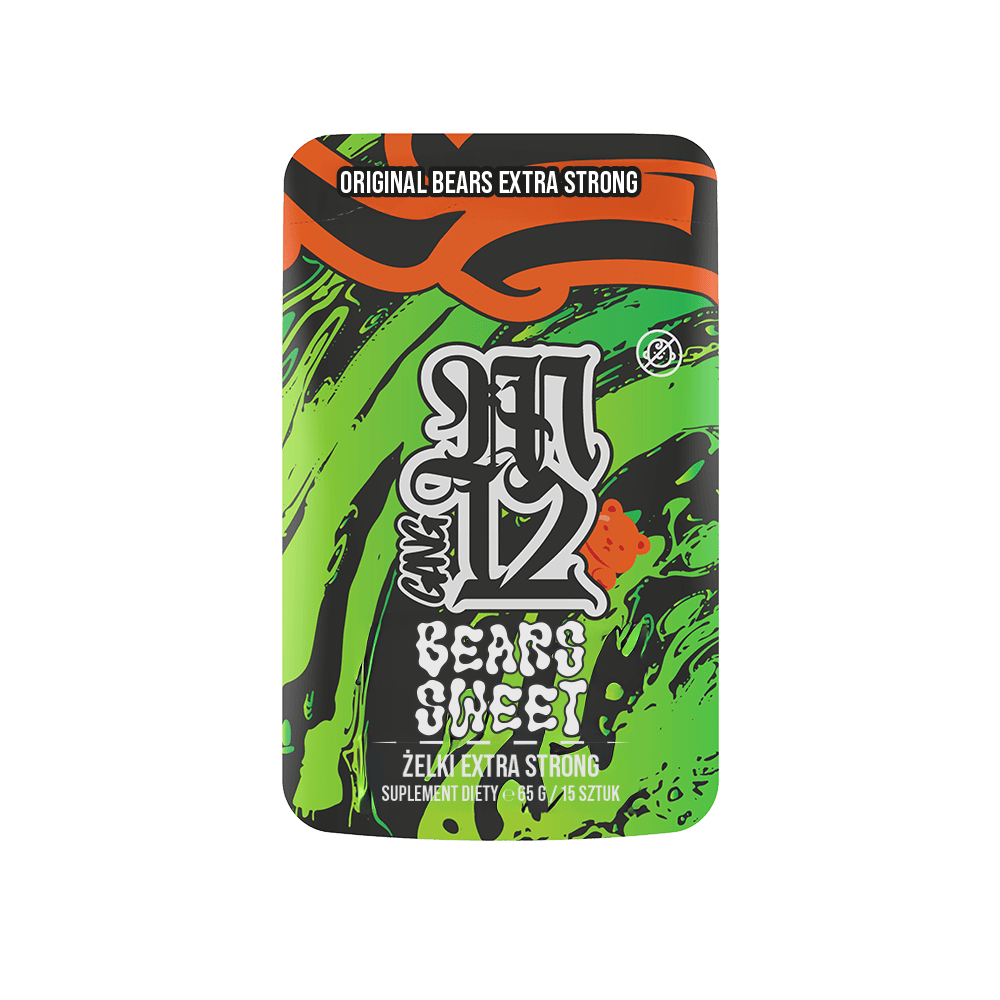
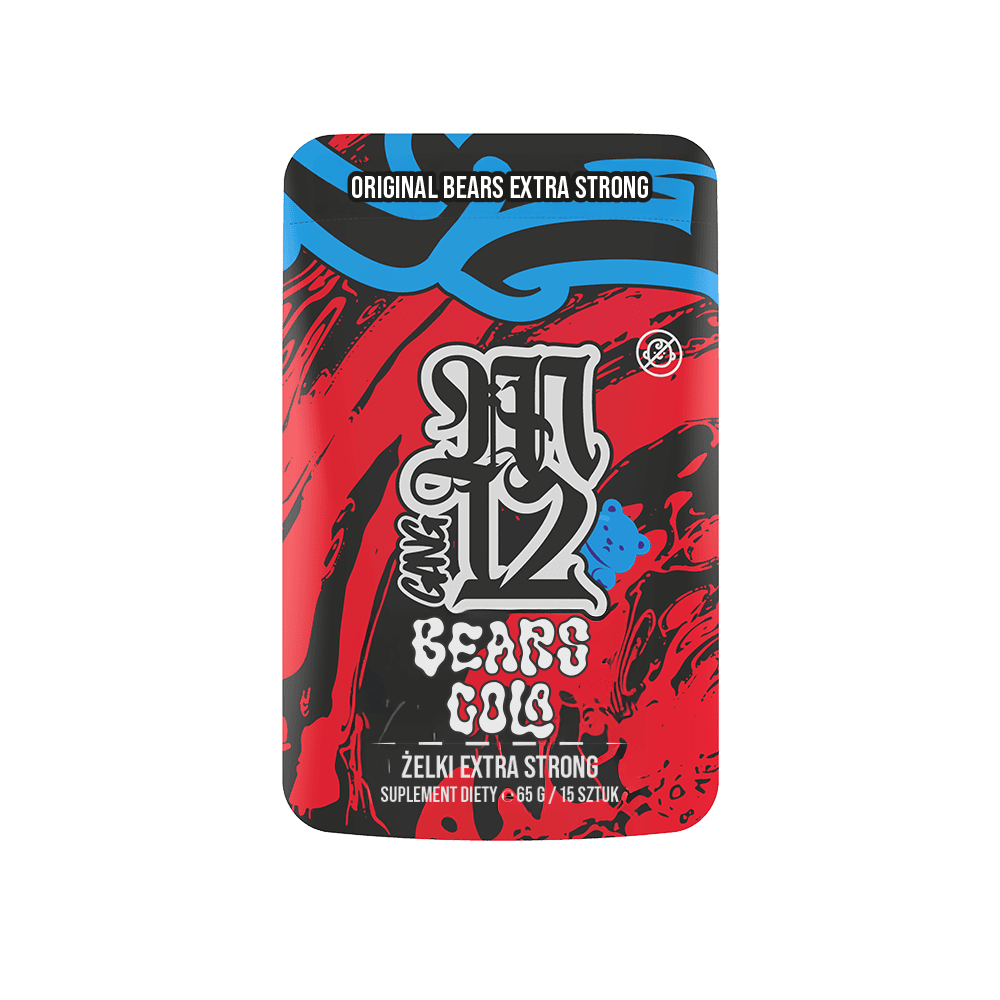
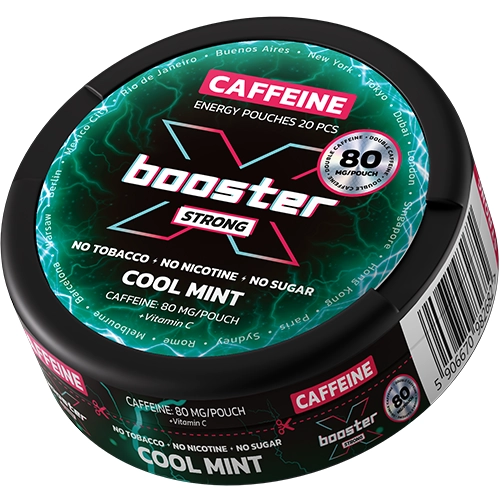
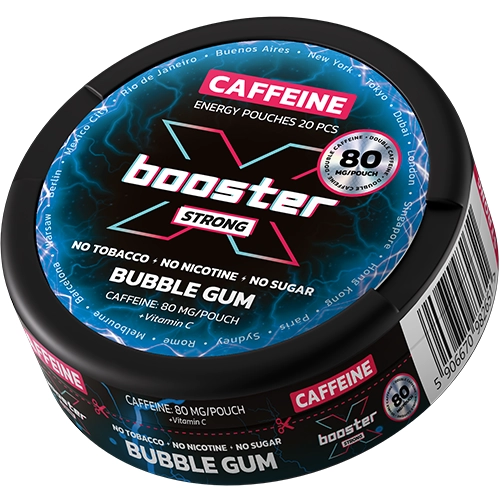
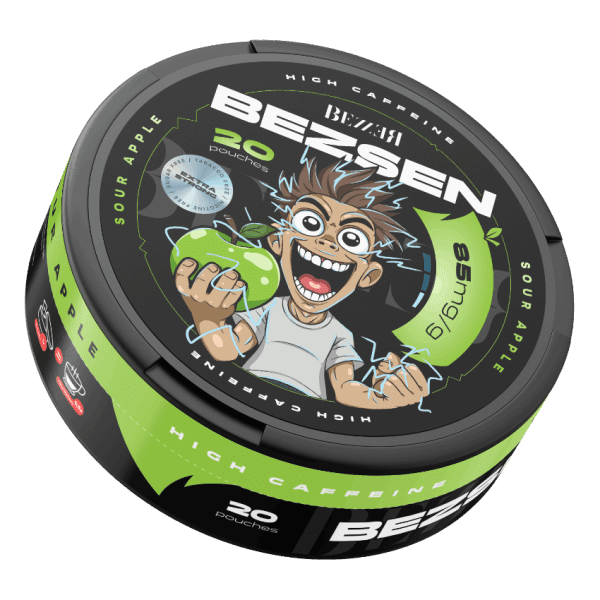
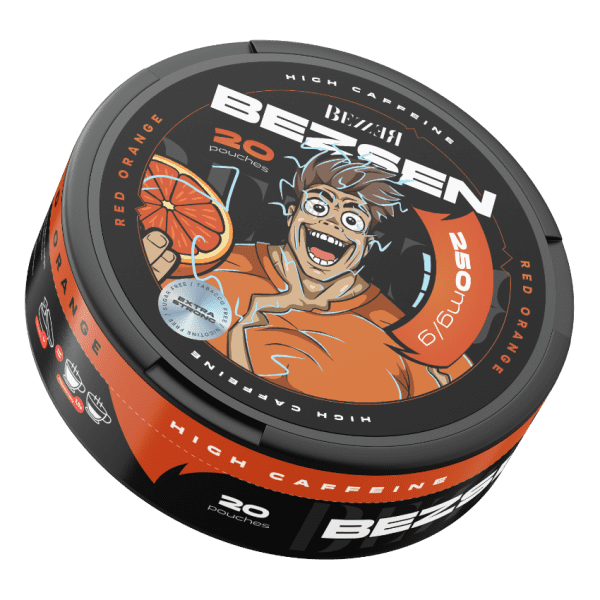
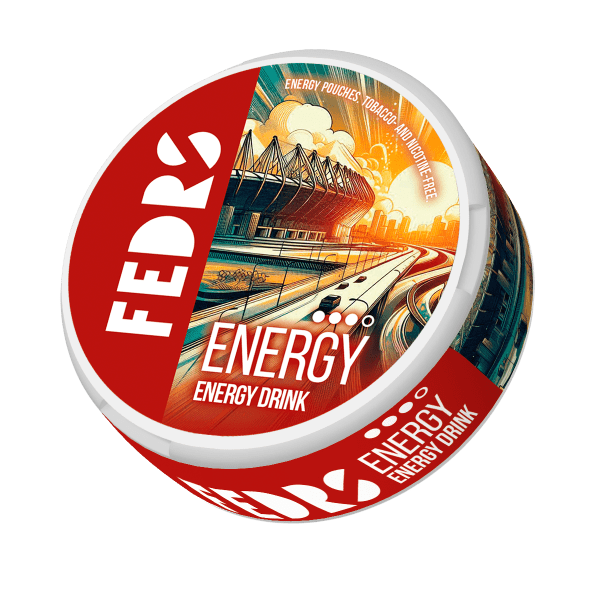
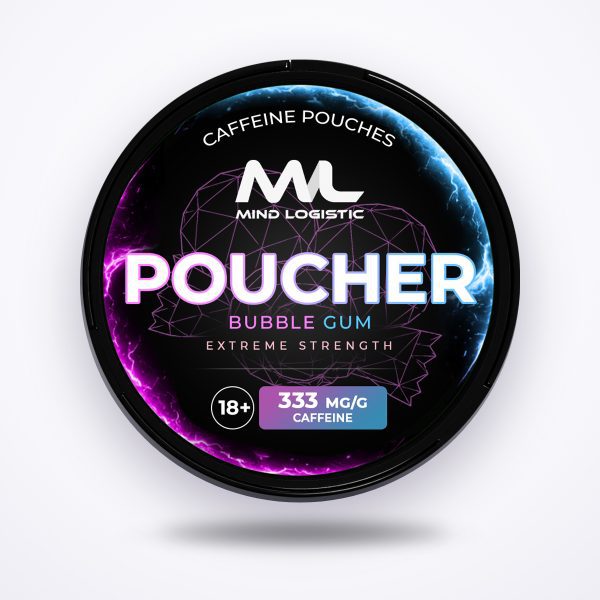
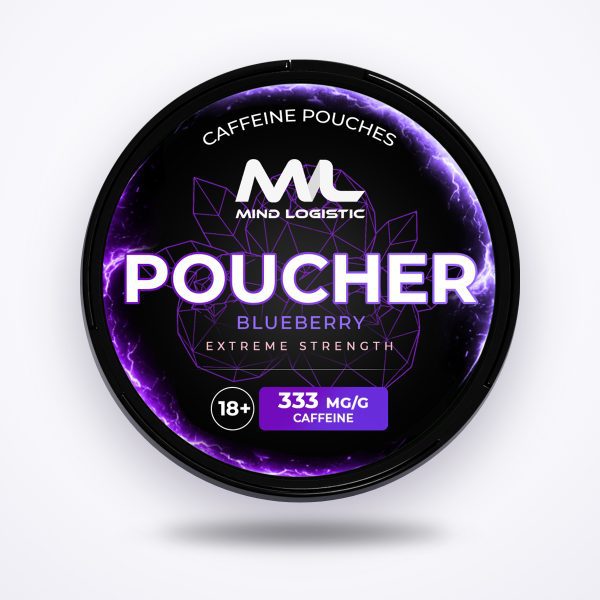
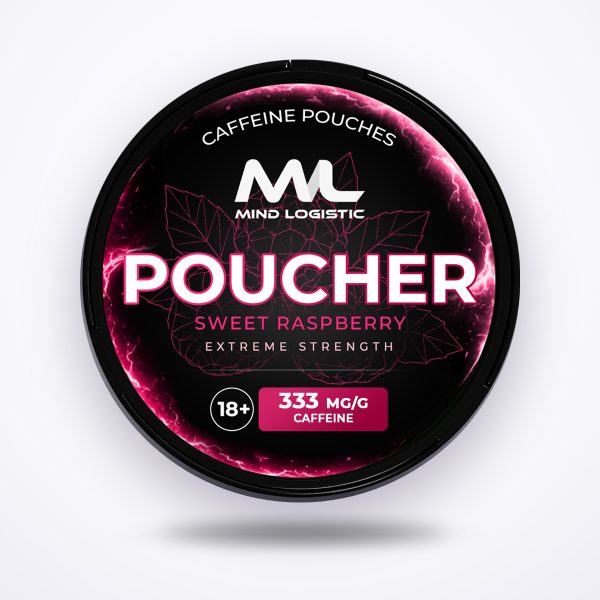
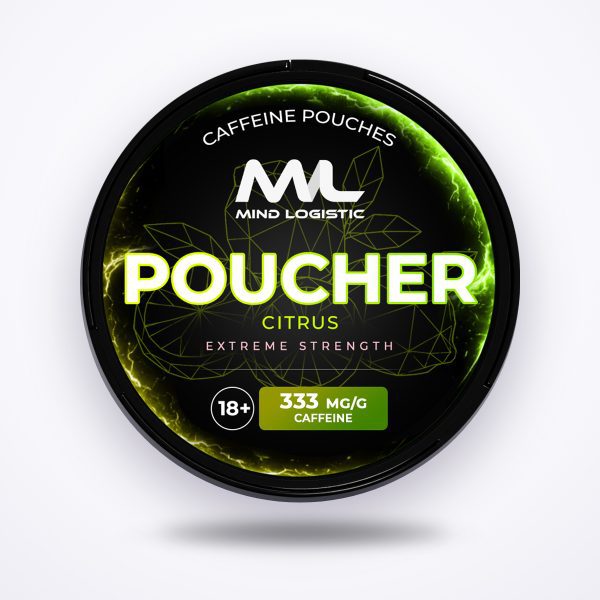
Caffeine pouches are oral sachets without tobacco and nicotine that deliver caffeine and other active substances directly through the mucous membrane of the mouth. On this page, you will find 39 products from trusted brands — X-Booster, BEZZER and Cafero — with doses ranging from 40 mg to 250 mg of caffeine per pouch, in various flavors and formats. Below, we explain how to choose a format that suits your needs, discuss the most common questions, and show step by step how to use the pouches to achieve the best effect.
How to choose caffeine pouches?
A good caffeine pouch is one that delivers exactly the amount of caffeine you need — not too little, not too much. According to data from EFSA (2015), the safe single dose of caffeine for a healthy adult is up to 200 mg, and the daily limit is 400 mg. Before adding a product to your cart, check five key factors.
Caffeine dose per pouch. Products at Bucha include three levels of intensity. Light (40–85 mg per pouch): X-Booster Energy Drink 40mg and BEZZER Sour Apple 85mg/g — ideal for daily use alongside coffee, with no risk of exceeding the limit of 400 mg daily (EFSA, 2015). Medium (170 mg): BEZZER Sour Apple 170mg/g and BEZZER Tropical Fruits 170mg/g — a noticeable energy boost in the middle of the day without excessive stimulation. Strong (250 mg): BEZZER Tropical Fruits 250mg/g and BEZZER Eucalyptus 250mg/g — designed for tough challenges: long drives, intense workouts, night shifts.
Ingredients and additives. Check if the manufacturer provides a complete ingredient list. Good products contain only caffeine, natural flavors, and a filler (cellulose or starch) — no artificial colors or glucose-fructose syrups. Each X-Booster and BEZZER pouch is free from nicotine and tobacco.
Pouch format and weight. A lighter pouch (0.6 g in the BEZZER line) is more discreet than a heavier format. Small sachets are less noticeable under the lip during conversation, which will be appreciated by those using pouches at work or during meetings.
Flavor and moisture. Moist formats (X-Booster, BEZZER) release active ingredients faster and are gentler on the mucous membrane. Dry pouches can irritate the gums with prolonged use — it is worth checking tolerance with a smaller dose.
Price per dose. For BEZZER Sour Apple 250mg at 22.90 PLN and 20 pouches in a can, it comes to 1.15 PLN/pouch — comparable to espresso from an office machine. The X-Booster line costs 16.90 PLN for a can, which gives 0.85 PLN for a pouch with a dose of 40–80 mg.
Who should NOT use caffeine pouches: people with hypertension, pregnant women, and those who do not tolerate caffeine should avoid this format. Use by individuals under 18 years of age is not recommended — any changes in supplementation habits should be discussed with a doctor, especially if you combine several sources of caffeine daily (EFSA, 2015).
Most popular products in the category
The offer at Bucha focuses on three distinctly different product lines, each aimed at a different user profile and price range.
X-Booster line — classic SNUS format. X-Booster Energy Drink 80mg SNUS is a classic pouch with 80 mg of caffeine — 20 sachets in a can for 16.90 PLN. Without tobacco and nicotine, with a recognizable energy drink flavor. The version X-Booster Cool Mint 40mg SNUS has half the dose — a good starting point for someone who is just trying this format and wants to assess their tolerance to caffeine delivered through the mucous membrane. The variant X-Booster Energy Drink 40mg SNUS combines a familiar taste with a mild effect and works well as a supplement to morning coffee — provided that the total daily caffeine dose is within the safety limits set by EFSA (2015).
BEZZER line — three flavors, three intensities. The Polish brand BEZZER offers a 0.6 g format with an emphasis on rapid absorption through the mucous membrane. Among the fruity variants, BEZZER Tropical Fruits 250mg/g stands out — pineapple, dragon fruit, and passion fruit in a strong dose — and the milder BEZZER Sour Apple 170mg/g with a sweet-sour note of green apple. For those starting their adventure with pouches, we recommend BEZZER Sour Apple 85mg/g — minimal interference with the daily dose, easy to incorporate into the morning coffee routine. If fruity flavors are not appealing, BEZZER Eucalyptus 250mg/g provides a cool eucalyptus aroma with a full dose of caffeine.
Cafero Vanilla Latte — coffee format. Cafero Vanilla Latte contains 20 soluble pouches in a can — when poured with water, they create a ready coffee drink in 30 seconds. They contain 80 mg of caffeine and taste like vanilla coffee, while also being usable orally in pouch form. Sugar-free, nicotine-free, and tobacco-free. For those who want both a pouch to use under the lip and an option to prepare a drink without an espresso machine. Cafero is an interesting proposition for coffee lovers who want something more than a classic pouch to place under the lip — the product combines the functionality of two formats in one package.
Dosing and using the energy pouch
Caffeine pouches release active ingredients through the mucous membrane of the mouth, which speeds up absorption compared to drinking coffee. The stimulating effects are felt within 10–20 minutes of placing the pouch, and the duration of action usually lasts 45–90 minutes (McLellan et al., 2012, PubMed). In comparison, espresso coffee starts to take effect about 30–60 minutes after drinking.
A few rules will help you use the pouches safely and effectively. Start with the lowest available dose — 40 or 85 mg — and assess your body’s reaction after two or three days of regular use. Do not combine the pouch with other sources of caffeine (coffee, yerba, energy drinks) within the same hour. The daily caffeine limit for healthy adults is 400 mg according to EFSA (2015). Using it in the evening may delay sleep onset — caffeine has a half-life of about 5 hours (McLellan et al., 2012). If you struggle with sleep difficulties, read our article on natural ways to sleep without pills.
How do caffeine pouches fit into a broader cognitive strategy? This is a question posed by those tracking biohacking trends. Caffeine is one of the most studied nootropics — its effects on concentration and reaction time are well documented (McLellan et al., 2012). Those combining caffeine with other cognitive supplements will find a broader context in our material on nootropics and adaptogens in 2026.
How to use caffeine pouches?
- Choose the dose according to the time of day and activity. In the morning — a lower dose variant (40–85 mg) as a supplement to coffee or instead of a second cup. In the afternoon — 170 mg when you need a clearer effect without excessive stimulation before sleep. Strong variants (250 mg) should be reserved for intense challenges: a long project, endurance training, or a night shift. Remember that the safe single dose of caffeine is 200 mg according to EFSA (2015).
- Place the pouch between your lip and gum. Insert the sachet inside the upper or lower lip, in a place where the mucous membrane is thin and well vascularized. You can also slide it between your cheek and gum — as instructed on the BEZZER packaging. The pouch should adhere comfortably but not cause discomfort or pain.
- Keep the pouch for 20–40 minutes. Most active ingredients are released in the first 20 minutes (McLellan et al., 2012). Keeping it longer, up to 40–60 minutes, slightly increases total absorption. Do not leave the pouch in your mouth for more than 60 minutes — prolonged exposure may irritate the gums.
- Do not chew or swallow the pouch. Caffeine pouches are not meant to be chewed or ingested. Chewing destroys the structure of the pouch and may cause a sudden release of a large amount of caffeine at once, increasing the risk of tachycardia or nausea.
- Dispose of the pouch after use. Each pouch is single-use. Dispose of the used pouch in mixed waste. Do not place the used pouch back in the can with unused pouches — this may negatively affect their freshness.
- Monitor the daily number of pouches and other sources of caffeine. With X-Booster 80 mg, you can use up to 5 pouches daily before approaching the 400 mg limit, but only if you do not drink coffee or tea. In practice, consider all sources of caffeine together — the daily safety limit is 400 mg according to EFSA (2015). With BEZZER 250 mg, do not use more than 1 pouch in one session.
Safety and contraindications
Caffeine pouches available at Bucha do not contain nicotine, tobacco, or synthetic stimulants other than caffeine and natural extracts. X-Booster and BEZZER products are legally sold as dietary supplements in Poland, in accordance with EU Regulation No. 1169/2011 on food labeling. The Cafero line additionally offers a soluble format that meets the same standards.
Caffeine — even in a safe product — can cause side effects with excessive use. Symptoms of overdose (over 400 mg daily in healthy adults) include tachycardia, muscle tremors, headaches, and difficulties sleeping (McLellan et al., 2012). Individuals with hypertension, arrhythmias, or panic disorders should consult their doctor before first use.
Children and adolescents under 18 years of age should not use caffeine pouches. Pregnant and breastfeeding women should limit caffeine intake to 200 mg daily from all sources (EFSA, 2015) and consult any dietary changes with their healthcare provider.
If you are wondering how caffeine in a pouch fits into a natural strategy for improving focus with concentration difficulties, check out our compilation of supplements and herbs that support concentration naturally.
An important practical issue: caffeine pouches should not be consumed before training by athletes competing in anti-doping competitions without prior verification — although caffeine is allowed by WADA (2024 list) as a non-monitored substance, it is always worth checking the composition of a specific product for possible additives. The manufacturers X-Booster and BEZZER declare a composition free of prohibited substances, but the responsibility for verification before the competition lies with the athlete. In daily use outside of sports, this issue is not significant.
Frequently Asked Questions
How do caffeine pouches differ from SNUS?
Traditional SNUS contains tobacco and nicotine — a highly addictive substance. Caffeine pouches like X-Booster or BEZZER contain neither tobacco nor nicotine. The active substance is solely caffeine and possibly plant extracts. The products are classified as dietary supplements, not tobacco products — which confirms their legal status in Poland and the entire EU (EFSA, 2015). The oral pouch form is visually similar, but the composition and risk profile are fundamentally different.
How long does it take for a caffeine pouch to take effect?
The absorption of caffeine through the mucous membrane of the mouth is faster than after drinking coffee — the first stimulating effects are felt after 10–20 minutes. The full effect lasts for 45–90 minutes, after which it gradually fades. In comparison, caffeine consumed orally takes effect 30–60 minutes after drinking, and its half-life is about 5 hours (McLellan et al., 2012).
Can caffeine pouches be used instead of coffee?
Yes, provided you monitor the total dose. A cup of espresso delivers about 60–80 mg of caffeine — the same as X-Booster 80mg. Energy pouches can replace coffee in situations where you do not have access to an espresso machine. Remember that the daily limit of 400 mg includes all sources of caffeine combined, and exceeding it increases the risk of tachycardia and insomnia (EFSA, 2015).
Are caffeine pouches addictive?
Caffeine as a substance can cause mild physical dependence — regular use of high doses leads to tolerance and withdrawal symptoms such as headaches or irritability. The pouches at Bucha do not contain nicotine, so they do not cause dependence on that substance. When using doses in accordance with recommendations (EFSA: up to 400 mg daily), the risk of problems is low, but breaks in use are advisable.
How to store caffeine pouches?
Store cans in a dry place, away from direct sunlight and heat sources. After opening, use the pouches within 3–4 weeks — an opened package loses moisture, which affects the absorption rate and flavor intensity. Do not freeze the product or store it in the refrigerator, as water condensation damages the structure of the pouch (storage details can be found in product descriptions, e.g. BEZZER Tropical Fruits 250mg/g).
Are caffeine pouches legal in Poland?
Yes. Caffeine pouches without nicotine and tobacco are classified as dietary supplements and are subject to EU regulations on food safety (Regulation (EC) No. 178/2002 and Directive 2002/46/EC). They are not subject to tobacco product regulations. All products available at Bucha meet the requirements for market approval in the EU.
How many pouches can I use daily safely?
It depends on the dose and other sources of caffeine in your diet. The safe single dose is 200 mg, and the daily limit for a healthy adult is 400 mg — both limits according to EFSA (2015). With a 40 mg pouch and no coffee, the limit is 10 pieces, but in practice, we recommend a max of 4–5 pouches daily considering other sources. With the 250 mg variant, do not use more than 1 pouch in one session.
This article is for informational and educational purposes only and does not constitute medical advice. Before starting to use cannabis or CBD for therapeutic purposes, consult your doctor, especially if you are taking other medications, are pregnant, or breastfeeding.