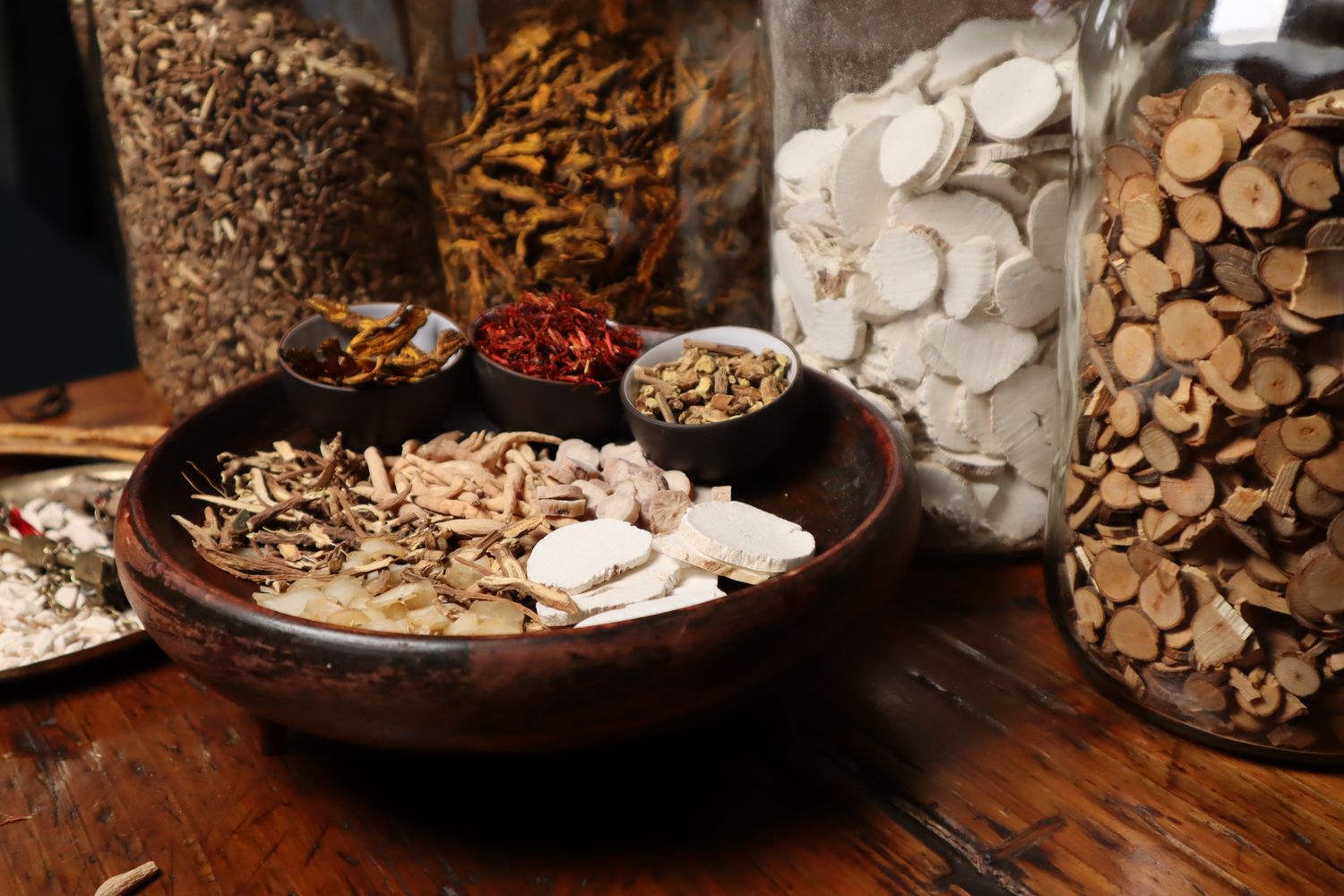
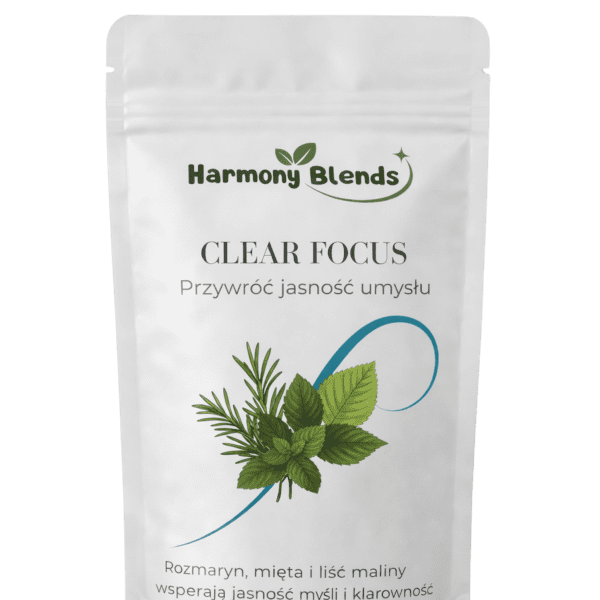
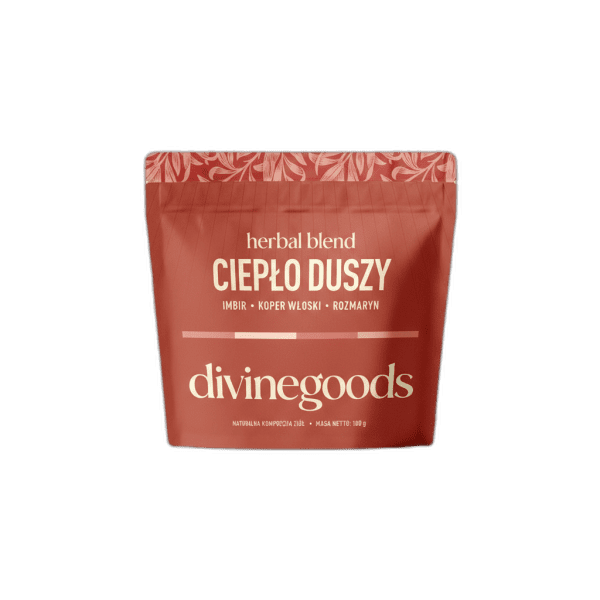
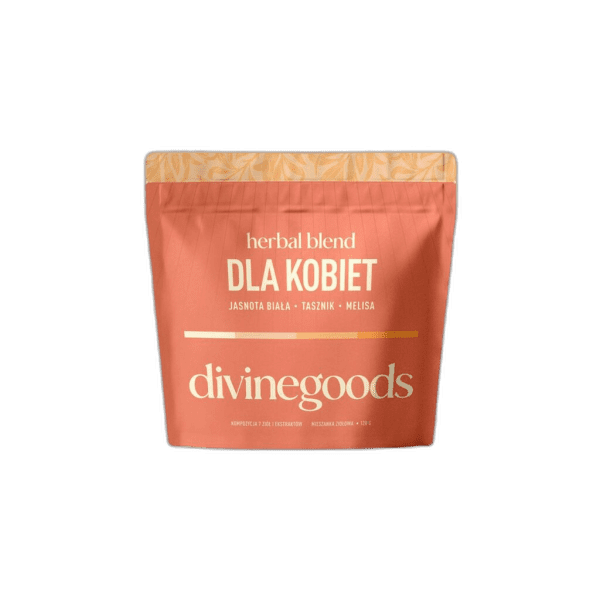
A herbal blend is a ready-made set of several raw materials composed in specific proportions, so that they complement each other in flavor, aroma, and working temperature. Instead of buying five separate packages and searching for proportions yourself, you receive a composition prepared by the manufacturer. In this category, you will find ready-made blends along with a guide on what to check in them.
How to choose a herbal blend?
Blends differ primarily in composition and purpose, and only then by weight. Four things distinguish a well-composed blend from a random collection.
1. Complete list of ingredients. A reliable manufacturer lists all herbs, preferably with botanical names, and provides their order according to their share. A blend described only by its trade name and a slogan about careful selection does not allow you to check what you are actually buying.
2. Purpose. Blends for vaporization are composed of herbs that withstand heating well and release aroma in a similar temperature range. Blends for infusions are selected based on taste and solubility in water. These are two different tasks, and the raw materials do not always transfer between them.
3. Grinding. Too finely ground material can pass through the screen of the heating chamber, while too coarse releases aroma unevenly. Manufacturers preparing blends for vaporizers usually provide the recommended degree of grinding or deliver the raw material already prepared.
4. Time of day. Compositions are roughly divided into those for the active part of the day and those for the evening. Stimulating and calming herbs have different aromatic profiles, so an evening blend rarely works well in the morning and vice versa.
What you will find in the herbal blends category
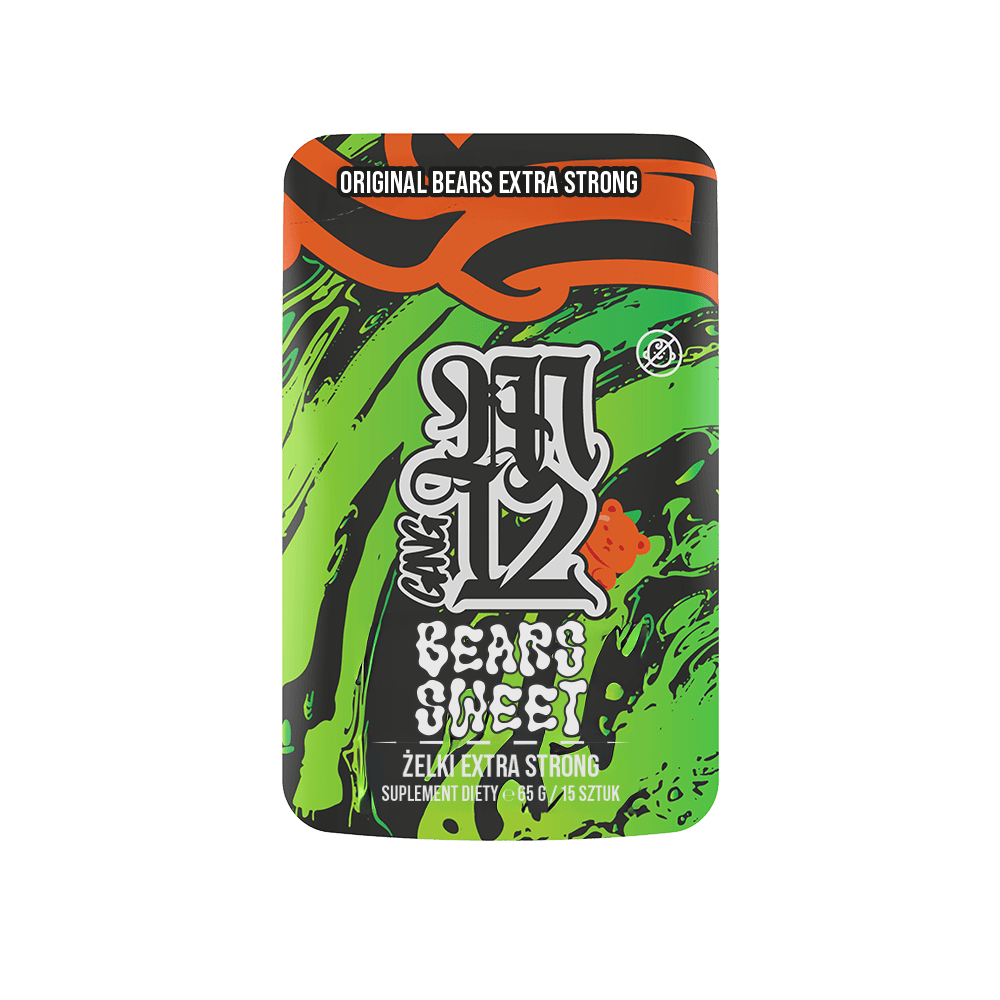
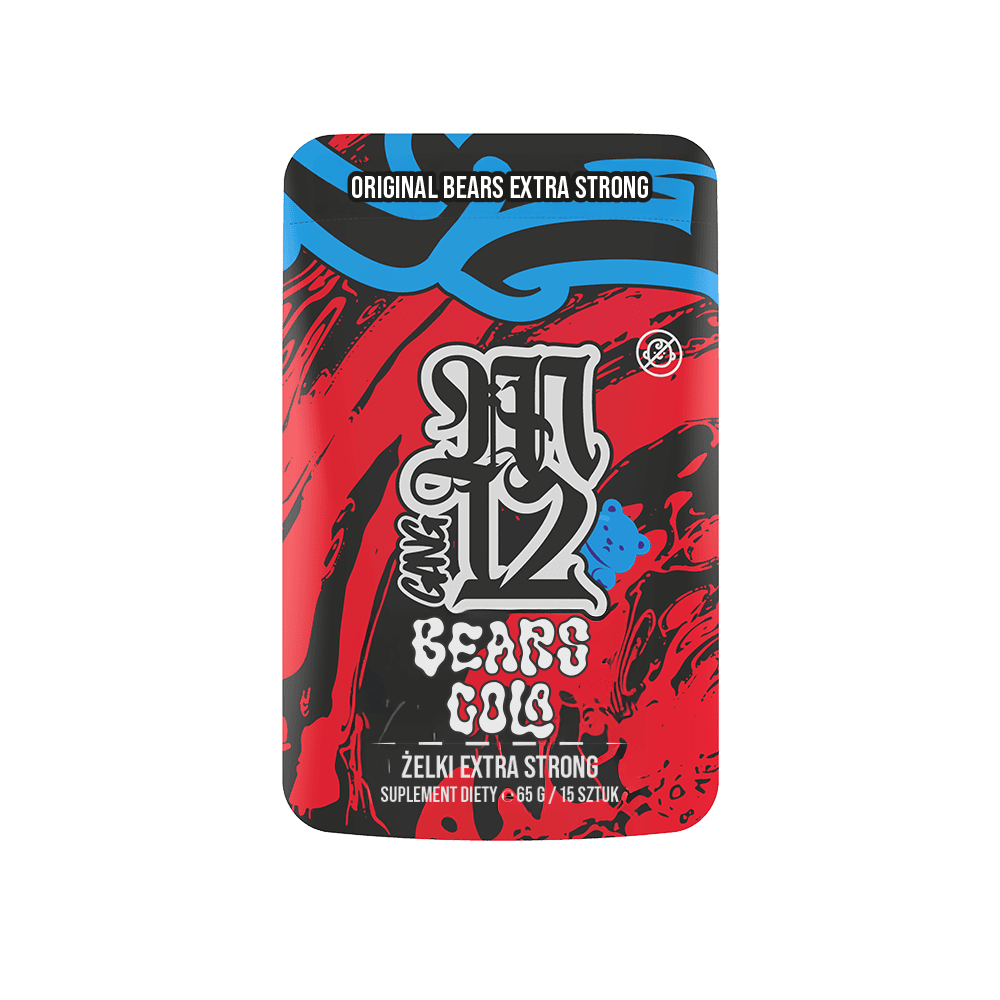
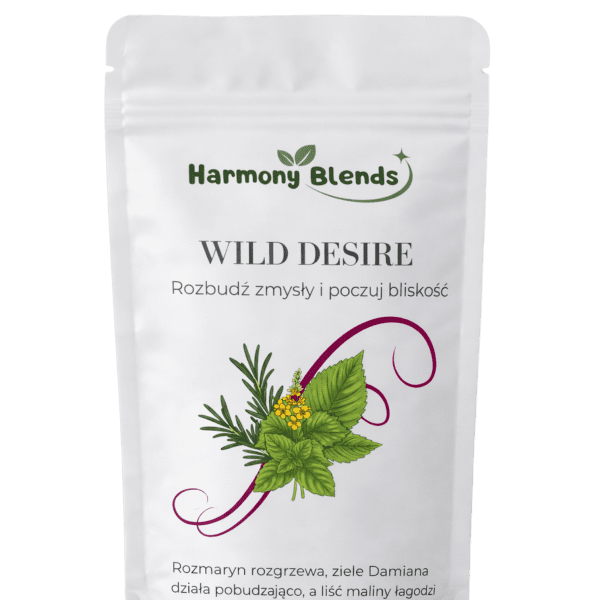
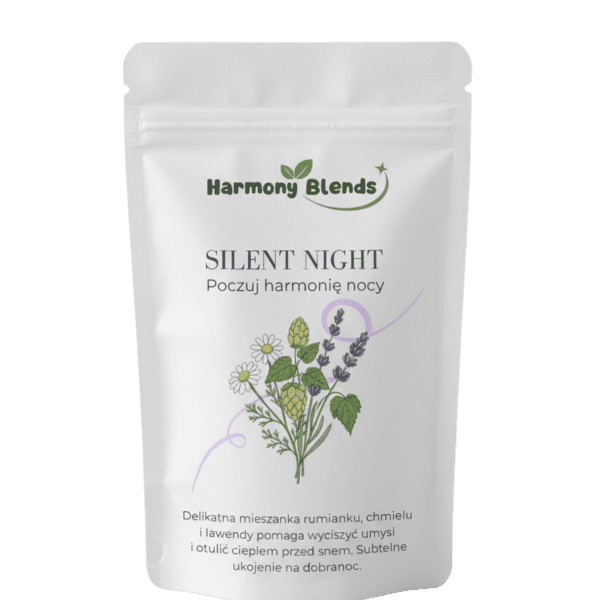
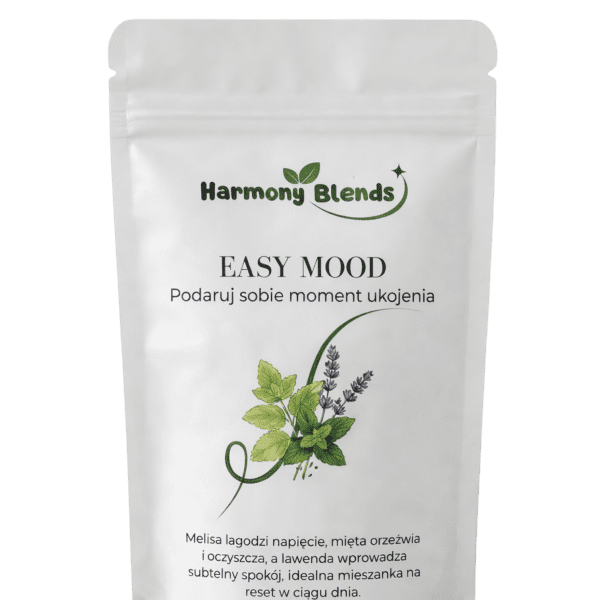
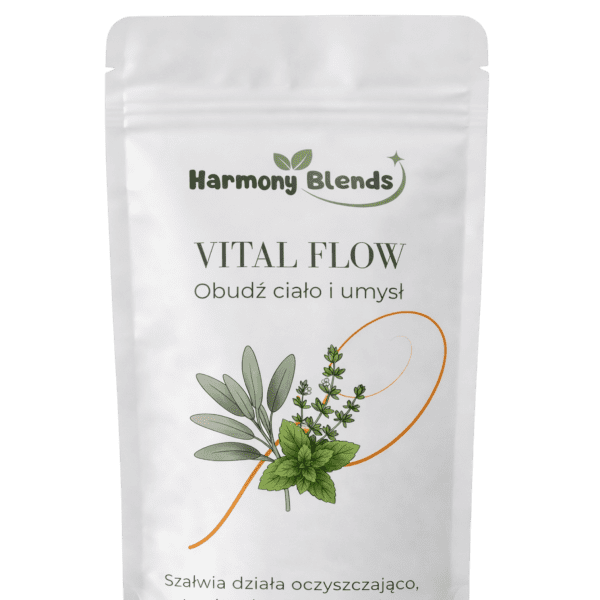
This category collects ready-made multi-ingredient compositions, including blends from the Harmony Blends brand prepared for specific times of the day and moods. Each of them combines several raw materials in established proportions and is ready to use without additional preparation.
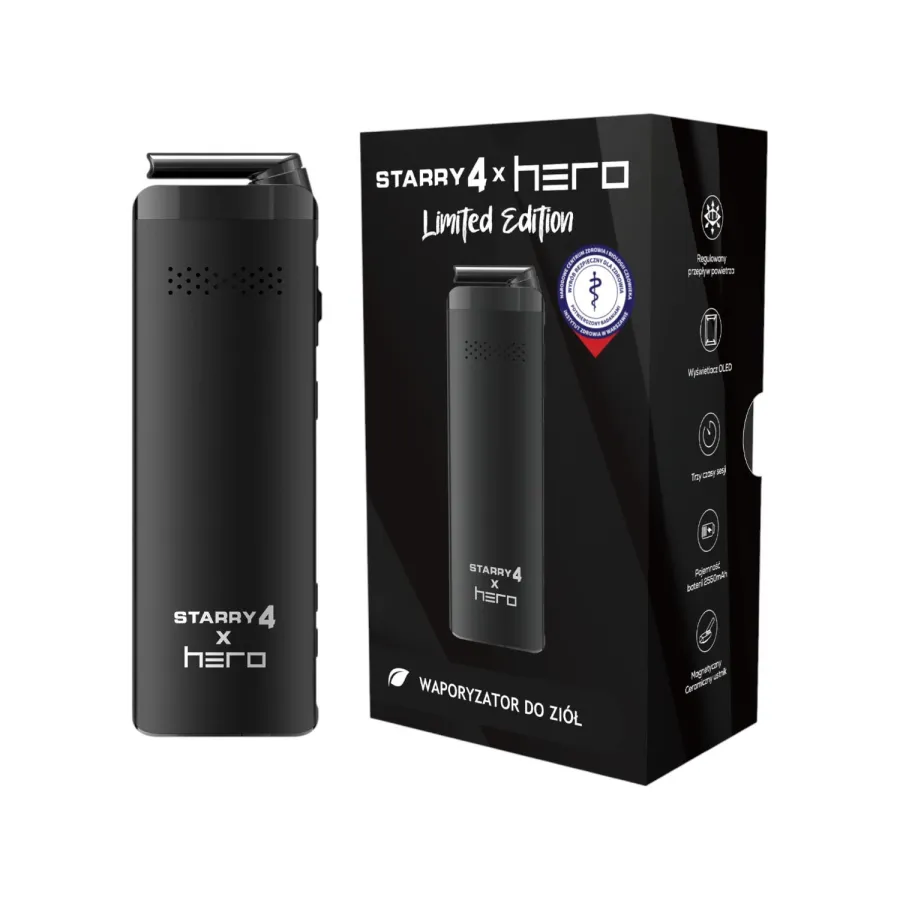
If you prefer to compose on your own, you will find individual raw materials in the herbs category, and concentrated extracts in the standardized extracts category. Equipment for working with raw materials is gathered in the vaporizers category.
Herbs that repeat in blends
In evening compositions, you will most often encounter lemon balm, lavender, valerian, hops, and passionflower. They share a delicate, herbal-floral aroma and work well at lower temperature ranges.
In daytime blends, mint, rosemary, sage, damiana, and green tea appear more frequently. They provide a clearer, fresher profile and better withstand higher settings.
The base is usually made up of neutral-tasting herbs with a large volume, such as mullein or coltsfoot, which do not dominate the composition but improve its structure. We write more about composing itself in our guide on herbal blends for sleep.
Temperature and method of use
Herbs release aroma at a significantly lower range than the combustion temperature, usually between one hundred sixty and two hundred degrees Celsius. Individual raw materials have their own optimum within this range, so when using a blend, you start at the lower limit and gradually increase, observing the flavor.
Fill the chamber loosely. Too tightly packed material restricts airflow and gives an uneven effect. After use, empty and clean the chamber, as leftover herbs transfer aroma to the next session. You can find details in our guide on vaporization temperature.
Storing blends
Herbal blends lose aroma faster than single raw materials because they have a larger surface area. Keep them in a sealed, opaque container at room temperature, away from kitchen steam. You will find storage containers and jars in the storage category.
Too moist material can mold, while too dry can crumble and lose oils. If the blend is drying out, a two-way humidity regulator placed in the container helps maintain a constant value instead of adding moisture.
Safety and contraindications
This product is intended solely for collection and aromatherapy purposes. Do not use herbal blends during pregnancy and breastfeeding. If you are taking medications regularly, consult the composition with a doctor or pharmacist, as some herbs interact, particularly with preparations affecting mood and sleep.
Before first use, check the ingredient list for allergies, especially to plants from the Asteraceae family. Store the product in a place inaccessible to children and pets.
Frequently asked questions
How does a blend differ from a single herb?
A blend is several raw materials composed in established proportions, selected to complement each other in aroma and work in a similar temperature range. A single herb gives full control over what you use but requires searching for proportions on your own. A blend is more convenient to start with, while single raw materials offer more freedom later.
Can vaporization blends be brewed?
Some can, but not all. Blends composed for vaporization are selected based on the aroma released in hot air, not on solubility in water, so the infusion can be bland or bitter. If the manufacturer does not indicate that the blend is suitable for both applications, treat it as a one-purpose blend.
What temperature should I set for the blend?
Start at the lower limit of the range, around one hundred sixty degrees, and gradually increase by a few degrees until the aroma is clear but not sharp. The blend contains raw materials with different optimums, so there is no single correct value. Note the setting that works for you, as it will be a starting point for the next package of the same blend.
How long does an opened blend stay fresh?
With a sealed container and storage away from light, the aroma usually lasts for several months. Ground material ages faster than whole leaves, so it is worth buying blends in weights that you will realistically use. Loss of scent after opening the container is the first signal that the composition has lost its oils.
Can two different blends be combined?
Yes, though the effect can be unpredictable, as each blend is already composed as a whole. If you want to experiment, start with a three-to-one ratio instead of mixing half and half, and note the proportions. It will be easier to recreate a successful combination and discard an unsuccessful one. Also, remember that evening and morning blends are composed for different temperature ranges, so their combination rarely works well.