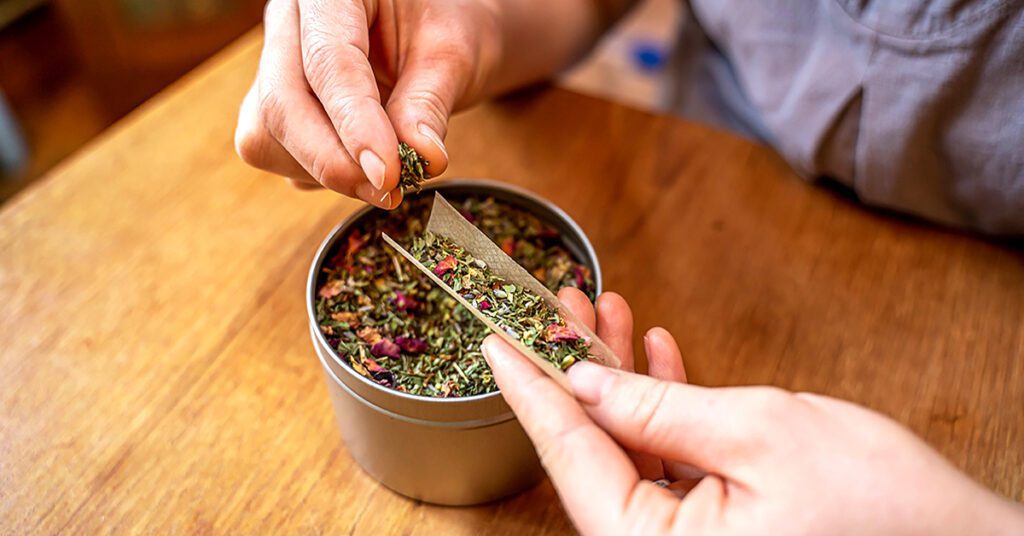
Herbs for vaporization and aromatherapy is a category that includes over 52 dried herbs and herbal blends [source: ubucha.pl/ziola] — from classic lavender to exotic kanna to energizing yerba mate, all of which work great as herbs for vaporization. Each herb comes from organic farms and is packaged in a hermetic container with a BOVEDA humidity regulator, ensuring that the aroma and active ingredients are preserved until use. On this page, you will find a guide to the most important herbs for vaporization, instructions on how to brew or use them in aromatherapy, and answers to the most common questions from buyers.
How to choose herbs for vaporization?
The choice of the right herbal material primarily depends on the goal you want to achieve. Phytotherapeutic studies indicate that over 80% of traditional medicinal plants [source: PubMed 25928790] contain terpenoids and flavonoids that affect the nervous system — but the specific substance, its concentration, and the vaporization temperature determine whether the effect will be relaxing, stimulating, or adaptogenic. Before adding a product to your cart, check four factors:
- Purpose of action — for sleep and relaxation, lavender and blends based on chamomile and lemon balm work well; for concentration and energy — yerba mate with natural caffeine [source: PubMed 11865298]; for mood improvement — kanna or damiana.
- Vaporization temperature — each herb releases active ingredients in a different range. Too low a temperature results in a weak effect; too high — a risk of terpene degradation. Remember: lavender 100–125°C, mint 100–150°C, hibiscus 160–190°C, yerba mate 145–195°C [source: ubucha.pl].
- Form of use — dried herbs can be vaporized, brewed as an infusion, or combined into blends. Vaporization provides effects faster (active ingredients enter through the lungs), while infusion — more gently and for a longer time. Ready-made blends, such as Sleep Relax, are a convenient option for those who prefer a tested composition over experimenting.
- Quality and origin — look for products from certified organic farms, packaged in a way that protects against moisture and oxidation. The BOVEDA humidity regulator is a small detail that is significant for the durability of the herb [source: ubucha.pl].
- Interactions and contraindications — St. John’s wort, kanna, and damiana may interact with medications. If you are taking SSRIs or other psychoactive drugs, consult a specialist before purchasing.
Who this category is for: for those seeking natural wellness support, a healthier alternative to tobacco, aromatherapists, and tea ritual enthusiasts. Who it is not for: for children, pregnant women (without consulting a doctor), and people taking serotoninergic medications without prior medical advice.
A typical mistake buyers make is choosing herbs solely based on taste or an attractive name, overlooking the vaporization temperature. Another common mistake is buying herbs without a humidity regulator, which within a few weeks leads to drying out and loss of volatile compounds [source: PubMed 26088971].
Most popular products in the category
The offer at u Bucha can be divided into relaxing herbs, stimulating herbs, and ready-made blends.
Relaxing herbs and sleep aids. Lavender — herb for aromatherapy (19.90 PLN) is a bestseller in the category — clinical studies [source: PubMed 25553551] confirm the effect of linalool on GABA receptors, which translates to calming and shortening the time to fall asleep. Vaporization temperature 100–125°C preserves the volatile esters. Similarly, mint NAN — dried mint leaves (13.99 PLN) has a similar effect, although its effect is twofold: menthol supports the respiratory tract and digestion, and studies [source: PubMed 16767798] indicate a mild relaxing effect at 100–150°C.
Exotic herbs and mood boosters. Damiana — 12 g aphrodisiac herb (19.90 PLN) contains apigenin and arbutin, traditionally attributed with libido-supporting effects — read more about natural aphrodisiacs in the article CBD and sex. Kanna — herb for aromatherapy (37.90 PLN) is one of the more expensive items in the category, as its active alkaloids (mesembrenone, mesembryne) act similarly to serotonin reuptake inhibitors [source: PubMed 23178644]. Vaporization at 185–205°C [source: ubucha.pl]. Sinicuichi — herb from Mexico (35.90 PLN) is an herb with relaxing and euphoric effects, traditionally used in Mexican shamanic rituals [source: ubucha.pl].
Stimulating herbs. Yerba mate — 20 g dried Ilex paraguariensis (19.90 PLN) provides natural caffeine, theophylline, and theobromine — a trio that works synergistically for concentration [source: PubMed 11865298]. Vaporization temperature 145–195°C. Hibiscus — dried flower for vaporization (19.90 PLN) contains anthocyanins and hibiscus acid that support the circulatory system [source: PubMed 20018807]; best vaporized at 160–190°C. Lemongrass — 12 g dried Cymbopogon citratus (14.95 PLN) combines citrus aroma with natural calming support; temperature 135–150°C [source: ubucha.pl].
Ready-made blends. If you do not want to experiment with proportions, reach for ready-made compositions. Blissful Elevation — 20 g blend (49 PLN) contains damiana, eucalyptus, mugwort, mullein, rose, and St. John’s wort — a mood-boosting combination with a gentle aphrodisiac priced at 49 PLN for 20 g. Sleep Relax — 20 g blend (49 PLN) is a composition of lavender, echinacea, plantain, sage, chamomile, mint, and rosemary — a classic evening ritual for those struggling with insomnia [source: ubucha.pl].
Dosing and using herbs for vaporization
There is no one universal dose — it depends on body weight, sensitivity of the nervous system, and the chosen herb. As a starting point [source: PubMed 25928790], it is assumed to be from 0.1 to 0.3 g of herb per vaporization session. Start from the lower range, wait 10–15 minutes, and assess the effect before possibly supplementing. When brewing an infusion: pour 1–2 g of herb with water at a temperature of 80–95°C (not boiling — higher temperatures destroy delicate essential oils [source: PubMed 26088971]). Brew for 5–8 minutes under cover and drink 1–2 cups daily.
When creating your own blends, stick to the rule: a maximum of 4–5 ingredients, in proportions from 30% to 10% each [source: ubucha.pl]. Do not combine herbs with strong serotoninergic effects (kanna, St. John’s wort) without prior consultation with discussion of adaptogens and herbs affecting stress.
Safety and contraindications
Herbs are natural, but that does not mean they are risk-free. Kanna and St. John’s wort interact with antidepressant medications (SSRIs, MAOIs) — simultaneous use can lead to serotonin syndrome [source: PubMed 15479823]. Damiana in large doses may lower blood glucose levels, which is important for diabetics. Hibiscus affects blood pressure — people with hypotension should use it with caution [source: PubMed 20018807].
Do not use herbs from this category during pregnancy and breastfeeding without consulting a doctor. Children under 12 years old — only under the supervision of a specialist. When using a new herb for the first time, observe the body’s reaction for at least 48 hours [source: ubucha.pl]. Store herbs in a dry, dark place, away from heat sources — this way they will retain their properties for 12–24 months [source: manufacturer — expiration date on the packaging]. Vaporization is safer than combustion, as at temperatures below 230°C, cellulose pyrolysis and the formation of tarry carcinogenic substances do not occur [source: PubMed 17345164]. Nevertheless, vaporization is not suitable for people with lung diseases without medical consultation. You can read more about cannabinoids as components of herbs in the article CBG — what is this cannabinoid?
What do studies say about herbs for vaporization?
Herbs for vaporization are the subject of growing interest among phytotherapy researchers — according to a 2019 WHO report, about 80% of the world’s population [source: WHO 2019] uses traditional healing methods based on herbs for vaporization and other forms of phytotherapy — based on plants. Laboratory and clinical studies confirm the effects of many herbs available at Bucha, although most evidence comes from studies of moderate strength.
Lavender is one of the best-researched species. A meta-analysis from 2019 published in Journal of Ethnopharmacology [source: PubMed 31296070] included 15 randomized controlled trials and showed a statistically significant reduction in anxiety levels in participants using lavender extracts (linalool, linalyl acetate) compared to placebo. The effect was visible after just 6 weeks of regular use.
Hibiscus, on the other hand, is one of the best-studied herbs in the context of blood pressure. A review of 5 randomized clinical trials in Journal of Nutrition [source: PubMed 20018807] showed an average reduction in systolic blood pressure of about 7 mmHg in individuals consuming 2–3 g of herb daily for 4–6 weeks. This is a clinically significant difference comparable to the effect of the DASH diet.
Yerba mate, as a natural stimulant, has a solid research background. A study published in Journal of Food Science [source: PubMed 11865298] showed that the combination of caffeine, theophylline, and theobromine in yerba works synergistically — reaction time decreased by about 10% compared to caffeine alone, and the effect lasted longer due to slower absorption from the plant matrix. A 20 g serving of herb at Bucha corresponds to about 10–15 vaporization sessions.
Kanna (Sceletium tortuosum) is being studied for its anxiolytic effects. A clinical study from 2017 [source: PubMed 23178644] showed a 28% reduction in subjective anxiety symptoms after 3 weeks of use with no significant side effects. However, this data pertains to oral preparations; studies specifically regarding the vaporization of kanna are limited.
As you can see, not all herbs have equally developed clinical backgrounds. Damiana and sinicuichi primarily have an ethnobotanical history — valuable, but not a substitute for randomized studies. When buying herbs at Bucha, you weigh tradition and developing science at the same time.
How to use herbs for vaporization? — step by step
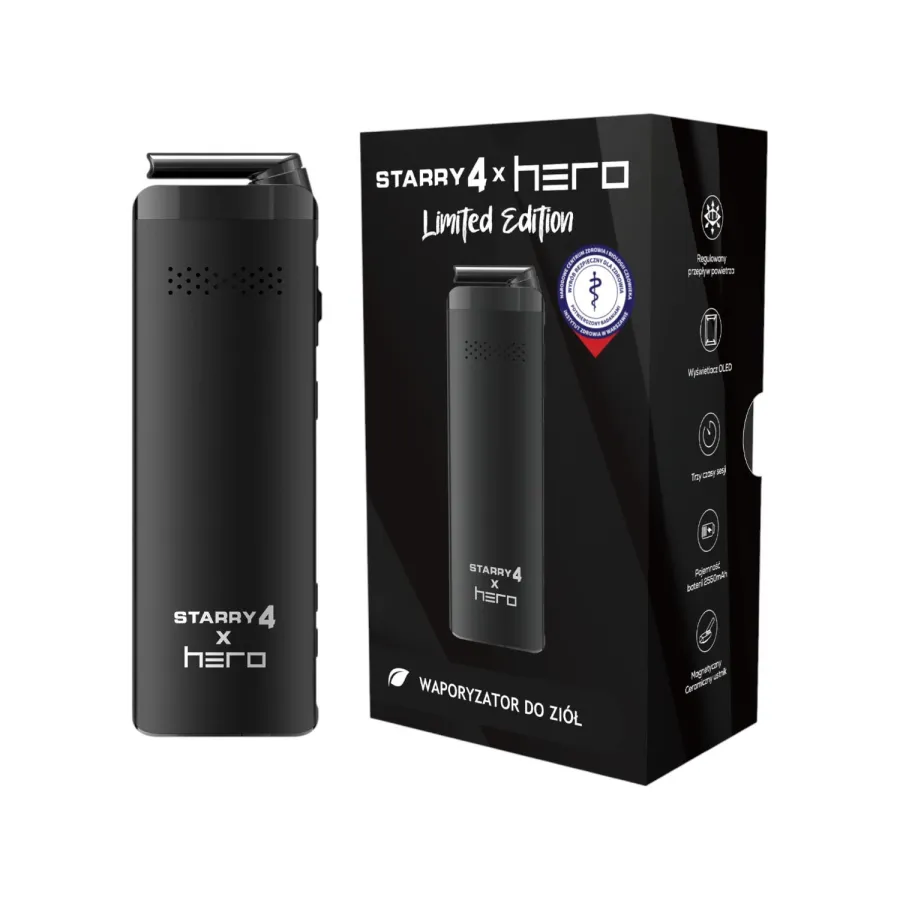
The following guide pertains to vaporizing herbal material using a standard stationary or portable vaporizer. This method works for both relaxing herbs (lavender, mint) and stimulating ones (yerba mate, hibiscus) [source: ubucha.pl].
-
Grind the herb
Put 0.1–0.3 g lavender or another chosen herb into a grinder and grind it to a fine, but not powdery fraction. Too coarsely ground herb contacts the heating element unevenly — the effect is weaker by about 20–30% [source: PubMed 17345164].
-
Set the temperature
Adjust the temperature to the chosen herb: lavender 100–125°C, mint NAN 100–150°C, hibiscus 160–190°C, yerba mate 145–195°C [source: ubucha.pl]. Start from the lower limit of the given range.
-
Load the chamber
Pour the ground herb into the vaporizer chamber. Fill it evenly, but do not pack it tightly — air flow through 60–70% of the chamber ensures optimal evaporation of active ingredients [source: ubucha.pl].
-
Heat the device
Wait 30–60 seconds after reaching the set temperature before you start inhaling. Sudden air intake lowers the temperature in the chamber and disrupts the profile of terpenes being extracted. The heating time depends on the device — manufacturers usually specify 20–90 seconds [source: ubucha.pl].
-
Inhale slowly
Inhale the vapor for 5–8 seconds, slowly and evenly. A pause of 30–60 seconds between subsequent inhales allows you to assess the effect and avoid overheating. Usually, 3–5 inhales are sufficient for one session [source: ubucha.pl].
-
Clean the chamber
After the session, shake out the leftover herb and wipe the chamber with a brush. Regular cleaning (every 3–5 sessions) maintains flavor purity and extends the device’s lifespan [source: ubucha.pl].
Frequently asked questions
What is the difference between vaporizing herbs and smoking?
Vaporization heats the herb to a temperature below the combustion point (usually 100–220°C), preventing pyrolysis — no toxic tarry substances are produced. Studies have shown that vaporization eliminates 95% of tarry substances [source: PubMed 17345164] compared to traditional smoking, while preserving the active ingredients of the herb.
Which herbs work best for sleep and relaxation?
For sleep, lavender (linalool, linalyl acetate), chamomile (apigenin), and hops are recommended. The active substances in lavender exhibit GABA receptor activity similar to benzodiazepines, but without the risk of addiction [source: PubMed 25553551]. u Bucha, you will find both lavender and the ready-made blend Sleep Relax with 7 ingredients.
Is kanna legal in Poland?
Yes, kanna (Sceletium tortuosum) is not listed on the Polish list of controlled substances and is a legal herbal material for aromatherapy. It should not be confused with cannabis — it is a completely different species of plant. Kanna at Bucha is sold as an herb for aromatherapy, vaporization temperature 185–205°C [source: ubucha.pl].
How to properly store dried herbs?
Store herbs in airtight containers, in a dark place at room temperature (15–20°C). The optimal humidity is 55–62% [source: ubucha.pl] — this is why the packaging at Bucha contains a BOVEDA regulator. Under these conditions, herbs retain their full aromatic profile for 12–24 months [source: manufacturer — expiration date on the packaging].
Can I mix different herbs into my own blends?
Yes, mixing herbs is a popular practice. Stick to the rule: a maximum of 4–5 ingredients per blend [source: ubucha.pl]. Do not combine St. John’s wort or kanna with serotoninergic medications — risk of interactions [source: PubMed 15479823]. A safe combination for relaxation: lavender + mint + chamomile. For energy: yerba mate + lemongrass + hibiscus. Ready-made blends, such as Blissful Elevation, have proven proportions.
At what temperature should damiana be vaporized?
Damiana (Turnera diffusa) contains apigenin and arbutin, which vaporize best at 150–190°C [source: ubucha.pl]. Too low a temperature (below 130°C) mainly extracts lighter terpenes, while more active alkaloids remain in the herb. Damiana at Bucha comes from organic farms and is available in a 12 g package with a humidity regulator.
Can yerba mate be vaporized, or only brewed?
Yerba mate is suitable for both forms of use. Vaporization in the range of 145–195°C extracts caffeine, theobromine, and chlorogenic acids [source: PubMed 11865298]. Traditional brewing provides a milder, longer-lasting effect. Yerba mate herb at Bucha has a capacity of 20 g, which is enough for about 10–15 vaporization sessions or several infusions [source: ubucha.pl].
The page is for informational and educational purposes and does not replace consultation with a doctor. If you are pregnant, breastfeeding, taking medications, or have chronic conditions, consult the use of supplements or herbs with a specialist.