A complex is a preparation in which the manufacturer has combined several or a dozen ingredients in one serving. It differs from a single-ingredient preparation in that it cannot be described by the name of one substance. In this category, you will find vitamin-mineral, herbal, and mixed formulas, along with a guide on how to compare them with each other.
How to compare two complexes?
The trade name of the complex indicates the manufacturer’s intention, not its content. Two products with very similar names can have completely different compositions, so the comparison starts with the table, not the front of the packaging.
1. Full list with quantities. A reliable label lists each ingredient with the amount in milligrams or micrograms per daily serving. A composition without numbers, described only by the name of the mixture, does not allow for any comparison. This is the first thing worth checking.
2. Percentage of the reference daily intake. For vitamins and minerals, the manufacturer provides the percentage of daily requirements. A value below fifteen percent means that the ingredient is rather symbolic in the preparation, and this can be the difference between two complexes with identical lists.
3. Chemical form of the ingredient. Magnesium appears as citrate, lactate, oxide, or chelate, and each of these forms dissolves differently. The same goes for iron and zinc. A good manufacturer states the form directly, rather than hiding it behind the name of the element.
4. Number of ingredients vs. their amounts. A preparation with twenty items on the list divides the same capsule into twenty parts. A shorter list with higher contents can be more sensible than a long one where each item is trace. Compare numbers, not the length of the list.
5. Standardization of the plant part. If the composition includes plant extracts, check if the manufacturer provides the degree of standardization. Without this information, it is unclear how much active substance reaches the serving, even if the amount of extract is high.
What will you find in the category of complex supplements
This category collects formulas prepared for specific applications: compositions for memory and concentration support, for sleep comfort, for skin, hair, and nail condition, for immune system support, and preparations intended for women during hormonal changes.
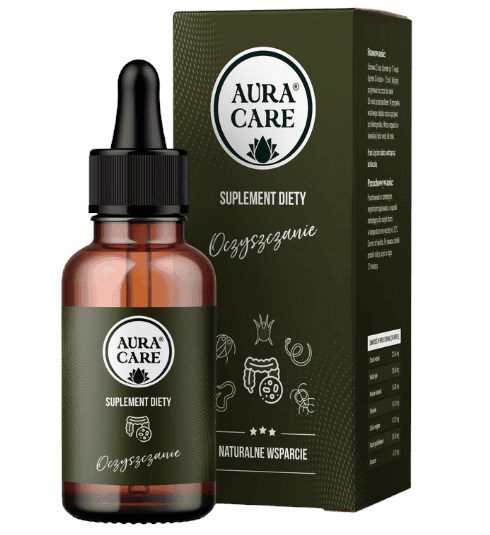
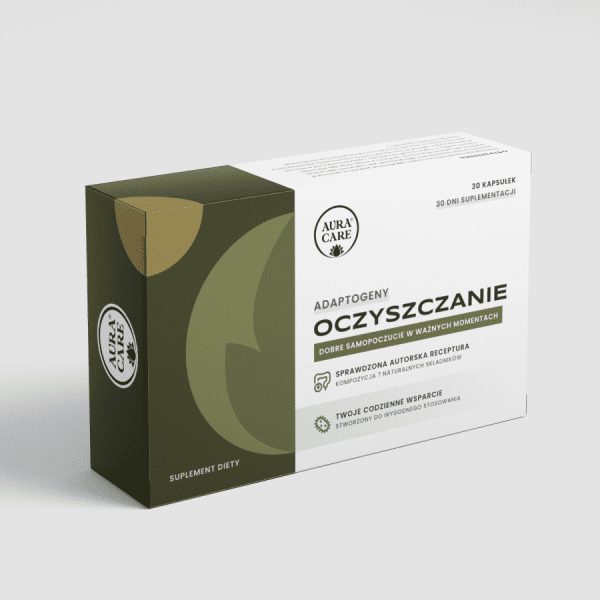
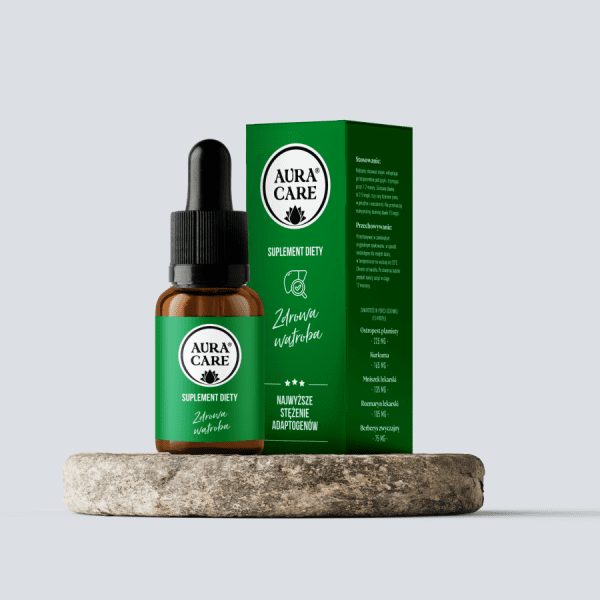
The largest part consists of products from Aura Care and Aura Herbals, alongside herbal compositions in capsules and formulas from SOOL and Solve Labs. Single-ingredient preparations are collected separately in the category active ingredients, and individual plant raw materials in the category plant extracts.
Complex or single ingredient?
A complex is convenient: one capsule instead of four packages and one expiration date to keep track of. You pay for this flexibility because you cannot increase one ingredient without raising all the others.
A single-ingredient preparation gives full control over the dose and allows you to assess how you react to a specific substance. However, it requires more attention when combining and frequent checking to ensure that the same ingredient does not repeat in two products at once.
In practice, many people combine one with the other: a complex as a base and one single preparation where a higher dose is needed. We write more about this choice in the guide on multivitamins.
What to watch out for when combining complexes
Taking two complexes at once is the most common way to exceed the serving. Fat-soluble vitamins, namely A, D, E, and K, are stored by the body, so their excess does not disappear as easily as the excess of vitamin C. Sum the contents from both labels before combining preparations.
Plant ingredients also require attention. Some herbs interact with medications, and in a complex, they can be easily overlooked because the list is long. If you are taking medications regularly, it is worth showing the composition to a doctor or pharmacist. We have gathered this in the text on interactions between herbs.
Safety and contraindications
A dietary supplement does not replace a varied diet or treatment prescribed by a doctor. Do not exceed the serving indicated by the manufacturer. Complex preparations should not be used during pregnancy and breastfeeding without consultation, as the composition can be extensive and not every ingredient is recommended during this period.
Store products in a place inaccessible to children, at room temperature, and away from moisture. If gastrointestinal discomfort or a skin reaction occurs after starting use, discontinue the preparation and contact a doctor.
Frequently asked questions
What is the difference between a complex and a multivitamin?
A multivitamin is a specific type of complex, made up solely of vitamins and usually minerals, with a composition close to daily requirements. A complex is a broader term: in addition to vitamins, it may contain plant extracts, amino acids, mineral components, or enzymes, and its composition is designed for specific applications, not just to meet requirements.
Does a longer list of ingredients mean a better preparation?
No, and this is a common misunderstanding. A capsule has a limited capacity, so twenty items on the list mean that each of them is present in a smaller amount than with a list of five. A table with specific numbers is more valuable than a long list of names, where most ingredients are trace.
How to check if two complexes overlap?
List the ingredients from both labels that repeat and sum their amounts per daily serving. Pay particular attention to vitamins A, D, E, and K, as well as iron, zinc, and selenium, because excess matters with them. If the sum exceeds the value stated on either label, reduce the serving or give up one preparation.
When should I take the complex?
The recommendation from the packaging determines this, as it depends on the composition. Preparations with fat-soluble vitamins should be taken with a meal containing fat, as they are better absorbed then. Compositions with magnesium and calming ingredients are usually recommended for the evening, while those with B vitamins for the first part of the day.
How long should I take the complex before I assess the effect?
Manufacturers usually indicate a period of four to twelve weeks. Shorter use rarely allows for any assessment, especially with ingredients that need to accumulate in the body. If you do not see a difference after a full package, it is worth checking the composition for amounts before reaching for another package of the same preparation.