Ayurveda is an Indian health care system with a written tradition spanning over two thousand years. Modern Ayurvedic preparations are most often tablets and capsules with standardized extracts from a single plant or from a classic multi-ingredient recipe. In this category, you will find both groups, along with an explanation of how they differ and how to read their composition.
How to choose an Ayurvedic preparation?
Ayurvedic preparations are divided into two families, and this is the first distinction that organizes the choice. One is a single herb in concentrated form, the other is a recipe composed of several or a dozen ingredients, passed down in tradition under its own name.
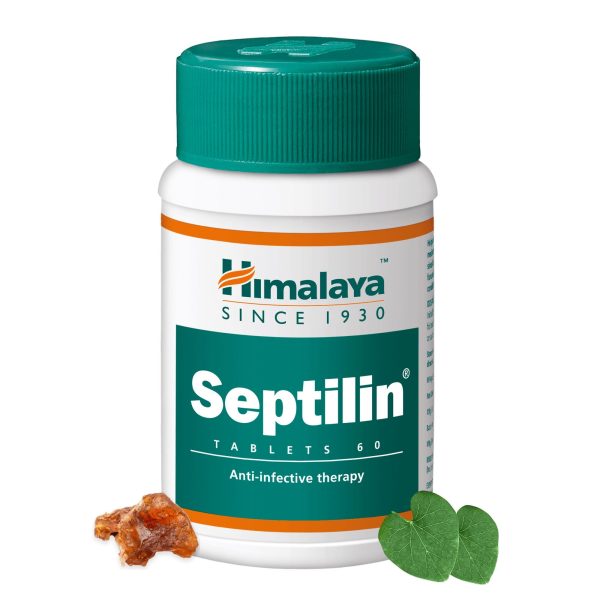
1. Single herb or recipe. Ashwagandha, brahmi, gokshura, or shatavari are single-ingredient preparations. Triphala, Liv.52, or Septilin are complex recipes. When starting, it is easier to assess the effect of a single ingredient than a mixture, where it is difficult to attribute the effect to a specific plant.
2. Standardization of the extract. A good manufacturer specifies what substance the extract is standardized to and in what percentage. For ashwagandha, these are withanolides; for turmeric, curcuminoids; for boswellia, boswellic acids. The absence of such information means that it is unknown how much active substance is present in a serving.
3. Part of the plant. The root, leaf, and fruit of the same plant have different compositions. Ashwagandha from the root is not the same as ashwagandha from the leaves, and the difference can be significant for the profile of the preparation. A reliable label directly names the part of the plant.
4. Purity testing. Herbal raw materials from South Asia are subject to testing for heavy metals. A GMP certificate and batch test results are a standard to expect regardless of the price of the preparation.
5. Form. Tablets and capsules provide a measured dose. Powders allow you to dissolve the raw material in warm milk or water, according to the traditional method of administration, but require a scale. Choose what you can realistically fit into your daily rhythm.
What you will find in the Ayurveda category
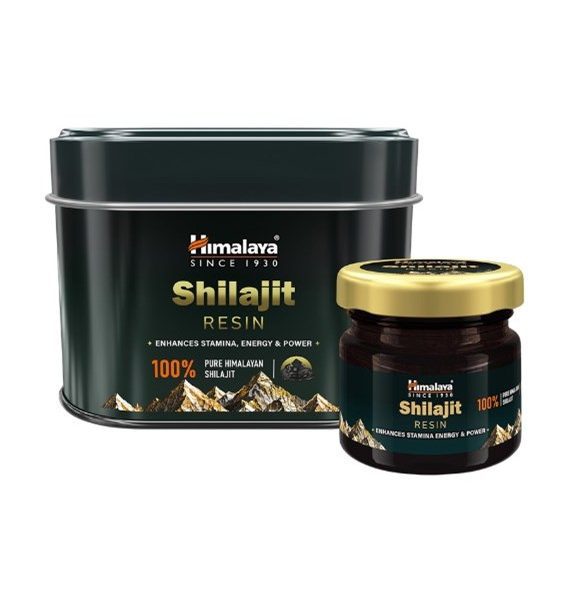
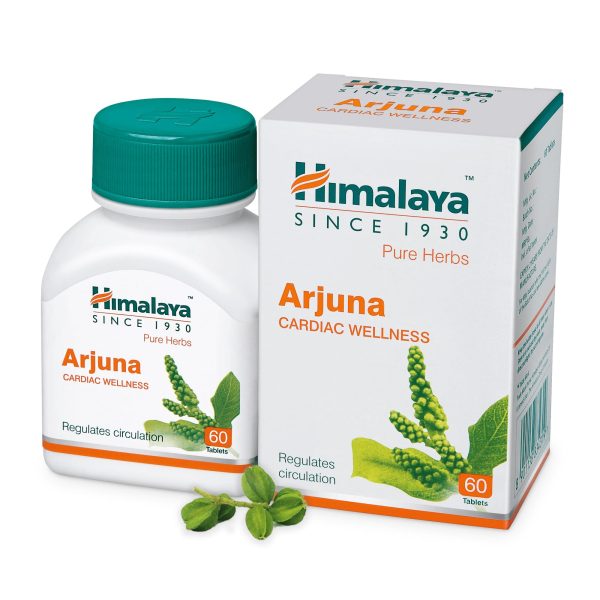
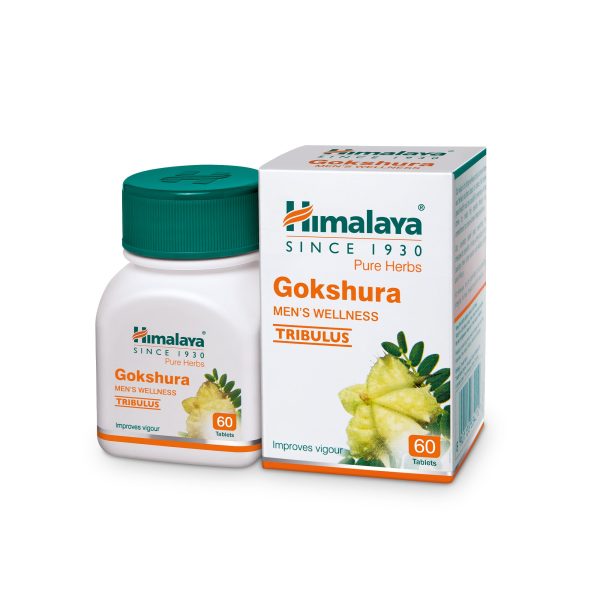
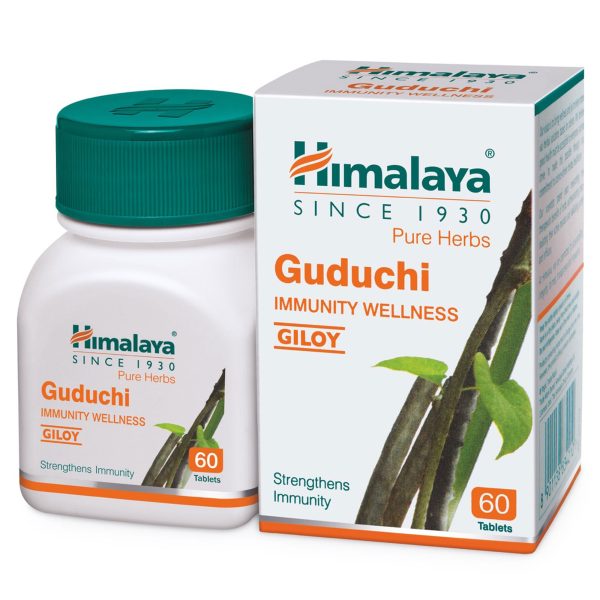
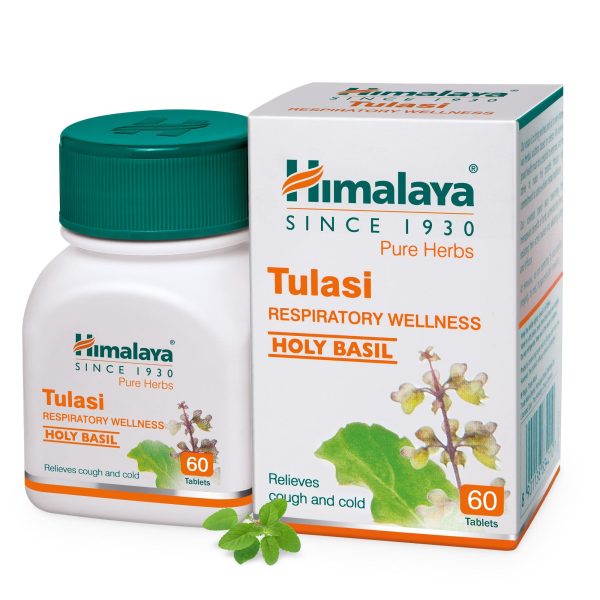
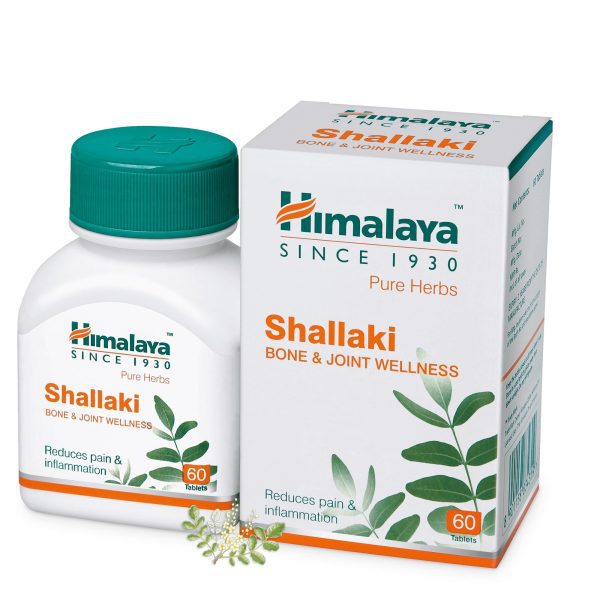
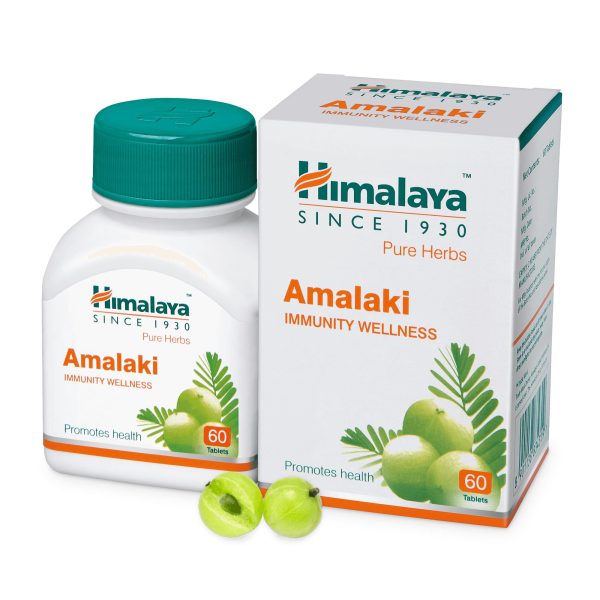
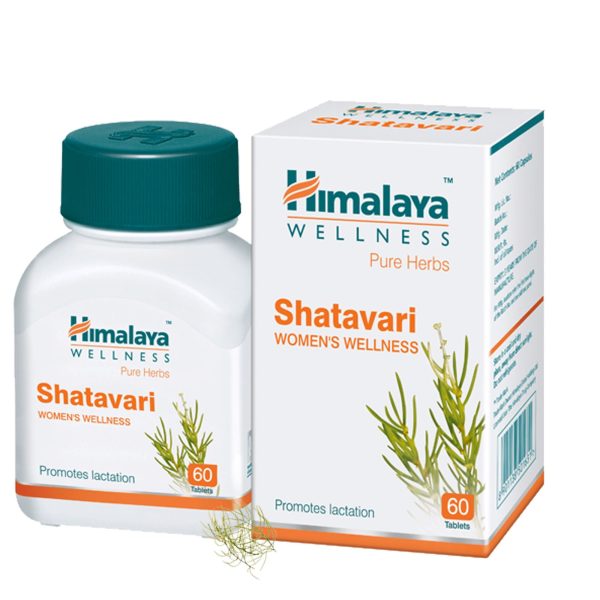
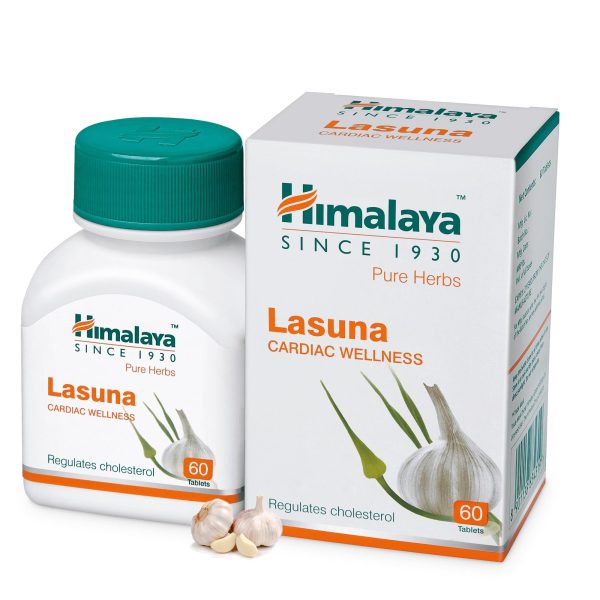
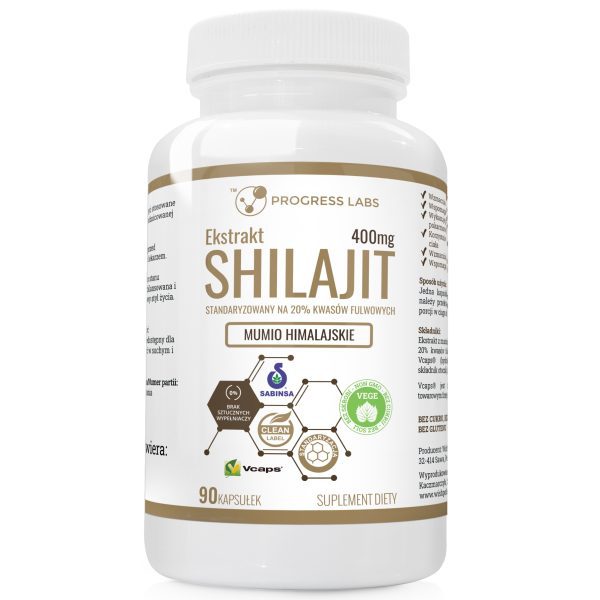
The largest group consists of products from the Himalaya brand, an Indian manufacturer present in the market since 1930. Its catalog includes both single herbs in tablets and classic recipes described in traditional texts. Alongside them, you will find shilajit, or Himalayan mumio, as well as preparations from Ayurvedic raw materials made by other brands.
Some Ayurvedic plants are also classified as adaptogens, so you will also find ashwagandha or bacopa in the adaptogens category. Herbal extracts in other forms have been gathered in the plant extracts category.
Most commonly encountered plants and what their names mean
Ayurvedic names can be misleading, as the same plant appears under its Sanskrit, botanical, and common names. Ashwagandha is Withania somnifera, known in Polish as witania ospała. Brahmi is Bacopa monnieri, commonly known as bakopa drobnolistna. Gokshura is Tribulus terrestris, known as buzdyganek naziemny. Shatavari is Asparagus racemosus, known as szparag groniasty. Tulasi is Asian basil, also known as holy basil.
Triphala is not a plant but a mixture of three fruits: amalaki, bibhitaki, and haritaki. Similarly, names like Liv.52 or Septilin refer to commercial recipes, the composition of which the manufacturer provides on the packaging. It is worth reading it, as under the same trade name there can be different versions, for example, regular and DS with increased extract content.
How to use Ayurvedic preparations
The Ayurvedic tradition associates the timing of intake with meals and the time of day, and modern packaging reduces this to a simple recommendation: how many tablets, how many times a day, before or after meals. Stick to what the manufacturer specifies, as recipes differ in the concentration of extracts.
Ayurvedic herbs are usually used in cycles, not indefinitely. A popular scheme is several weeks of use followed by a break, although the specific rhythm depends on the preparation. When first encountering a new raw material, start with the lower limit of the recommended serving and observe the body’s reaction.
Safety and contraindications
A dietary supplement does not replace a varied diet. Do not use herbal preparations during pregnancy and breastfeeding without consulting a doctor, and if you are taking medications regularly, ask about possible interactions. This especially applies to medications affecting blood clotting, blood sugar levels, and thyroid function.
Store products out of reach of children, at room temperature, and away from moisture. If gastrointestinal discomfort or a skin reaction occurs after starting use, discontinue the preparation and contact a doctor.
Frequently asked questions
What is the difference between Ayurveda and regular herbal medicine?
Ayurveda is a holistic system encompassing diet, lifestyle, and herbal preparations, originating from the Indian subcontinent. Herbs are just one element, and their selection traditionally depends on a person’s constitution. In retail practice, the difference boils down to the origin of the raw materials and the fact that many preparations take the form of multi-ingredient recipes with established proportions passed down for centuries.
How long should Ayurvedic preparations be taken?
Manufacturers usually specify a period of four to twelve weeks, after which it is advisable to take a break. Shorter use rarely allows for an assessment of the effect, while longer continuous use is not a standard scheme. The specific time can be found on the packaging, as recipes differ in concentration and purpose. With longer use, it is advisable to take a break of the same length as the cycle.
Are Himalaya products tested for heavy metals?
The manufacturer declares control of raw materials and production in accordance with GMP standards, and batches are subject to purity testing. However, it is worth checking this with each brand individually, as the presence of heavy metals in herbal raw materials from Asia is a real risk described in the literature, and batch test results are basic information here.
Can ashwagandha be combined with other herbs?
In Ayurvedic tradition, combining herbs is the rule, not the exception, and many recipes are based on several raw materials at once. When combining preparations independently, be careful not to repeat the same ingredient in two products and to monitor the total serving. If you are taking medications regularly, discuss the combination with your doctor.
What is shilajit and where does it come from?
Shilajit, known in Polish as mumio, is a sticky substance collected from rock crevices in high mountains, mainly in the Himalayas. It forms through a very slow decomposition of plant material under pressure. It contains fulvic acid and a set of trace elements, and is available on the market in the form of resin and standardized extract in capsules.