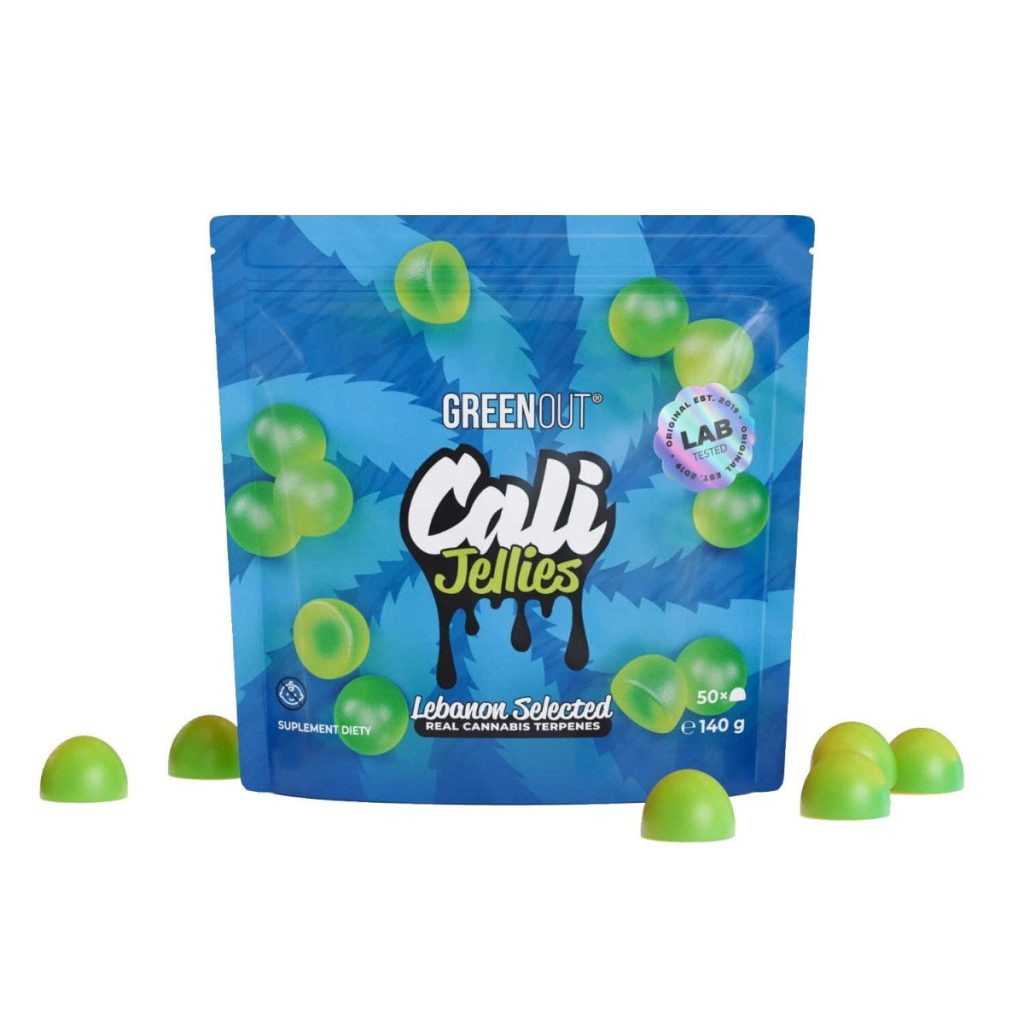
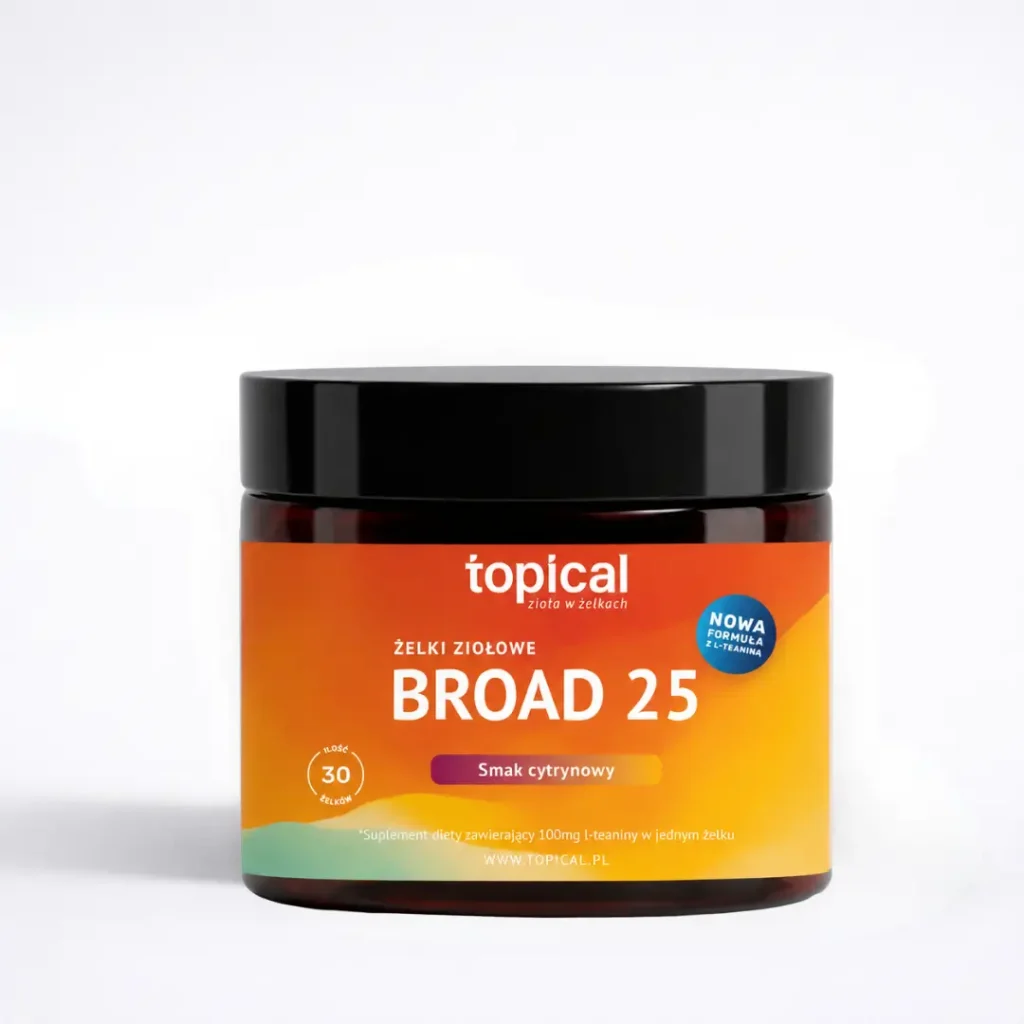
CBD oils are one of the most popular and well-researched forms of cannabidiol supplementation — concentrated drops taken sublingually, available in full spectrum, broad spectrum, and pure isolate versions. On this page, you will find over 20 CBD oil products from certified farms, a complete guide to spectrums and concentrations, a step-by-step dosing instruction, and answers to the most common questions from buyers. The goal is one: to help you choose an oil tailored to your needs, not to the marketing description on the label.
How to choose CBD oils?
According to the 2020 report from the European Parliament, the CBD market in the EU exceeded 400 million euros and is growing at a rate of over 30% per year. Poles are increasingly asking about specific product parameters instead of the brand — concentration, spectrum, certification, price per milligram. So how to navigate this offer without getting lost in the numbers?
1. Spectrum — full, broad, or isolate? Full spectrum oils contain a complete profile of cannabinoids, terpenes, and flavonoids with legal trace THC (up to 0.2% according to EU regulation 2021/2115), which enhances the so-called entourage effect — the mutual synergistic action of all plant compounds. Broad spectrum completely removes THC while retaining other cannabinoids and terpenes — a good choice for athletes and those regularly tested. Isolate is 99% pure CBD without any other compounds: predictable dosing, neutral taste. A detailed comparison can be found in the article CBD isolate vs full spectrum vs broad spectrum.
2. Concentration and cost per 1 mg of CBD. Manufacturers provide concentration in percentages or milligrams. Calculate: 5% oil in 10 ml = 500 mg CBD, 10% in 10 ml = 1000 mg, 30% in 10 ml = 3000 mg. Then divide the price by the number of milligrams — you will get the cost per 1 mg of CBD, which is the only reliable price indicator. A mistake that many buyers make: comparing the prices of bottles, not the prices of CBD. A cheaper bottle may mean a more expensive cannabidiol.
3. Certificates and laboratory tests (CoA). Look for GACP (Good Agricultural and Collection Practices), HACCP, and GlobalGAP certificates at the cultivation level. A CoA (Certificate of Analysis) from an independent laboratory must confirm the actual CBD content, absence of pesticides, solvents, and heavy metals. Lack of CoA available to the buyer is a warning signal. How to distinguish a good product from a bad one — read the guide to types of CBD oils.
4. Carrier oil. MCT oil (from coconut) accelerates absorption, is neutral in taste, and well tolerated by most people. Hemp seed oil has an earthy aroma and provides omega-3 and omega-6 fatty acids in a beneficial ratio described by Journal of Nutrition (PubMed PMID 21929364), which supports the cardiovascular system. Grape seed oil is light and rich in antioxidants. The choice of carrier affects bioavailability, taste, and comfort of daily use.
5. Starting dose and user profile. Start with 5–10 mg of CBD daily and gradually increase every 3–5 days. For whom this product is NOT suitable: for pregnant and breastfeeding women, for children under 18 years, and for people taking medications without prior consultation with a doctor — CBD may affect cytochrome CYP450 enzymes that metabolize many medicinal substances (PubMed PMID 31754005).
6. Common mistakes made by buyers. First mistake: reaching for the highest concentration right away — marketing traps are discussed in our buying guide. Second mistake: buying the cheapest product without checking the CoA. Third mistake: assessing effectiveness after 1–2 days instead of after 2–3 weeks of regular use.
Most popular products in the category
u Bucha, you will find over 20 CBD oils — from mild concentrations for those starting their adventure with CBD to strong extra strong premium formulas. Below we present a cross-section of the category by spectrum and application.
For starters — 5% full spectrum and broad spectrum oils. CBD Oil 500 mg Full Spectrum 5% from Reakiro (10 ml) is a classic entry point: 500 mg of CBD in full spectrum, terpenes, and flavonoids enhancing the entourage effect, certified cultivation. The price per 1 mg of CBD is about 0.15 PLN — a decent value for price ratio. The THC-free variant is CBD Oil 500 mg Broad Spectrum 5% (10 ml) — an ideal solution for those who prefer certainty about the absence of THC in the composition.
Medium concentration — 10% and 15% for advanced users. CBD Oil 1000 mg Broad Spectrum 10% (10 ml) is a proposal for those who have already gone through the 5% stage and need stronger support without THC — a bottle with a dropper for precise dosing. Meanwhile, CBD Oil 1500 mg Full Spectrum 15% from Reakiro (10 ml) provides about 7.5 mg of CBD in one drop — a noticeable difference compared to 5% products.
Extra strong formulas — 30%. For those with high therapeutic needs, two premium products are prepared. CANNOVA 30% CBD (10 ml) comes from a Polish certified plantation Hemp Plant (GACP, HACCP, GlobalGAP), uses alcohol cryo-extraction, and contains full spectrum without isolates — one drop provides about 10 mg of CBD. Hemp Oil CBD 30% 3600 mg Hempmont Classic (12 ml) is CO2 extraction — a clean method, without solvents, wax, and chlorophyll, full spectrum of cannabinoids and terpenes.
Oils with herbs and adaptogens. Cosma Cannabis offers formulas combining hemp oil with synergistic plant extracts. Cosma Cannabis Good Sleep Natural Herbs 30 ml is enriched with melatonin and lemon balm — these substances facilitate falling asleep, shorten awakening time, and support the restorative phase of sleep. Cosma Cannabis Good Mood Natural Herbs 30 ml combines hemp oil with St. John’s wort, nettle, maca root, and rosemary — natural support for energy and mood during the day, recommended for those struggling with chronic fatigue. If you are looking for a budget-friendly full spectrum option to start, it is worth checking CBD Oil 500 mg CBD 30 ml from Kombinat Konopny — 30 ml of full-spectrum oil from organic farms without plant protection products, at a remarkably affordable price of about 0.09 PLN per 1 mg of CBD.
How CBD oils work — the endocannabinoid system and the entourage effect
cannabidiol (CBD) interacts with the body primarily through the endocannabinoid system (ECS) — a network of CB1 and CB2 receptors distributed in the brain, spinal cord, internal organs, and immune tissues. CB1 receptors regulate pain perception, mood, appetite, and sleep cycle, while CB2 modulates the immune response and inflammation. CBD does not bind directly to receptors like THC, but modulates them indirectly — it inhibits the FAAH enzyme that breaks down anandamide (the so-called “molecule of happiness”), leading to an increase in its level and a calming effect.
A special place is held by the so-called entourage effect — a phenomenon documented, among others, by Ethan Russo in the British Journal of Pharmacology (PMID 21749363). It consists of cannabinoids, terpenes, and flavonoids in CBD oils working stronger together than each alone. Therefore, full spectrum and broad spectrum CBD oils are more effective for most users than pure isolate. Myrcene relaxes, linalool calms the nervous system, beta-caryophyllene has anti-inflammatory effects, and limonene improves mood.
Where does CBD come from in oil? The hemp plant (Cannabis sativa L.) primarily produces CBDA — the acidic form of CBD. During extraction (CO2, ethyl alcohol) or heating, CBDA is converted into CBD. Oils with cryo-extraction (without heating) may retain a higher proportion of CBDA, which also exhibits anti-inflammatory and antiemetic properties.
Dosing and using CBD oils
Sublingual application of oil is the fastest way to absorb cannabinoids. The mucous membrane under the tongue is highly vascularized — active substances enter the bloodstream directly within 15–45 minutes, bypassing the first-pass liver metabolism, which when swallowed can reduce CBD bioavailability by several times. A 2018 study published in Frontiers in Pharmacology (PMC6326553) indicates that the bioavailability of CBD taken orally without food is about 6%, while techniques that improve absorption can increase it by up to two times. How to deal with the natural, earthy taste? Just wash it down with a small amount of water or choose an MCT-based oil — it has a much more neutral aroma.
The issue of dosing strategies is discussed in detail in the article natural solution for stress — which CBD oil to choose. The general rule is: start low, go slow. Start with 5 mg of CBD in the morning and 5 mg in the evening. For 7 days, observe your body’s reaction. If the effects are too weak — increase each dose by 5 mg. The maximum safe dose for daily use, established by WHO in the 2018 report, is 1500 mg of CBD per day, but typical supplemental doses range from 15–50 mg.
How to use CBD oil?
The following steps refer to the standard sublingual application, which is used by the vast majority of users. Following each of them significantly affects the effectiveness of supplementation.
- Shake the bottle. Cannabinoids and carrier oil may separate during storage. A few seconds of vigorous mixing ensures a homogeneous composition and precise dosing — otherwise, the first drops may contain too little CBD.
- Measure the dose with the dropper. Start with 3–5 drops (about 5–10 mg of CBD with 5% oil). Higher concentration = fewer drops for the same milligram dose. Check the label or CoA of the product to know the exact amount of mg of CBD in one drop — numbers vary between brands.
- Place the drops under your tongue. Hold the oil under your tongue for 60–90 seconds (PMC6326553). Do not swallow immediately — this is a key step that determines bioavailability. You can gently move the dropper along the mucous membrane to cover a larger surface area.
- Swallow the remainder and wash it down with water. After 60–90 seconds, swallow the rest. If the taste is too intense, wash it down with a small amount of water or juice. Avoid eating for 15 minutes after application.
- Observe the effects for 7–14 days. The first sensations (relaxation, calmness) usually appear after 30–60 minutes after application. The full therapeutic effect with regular use is usually achieved after 1–2 weeks (Permanente Journal PMID 31881226). Gradually increase the dose by 5 mg every 3–5 days until you achieve a satisfactory effect.
- Store in a cool, dark place. After opening, use within 60–90 days (according to the manufacturer’s recommendation). Avoid direct sunlight — UV radiation and high temperatures degrade cannabinoids and can reduce product activity by up to 20–40% within a few weeks (PMC5818132).
Safety and contraindications
CBD oils from the Bucha offer contain THC below 0.2% according to EU law and are completely legal in Poland. They do not produce a psychoactive effect. CBD in CBD oils is generally well tolerated — a meta-analysis published by WHO in 2018 found no potential for addiction or serious adverse effects at typical supplemental doses. Nevertheless, there are several important safety rules.
Do not use during pregnancy and breastfeeding due to insufficient safety data in this group. Do not administer to individuals under 18 years. When regularly taking medications — consult supplementation with a doctor due to possible interactions with cytochrome CYP450 enzymes (PubMed PMID 31754005). The most commonly reported mild side effects by users include: transient drowsiness, dry mouth, and slight drop in blood pressure — usually resolve spontaneously after a few days or by reducing the dose.
Frequently Asked Questions
What is the difference between full spectrum and broad spectrum CBD oil?
Full spectrum contains a complete profile of cannabinoids and terpenes along with trace THC (up to 0.2% according to EU law), which enhances the entourage effect described by Russo (BJPharm PMID 21749363). Broad spectrum completely removes THC while retaining other cannabinoids and terpenes. Isolate, on the other hand, is 99% pure CBD without any other compounds — less synergy, but full dose control.
How quickly does CBD oil work when taken sublingually?
With sublingual application, the first sensations (calmness, relaxation) usually appear after 15–45 minutes. A study in Frontiers in Pharmacology (PMC6326553) confirms that holding the oil under the tongue for 60–90 seconds significantly increases bioavailability compared to immediate swallowing. The full therapeutic effect with regular use is visible after 1–2 weeks.
What concentration should I start CBD supplementation with?
It is recommended to start with 5% (500 mg in 10 ml), taking 3–5 drops daily — about 5–10 mg of CBD. After 7–14 days of observation, you can increase the dose by 5 mg every few days. Concentrations of 15–30% are intended for individuals with a clear therapeutic goal or established tolerance. Never start with an extra strong product — it is worth building the dose gradually according to the principle start low, go slow.
Is CBD legal in Poland?
Yes. CBD oils with THC content below 0.2% (EU limit according to regulation 2021/2115) are a legal dietary supplement sold over the counter in Poland, not covered by the drug addiction prevention law. Broad spectrum products and isolates do not contain THC at all.
Can CBD oil interact with medications?
Yes — this is an important issue that should not be underestimated. CBD is metabolized by cytochrome CYP450 enzymes (PubMed PMID 31754005), which break down many medications: warfarin, antiepileptic drugs, immunosuppressants, and others. If you are taking any medications regularly, consult your doctor or pharmacist before starting supplementation.
How to choose CBD oil for sleep?
Look for products with melatonin or calming extracts (lemon balm, linalool). Take them 30–60 minutes before sleep. A study published in Permanente Journal (PubMed PMID 31881226) showed improved sleep quality in 66.7% of 72 studied patients after a month of using CBD. In the Bucha offer, the dedicated product is Cosma Cannabis Good Sleep with melatonin and lemon balm.
Is CBD oil suitable for athletes?
Yes — provided you choose a broad spectrum or isolate product without THC. WADA (World Anti-Doping Agency) removed CBD from the list of prohibited substances in 2018. However, THC remains on the list, so full spectrum oils are not a safe choice for professional athletes regularly subjected to anti-doping tests.
How to compare CBD oil prices for cost-effectiveness?
Prices in Poland range from about 0.09 PLN per 1 mg of CBD (CBD Oil 500 mg 30 ml from Kombinat Konopny) to about 0.30–0.35 PLN per mg in specialized formulas with adaptogens. When comparing products, always divide the price by the number of milligrams of CBD per bottle — this is the only reliable indicator of cost-effectiveness.
This article is for informational and educational purposes and does not constitute medical advice. Before starting to use cannabis or CBD for therapeutic purposes, consult your doctor, especially if you are taking other medications, are pregnant, or breastfeeding.