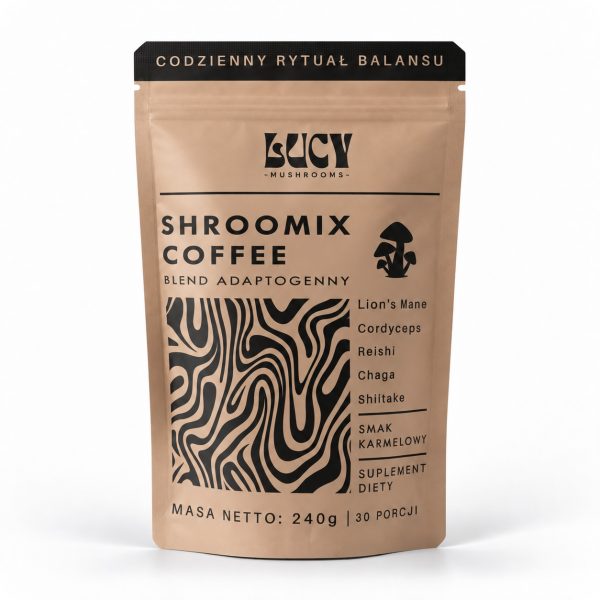
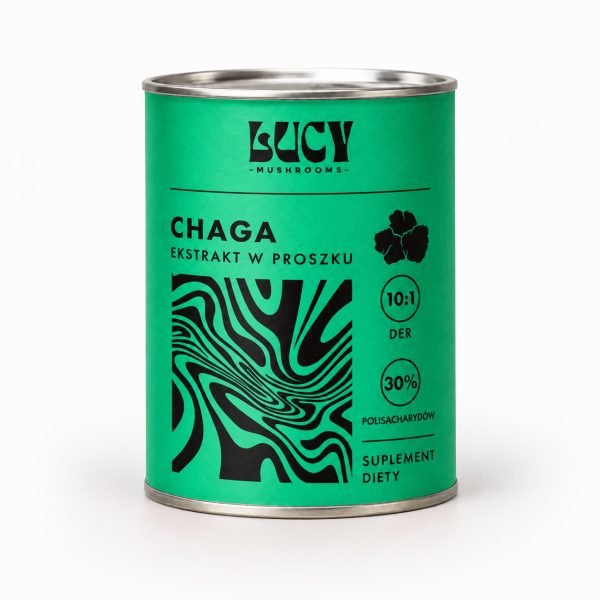
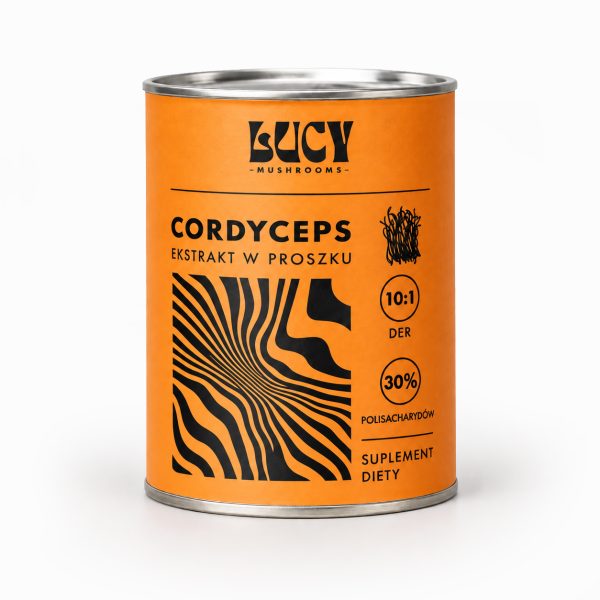
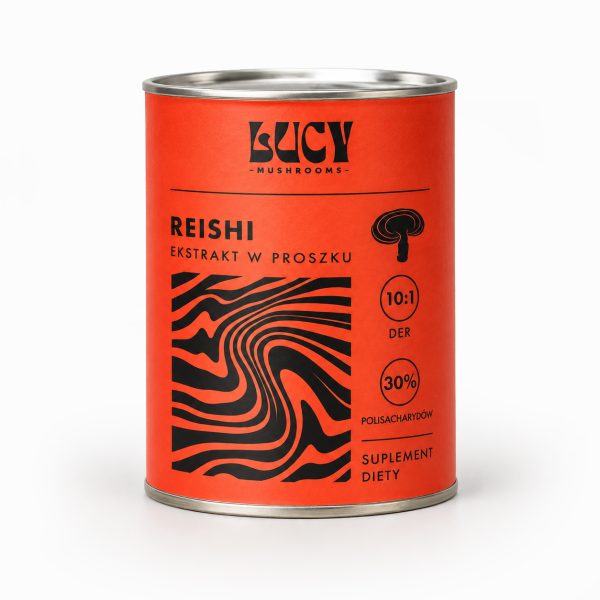
Vital mushrooms, also known as functional mushrooms, are in this category products made from Lion’s Mane, reishi, chaga, cordyceps, and shiitake in the form of gummies, drops, capsules, and powder. Here we explain the differences between these forms, what the notation like 10:1 means, and how to compare milligrams from labels. The same number on two packages can describe something different.
Vital mushrooms: species in the category
You will most often encounter Lion’s Mane (Hericium erinaceus) and reishi (Ganoderma lucidum). Alongside them are chaga (Inonotus obliquus), shiitake (Lentinula edodes), and Cordyceps sinensis. The Solve Labs line also features maitake, tremella, and wood ear mushrooms.
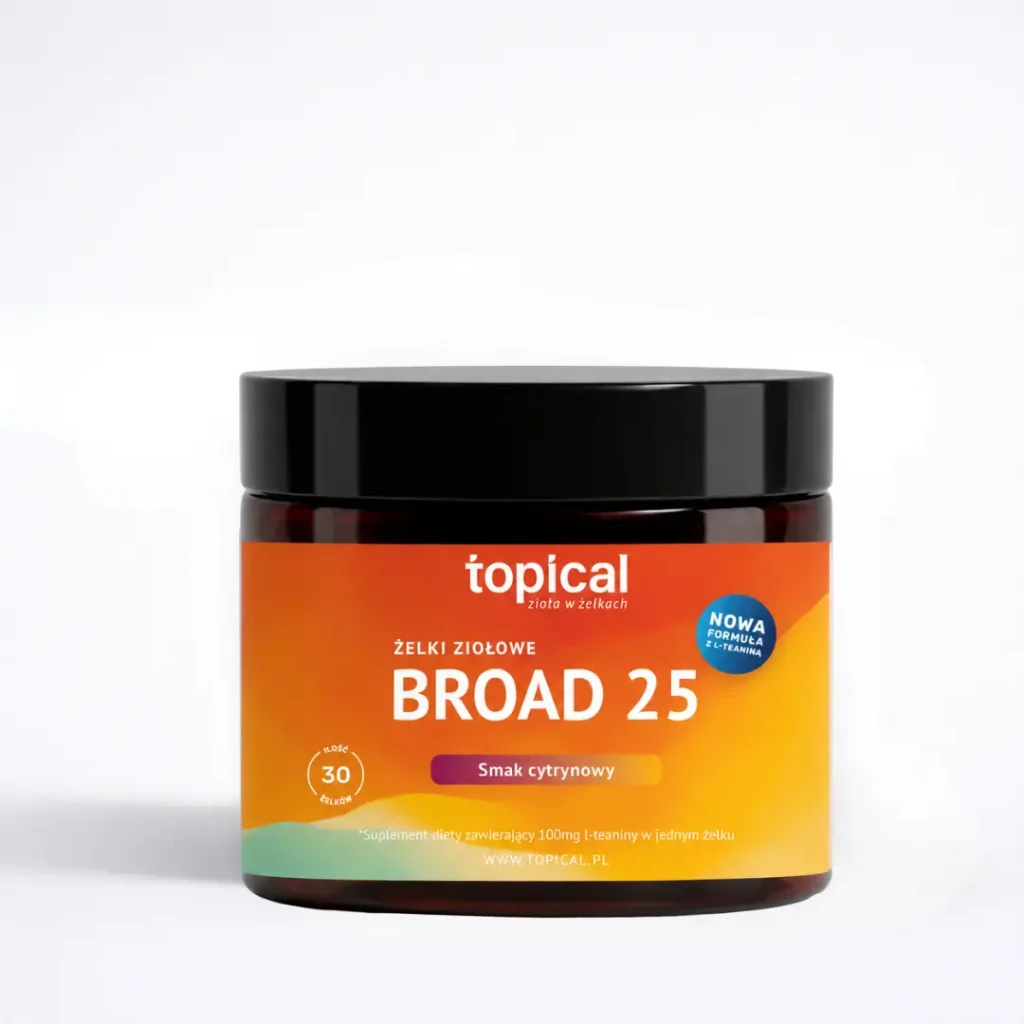
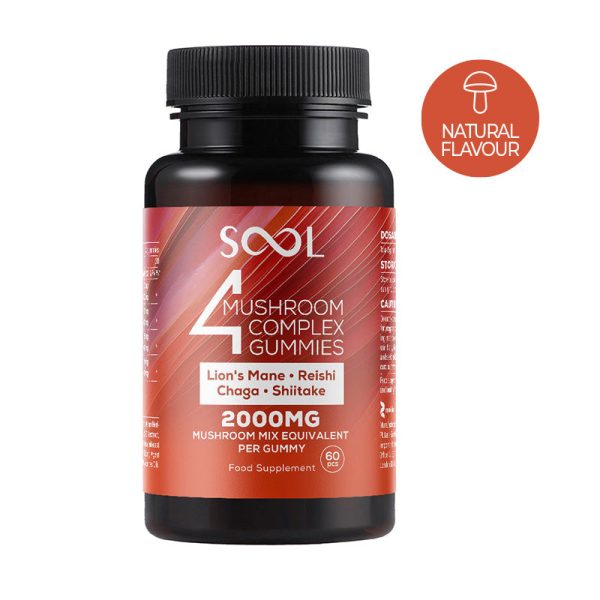
Some products contain one species, while others contain a mixture. SOOL 4 Mushroom gummies combine Lion’s Mane, chaga, reishi, and shiitake, while Topical sugar-free gummies contain Lion’s Mane, reishi, and shiitake.
Forms: gummies, drops, capsules, and powder
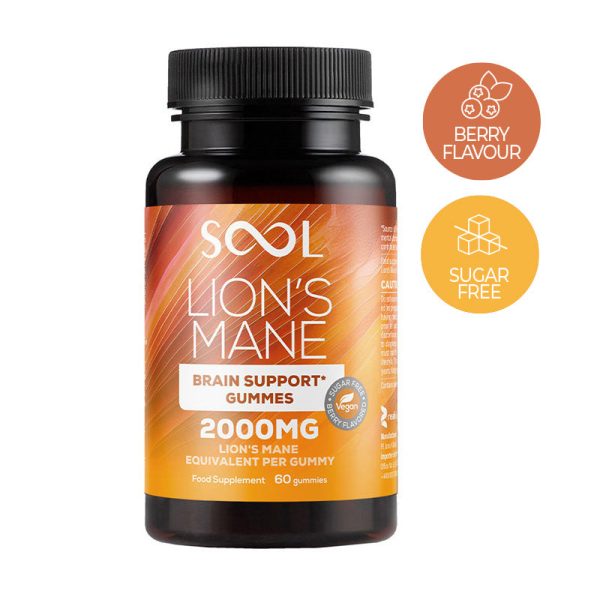
Gummies are the easiest to use. SOOL packs them in 60 pcs, which is 30 servings of two gummies each, while Topical packs them in 30 pcs.
Drops are Lion’s Mane Aura Care, an alcohol-free oil macerate in a 50 ml bottle with a dropper. The daily serving is 32 drops, divided into 16 drops in the morning and 16 drops in the evening, preferably after a meal.
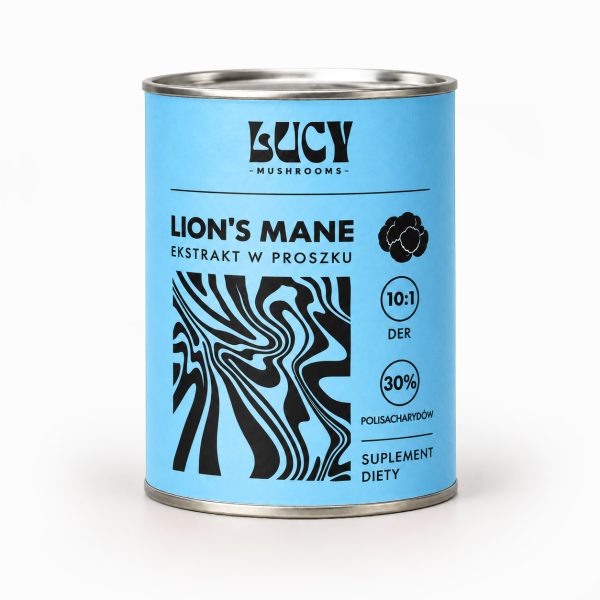
Capsules and powders are primarily from the Solve Labs line with 10:1 extracts: capsules in 60 pcs and powders in packages of 30 g, 50 g, and 100 g with a scoop for a 500 mg serving. There is also Cordyceps from Reakiro in capsules, 60 pcs per package, with a daily serving of two capsules.
Fruit body, extraction, and concentration level
The fruit body is the part we commonly refer to as the mushroom. SOOL and Solve Labs declare extracts from fruit bodies, not from mycelium grown on substrate, and this is worth checking on the label first.
The notation 10:1 or DER 10:1 means that from ten parts of raw material, one part of extract is produced. Solve Labs and Topical use 10:1 extracts, while SOOL uses 20:1 extracts. The ratio itself indicates concentration, not the content of specific substances.
Solve Labs also describes a dual water-alcohol extraction: first with hot water, then with alcohol, to extract compounds soluble in each.
How to read milligrams on the label
The number on the front of the package does not always describe the same thing. In Topical sugar-free gummies, 7200 mg is the total of extracts in the entire box, while one gummy contains 240 mg, with 80 mg from each of the three species.
In SOOL gummies, 4000 mg in the daily serving refers to the mass of the mushroom calculated from the 20:1 extract, not the mass of the extract itself. In Aura Care drops, 1500 mg in the serving refers to the macerate, which is raw material extracted in oil.
Therefore, compare products in the same serving and with the same form of raw material. The declaration of polysaccharides also helps: SOOL 4 Mushroom states over 40%, while Topical sugar-free states at least 30%. More about reading tables is discussed in the text how to read a dietary supplement label.
Composition of gummies: sugar, sweeteners, and gelatin
Gummies differ in their base. SOOL 4 Mushroom Complex Vegan and Lion’s Mane Vegan have a base of sugar and glucose syrup, while the Berry versions are sweetened with maltitol syrup and sorbitol, making them sugar-free.
SOOL gummies are gelling with pectin. Topical sugar-free is sweetened with erythritol and maltitol syrup, but the gelling agent there is gelatin, so these gummies are neither vegan nor vegetarian.
The limited edition Topical is vegan gummies with pectin without added sugar, with an extract from the fruit bodies of Cordyceps sinensis, L-tyrosine, and guarana. In a serving of two gummies, there is 20 mg of caffeine. Do not consume gummies with other products that are sources of caffeine. Other supplements can be found in the Supplements category.
Frequently asked questions
What does the notation 10:1 on mushroom extract mean?
It indicates the concentration level: from ten parts of raw material, one part of extract is produced, and with 20:1 from twenty. However, the ratio does not indicate how much polysaccharides are in the extract, so look for a separate declaration of content on the label. Such a declaration is provided, for example, by SOOL 4 Mushroom, with over 40% polysaccharides. 10:1 extracts are used by Solve Labs and Topical, while SOOL uses 20:1.
Why is there 4000 mg on SOOL gummies?
This is the mass of the mushroom in the daily serving calculated from the 20:1 extract from the fruit bodies. In SOOL Lion’s Mane gummies, one gummy corresponds to 2000 mg in this calculation, and the serving is two gummies. In the 4 Mushroom versions, it is 1000 mg each from the four species.
What is the difference between oil macerate and powder extract?
A macerate is a mushroom extracted in fat instead of alcohol, so it has a milder taste than a tincture and contains no alcohol. Its milligrams refer to the macerate itself, so do not compare them directly with the mass of dry extract with a different concentration level. An example is the Lion’s Mane Aura Care drops in a 50 ml bottle with a dropper.
Are mushroom gummies vegan?
SOOL gummies and limited Topical gummies with vital mushrooms are gelling with pectin, and most of them have a vegan declaration. The exception is Topical sugar-free gummies with Lion’s Mane, reishi, and shiitake, which contain animal-derived gelatin, so they are neither vegan nor vegetarian.
Do any mushroom gummies contain caffeine?
Yes, the limited Topical gummies with vital mushrooms. A serving of two gummies contains 100 mg of guarana extract, including 20 mg of caffeine. The source of caffeine in them is guarana, alongside which there is an extract from Cordyceps sinensis. With other preparations, check the composition on the card, especially when combining mushrooms with coffee or cocoa.