Harmony blend herbs is a series of five herbal blends for vaporization, developed for conscious users seeking a natural alternative to tobacco and cigarettes. The brand combines classic aromatic herbs — mint, lemon balm, lavender, chamomile, hops, rosemary, damiana, sage, and thyme — in carefully balanced percentage proportions, tailored to specific times of the day and micro-intentions of use. If you are looking for herbs from the brand to support daily rituals of concentration, relaxation, sleep, vitality, or romantic evenings — in this guide, you will find an overview of the entire line, recommended vaporization temperatures, and answers to safety questions. All harmony blend herbs at u Bucha are 100% legal, nicotine-free.
History and Philosophy of the Harmony Blend Brand
The Harmony Blend brand grew out of the tradition of aromatherapy — an ancient field of phytotherapy, whose modern scientific foundations were described in the first half of the 20th century by French chemist René-Maurice Gattefossé. Modern herbal vaporization has replaced traditional incense and infusions, allowing control over the temperature of essential oil and terpene release. As a result — unlike combustion — the process does not generate smoke, tar, or pyrolysis products.
The philosophy of herbs from the brand boils down to three pillars: conscious proportions of ingredients (each blend declares the percentage of herbs), adaptation to the user’s micro-intentions (morning, at work, on a date, in the evening, during training), and full legality — the products do not contain nicotine, psychoactive cannabinoids, or artificial additives. They are based solely on classic aromatic herbs that have been used for centuries in European and Asian herbal traditions. For example, lavender, according to the review by Koulivand et al. (2013, Evidence-Based Complementary and Alternative Medicine), contains linalool and linalyl acetate with documented calming effects.
Each blend from the Harmony Blend brand is composed as a complete exposure — for example, Easy Mood combines lemon balm (40%), mint (30%), and lavender (30%), creating a coherent sensory and physiological profile without the need to mix raw materials yourself. This approach is well-suited for those who do not want to experiment with DIY while valuing natural, multi-ingredient solutions. The brand offers full transparency regarding the composition — information about the percentage of each herb is found on the packaging and in the product description in the u Bucha store. The storage method is similar to that of other herbal raw materials for vaporization — a dry, dark place.
Harmony Blend Product Line — Five Blends, Five Intentions
The full offer of herbs from the brand consists of five blends, each targeting a different micro-intention of the user. The common denominator of all blends is the full naturalness of the composition, the absence of nicotine and tobacco, and declared percentage proportions of herbs.
Clear Focus — Concentration and Clarity of Mind
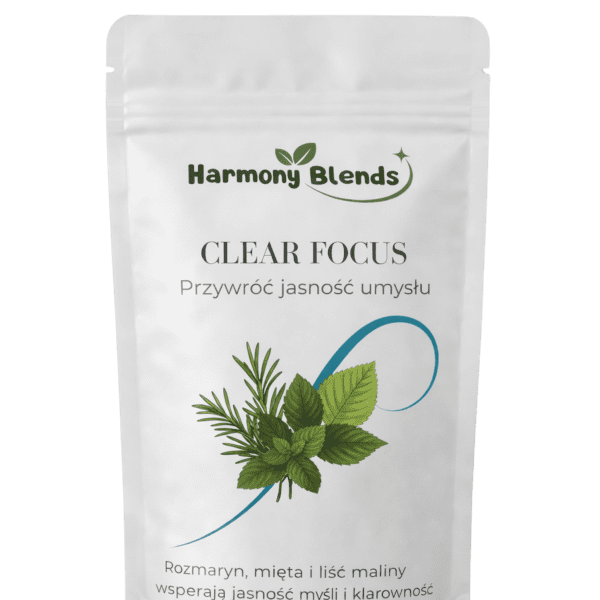
Harmony Blends Clear Focus combines mint (40%), rosemary (30%), and raspberry leaf (30%). This composition is intended for intellectual workers, students before exams, and creative individuals. Rosemary, according to clinical observations regarding its impact on memory (2017), contains rosmarinic acid and 1,8-cineole that support cerebral circulation. Mint with menthol refreshes the respiratory tract and helps in achieving a state of “flow.” Raspberry leaf softens the intensity of the aroma, making the vapor gentle for inhalation. Recommended vaporization temperature range: 170–180°C.
Easy Mood — Relaxation Without Drowsiness
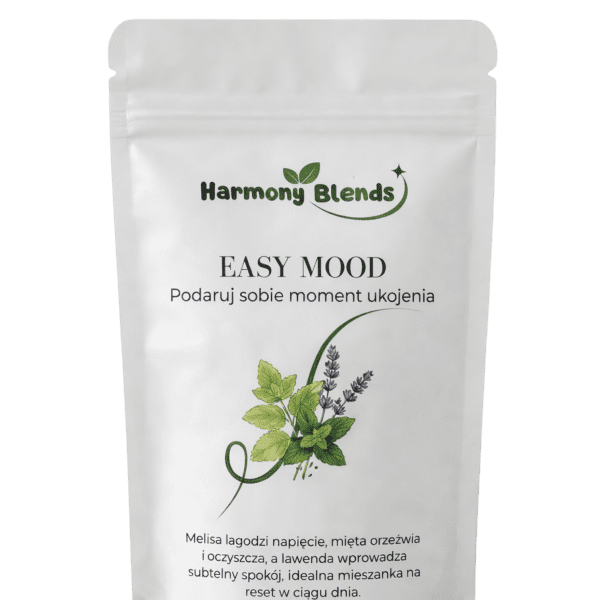
Harmony Blends Easy Mood is a blend of lemon balm (40%), mint (30%), and lavender (30%). According to the cited literature, linalool from lavender and citral and geraniol from lemon balm exhibit tension-reducing effects without sedation. The blend works well during work breaks, before public speaking, or during a stressful day. Recommended temperature range: 150–160°C — this gentle setting preserves the subtlety of the aroma and the fullness of active terpenes. Mint, according to the review by Mahendran and Rahman (2020), additionally supports digestion.
Wild Desire — Sensuality and Closeness
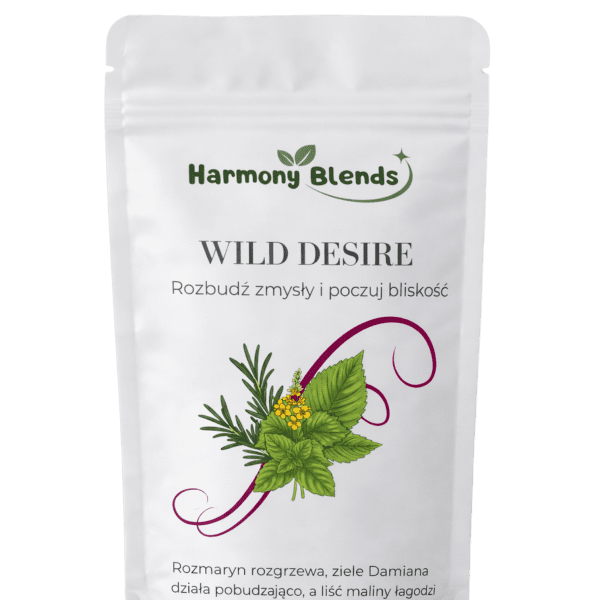
Harmony Blends Wild Desire composes damiana (40%), rosemary (40%), and raspberry leaf (20%). Damiana (Turnera diffusa) has a reputation as a natural aphrodisiac in many cultures — a review of publications describes its traditional use in alleviating tension and improving mood. Rosemary in a higher proportion brings warming notes. Raspberry leaf harmonizes the whole. The blend is intended for adult couples or individuals who want to introduce a touch of sensuality into their evening ritual. Recommended temperature range: 160–180°C.
Silent Night — Peaceful Sleep and Regeneration
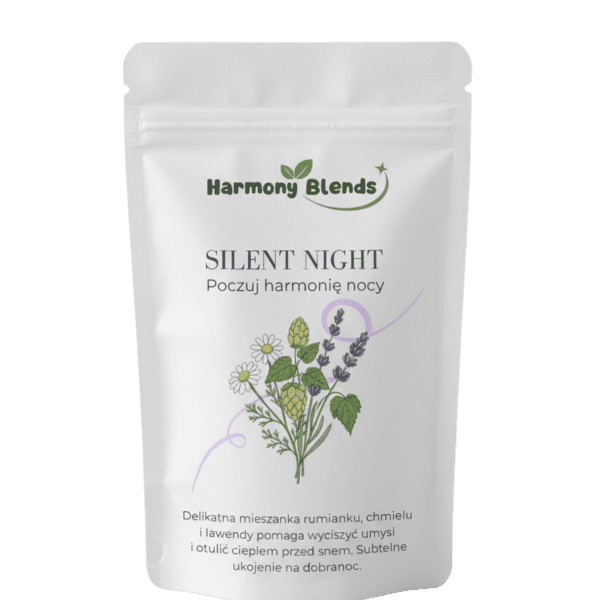
Harmony Blends Silent Night combines hops (40%), chamomile (30%), and lavender (30%). Hops (Humulus lupulus) contain lupulin and humulene — clinical observations by Morin et al. (2005) describe the calming effects of hop-valerian preparations before sleep. Chamomile, according to a randomized study by Amsterdam et al. (2009), in the form of extract shows clinically significant effects in individuals with moderate tension. Lavender completes the composition. Recommended temperature range: 170–180°C. Session 30–60 minutes before sleep.
Vital Flow — Deep Breath and Vitality
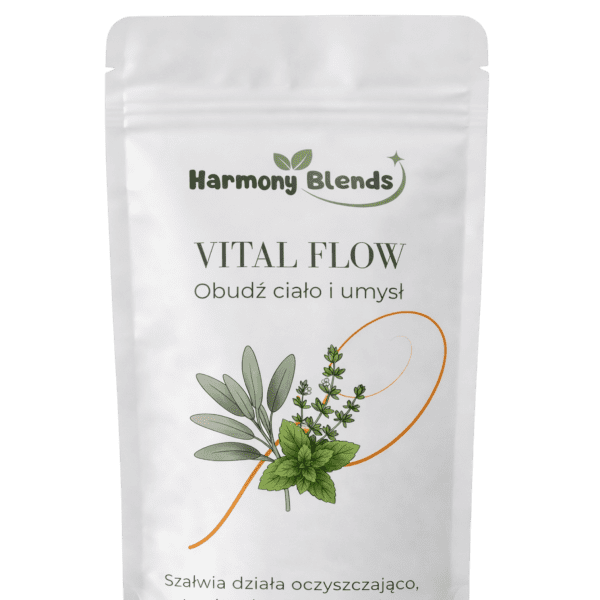
Harmony Blends Vital Flow consists of mint (40%), sage (30%), and thyme (30%). Thyme, according to a review of publications, contains thymol and carvacrol with antiseptic properties and strengthens the upper respiratory tract. Sage introduces a herbal-bitter note, traditionally used for cleansing spaces. Mint with menthol cools and opens the airways. The blend is aimed at physically active individuals, athletes, yoga enthusiasts, and anyone who wants to take care of their respiratory efficiency during the cold season. Recommended temperature range: 180–190°C.
Most Popular Harmony Blend Products
The most frequently chosen harmony blend herbs in the u Bucha store are a good starting point for those who are just getting to know the brand. The following set includes the three most versatile blends in the portfolio.
Clear Focus — a blend of mint, rosemary, and raspberry leaf in proportions of 40/30/30. This is the most frequently purchased blend among intellectual workers and those who need support in states of deep concentration. Rosemary — according to cited clinical observations — contains compounds that support cerebral circulation and short-term memory. A morning vaporization session 5–10 minutes before starting work sets the day on a productive rhythm.
Silent Night — hops, chamomile, and lavender in proportions of 40/30/30. This is an evening favorite among those struggling with racing thoughts before sleep. Hops have long been used as a natural calming agent — clinical study by Morin et al. (2005) describes the beneficial effects of hop preparations on sleep. A session 30–60 minutes before planned sleep, in a quiet room, acts as a sleep hygiene ritual — signaling to the body that the day is ending.
Easy Mood — lemon balm, mint, and lavender in proportions of 40/30/30. This blend is chosen by individuals working in a stressful corporate environment who need a quick “reset” without drowsiness. A session of 5–8 minutes during a lunch break allows for emotional balance and returning to work with a fresher mind.
Wild Desire — damiana, rosemary, and raspberry leaf in proportions of 40/40/20. A seasonal Valentine’s hit, but available all year round. An evening for two with synchronized vaporization sessions is an unusual yet appreciated ritual by couples.
Who Are Harmony Blend Products For?
The harmony blend herbs line targets adult users who consciously choose natural alternatives to tobacco and cigarettes. The micro-intentions that each blend responds to help precisely match the product.
Individuals quitting smoking — aromatic vaporization sessions replace the habit of reaching for nicotine while not generating nicotine cravings or harmful combustion products. All blends are legal and free from addictive substances.
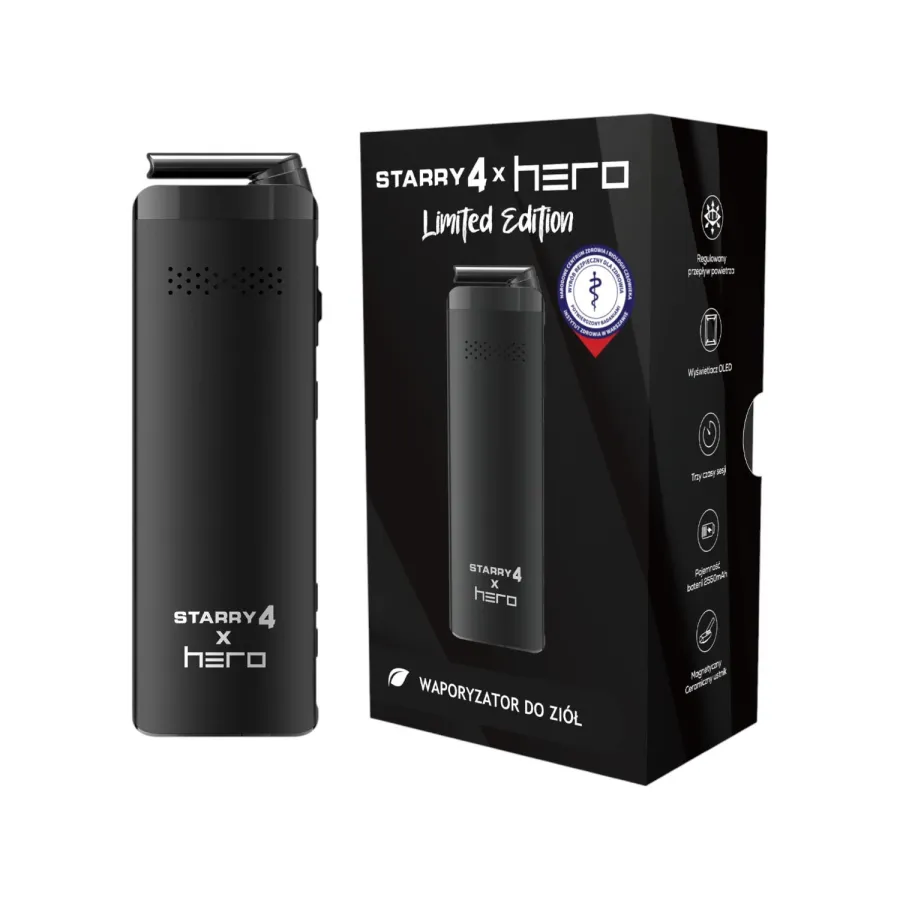
Users of convection vaporizers who want to expand their experience beyond classic cannabis flowers. Blends can be combined with cannabis raw materials, as described in our guide to oils and herbs — for a fuller terpene profile.
Intellectual workers and students — Clear Focus with rosemary and mint fits into the classic set of herbs supporting concentration, documented in clinical reviews. Sessions of 5–10 minutes before work or before an exam session.
Individuals with sleeping problems — Silent Night with hops, chamomile, and lavender is based on classic calming herbs described in clinical literature on sleep. An evening ritual 30–60 minutes before planned sleep.
Athletes and physically active individuals — Vital Flow with mint, sage, and thyme supports the upper respiratory tract, especially during the cold season or after intense training.
How to Vaporize Harmony Blend Herbs — Step by Step
The following guide is a practical instruction for vaporizing harmony blend herbs — from preparing the equipment to properly completing the session. It is suitable for both beginners and those returning to vaporization after a break.
- Choose a convection or hybrid vaporizer. Convection evenly heats the herb without contact between the heating element and the herb. This is important to avoid burning. For Vital Flow with thyme (180–190°C), temperature control is particularly important.
- Grind the herb in a grinder with coarse teeth. Aim for a consistency similar to loose leaf tea, not powder. Grinding too finely blocks airflow and causes uneven heating.
- Fill the chamber to about 80% of its volume. Leave space for hot air to flow freely through the blend. Do not pack it down.
- Set the temperature according to the recommendation for the blend. Easy Mood — 150–160°C (delicate aromas), Clear Focus, Silent Night, Wild Desire — 160–180°C (medium range), Vital Flow — 180–190°C (resinous oils).
- Inhale slowly and deeply. A pause between inhales allows the mouthpiece to cool. A session usually lasts 5–10 minutes — enough for 3–5 inhales from one chamber. According to the 2020 review, menthol from mint gently supports the airways during inhalation.
- After the session, clean the chamber and mouthpiece. Regular cleaning preserves the clean aroma and extends the lifespan of the equipment — details in the accessory care guide.
Safety and Contraindications
The harmony blend herbs are fully legal in Poland and the European Union — they do not contain nicotine, tobacco, or psychoactive cannabis phytocompounds. Despite the natural composition, it is worth paying attention to groups that require caution:
- Pregnant and breastfeeding women — some herbs (damiana, sage, rosemary in large doses) are not recommended in this group. Consult a doctor before any aromatherapy — safety details in our guide.
- Individuals with asthma and chronic respiratory diseases — vapor from the vaporizer is gentler than smoke, but any herbal inhalation requires consultation with a pulmonologist. Thyme and mint from Vital Flow may even be supportive, but individual reactions may vary.
- Patients on sedatives, anticoagulants, or blood pressure-lowering medications — herbs with hops, valerian, and lavender may enhance sedation effects. Consult a doctor.
- Individuals allergic to any ingredient (mint, lemon balm, lavender, chamomile, hops, damiana, rosemary, thyme, sage, raspberry leaf) should avoid the specific blend.
- Individuals under eighteen years of age — products are intended solely for adults.
Frequently Asked Questions
Does Harmony Blend contain nicotine or THC?
No. All five blends of harmony blend herbs are mixtures of classic aromatic herbs — without nicotine, without tobacco, and without psychoactive cannabis phytocompounds. The products are fully legal and intended for adults. More about the safety of aromatherapy can be found in our guide.
Can I smoke the blends instead of vaporizing them?
We do not recommend it. The blends are designed for vaporization — the heating process without combustion releases essential oils and terpenes without generating pyrolysis products. Burning destroys the aroma, generates tar, and negates the benefits of phytotherapy. We recommend only convection or hybrid vaporizers.
What temperature should I set for a specific blend?
The brand recommends three ranges: 150–160°C for delicate herbs (lemon balm, lavender — Easy Mood), 160–180°C for medium (rosemary, damiana — Clear Focus, Wild Desire), 180–190°C for resinous (thyme, sage — Vital Flow). Silent Night is also in the range of 170–180°C.
Can I combine Harmony Blend with cannabis flower?
Yes, the blends are prepared for standalone use, but they can be combined with functional cannabis raw materials in a 50/50 ratio or another, according to preference. This provides a richer terpene profile. More about types of oils and cannabis raw materials in our guide.
How long does one package last?
A standard package contains 20 g of the blend. A vaporization session uses 0.1–0.3 g of herb, so the package usually lasts for 60–100 sessions depending on the intensity of use. A daily session — a package of Silent Night lasts for 2–3 months of evening ritual.
How should I store an opened package?
Herbs retain their full aroma for 12 months from the production date if stored in a sealed, dark container away from moisture. After opening, it is advisable to transfer the blend to an airtight jar with a seal — detailed instructions in our guide to storing herbal raw materials.
Does herbal aromatherapy really work?
The effect is subtle and based on essential oils and terpenes released from the plants. Linalool from lavender — according to the review by Koulivand et al. (2013) — has documented calming effects. Menthol from mint supports the airways. Do not expect psychoactive effects — this is a conscious ritual, not a drug.
Can I use Harmony Blend during pregnancy?
We do not recommend it. Some herbs in the portfolio (damiana, rosemary in large doses, sage) are not safe during pregnancy and lactation. Consult a gynecologist before any aromatherapy. Safety tips for herbal preparations in special groups can be found in our article.
This article is for informational and educational purposes and does not replace consultation with a doctor. If you are pregnant, breastfeeding, taking medications, or have chronic conditions, consult the use of supplements or herbs with a specialist.