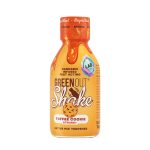
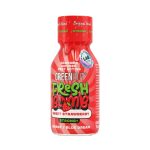
Electrolytes are mineral ions — sodium, potassium, magnesium, chlorides, and calcium — without which cells cannot function properly. When you lose them through sweat, urine, or during illness, just water is not enough: you need ready-made electrolyte preparations that will quickly replenish losses in the right proportions. In this category, you will find sachets of Great Hydrate and professional powders from Solve Labs. On this page, you will also find a buying guide, step-by-step instructions for preparing an isotonic drink, and answers to the most common questions about dosing, night cramps, and hangovers.
How to choose electrolytes?
The decision comes down to six factors. Research published in the Journal of the International Society of Sports Nutrition (2021)[1] shows that the optimal electrolyte drink for athletes should contain 400–1100 mg of sodium, 150–400 mg of potassium, and 20–70 mg of magnesium per liter [1] — these ranges are a good reference point when comparing labels.
1. Composition and spectrum of ions. Check if the preparation contains at least sodium, potassium, and magnesium. Table salt (NaCl) alone is not enough; magnesium is involved in over 300 enzymatic reactions[2], and potassium regulates heart rhythm and nerve conduction. Products with a single ion are usually targeted for narrow applications — e.g., magnesium tablets for cramps — and not for hydration during exercise, where you lose sodium, potassium, and chlorides simultaneously.
2. Form of the preparation. Sachets for dissolution are convenient for travel and have precisely measured portions. Powders in jars are cheaper per serving with regular use — the ELECTROLYTE BALANCE 290 g jar from Solve Labs [3] provides about 29 servings, costing less than 3.50 zł per serving. Effervescent tablets work well in competitions and trips. Choose a form that fits your lifestyle.
3. Osmolarity. Hypotonic drinks (below 270 mOsm/l) are absorbed the fastest — ideal during exercise [1]. Isotonic (270–330 mOsm/l) replenish electrolytes and energy evenly. Hypertonic (above 330 mOsm/l) slow down water absorption and work better after exercise. Great Hydrate has an osmolarity of 265 mOsm/l [3] — it is classified as a hypoosmotic preparation.
4. Sugar and calorie content. For those on a ketogenic or low-carb diet, the absence of simple sugars matters. ELECTROLYTE BALANCE from Solve Labs contains no added carbohydrates — it is a choice for those who want electrolytes without calories. In contrast, Great Hydrate contains glucose, which accelerates the absorption of sodium and water in the small intestine through coupled transport [1].
5. Certifications and transparency. Sports manufacturers are increasingly subjecting their products to Informed Sport or NSF Certified for Sport testing. Lack of certification is not disqualifying, but it is worth checking if the full composition is listed on the label. Great Hydrate has a certification for vegans and vegetarians [3].
6. Price per serving. The cheapest form of supplementation is Himalayan or sea salt with banana and water, but the convenience of ready-made preparations has its value. Always compare the price per serving, not per package — differences can be 5–8 times between products in the same category [1].
Common buying mistakes. The first mistake: buying electrolytes with a huge dose of sugar as a substitute for energy drinks — it is not the same. The second mistake: choosing a preparation solely based on taste, without reading the label. A lemon-flavored electrolyte may have 10 times lower magnesium content than the competition [2].
Who should take electrolytes, and who should not. Supplementation makes sense for physically active individuals, those traveling to hot regions, following elimination diets, or occasionally suffering from stomach issues. A healthy adult with moderate activity, eating a varied diet rich in vegetables and dairy products, usually meets their needs without supplementation [4].
Most popular products in the category
The electrolyte category at u Bucha focuses on four products divided into two profiles: light sachets ready for dissolution and advanced sports powders.
Great Hydrate — sachet series. Great Hydrate Electrolytes Pineapple (10 pcs, 9.90 zł) and Great Hydrate Electrolytes Mango-Passionfruit (10 pcs, 9.90 zł) are preparations in convenient sachets. Each serving contains glucose and sodium and potassium chlorides, covering 88.6% of the daily requirement for chlorides [3]. An osmolarity of 265 mOsm/l classifies them as hypoosmotic preparations, which are absorbed faster than regular water [1]. The composition is free from unnecessary additives, with a vegan certificate. This is a good choice for short workouts, travel, or an intense day in the heat. Both flavors differ only in aroma — the ion composition is identical, so the choice depends on taste preferences.
Solve Labs — series of professional powders. ELECTROLYTE BALANCE 290 g (99 zł) is a complex mineral preparation that maintains electrolyte balance, replenishes essential dietary minerals, and improves the transmission of electrical impulses in the nervous system. The magnesium contained in the supplement supports muscle function and affects the body’s water management. The preparation contains no added carbohydrates — an ideal tool for those who train regularly and need daily mineral supplementation without extra calories.
KETO CREATINE LEMON 240 g (109 zł) combines creatine with electrolytes — a solution tailored for low-carb and ketogenic diets. It supports energy production, maintains normal blood glucose levels, and allows for longer, more intense workouts, enhancing the body’s endurance. For someone who wants to supplement creatine and hydrate without sugar, this combination is particularly beneficial — two products in one. The lemon flavor masks the characteristic taste of creatine well.
Dosing and using electrolytes
How many electrolytes does the body need? The European Food Safety Authority (EFSA) indicates that an adult needs about 2000 mg of sodium and 3500 mg of potassium daily [4]. During an hour of running at 25°C, you lose 500–1000 ml of fluids and 400–700 mg of sodium through sweat [1] — that is a lot for one session.
Before training (15–30 minutes earlier): 1 sachet or 1 scoop of powder dissolved in 250–500 ml of water, if the training lasts more than 60 minutes or the air temperature exceeds 20°C [1].
During exercise: drink small sips every 15–20 minutes. The feeling of thirst appears when you are already slightly dehydrated [1] — do not wait for this signal. For exercise lasting more than 2 hours in the heat, consider 2 servings per session.
After exercise: replenish fluids by about 150% of what you lost [1]. Weighing yourself before and after training helps estimate this — a 1 kg difference in body weight corresponds to about 1 liter of sweat. An electrolyte preparation will accelerate water absorption in the intestines due to the presence of sodium.
Outside of training and on a low-carb diet. On a ketogenic diet, the kidneys excrete more sodium in urine due to lower insulin levels [1]. Many athletes use electrolytes in the morning on an empty stomach or with the first meal to replenish overnight losses and prevent the so-called keto flu (symptoms of electrolyte deficiency at the beginning of the keto diet). The upper tolerable level of magnesium intake from supplements established by EFSA is 250 mg/day [4] — do not exceed this dose without consulting a doctor.
Magnesium, potassium, and sodium — three electrolytes worth knowing
Did you know that magnesium deficiency affects up to 15% of the population in Western countries, manifesting as calf cramps, irritability, and sleep disturbances? Gröber et al., Nutrients 2015[2]. It is worth understanding what each of the three key ions is responsible for.
Sodium is the main electrolyte of extracellular fluid. It regulates osmotic pressure, blood volume, and nerve conduction. The concentration of sodium in sweat is 20–80 mmol/l [1] — hence the salty taste of sweat and the need to replenish it after intense exercise. Hyponatremia (too low sodium level in the blood) is rare but dangerous — it occurs in ultramarathon runners drinking too much plain water without salt.
Potassium acts intracellularly: it regulates the membrane potential of muscle and heart cells. Potassium deficiency (hypokalemia) manifests as weakness, cramps, and heart rhythm disturbances. A rich source is bananas (358 mg/100 g), but spinach has even more — 558 mg/100 g [4]. Potassium supplementation is necessary when the diet is low in vegetables and fruits.
Magnesium is involved in ATP synthesis, vascular tone regulation, and neuromuscular transmission. The human body contains about 25 g of magnesium, of which over 60% is in the bones [2]. Supplementation is particularly justified in diets rich in processed foods. Natural sources include pumpkin seeds (535 mg/100 g), Brazil nuts, and buckwheat [2]. If you want to delve deeper into the topic of mineral supplementation in the context of an active lifestyle, read the article on biohacking and supplements for 2026, where we discuss magnesium and electrolytes together with adaptogens and NMN.
How to prepare an electrolyte drink?
Below you will find step-by-step instructions for preparing an electrolyte drink from a ready-made powder or sachet. The whole process takes less than 2 minutes and requires no equipment other than a bottle and water [3].
-
Step one — choose the right preparation and dose
Read the product label and check the recommended serving for 250–500 ml of water. For training lasting up to 60 minutes, 1 serving is sufficient. For longer exercise or heat, you can increase to 1.5 servings, but do not exceed the daily limits of sodium and magnesium [4]. Remember that EFSA sets the upper tolerable level of magnesium intake from supplements at 250 mg/day [4].
-
Step two — prepare cold or lukewarm water
Cold water (about 15°C) is noticeably more refreshing, but electrolyte powders dissolve just as effectively in room temperature water (20–25°C). Avoid hot water above 60°C — it may degrade vitamins added to the preparation. Use filtered water if your local water has a hardness above 300 mg CaCO3/l [4] — calcium in the water may interact with magnesium ions.
-
Step three — pour or scoop the serving into the bottle
For sachets, tear the package along the perforation and pour the contents directly into the bottle. For powder in a jar, use the scoop included with the package — measuring with a tablespoon is imprecise and may disrupt the ion ratios [3]. Accuracy is important here: too small a serving will not hydrate, too large may cause stomach discomfort.
-
Step four — close and shake
Electrolyte powders dissolve quickly — 10–15 seconds of vigorous shaking is enough. Visually check for lumps at the bottom. Great Hydrate with an osmolarity of 265 mOsm/l [3] dissolves completely, without forming a suspension.
-
Step five — check readiness and consume
The drink is ready to drink immediately after dissolution. Store in the refrigerator if you do not drink it immediately. Do not leave an open bottle of electrolyte for more than 4 hours at room temperature — bacteria may multiply. At temperatures above 30°C, shorten this time to 2 hours [1].
What studies say
The science of sports electrolytes is well established. A meta-analysis from 2020 published in the British Journal of Sports Medicine[5] included 16 randomized studies and showed that electrolyte supplementation during exercise lasting more than 60 minutes significantly reduces the risk of muscle cramps caused by dehydration [5].
A separate thread concerns magnesium and sleep. A study published in the Journal of Research in Medical Sciences (2012)[6] in 46 older adults with insomnia showed that magnesium supplementation of 500 mg/day for 8 weeks significantly increased sleep duration and reduced cortisol levels [6]. For athletes, for whom nighttime recovery is crucial, this is an important observation.
Potassium and blood pressure is another well-researched relationship. A meta-analysis of 33 RCT studies published in BMJ (2013)[7] showed that increased potassium intake of 3500 mg/day lowers systolic blood pressure by 3.49 mmHg in people with hypertension [7]. An electrolyte that has been in the shadow of sodium is gaining more attention from clinicians and sports dietitians.
If you are interested in the broader context of micronutrient deficiencies and their impact on fatigue, check out our article on vitamin B12 and fatigue — electrolytes and B12 work synergistically on cellular energy levels.
Frequently asked questions
Can electrolytes be taken daily?
Yes, if you train intensively every day, fast, or follow a low-carb diet. With moderate activity and a varied diet, daily supplementation may be unnecessary. EFSA indicates the upper tolerable level of magnesium intake from supplements at 250 mg/day [4] — do not exceed this dose without consulting a doctor. Sodium and potassium do not have a defined upper limit for supplements, but a diet rich in processed foods usually already provides excess sodium.
What is the difference between an electrolyte and an isotonic drink from the store?
Commercial isotonic drinks (e.g., Gatorade, Powerade) contain 6–8% sugar, dyes, and flavors. Electrolyte supplements — like Great Hydrate — offer similar ion concentrations but without unnecessary calories, artificial dyes, and with better composition control. The osmolarity of 265 mOsm/l in Great Hydrate is lower than typical isotonic drinks (270–330 mOsm/l), which speeds up absorption [3].
When are electrolytes particularly important?
Five key situations: physical exertion lasting more than 60 minutes [5], ambient temperature above 25°C, illness with vomiting or diarrhea, keto diet or intermittent fasting, long-haul flights (cabin humidity below 20% accelerates dehydration). In each of these situations, just drinking water may not be enough — there is a lack of sodium ions that force fluid retention in the body [1].
Do electrolytes help with night leg cramps?
Night calf cramps have many causes, but magnesium and potassium deficiency is one of the most common. A 2017 study in the Journal of Orthopaedic Surgery and Research[8] indicates that in individuals with low serum magnesium levels, supplementation reduced the frequency of night cramps [8]. Before self-treatment, it is worth testing the level of electrolytes in the blood.
Are electrolytes good for hangovers?
Alcohol acts as a diuretic — after consumption, you lose more water and electrolytes through urine. Replenishing sodium, potassium, and magnesium the morning after a party can speed up recovery and alleviate headaches caused by dehydration [1]. However, this does not treat alcohol poisoning — only hydration and time do that.
Can children use sports electrolytes?
Children with stomach issues (vomiting, diarrhea) should receive oral rehydration solutions (ORS) recommended by a pediatrician, not adult sports preparations. Sports electrolytes are designed for adults and may contain ion doses inappropriate for small children [4]. Always consult the choice of preparation with a pediatrician.
How long does it take for electrolytes to be absorbed?
With a low osmolarity preparation (hypotonic, 265 mOsm/l), the first ions enter the bloodstream within 15–20 minutes of consumption [1]. However, full cellular hydration takes 30–45 minutes. Hence the recommendation to drink electrolytes before and during activity, not just after cramps appear.
This page is for informational and educational purposes and does not replace consultation with a doctor. If you are pregnant, breastfeeding, taking medications, or have chronic conditions, consult the use of supplements or herbs with a specialist.