
Hibiscus and Wild Rose Dried Herb: Can They Be Smoked?
Can hibiscus and wild rose dried herb be smoked? We did not find any measurement of their smoke, and vitamin C decreases already during drying. Check what is known about them.
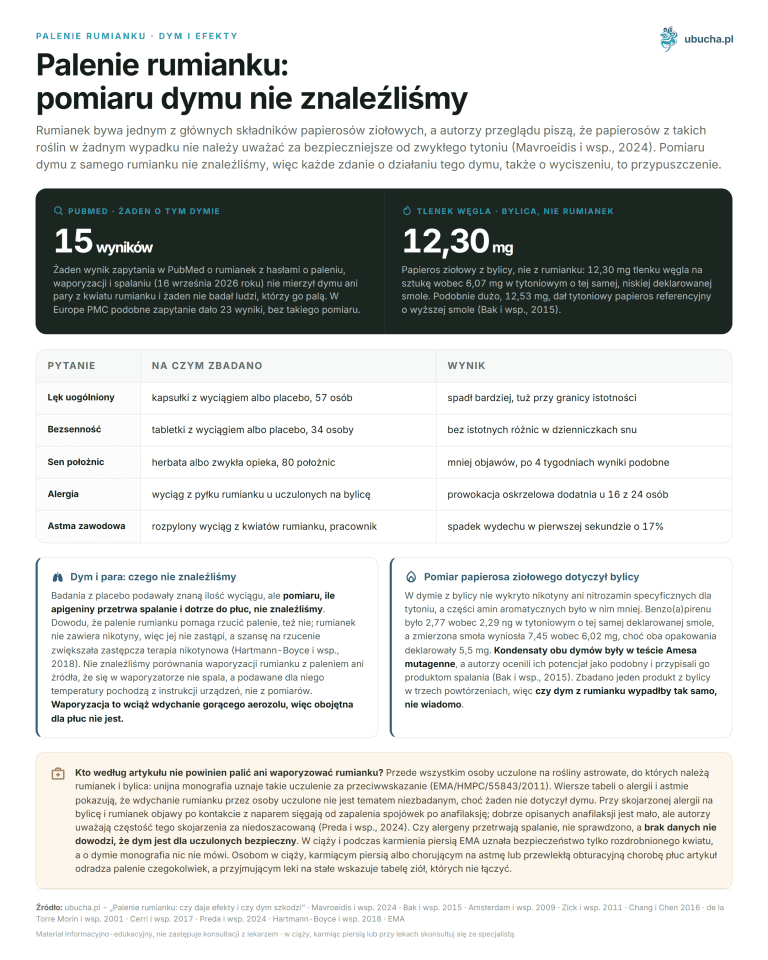
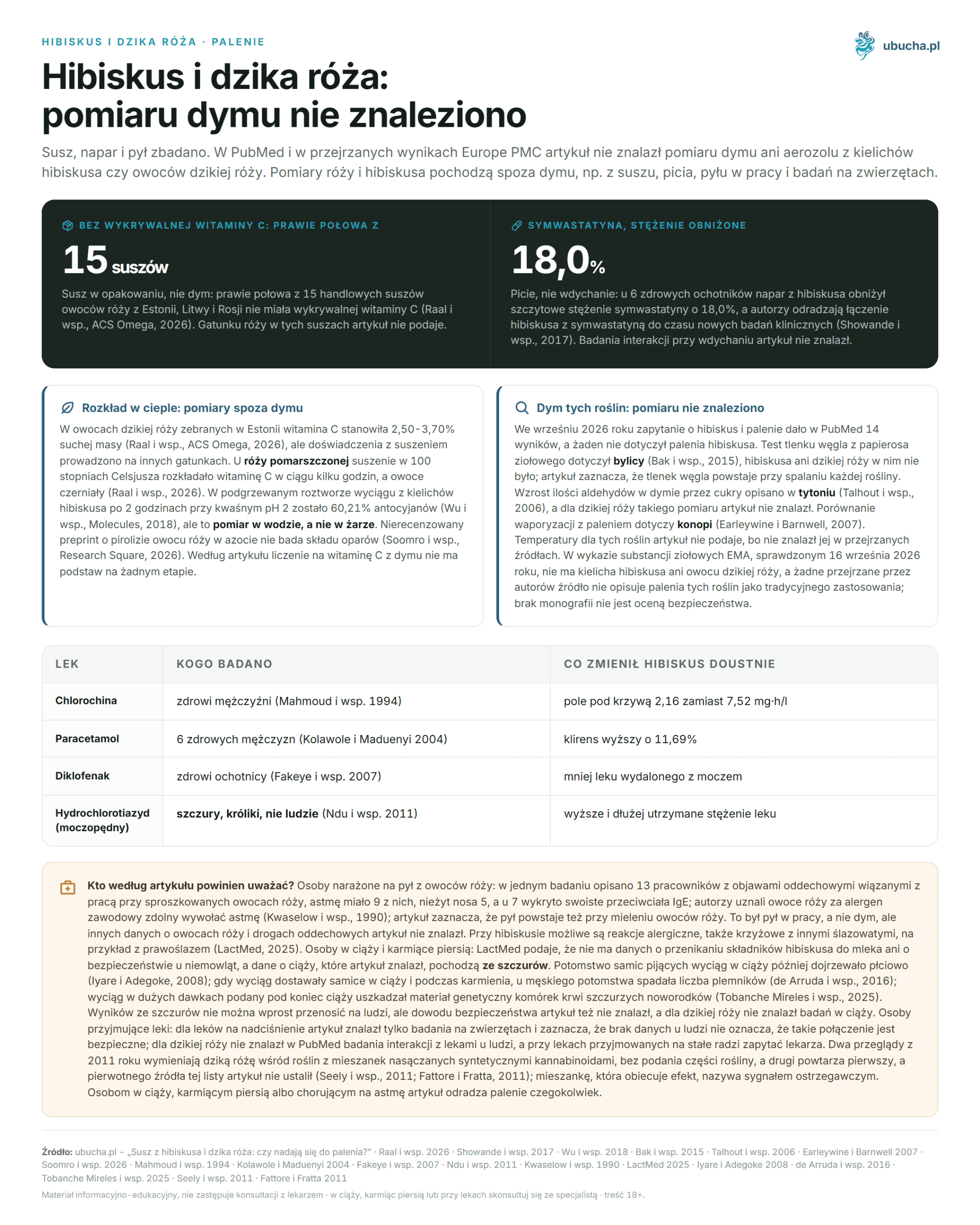
Can hibiscus and wild rose dried herb be smoked? They can be smoked, but it is unknown what enters the lungs. We did not find any measurement of smoke or aerosol from hibiscus calyces or wild rose fruit in PubMed and the reviewed results from Europe PMC. It is known, however, that drying rugosa rose fruit at 100 degrees Celsius degraded vitamin C within a few hours (Raal et al., ACS Omega, 2026). In this text, you will learn what remains of both plants when heated and how a joint differs from a vaporizer. We also describe hibiscus interactions with medications. Where research is lacking, we state it directly.
KEY INFORMATION
• Almost half of 15 commercial dried rose fruit samples had no detectable vitamin C (Raal et al., 2026).
• We did not find any measurement of smoke from hibiscus or wild rose.
• Hibiscus consumed with medications changed the concentration of simvastatin and chloroquine in humans.
• Powdered rose fruit was considered a professional allergen capable of causing asthma.
What is hibiscus and wild rose dried herb?
Hibiscus dried herb consists of dried calyces of Hibiscus sabdariffa, not flower petals. Wild rose refers to the fruit of Rosa canina, a species described in Polish ethnobotanical studies (Łuczaj and Szymański, 2007). In the fruit of this species collected in Estonia, vitamin C constituted 2.50-3.70% of dry mass (Raal et al., ACS Omega, 2026).
The calyces of hibiscus contain anthocyanins and organic acids. Among the acids, hibiscus acid is the most abundant, and vitamin C is a small part (Izquierdo-Vega et al., Biomedicines, 2020). We write separately about the infusion and pressure in the text on whether hibiscus affects hypertension.
Neither of these plants has documentation from the European Medicines Agency. In the EMA herbal substance list, checked on September 16, 2026, there is no hibiscus calyx or wild rose fruit. The only rose on this list is the flower of other species. The lack of a monograph is not an assessment of safety. None of the sources we reviewed describe smoking these plants as a traditional use.
Does smoke from wild rose contain vitamin C?
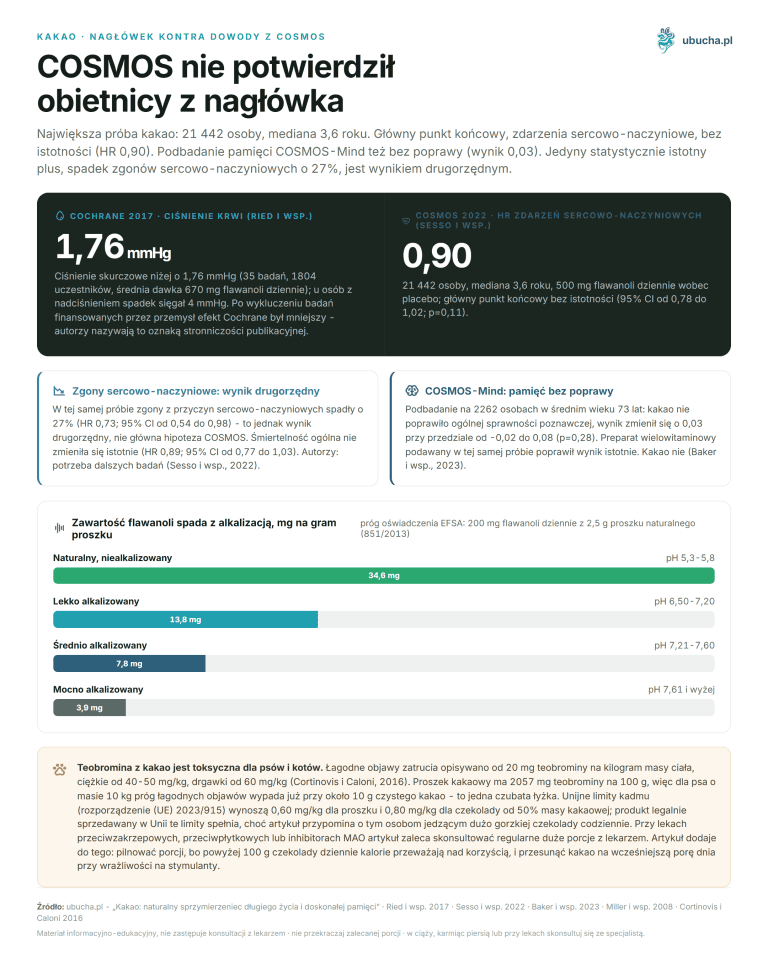
It is unknown, as we did not find a study on the composition of that smoke. Vitamin C decreases already during drying. Experiments on drying were conducted on other species. In rugosa rose, drying at 100 degrees Celsius degraded vitamin C within a few hours, and the fruit turned black. The most vitamin C remained at 80 degrees and 5-10 hours of drying (Raal et al., ACS Omega, 2026).
The same team studied 15 commercial dried herbs from Estonia, Lithuania, and Russia. Almost half had no detectable vitamin C.
The anthocyanins in hibiscus also degrade with heat. In a solution of extract from calyces, after 2 hours at 90 degrees with an acidic pH of 2, 60.21% remained (Wu et al., Molecules, 2018). This is a measurement in water, not in embers.
The comparison of these studies shows that relying on vitamin C from smoke has no basis at any stage. Commercial dried herb may not have had it in the package, and for rugosa rose, drying at 100 degrees degraded it within a few hours. We did not find any measurement of the smoke itself.
Does hibiscus reduce harm when used instead of tobacco in a joint?
It removes nicotine, but does not remove smoke. In a laboratory test, a herbal cigarette made from mugwort produced twice as much carbon monoxide as a tobacco one with the same low declared tar content: 12.3 versus 6.1 mg per piece (Bak et al., Toxicological Research, 2015). Hibiscus or wild rose were not included in this test.
Carbon monoxide is produced when burning any plant, so changing the mixture removes nicotine from the list of harms, not the entire list. More about this, what to smoke instead of tobacco and what such a change alters, we write in a separate guide. The hemp dried herb itself is also not neutral for the lungs: in a case-control study, the risk of lung cancer increased by 8% for each joint-year of smoking (Aldington et al., 2008).
With fruits, there is also the question of sugars. In tobacco, sugars during combustion increase the amount of formaldehyde, acetaldehyde, and acrolein in the smoke (Talhout et al., Food and Chemical Toxicology, 2006). Is it similar with wild rose? We did not find such a measurement.
Can hibiscus and wild rose be vaporized?
The device will heat them, but we do not provide temperatures for these plants, as we did not find them in the reviewed sources. Our guide to herb vaporization provides ranges for other plants, for example, 140-160 degrees for lemon balm and 150-170 degrees for mint. These are values from device instructions, not from measurements. An unreviewed preprint on the pyrolysis of rose fruit in nitrogen does not study the composition of vapors (Soomro et al., Research Square, 2026).
Data comparing vaporization to smoking concern cannabis. In a survey of 6,883 people, those who primarily vaporized had a respiratory symptom odds ratio of 0.40 compared to smokers. However, only 152 people indicated vaporization as their main method (Earleywine and Barnwell, Harm Reduction Journal, 2007). For hibiscus and wild rose, we did not find such a comparison.
Devices with temperature control can be found in the vaporizers category, and accessories for grinding herbs before placing them in the chamber in the grinders category. When grinding wild rose fruit, dust is produced, and powdered fruits have caused allergies in workers, which we discuss below.
Does hibiscus change the effect of medications?
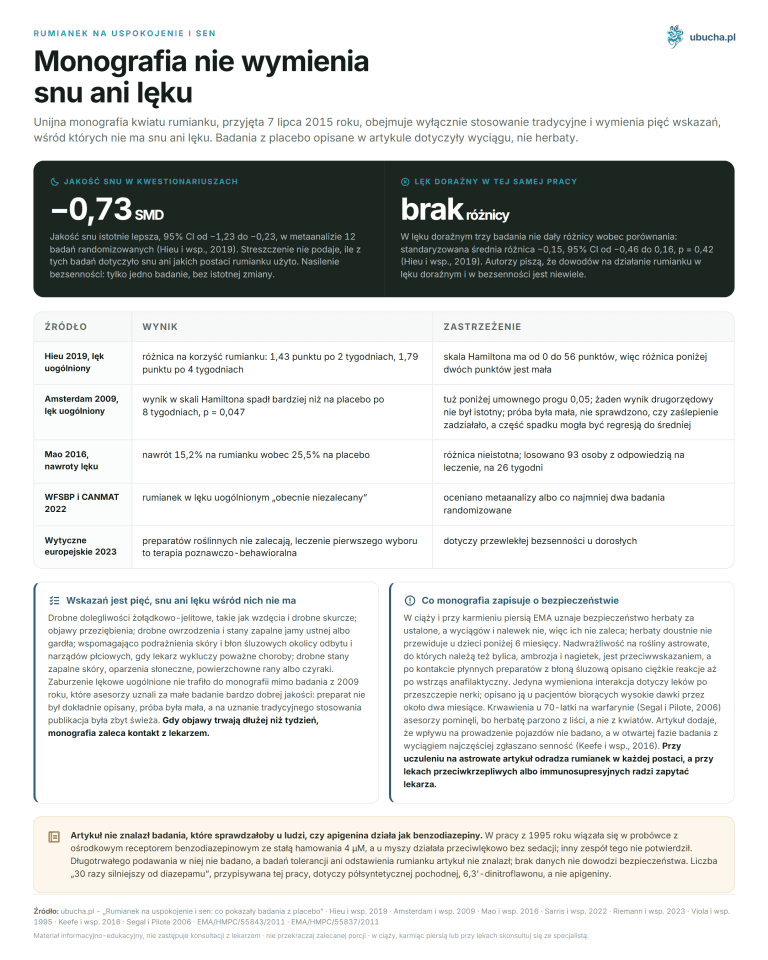
Yes, although all found studies concern hibiscus taken orally. In 6 healthy volunteers, hibiscus tea reduced the peak concentration of simvastatin by 18.0% (Showande et al., 2017). The authors advise against combining the two until new clinical studies are conducted.
For antihypertensive medications, we only found studies in animals. The lack of data in humans does not mean that such a combination is safe. We have compiled the remaining studies in humans and one in animals in a table.
| Medication | Who was studied | What hibiscus changed | Source |
|---|---|---|---|
| Chloroquine | Healthy men | Area under the curve 2.16 instead of 7.52 mg·h/l | Mahmoud et al., 1994 |
| Paracetamol | 6 healthy men | Clearance increased by 11.69% | Kolawole and Maduenyi, 2004 |
| Diclofenac | Healthy volunteers | Less drug excreted in urine | Fakeye et al., 2007 |
| Hydrochlorothiazide, a diuretic | Rats and rabbits, not humans | Higher and longer maintained drug concentration | Ndu et al., 2011 |
Does the same happen with inhalation? We did not find such a study. For wild rose, we did not find any studies on drug interactions in humans in PubMed. If you are taking medications regularly, check the separate table which herbs should not be combined with each other and with medications and consult your doctor.
Who should be cautious with hibiscus and wild rose?
Among others, people exposed to dust from rose fruit and those who are pregnant or breastfeeding. In one study, 13 workers with respiratory symptoms were associated with working with powdered rose fruit. 9 of them had asthma, and 5 had rhinitis. The authors considered rose fruit to be a professional allergen capable of causing asthma (Kwaselow et al., 1990).
This was dust in the workplace, not smoke, but we did not find other data on rose fruit and respiratory pathways. Allergic reactions are also possible with hibiscus, including cross-reactions with other malvaceae, such as marshmallow (LactMed, 2025).
Caution also applies to pregnancy and breastfeeding. LactMed states that there is no data on the penetration of hibiscus components into milk or their safety in infants. The data on pregnancy we found comes from rats. The offspring of females drinking the extract during pregnancy matured sexually later (Iyare and Adegoke, 2008). When the extract was given to females during pregnancy and while breastfeeding, the number of sperm in male offspring decreased (de Arruda et al., 2016).
In rats, the extract in large doses given at the end of pregnancy damaged the genetic material of newborn blood cells (Tobanche Mireles et al., 2025). For wild rose, we did not find any studies during pregnancy. The results from rats cannot be directly transferred to humans, but we also found no evidence of safety. We advise against smoking anything for those who are pregnant, breastfeeding, or suffering from asthma.
What does the law say about hibiscus in smoking mixtures?
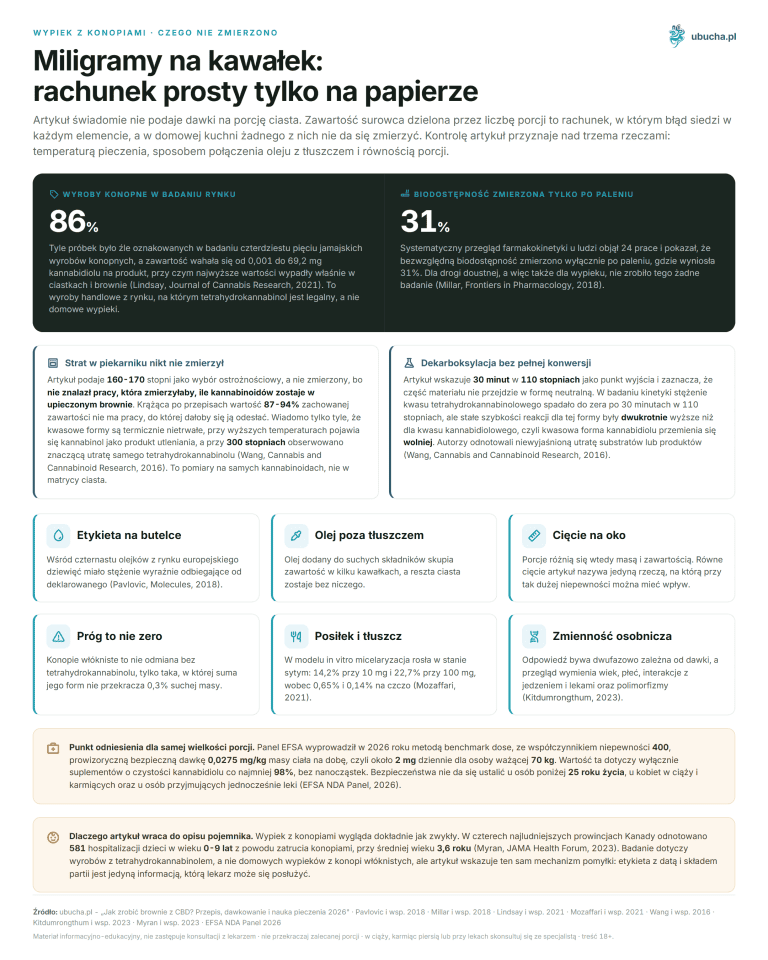
Neither hibiscus nor wild rose is on the Polish list of narcotic drugs and psychotropic substances (t.j. Dz.U. 2024 poz. 1139 ze zm.). However, a mixture sold for smoking is a herbal product for smoking. Its packaging must carry the warning “Smoking this product is harmful to your health” on 30% of the surface (art. 9e of the tobacco law, t.j. Dz.U. 2024 poz. 1162 ze zm.).
Two reviews from 2011 mention wild rose among plants used in mixtures soaked with synthetic cannabinoids, without specifying the part of the plant, and the second repeats the first (Seely et al., 2011; Fattore and Fratta, 2011). We checked the reference of this list: it refers to a work on THC structure from 1967, so we could not establish the original source.
Synthetic cannabinoids from products like Spice and K2 acted in laboratory and animal studies from 2 to 100 times stronger than THC (Castaneto et al., 2014), so a mixture that promises an effect is a warning signal.
A mixture does not change the status of hemp dried herb. Hemp herb with a total delta-9-THC and THCA sum above 0.3% is a narcotic, and possession of it in violation of the law carries a penalty of up to 3 years in prison (art. 4 pkt 37 and art. 62 ust. 1, t.j. Dz.U. 2023 poz. 1939 ze zm.). The law also prohibits advertising and promoting narcotics (art. 20 ust. 1), which is why we do not write how to enhance the effect of a joint or where to obtain dried herb.
Frequently Asked Questions
Can hibiscus dried herb be smoked?
It can be smoked, but we did not find a study on the composition of that smoke. In September 2026, a query about hibiscus and smoking yielded 14 results in PubMed, none of which concerned smoking hibiscus. Herbal smoke is not neutral: a mugwort cigarette produced twice as much carbon monoxide as a tobacco one with the same low declared tar (Bak et al., 2015).
Does smoke from wild rose provide vitamin C?
There is no evidence for that. In experiments on rugosa rose, drying at 100 degrees Celsius degraded vitamin C within a few hours (Raal et al., 2026). In the same study, almost half of 15 commercial dried rose fruit samples had no detectable vitamin C. We did not find any measurement of smoke from wild rose.
Does hibiscus interact with medications?
Yes, at least when consumed as a drink. In 6 healthy volunteers, hibiscus tea reduced the peak concentration of simvastatin by 18.0% (Showande et al., 2017). Changes in humans have also been described for chloroquine, paracetamol, and diclofenac. For antihypertensive medications, we only found studies in animals, and none for inhalation.
Can wild rose cause allergies?
Yes. Among 13 workers with respiratory symptoms associated with working with powdered rose fruit, 9 had asthma, and 7 had specific IgE antibodies detected (Kwaselow et al., 1990). The authors considered rose fruit to be a professional allergen capable of causing asthma. The study concerned dust in the workplace, not smoke.
Is hibiscus safe during pregnancy and breastfeeding?
We found no evidence for that in humans. The LactMed database in the update from May 15, 2025, states that there is no data on the penetration of hibiscus into milk and its safety in infants. In rats, the extract given during pregnancy delayed the maturation of offspring, and in another study, it damaged the genetic material of newborns. We advise against smoking during pregnancy and while breastfeeding.
This article is for informational and educational purposes and does not replace consultation with a doctor. If you are pregnant, breastfeeding, taking medications, or have chronic conditions, consult the use of supplements or herbs with a specialist.
Author: Michał Waluk · Published: 2026-09-17 · Updated: 2026-09-17