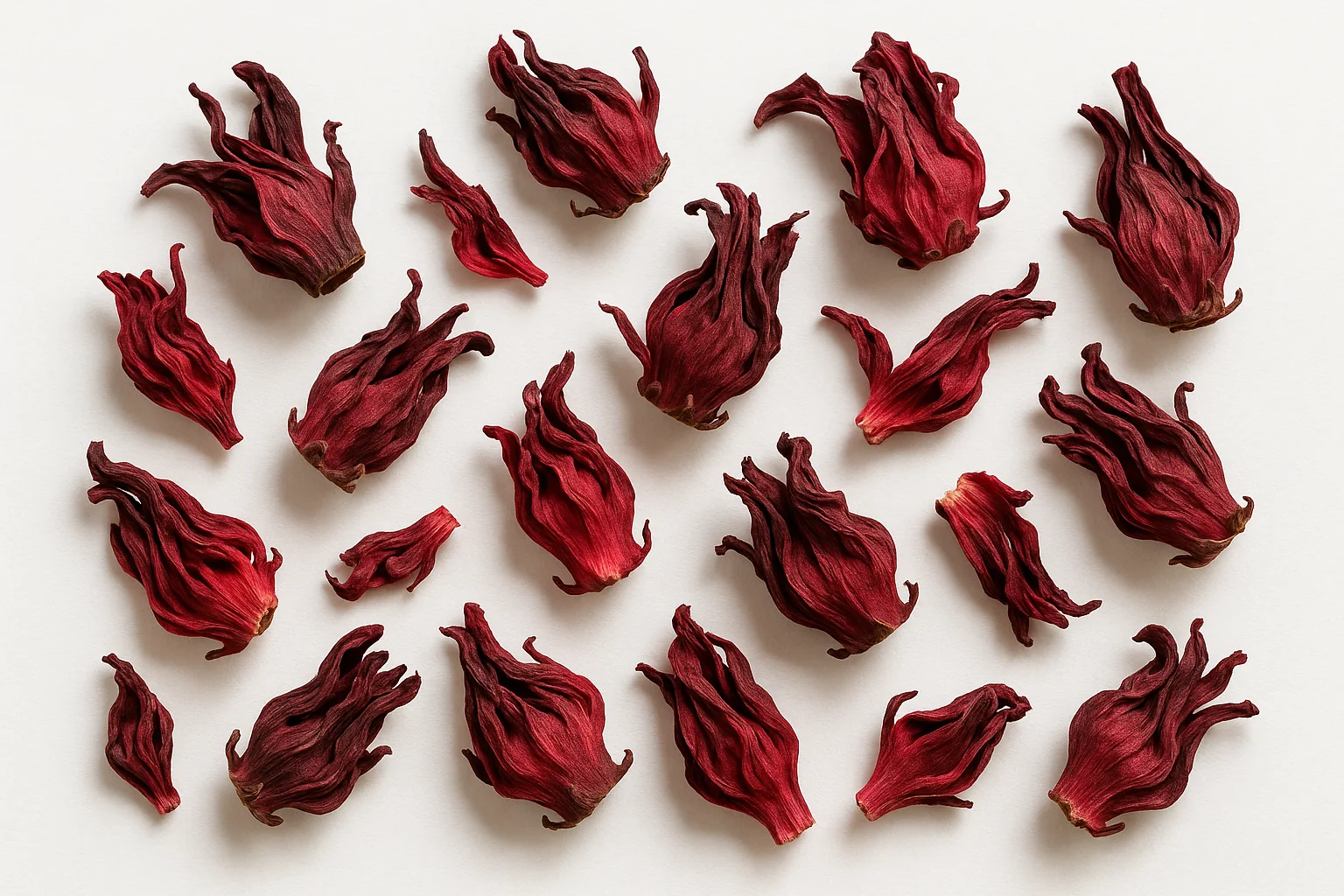

Hibiscus: properties for hypertension, weight loss, and skin
Hibiscus lowered systolic blood pressure by 7.58 mmHg in a meta-analysis of five studies. We check the evidence for lipids, body weight, and skin, as well as interactions with medications.
Hibiscus is a sour red infusion made from the dried calyces of Hibiscus sabdariffa, consumed daily in Egypt, Sudan, and Mexico. It first arrived in Europe as an ingredient in fruit blends, and only later was it subjected to clinical research. Today, it has one well-documented effect: it lowers blood pressure, and quite noticeably, as a meta-analysis of randomized trials provides a specific number of millimeters of mercury. The rest of the promises, from weight loss to wrinkle smoothing, are based on much weaker evidence. This article separates one from the other: it shows what has been measured, in what large groups, and for how long, and with each claim, it provides a study that can be referenced. It separately discusses what is most practically significant regarding hibiscus, namely its interaction with blood pressure-lowering medications.
KEY INFORMATION
• The meta-analysis by Serban et al. (Journal of Hypertension, 2015) included five randomized trials and 390 participants: hibiscus infusion lowered systolic blood pressure by 7.58 mmHg (95% CI from -9.69 to -5.46) and diastolic by 3.53 mmHg (95% CI from -5.16 to -1.89).
• The effect was greater the higher the baseline blood pressure, and weaker in individuals with normal pressure.
• The review by Hopkins et al. (Phytotherapy, 2013): in clinical trials, hibiscus infusion lowered blood pressure as effectively as captopril, but less effectively than lisinopril.
• Evidence for the lipid profile is weaker, and for the skin, it is based on laboratory work, not trials involving humans.
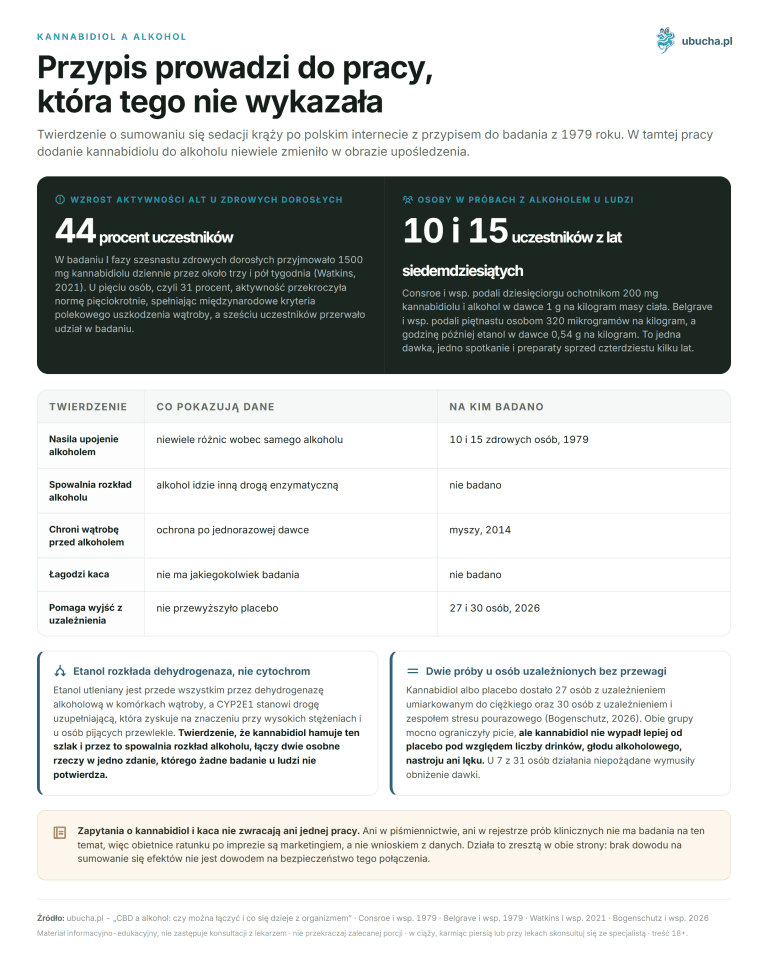
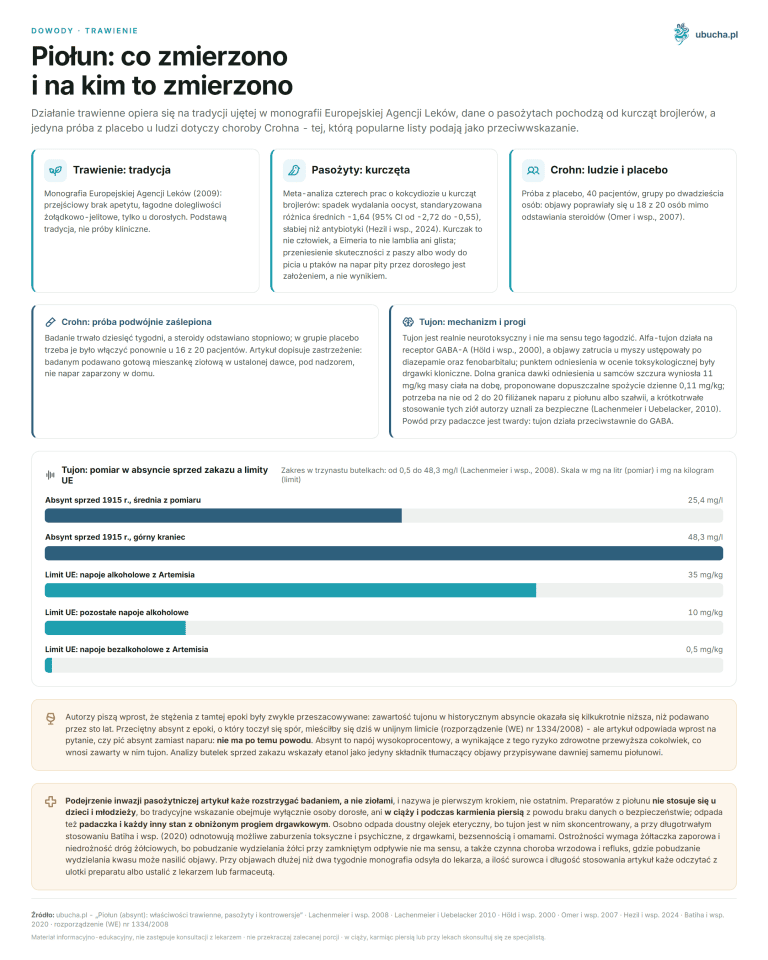
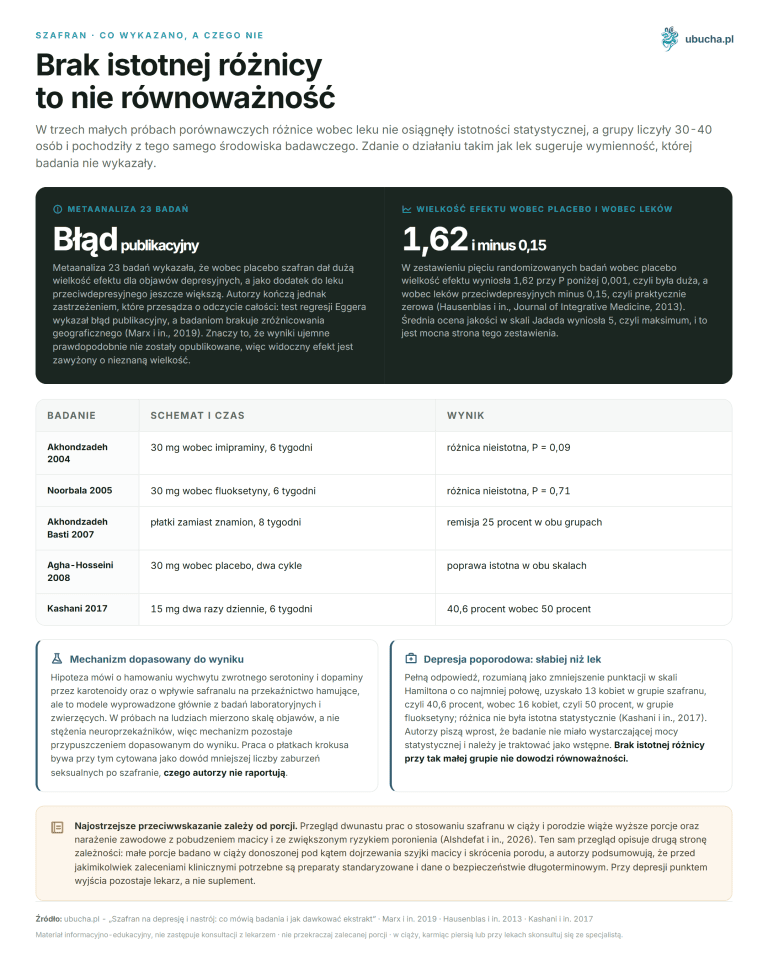
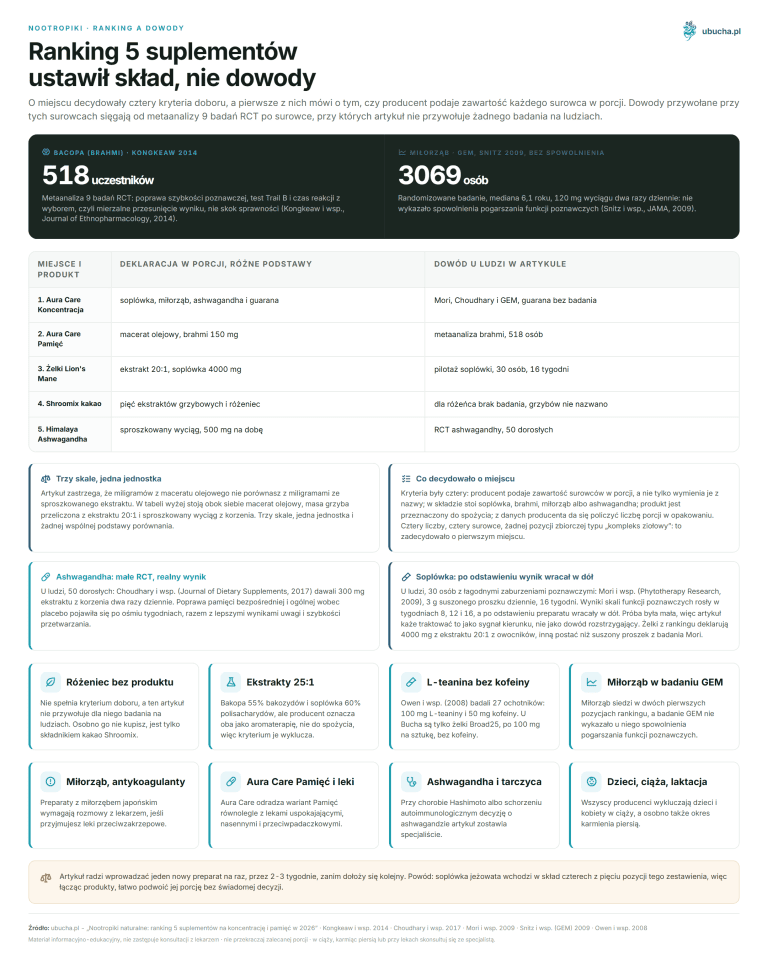
• With blood pressure-lowering medications, the effects add up. This is the only interaction worth discussing with a doctor.
Which species of hibiscus has confirmed effects?
One species has confirmed health effects: Hibiscus sabdariffa, sour hibiscus, also known as roselle or karkade. The raw material is dried calyces, not flower petals. The popular potted plant Hibiscus rosa-sinensis is a different species, and results obtained on sabdariffa should not be transferred to it.
The genus Hibiscus includes hundreds of species, but clinical studies, pharmacological reviews, and monographs concern almost exclusively sabdariffa. The review by Ali et al. (Phytotherapy Research, 2005) gathers what is known about it: the calyces contain ascorbic acid, extracts have strong antioxidant activity in laboratory studies and in animals, and a clear blood pressure-lowering effect has been demonstrated in both rats and humans. The same review states that the toxicity of the raw material is low: the lethal dose LD50 of the extract from the calyces in rats exceeded 5000 mg per kilogram of body weight.
In Poland, hibiscus is mainly sold as a sour addition to fruit blends, so the actual content of calyces in such tea can be small. This is important when reading the results of studies. Clinical trials used an infusion or a standardized extract of the calyces alone, not a blend in which hibiscus is one of several ingredients.
By how much does hibiscus lower blood pressure?
The meta-analysis by Serban et al. (Journal of Hypertension, 2015) gathered five randomized trials with seven treatment arms. A total of 390 people were randomized: 225 were assigned to hibiscus, and 165 to the control group. The infusion lowered systolic blood pressure by an average of 7.58 mmHg and diastolic by 3.53 mmHg.
The confidence intervals were provided directly in this paper and are worth knowing, as they indicate how certain the number is: for systolic blood pressure from -9.69 to -5.46 mmHg, for diastolic from -5.16 to -1.89 mmHg. The authors note that the size of the effect was inversely related to the baseline blood pressure. The higher someone started, the more they gained; in individuals with normal pressure, the decrease was correspondingly smaller.
This is simultaneously the strongest and most limited thing that can be said about hibiscus. Five trials and 390 people is a narrow basis for conclusions about cardiovascular health, and the authors themselves conclude that further well-designed studies are needed. The infusion is therefore not a substitute for hypertension treatment, but a supplement whose effect has been measurable.
How does hibiscus lower blood pressure?
The effect is attributed to two groups of compounds: anthocyanins, which give the infusion its color, and organic acids from the calyces. The review by Izquierdo-Vega et al. (Biomedicines, 2020) lists among them citric, hydroxycitric, hibiscus, tartaric, malic, and ascorbic acids, and associates them with diuretic and blood pressure-lowering effects, as well as bile-promoting properties.
The review by Hopkins et al. (Phytotherapy, 2013) adds a clinical observation that speaks more about the scale of the phenomenon than any description of the mechanism. In comparative trials, hibiscus infusion lowered blood pressure as effectively as captopril, a drug from the angiotensin-converting enzyme inhibitor group, but less effectively than lisinopril from the same group. This places hibiscus roughly where dietary interventions usually rank: below modern pharmacotherapy, above zero.
The same review notes that the diuretic effect of extracts is real, but in most studies, it did not significantly change electrolyte levels. It also points out the other side: at high doses, a possible adverse effect on the liver has been reported. An infusion consumed in normal amounts is different from a concentrated extract in a capsule, and these two forms do not have the same safety profile. If you are interested in how another popular plant material performs with hypertension, we have separately described what studies say about CBD and the heart.
What does hibiscus do to cholesterol and triglycerides?
The best-designed lipid trial is Mozaffari-Khosravi et al. (Journal of Alternative and Complementary Medicine, 2009). Sixty patients with type 2 diabetes were randomly assigned to hibiscus infusion or black tea, twice daily for a month. Fifty-three individuals completed the study.
In the hibiscus group, HDL cholesterol significantly increased, while total cholesterol, LDL fraction, triglycerides, and apolipoprotein B100 decreased. In the black tea group, only HDL changed significantly. This difference is more interesting than the result itself, as the reference group was not nothing but another tea. Part of the effect, which is usually explained in such studies by simply replacing sweet beverages, was therefore controlled by the study design.
The review by Hopkins et al. takes a more cautious approach to lipids and states that a beneficial effect on the lipid profile was shown in more than half of the randomized trials, not all. This is a fairer summary than a statement about hibiscus as a plant statin. The effect sizes from individual studies cannot be summed up into one number, as they differed in dosage, form of the raw material, and duration of observation.
Does hibiscus help with weight loss?
One randomized study in humans measured this directly. Chang et al. (Food and Function, 2014) randomly assigned individuals aged 18-65 with a BMI of at least 27 to hibiscus extract (19 people) or to a control group (17 people) for twelve weeks.
In the group taking the extract, body weight, BMI, body fat content, and waist-to-hip ratio decreased. The concentration of free fatty acids in serum also dropped, and imaging assessment showed improvement in liver steatosis. The extract was well tolerated, and no adverse effects were reported during the trial.
One piece of information from this study debunks a popular explanation, and that is why it is worth reading it twice. Hibiscus is attributed with inhibiting amylase and lipase, meaning blocking the digestion of carbohydrates and fats. In this very trial, the activity of both enzymes in serum did not change, and the authors attribute the result to the polyphenols in the extract. Thirty-six individuals and twelve weeks is too few to speak of a weight loss remedy, and too many to dismiss the topic in silence.
What does hibiscus provide for metabolic syndrome?
Gurrola-Díaz et al. (Phytomedicine, 2010) administered powdered hibiscus extract in capsules, 100 mg daily for a month, to individuals with and without metabolic syndrome, in a factorial design with a diet following NCEP-ATP III guidelines.
In participants with metabolic syndrome, the extract significantly lowered glucose and total cholesterol levels, raised HDL, and improved the triglyceride to HDL ratio, which is an indirect marker of insulin resistance. When the extract was combined with the diet, triglycerides additionally decreased. Based on this, the authors suggest using the extract for dyslipidemia associated with metabolic syndrome.
It should be noted what this study measured and what it did not. The measured parameters included cholesterol, its fractions, triglycerides, glucose, urea, creatinine, and aminotransferases, but insulin was not on this list. Therefore, an indirect marker improved, but insulin resistance itself was not measured directly. A month of observation and a capsule with the extract is also not the same as a daily infusion, and transferring the result from one form to another is an assumption, not a determination. Additionally, the study was conducted in a factorial design with a diet, so part of the effect cannot be separated between the extract and dietary changes, and the authors themselves describe the work as a basis for further research, not as a resolution.
Does hibiscus affect the skin?
Here, the evidence is the weakest in the entire article. Reviews of the properties of Hibiscus sabdariffa describe strong antioxidant activity in laboratory studies and mention cosmetic applications among traditional uses, but the weight of clinical evidence lies with blood pressure and lipids, not with skin.
Marketing calls hibiscus extract plant botox. This is a commercial term, not a description of a mechanism: botulinum toxin blocks neuromuscular transmission, and the plant extract does nothing similar. The real basis for these promises is the presence of organic acids that behave like mild alpha-hydroxy acids in cosmetics, and the antioxidant activity measured in vitro.
The practical conclusion is moderate. A cooled infusion from the calyces can be used as a toner and is harmless, but one should not expect an effect comparable to retinoids, for which studies on human skin exist. Fruit acids increase skin sensitivity to sunlight, so using sunscreen in the morning is reasonable regardless of how strong the preparation itself is. It is also worth remembering a simple distinction that gets lost in cosmetic descriptions: antioxidant testing in vitro measures the ability of the extract to quench radicals in solution, not whether anything from it penetrates through the stratum corneum and remains in the skin long enough to change its appearance.
How to brew hibiscus for a meaningful infusion?
The infusion is made from calyces, not petals, and they provide the sour taste and deep red color. It is advisable to remove the water from the heat just before boiling, around 90 degrees Celsius, and brew covered. Shorter brewing yields a lighter and more sour infusion, while longer brewing results in a darker and more astringent infusion due to tannins.
Cold maceration is another sensible method. Calyces soaked in cold water and left overnight in the fridge release fewer tannins, resulting in a milder drink while maintaining an equally intense color. In summer, this is a reasonable substitute for sweetened beverages, as the infusion itself without sugar practically adds no energy.
Two things most often spoil this infusion. The first is boiling water and long cooking, which leaves bitterness instead of acidity. The second is fruit blends, in which hibiscus is high on the label but constitutes a fraction of the content; with a consistent composition, dried calyces alone perform better. Similar questions about temperature and time arise with other herbal infusions, for example with gynostemma, and with extracts from green tea, a separate topic is standardization on EGCG.
With which medications does hibiscus interact?
One interaction is predictable and arises directly from the action of the plant. Hibiscus lowers blood pressure and has a diuretic effect, so in a person treated for hypertension, both effects add up. Excessive drops in blood pressure manifest as dizziness upon standing and weakness, and in extreme cases, fainting.
This applies to angiotensin-converting enzyme inhibitors, sartans, beta-blockers, calcium channel blockers, and diuretics. The risk increases in hot weather and with dehydration, when blood pressure is already lower. The practical conclusion is not “do not drink,” but “measure your blood pressure at home if you start drinking hibiscus daily, and show the results to your doctor.”
The review by Ali et al. adds an observation that is rarely mentioned. In healthy men, hibiscus consumption significantly lowered the concentration of several substances in urine: creatinine, uric acid, citrates, calcium, sodium, potassium, and phosphates. The concentration of oxalates remained unchanged. This is an argument for discussing with a doctor in cases of kidney disease or stones, rather than an automatic ban. The same review mentions a single report of adverse effects from excessive doses given for a long time on the testes of rats. Transferring this directly to humans would be an overinterpretation, but it is worth knowing when it comes to concentrated extracts.
Frequently asked questions
Does hibiscus really lower blood pressure?
Yes. A meta-analysis by Serban et al. from 2015, which included five randomized trials and 390 participants, showed a decrease in systolic blood pressure by 7.58 mmHg and diastolic by 3.53 mmHg compared to the control group. The effect was greater in individuals with higher baseline blood pressure and smaller in those with normal pressure.
Can hibiscus be consumed with antihypertensive medications?
Yes, but consciously. Hibiscus lowers blood pressure and has a diuretic effect, so its action adds up with antihypertensive and diuretic medications. This poses a risk of dizziness and fainting, especially in hot weather. Measure your blood pressure at home during the first weeks of daily consumption and discuss the results with your doctor.
Does hibiscus help with weight loss?
In one twelve-week trial involving 36 individuals with a BMI of at least 27, hibiscus extract reduced body weight, BMI, body fat content, and waist-to-hip ratio. This is a single small study, so hibiscus can be considered a supplement rather than a weight loss remedy.
Does hibiscus improve cholesterol?
In patients with type 2 diabetes, a month of drinking the infusion raised HDL and lowered total cholesterol, LDL, and triglycerides, more effectively than black tea. However, a review from 2013 states that a beneficial effect on lipids was shown in more than half of the trials, not all. Therefore, the evidence is weaker than for blood pressure.
Does hibiscus actually rejuvenate the skin?
The term ‘plant botox’ comes from marketing, not research. The basis is laboratory work on antioxidant activity and the presence of organic acids that behave like mild alpha-hydroxy acids. A cooled infusion as a toner is harmless, but there is no evidence comparable to that collected for retinoids.
Can hibiscus infusion be consumed on a diet?
Yes. Without sugar and honey, the infusion practically adds no energy, and replacing sweetened beverages with it significantly reduces sugar intake. In cases of kidney disease, stones, or diuretic treatment, it is advisable to discuss this with a doctor, as hibiscus alters the excretion of several substances in urine.
Ready herbal blends and teas for brewing can be found in the tea category.
This article is for informational and educational purposes and does not constitute medical advice. Before starting supplementation, consult your doctor, especially if you are taking medications regularly, are pregnant or breastfeeding, or have a chronic illness.
Author: Michał Waluk · Published: 2026-06-22 · Updated: 2026-08-15