


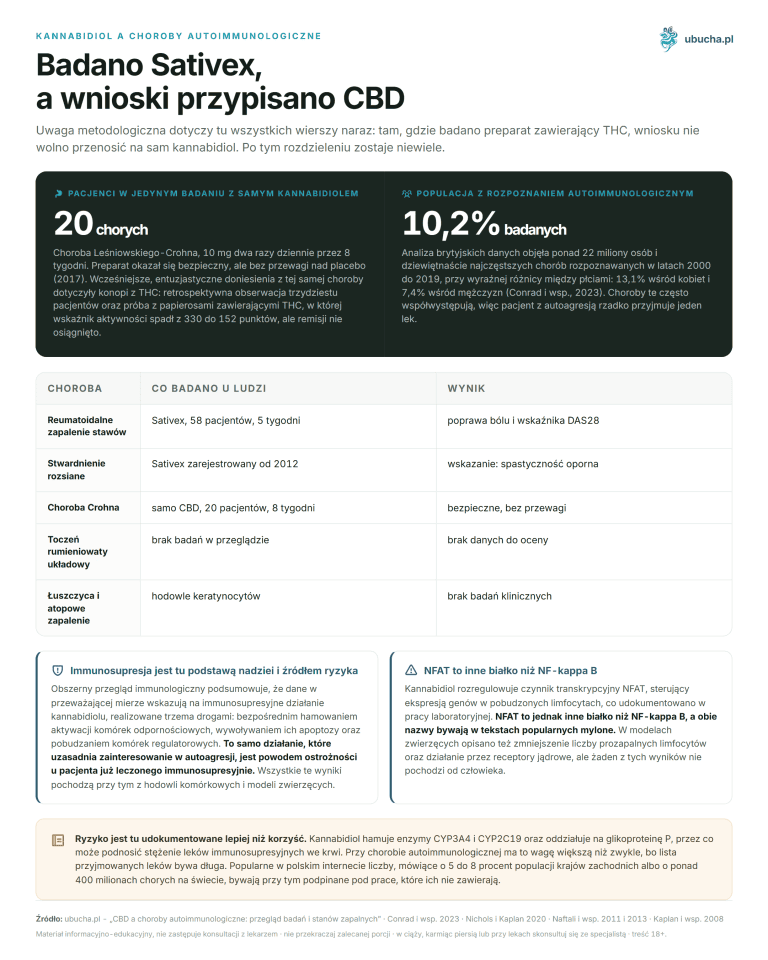
CBD and Autoimmune Diseases: A Review of Research and Inflammatory Conditions
What has really been demonstrated in studies on CBD in RA, MS, Crohn's disease, and lupus, how strong is this evidence, and why are interactions with drugs significant.

What has really been demonstrated in studies on CBD in RA, MS, Crohn's disease, and lupus, how strong is this evidence, and why are interactions with drugs significant.
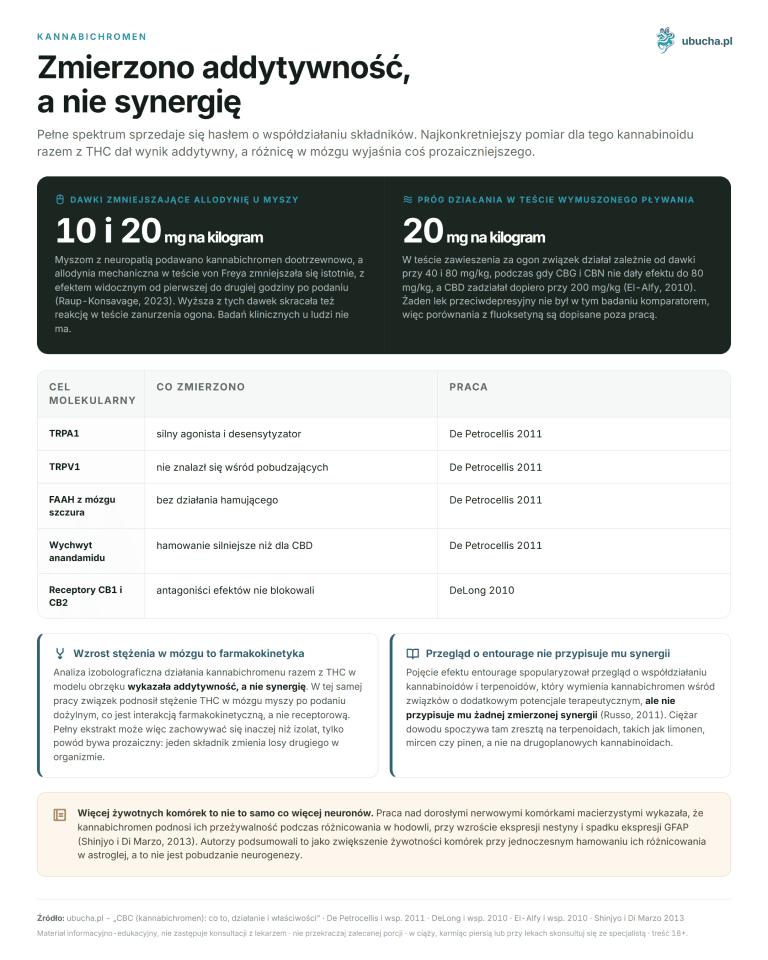
CBC (cannabichromene): what it is, how it acts on TRPA1 receptors, what studies have really shown about pain and mood, and what its legal status is in Poland.
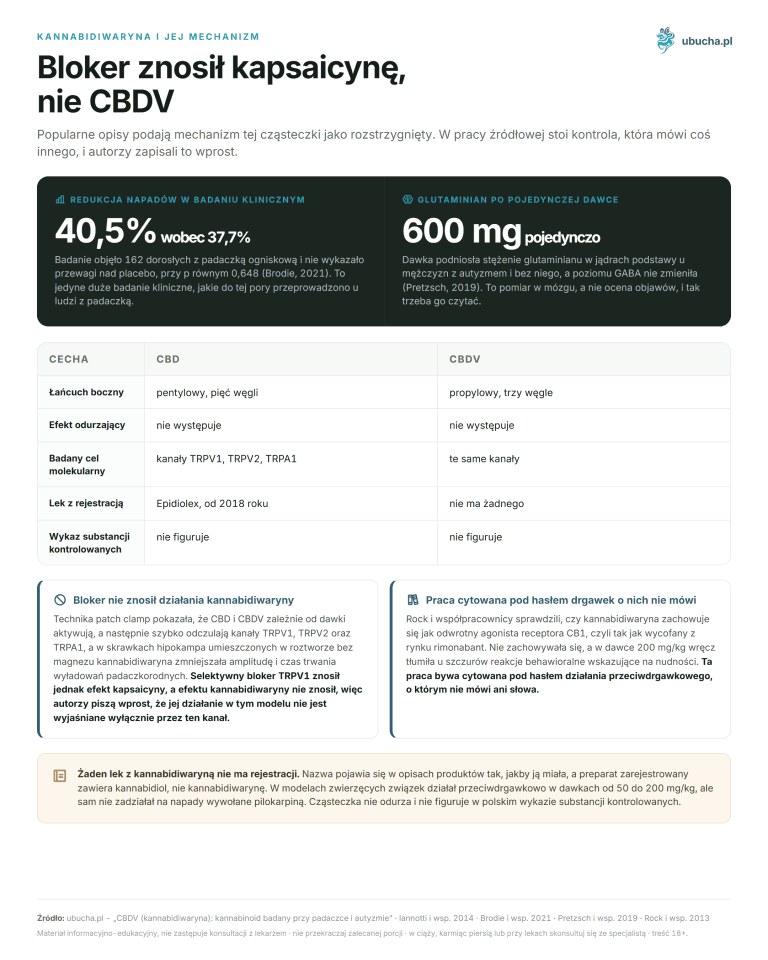
CBDV, or cannabidivarin: TRPV1 mechanism, results of a phase two study in 162 people with focal epilepsy, glutamate measurement in autism, and legal status.
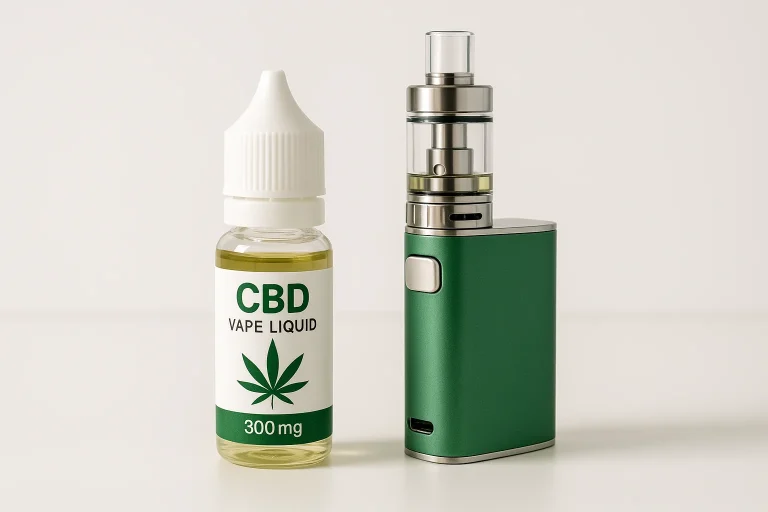
Liquid CBD for e-cigarettes: what is really known about absorption, where the EVALI risk comes from, how liquid differs from oil, and what the certificate of analysis should contain.
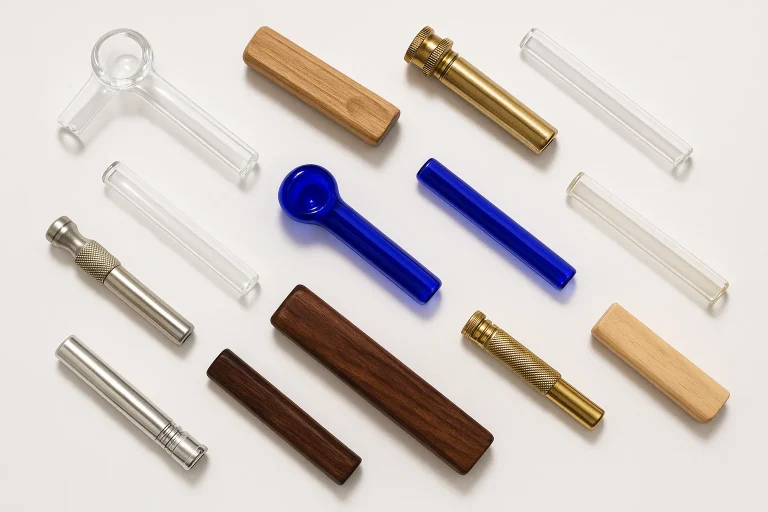
Pipes and one-hitters for dry herbs: what is the difference between a spoon pipe and a one-hitter, how to choose a material, and what does a carbon filter really retain in a one-hitter with a filter.
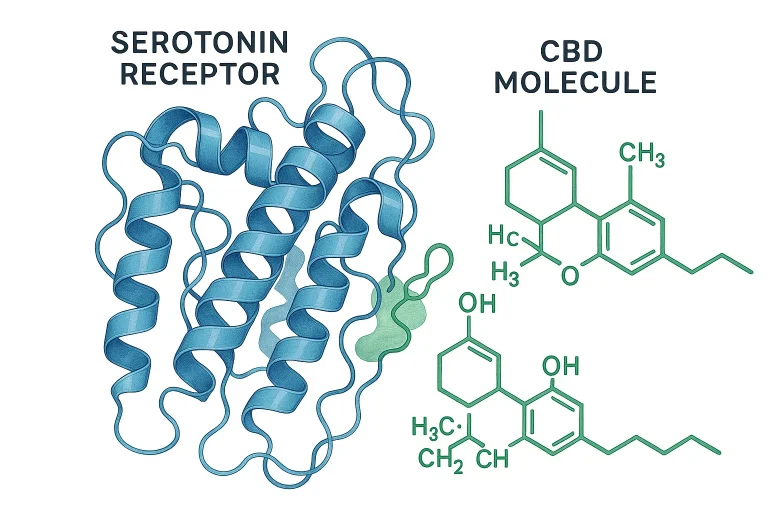
CBD binds to the serotonin receptor 5-HT1A as an agonist with moderate affinity. What does this mean for anxiety and what are the limits of this evidence.
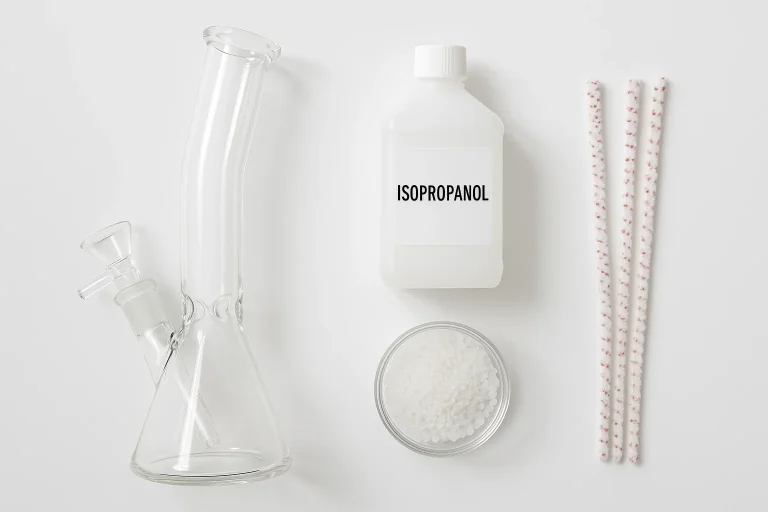
Cleaning a bong step by step: isopropanol with salt, removing limescale, cleaning nozzles and bowls, and what studies on water bacteria say about water pipes.
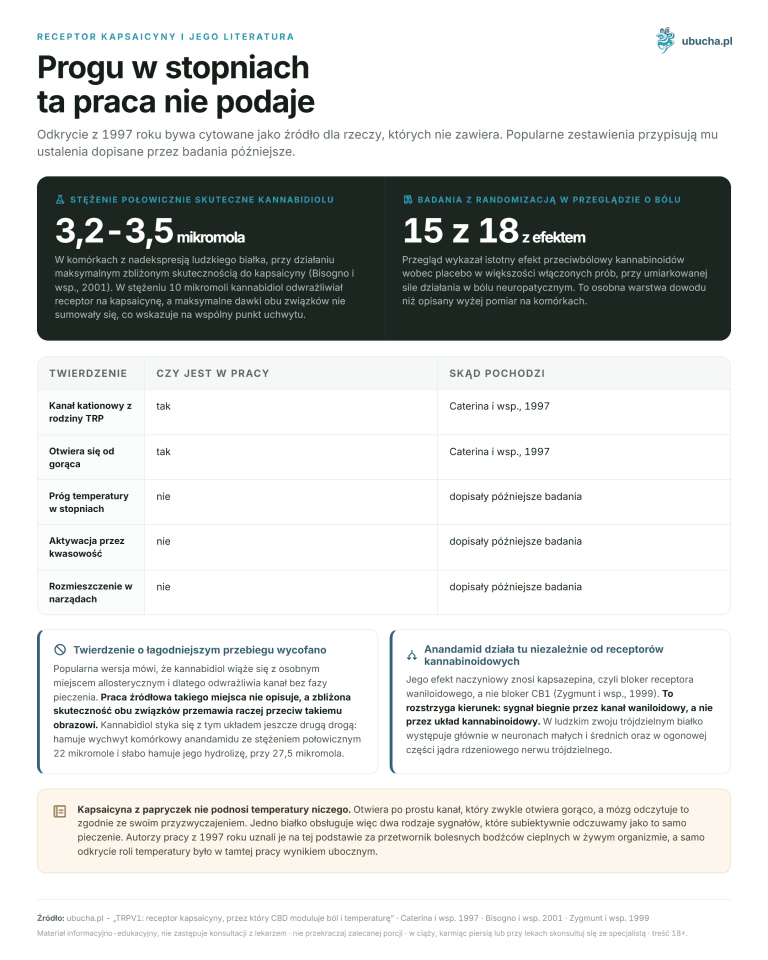
TRPV1 transmits pain and heat. What original works on capsaicin, anandamide, and cannabidiol really showed and where the clinical evidence in pain ends.
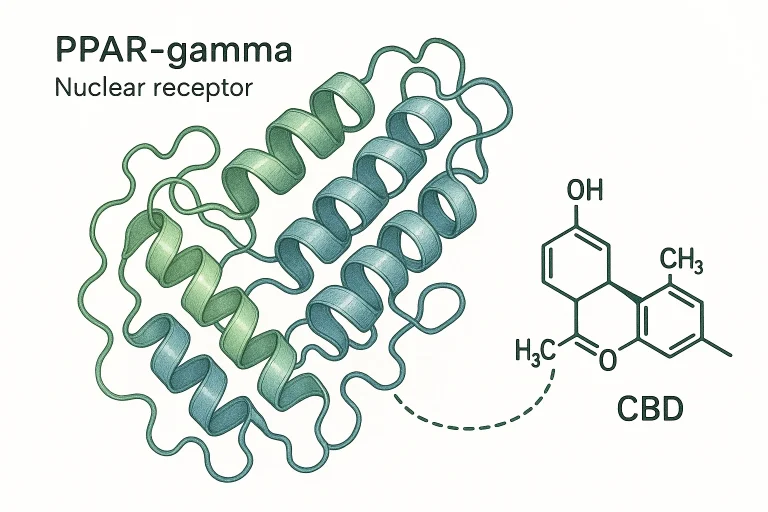
CBD activates the nuclear receptor PPAR-gamma in cell tests and in rats. However, in a study involving 62 people with type 2 diabetes, it did not improve glycemia.
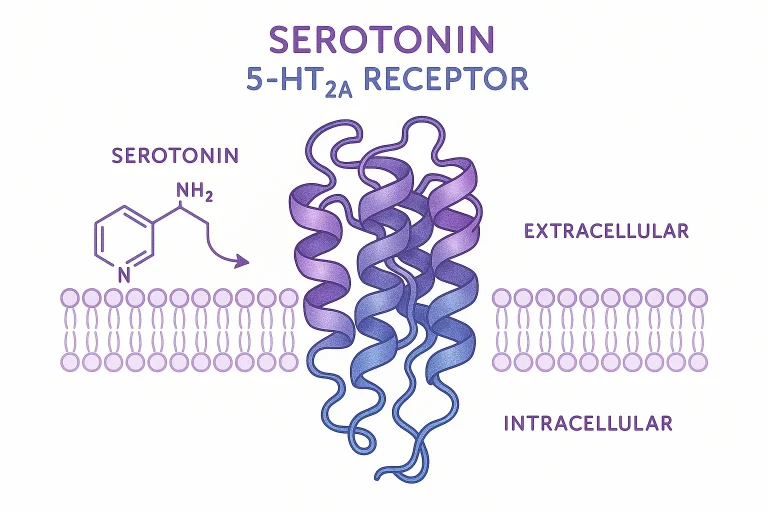
Psilocybin acts through 5-HT2A, which has been confirmed in humans. For CBD, this receptor has only been described in preliminary binding studies on rat receptors.


Czy masz ukończone 18 lat?
Buch z Tobą


