
Rolling Trays: How to Choose and What Materials (Ranking)
Rolling trays in practice: material ranking, size selection, features that really matter, and accessories worth having next to the tray.
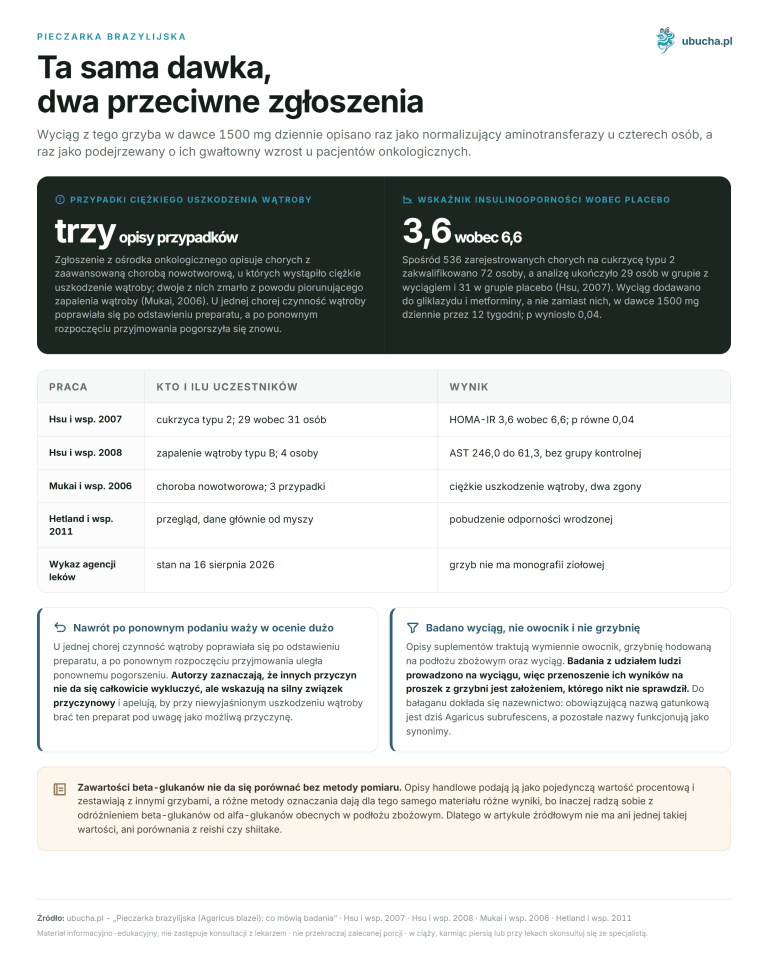
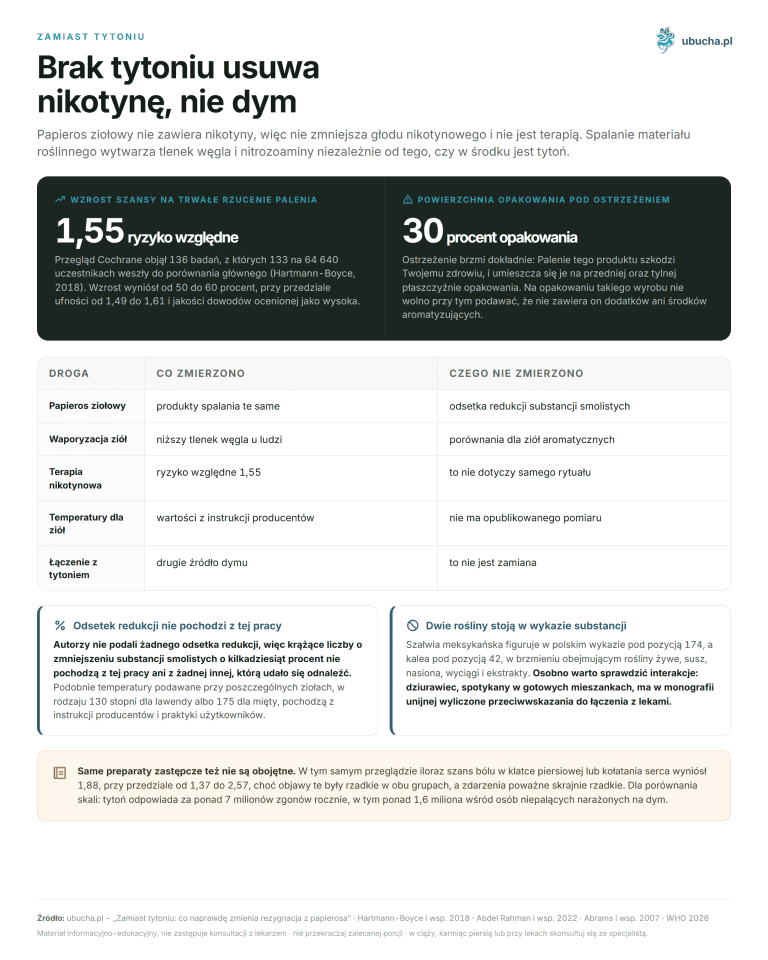
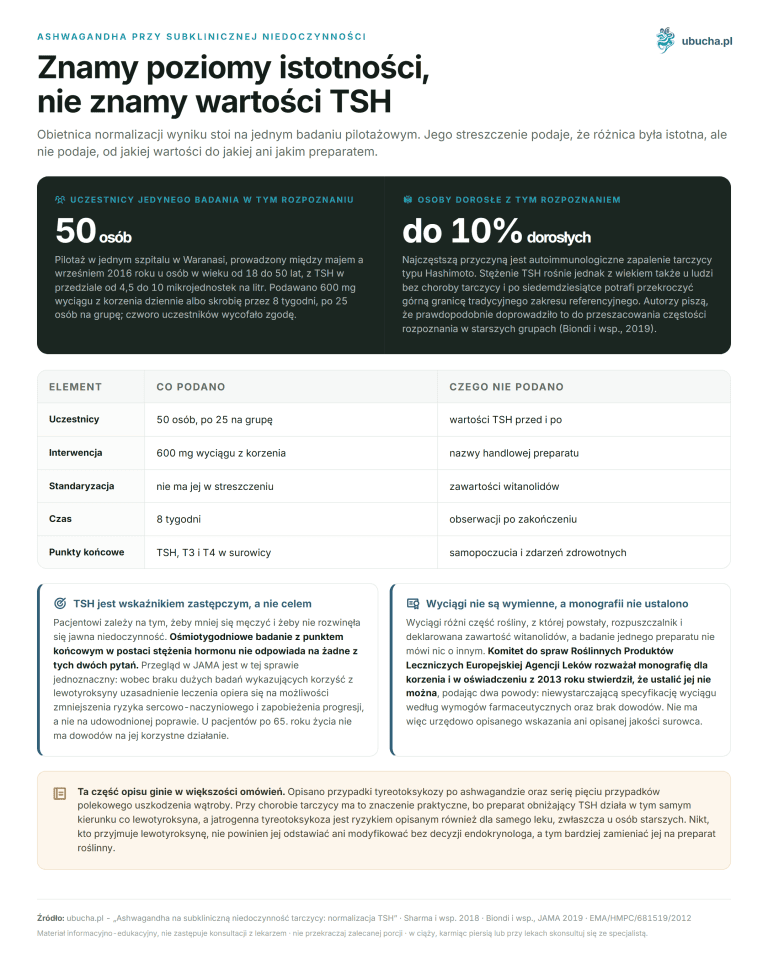
A rolling tray, in English, is a flat surface with a raised rim on which you prepare a joint without spilling herb on the surface. It sounds trivial until you find yourself collecting ground material from the carpet. The market offers dozens of variants: bamboo, aluminum, steel, acrylic, with a lid and without. They differ not only in appearance but also in moisture resistance, noise when putting down the grinder, and the rate at which they scratch. Below you will find a ranking of materials based on how they perform in everyday use, practical size selection, and a list of features that actually make a difference when making your first purchase. You will also check what to avoid to not have to replace the tray after a month. At the end, we suggest what to complete alongside it to make the whole setup comfortable.
KEY INFORMATION
• A rim 1-2 cm high distinguishes a tray from a regular tray.
• Material ranking: bamboo and hardwood, aluminum, steel, acrylic, plastic.
• Size M, about 18 x 27 cm, accommodates most home uses.
• Do not soak wood: clean it dry and oil it every few months.
• The Bucha catalog currently does not have trays, but it has rolling papers and grinders.
How does a rolling tray differ from a regular tray?
A rolling tray has a rim 1-2 cm high that runs around the entire working surface. This rim keeps ground herb, filters, and scraps of paper inside, even when you tilt the tray or bump it with your elbow. A cutting board, breakfast tray, and book cover do not have this function, so they cannot replace a tray.
The second difference is the surface. A good tray has a bottom smooth enough to scoop everything in one motion with a card or brush. Kitchen boards have knife cuts where the herb gets stuck. The third thing is the corners. In trays designed for rolling, the inner corners are rounded, because nothing can be scooped out of a sharp right angle with a finger.
It is also worth remembering what a tray is not for. It is not a container. Herb left on an open surface loses moisture within a few hours and quickly becomes brittle, and the aroma evaporates along with the terpenes. A tray is a workspace, not a storage place, so the material should return to a closed jar right after the session, under the conditions described in the guide on storing herb.
What material ranks best in the ranking?
First place goes to bamboo and hardwood, as they combine quiet operation with scratch resistance from the grinder. Anodized aluminum is second: it withstands water and detergents, and will survive a fall from the table, but it makes noise when putting down metal accessories. Steel is the most durable and heaviest, acrylic is the cheapest and most prone to scratches.
Bamboo deserves a separate mention. Technically, it is a grass, not wood, yet it can be harder than oak while being significantly lighter and less absorbent. This is why so many bamboo trays have thin walls and still do not bend. There is one limitation: water. Wood and bamboo swell, and lacquer or oil comes off after a few baths, so cleaning remains dry.
On the plastic side, the quality of the raw material matters. Cast acrylic retains its shape and transparency for years, while cheap injection-molded plastic can yellow and deform with the first hot cup placed next to it. If the manufacturer does not provide any information about the composition or certifications, it usually means there is nothing to boast about.
| Place | Material | What stands out | Weaknesses | Cleaning |
|---|---|---|---|---|
| 1 | Bamboo and hardwood | Quiet, warm to the touch, natural grain | Does not tolerate water and steam | Dry, oil every few months |
| 2 | Anodized aluminum | Lightweight, water and impact resistant | Noisy, cold to the touch | Water with detergent, isopropanol |
| 3 | Stainless steel | Highest mechanical resistance | Heavy, more expensive than aluminum | Any cleaner, soft sponge |
| 4 | Acrylic | Low price, patterns and colors | Easily scratches | Wet, without abrasives |
| 5 | Injection-molded plastic | Lowest price, light weight | Yellows and deforms | Water with detergent |
The order in the table reflects the behavior of the material in everyday use, not the price. We consciously do not provide price ranges, as they depend on the model and seller, not the raw material itself.
What size tray should you choose for your style?
You choose the size of the tray based on where you most often roll. A small tray, about 14 x 18 cm, fits rolling papers, filters, and a bit of herb, with the grinder kept next to it. A medium tray, around 18 x 27 cm, accommodates a full set of accessories at once. A large tray, from 27 x 35 cm upwards, is a permanent station.
A small tray fits into the side pocket of a backpack and is great for travel. At home, it can be frustrating: there is not enough space for the grinder, so you put it on the table, and the whole point of the rim disappears. If you are buying one tray for everything, it is usually not this size.
The medium size is the default choice for most people. It can fit a grinder, a pack of papers, filters, and what is left from the previous session without stacking in layers. A large tray makes sense when you are preparing several rolls at once or keeping the whole set together with a jar and lighter. Its only drawback is its unwieldiness: you cannot move it from the table, and it usually does not fit in a drawer. If you are hesitating between two sizes, go for the larger one: extra space does not bother anyone, but a lack of it does.
Which additional features are really useful?
From the list of extras, two things genuinely change comfort: rounded inner corners and a non-slip base. The rest are conveniences that you pay for but can do without loss. When buying online, look at detail photos, as corners and the bottom are often where savings are made.
A sharply pointed corner cuts your finger when scooping up scraps and holds onto material that you cannot extract without a stick. Rubber feet or a silicone coating on the bottom keep the tray in place on glass and lacquered tables. Without them, the tray slides across the surface with the movement of your hand, which predictably ends in a mess.
A lid with magnets looks good and actually protects the contents during transport, but the quality of the closure can vary, and you will only check it in practice. A side holder for rolling papers sounds convenient, but after a few sessions, you will arrange the accessories your way. Decorative engravings or prints do not affect usability, so treat them as an aesthetic choice. The same goes for dividers formed in the bottom: they divide the surface instead of enlarging it and make it harder to scoop up scraps in one motion.
How to choose a tray for your usage style?
Your usage profile tells you more about the right choice than the material ranking itself. A person rolling once a week and a person doing it daily need different things: the first needs comfort and low price, the second needs a finish that can withstand thousands of contacts with a metal grinder.
For occasional use, a medium aluminum tray or a simple bamboo one is enough. It sits in a drawer most of the time, so there is no point in paying extra for craftsmanship. For daily rolling, it pays to go one level up: solid wood or thick bamboo with a well-finished rim, as cheap models reveal weaknesses in a few weeks.
A mobile user looks for a small tray that is impact-resistant in a backpack, preferably with a lid. Wood is a worse choice here: it weighs more and does not handle accidental crushing well. A separate group is collectors, for whom carving, inlay, or hand painting matters. Usability takes a back seat there, and there is nothing wrong with that, as long as you know what you are paying for. For such pieces, just check that the rim is not purely decorative, as some carved trays have it too low to hold anything.
What should you have next to the tray on your station?
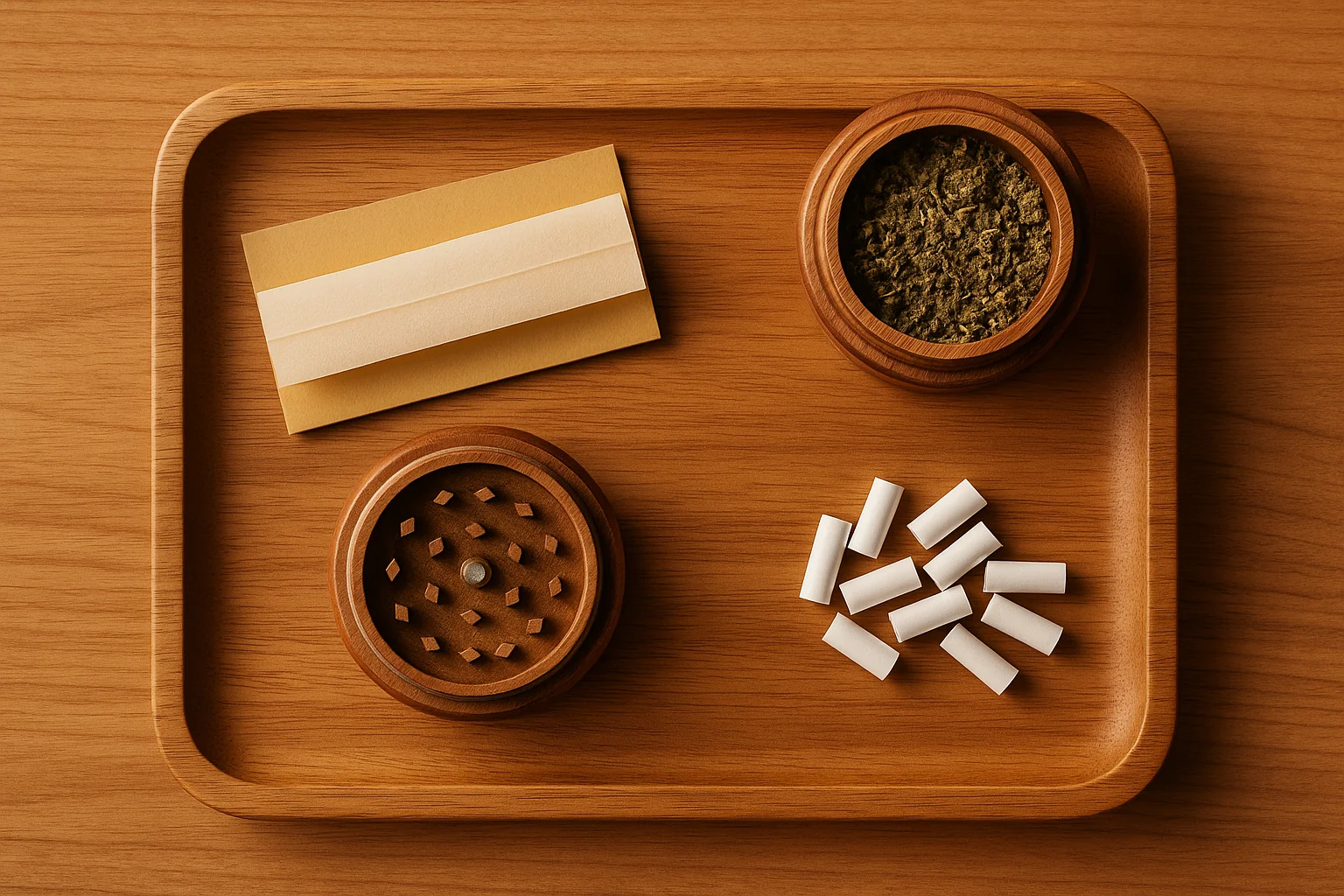
A tray alone does not change much if the rest of the station is scattered in drawers. A working set includes a grinder, rolling papers, filters, and a sealed container for herb. All four elements can be found in the accessories section at Bucha, in separate subcategories.
In the papers section, the catalog has nine items, from thin King Size to sets with filters. The sizes and grammages of each, along with filter selection, are compared in the rolling papers comparison. One of them, hemp KS Slim papers with a tray and filters, includes a cardboard tray in the set and costs 16.00 PLN. This does not replace a proper working tray, but allows you to start without a separate purchase.
Keep herb sealed, not on the tray. In the storage section, there are glass containers with a hygrometer starting at 69.00 PLN and a 62% humidity regulator in an 8 g sachet for 4.50 PLN, which keeps the material in shape instead of letting it dry out. Additionally, grinders start at 16.99 PLN and carbon filters start at 10.00 PLN. Prices are as per the store, as of August 8, 2026, and may change. This set costs less than one more expensive tray, but significantly impacts work comfort.
How to care for the tray to last for years?
The biggest difference comes from the habit of collecting scraps after each session. Herb contains resins that bond to the surface when dry and only come off when wet or mechanically. A soft brush, makeup brush, or folded piece of paper can solve the issue in seconds.
Keep wood and bamboo away from standing water and steam. Every three to six months, rub a few drops of wood oil into the unpainted surface and wipe off the excess after a few minutes. You can smooth out minor scratches with 400-grit sandpaper, then oil it again. Lacquered trays only require wiping.
Metal can withstand practically any cleaning: water with detergent, isopropanol, vinegar. Avoid abrasive powders and hard sponges, as they dull the anodized aluminum coating. Scratches on steel will be visible in side light, so the soft side of a sponge is enough. Clean acrylic only when wet, as a dry cloth spreads particles and creates micro-scratches. Regardless of the material, store the tray horizontally, not leaning against a wall: leaning causes it to slide, and that is when the rim cracks or the paint chips off.
Frequently Asked Questions
What material is best for a rolling tray?
The highest ranking materials are bamboo and hardwood: they work quietly, feel pleasant to the touch, and hold ground herb well. Anodized aluminum wins in durability and can be cleaned under running water. You buy acrylic for its design and low price. It’s better to avoid cheap materials without information about their composition.
What size rolling tray should I choose?
A small tray, about 14 x 18 cm, fits rolling papers, filters, and a bit of herb, making it suitable for travel. A medium one, around 18 x 27 cm, is the home standard with space for a grinder next to the other accessories. A large tray, from 27 x 35 cm upwards, can handle several rolls at once.
Is a rolling tray different from a regular tray?
Yes. A rolling tray has a rim 1-2 cm high running around the working surface, which keeps the ground material inside. A cutting board or breakfast tray does not have such a rim, so the herb spills over the edge at the first touch of the surface.
How to clean a rolling tray?
You can wipe metal and acrylic with a damp cloth or rinse them under the tap, then dry them. Do not soak wood: a dry cloth is enough, and every few months a few drops of wood oil. Collect leftover herb with a soft brush or a folded piece of paper.
Which tray is good for beginners?
For starters, a medium anodized aluminum tray works well: it is lightweight, water-resistant, and hard to damage. A bamboo one costs similarly and looks better, but requires dry cleaning. Do not buy models without a rim, as you will end up collecting herb from the surface again.
Can I buy a rolling tray at Bucha?
As of August 8, 2026, the Bucha catalog does not have a separate rolling tray. However, you will find rolling papers, filters, grinders, and containers for herb in the accessories section. One item includes a tray in the set: KS Slim rolling papers with a tray and filters for 16.00 PLN.
There is currently no separate tray in the catalog, but you can complete the rest of the station in the accessories section: you will find rolling papers and filters, as well as grinders and containers for herb with humidity regulation.
This article is for informational and educational purposes. It contains internal links to product categories available in the Bucha store. Prices and specifications may change: check the current data on the product page before purchasing.
Author: Michał Waluk · Published: 2026-06-27 · Updated: 2026-08-08