
Hemp Protein: How to Use in the Kitchen and What to Combine It With
Hemp protein in the kitchen: how much is really in the powder, how it performs on the protein quality scale, and how it behaves in smoothies and baking.
Hemp protein is made from defatted and ground hemp seeds, sold as a powder for smoothies, oatmeal, and baking. It has an earthy-nutty flavor, a dark green color, and a lot of fiber, which makes it behave differently in the kitchen than whey or soy isolate. However, commercial descriptions have surrounded it with numbers that do not hold up to scrutiny: regarding protein content, digestibility, and which amino acid is lacking. Some of them also refer to a different form of the raw material than the sentence suggests, as whole seeds, hulled seeds, oil cake, and isolate are four different products with different compositions in the literature. This article provides values from open records and from a study that examined thirty commercial samples, and then shows what this means when using a blender and in the oven.
KEY INFORMATION
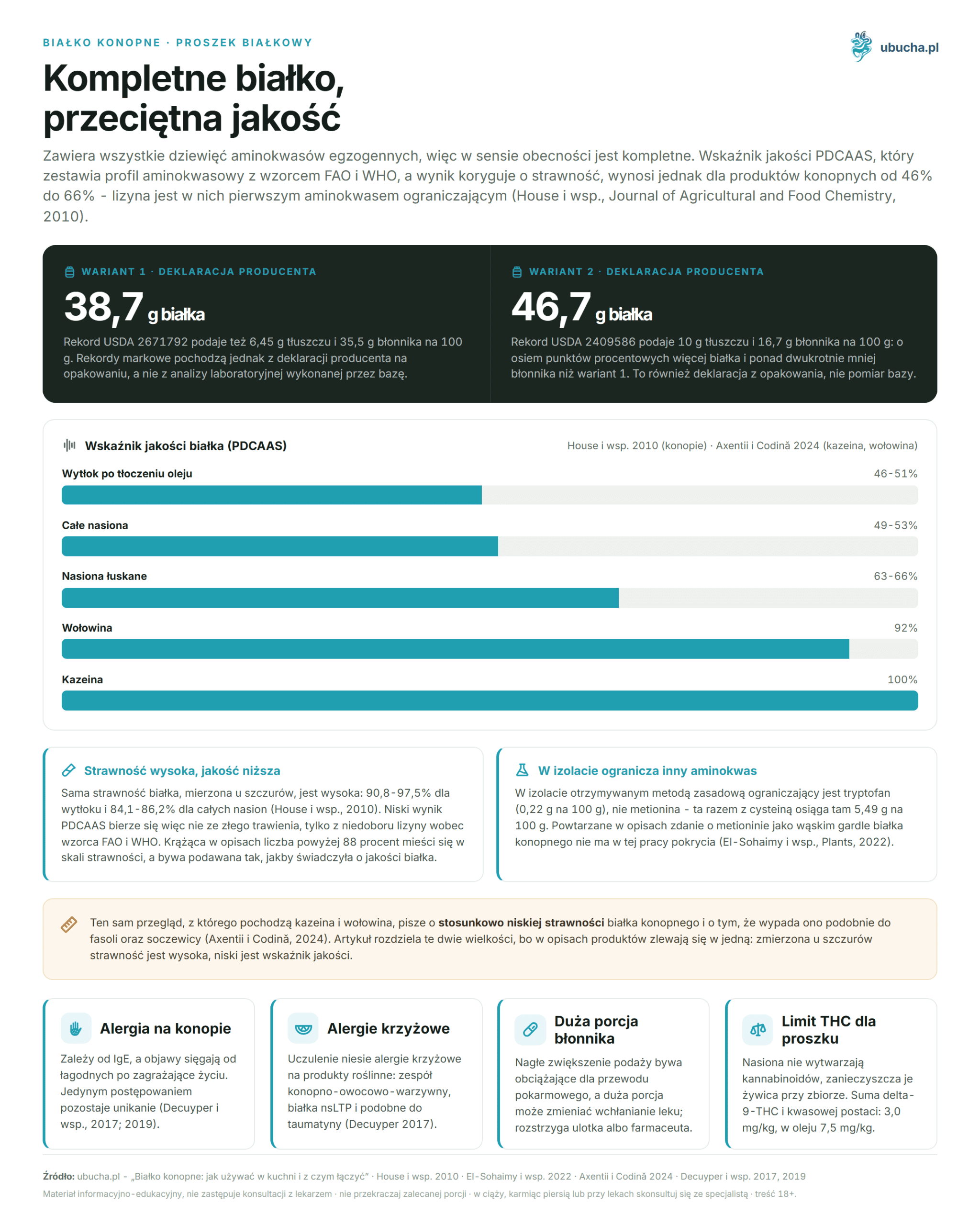
• The protein quality index PDCAAS for hemp products ranges from 46% to 66%, with lysine being the first limiting amino acid (House et al., Journal of Agricultural and Food Chemistry 2010).
• Two commercial powders in the USDA database differ in protein content by eight percentage points and fiber by more than double.
• Hemp seed products have an EU THC limit of 3.0 mg/kg.
• Hemp can be a food allergen (Decuyper et al., Allergy 2017).
What is hemp protein and how is it made?
It is a byproduct of oil pressing, processed into powder form. Oil is cold-pressed from hemp seeds, and the remaining cake is ground and sifted. This results in flour with a higher protein content, sold as protein powder. A separate category is the isolate obtained chemically, in which protein is extracted through alkaline extraction and precipitation at the isoelectric point (El-Sohaimy et al., Plants 2022).
The difference between these forms is significant in numbers and is responsible for the confusion in descriptions. Hulled seeds have 31.6 g of protein and 48.8 g of fat per 100 g (USDA record 170148, Seeds, hemp seed, hulled). The cake after pressing has more protein and significantly less fat: 40.7% protein with 10.2% fat, compared to 24.0% and 30.4% in whole seeds and 35.9% and 46.7% in hulled seeds (House et al., Journal of Agricultural and Food Chemistry 2010, thirty commercial samples).
The main storage protein in seeds is edestin with a mass of about 58 kDa, alongside albumin with a mass of about 31.5 kDa (El-Sohaimy et al., Plants 2022). These proteins are well soluble, which explains why hemp powder disperses in liquid more easily than whole grain flour, despite containing a lot of fiber.
How much protein is in hemp powder really?
As much as stated on the label of the specific package, because the variation between products is greater than the differences usually discussed. Two powders described in the USDA database as branded products provide a good picture of the scale. One declares 38.7 g of protein, 6.45 g of fat, and 35.5 g of fiber per 100 g (record 2671792). The other declares 46.7 g of protein, 10 g of fat, and 16.7 g of fiber (record 2409586).
The eight percentage points difference in protein and more than double the difference in fiber is not a measurement error, but a result of different degrees of defatting and different sifting. It is worth noting that branded records come from the manufacturer’s declarations on the packaging, not from laboratory analysis conducted by the database.
This same difference explains the behavior of the powder in the kitchen. A product with 35.5 g of fiber per 100 g will absorb significantly more water from the dough than a product with 16.7 g, and in a smoothie, it will thicken the liquid sooner. If a recipe suddenly stops working after changing brands, the cause usually lies here, not in the proportions.
| Raw Material Form | Protein | Fat | Source |
|---|---|---|---|
| Whole seeds | 24.0% | 30.4% | House 2010 |
| Hulled seeds | 35.9% | 46.7% | House 2010 |
| Hulled seeds | 31.6 g | 48.8 g | USDA 170148 |
| Oil cake | 40.7% | 10.2% | House 2010 |
| Commercial powder, variant 1 | 38.7 g | 6.45 g | USDA 2671792 |
| Commercial powder, variant 2 | 46.7 g | 10 g | USDA 2409586 |
Percentage values come from laboratory analysis of thirty commercial samples, while values in grams refer to 100 g of the product and come from food composition database records. The rows for hulled seeds from two sources differ by a few points, which well illustrates the natural variation of this raw material.
The USDA record for hulled seeds shows one more thing that the powder makes you forget: it is mineral-rich. Per 100 g, it contains 700 mg of magnesium, 7.95 mg of iron, and 9.9 mg of zinc (record 170148). Defatting concentrates these values because it removes fat, not minerals. This is evident in the record of the second powder: 1120 mg of magnesium, 26.4 mg of iron, and 18 mg of zinc per 100 g (record 2409586).
Is hemp protein a complete protein?
It contains all nine essential amino acids, so in terms of presence, it is complete. However, this is not the same as high nutritional quality, and it is precisely on this shift that most of the marketing of this product is based. Presence indicates that an amino acid is there; the quality scale asks whether there is enough of it relative to demand.
This is determined by the PDCAAS index, which compares the amino acid profile with the FAO and WHO standard, and the result is adjusted for digestibility. For hemp products, it ranges from 46% to 66%: whole seeds 49-53%, cake 46-51%, hulled seeds 63-66%. Lysine is the first limiting amino acid in all studied products (House et al., 2010). In comparison, casein achieves 100%, and beef 92% (Axentii and Codină, Plants 2024). The same review states directly that hemp protein has relatively low digestibility and performs similarly to beans and lentils.
It is worth separating two quantities that blend into one in product descriptions. The digestibility of the protein itself, measured in rats, is high: 90.8-97.5% for the cake and 84.1-86.2% for whole seeds (House et al., 2010). Therefore, the low PDCAAS result does not stem from poor digestion but from a deficiency of lysine relative to the standard. The circulating number above 88 percent fits into the first of these scales and is sometimes presented as if it indicates protein quality.
Which amino acid is limiting depends on the form of the raw material. In seeds and cake, it is lysine (House 2010). In the isolate obtained by alkaline method, the limiting amino acid was tryptophan, at 0.22 g per 100 g, while methionine with cysteine reached 5.49 g per 100 g (El-Sohaimy et al., 2022). The statement about methionine being the bottleneck of hemp protein has no support in any of these studies.
How to incorporate hemp protein into smoothies and breakfasts?
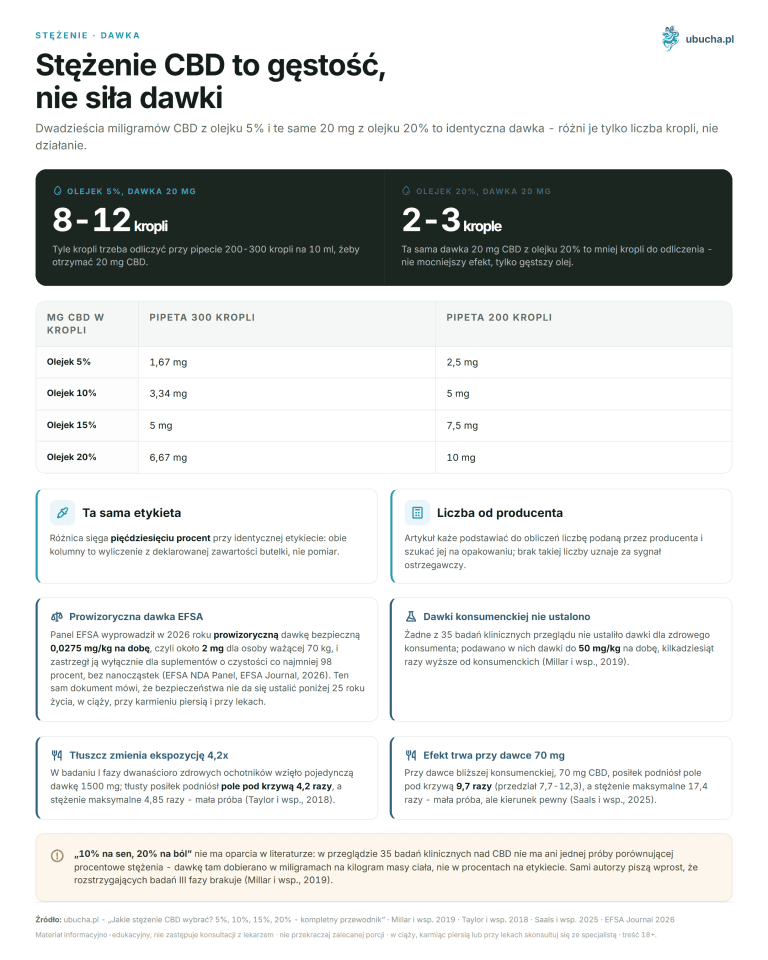
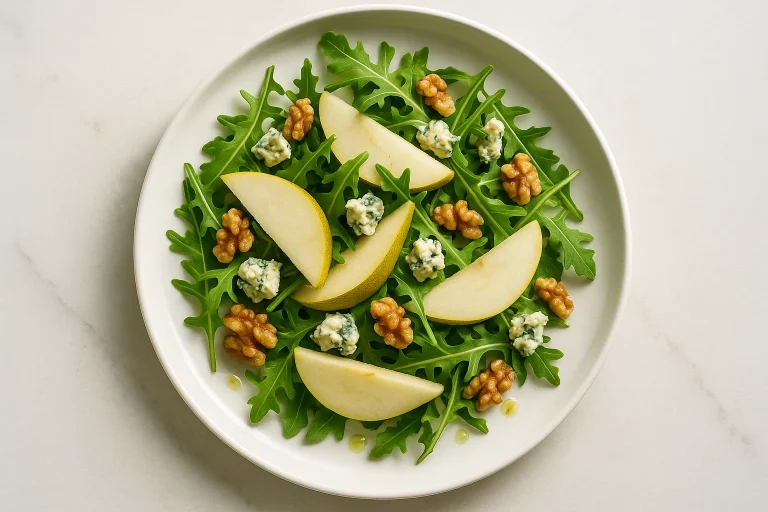
The easiest way is to add it to a base that has its own fat and flavor, as the earthy-nutty note with a slight bitterness needs a partner, not a backdrop. Banana, cocoa, peanut butter, and berries work well because they have a strong enough profile to harmonize with it.
In a smoothie, the order and amount of liquid matter. A powder with high fiber content thickens the mixture in a matter of seconds, so it is easier to add it after blending the creamy base than at the very beginning. We have gathered ready ideas for proportions in the recipe for protein smoothie with hemp protein.
In oatmeal, the principle is the same, but the reason is different. Adding the powder to boiling water results in clumps because the particles absorb water faster than they can disperse; mixing it in after removing from heat avoids this problem. Cold oatmeal works even better, as a night in the fridge allows the fiber to swell, and the flavor balances out. The same mechanism is used in chia pudding with hemp protein, where chia seeds and hemp powder bind the liquid together.
Pancakes, fritters, and protein egg omelets accept the powder without changing the technique. The only thing that needs to be adjusted is the liquid, as discussed below.
How does hemp protein behave in baking and savory dishes?
It absorbs water, darkens the crumb, and adds a nutty flavor, and the more fiber it has, the more it does all three things at once. Culinary practice, not laboratory measurement, suggests that a reasonable limit is to replace about one-fifth to one-fourth of the flour in a recipe with hemp powder. Above this threshold, the baked good starts to come out dry and dense.
The correction is simple: add more liquid. How much exactly depends on the product, as the difference between 35.5 and 16.7 g of fiber per 100 g directly translates to absorbency. With high-fiber powder, more liquid is added, while with low-fiber powder, less is needed, and the only sure way is to assess the dough by hand. Common principles for all hemp dry ingredients are described in the text about hemp flour in baking.
The best baked goods are those where the nutty flavor is an advantage: cocoa muffins, oatmeal cookies with banana, honey bars, and no-bake energy balls. In savory dishes, the powder works as a binder. A spoonful mixed into a yogurt-based sauce will increase the protein content without a noticeable change in flavor, and in lentil patties, it can replace part of the breadcrumbs.
Storage follows the rules of any defatted powder: dry, dark, and airtight. Publications on hemp protein that product descriptions refer to study composition and functional properties, not durability over time; the declaration of maintaining quality for a specific number of months comes from the manufacturer’s label, not from the literature.
Who should be cautious with hemp protein?
People allergic to hemp. Allergy to Cannabis sativa is IgE-dependent, and its symptoms range from mild to life-threatening. Sensitization leads to cross-allergies to plant products, described as the cannabis-fruit-vegetable syndrome and based on nsLTP proteins and proteins similar to thaumatin (Decuyper et al., Allergy 2017). The only course of action is avoidance (Decuyper et al., Expert Review of Clinical Immunology 2019).
The second issue is fiber. A powder declaring 35.5 g of fiber per 100 g adds a lot to the meal, and a sudden increase in intake can be burdensome for the digestive tract. People taking oral medications should be aware that a large portion of fiber in the same meal can change the absorption of the drug; the interval is determined by the leaflet or pharmacist.
The third issue concerns THC. Hemp seeds do not produce cannabinoids, but they can be contaminated with resin from other parts of the plant during harvesting, which is why EU law sets separate limits for them: 3.0 mg/kg for seeds, ground seeds, and other seed products, and 7.5 mg/kg for oil. The limit refers to the sum of delta-9-THC and its acidic form, expressed as delta-9-THC. The protein powder falls into the first of these categories.
Frequently Asked Questions
Is hemp protein complete?
It contains all nine essential amino acids, so in terms of presence, yes. However, in terms of quality, it is average: the PDCAAS of hemp products is 46-66%, compared to 100% for casein, with lysine being the first limiting amino acid (House et al., 2010; Axentii and Codină, 2024).
How much protein is in hemp powder?
It depends on the product. Two powders described in the USDA database declare 38.7 g and 46.7 g of protein per 100 g. The cake left after oil pressing, from which the powders are made, had an average of 40.7% protein with 10.2% fat in a study of thirty samples (House et al., 2010).
How does hemp protein differ from whey?
Whey is more protein-concentrated. The quality scale for it is not provided in the cited works, but casein, a protein from the same milk, achieves 100% in PDCAAS, while hemp products range from 46-66%. Hemp powder, on the other hand, adds fiber, which is absent in whey, is vegan, and contains no lactose.
Can hemp protein be used in baking?
Yes, usually up to one-fifth or one-fourth of the flour in a recipe. Above this threshold, the baked good becomes dry because the powder absorbs water. The correction involves adding more liquid, and the scale of this depends on the fiber content in the specific product, which can vary significantly.
What does hemp protein taste like?
Earthy-nutty, with a slight bitterness, more pronounced than neutral plant powders. It pairs best with ingredients that have a strong profile: banana, cocoa, peanut butter, and berries. In chocolate and banana baked goods, this flavor becomes an advantage rather than a problem to mask.
Does hemp protein contain THC?
Hemp seeds do not produce cannabinoids, but they can be contaminated with resin during harvesting. Therefore, EU law sets a limit of 3.0 mg/kg for ground seeds and seed products, calculated as the sum of delta-9-THC and its acidic form. The protein powder is subject to this limit.
The store ubucha.pl does not sell hemp protein powder or hemp seeds. In the food category, you will find other food products, and we have gathered an overview of all hemp kitchen ingredients in the complete guide to hemp in the kitchen.
This article is for informational and educational purposes and does not replace consultation with a doctor. If you are pregnant, breastfeeding, taking medications, or have chronic conditions, consult the use of supplements or herbs with a specialist.
Author: Michał Waluk · Published: 2026-06-22 · Updated: 2026-08-16