

Matcha latte with hemp milk: a green ritual

Matcha latte with homemade hemp seed drink. Proportions, water temperature, frothing, seed serving composition according to USDA database, and research on theanine with caffeine.
Matcha latte combines calm stimulation with a creamy milk base. Replacing cow’s milk with a hemp seed drink introduces one clear change: the nutty, slightly herbal taste of the seeds, which surprisingly complements the grassy profile of matcha instead of overpowering it. Additionally, the fat in the homemade hemp drink plays a significant role in whether the foam holds. The drink is lactose-free and coffee-free, and preparation takes about seven minutes. Below you will find the proportions, water temperature, a method for frothing the hemp drink, and what research says about the combination of theanine with caffeine. We also clarify two numbers about hemp seeds that circulate in recipes in a lower version.
KEY INFORMATION
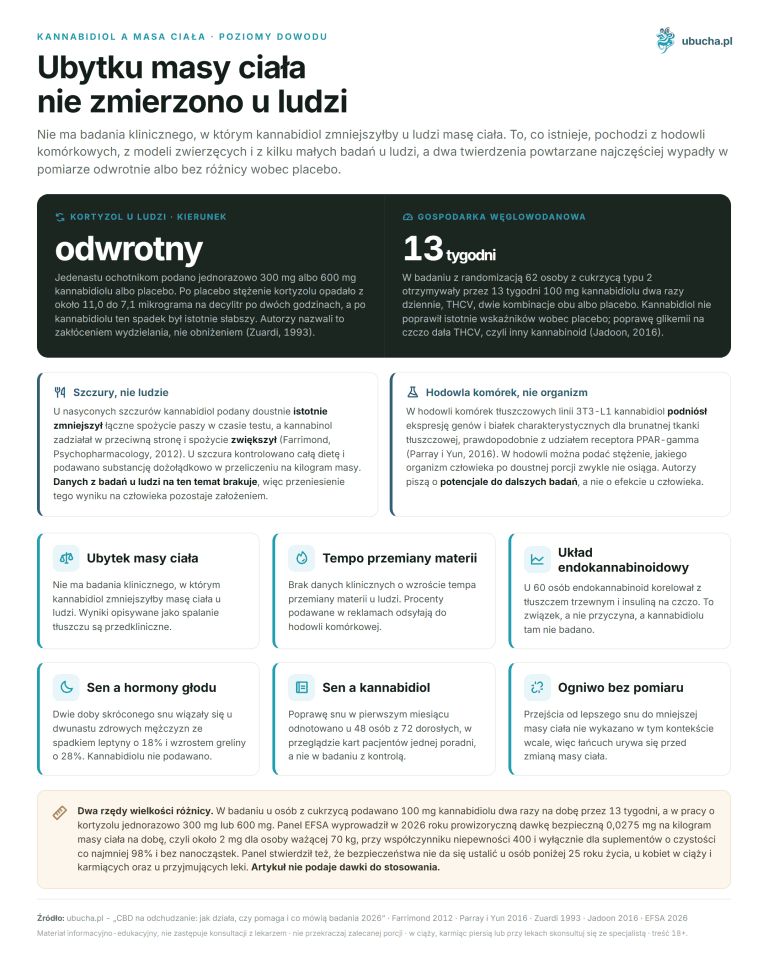
• A serving of 30 g of hulled hemp seeds contains 166 kcal, 9.5 g of protein, 14.6 g of fat, and 210 mg of magnesium (USDA FoodData Central, record 170148).
• One hundred grams of these seeds contains 700 mg of magnesium, which is more than three times the serving.
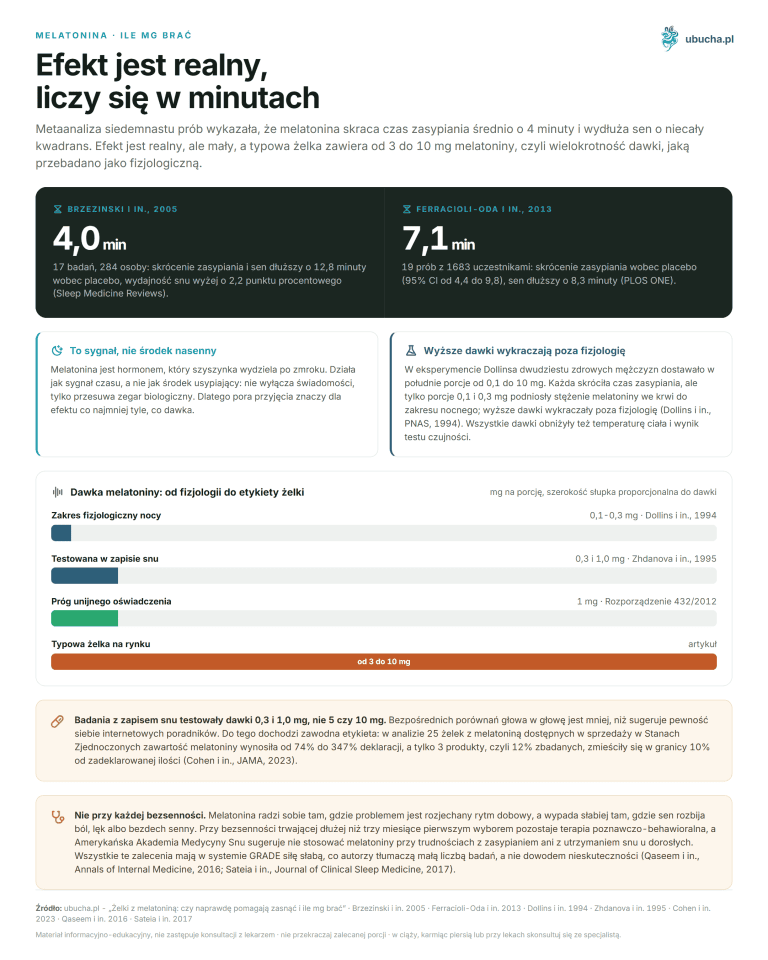
• Caffeine together with L-theanine improves alertness and attention switching in the first two hours (meta-analysis of 11 studies, Camfield, Nutrition Reviews, 2014).
• Cool the water for matcha to 70-80 degrees Celsius, as boiling water gives a bitter brew.
Why does hemp milk suit matcha?
Because it does not smooth it out to zero. Matcha has a complex profile: an umami note from amino acids, grassy green from chlorophyll, and bitterness from catechins. Cow’s milk silences all three at once. The hemp seed drink does something different: its nutty, slightly herbal character resonates with the green part of matcha and leaves its distinctiveness intact.
The second aspect is fat. The fats in hemp seeds have an omega-6 to omega-3 ratio of about 3 to 1, calculated from record 170148 in the USDA FoodData Central database: per 100 g of seeds, there are 28.7 g of omega-6 and 9.3 g of omega-3. Callaway in Euphytica (2004) provides a similar range for the oil from these seeds, usually from 2:1 to 3:1. In a cup, this fat has a simpler task than nutritional: it carries the foam and creaminess, as a thicker drink froths noticeably better than a thin one.
Matcha itself also provides more than just an infusion from leaves, as you drink the entire powdered leaf, not an extract from it. Kika and colleagues measured in the journal Foods (2024) the composition of dry matcha powder: 56.1 g of fiber and 17.3 g of protein per 100 g, with 7.3 g of fat, predominantly linoleic and alpha-linolenic acids. With a teaspoon of powder, these are fractions of a gram, but this fiber content explains why matcha suspends in liquid instead of dissolving in it.
What does a cup of hemp matcha latte provide?
As much as the seeds contribute, plus a teaspoon of powder. The entire nutritional value of this drink resides in the seeds used to make the base, so it is most honest to present it directly. The recipe uses 60 g of seeds, but some remain in the pulp after straining, so less realistically goes into the cup. The table below provides values for a reference serving of 30 g, or three tablespoons, calculated from record 170148.
| Ingredient | Per 100 g of seeds | Per 30 g serving |
|---|---|---|
| Energy | 553 kcal | 166 kcal |
| Protein | 31.6 g | 9.5 g |
| Fat | 48.8 g | 14.6 g |
| of which polyunsaturated | 38.1 g | 11.4 g |
| Carbohydrates | 8.7 g | 2.6 g |
| Fiber | 4.0 g | 1.2 g |
| Magnesium | 700 mg | 210 mg |
Two items from this table return on the internet misrepresented, so it is worth separating them. Magnesium: 700 mg refers to 100 g of seeds, and 210 mg to a thirty-gram serving, and it is the latter number that is often given as the content per 100 g. Fiber: 1.2 g in a serving is fiber, not total carbohydrates, which are 2.6 g. Both values come from the same SR Legacy record, and anyone can verify them under the same number.
Additionally, there is caffeine from matcha and the accompanying L-theanine. Camfield and colleagues gathered in Nutrition Reviews (2014) eleven randomized placebo-controlled studies on the acute effects of tea components and found a moderate effect size favoring caffeine given together with L-theanine, in the first two hours after intake, for alertness and accuracy of attention switching. Moderator analysis indicated that the strength of the effect was more determined by the dose of caffeine than the dose of theanine.
We noticed in tests that the density of the hemp base primarily determines the foam. A drink made with five tablespoons of seeds in 300 ml of water froths noticeably better than one made with three, and the foam holds longer. For matcha latte, it is definitely worth opting for a thicker variant, even at the cost of it being too heavy to drink on its own.
What do you need for matcha latte?
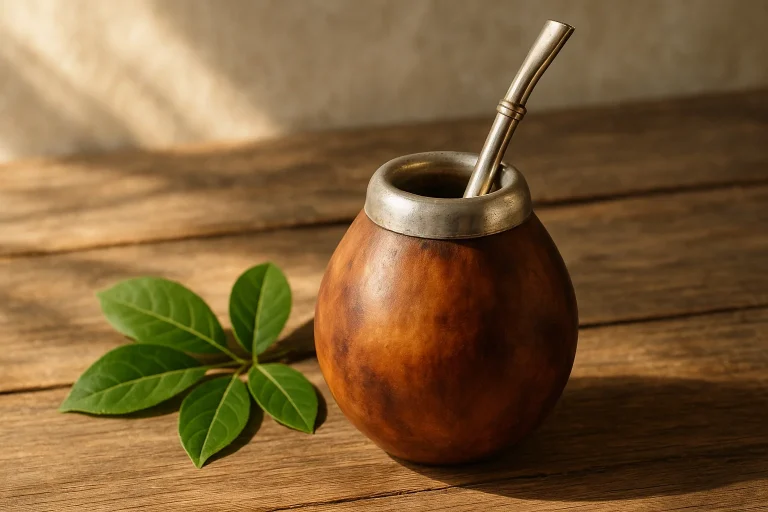
Powder, seeds, and two tools. Matcha requires breaking up lumps, and the hemp drink needs aeration, so a sieve and frother do more here than any flavoring addition. A bamboo whisk is not mandatory, but it whisks the powder more evenly than a regular whisk.
For one large cup or bowl, about 300 ml, prepare:
- 4 tablespoons of hulled hemp seeds, about 60 g, for the hemp base
- 300 ml of cold, filtered water for blending the base
- 1-2 teaspoons of matcha, or 2-4 g
- 2-3 tablespoons of hot water at about 75 degrees Celsius for whisking the matcha
- optionally a teaspoon of honey or maple syrup
- optionally a pinch of vanilla or cinnamon
- a fine sieve, a bamboo whisk chasen, or an electric frother
Ceremonial matcha works better for lattes: it is more intensely green and less bitter than culinary matcha. It is better to avoid powder described only as powdered green tea, without specifying the variety and origin, as very different things are sold under that name. Matcha loses color in light, so keep it in a sealed, opaque container.
How to make matcha latte with hemp milk?
In five steps, with one rule that cannot be overlooked: the water for matcha cannot be boiling. Too hot liquid extracts more bitterness from the powder, resulting in a bitter brew, which cannot be reversed later with honey or milk. Other than that, the recipe is simple and only requires keeping the order.
- Pour 4 tablespoons of hulled hemp seeds into a blender, add 300 ml of cold water and a pinch of salt. Blend for 90 seconds on high speed, then strain through a fine sieve lined with cheesecloth into a small pot.
- Measure 1-2 teaspoons of matcha and sift it through a fine sieve into a cup or bowl. Boil water and wait three to four minutes until it cools to about 75 degrees. Pour 2-3 tablespoons into the powder and whisk with a whisk in a W motion for 20-30 seconds until the last lump disappears.
- Heat the hemp base in a pot to about 65-70 degrees, just until it starts to steam but before boiling. Immerse an electric frother for 20-25 seconds. The foam will be lighter than with oat milk, but the thicker base holds it longer.
- Pour the frothed base over the whipped matcha. If you pour slowly along the edge of the vessel, the green layer will remain visible under the creamy foam. Sprinkle the top with a pinch of matcha through a sieve, and if you like sweeter drinks, add a drop of honey now.
- Stir before the first sip and repeat every few sips. Matcha settles at the bottom because it is a suspension, not a solution. This is a feature of the drink, not a recipe error.
What variations of this latte are worth trying?
Three: cold, with CBD oil, and with added herbs. The first is simply a temperature swap, while the other two change the character of the drink enough that they should be treated as separate recipes.
In the cold version, whisk the matcha with three tablespoons of cold water. It is more challenging than when warm, so give the frother a full 30 seconds. In a tall glass, add ice, pour in the cold hemp base, and slowly pour the whipped matcha on top: the layers remain visible for several minutes. If you prefer spiced drinks, you can use the same base in hemp latte with cinnamon and cardamom.
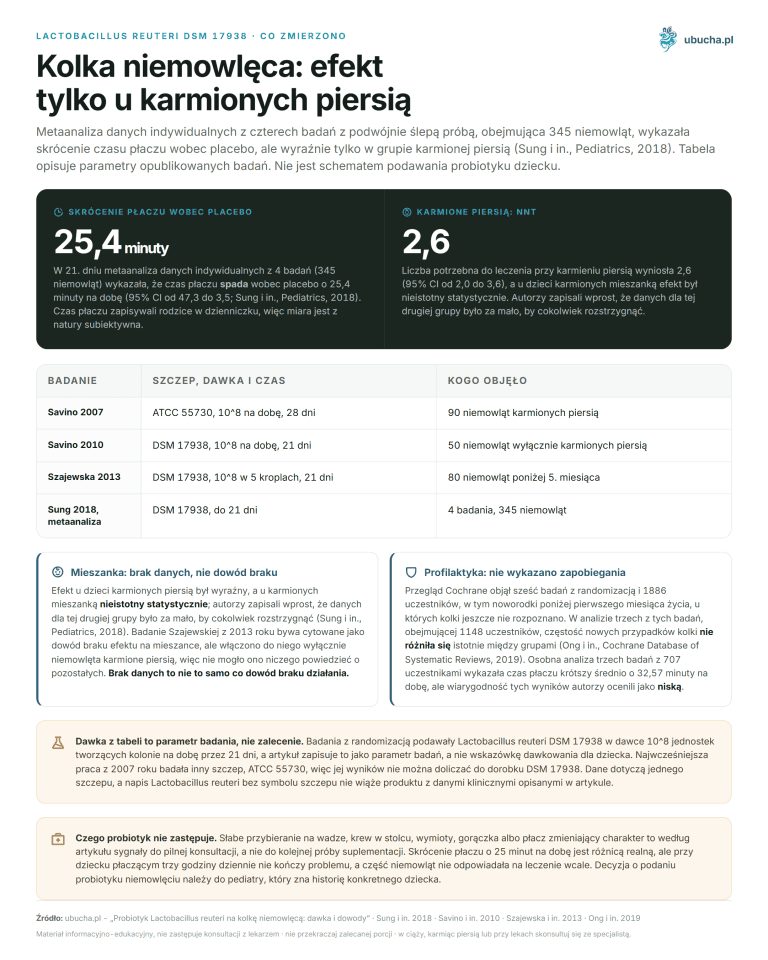
Add drops of CBD oil to the finished cup when the drink cools below 60 degrees. The fat from hemp seeds serves as a carrier here, which is supported by animal studies: Zgair and colleagues demonstrated in the American Journal of Translational Research (2016) that oral administration together with fat increased systemic exposure to CBD in rats threefold. The authors consider a similar effect in humans likely, but they did not measure it in humans, so do not transfer this number to yourself.
The third variant is half a teaspoon of powdered ashwagandha or reishi added to the blender with the seeds. The earthy taste of both disappears better in the nutty hemp base than in water or cow’s milk. You can find ashwagandha and reishi in the herbs category. You can make the hemp base in advance according to the recipe for homemade hemp milk, and use the remaining seeds for energy balls with hemp seeds and matcha.
Frequently asked questions
What matcha is suitable for latte?
Ceremonial matcha performs best: it is intensely green, sweeter, and less bitter than culinary matcha. Culinary matcha is cheaper and noticeably more bitter, which does not always hinder it in a latte with a hemp base. Avoid powder described only as powdered green tea, without specifying the variety or origin.
Why can’t the water for matcha be boiling?
Because boiling water extracts more bitterness from the powder, resulting in a bitter brew. The practice of brewing matcha suggests 70-80 degrees Celsius, which means waiting three to four minutes after boiling water. A bitter brew cannot be fixed later with honey or by adding more hemp base.
How much hemp base is needed for one latte?
About 300 ml, which is what comes from four tablespoons of seeds and 300 ml of water. Some will remain in the pulp after straining, so realistically, a little less goes into the cup. If you make latte daily, blend the base in advance and keep it in the fridge in a tightly sealed bottle.
Can this latte be made cold?
Yes, and it turns out very well. Whisk the matcha with three tablespoons of cold water for a full 30 seconds, preferably with an electric frother, as the powder disperses more slowly in cold water. Pour the cold hemp base into a glass with ice, and slowly pour the whipped matcha on top.
Does matcha latte contain a lot of caffeine?
Matcha contains caffeine, and its amount depends on the variety of the powder and how much you use. The hemp base does not contribute any. A meta-analysis by Camfield in Nutrition Reviews indicates that caffeine given together with L-theanine improves alertness and attention switching in the first two hours, and the dose of caffeine determines the strength of this effect.
This article is for informational and educational purposes and does not replace consultation with a doctor. If you are pregnant, breastfeeding, taking medications, or have chronic conditions, consult the use of supplements or herbs with a specialist.
Author: Michał Waluk · Published: 2026-05-29 · Updated: 2026-08-16