
The strongest evidence comes from weight loss, not a capsule. What has been shown for milk thistle, NAC, choline, and TUDCA, and in what doses they were studied.
When searching for "liver supplements," the search engine suggests milk thistle, NAC, and choline. The problem is that the best-documented intervention for fatty liver is not a capsule. It is weight loss, exercise, and reducing alcohol. Separately, you ask about TUDCA, and for that term, this page is visible today, so we respond below in a whole section. The Cochrane review on milk thistle did not show an impact on overall mortality or the histological picture of the liver, and the only beneficial result disappeared after narrowing the analysis to higher quality studies. Additionally, herbal and dietary supplements are responsible today for one-fifth of cases of drug-induced liver injury in the United States, so a supplement can sometimes be not a shield but a culprit. Below we organize what studies say about these three ingredients, where the evidence ends and marketing begins, and when liver test results require a doctor instead of another shelf supplement.
What is known about TUDCA and is it worth taking for the liver?
KEY INFORMATION
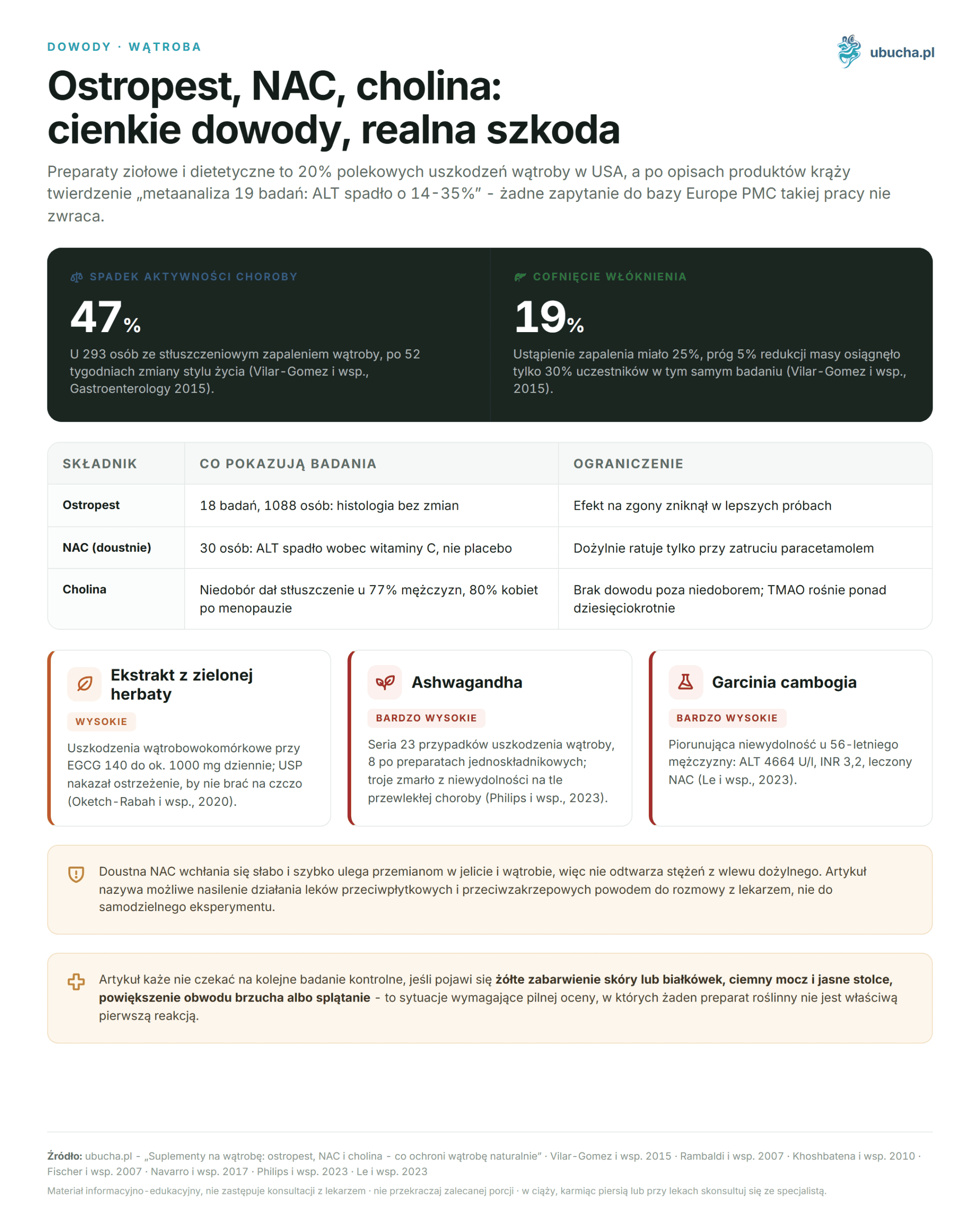
• Annual lifestyle change in 293 people with fatty liver disease resulted in resolution of inflammation in 25% and reversal of fibrosis in 19% (Vilar-Gomez et al., Gastroenterology, 2015).
• Cochrane review on milk thistle: 18 studies, 1088 individuals, no effect on overall mortality and liver histology.
• NAC saves the liver in cases of acetaminophen poisoning, but intravenously in the hospital, not as a daily capsule.
• Herbal and dietary supplements account for 20% of drug-induced liver damage in the USA (Navarro et al., Hepatology, 2017).
What really improves the condition of fatty liver?
Weight loss. In a year-long study of 293 people with biopsy-confirmed fatty liver disease, lifestyle changes alone led to resolution of inflammation in 25% of participants, a decrease in disease activity index in 47%, and reversal of fibrosis in 19% (Vilar-Gomez i in., Gastroenterology, 2015). No supplement has results of this caliber.
The effect increased with weight loss, and very steeply. Among all who lost at least 10%, the disease activity index decreased, inflammation resolved in 90%, and fibrosis regressed in 45%. At the same time, only 30% of participants exceeded the 5% threshold, and that was under the care of a clinical center for a full 52 weeks. It is clear where the real difficulty lies. Not in choosing a supplement, but in maintaining the change for a year.
The second pillar is alcohol, as its metabolism directly burdens the liver and compounds with metabolic steatosis. The third is physical activity, which improves insulin sensitivity regardless of what the scale shows. A supplement added to an unchanged diet, eight hours of sitting, and weekend drinking has nothing to fix, as the source of the problem remains untouched.
We noticed while reviewing the descriptions in this category that the order can be reversed: the product is presented as a treatment, and weight loss as an optional addition. The data actually aligns exactly the opposite way, and it is worth remembering this with every claim of "cleansing the liver."
Does milk thistle really protect the liver?
The evidence is ambiguous, even in liver diseases. The Cochrane review included 18 randomized studies and 1088 patients with alcoholic or viral liver disease. Milk thistle did not significantly affect overall mortality (relative risk 0.78 with a confidence interval from 0.53 to 1.15), complications of the disease, or histological picture (Rambaldi i in., Cochrane, 2007).
One result from this review is often quoted without the second half of the sentence. Liver-related mortality did indeed decrease, and significantly: relative risk 0.50. However, when the authors narrowed the analysis to high-quality methodological trials, the effect ceased to be significant. Such trials accounted for 28.6% of the entire collection, so this narrowing removes most of the material.
A newer meta-analysis is more lenient, but cautious. Kalopitas and colleagues gathered eight randomized studies on non-alcoholic fatty liver disease and noted a greater decrease in transaminases than in placebo groups, regardless of changes in body weight. In the same text, the authors point out the poor quality of the included studies and state outright that it is unknown whether the decrease in enzymes translates to improvement in biopsy (Nutrition, 2021).
The most frequently cited interventional study also requires a footnote. Loguercio and colleagues treated 179 patients for 12 months and achieved improvements in enzymes, insulin resistance, and histological findings, but the preparation was a complex of silybin with phosphatidylcholine and vitamin E (Free Radical Biology and Medicine, 2012). The effect cannot be attributed solely to silymarin, as vitamin E has its own independent data in steatosis. Additionally, 41 individuals dropped out of the study early, and the analysis was conducted on 138 who completed the protocol.
It's also worth knowing one assertion that circulates in product descriptions: "meta-analysis of 19 studies showed a reduction in ALT by 14-35%". None of the queries we submitted to the Europe PMC database returned such a study. The meta-analyses of silymarin that can be found there report absolute values and are much more modest: de Avelar i wsp. (World Journal of Gastroenterology, 2017) they summed up six trials and calculated a decrease in ALT of 0.26 IU/ml, calling it clinically insignificant, and Zhong i wsp. (Medicine, 2017) they collected eight trials from 587 people and reported a decrease of 9.16 IU/l. None of them provide results in percentages.
When does NAC act on the liver, and when is it just a supplement?
NAC has one application with solid evidence: it is an antidote in paracetamol poisoning. It is administered in the hospital, usually intravenously, within hours of an overdose, and replenishes glutathione stores before the toxic metabolite destroys hepatocytes. This is an emergency situation, not daily prevention.
Oral supplementation is a completely different conversation. The data on fatty liver come from small trials: the study by Khoshbaten and colleagues involved 30 participants, lasted three months, and the endpoints were enzyme activity and imaging in ultrasound (Hepatitis Monthly, 2010). ALT activity significantly decreased after three months, but the comparison group was vitamin C, not a placebo. Comparing one antioxidant to another does not indicate how much of this effect would be due to mere observation. No one checked whether this changes anything in biopsy, in the risk of cirrhosis, or in survival.
For chronic use of NAC as a "liver supplement," there are no studies with hard endpoints. However, there is a well-known logical trap: since NAC saves in poisoning, it must protect on a daily basis. An antidote given in hospital conditions and a capsule taken for years are two different research questions, and we only have an answer to one of them. We describe this more broadly in a separate text about N-acetylocysteinie i jej interakcjach.
Oral NAC also has its own practical limitations. It is poorly absorbed and quickly undergoes transformations in the intestinal wall and in the liver, so the concentrations achieved from a capsule are not comparable to those from an intravenous infusion. Additionally, it may enhance the effects of antiplatelet and anticoagulant medications, which, when on continuous therapy, is a reason to discuss with a doctor rather than to experiment independently.
Does choline protect against fatty liver?
Choline has a documented role, but on the deficiency side. Without it, the liver cannot assemble molecules that transport fat outside, so triglycerides remain in the cells. In a study involving 57 people, dietary deprivation of choline caused fatty liver or muscle damage in 77% of men and 80% of postmenopausal women (Fischer i in., American Journal of Clinical Nutrition, 2007).
This is a strong argument for ensuring that choline is not lacking in the diet. However, it is not an argument for a capsule for someone who regularly eats eggs, fish, or meat. There are simply no studies showing that adding choline to someone without a deficiency improves liver health. Women before menopause reacted significantly less in the same experiment, as symptoms occurred in 44% of them, suggesting that demand depends, among other things, on estrogen levels. It's also worth noting the scale: the groups consisted of 26 men, 16 premenopausal women, and 15 postmenopausal women, so the percentages for women are based on just a few individuals. Organ disorders also appeared in some men even with intake levels considered sufficient. We discuss the ingredient itself in the post about choline for the liver, brain, and memory.
The densest source of choline in the daily diet is egg yolks, followed by liver and fish, and in smaller amounts legumes and cruciferous vegetables. A group that may realistically be deficient are those excluding animal products without planning their diet. There, the question of supplementation makes sense and is worth asking a dietitian, rather than resolving it independently based on the description on the package.
There is also a signal in the opposite direction. Choline is processed by gut bacteria into trimethylamine, and the liver oxidizes it to TMAO, a metabolite associated with cardiovascular risk. In eighteen healthy volunteers, two months of choline supplementation raised TMAO levels more than tenfold and increased platelet aggregation in response to ADP (Zhu i in., Circulation, 2017). Both effects diminished in individuals taking aspirin. With a diet rich in choline, this effect is not observed on this scale, as the doses are incomparably smaller and spread over time.
TUDCA, or tauroursodeoxycholic acid, is a bile acid conjugated with taurine, studied in patients with diagnosed liver disease, not in healthy individuals seeking support. In this first group, it improved biochemical results in cirrhosis, cholestasis, and chronic hepatitis C. This is the whole basis, and it is worth reading it literally.
TUDCA, or tauroursodeoxycholic acid, is a bile acid conjugated with taurine, studied in patients diagnosed with liver disease, not in healthy individuals seeking support. In this first group, it improved biochemical results in cirrhosis, cholestasis, and chronic hepatitis C. This is the whole basis, and it is worth reading it literally.
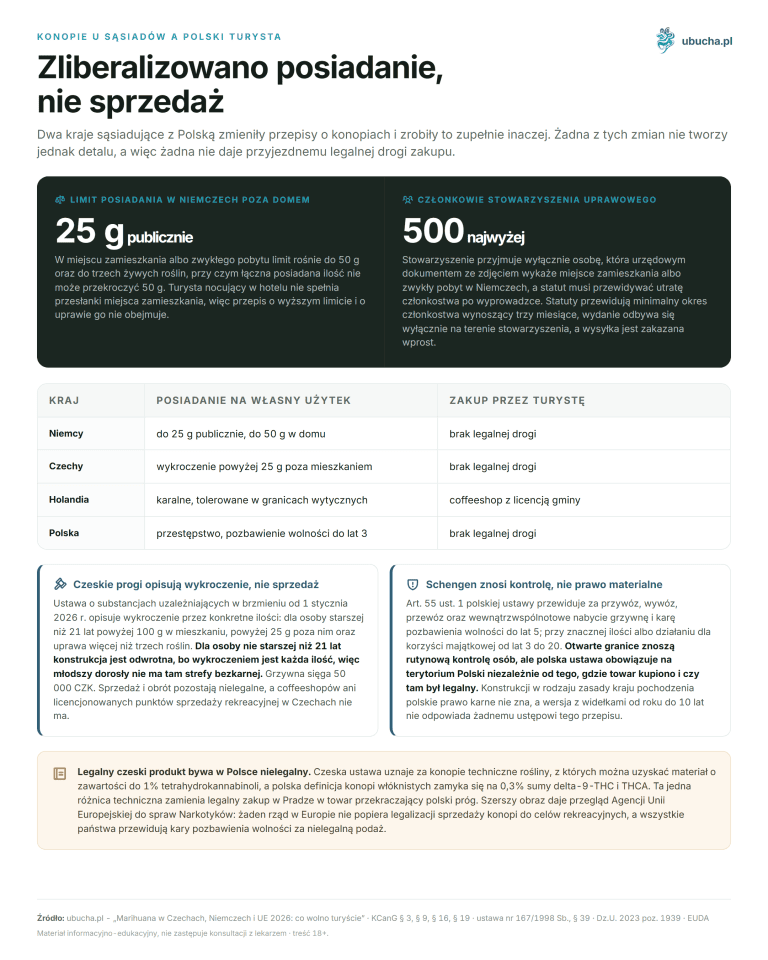
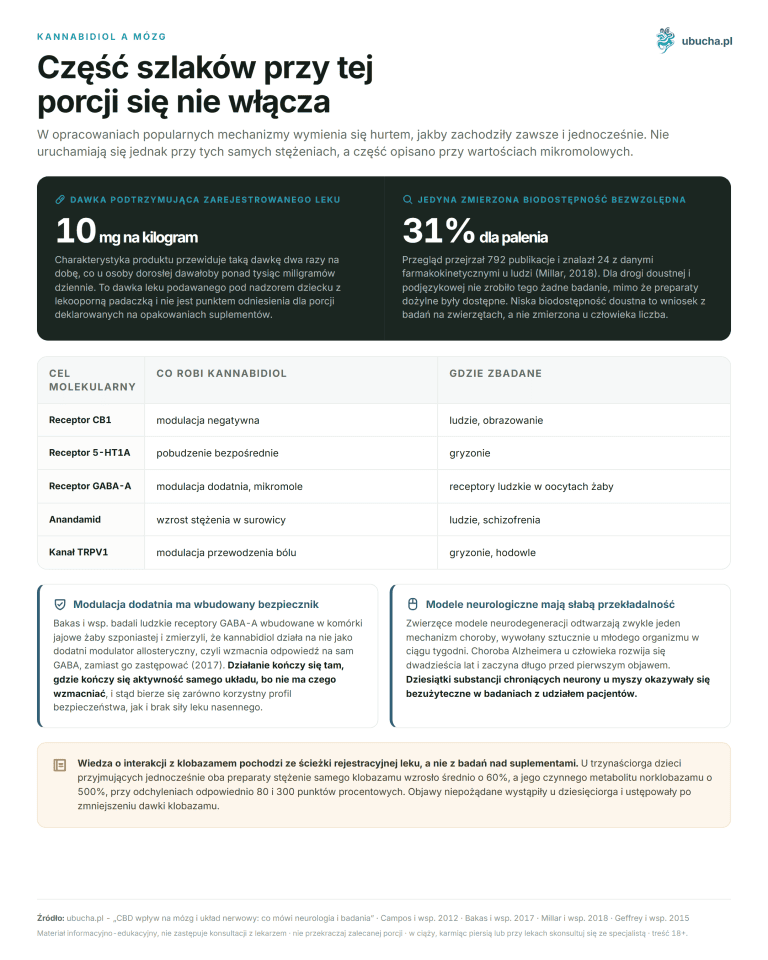
Doses from clinical studies range from 500 to 1500 mg per day, divided into two or three portions, which corresponds to approximately 10 mg per kilogram of body weight. In a study on cirrhosis, 750 mg was administered daily for six months. Tolerance was good, and the only regularly reported adverse effect was diarrhea. However, there is no data on use longer than a year.
It should also be noted what TUDCA did not show. A phase three study in amyotrophic lateral sclerosis did not achieve its primary endpoint, and aside from liver and biliary tract diseases, there are no results that would justify the prophylactic use of this compound. In Europe, it is used in cholestatic diseases as a medication, which is a completely different situation than a capsule purchased as a supplement.
The practical conclusion is no different from the thesis of the entire text. If you have abnormal liver results, TUDCA is not a self-implemented solution, but a reason for a visit. If your results are good, there is nothing to improve.
Can a supplement damage the liver?
Yes, and this is not uncommon. Herbal and dietary supplements account for 20% of cases of drug-induced liver damage recorded in the United States. The most commonly mentioned ingredients are anabolic steroids sold as supplements and green tea extract, but most cases today involve multi-ingredient products, where the culprits are usually hard to identify (Navarro i in., Hepatology, 2017).
The paradox is obvious: some products marketed as liver support end up on the list of causes of liver damage. Below are three examples with described clinical cases and one example of evidence that no longer exists.
| Ingredient | What has been described in the literature | Source |
|---|---|---|
| Green tea extract | Hepatocellular damage from consuming EGCG from 140 to about 1000 mg daily; the US pharmacopoeia mandated a warning not to take the preparation on an empty stomach. | Oketch-Rabah i in., USP, 2020 |
| Ashwagandha | A series of 23 cases of liver damage, including 8 after single-ingredient preparations; three patients with chronic disease-related failure died. | Philips i in., Hepatology Communications, 2023 |
| Garcinia cambogia | Acute liver failure in a 56-year-old man, ALT 4664 U/l, INR 3.2, treatment using NAC. | Le i in., Cureus, 2023 |
| Artichoke | The Cochrane review cited in advertisements was withdrawn from the database in 2016 and concerned cholesterol, not liver diseases. | Wider i in., Cochrane, 2016, praca wycofana |
The risk increases when the preparation has a long list of ingredients, when you take several such products at once, or when you already have liver disease. In case of worsening health, jaundice, or dark urine, the first step is to stop all supplements and get a blood test, not to switch one preparation for another.
Which liver test results require a doctor?
The guidelines from the American College of Gastroenterology state that a healthy ALT norm is in the range of 29-33 IU/l for men and 19-25 IU/l for women, and a result above these values should be evaluated (Kwo i in., 2017). Elevated ALT is associated in many studies with higher mortality from liver-related causes, so it is not a cosmetic deviation.
These same guidelines organize diagnostics. With ALT and AST predominating over alkaline phosphatase, viral hepatitis A, B, and C is sought, alcohol consumption is assessed, and metabolic fatty liver is evaluated, while excluding hemochromatosis, autoimmune hepatitis, Wilson's disease, and alpha-1-antitrypsin deficiency. A separate point is the history of all medications taken, including over-the-counter ones, as well as supplements.
Do not wait for the next check-up if you notice yellowing of the skin or sclera, dark urine and pale stools, abdominal swelling, or confusion. These are situations that require urgent evaluation, where no herbal preparation is the appropriate first response. A supplement will not replace determining the cause: with elevated enzymes, diagnostics make sense, not automatically reaching for milk thistle.
In cases of slight, asymptomatic elevation of ALT, the doctor usually repeats the test after a few weeks, as a single result can increase after intense training, an infection, or a new medication. Only a persistent deviation triggers broader diagnostics. It is worth coming to this appointment with a list of everything you are taking, including herbs and over-the-counter preparations, because without it, the medical history simply cannot be completed.
The set you ask about most often is discussed separately in the text about milk thistle, artichoke, and NAC.
What besides supplements realistically affects the liver?
Alcohol, caloric intake, and exercise, in that order. Additionally, coffee surprisingly shows good results in observational data: in a meta-analysis of nine studies involving 432,133 individuals, each additional two cups per day were associated with a cirrhosis risk of 0.56 compared to the group drinking less (Kennedy i in., Alimentary Pharmacology and Therapeutics, 2016).
These are observational data, so they do not prove causality, but they are consistent across many populations and are difficult to explain solely by the lifestyle of coffee drinkers. In practice, this means that regular black coffee has stronger evidence backing it than most products sold under the label of liver support.
A separate topic is the intestines. A meta-analysis of 21 randomized studies involving 1,252 individuals with fatty liver showed that probiotics and synbiotics reduce ALT activity (Sharpton i in., American Journal of Clinical Nutrition, 2019). Here too, the endpoint was the enzyme, not the liver imaging after years. The situation is similar with curcumin. A meta-analysis of 14 randomized studies in individuals with fatty liver reports a decrease in ALT of 8.72 IU/l and AST of 6.35 IU/l, but with a range of results reaching 94% (Ebrahimzadeh i in., Food Science and Nutrition, 2025). Here too, the enzyme was measured, not the liver imaging. We discuss the spice itself and its absorption in the text about kurkumie i kurkuminie.
How to approach liver supplementation sensibly?
Start with a diagnosis, not with a shopping cart. A sensible order looks like this: blood test, determining the cause of the deviation with a doctor, working on body mass, alcohol, and exercise, and only at the end, a potential preparation as an addition that the doctor is aware of. The reverse order costs time during which the disease progresses asymptomatically.
When choosing a preparation, a few control questions help. Does the manufacturer refer to a study that can be found by name and year? Is the ingredient list short, because with multi-ingredient preparations, it is impossible to identify the culprit in case of complications? Does the attending physician know everything you are taking, including herbs? We also checked the store's offer in this regard: there is no milk thistle, N-acetylcysteine, choline, or artichoke in it, so this text has nothing to sell.
liver support, where you will most often find omega-3 fatty acids and turmeric with piperine. These are sensible products for their own indications, but they are not liver medications and will not replace weight loss or alcohol reduction. If you are looking for them for another reason, we describe them in the text about kwasach omega-3.
Frequently Asked Questions
Does milk thistle really protect the liver?
The evidence is ambiguous. The Cochrane review included 18 studies and 1088 individuals with alcoholic or viral liver disease and found no effect on overall mortality, complications, or histology. The decrease in liver-related mortality disappeared when narrowed to high-quality trials. A meta-analysis from 2021 found a decrease in transaminases with steatosis, but its authors themselves warn about the quality of the included studies.
Does NAC in capsules work the same as NAC in the hospital?
No. Intravenous NAC is a recognized antidote in paracetamol poisoning and saves the liver from necrosis. Oral supplementation is based on small trials, such as a 30-person study by Khoshbaten et al. from 2010. ALT significantly decreased there after three months, but the comparison group was vitamin C, not placebo, and no one assessed biopsies.
Will choline help if I don't have a deficiency?
There is no good data for this. The documented effect is the opposite: deprivation of choline caused steatosis in 77% of men and 80% of postmenopausal women, with groups numbering a dozen to twenty-some individuals (Fischer et al., 2007). Supplementation, on the other hand, raises TMAO levels more than tenfold and enhances platelet aggregation (Zhu et al., Circulation, 2017).
Does artichoke support the liver?
Artichoke is sometimes advertised with reference to a Cochrane review, but this work was withdrawn from the database in 2016 and is no longer evidence for anything. It actually concerned cholesterol, not liver diseases. Treat any reference to it in the product description as a warning signal regarding the rest of the claims.
How much weight do you need to lose to reverse fatty liver?
In the study by Vilar-Gomez et al. from 2015, among individuals who lost at least 10% of their weight over the year, inflammation resolved in 90%, and fibrosis regressed in 45%. However, only 30% of participants reached the 5% threshold, despite being under the care of a clinical center for 52 weeks.
What tests should you do before reaching for a liver supplement?
The basics are ALT, AST, alkaline phosphatase, and bilirubin. According to the American College of Gastroenterology guidelines, a healthy ALT norm is 29-33 IU/l for men and 19-25 IU/l for women, and a result above this requires evaluation. Diagnostics include viral hepatitis, alcohol, and a review of medications and supplements.
If you are looking for specific preparations after talking to your doctor, the full offer is in the section supplements.
This article is for informational and educational purposes and does not constitute medical advice. Before starting supplementation, consult your doctor, especially if you are taking medications regularly, are pregnant or breastfeeding, or have a chronic illness.
Author: Michał Waluk · Opublikowano: 2026-05-29 · Aktualizacja: 2026-08-24