
CBD and Sunburns and Skin Irritations: How to Use (FAQ)
CBD and sunburns and skin irritations. What studies show about TRPV1 and aloe, what is missing, what to do after a burn, and when to see a doctor.
In summer, questions about CBD for sunburns return every year. There are two well-documented facts: sunburn is an inflammatory skin condition caused by UV radiation, and cannabidiol affects ion channels involved in the sensation of pain and heat. However, there is a gap between these two facts that is rarely discussed, as there are simply no clinical studies on CBD for this specific indication. The role of cannabidiol concerning the pain receptor is often misunderstood: advertising texts describe it the opposite of how it appears in the study they reference. Below, we separate what has been measured from what remains an inference from the mechanism, indicate which skincare ingredient has the strongest evidence backing it, and suggest what to do after a burn in the first day.
KEY INFORMATION
• Sunburn is an inflammatory condition: prostaglandin E2 and nitric oxide are responsible for erythema from UVB (Rhodes et al., J Invest Dermatol, 2001).
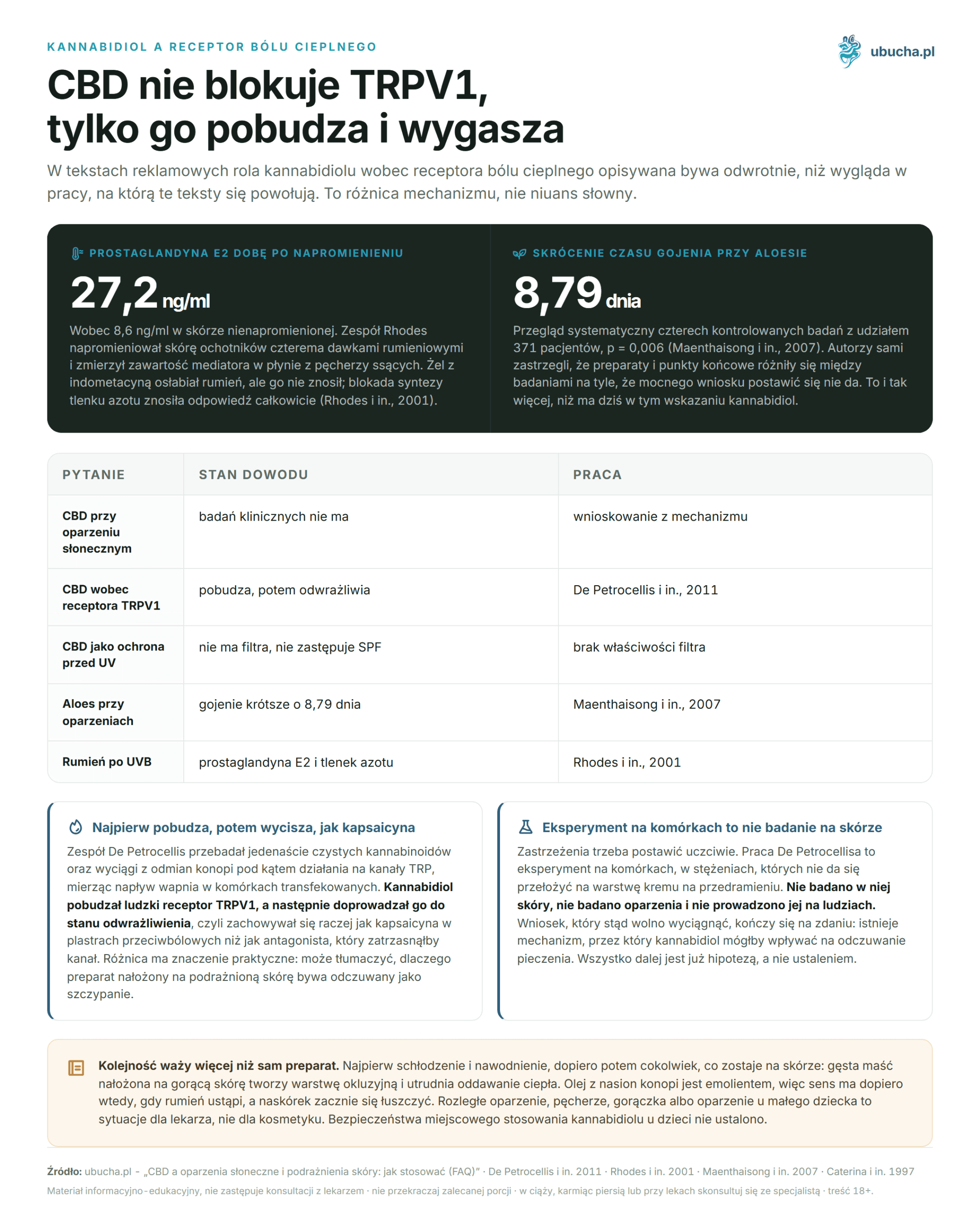
• CBD does not block the TRPV1 receptor; it stimulates it and then dampens its response (De Petrocellis et al., Br J Pharmacol, 2011). This is a difference in mechanism, not a semantic nuance.
• There are no clinical studies on topically applied CBD for sunburn, so the benefit remains a hypothesis based on the mechanism.
• CBD does not have UV filters and does not replace SPF cream.
• Extensive burns, blisters, fever, or burns in small children are situations for a doctor, not for cosmetics.
Why does sunburn hurt and sting?
UVB radiation damages the DNA of epidermal cells and triggers a local inflammatory response. Blood vessels dilate, their permeability increases, and nerve endings are irritated by inflammatory mediators. This is where the four symptoms come from: redness, swelling, pain, and a feeling of heat.
Which mediator is responsible for this has been checked on humans. The Rhodes team irradiated the skin of volunteers with doses that were multiples of the minimal erythema dose and measured the content of prostaglandin E2 in fluid from suction blisters. One day after irradiation with four erythema doses, the average concentration of PGE2 was 27.2 ng/ml compared to 8.6 ng/ml in unirradiated skin. Indomethacin gel weakened the erythema but did not eliminate it, while blocking nitric oxide synthesis at a concentration of 2 mM completely abolished the response. The authors concluded that erythema from UVB carries both prostaglandin E2 and nitric oxide, and both mediators are produced for many hours after exposure (Rhodes et al., J Invest Dermatol, 2001).
The burning sensation itself is caused by a separate element. The TRPV1 receptor, cloned as the capsaicin receptor, is a non-selective cation channel that is also opened by an increase in temperature perceived as painful, making it a transducer of thermal stimuli (Caterina et al., Nature, 1997). This channel explains why burned skin stings even when nothing is heating it anymore.
Does CBD really work for sunburn?
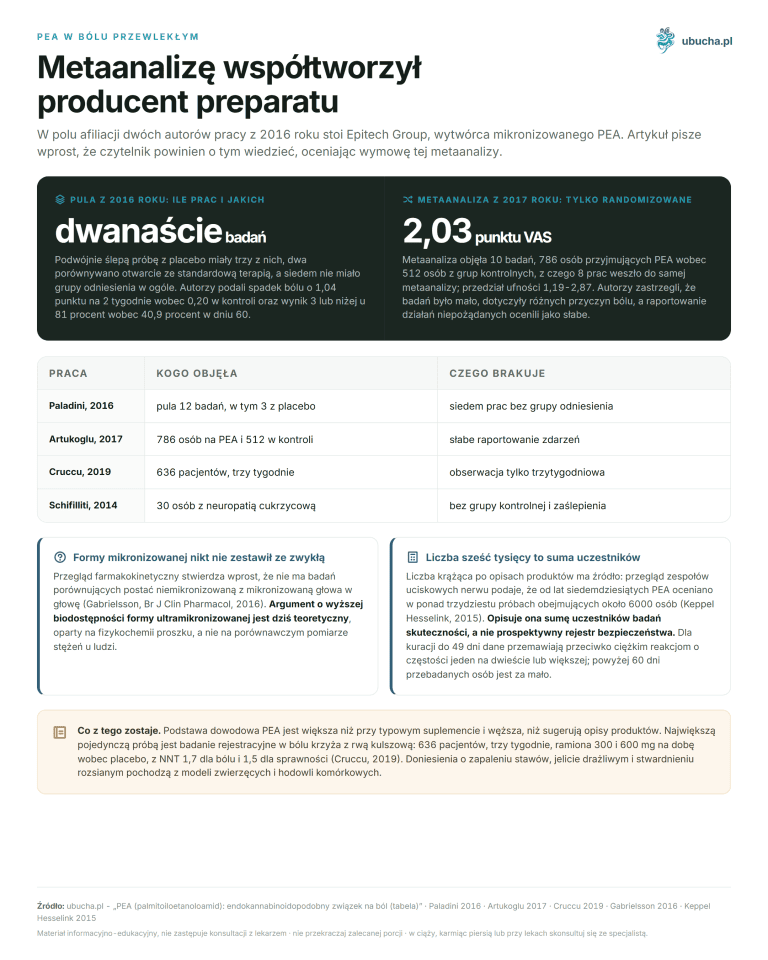
There is no direct answer, as no clinical study has been conducted on topical CBD for sunburn. However, there is a well-described point of action, and it is worth describing it accurately, as it is usually presented the opposite way in texts about CBD cosmetics.
The De Petrocellis team studied eleven pure cannabinoids and extracts from cannabis strains for their effects on TRP channels, measuring calcium influx in transfected cells. The result for cannabidiol is clear: CBD stimulated the human TRPV1 receptor and then led it to a state of desensitization (De Petrocellis et al., Br J Pharmacol, 2011). Therefore, CBD is not an antagonist of TRPV1 that would close the channel. It acts more like capsaicin in pain relief patches: first stimulating, then calming. This difference has practical significance, as it may explain why a product is felt as stinging upon first contact with irritated skin.
Reservations must be made honestly. The De Petrocellis study is a cell experiment at concentrations that cannot be translated to a layer of cream on the forearm. It did not study skin, did not study burns, and was not conducted on humans. The conclusion that can be drawn from this ends with the sentence: there is a mechanism through which CBD could affect the sensation of burning. Everything further is already a hypothesis.
How to use a CBD product after a burn?
The order is more important than the product itself. First, cool and hydrate, only then reach for anything that stays on the skin. A thick ointment applied to hot skin creates an occlusive layer and hinders heat dissipation, so in the first hours, lighter forms work better: gel or emulsion, applied without rubbing.
| Phase | When | What to do |
|---|---|---|
| First aid | Right after coming out of the sun | Cool shower or cold compress, drinking fluids, no products on hot skin |
| Acute inflammation | First day | Cooling, hydrating with a light form, complete avoidance of the sun |
| Symptom resolution | Second and third day | Gel or light cream, also with CBD, if the skin tolerates it well |
| Regeneration | After erythema subsides | Emollient, for example with hemp seed oil, plus filter every time you go out |
Choosing a product for damaged skin is also done by elimination. Alcohol dries and stings, essential oils can be allergenic, and fragrance substances penetrate deeper than usual on a compromised skin barrier. The shorter the ingredient list, the lower the risk that a contact reaction will accompany the burn.
What else soothes the skin after sun exposure?
The best-studied ingredient in this category is aloe, which has a systematic review behind it. The authors gathered four controlled clinical studies on burn healing, involving a total of 371 patients. In the meta-analysis of healing time, the aloe group healed on average 8.79 days faster than the control group (p = 0.006), and they considered the cumulative data to support the effectiveness of aloe for first and second-degree burns. They themselves noted that the products and measured endpoints varied between studies enough that a strong conclusion could not be drawn (Maenthaisong et al., Burns, 2007). This is still more than cannabidiol has today for this indication.
Hemp seed oil plays a different role here: it is an emollient, meaning it helps rebuild the lipid layer of the epidermis. In the acute phase of a burn, its occlusiveness works against cooling, so it only makes sense when the erythema subsides and the skin begins to peel.
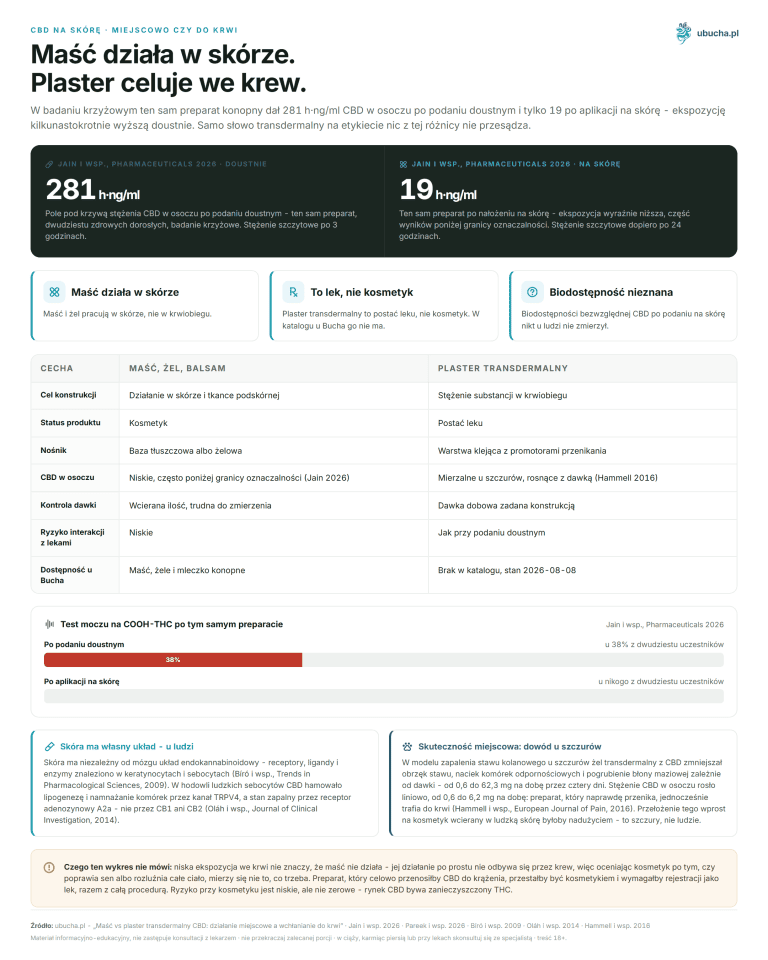
The same applies to other irritations that readers ask about in this context. Micro-injuries from shaving, reactions from depilation, and contact dermatitis from irritation share a common element in the form of local inflammation, but there are no studies on CBD for any of them. In the case of chemical irritation, the first step is always to remove the irritating substance, not to apply anything. We write more broadly about the external use of cannabis in the post about hemp ointment for eczema and skin itching, and separately about cannabis and CBD for acne.
When does a sunburn require a doctor?
Most sunburns are first-degree burns: redness, pain, and a feeling of heat, without blisters. However, strong exposure can lead to second-degree burns, with blisters and oozing surfaces, and then cosmetics cease to be the appropriate tool.
Seek medical help when the burn covers a large part of the body, when extensive blisters appear, when fever, chills, nausea, or severe headache occur, when an infant or small child is burned, and when the face, around the eyes, hands, feet, or genitalia are affected. General symptoms after prolonged sun exposure may indicate overheating of the body, which is a condition requiring assessment, not just application.
In children, there is a separate caution regarding CBD itself. The safety of topical cannabidiol use in children has not been established, so without consulting a pediatrician or dermatologist, it is better not to reach for such products. After healing, the skin remains sensitive to radiation for some time, so using a filter and avoiding direct sunlight makes sense for longer than just a few days.
Frequently Asked Questions
Does CBD help with sunburns?
It is unknown, as no clinical trials have been conducted for this indication. There is a mechanism through which it could affect the sensation of burning: cannabidiol stimulates the TRPV1 receptor and leads to desensitization (De Petrocellis et al., Br J Pharmacol, 2011). This is a premise from a cell experiment, not proof of efficacy in humans.
Does CBD block the TRPV1 receptor?
No. In the study referenced by texts about CBD cosmetics, cannabidiol stimulated the human TRPV1 receptor and then desensitized it. An antagonist would have closed the channel immediately. This difference explains why a CBD product applied to irritated skin is initially felt as a stinging sensation.
Does CBD protect the skin from the sun and have SPF?
No. Cannabidiol does not have sunscreen properties and does not prevent DNA damage from UV radiation. Only products with filters, clothing, and limiting exposure during peak sunlight hours protect against the sun. A CBD product can at most be a part of post-factum care.
How to use a CBD product after a sunburn?
First, cool the skin and rehydrate, only then reach for anything that stays on the surface. Choose light forms, gel or emulsion, and apply them without rubbing. Avoid thick ointments on hot skin, as occlusion hinders heat dissipation. Discontinue the product if it intensifies the burning sensation.
Is hemp seed oil good after a burn?
As an emollient, it supports the reconstruction of the skin barrier, but in the acute phase of a burn, its occlusiveness works against cooling the skin. A sensible time is only when the erythema subsides and the epidermis begins to peel. Then hydration matters more than heat dissipation.
Does aloe work better than CBD after a burn?
It has stronger evidence backing it. A systematic review of four controlled studies involving 371 patients showed a reduction in burn healing time by an average of 8.79 days (Maenthaisong et al., Burns, 2007), although the authors noted a large variety of products. There is no equivalent review for CBD in this indication.
When does a sunburn require medical attention?
When it covers a large part of the body, when extensive blisters appear, when fever, chills, nausea, or severe headache occur, when it involves an infant or small child, and when it affects the face, around the eyes, hands, feet, or genitalia. A cosmetic does not replace medical assessment in these cases.
You can find skin creams with cannabis and aloe in the creams category.
This article is for informational and educational purposes and does not constitute medical advice. Before starting to use cannabis or CBD for therapeutic purposes, consult a doctor, especially if you are taking other medications, are pregnant, or breastfeeding.
Author: Michał Waluk · Published: 2026-08-09 · Updated: 2026-08-16