
CBD and Herpes: Do Cannabinoids Help (FAQ)
Does CBD help with herpes? We checked the research registry and a 2023 review. The result is different from what most guides online suggest.
Herpes returns and can be exhausting, so the question of natural support often arises. It is easy to find assurances online that CBD inhibits the virus, shortens recurrences, or reduces the number of episodes per year. We checked these promises at the sources: in the public clinical trial registry and in a scientific review dedicated to alternative methods for infection with the herpes simplex virus. The picture that emerges is not only weaker than the announcements but in some works points directly in the opposite direction. This article describes what has really been studied, where there is no evidence at all, what has better research backing than cannabis, and why caution regarding them in the case of viral infection is supported by literature, not by intuition.
KEY INFORMATION
• There is not a single registered clinical study on CBD or cannabis for herpes (clinicaltrials.gov, as of August 16, 2026).
• A review from the journal Viruses (2023) classifies cannabis as rather harmful substances in herpes, alongside arginine, rather than promising.
• In animal studies and cultures, THC increased infection: it increased the number of infectious particles and weakened immune cells that destroy infected cells.
• Evidence regarding CBD itself in herpes simplex viruses is virtually non-existent, and the only work on cannabidiol concerns another virus from this family.
• First-line treatment is antiviral medications prescribed by a doctor, implemented as early as possible.
Does CBD fight the herpes virus?
There is no data to support such a claim. A query to the public clinical trial registry about cannabidiol and herpes returns zero results, just as a query about cannabis and herpes (as of August 16, 2026). So, it is not about weak or ambiguous studies, but their complete absence.
It is worth distinguishing two things that are conflated in guides. Cannabidiol is studied separately, and whole cannabis and THC are studied separately, and it is THC that has the most literature in this area. A review by Chang et al. published in the journal Viruses in 2023 compiled available works on natural methods for herpes simplex virus infection and placed cannabis in the column of rather harmful substances, alongside arginine, rather than among promising ones (Chang et al., Viruses, 2023).
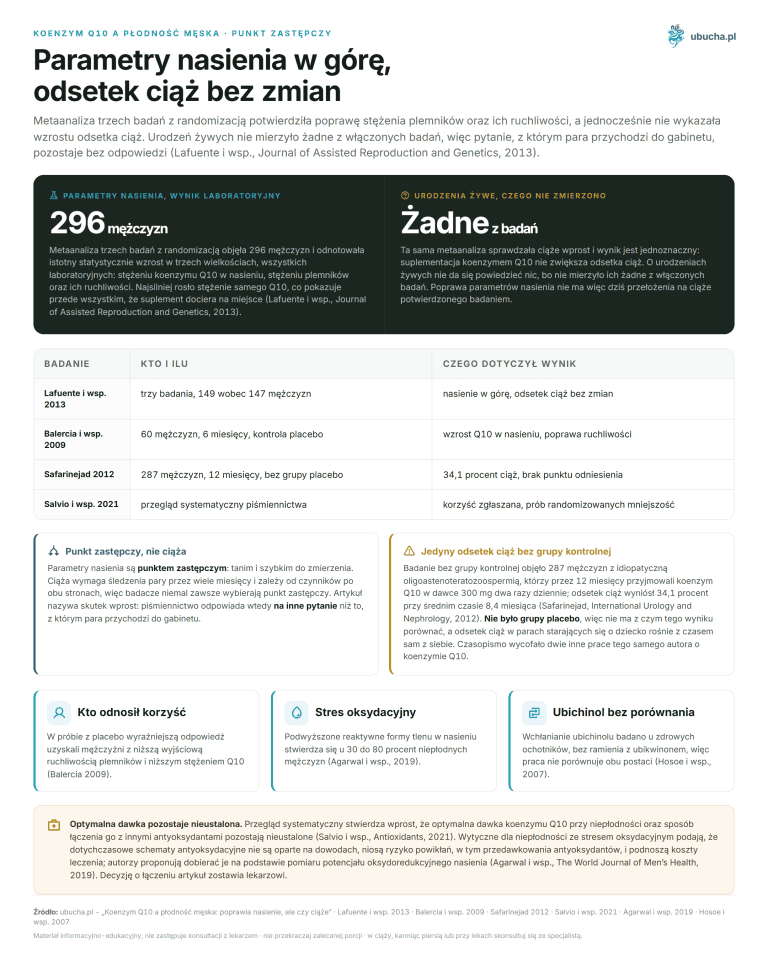
Regarding cannabidiol itself, the authors practically cite one observation: CBD limited replication and caused death of endothelial cells infected with Kaposi’s sarcoma virus. This is a different virus from the herpes virus that causes oral or genital herpes, so extrapolating this result to herpes would be an abuse. Moreover, the authors note that cannabidiol has a weak affinity for CB1 and CB2 receptors, meaning it acts differently than THC.
Why do studies on cannabis and herpes raise concerns?
Because the oldest and most direct works show an increase in infection, not its inhibition. In a study by Morahan et al. from 1979, published in Infection and Immunity, mice were given THC before infection. Immunity to generalized infection with herpes virus type 2 dropped 96-fold, measured by the change in the lethal dose for half of the animals (Morahan et al., Infection and Immunity, 1979). A cannabis extract in the same setup proved inactive.
The 2023 review collects further observations of the same kind. Treating infected cells with micromolar concentrations of THC increased the number of infectious particles a hundredfold. In guinea pigs given THC before vaginal infection, the disease had a more severe course, the animals excreted more virus, and more frequently died within thirty days of observation. It has also been shown that THC and cannabis extracts weaken the ability of cytotoxic lymphocytes and NK cells to destroy virus-infected cells.
Honesty requires adding that the picture is not uniform: some studies found no effect on virus replication, and in one, THC reduced the infectivity of enveloped particles. The authors of the review conclude this thread with a recommendation for caution and state that the use of whole cannabis products and full extracts by infected individuals requires prudence. This is a much more cautious conclusion than the one circulating in guides.
Why does herpes return despite treatment?
Because the virus does not leave the body. After the first infection, it enters sensory neurons and migrates to nerve ganglia, where it remains dormant, out of reach of immune cells. No available therapy removes this reservoir, so the goal of treatment is to shorten and alleviate recurrences, not to cure the infection.
Reactivation begins when the oversight of T lymphocytes over the nerve ganglia weakens or when a local stimulus occurs. Typical triggers include fever, sunlight exposure, trauma to the mouth area, fatigue, and severe stress. The virus then travels back along the axon to the skin and replicates in keratinocytes.
A recurrence has a repeatable course. It begins with tingling and burning, even before the rash, then blisters appear, which burst, crust over, and heal within about two weeks. This chronology has practical significance: antiviral medications work most effectively when initiated during the tingling phase or within the first day of the rash. Every hour of delay reduces the benefit, so in the case of recurrent herpes, it is worth having a plan of action established with a doctor before symptoms appear.
The scale of the phenomenon is enormous. According to the World Health Organization, infection with type 1 virus, which mainly causes oral herpes, affects 3.8 billion people under the age of fifty, or 64 percent of the population, and type 2 virus affects about 520 million people aged fifteen to forty-nine (WHO data from 2020, information sheet dated May 30, 2025).
What has better-documented effects on recurrences?
The 2023 review points to several substances with real research backing. The furthest along is lemon balm, studied both preclinically and in phase two trials, where it reduced symptom severity. The authors also mention lysine, propolis, vitamin E, and zinc as promising. On the opposite side is arginine, which promotes virus replication, along with cannabis and other recreational substances.
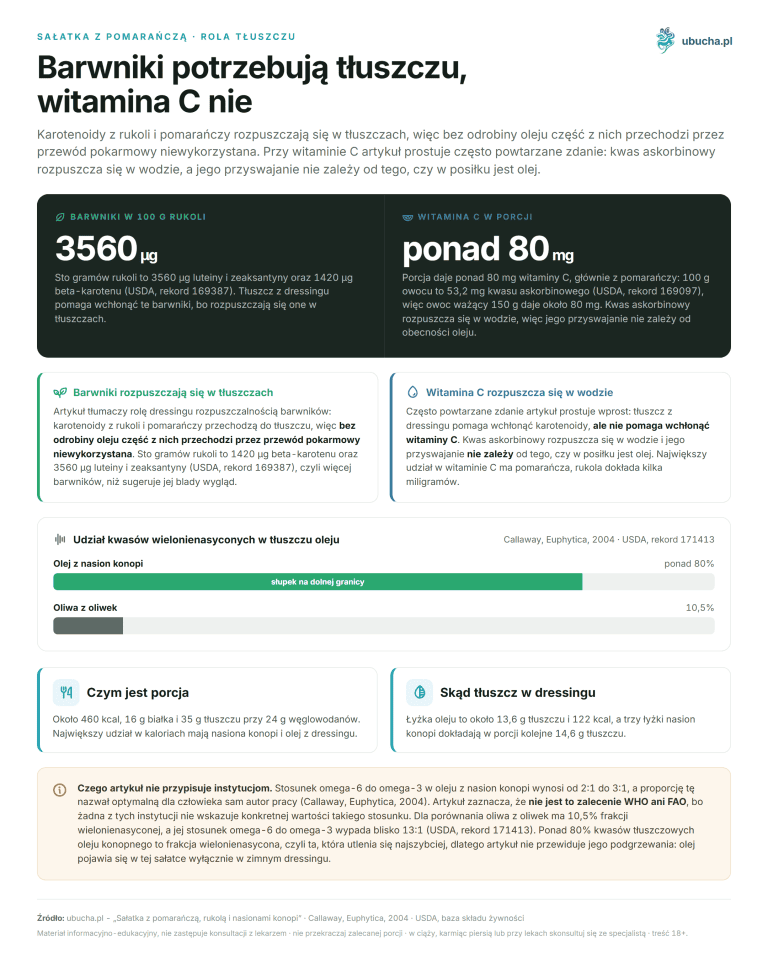
A separate issue is stress, one of the more common triggers for recurrence. Here, the argument for cannabidiol is sometimes presented too strongly. The review by Blessing et al. in Neurotherapeutics (2015) considers preclinical data strong and human study data supportive of anxiolytic effects, but clearly states that they pertain to single doses, and there are few studies on chronic use (Blessing et al., Neurotherapeutics, 2015). Reducing the number of recurrences would require long-term use, which is exactly what this review does not cover. More about the mechanism itself and what studies on anxiety actually prove can be found in the article on CBD for stress.
Non-pharmacological methods remain the best-supported: sleeping at a regular time, reducing overload, and protecting the mouth from the sun in individuals for whom recurrences are triggered by radiation. We develop the topic of immunity and cannabis in the article on CBD and colds and immunity.
| Substance | What studies show for herpes | Level of evidence |
|---|---|---|
| Lemon balm | Lower symptom severity in patients | Phase two and preclinical studies |
| Lysine, propolis, zinc, vitamin E | Positive signals, heterogeneous data | Limited |
| Cannabis and THC | Worsening of disease, more virus excretion, immunosuppressive effect | Animal and observational studies |
| CBD itself | No data for herpes simplex virus | Zero clinical studies |
| Arginine | Promotes virus replication | Many studies, unfavorable effect |
What are the safety limits and legal status of CBD?
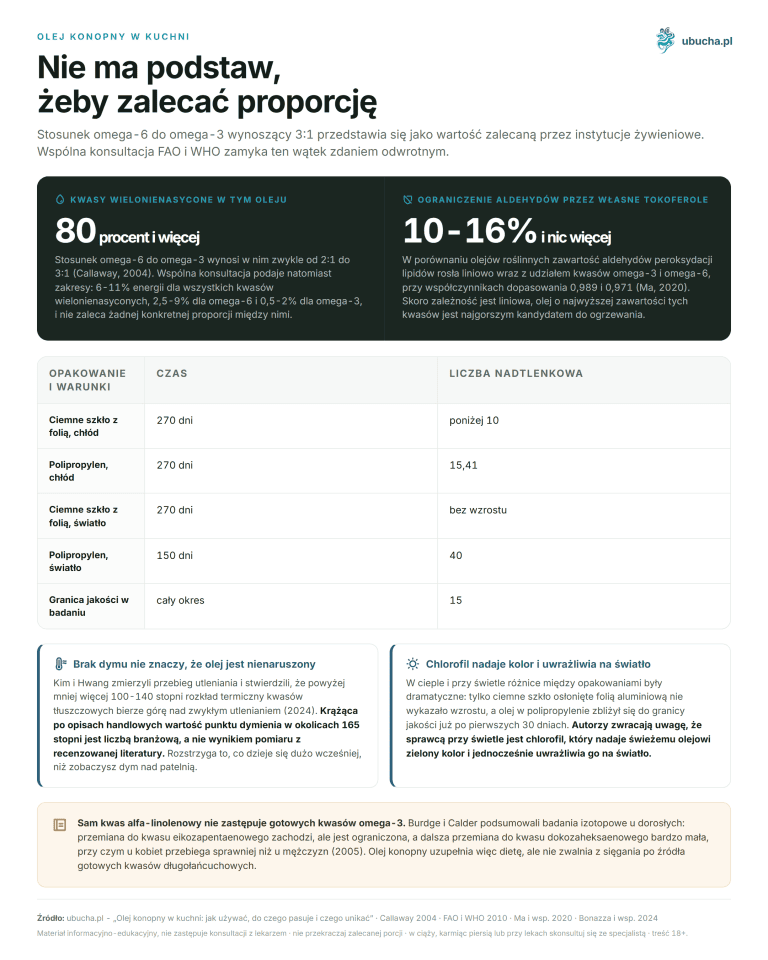
The European Food Safety Authority updated its position on the safety of cannabidiol in 2026. It established a temporary safe dose of 0.0275 mg per kilogram of body weight per day, which is about 2 mg daily for a person weighing 70 kilograms, with an uncertainty factor of 400. This is a safety ceiling, not a recommendation on how much to take. It applies only to supplements with a purity of cannabidiol of at least 98 percent, without nanoparticles.
The Authority states explicitly that the safety of cannabidiol cannot be established in individuals under 25 years of age, in pregnant and breastfeeding women, and in individuals taking medications simultaneously. It also notes consistent liver toxicity in animal studies and potential hepatotoxicity in humans, especially when combined with medications. A person taking antiviral medications due to recurrent herpes falls into this group covered by this disclaimer.
Formally, cannabidiol remains an unauthorized ingredient as a novel food in the European Union. A sanitary notification of a product’s introduction to the market is not an authorization and does not change the status of the ingredient. A product with cannabidiol is not a medicinal product, so it cannot be attributed to treating herpes or presented as a substitute for antiviral therapy.
Frequently Asked Questions
Does CBD cure herpes?
No. There is no registered clinical study on cannabidiol for herpes, and cannabidiol products are not medicinal products. The treatment with documented effectiveness remains antiviral medications prescribed by a doctor, preferably initiated during the tingling phase or within the first day of the outbreak.
Can cannabis worsen the course of herpes?
Such signals exist and come from animal studies and cell cultures. THC increased virus replication, worsened the disease severity in guinea pigs, and weakened immune cells that combat infected cells. A 2023 review recommends caution regarding whole cannabis products in infected individuals.
Will CBD ointment speed up the healing of lesions?
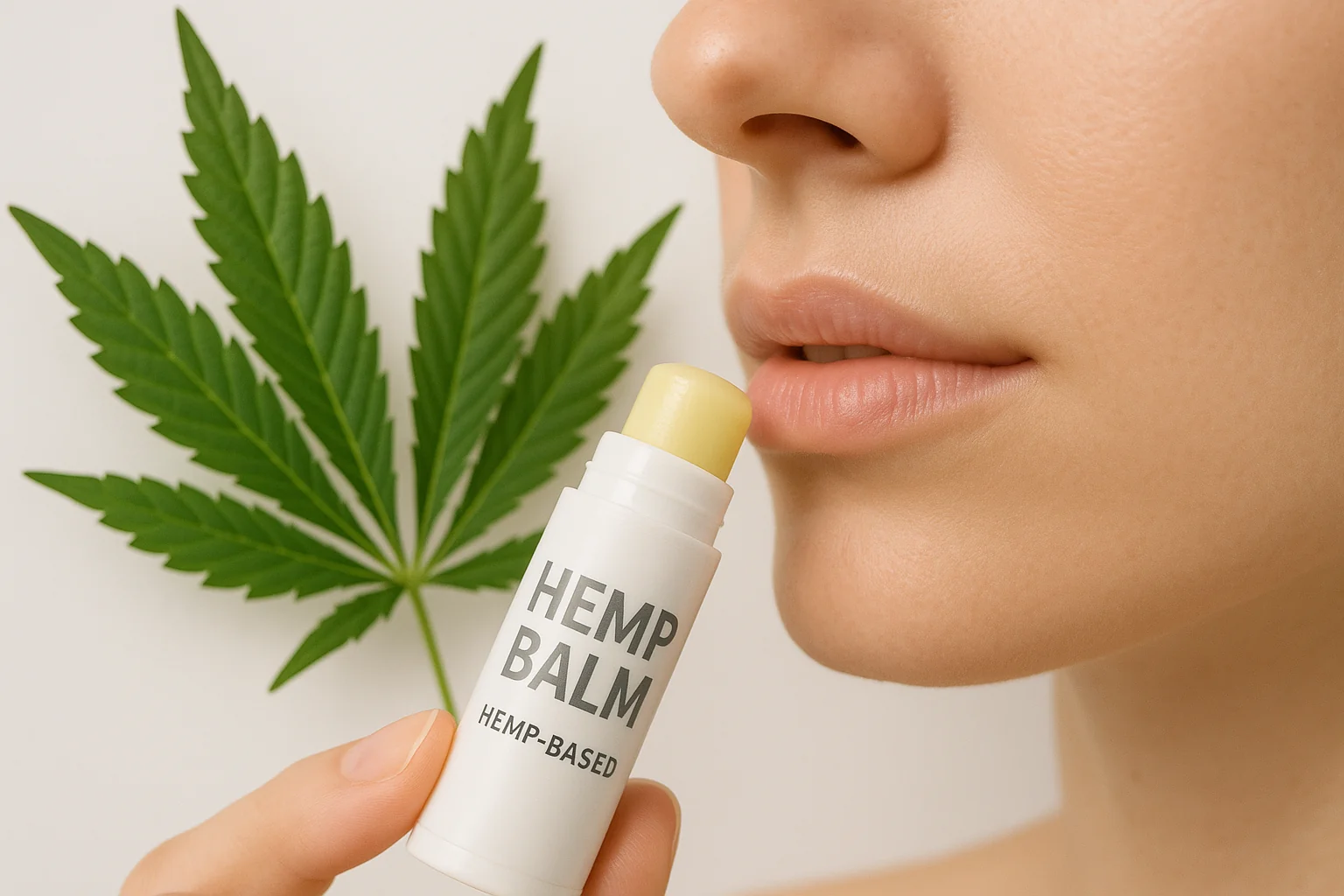
There are no studies that have tested this. A reduction in recurrence has been shown for antiviral medications, not for topical cannabidiol products. Cosmetics should not be applied to blisters and weeping lesions without a doctor’s consent, as this increases the risk of bacterial infection.
Does hemp seed oil act on the virus?
No. Hemp seed oil does not contain cannabidiol or THC; it is a food product with emollient properties. It may alleviate skin dryness but has no antiviral properties and does not affect the course of the infection.
Since stress triggers recurrences, will CBD prevent them?
This has not been demonstrated. Data on the anxiolytic effect of cannabidiol pertains to single doses, while preventing recurrences would require long-term use, which is not covered by studies in practice. No study has examined the relationship between cannabidiol intake and less frequent herpes recurrences.
What has better research backing than cannabis?
Lemon balm, which has also been studied in phase two trials, where it reduced symptom severity. Positive signals have also been described for lysine, propolis, zinc, and vitamin E. Arginine, on the other hand, promotes virus replication. None of these substances replace antiviral treatment.
When does herpes require urgent medical contact?
When lesions involve the eye area, are extensive, or do not heal after two weeks. Urgent consultation is also required for herpes with reduced immunity, during pregnancy, and with high fever or severe headache. In these situations, antiviral treatment is necessary.
This article is for informational and educational purposes and does not constitute medical advice. Before starting to use cannabis or CBD for therapeutic purposes, consult a doctor, especially if you are taking other medications, are pregnant, or breastfeeding.
Author: Michał Waluk · Published: 2026-08-09 · Updated: 2026-08-16