
Hemp Ointment for Eczema and Itchy Skin: How to Use CBD Externally
Does hemp ointment with CBD help with eczema and itchy skin? A meta-analysis of 17 studies, a randomized trial with placebo, and principles of use on atopic skin.
Atopic dermatitis itches so much that it can prevent sleep, and reports about CBD creams circulate on patient forums faster than research results. We checked what remains of these reports after looking into the sources. A meta-analysis of seventeen studies from 2025 shows that cannabinoids used on the skin do indeed reduce itching, but do not improve the severity scores of eczema itself. This distinction changes the entire practical response: a CBD product can alleviate the symptom that patients hate the most while simultaneously not treating the disease. Below you will find where these results come from, how the mechanism in the skin works, how to use the product on hyperreactive skin, and what not to expect after purchase.
KEY INFORMATION
• Meta-analysis of 17 studies and 3359 participants: cannabinoids on the skin reduce itching (SMD -0.29), and do not change eczema severity (Sermsaksasithorn et al., Frontiers in Pharmacology 2025).
• In a randomized trial, CBD alone did not outperform placebo (Gao et al. 2022).
• Sebostatic action of CBD goes through the TRPV4 channel, not through the CB2 receptor (Oláh et al. 2014).
• Before first use, perform a patch test: atopic skin reacts more strongly than healthy skin.
Why does atopic skin itch and what does the endocannabinoid system have to do with it?
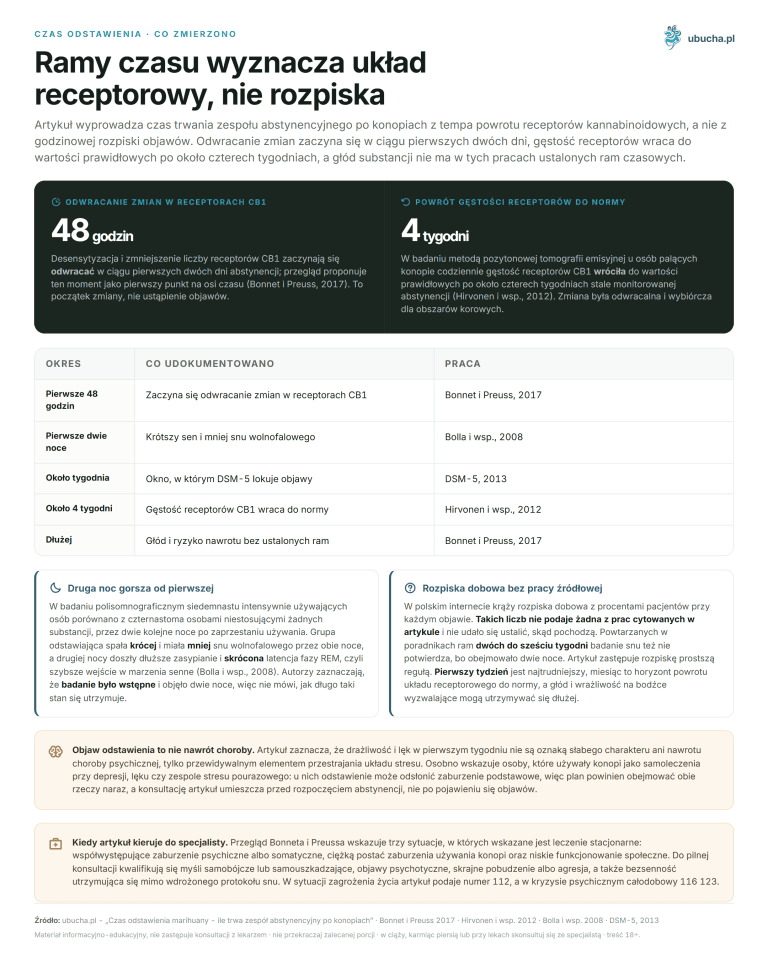
Itching in atopic dermatitis arises from several overlapping disorders: a damaged epidermal barrier, an overactive Th2 inflammatory response, and stimulation of sensory fibers by cytokines and histamine. The endocannabinoid system of the skin is not the source of this itching, but it is one of the systems that modulate it. Hence the interest in cannabinoids in dermatology.
The scale of the disease is smaller than popular texts suggest. Modeling based on 344 epidemiological studies estimates the global prevalence of atopic dermatitis at 2.6%, with 4.0% among children and 2.0% among adults (Tian et al., British Journal of Dermatology 2023). The circulating number of “20% of children” does not come from this study, and an earlier version of this article cited it without a source. The same authors note that for 41.5% of countries, there are no epidemiological data at all, so each national number requires a separate source.
What does the endocannabinoid system of the skin do in all this? A review by Bíró et al. (Trends in Pharmacological Sciences, 2009) describes it as a system that constantly maintains a balance between proliferation, differentiation, and survival of skin cells, while also regulating their immune competence. Disruption of this balance is associated with acne, seborrhea, allergic dermatitis, and itching. However, this is a review of hypotheses from 2009, not a collection of clinical results, and should be read as such.
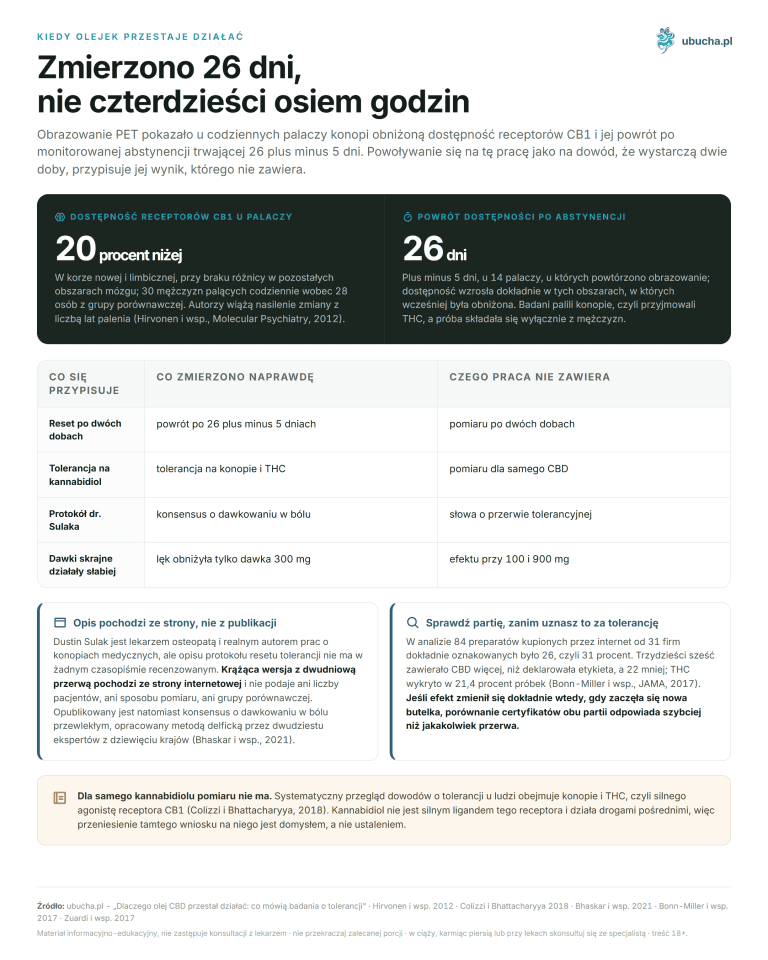
Pure cannabidiol acts on sebocytes through a different receptor than most marketing materials state. In cultures of human sebocytes and organotypic skin cultures, CBD inhibited lipogenesis and sebocyte division through the TRPV4 channel, not through the CB2 receptor (Oláh et al., Journal of Clinical Investigation 2014). The anti-inflammatory action, on the other hand, went through the adenosine A2a receptor and inhibition of the NF-κB pathway. This work concerned acne, not eczema, and was conducted in a laboratory model.
What have studies shown about topical CBD for eczema?
Topical cannabidiol has been studied in atopic dermatitis in two clinical studies, but only one of them can be read at the source today. The second is randomized and has a placebo arm, so it weighs more for the buyer: it subtracts the effect of simply applying something greasy to the skin.
The work by Maghfour et al. (Dermatology Online Journal, 2021) exists and is indexed in PubMed, but we could not read its content at the source: Europe PMC does not have a summary of this position, and the journal’s repository does not release the full text to an automated system. Therefore, the circulating numbers about a several dozen percent reduction in itching come from second-hand sources, and we do not repeat them here. An earlier version of this article referred to a different position in this repository than the discussed work.
The second study has a design that allows for some conclusions. Gao et al. (Journal of Cosmetic Dermatology, 2022) randomly assigned 57 patients to three topical preparations: a mixture of cannabidiol with aspartame, pure cannabidiol, and placebo. After two weeks, the ISGA score dropped by 1.28, 0.81, and 0.71 points, respectively. Statistical significance was achieved only by the mixture (p = 0.042). Clean or nearly clean skin, with improvement of at least two grades, was achieved by 50% of those in the mixture group compared to 20% in the pure cannabidiol group and 15% in the placebo group.
We noticed when comparing these two works something that is easy to overlook: the difference between pure CBD and placebo was 0.1 points on the ISGA scale, which is less than one-tenth of the scale. This is not a negative result in the sense of “it does not work,” but a result too small to distinguish it from noise with fifty-seven participants. A manufacturer citing this study in the description of a product with pure cannabidiol refers to an arm that did not perform better than placebo.
Does topical CBD alleviate the itch itself?
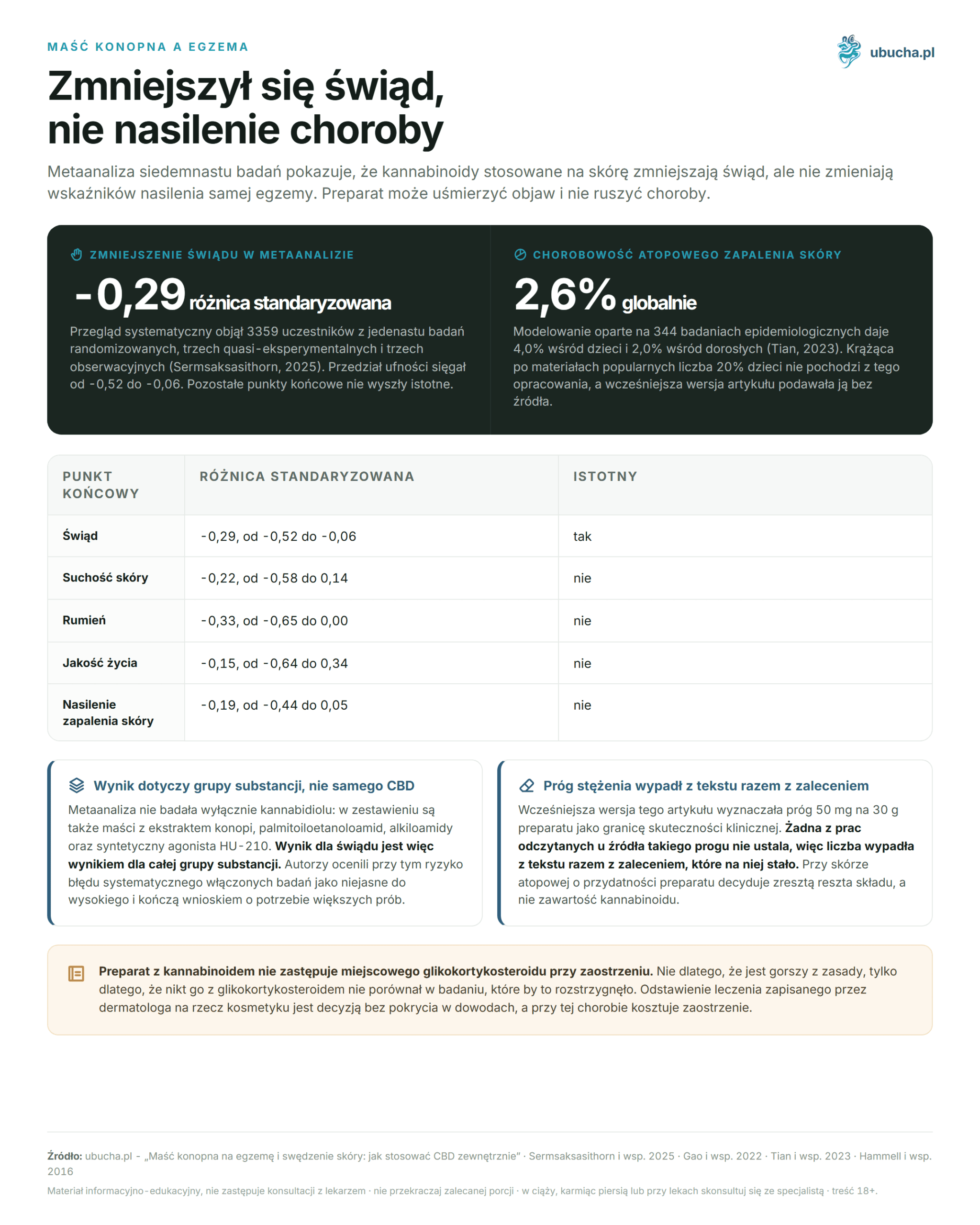
Here the answer is cautiously affirmative and comes from the strongest available compilation. A systematic review with meta-analysis included 3359 participants from eleven randomized studies, three quasi-experimental, and three observational (Sermsaksasithorn et al., Frontiers in Pharmacology 2025). Itching significantly decreased, though moderately in size. The other endpoints did not yield results.
| Endpoint | Result (SMD) | 95% Confidence Interval | Significant? |
|---|---|---|---|
| Itching | -0.29 | from -0.52 to -0.06 | yes |
| Dry skin | -0.22 | from -0.58 to 0.14 | no |
| Erythema | -0.33 | from -0.65 to 0.00 | no |
| Quality of life | -0.15 | from -0.64 to 0.34 | no |
| Severity of atopic dermatitis | -0.19 | from -0.44 to 0.05 | no |
| Trans-epidermal water loss | 0.16 | from -0.60 to 0.93 | no |
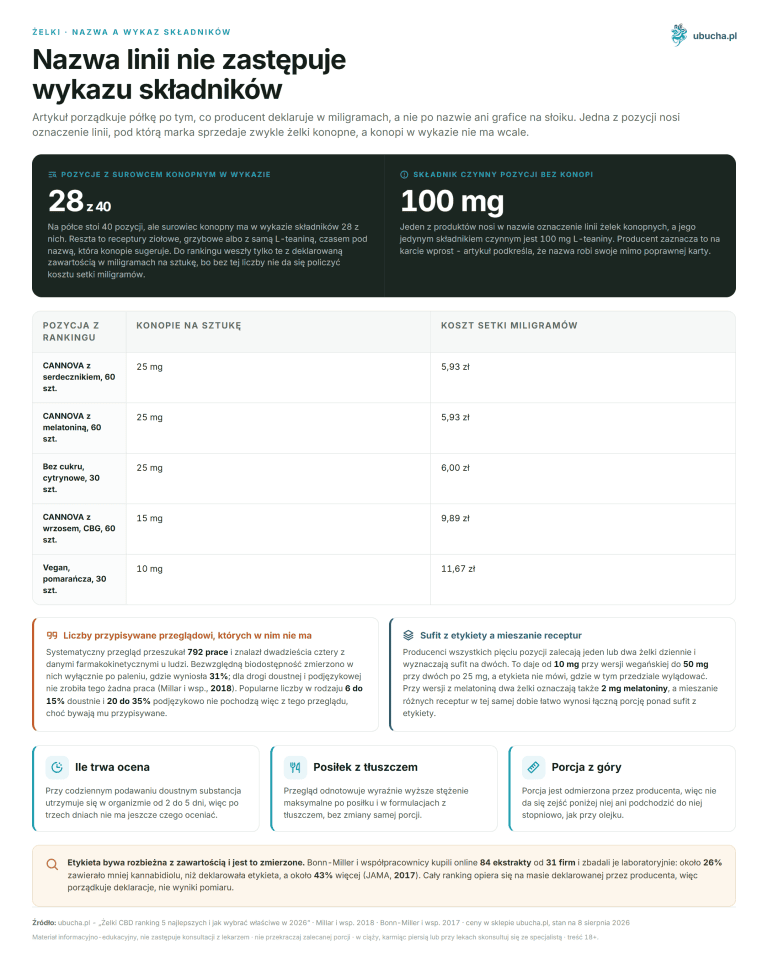
Next to this table, two caveats must be placed. The meta-analysis did not study only cannabidiol: the compilation also includes ointments with hemp extract, palmitoylethanolamide, alkylamides, and the synthetic agonist HU-210, so the result for itching is a result for the entire group of substances. The authors assessed the risk of systematic error in the included studies as unclear to high and conclude that larger trials with standardized protocols are needed.
The practical sense of this separation is simple. A cannabinoid preparation may reduce the symptom that patients with eczema suffer from the most while simultaneously not affecting the indicators by which dermatologists measure the severity of the disease. If you are looking for relief from itching as an addition to care, the data is on your side. If you are looking for something that will reverse skin changes, it is not.
How to use a CBD product on atopic skin?
The rules are the same as for any new product on hyperreactive skin, not separate for cannabinoids. Atopic skin reacts to contact allergens more strongly than healthy skin, so a patch test precedes everything else. The order also matters because part of the effect comes from the fatty base itself, not the active substance.
- Patch test. Apply a product the size of a grain of rice to the inner side of the forearm or the bend of the elbow, cover, and check the skin after 24 hours. Redness, swelling, or itching indicate that the product is unsuitable, even if the packaging says “hypoallergenic”.
- Washing. Use a mild cleanser without fragrance substances, then dry by patting with a towel instead of rubbing.
- Application on slightly damp skin. A thin layer and gentle spreading. Less is applied to skin folds and the face than to the forearm.
- Repeating according to the manufacturer’s instructions. No optimal frequency is established by any of the studies described above, so we do not provide it ourselves.
- Evaluation after four weeks, not after one week. Atopic dermatitis runs in waves, and a single good week proves nothing.
There are situations where a cannabinoid product has nothing to do. For weeping and exudative changes, nothing greasy should be applied. Staphylococcus aureus superinfection requires antibacterial treatment under medical supervision. A freshly applied topical glucocorticoid needs time to absorb before you apply anything else on top.
However, we found no basis for providing a minimum concentration of cannabidiol that “works.” An earlier version of this article set a threshold of 50 mg per 30 g of product as the limit of clinical efficacy. None of the works we managed to read at the source establishes such a threshold, so the number was removed from the text along with the recommendation that stood on it.
How to choose a hemp ointment for sensitive skin?
For atopic skin, the suitability of a product is determined by the rest of the composition, not the cannabinoid content. The most common contact allergens in cosmetics are fragrance substances and essential oils, so a product with a complex fragrance composition is unsuitable regardless of how much CBD it contains. This resolves most purchases before you even look at the milligrams.
| Check if it has | Check if it does not have |
|---|---|
| Certificate of analysis from an independent laboratory | Fragrance composition, parfum, “natural aromas” |
| Short composition based on emollients | Essential oils as leading ingredients |
| Nourishing base: shea butter, hemp seed oil, wax | Ethanol, which additionally degreases the barrier |
| Packaging with a dispenser limiting contact with fingers | Therapeutic claims on the cosmetic label |
The certificate of analysis is significant here for a reason that is rarely mentioned. It speaks not only about the content of cannabinoids but also about pesticide and heavy metal residues. Hemp is a phytoremediation plant, meaning it absorbs from the soil what is in it, and skin with a damaged barrier allows more through than healthy skin. A therapeutic claim on a cosmetic is also a warning signal in itself: a cosmetic by definition does not treat skin diseases.
If you cannot find a product that meets these conditions, it may be more sensible to stick with emollients recommended by a dermatologist. They have evidence that topical CBD in atopic dermatitis has not yet gathered. A comparison of mechanisms and compositions can be found in the text Hemp cosmetics: CBD cream, serum, and balm, and a dermatological perspective on atopic dermatitis in the article CBD oil for atopic dermatitis.
What is known about CBD for other types of itching?
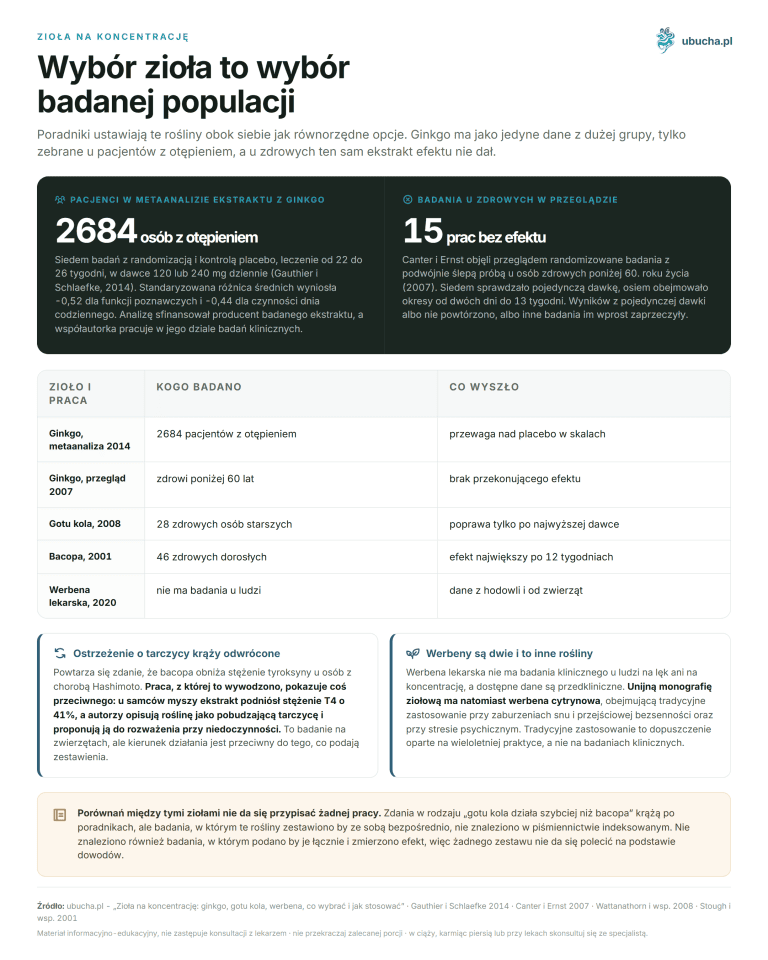
The 2025 meta-analysis counted itching as a common endpoint for several diagnoses, not just eczema, and it was this endpoint that came out significant. However, this does not mean that every popular application has a separate study behind it. The distinction between “studied” and “mechanistically probable” is very clear here.
For itching from insect bites, irritation from shaving, and dry skin in winter, we found no clinical studies with cannabidiol preparations. Sales materials provide mechanisms here, not results, and a mechanism described in cell culture is not evidence of effectiveness in humans. A product with a good emollient base can help with dry skin through the base itself, regardless of what else is in it. A comparison for sunburn and mechanical irritations can be found in the text CBD and sunburns and skin irritations.
Psoriasis, which is a disease managed by a dermatologist and worsens when a patient replaces treatment with a cosmetic, should be treated separately. A cannabinoid product can at most be an addition agreed upon with a doctor, never a substitute for therapy.
Finally, it is worth knowing where it is known that cannabidiol applied to the skin reaches the tissue beneath it. This was shown in an animal model: a CBD gel applied through the skin to rats with knee inflammation reduced swelling and infiltration of inflammatory cells depending on the dose (Hammell et al., European Journal of Pain 2016). This is a rat and a joint, not a human and itching, but it answers the question about absorption through the skin.
What can be expected from hemp ointment, and what cannot?
A realistic expectation is this: moderate relief from itching as an addition to emollient care, without affecting the course of the disease itself. A meta-analysis with 3359 participants provides data for this. Improvements in eczema severity scores, quality of life, or epidermal barrier integrity are not shown by the same data.
A cannabinoid preparation does not replace topical glucocorticoids during exacerbations. Not because it is inherently worse, but because no one has compared it with glucocorticoids in a study that would resolve this. Discontinuing treatment prescribed by a dermatologist in favor of a cosmetic is a decision without evidence backing it, and with atopic dermatitis, it costs an exacerbation.
Three things are worth remembering before purchase. A patch test precedes first use on a large area. The composition without fragrance substances is more important for atopic skin than the number of milligrams on the package. Effectiveness assessment requires four weeks, as the disease runs in waves and gives better and worse weeks on its own.
It is also worth knowing what is not in this text and why. There is no dosage table or concentration threshold because no work read at the source establishes such values. There are no numbers from the pilot study by Maghfour et al., as the full text could not be read, and second-hand numbers are unverified. There is also no comparison with a specific product from the store because a cosmetic is not a drug and there is no study that has compared it with a drug. Everything that remains can be reconstructed from the references in the text.
Frequently Asked Questions
Does hemp ointment with CBD help with eczema?
There is no evidence for eczema itself. A meta-analysis of 17 studies with 3359 participants did not show improvement in atopic dermatitis severity scores (SMD -0.19, confidence interval from -0.44 to 0.05). In a randomized trial by Gao et al. 2022, cannabidiol alone did not perform better than placebo. Relief pertains to itching, not the disease.
Does CBD reduce itchy skin?
Yes, moderately. In the meta-analysis by Sermsaksasithorn et al. 2025, cannabinoids used topically significantly reduced itching (SMD -0.29, confidence interval from -0.52 to -0.06). The result pertains to the entire group of substances, including hemp extracts and palmitoylethanolamide, not just pure cannabidiol.
Can CBD replace steroid ointment for eczema?
No. No study has compared topical cannabidiol with glucocorticoids during exacerbations of atopic dermatitis, so such a substitution has no basis in the data. A cannabinoid preparation may be an addition to care between exacerbations. Treatment prescribed by a dermatologist should not be discontinued independently.
How to perform a patch test before first use?
Apply a product the size of a grain of rice to the inner side of the forearm or the bend of the elbow, cover with a bandage, and check the skin after 24 hours. Absence of redness, swelling, and itching indicates no contact reaction. Atopic skin is hyperreactive, so the test applies to every new product.
How much cannabidiol should a skin product contain?
It is unknown, and one should not trust numbers given as thresholds. No work we accessed at the source establishes a minimum concentration effective on the skin. For atopic skin, the base composition is more important: the absence of fragrance substances and essential oils determines the product’s tolerance.
How does eczema differ from ordinary itchy skin?
Eczema, or atopic dermatitis, is a chronic inflammatory disease with a damaged epidermal barrier and requires management by a dermatologist. Ordinary itching from insect bites or dryness is a local and transient reaction. For the latter situation, we found no clinical studies with cannabidiol preparations.
Hemp cosmetics available in the store at Bucha are creams, gels, and balms for daily care, not medicinal preparations: a full list can be found in the cosmetics category. For atopic skin, read the composition for fragrance substances before applying anything.
This article is for informational and educational purposes and does not constitute medical advice. Before starting to use cannabis or CBD for therapeutic purposes, consult a doctor, especially if you are taking other medications, are pregnant, or breastfeeding.
Author: Michał Waluk · Published: 2026-06-22 · Updated: 2026-08-15