
The Discovery of Anandamide in 1992: The History of the Bliss Molecule and Its Implications
Anandamide was isolated from the brain of a pig in 1992. Who discovered what and in what order, how this lipid works, and why the mechanism of CBD needed correction.
Anandamide is the first known endocannabinoid, a lipid produced by the body that binds to the same receptors as THC from cannabis. It was isolated in 1992 from the brain of a pig, and its name comes from the Sanskrit word “ananda”, meaning bliss. The discovery answered a question that had lingered for four years: why does the human brain have receptors that fit substances from a plant? The history of this finding is often told with mixed dates and swapped teams, so we clarify it here according to the source works and show what it really means for understanding CBD. Along the way, we correct two claims that have circulated in cannabis texts for years: the year of discovery of the second endocannabinoid and the mechanism by which CBD raises anandamide levels in humans.
KEY INFORMATION
• Anandamide was isolated from the brain of a pig by a team working with Raphael Mechoulam; its structure was confirmed by mass spectrometry, magnetic resonance, and synthesis (Devane, Science, 1992).
• The second endocannabinoid, 2-AG, was described three years later, not two: Mechoulam’s team isolated it from the intestines of a dog, while Sugiura’s team identified it in the brain.
• The FAAH enzyme breaks down anandamide quickly, which is why its effects are short-lived.
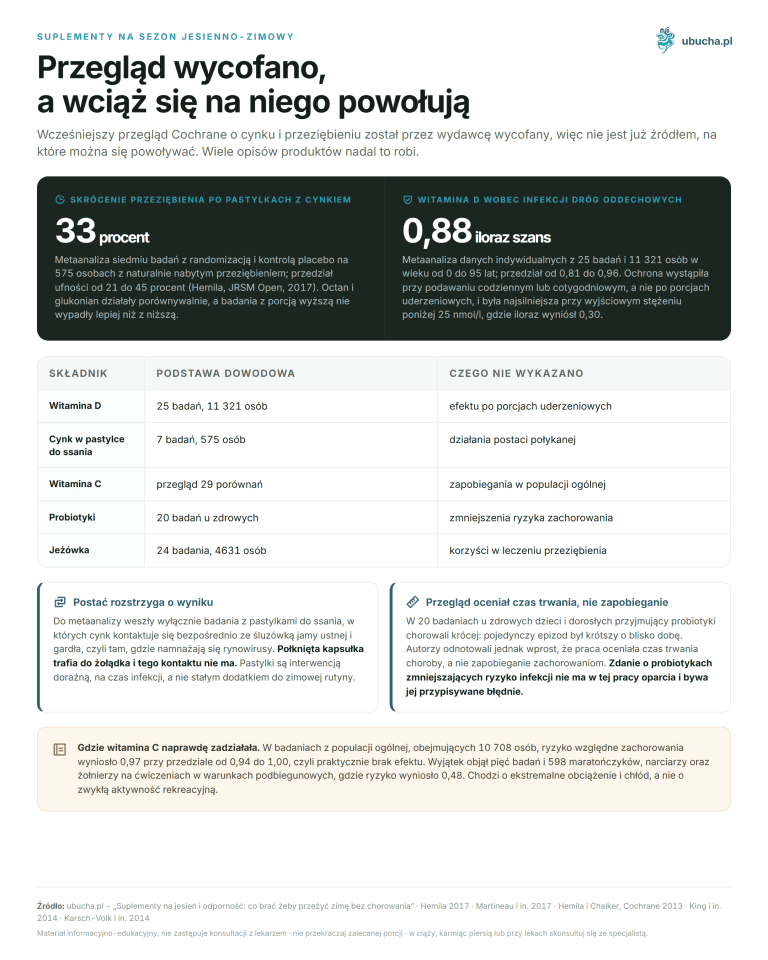
• CBD does not inhibit human FAAH, only the enzyme in rodents; the increase in anandamide in humans after CBD is explained today by competition for FABP transport proteins (Elmes, J Biol Chem, 2015).
• The study of runner’s high, cited by most texts, was conducted on mice, and its authors noted that euphoria in mice cannot be studied (Fuss, PNAS, 2015).
How was anandamide discovered and what is the origin of its name?
The starting point was a finding from 1988: the existence of a binding site for cannabinoids was demonstrated in the rat brain (Devane, Mol Pharmacol, 1988). Two years later, the cDNA of this receptor was cloned and its structure described (Matsuda, Nature, 1990). Thus, there was a receptor without a known endogenous ligand, which is an intolerable state in pharmacology.
The answer came in 1992. In a screening for endogenous ligands, arachidonoylethanolamide was isolated from the brain of a pig, its structure was confirmed by mass spectrometry and magnetic resonance, and it was then synthesized for comparison. The compound displaced a labeled cannabinoid probe from synaptosomal membranes in a manner typical of competitive ligands and inhibited the contraction of the vas deferens in mice induced by electrical stimulation, thus producing an effect characteristic of psychoactive cannabinoids (Devane, Science, 1992).
| Year | What was established | On what material |
|---|---|---|
| 1988 | existence of a binding site for cannabinoids | rat brain |
| 1990 | structure of the receptor and expression of cloned cDNA | rat material, expression in cells |
| 1992 | isolation of anandamide as the first endocannabinoid | pig brain |
| 1993 | description of the second receptor, peripheral (CB2) | immune system cells |
| 1995 | 2-AG as the second endocannabinoid, two independent teams | dog intestine in one team, brain in the other |
It is worth noting two details that are often misrepresented in popular descriptions. The second endocannabinoid was described in 1995, which is three years after anandamide, not two. Mechoulam’s team isolated it from the intestines of a dog (Mechoulam, Biochem Pharmacol, 1995), while independently, Sugiura’s team identified it in the brain (Sugiura, BBRC, 1995). The tissues are sometimes swapped in the narratives. We discuss this compound separately in our post about the most abundant endocannabinoid.
How does anandamide work in the brain?
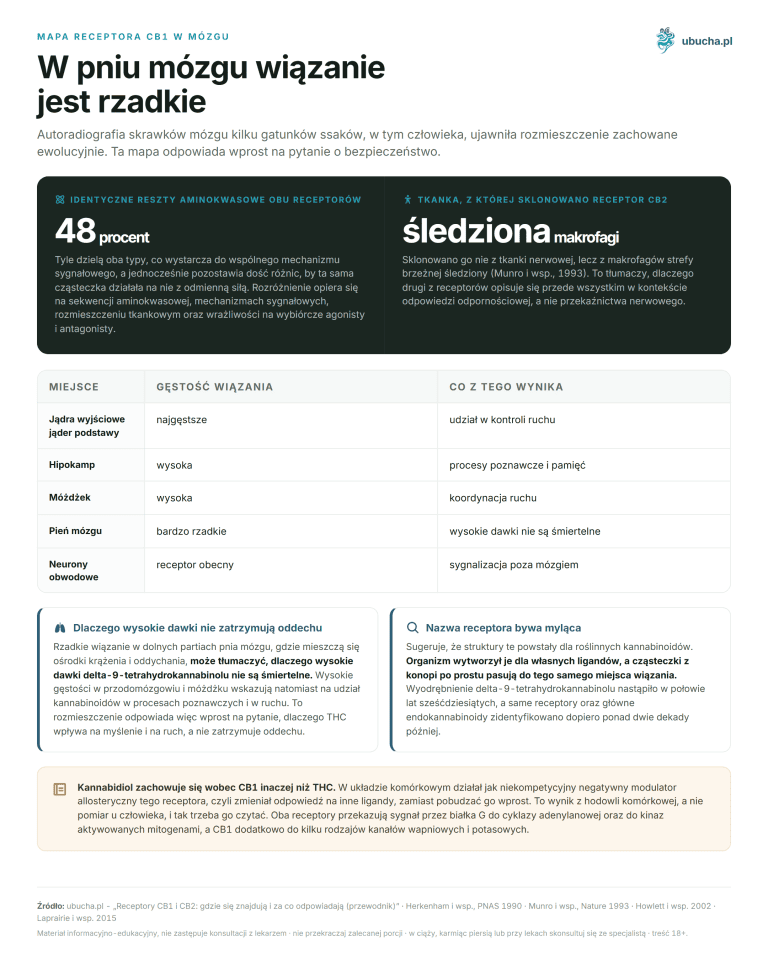
Signaling runs retrogradely: the postsynaptic neuron releases anandamide towards the presynaptic neuron, which is the opposite of typical neurotransmission. The affinity for the receptor was measured in synaptosomal membranes and was found to be 89 nanomoles in the Ki constant (Sugiura, BBRC, 1995). CB1 receptors are most densely distributed in the cortex, hippocampus, basal ganglia, and cerebellum, which corresponds to the described effects: mood modulation, pain perception, appetite, and memory consolidation.
Anandamide also stimulates the vanilloid channel TRPV1, thus entering pain signaling and thermoregulation outside the cannabinoid system. It is not stored. It is produced at the site of demand and also dies there, as it is broken down by the FAAH enzyme, a fatty acid amide hydrolase.
This short-lived nature is the most significant difference from THC and explains why endogenous anandamide is not felt as intoxication. THC metabolizes slowly and acts for hours, maintaining receptor activation at a constant level. Anandamide acts locally and fades away, which fits a system whose task is to restore balance, not to maintain a state. We discuss how raising its level affects neuroinflammation in our post about inhibiting the FAAH enzyme.
Is runner’s high due to anandamide?
Partially yes, but the evidence is narrower than headlines suggest. The study cited by all texts on this phenomenon was conducted on mice. It demonstrated that after running, the reduction of anxiety depends on functional CB1 receptors on GABAergic neurons in the forebrain, and the reduction of pain depends on peripheral CB1 and CB2 receptors. However, motor calmness did not change after blocking either cannabinoid or opioid receptors, and the authors explicitly noted that euphoria in mice cannot be studied (Fuss, PNAS, 2015).
In humans, something different was measured: the relationship between exercise intensity and endocannabinoid levels in the blood. In a study on recreational runners, four levels of treadmill load were compared. Significant changes occurred only at moderate intensity, while at very high and very low intensities, levels did not change significantly (Raichlen, Eur J Appl Physiol, 2013).
This finding is worth remembering, as it debunks the popular advice that those who do not experience runner’s high are running too slowly. According to the measurement, the strongest effort raises endocannabinoids not more, but less than moderate effort. We discuss this phenomenon more broadly in our post about runner’s high and the endocannabinoid system.
Does CBD raise anandamide levels?
The observation is confirmed, but its explanation has changed, and most texts about CBD have not noted this change. In a randomized double-blind study, CBD was compared with amisulpride in patients with acute schizophrenia. Both treatments resulted in significant clinical improvement, CBD had a clearly more favorable side effect profile, and CBD therapy was accompanied by a significant increase in serum anandamide levels, correlated with the degree of improvement (Leweke, Translational Psychiatry, 2012). The measurement concerned serum, not cerebrospinal fluid.
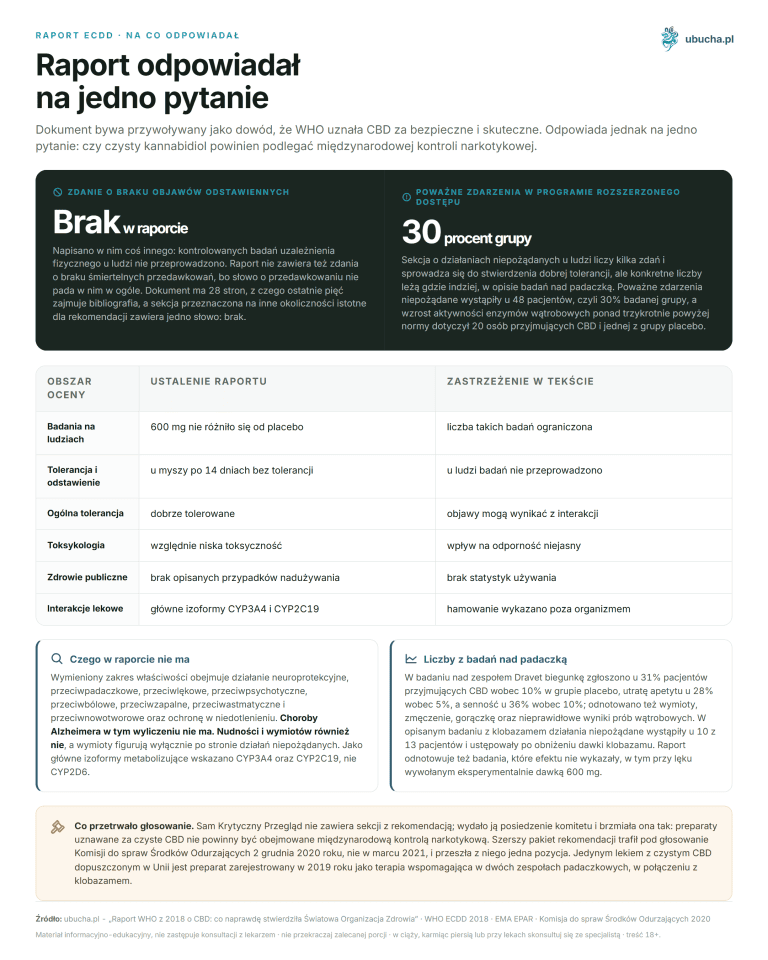
The mechanism proposed at that time was: CBD inhibits FAAH and thus prolongs the life of anandamide. Three years later, it was shown that this occurs in rodents but not in humans. A study in the Journal of Biological Chemistry states that CBD does not inhibit human FAAH activity and that inhibition of this enzyme cannot explain the increase in anandamide observed in humans after consuming CBD. Another explanation was proposed: CBD and THC bind to intracellular transport proteins from the FABP family, which normally transport anandamide to the degrading enzyme, and compete with it for these carriers (Elmes, J Biol Chem, 2015).
For the reader, the conclusion does not change, but its justification does. The statement “CBD makes your own anandamide work longer” remains valid; the statement “because CBD blocks FAAH” is no longer accurate regarding humans. There is also a claim that CBD inhibits MAGL, the enzyme that breaks down 2-AG, but this has not been confirmed in available abstracts, so it should not be repeated as an established mechanism.
What do mutations in the FAAH gene say about the role of anandamide?
The most frequently cited variant is the change from 385C to A, which alters proline at position 129 to threonine. The study that described it found that the resulting protein has normal catalytic properties but is more susceptible to proteolytic degradation, and the homozygous form is associated with street drug use and problematic substance and alcohol use (Sipe, PNAS, 2002). The summary of this study entirely concerns substance use, not pain threshold or anxiety levels, so linking it to those claims is an abuse.
A much stronger piece of evidence came from the description of a single patient. A 66-year-old woman did not need any pain medications after hand surgery, which normally hurts, and in her history, she had a lifetime of painless cuts and burns that healed quickly. Two changes were found in her: a microdeletion in the FAAH-OUT pseudogene and a common functional variant in the FAAH gene itself, reducing its expression and activity. Anandamide levels, as well as PEA and OEA, were significantly elevated in her peripheral blood (Habib, Br J Anaesth, 2019).
This direction is also confirmed by animal models. In mice lacking FAAH and after administering an inhibitor of this enzyme, collagen-induced arthritis was milder, with the anti-inflammatory effect being abolished by a CB2 receptor antagonist, and the analgesic effect by a CB1 antagonist (Kinsey, Pharmacol Biochem Behav, 2011). Selective FAAH inhibitors remain under investigation, and none are approved for use.
Frequently Asked Questions
Who discovered anandamide and when?
Anandamide was isolated in 1992 from the brain of a pig by a team working with Raphael Mechoulam, during a screening for endogenous ligands of the cannabinoid receptor. The structure was confirmed by mass spectrometry, magnetic resonance, and synthesis (Devane, Science, 1992).
What is the origin of the name anandamide?
From the Sanskrit word “ananda”, meaning bliss, combined with the chemical amide suffix. The name reflects the association with the effects of cannabinoids, rather than the measured euphoric action, as endogenous anandamide breaks down too quickly to induce a state comparable to THC.
When was 2-AG discovered and by whom?
In 1995, by two independent teams. Mechoulam’s team isolated 2-AG from the intestines of a dog, while Sugiura’s team identified it in the brain as a likely endogenous ligand of the cannabinoid receptor. This was three years after anandamide, not two, as some reports state.
Does CBD inhibit the FAAH enzyme?
In rodents, yes; in humans, no. A 2015 study showed that CBD does not inhibit human FAAH, so the increase in anandamide observed in humans after CBD is now explained by competition for intracellular transport proteins from the FABP family (Elmes, J Biol Chem, 2015).
Is runner’s high caused by anandamide?
The mechanism was studied in mice and involved reduced anxiety and pain, not euphoria, which cannot be studied in mice. In humans, it was measured that endocannabinoid levels only increase at moderate exercise intensity, and not at very high or very low intensities.
This article is for informational and educational purposes only and does not constitute medical advice. Before starting to use cannabis or CBD for therapeutic purposes, consult with a doctor, especially if you are taking other medications, are pregnant, or breastfeeding.
Author: Michał Waluk · Published: 2026-08-09 · Updated: 2026-08-16