
Supplements for Joints: Collagen, Glucosamine, and CBD - What to Choose and How to Combine
What do studies really show about glucosamine, collagen, and CBD for joints. Results of large RCTs, meta-analyses, and guidelines, without marketing promises.
The three most popular joint supplements have very different quality of evidence, and the order does not correspond to their position in advertisements. Glucosamine has been studied the most widely, and that is why the most negative information is known about it: in large, independent studies, it does not differ from placebo, and rheumatological guidelines advise against its use. Collagen has weaker data than the packaging suggests, although not zero. CBD has not a single positive clinical study in humans with osteoarthritis, despite promising results in animals. This text separates what is known from studies on humans from what comes from laboratories and manufacturer materials, and shows how to plan your own test before you spend several hundred zlotys.
KEY INFORMATION
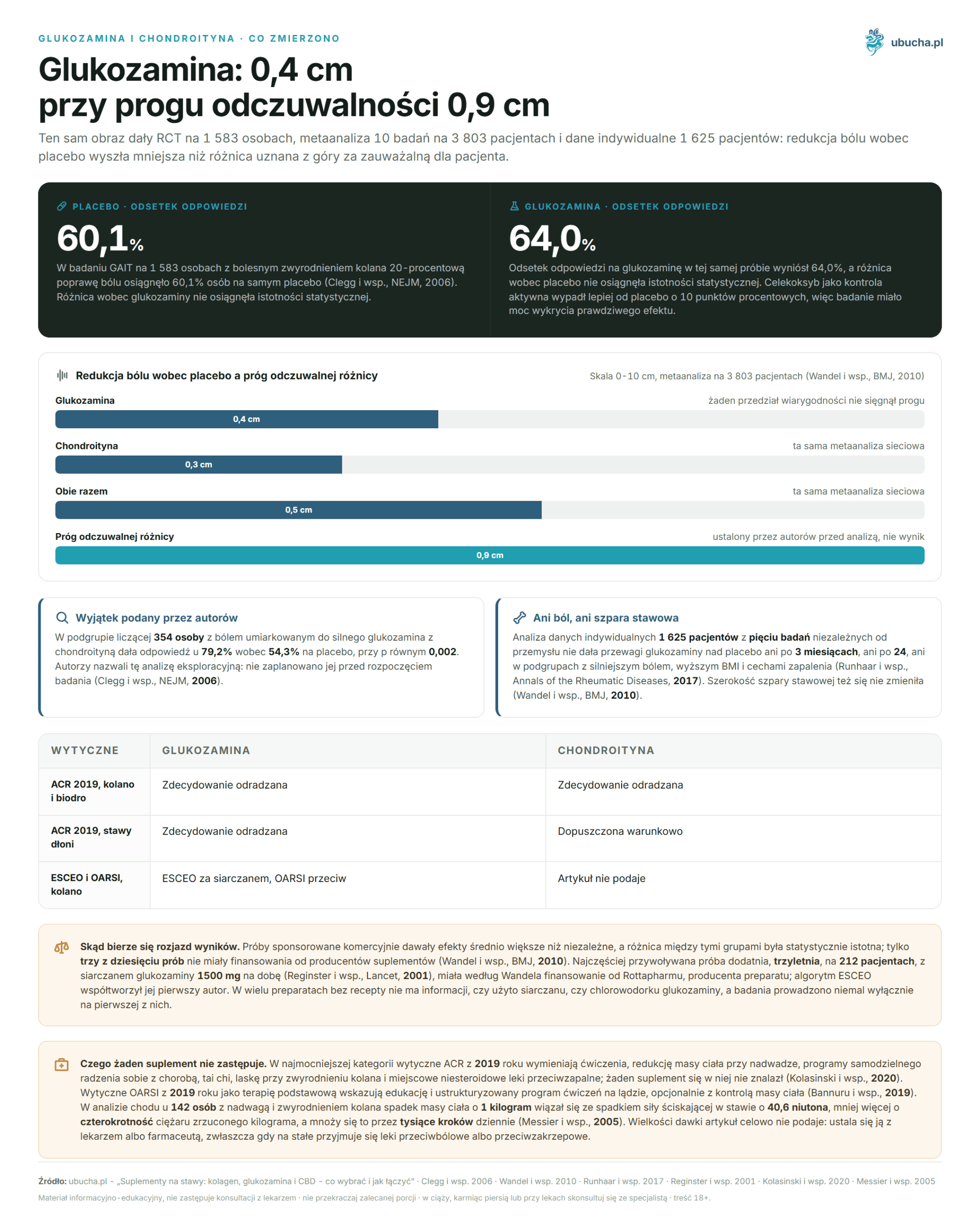
• Glucosamine reduced pain by 0.4 cm on a 10 cm scale, with a threshold of perception of 0.9 cm (Wandel et al., BMJ, 2010).
• The ACR guidelines from 2019 strongly advise against glucosamine for the knee, hip, and hand.
• CBD 20-30 mg per day did not differ from placebo in a 12-week randomized study (Vela et al., Pain, 2022).
• Collagen UC-II 40 mg improved WOMAC, but the study was funded by the raw material manufacturer.
• Losing 1 kg of body weight removes about four times that weight from the knee joint with each step (Messier et al., 2005).
Which joint supplement has the strongest evidence?
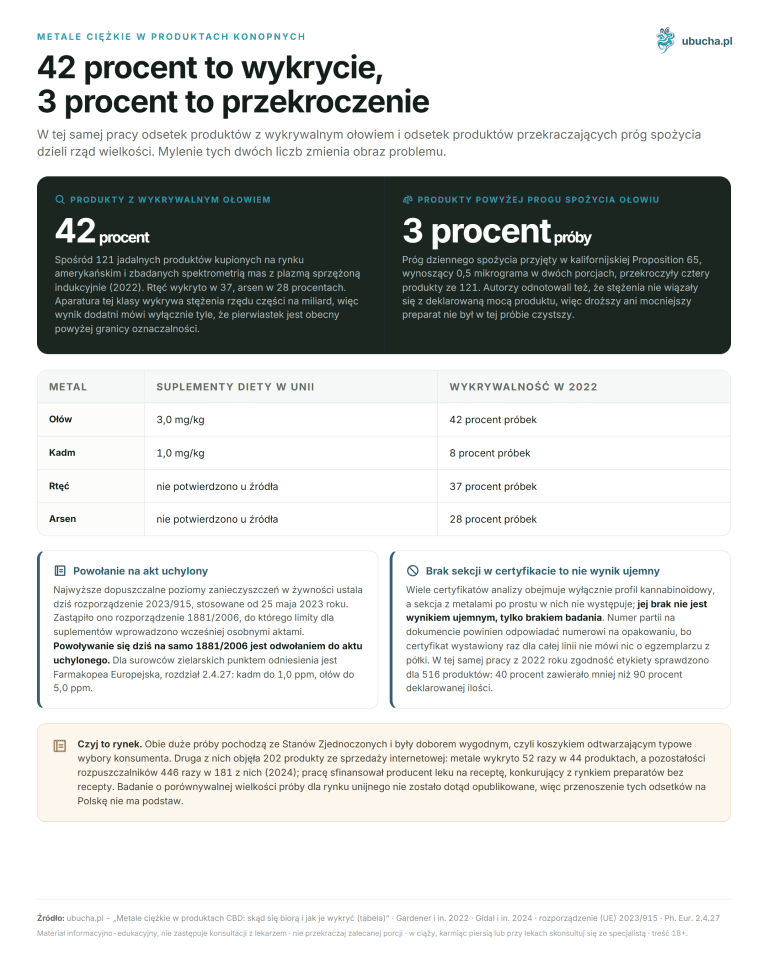
The strongest signal from this group is given by curcumin, the weakest by CBD. Glucosamine is the best studied and performs the worst because large independent studies did not distinguish it from placebo. Collagen lies in the middle: a positive result, but from small studies, most often funded by the product manufacturers.
The table below organizes what realistically results from studies on humans. It deliberately omits biochemical mechanisms. A nice mechanism in a test tube does not automatically translate to less knee pain, and it is precisely on mechanisms that most joint supplement advertisements are based.
| Supplement | Best data in humans | Conclusion |
|---|---|---|
| Glucosamine | RCT on 1,583 individuals, meta-analysis of 3,803 patients, individual data analysis of 1,625 patients | Effect below the threshold of perception, advised against by ACR |
| Chondroitin | The same large studies | Advised against for knee and hip, conditionally allowed for hand |
| Collagen UC-II 40 mg | RCT on 191 individuals, 180 days | Improvement in WOMAC, study sponsored by the manufacturer |
| Collagen preparations combined | Meta-analysis of 11 RCTs, 870 participants | Positive signal, but huge variability in results between studies |
| CBD orally | RCT on 136 individuals, 12 weeks | Negative result, no difference from placebo |
| MSM | Two small randomized trials, 50 and 49 individuals | Positive signal, trials too small to resolve |
| Curcumin | Review of 8 RCTs, results summed from 3 and 4 trials | Strongest signal in this group, trials still small |
Do glucosamine and chondroitin really work for joint pain?
Not to a degree that a patient would feel. In the GAIT study involving 1,583 individuals with painful knee degeneration, neither glucosamine, nor chondroitin, nor their combination outperformed placebo in the primary endpoint (Clegg et al., NEJM, 2006).
The response rate to placebo was 60.1%, to glucosamine 64.0%, and the difference did not reach statistical significance. Celecoxib, used as an active control, performed better than placebo by 10 percentage points and showed that the study had the power to detect a true effect.
One exception should be mentioned, as the authors themselves provided it. In the subgroup with moderate to severe pain, consisting of 354 individuals, the combination of glucosamine and chondroitin yielded a response in 79.2% compared to 54.3% on placebo, with p equal to 0.002. The authors called this analysis exploratory, meaning it was not planned before the study began.
A network meta-analysis of 10 large studies involving 3,803 patients provided the same numerical picture (Wandel et al., BMJ, 2010). The authors predetermined that a difference of less than 0.9 cm on a ten-centimeter pain scale is not noticeable to the patient. Glucosamine yielded 0.4 cm, chondroitin 0.3 cm, both together 0.5 cm. No confidence interval reached the threshold. The width of the joint space also did not change.
The strongest conclusion comes from an individual patient data analysis of 1,625 patients from five studies independent of the industry (Runhaar et al., Annals of the Rheumatic Diseases, 2017). Glucosamine did not outperform placebo after 3 months, nor after 24, nor in any of the planned subgroups: neither in individuals with stronger pain, nor with higher BMI, nor with signs of inflammation.
Why do the results of glucosamine studies vary so much?
Because some positive results come from studies funded by the product manufacturer. Wandel and colleagues demonstrated this directly: commercially sponsored trials yielded effects on average 0.5 cm greater than independent ones, and the difference between these two groups of studies was statistically significant. In their review, only three out of ten trials had no funding from supplement manufacturers.
The most frequently cited positive study is a three-year trial involving 212 patients, in which glucosamine sulfate 1500 mg per day halted the narrowing of the joint space and slightly improved the WOMAC score (Reginster et al., Lancet, 2001). As a source of its funding, Wandel and colleagues indicated the company Rottapharm, the manufacturer of the tested preparation.
Hence the discrepancy between guidelines. The American College of Rheumatology in its 2019 guidelines strongly advises against glucosamine for knee, hip, and hand degeneration and chondroitin for knee and hip, conditionally allowing it only for hand joints (Kolasinski et al., Arthritis Care and Research, 2020). The European society ESCEO went the other way and issued a strong recommendation for glucosamine sulfate for the knee, while OARSI and ACR recommended against it (Overton et al., Rheumatic Disease Clinics of North America, 2022). The ESCEO algorithm was co-created by Jean-Yves Reginster, the first author of that sponsored trial.
When reviewing labels, we noticed a recurring problem: many over-the-counter preparations do not indicate whether glucosamine sulfate or glucosamine hydrochloride was used. These are two different salts, and the studies cited by manufacturers were conducted almost exclusively on the former. A product that does not specify what it contains does not replicate the conditions of any study.
What do studies show about collagen for joints?
Collagen has better data than glucosamine, but still weak. The most frequently cited trial is a study on 191 individuals with knee degeneration, in which undenatured type II collagen at a dose of 40 mg per day for 180 days improved the WOMAC score more than placebo and more than the combination of glucosamine and chondroitin (Lugo et al., Nutrition Journal, 2016).
The caveat is the same as with glucosamine, except that here the authors noted it in the paper itself. The study was sponsored by InterHealth Nutraceuticals, the manufacturer of the UC-II raw material, two of the three authors were its employees, and the third advised it. The same group previously published a smaller trial on 55 healthy volunteers with knee pain after exercise, in which 40 mg per day for 120 days improved knee extension range (Lugo et al., Journal of the International Society of Sports Nutrition, 2013).
A collective picture is provided by a meta-analysis of 11 randomized studies involving 870 participants (Simental-Mendía et al., Clinical and Experimental Rheumatology, 2025). It yielded positive results: improvement in function by 6.46 points and pain by 13.63 points compared to placebo, and the authors considered both changes significant both statistically and clinically. However, it is worth looking at the variability. Heterogeneity reached 75% for function and 88% for pain, meaning that individual studies reported very different results. The averaged number describes rather the range of results than a repeatable effect.
Does CBD relieve joint pain in humans?
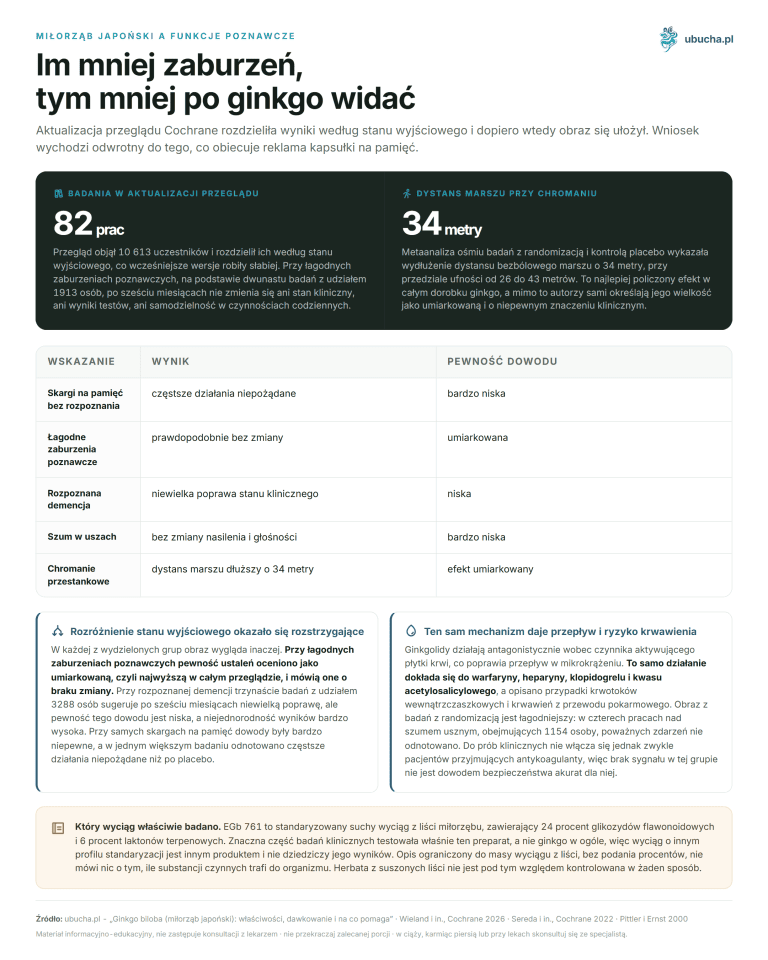
There is no evidence for this. The only published randomized double-blind study in patients with joint degeneration yielded a negative result: synthetic CBD at a dose of 20-30 mg per day for 12 weeks did not differ from placebo (Vela et al., Pain, 2022).
The numbers are very clear. The trial involved 136 patients with either hand osteoarthritis or psoriatic arthritis, whose pain persisted despite treatment; 129 individuals were included in the main analysis. The difference in pain intensity between groups after 12 weeks was 0.23 mm on a hundred-millimeter scale with p equal to 0.96. An improvement of over 30 mm was noted by 22% of those on CBD and 21% on placebo. There was also no difference in sleep quality, anxiety, mood, or pain catastrophizing.
Optimistic reports come from animal models and should be read as such. Topical application of CBD reduced the activity of sensory fibers in the joint and pain behaviors in rats with chemically induced knee degeneration (Philpott et al., Pain, 2017). A CBD gel applied to the skin of rats with joint inflammation reduced swelling and inflammatory infiltrates (Hammell et al., European Journal of Pain, 2016). These are rodents, a different method of administration, and doses calculated per kilogram of body weight. Translating these results to a capsule or drops in humans remains a hypothesis.
How to check if a joint supplement works for you?
Plan it like an experiment with a deadline: one substance at a time, a recorded starting point, and a date when you make a decision. Without this, you will not distinguish the effect of the preparation from natural fluctuations in pain, which can be significant in both directions with joint degeneration. In the GAIT study, a 20% improvement in pain was achieved by 60.1% of those taking placebo alone, so improvement after a new package does not prove anything by itself.
How long to observe depends on the length of the studies described above: trials on collagen, MSM, and CBD lasted from 12 weeks to half a year, so evaluation after two weeks tells you nothing. What the portion should be, you will not read from this text intentionally. In the case of osteoarthritis, the dose size is determined with a doctor or pharmacist, especially if you are regularly taking painkillers or anticoagulants.
From our experience in store conversations, the most common mistake is the lack of a reference point. Before you buy your first package, record the pain intensity on a scale from 0 to 10, the number of days in the week with pain, and one specific activity that causes difficulty: stairs, squats, twisting a jar. After the established deadline, compare these three numbers with the record from before the start. Without a positive change, stop the preparation instead of adding another one.
Does curcumin work for joint pain?
Of this entire group, curcumin currently has the best result, although based on small trials. A systematic review included 8 randomized studies on turmeric extracts and curcumin itself (Daily et al., Journal of Medicinal Food, 2016).
Note how many trials were included in each calculation. Pain on the visual-analog scale was summed from three studies, and the difference from placebo was 2.04 points. The WOMAC score was summed from four studies, resulting in 15.36 points. In five studies comparing the extract with a painkiller, no difference in pain intensity was found. The dose in these trials was about 1000 mg of curcumin per day.
The authors themselves noted that the total number of studies, total number of participants, and methodological quality of individual trials are insufficient for conclusive conclusions, although the risk of bias was assessed as low to moderate. Additionally, there is a point that advertisements do not mention: standardized extracts of turmeric and curcumin were studied, not powdered spice from the kitchen cupboard. Adding turmeric to soup is not the same intervention.
What is known about MSM in knee degeneration?
Only that two small trials yielded positive results, and nothing more. The first involved 50 individuals with knee pain: a dose of 3 g twice a day for 12 weeks reduced pain and improved physical function on the WOMAC scale, but did not affect stiffness or the total score (Kim et al., Osteoarthritis and Cartilage, 2006). The authors stated directly that the pilot study does not allow confirming either benefits or safety of long-term use.
The second randomized trial involved 49 individuals aged 45 to 90 years, who were given 1.125 g three times a day for 12 weeks. Physical function and total WOMAC score improved, while pain and stiffness did not reach significance. The authors noted that the differences are small and it is unclear whether they have clinical significance (Debbi et al., BMC Complementary and Alternative Medicine, 2011).
A systematic review from 2008, which included the two previous trials on MSM with 168 patients, considered the evidence positive but inconclusive and indicated that neither the optimal dose nor the safety of long-term use was established (Brien et al., Osteoarthritis and Cartilage, 2008). Subsequent studies focused on MSM mixtures with glucosamine and chondroitin, so the effect of MSM alone cannot be extracted from them.
What can no joint supplement replace?
Movement and weight reduction. Both of these interventions are placed in the strongest category of recommendations by the American College of Rheumatology in 2019 for knee and hip degeneration. No supplement made it to this group, and glucosamine ended up in negative recommendations.
In the same guidelines, strong recommendations also include self-management programs, tai chi, using a cane for knee degeneration, and topical non-steroidal anti-inflammatory drugs. The OARSI guidelines from 2019 indicate education and a structured land exercise program as the primary therapy for knee degeneration, optionally with weight control (Bannuru et al., Osteoarthritis and Cartilage, 2019). Glucosamine is not on that list.
Weight reduction works mechanically, and the scale of this effect has been measured. In a gait analysis of 142 individuals with overweight and knee degeneration, a weight loss of 1 kilogram was associated with a decrease in compressive force in the joint by 40.6 newtons, or about four times the weight of the lost kilogram (Messier et al., Arthritis and Rheumatism, 2005). The authors note that this multiplies by thousands of steps per day.
A supplement makes sense as an addition to this, not instead of it. If the budget is limited, spend it first on a physiotherapy consultation and an exercise plan, then possibly on a preparation. This order results directly from the hierarchy of evidence, not from caution.
Frequently Asked Questions
Does glucosamine work for joint pain?
According to the best available data, not to a degree you would feel. A meta-analysis of 10 studies involving 3,803 patients showed a pain reduction of 0.4 cm on a 10 cm scale, with a threshold of perception set at 0.9 cm (Wandel et al., BMJ, 2010). The ACR guidelines from 2019 strongly advise against it.
What doses of collagen have been studied for knee degeneration?
The best-described trial involved 191 individuals, where undenatured type II collagen was administered at 40 mg per day for 180 days, and the WOMAC score improved more than in the placebo group (Lugo et al., 2016). The study was funded by the raw material manufacturer. This is a description of the study, not a recommendation for you.
Does CBD help with joint pain?
This has not been demonstrated in humans. In a randomized study of 136 patients, synthetic CBD at 20-30 mg per day for 12 weeks resulted in a difference of 0.23 mm on a hundred-millimeter scale compared to placebo, with p equal to 0.96 (Vela et al., Pain, 2022). Positive results come from studies on rats.
Can collagen, glucosamine, and CBD be combined?
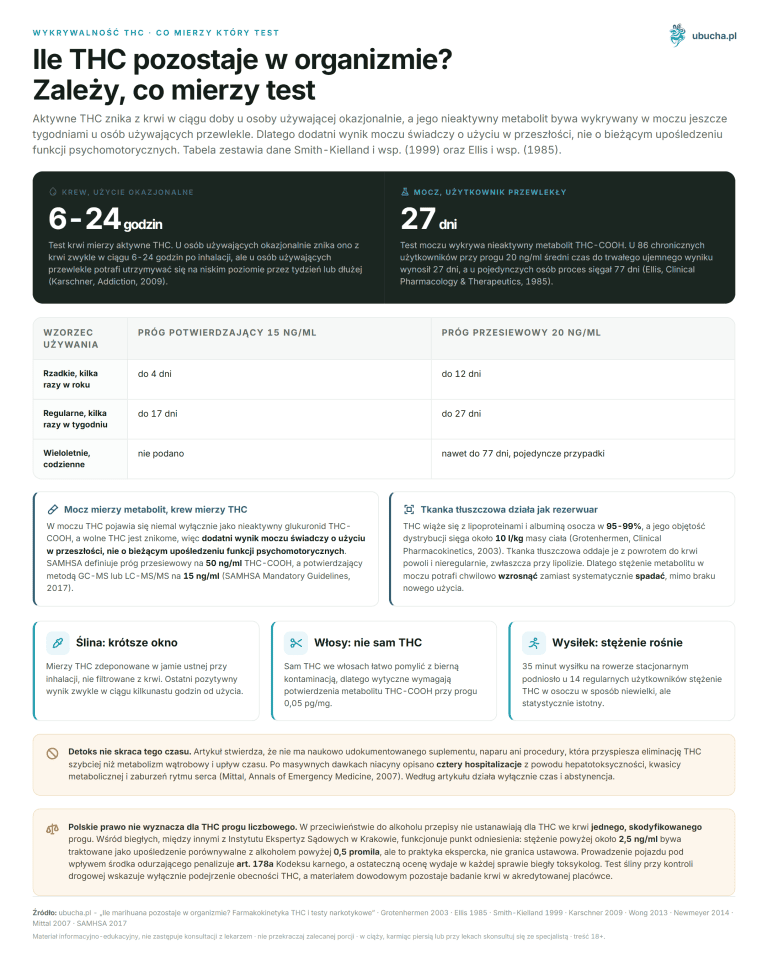
No interactions between these substances have been described, so technically yes. The sense is different: three preparations with weak evidence do not sum up to a strong effect. CBD interacts with the CYP3A4 and CYP2C19 enzymes that break down many drugs, so if you are on regular pharmacotherapy, ask your doctor or pharmacist (Brown and Winterstein, Journal of Clinical Medicine, 2019).
How long should I evaluate whether a joint supplement works?
Set a deadline before starting, not during. Studies on collagen, MSM, and curcumin lasted from 12 weeks to half a year, so shorter observation will not resolve anything. Record the pain intensity on a scale from 0 to 10 and one activity that causes difficulty, and compare it after the deadline.
What works better for joints than supplements?
Movement and weight reduction. The ACR guidelines from 2019 list exercises, weight reduction in overweight individuals, self-management programs, and topical anti-inflammatory drugs for the knee in the strongest category (Kolasinski et al., 2020). No supplement has a recommendation of that strength.
More about CBD for training loads can be found in the post CBD for Athletes, and about interactions with medications in the text CBD Oil for Seniors. The products mentioned above can be found in the supplements category, and CBD products in the hemp oils category.
This article is for informational and educational purposes and does not constitute medical advice. Before starting to use cannabis or CBD for therapeutic purposes, consult your doctor, especially if you are taking other medications, are pregnant, or breastfeeding.
Author: Michał Waluk · Published: 2026-06-22 · Updated: 2026-08-14