

Pasta with Zucchini and Hemp Oil: A Light Summer Meal

Light pasta with zucchini, garlic, and cold-pressed hemp oil in 20 minutes. Check why the oil is added to the pan only off the heat.
Did you know that adding hemp oil to the pan half a minute too early is enough to lose what you bought it for? Pasta with zucchini and hemp oil takes twenty minutes, and the whole technique boils down to one moment: the oil goes into the dish only when the pan is off the heat. The rest are ingredients you have on hand all summer, and the only tool besides the pot and pan is a grater. Below you will find proportions for two servings, a step-by-step table, the reason why this particular oil is never sautéed, and what studies say about hemp seeds. At the end, there is also an answer to the question that comes up most often with this oil: does it contain THC.
KEY INFORMATION
• Hemp seed oil contains over 80% polyunsaturated fatty acids (Callaway, Euphytica, 2004).
• The omega-6 to omega-3 ratio usually falls between 2:1 and 3:1; the author of this work calls this range optimal for humans.
• Heating cold-pressed oils to 170 and 200 degrees reduced their tocopherol content to 1-6% of the initial value (Kmiecik et al., 2022).
• Hemp seed oil marketed as food can contain a maximum of 7.5 mg/kg THC (Regulation 2023/915).
What makes hemp oil suitable for pasta?
It is suitable because it is a fat with a distinct flavor, while pasta with zucchini has almost no flavor of its own. The nutty-herbaceous note of hemp seed oil fills this gap without sauce, cream, or long cooking. Additionally, it brings a fatty acid profile that no olive oil can provide.
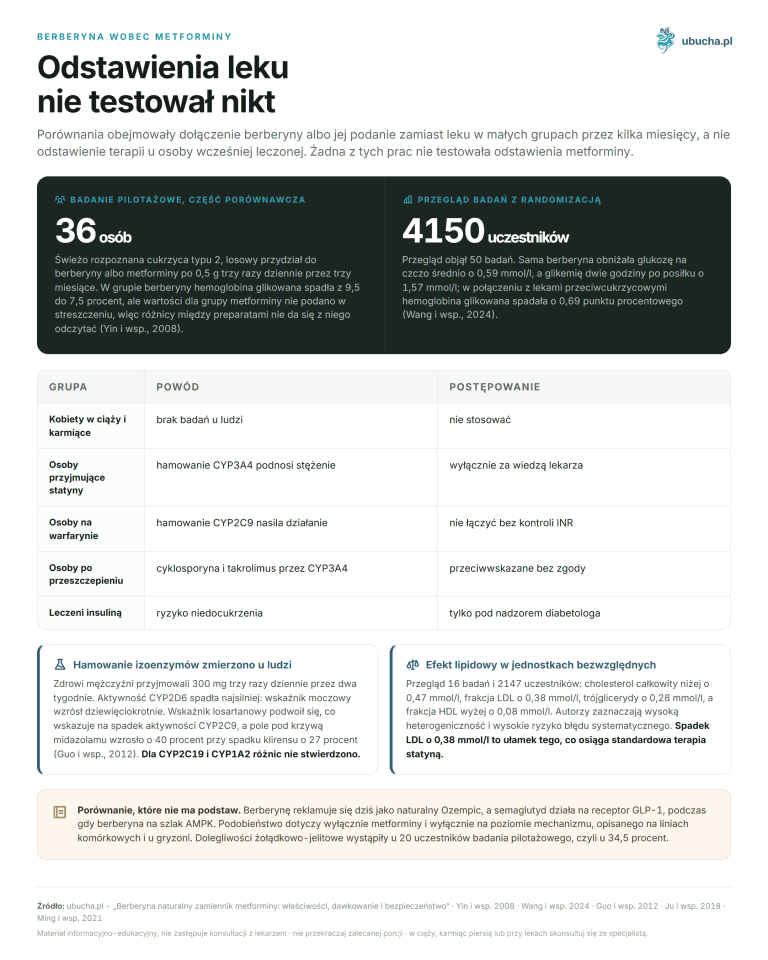
Callaway’s review in Euphytica states that hemp seed oil contains over 80% polyunsaturated fatty acids, and the omega-6 to omega-3 ratio usually ranges from 2:1 to 3:1. The author describes this range as optimal for human health. This is a rare ratio: most vegetable oils used daily have many more omega-6 fatty acids than omega-3.
In the kitchen, hemp oil behaves like extra virgin olive oil, but with a sharper limitation. It tastes best cold or added to a finished dish. Therefore, in this recipe, two fats with two different tasks are used: olive oil goes into the pan and withstands contact with heat, while hemp oil is added at the end and is solely responsible for flavor and nutritional value.
We noticed in tests that the difference between oil mixed into hot pasta and oil mixed in after a half-minute break is immediately noticeable in the aroma. Without this break, the nutty scent becomes flat, leaving only the herbal bitterness.
What ingredients are needed for two servings?
You need nine items, eight of which are found in any average kitchen. The only ingredient to purchase is cold-pressed hemp seed oil, in a dark bottle, stored in the refrigerator after opening.
- 200 g pasta: spaghetti, linguine, or tagliatelle
- 2 medium zucchinis, about 400 g total
- 3 cloves of garlic
- 1 tablespoon olive oil for frying
- 2-3 tablespoons cold-pressed hemp seed oil
- juice of half a lemon and grated zest
- salt, freshly ground black pepper, optional chili flakes
- fresh basil or parsley
- optional parmesan or nutritional yeast for the vegan version
When it comes to oil, the method of pressing and packaging matters. Since over 80% of its composition consists of polyunsaturated fatty acids, what makes it valuable also makes it susceptible to oxidation when exposed to light and air. Buy the cold-pressed version in a dark bottle, keep it in the refrigerator after opening, and use it within a few weeks. Rancid oil can be recognized by its smell: instead of nuts, it smells like oil paint, and you cannot save that with lemon.
Choose young zucchinis, no larger than five centimeters in diameter. Older ones have hard seed cavities and release so much water in the pan that instead of browning, they cook in their own juice.
How to make pasta with zucchini step by step?
The whole process consists of five steps and about twenty minutes of work. The pasta cooks simultaneously with the zucchini so that both elements are ready at the same time and go into the pan without waiting. The column on the right collects the places where this recipe most often goes wrong.
| Step | What to do | What to watch out for |
|---|---|---|
| 1 | Bring salted water to a boil, counting one tablespoon of salt per liter. Add 200 g of pasta and cook for one minute less than the package instructions. | Before draining, reserve a cup of the cooking water. Without the starch from this water, the sauce will not bind. |
| 2 | Grate the zucchinis on a coarse grater, and slice the garlic thinly. Heat one tablespoon of oil in a large pan. | Sauté the garlic for no more than 30 seconds. Burnt garlic becomes bitter, and that bitterness cannot be removed from the dish. |
| 3 | Add the zucchini and sauté for 3-4 minutes, stirring, until it softens and turns golden at the edges. | Do not cover the pan. Steam makes the zucchini stew and fall apart instead of browning. |
| 4 | Transfer the drained pasta to the pan, add 3-4 tablespoons of the reserved cooking water, and mix vigorously for one minute. Remove from heat. | Emulsion comes from mixing, not from time. Slow mixing will leave the fat separate from the water. |
| 5 | Wait half a minute, pour in 2-3 tablespoons of hemp oil, and mix. Season with lemon juice, pepper, and lemon zest. | The oil is added to the pan only off the heat. This is the only moment when the entire recipe can be irreversibly ruined. |
Serve immediately, on warm plates, with basil or parsley and grated parmesan. In the vegan version, parmesan is replaced with nutritional yeast, which provides a similar umami and, in the process, B vitamins.
Why is hemp oil added off the heat?
Because fat composed of over 80% polyunsaturated fatty acids is, by definition, thermally unstable, and with it, the oil’s antioxidant protection disappears. A thirty-second break after removing the pan is not a ritual: it is a margin that allows the oil to go into the dish, not onto the heat.
The scale of this loss is shown in the work of Kmiecik and colleagues from 2022, in which mixtures of cold-pressed oils were heated to 170 and 200 degrees. After heating, the total tocopherol content dropped to 1-6% of the values from unheated samples, and the fraction of polar compounds increased on average 1.9 times at 170 degrees and 3.1 times at 200. Tocopherols are vitamin E, which is precisely the component in cold-pressed oil that protects fatty acids from oxidation.
The practical conclusion is short. Olive oil is for frying, hemp oil is for seasoning. If you want to check where else this division applies, we have gathered it in a separate text about hemp oil in the kitchen, along with a list of applications where it does not work.
What does hemp oil bring to this plate?
It brings both essential fatty acids at once, in a proportion that does not need to be compensated for. Callaway describes hemp seed oil as an exceptionally rich source of linoleic acid and alpha-linolenic acid, and alongside them, he mentions the metabolites of these acids: gamma-linolenic acid and stearidonic acid.
This same author conducted a twenty-week crossover study in 2005, in which patients with atopic dermatitis consumed either hemp seed oil or olive oil in their diet. After the period with hemp oil, dryness and itching of the skin improved, and the use of ointments decreased. However, the study was small and single-blind, so treat it as an indication, not as proof of the medicinal effect of one meal.
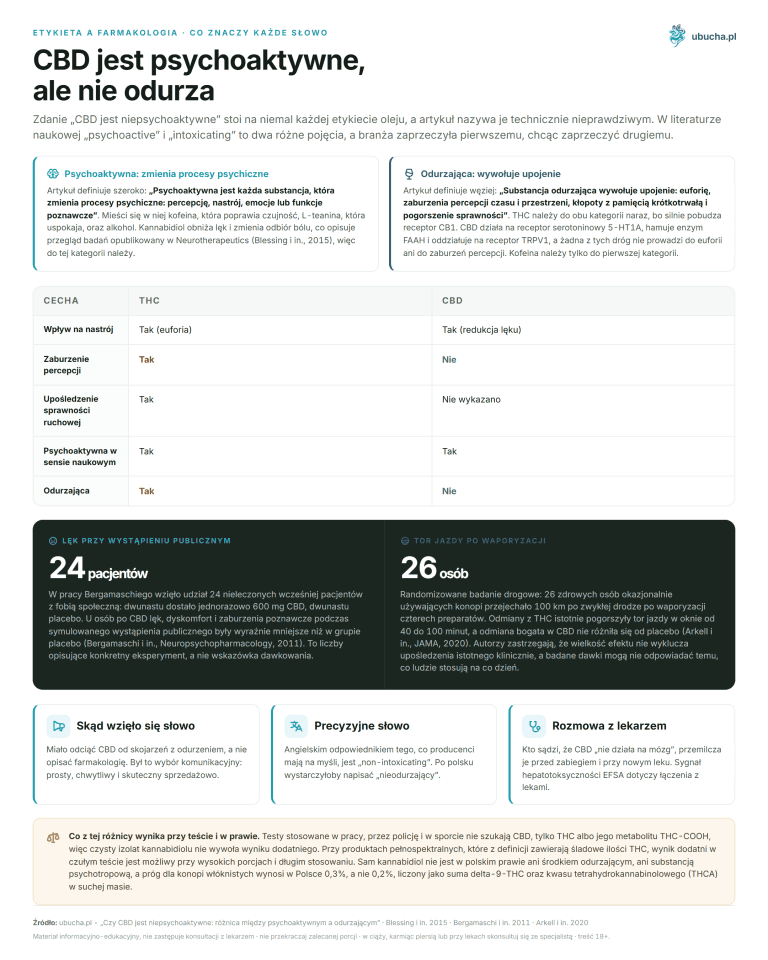
It is also worth knowing what is not in this oil. Hemp seed oil marketed as food in the EU is subject to a limit of 7.5 mg/kg THC, calculated as the sum of delta-9-THC and THCA expressed as delta-9-THC. Oil purchased in a grocery store does not have intoxicating effects, as it is not allowed to: the seeds themselves contain trace amounts of cannabinoids, and the threshold for oil is set lower than any active dose.
How to adapt this recipe for another season?
The base of pasta, garlic, and emulsion from the cooking water can accommodate almost any vegetable, so the recipe can be carried through the whole year. In summer, add cherry tomatoes for a minute along with the zucchini; their sweetness balances the herbaceous note of the oil. In autumn, replace half the zucchini with mushrooms or oyster mushrooms sautéed separately until they release their water.
The gluten-free version works best with buckwheat soba, which has its own earthy flavor and pairs well with hemp oil, especially if you replace salt with a teaspoon of soy sauce. If you want to stick with pasta but change the flavor direction, check out pasta with hemp pesto and tomatoes, where the oil works in the cold sauce instead of as a finishing touch.
In winter, when good zucchini is not available, the same base works with leeks that have been sautéed and a handful of spinach added in the last thirty seconds. In spring, replace the zucchini with green asparagus cut into one-centimeter pieces. One thing remains unchanged regardless of the season: the pasta cooking water is an ingredient here, not a waste, and it determines whether the sauce will bind.
Frequently Asked Questions
Five questions that come up most often with this recipe.
Why is hemp oil not added directly to a hot pan?
Because over 80% of its composition is polyunsaturated fatty acids, sensitive to heating. In a study by Kmiecik et al. from 2022, heating cold-pressed oils to 170 and 200 degrees reduced the content of tocopherols to 1-6% of the initial value. A half-minute break after removing the pan from the heat is enough to avoid this.
How much hemp oil should be used for pasta?
For two servings, 2-3 tablespoons are sufficient, added at the very end. Start with two and add a third after tasting, as the flavor of this oil is strong and in excess, it begins to dominate the zucchini and lemon. With a larger amount, the dish also becomes noticeably greasy.
What types of pasta pair best with hemp oil?
Long and thin: spaghetti, linguine, tagliatelle, or buckwheat soba. Their surface holds the thin oil sauce well. Thick formats like penne and rigatoni are designed for thick sauces and with a delicate emulsion, they mostly remain dry, causing the nutty note of the oil to disappear.
Can pasta with hemp oil be stored for the next day?
Yes, for up to a day in the refrigerator in an airtight container, but you will not regain the fresh aroma. Before serving, mix in a teaspoon of fresh oil and a few drops of lemon. Do not reheat in the microwave. If preparing the dish for later, add the oil just before eating.
Does hemp oil in the kitchen contain THC?
It contains at most trace amounts. Hemp seed oil sold as food in the EU is subject to a limit of 7.5 mg/kg THC, calculated as the sum of delta-9-THC and THCA expressed as delta-9-THC. This level is set significantly below any active dose, so a dish with such oil does not have intoxicating effects.
If you are looking for another summer dish with the same oil, check out cucumber cold soup with hemp oil, which does not require turning on the stove at all.
This article is for informational and educational purposes and does not replace consultation with a doctor. If you are pregnant, breastfeeding, taking medications, or have chronic conditions, consult the use of supplements or herbs with a specialist.
Author: Michał Waluk · Published: 2026-05-19 · Updated: 2026-08-10