
Cucumber Cold Soup with Hemp Oil: A Summer Cold Soup
Cucumber cold soup with hemp oil, no cooking required: four servings in 15 minutes, cucumber composition from the USDA database, and why the oil is added only to the bowl.
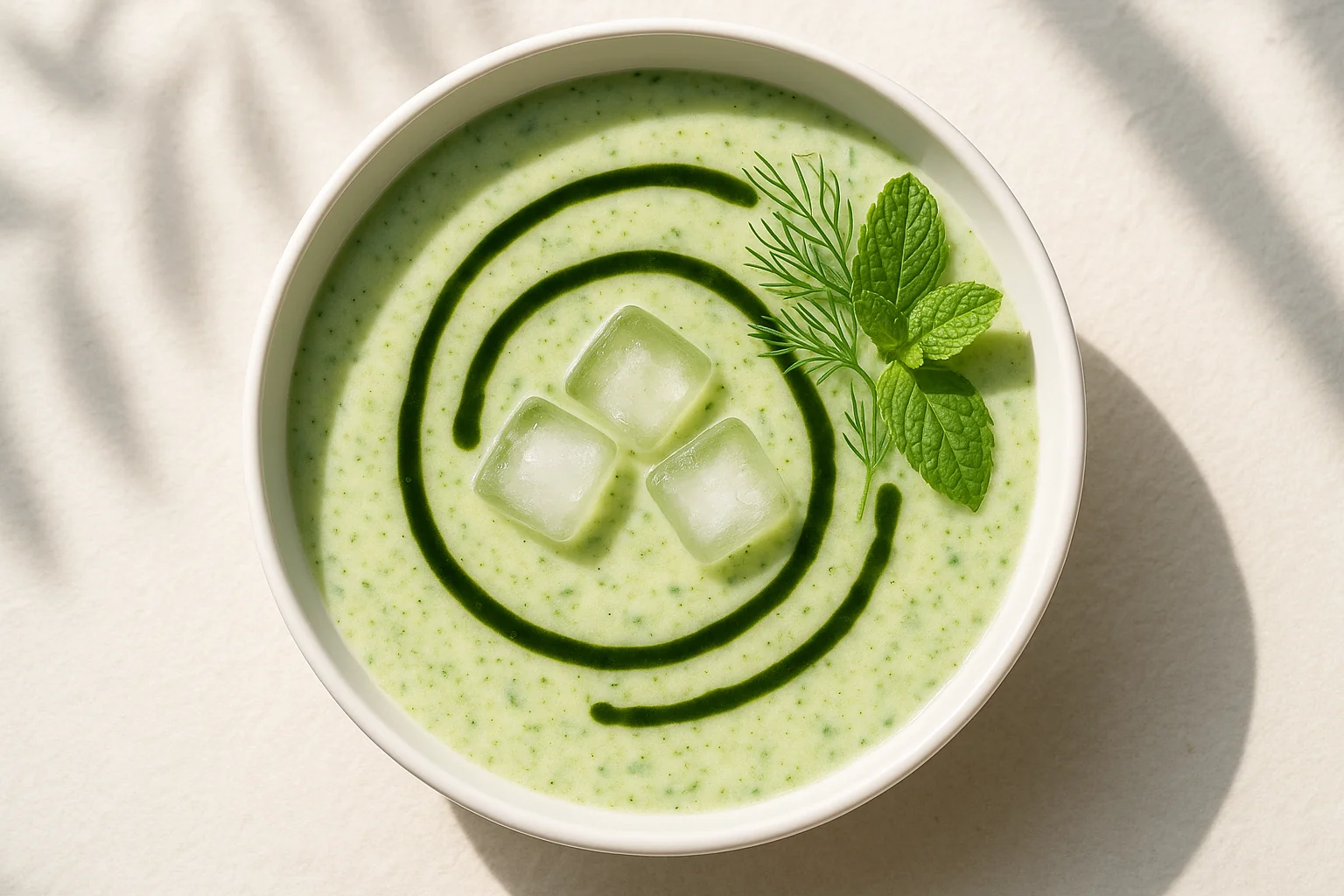
Cucumber cold soup is the only soup that keeps the stove cold. You need a blender, good field cucumbers, a large bunch of dill, and a quarter of an hour. Hemp seed oil is added only at the end, a teaspoon to the finished bowl, and this is not a stylistic whim: this oil consists mainly of polyunsaturated fats, which do not tolerate heating the worst of all. Therefore, the cold soup is a natural environment for it, not just a convenient pretext. The flavor also benefits: the herbal, slightly nutty note of the oil enhances the dill instead of overpowering it, which cream rarely manages to do. Below you will find proportions for four servings, the order of work, and the cucumber composition sourced from the food composition database, including what is lost with the skin.
KEY INFORMATION
• Cucumber with skin is 95.2% water, 15 kcal, 147 mg potassium, and 16.4 µg vitamin K per 100 g (USDA, record 168409).
• After peeling, it has 7.2 µg of vitamin K, which is less than half (USDA, record 169225).
• Hemp seed oil consists of over 80% polyunsaturated fatty acids, with an omega-6 to omega-3 ratio of 2:1 to 3:1 (Callaway, Euphytica, 2004).
• A tablespoon of hulled hemp seeds as a topping adds about 3 g of protein (USDA, record 170148).
Why does hemp oil suit cold soup?
Because the cold soup never goes on the fire. Hemp seed oil consists of over 80% polyunsaturated fatty acids (Callaway, Euphytica, 2004), and these bonds oxidize the fastest when heated. In a soup served straight from the fridge, the problem does not arise at all.
The scale of the difference is visible when you compare this oil with what cold soup is traditionally whitened with. Cream has 19.1 g of fat per 100 g in the USDA database, of which 10.2 g are saturated fats, and only 0.79 g are polyunsaturated (record 170857). Olive oil has 10.5 g of the latter per 100 g (record 171413). Hemp oil beats both of these results many times over.
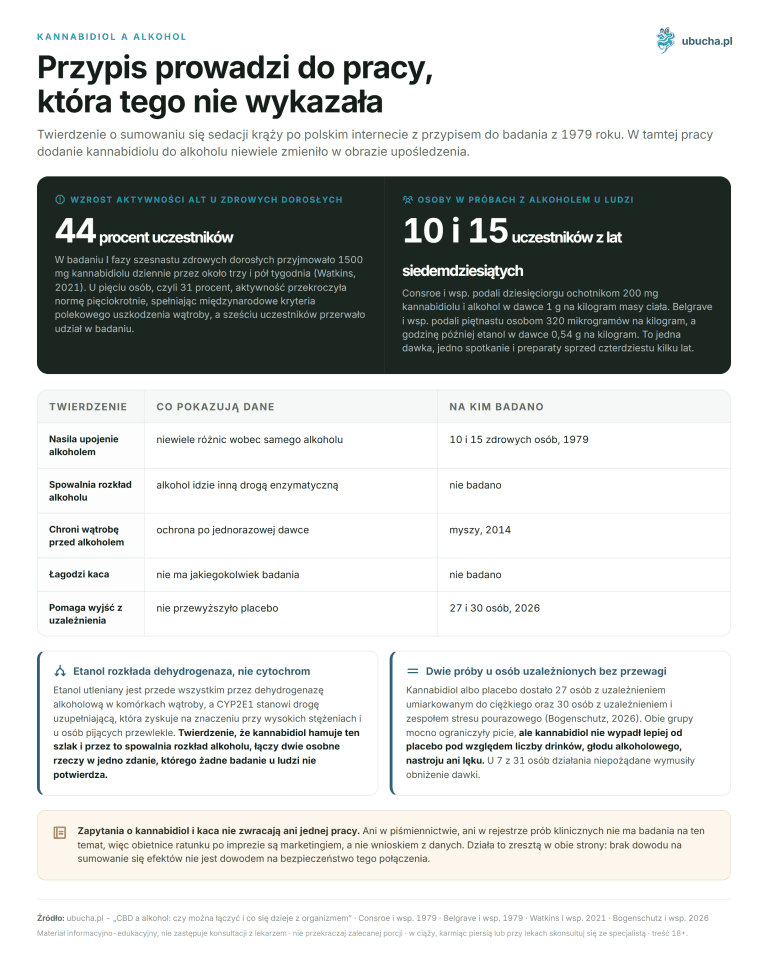
It is worth honestly noting what we do not know. The smoke point of hemp oil is sometimes given in culinary descriptions as a specific number, but we have not found a publication that could be verified for it. The recommendation not to fry with this oil is therefore based on its composition, not on a measured threshold.
What does cucumber bring to this soup?
Primarily water and potassium. A cucumber with skin is 95.2% water, 15 kcal, 147 mg potassium, and 16.4 µg vitamin K per 100 g (USDA, record 168409). With 700 g of cucumbers divided into four servings, this results in a very light and hydrating soup.
However, there is a detail that recipes remain silent about, which changes the result. The database has a separate record for peeled cucumber, and the numbers look different: 96.7% water, 10 kcal, 136 mg potassium, and only 7.2 µg vitamin K (record 169225). The skin accounts for more than half of the vitamin K in the cucumber. If the cucumbers are young and thin-skinned, it is worth leaving at least part of the skin, as peeling only makes sense with older and bitter specimens.
A teaspoon of hemp oil plays a practical role here. Vitamin K is fat-soluble, and the cold soup made only of water and cucumber contains almost no fat. A serving of about 250 ml with a teaspoon of oil is calculated to be approximately 70 kcal, 1 g of protein, and 5 g of fat. Adding 50 g of Greek yogurt raises the protein to about 6 g and changes the consistency to thicker.
What ingredients do you need for four servings?
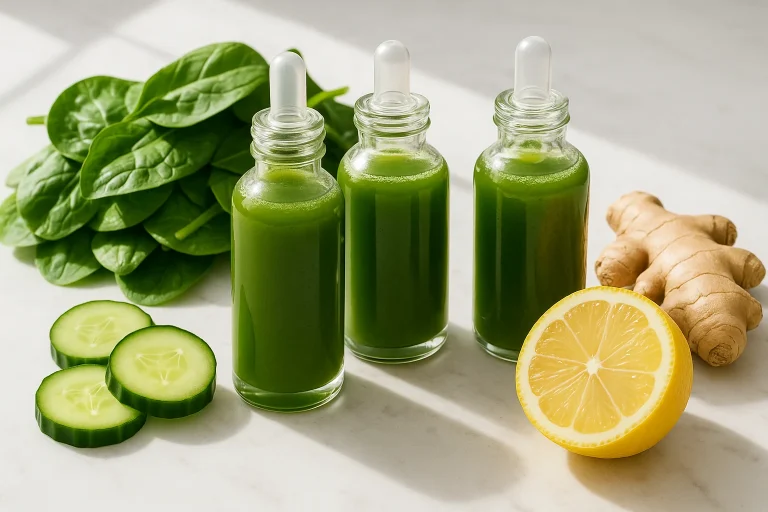
Active work takes 15 minutes, chilling at least 30. The choice of cucumbers determines the flavor more than anything else: field cucumbers are pronounced, and they give this soup character, while greenhouse cucumbers are milder and less often bitter. Cucumbers from the peak season, that is, from July and August, work best. Older specimens can become bitter, so peel them and scoop out the seed cavity with a spoon. Use fresh dill and do not skimp on it: dried cannot replace anything here, as the entire aroma of this soup relies on it and garlic. With the oil, check the label description, as you need food-grade cold-pressed hemp seed oil, not aromatic hemp oil sold in droppers.
- 700 g of field cucumbers, about four large ones
- a large bunch of fresh dill, about 30 g
- 1 clove of garlic
- 300 ml of cold water or kefir
- 1 tablespoon of lemon or lime juice
- salt and pepper to taste
- 4 teaspoons of cold-pressed hemp seed oil, one for each serving
- optional 200 g of Greek yogurt for creaminess or half an avocado for smoothness
- optional mint, radish, and chives for decoration
How to prepare cold soup step by step?
The whole job comes down to one blending and one waiting. Plan the chilling in advance, as it is this that determines the moment of serving, not the cutting.
- Prepare the cucumbers. Peel older cucumbers, as thick skin can be bitter; young and thin-skinned ones can be left whole. Cut into pieces. If the seed cavity is developed, cut the cucumber lengthwise and scoop it out with a spoon. Chop the dill coarsely along with the stems.
- Blend. Put the cucumbers, dill, and garlic into a blender, then pour in cold water or kefir. Blend for about two minutes until smooth. Season with lemon juice, then salt and pepper to taste. Add yogurt or avocado at this stage and blend for another minute.
- Chill. Pour the soup into a pitcher and place it in the refrigerator for at least 30 minutes. During this time, the flavors meld: the garlic mellows, and the dill releases its aroma. You can prepare the cold soup in the evening and serve it the next day.
- Serve with hemp oil. Pour the chilled soup into bowls and only then add a teaspoon of hemp seed oil to each. Do not pour it into the blender or the entire pitcher, as the oil tastes best when freshly added. Garnish with dill and slices of cucumber and radish.
What variations of cold soup are worth trying?
The base is neutral enough to withstand strong additions. Half a ripe avocado thrown into the blender makes the cold soup creamy and noticeably darker, while also adding monounsaturated fats to the polyunsaturated ones from the oil. Ten or fifteen mint leaves added along with the dill give the most refreshing version in the heat.
Toasted hulled hemp seeds work better as a topping than croutons. A tablespoon per bowl adds about 3 g of protein, as the seeds contain 31.6 g per 100 g (USDA, record 170148). The contrast of crunchy seeds with the cold, smooth soup is indeed more pleasant than the protein addition alone.
The easiest way to ruin this recipe is by serving the cold soup at room temperature. Soup eaten without chilling tastes flat and loses its purpose, as it is the cold that carries the freshness of the cucumber. If you liked the direction of dishes where hemp oil is used cold, check out the recipe for avocado salad with hemp oil or cold brew with hemp oil. In summer, our set of ideas for hemp grilling with marinades and additions will also come in handy.
Frequently Asked Questions
Why does hemp oil suit cold soup?
Because the cold soup is not heated. Hemp seed oil consists of over 80% polyunsaturated fatty acids, with an omega-6 to omega-3 ratio of 2:1 to 3:1 (Callaway, Euphytica, 2004), and such fats do not tolerate high temperatures well. In the cold soup, they reach the bowl intact, and the herbal aroma of the oil complements the dill.
Does cucumber cold soup require cooking?
No, it is a no-cook soup. You only need a blender and fifteen minutes of work, plus at least half an hour of chilling in the refrigerator. Cucumbers, dill, and garlic are blended with cold water or kefir. Add hemp oil only to the finished, chilled soup in the bowl, not to the blender.
Should cucumbers be peeled for cold soup?
It depends on the cucumbers, and you lose something by peeling. A cucumber with skin has 16.4 µg of vitamin K per 100 g, while peeled it has only 7.2 µg (USDA, records 168409 and 169225). Leave young, thin-skinned cucumbers whole. Peel older ones, as thick skin can be bitter and spoil the taste of the entire soup.
How many calories are in a serving of cucumber cold soup?
A serving of about 250 ml with a teaspoon of oil is approximately 70 kcal, 1 g of protein, and 5 g of fat. This calculation is based on the composition of the listed ingredients, not measurement. The cucumber itself is very low in calories, providing 15 kcal per 100 g (USDA, record 168409), so the oil contributes more than half the energy of the serving.
How long can cucumber cold soup be stored?
Keep the soup without oil in the refrigerator for up to two days, although it tastes best on the first day. After that, the cucumber releases water, and the consistency separates. Add oil to each portion separately, just before serving. Freezing is not an option, as the soup loses its smoothness and becomes watery after thawing.
This article is for informational and educational purposes and does not replace consultation with a doctor. If you are pregnant, breastfeeding, taking medications, or have chronic conditions, consult the use of supplements or herbs with a specialist.
Author: Michał Waluk · Published: 2026-06-02 · Updated: 2026-08-16