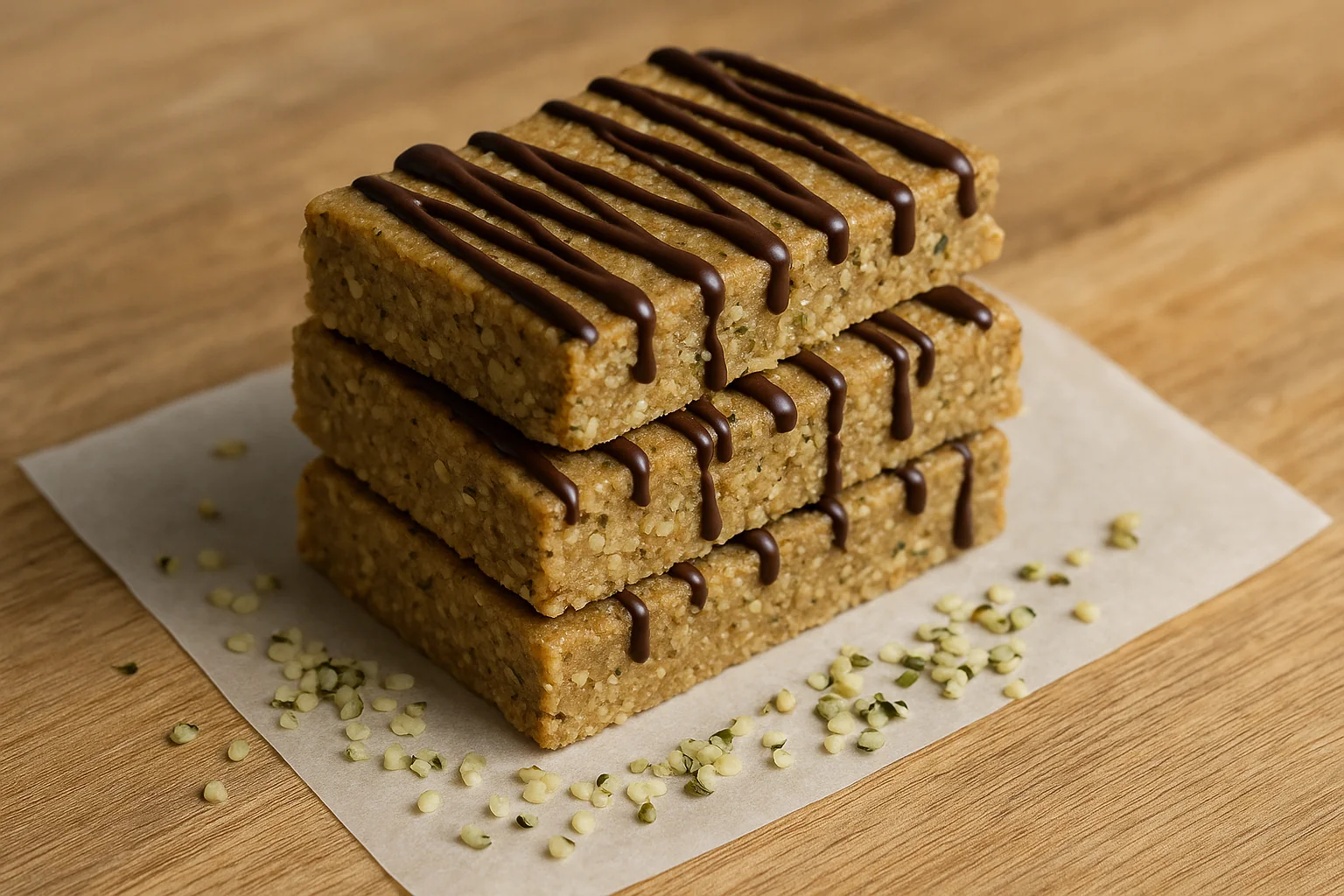

Homemade Protein Bars with Hemp Protein
Protein bars with hemp protein without baking: recipe for 8-10 pieces in 20 minutes, fair protein calculation, and powder composition according to the USDA database.
Store-bought protein bars have one recurring problem: the ingredient list starts with whey isolate and ends with maltodextrin, glucose syrup, and emulsifiers. The homemade version with hemp protein powder has eight items and twenty minutes of work, with the rest taken care of by the fridge. However, before we move on to the recipe, one thing needs clarification: such bars do not match store-bought ones in terms of protein content, and no homemade recipe will change that. Below you will find proportions for 8-10 pieces, the order of steps, a fair calculation of protein per bar, and what the composition measurements say about hemp powder, not the labels of manufacturers. You will also get an answer to the question of why to make them yourself at all when the store shelf wins with one number.
KEY INFORMATION
• Hemp protein powder is made from the cake left after oil extraction, and its digestibility measured by the PDCAAS method is 46-51% (House, J Agric Food Chem, 2010).
• Lysine is the first limiting amino acid in hemp products, so combine them throughout the day with another protein source.
• One bar from this recipe contains about 6 g of protein, not a dozen: the breakdown of ingredients can be found in the second section.
• Bars will last in the fridge for up to 2 weeks, in the freezer for up to 3 months.
What does hemp protein provide in no-bake bars?
It serves two roles at once: it provides plant protein and thickens the mixture, replacing flour, which is absent in no-bake bars. Hemp powder is ground cake left after oil extraction from seeds, so it is defatted and absorbs moisture much more than whey protein.
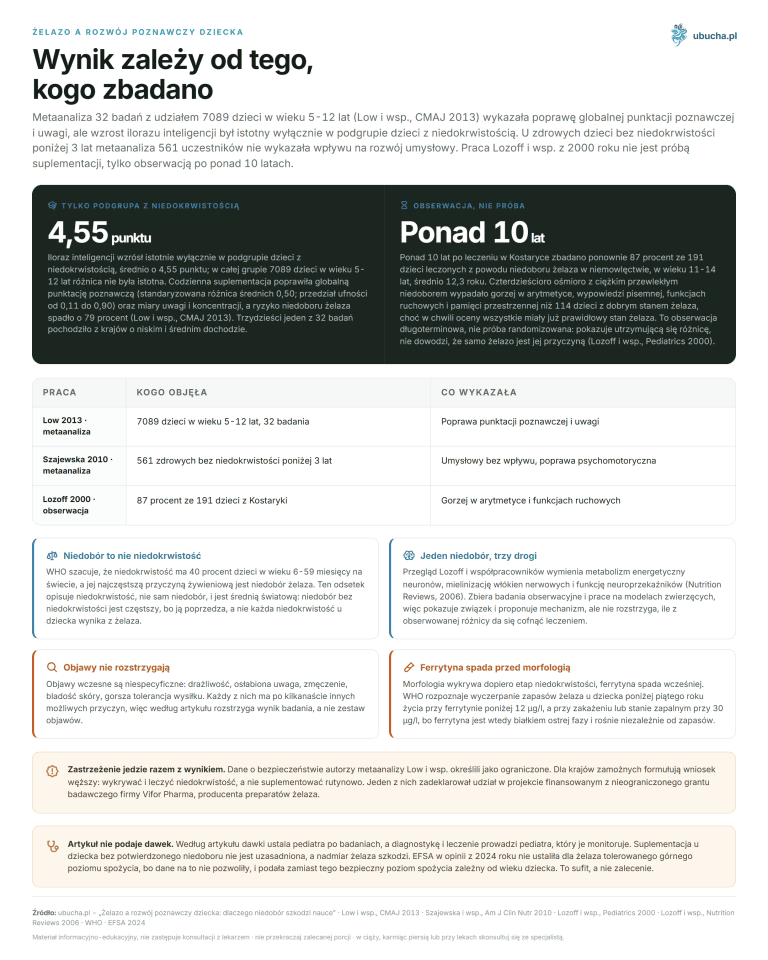
The composition of this cake was measured by a team of House et al. (Journal of Agricultural and Food Chemistry, 2010) on thirty commercial samples of hemp products from Western Canada. The cake contained an average of 40.7% protein and 10.2% fat, and its protein digestibility reached 90.8-97.5%. The PDCAAS, which adjusts digestibility for the amino acid profile, was found to be 46-51% for the cake. This is significantly lower than for hulled seeds, where the same authors measured 63-66%.
The authors explain the difference between the cake and the seeds by the removal of the hull, which raises protein digestibility. The low level of both these values is due to something else and comes up in every paper on hemp: lysine is the first limiting amino acid in all studied hemp products. This is independently confirmed by Wang et al. (Food Chemistry, 2008): apart from lysine and sulfur-containing amino acids, hemp isolate meets the FAO and WHO standards for children aged 2-5 years. In the same study, the digestibility of hemp isolate in an in vitro model was 88-91% compared to 71% for soy isolate, so digestion itself goes well. Its limitation is the profile, not the digestive tract. The practical conclusion is simple: combine hemp powder throughout the day with a lysine-rich product, such as legumes or dairy.
How much protein does one bar really have?
About 6 g, not a dozen, as most recipes online state. This number comes from simple addition, and it is worth seeing it in full because it determines whether you treat these bars as a whole grain snack or as a substitute for a post-workout supplement.
| Ingredient for the whole batch | amount | protein |
|---|---|---|
| hemp protein powder | 40 g | 15-20 g |
| almond butter | about 80 g | about 17 g |
| hulled hemp seeds | about 30 g | about 9 g |
| oats, cocoa, dates | about 240 g | about 9 g |
| total, calculated for 9 bars | - | about 6 g per bar |
The values for the powder and seeds come from the USDA FoodData Central food composition database. Three branded hemp powders in this database report between 38.7 to 50 g of protein per 100 g (records 2671792, 2409586, 2339119), hence the range in the first row. Hulled seeds have 31.6 g of protein per 100 g (record 170148). For the other ingredients, we assumed their typical composition.
Store-bought protein bars usually declare 15-20 g of protein per serving because they consist mainly of isolate. The homemade version loses this competition and it makes no sense to pretend otherwise. It wins in another way: it does not contain maltodextrin or syrups, has a lot of fiber from hemp powder, and does not hide any ingredient from you. If you are looking for a way to add hemp powder to your daily diet, start with the guide to hemp protein in the kitchen.
What do you need for 8-10 bars?
Eight basic ingredients, a food processor, and a mold. The active working time is 20 minutes, the rest is cooling. The following proportions yield about 500 g of mixture, which means 8-10 bars measuring approximately 3 by 8 cm.
- 200 g of pitted Medjool dates, about 10-12 pieces
- 5 tablespoons, about 40 g, of hemp protein powder
- 5 tablespoons of almond or cashew butter, unsweetened
- 3 tablespoons of hulled hemp seeds
- 3 tablespoons of rolled oats
- 2 tablespoons of raw cocoa
- 1 tablespoon of unrefined coconut oil
- a pinch of sea salt
- optionally: chopped dark chocolate minimum 70%, dried cranberries, a teaspoon of vanilla extract
Medjool dates are more important here than they appear: they will bind the mixture, so dry and hard varieties require soaking; otherwise, the bars will crumble. Choose a hemp powder that states the protein content per 100 g on the label, as the variation between brands can reach several percentage points. The nut butter must be unsweetened and free of palm oil; otherwise, the mixture will be too loose.
How to make these bars step by step?
Six steps, no baking, and only one moment that determines the outcome: the consistency test before transferring the mixture to the mold. Those who skip it end up with either crumbling crumbs or a mixture that sticks to the knife.
- Put the dates in the food processor. Soak the dry ones in warm water for 10 minutes and drain. Blend for 60-90 seconds until the mixture becomes sticky and uniform. A good base resembles brown marzipan and pulls away from the sides.
- Add the hemp powder, almond butter, cocoa, coconut oil, and salt. Blend for 30-40 seconds. The mixture will be thick and dark. If you see lumps of powder, blend for another 20 seconds.
- Transfer the mixture to a large bowl. Mix in the hemp seeds, oats, and optional additions, but do it by hand or with a wooden spoon. These ingredients should remain visible as they provide texture.
- Form a roll from a tablespoon of the mixture. A good mixture holds its shape and does not stick to your hands. If too dry: add a tablespoon of butter or water. If too wet: add a tablespoon of protein powder or oats.
- Line a mold about 20 by 10 cm with baking paper, leaving some overhang so you can pull the mixture out by the paper. Transfer it and flatten it to a thickness of 1.5-2 cm, pressing firmly. A loosely packed mixture will fall apart when cutting.
- Place in the fridge for at least an hour or in the freezer for half an hour. Remove by the paper, place on a board, and cut with a sharp knife. Wrap each bar individually.
We noticed one thing that recipes usually do not mention: bars cut much more evenly after a whole night in the fridge than after an hour. After an hour, the edges are already hard, but the center remains pliable, and the knife veers off to the side. After a night, the entire mixture has uniform hardness. If you have time, make them the day before.
How to diversify the bars and what to avoid?
The date base accepts almost any flavor addition, as long as you keep an eye on the moisture balance. Every tablespoon of liquid added to the mixture must have a counterbalance in a dry ingredient; otherwise, the bars will not harden even overnight.
- Mint version: a few drops of peppermint oil, never extract, plus 3 tablespoons of chopped dark chocolate.
- Citrus version: zest from an orange or lime and a tablespoon of juice, while reducing the coconut oil by half a tablespoon.
- Nut version: 30 g of chopped walnuts or pecans added with the seeds, with the almond butter reduced by a tablespoon.
- Lighter version: the same base formed into balls instead of bars, i.e., energy balls with hemp protein and dates, ready without a mold.
However, avoid adding more hemp powder than the recipe’s proportion in hopes of getting more protein. Above about 50 g for this batch, the mixture becomes dry and earthy in taste, and the protein gain is still a fraction of a gram per bar. A better solution is to eat a bar together with a portion of dairy or add the powder to chia pudding with hemp protein, where the liquid base accommodates it much better.
Frequently Asked Questions
How much protein is in one homemade hemp protein bar?
About 6 g when dividing the batch into nine pieces. The calculation sums the protein from hemp powder, almond butter, hemp seeds, and other ingredients. Store-bought protein bars usually claim 15-20 g because they are based on isolate, so the homemade version is not a substitute in this regard.
Do hemp protein bars need to be baked?
No, this is a no-bake recipe. Dates and nut butter act as natural binders, and the mixture sets in the fridge. The lack of heat treatment has a second advantage: the fats from hemp seeds are mostly polyunsaturated, which oxidize the fastest when heated.
Is hemp protein complete?
It contains all essential amino acids, but lysine is the first limiting amino acid, as confirmed by House et al. (2010) and Wang et al. (2008). Therefore, the PDCAAS of hemp cake is 46-51%. Combining it throughout the day with legumes or dairy can supplement this deficiency.
How long can homemade protein bars be stored?
In the fridge, in an airtight container or individually wrapped, for up to 2 weeks. In the freezer for up to 3 months; take them out 10-15 minutes before eating. Frozen bars have a firmer texture and a more pronounced cocoa flavor than those straight from the fridge.
What can replace almond butter?
Peanut butter for a stronger flavor, cashew for a sweeter and creamier effect, sunflower seed butter for nut allergies, or tahini, which gives a distinctly bitter profile. Each of these pastes has a different density, so adjust the amount of hemp powder or water to the consistency of the mixture.
This article is for informational and educational purposes and does not replace consultation with a doctor. If you are pregnant, breastfeeding, taking medications, or have chronic conditions, consult the use of supplements or herbs with a specialist.
Author: Michał Waluk · Published: 2026-06-22 · Updated: 2026-08-16