
Hemp Ointment for Joints and Muscles: How Palacio Works and How to Use Massage Gel
Hemp ointment for joints and muscles: what studies have shown about CBD, arnica, and menthol, how to use massage gel, and where the limits of topical preparation lie.
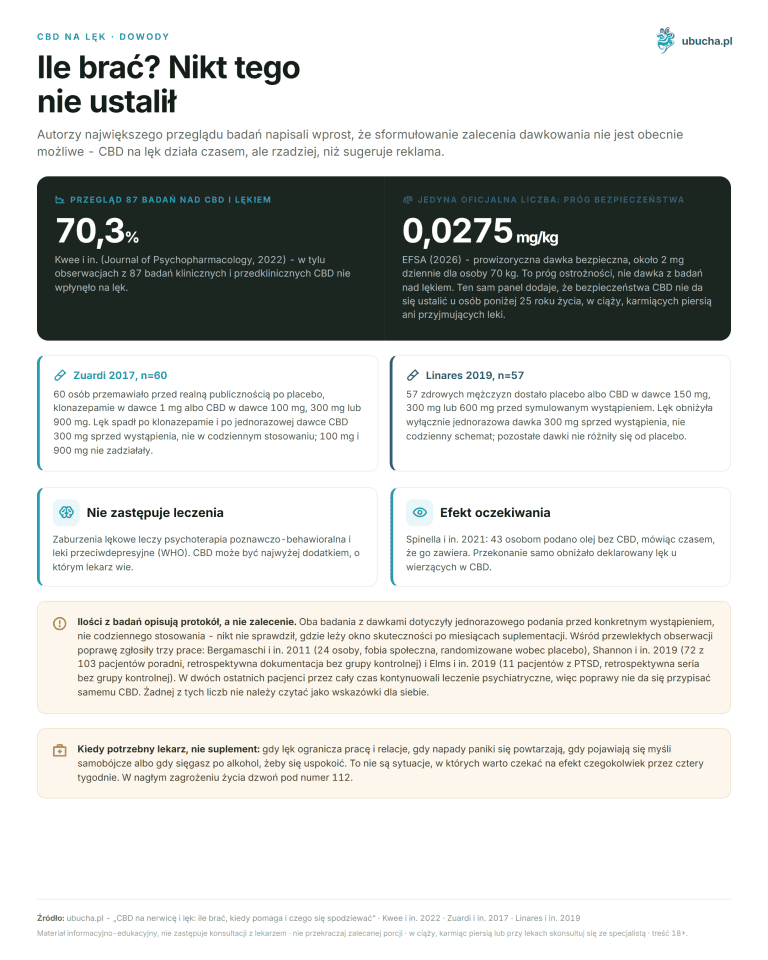
Hemp preparations for topical use are sold in Poland as “natural relief for joint pain,” and the shelf space for them is growing faster than the body of research that would confirm this. Manufacturers combine hemp extract with menthol, camphor, and arnica, promising help with joint pain, muscle soreness, and after sports injuries. Some of these promises are backed by randomized trials, some only by herbal tradition, and one of the most frequently repeated is based on a study that no one has conducted on humans. What of this set is supported by data? Below we separate one from the other, show step by step how to use hemp gel for massage, compare the forms of the preparation, and state clearly where the reach of something applied to the skin ends.
KEY INFORMATION
• Transdermal CBD reduced joint swelling and pain symptoms in a rat model of arthritis, depending on the dose (Hammell et al., European Journal of Pain, 2016).
• In humans, a randomized trial with oral CBD in hand osteoarthritis and psoriatic arthritis showed no advantage over placebo (Vela et al., Pain, 2022).
• Menthol acts through the TRPM8 receptor: it cools, irritates, and then anesthetizes pain endings, and at high concentrations, it can itself cause pain from cold.
• Arnica gel proved to be no worse than a gel with 5% ibuprofen in hand osteoarthritis in 204 patients.
How does hemp ointment work for joints?
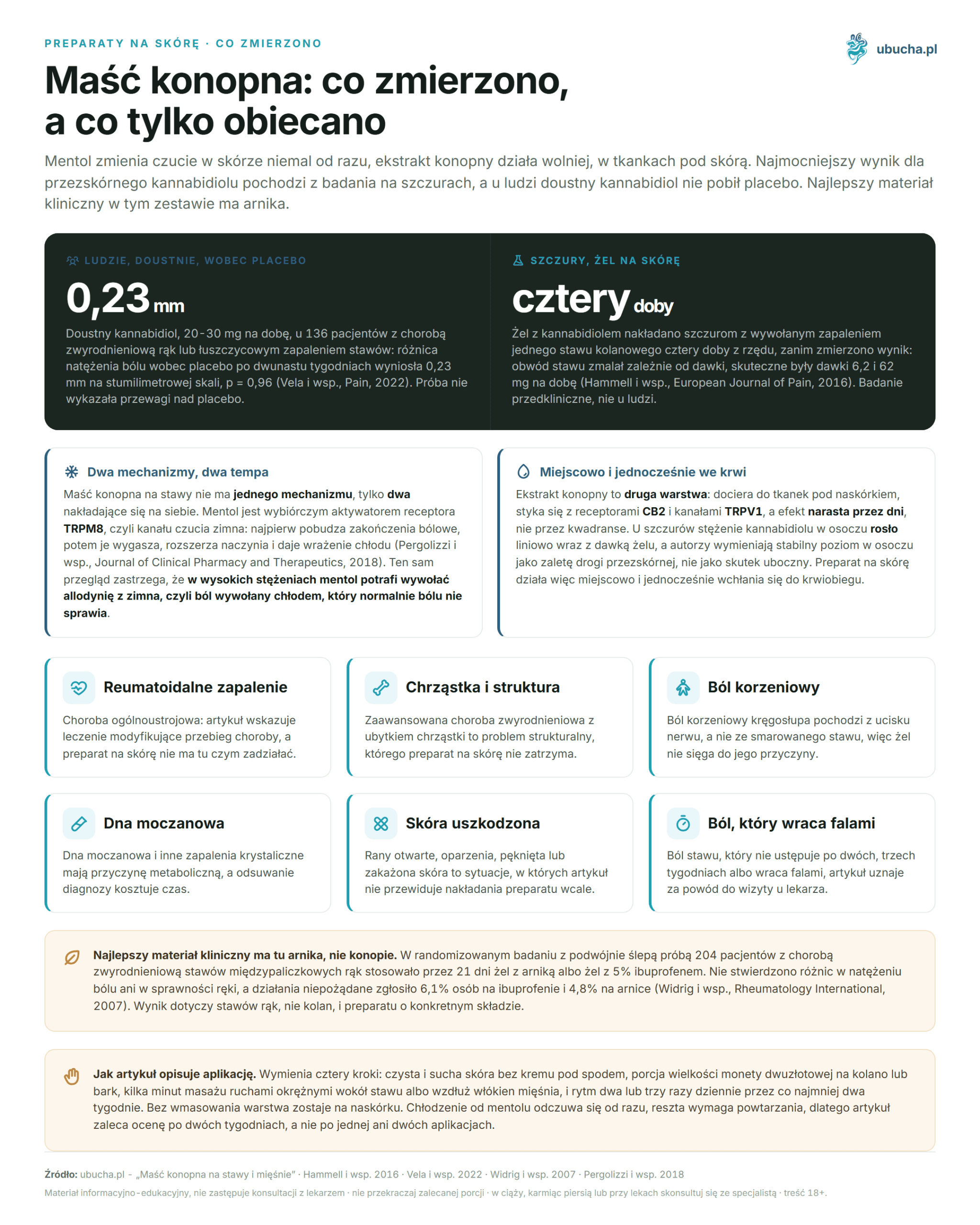
Hemp ointment for joints does not have one mechanism, but two overlapping ones. Menthol and camphor change the perception of the stimulus in the skin almost immediately after application. The hemp extract works more slowly, in the tissues under the skin, and its effect cannot be assessed after one use. This difference in speed explains most of the disappointments with such preparations.
Menthol is a selective activator of the TRPM8 receptor, the same channel responsible for the sensation of cold. Pergolizzi’s review describes it as an irritant with analgesic properties: it first stimulates pain endings, then extinguishes them, while also dilating blood vessels and providing a sensation of coolness (Pergolizzi et al., Journal of Clinical Pharmacy and Therapeutics, 2018). This same review contains a caveat that rarely makes it to packaging: at high concentrations, menthol can induce cold allodynia, which is pain caused by cold that normally does not cause pain. Camphor provides a related sensation of warmth transitioning to coolness.
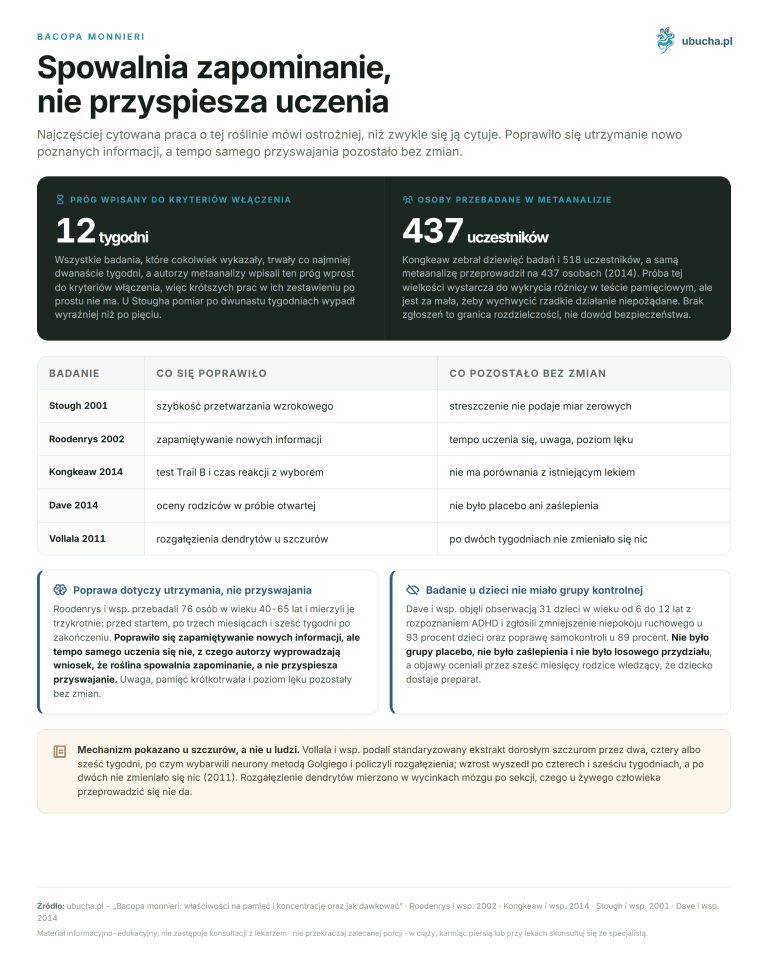
The hemp extract is the second layer. Cannabidiol penetrates through the epidermis to the tissues beneath it and interacts with CB2 receptors on immune system cells and TRPV1 channels. However, the effect builds up over days, not minutes: in the study described in the next section, the gel was applied for four consecutive days before measuring the outcome. This is why manufacturers write about “regular use,” and at this point, it is not a sales gimmick. An assessment after one or two applications does not tell you anything about the preparation.
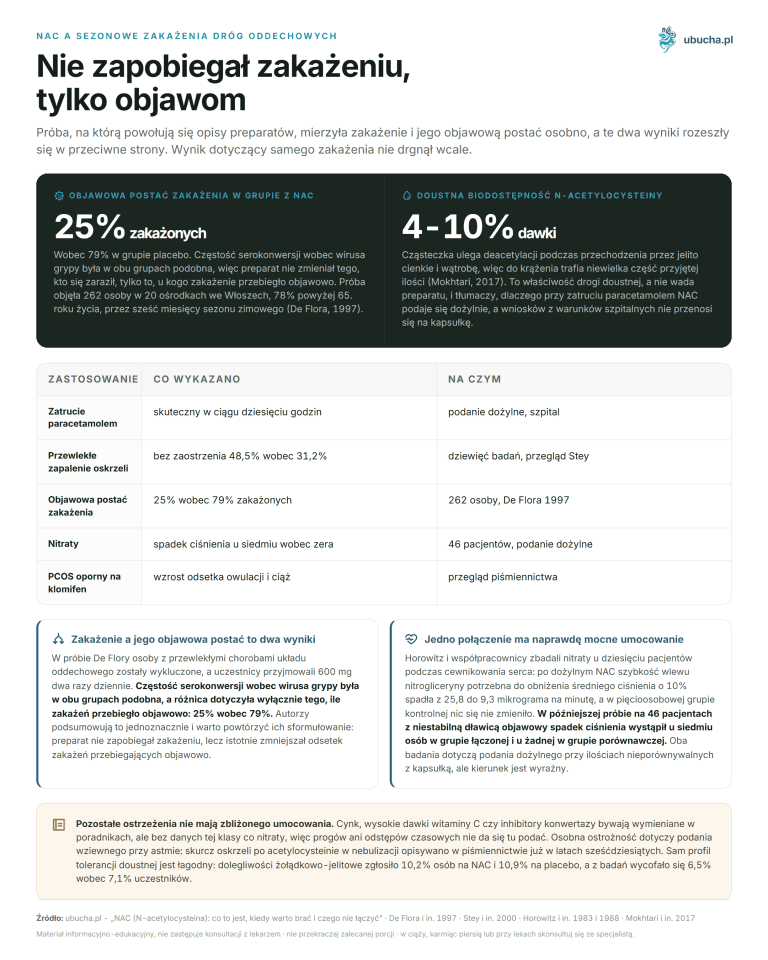
The third ingredient is often arnica montana, present in many preparations for bruises and swelling. Its role is not to change sensation but to alleviate the symptoms in the damaged tissue. We will return to it in the next section, as it has the best clinical material of the three.
What do studies on CBD for the skin really show?
The strongest result for transdermal CBD comes from an animal study, not a human one, and this distinction determines how to read the entire topic. Hammell’s team administered CBD gel to rats with induced inflammation of one knee joint for four consecutive days, in four doses ranging from 0.6 to 62.3 mg per day.
The result was dose-dependent: the joint circumference decreased, part of the immune cell infiltration subsided, the synovial membrane was thinner, and the time to withdraw the paw from a thermal stimulus returned close to baseline values. Effective doses were 6.2 and 62 mg per day. The preparation did not change the exploratory behaviors of the animals, suggesting a lack of systemic action on the brain (Hammell et al., European Journal of Pain, 2016). This is a preclinical study. A rat’s paw is not a human knee, and the dose given to the animal does not directly translate to a portion of gel for humans.
On the human side, the best-documented trial concerns oral CBD and came out negative. Vela and colleagues administered synthetic cannabidiol at a dose of 20-30 mg per day or placebo to 136 patients with hand osteoarthritis or psoriatic arthritis who experienced moderate pain despite treatment for twelve weeks. The difference in pain intensity between groups after twelve weeks was 0.23 mm on a hundred-millimeter scale (p = 0.96). There was also no difference in sleep quality, anxiety, mood, or pain catastrophizing (Vela et al., Pain, 2022). The conclusion for the reader is uncomfortable but honest: the effectiveness of CBD for joint pain in humans is not proven, and the topical preparation primarily sells what happens in the skin.
Paradoxically, the best clinical material in this set is arnica. In a randomized double-blind study, 204 patients with radiologically confirmed osteoarthritis of the interphalangeal joints of the hands used either a gel with 5% ibuprofen or arnica gel for 21 days. No differences were found in pain intensity, hand function, or any of the secondary endpoints; adverse effects were reported by 6.1% of those on ibuprofen and 4.8% on arnica (Widrig et al., Rheumatology International, 2007). This pertains to hand joints, not knees, and to a preparation with a specific composition, so it is not a pass for every arnica gel on the shelf.
What hemp products does Palacio have on the shelf?
Palacio is a Polish cosmetics brand whose hemp line is based on hemp extract and hemp seed oil. In practice, under the term “Palacio hemp ointment for joints,” buyers most often encounter massage gels rather than ointment in the strict sense: in the Bucha store, this line features cooling and warming gels, and the only ointment from Palacio is based on tea tree oil, not hemp. It is worth knowing this before purchasing, as the category name and product name often diverge here.
The choice between forms comes down to the base. Ointment has a fatty base, seals the skin more effectively, and is better suited for dry skin and deeper pain. Gel has a water or water-alcohol base, absorbs faster, and cools, so it is more often suitable after training, on congested skin. For joint pain, the fatty form may be more sensible, while for muscle pain, gel.
| Palacio Hemp Gel | Volume | Price | Per 100 ml |
|---|---|---|---|
| Tiger, hemp massage gel | 380 ml | 13.99 PLN | 3.68 PLN |
| CBD Chill, cooling | 200 ml | 10.99 PLN | 5.50 PLN |
| CBD Calidum, warming | 200 ml | 10.99 PLN | 5.50 PLN |
| CANNACOOL, cooling | 200 ml | 16.88 PLN | 8.44 PLN |
| CéBéDé Fortis | 200 ml | 31.00 PLN | 15.50 PLN |
Prices in the store ubucha.pl, as of August 7, 2026. The conversion to 100 ml is more important here than the price on the label, as the volumes differ almost twofold. A full overview of the line, along with creams and body products, is described in the text Palacio Hemp Cosmetics, and the entire shelf of massage gels can be found in the gels category.
How to use hemp gel for massage?
The method of application changes the effect more than the choice of brand. The most common mistake is spreading the preparation without massaging: the layer remains on the epidermis, and the ingredients do not penetrate deeper. Below are four steps that organize the entire procedure.
| Step | What to do | Why |
|---|---|---|
| Skin | Clean and dry, without cream or lotion underneath. Slightly warmed, for example, after a shower. | A layer of fat underneath hinders penetration, heat facilitates it. |
| Portion | For the knee or shoulder, as much as will cover a two-zloty coin. For the thigh or back, twice that amount. | A too thin layer does not cover the entire area of the joint. |
| Massage | For a few minutes with circular motions around the joint or along the muscle fibers. Moderate pressure. | Improves microcirculation; too strong a massage during inflammation intensifies pain. |
| Rhythm | Two or three times a day, consistently for at least two weeks. | You feel the cooling immediately, the rest requires repetition. |
There are situations where you do not apply the preparation at all: open wounds, burns, broken or infected skin. During pregnancy and breastfeeding, leave the decision to the doctor. Do not combine the menthol preparation with a hot water bottle or heating lamp on the same spot, as irritation accumulates from both sources. Do not use menthol preparations in infants and small children, especially around the face. If you prefer a format that does not dirty your hands, we described it separately in the text Roll-on with CBD for muscle and joint pain.
What is the difference between joint pain and muscle pain?
Preparations are sold together “for joints and muscles,” but the source of pain is different in both cases, so the method of use diverges. Joint pain comes from the joint capsule and the tissues surrounding the joint. Muscle pain after exertion arises from microdamage to fibers and the accompanying inflammatory response.
For joint pain, the preparation must penetrate deeper, so the fatty form and a longer, patient cycle of use are better. Massage from the outside towards the joint, and in acute inflammation, avoid the joint gap itself. A bandage applied after application increases skin sealing. Evaluate the effect over weeks, not days.
For delayed muscle soreness after training, the logic is reversed. Here, quick relief from pain perception matters, and the cooling formula provides it immediately. The gel is usually applied directly after exertion and before sleep, for several days, until the soreness subsides on its own. In the case of a fresh injury, such as a sprain, the first day or two belong to rest and a cold compress with pressure; the preparation comes in later and without intense rubbing, with gentle tapping around the injury site.
A separate issue is whether the active substance should even reach the blood. Hammell’s study shows a pattern contrary to intuition: the concentration of cannabidiol in the plasma of rats rose linearly with the dose of gel, and the authors mention a stable level in the plasma as an advantage of the transdermal route, not as a side effect. Thus, the preparation applied to the skin acts locally and simultaneously absorbs into the bloodstream. We outlined the difference between local action and absorption into the bloodstream in the text Ointment or transdermal patch.
When is hemp ointment for joints not enough?
Topical preparations have a reach limited to the tissues they reach. They are sensibly used for superficial joint pain, overload after exertion, mild tendon or bursa inflammation, and morning stiffness in non-advanced degenerative disease. In systemic disease, there is nothing to act on.
Rheumatoid arthritis requires disease-modifying treatment. Advanced degenerative disease with cartilage loss is a structural problem. Root pain in the spine comes from nerve compression, not from the joint you are lubricating. Gout and other crystalline inflammations have a metabolic cause. In none of these situations does the gel stop anything, and delaying diagnosis costs time.
A simple boundary: joint pain that does not subside after two or three weeks, or returns in waves, is a reason to visit a doctor, not to change the brand of gel. It is also worth remembering that joint pain can be a symptom of a systemic disease, and no topical preparation will solve that. We write more broadly about cannabidiol in topical preparations in the text Hemp Ointment CBD.
Realistic expectations for such a preparation look like this: alleviation of discomfort and easier movement, with regular use and patient assessment of the effect. Not healing the joint. With this mindset, hemp gel can be a sensible addition to treatment, rather than another product set aside after a week.
Frequently Asked Questions
How does hemp ointment work for joints?
In two ways and at two different speeds. Menthol stimulates the TRPM8 receptor, cools, and almost immediately extinguishes pain endings (Pergolizzi et al., 2018). The hemp extract works more slowly, in the tissues under the skin, through CB2 receptors and TRPV1 channels, and requires repeated application. Arnica reduces swelling of damaged tissue.
Does hemp ointment help with joint pain?
The evidence is uneven. Transdermal CBD reduced swelling and pain symptoms in a rat model of arthritis (Hammell et al., 2016), but in humans, oral CBD in hand osteoarthritis did not outperform placebo (Vela et al., 2022). The topical preparation may alleviate superficial pain but does not treat the joint disease.
How to use hemp gel for massage?
Apply a coin-sized amount to clean, slightly warmed skin and massage for a few minutes, circularly around the joint or along the muscle fibers. Repeat two or three times a day for at least two weeks. Without massaging, the preparation remains in the epidermis.
What hemp products does Palacio offer?
The Palacio hemp line primarily consists of massage gels, cooling and warming, in volumes from 200 to 380 ml. The only ointment from this brand in the Bucha store is based on tea tree oil, not hemp. Additionally, the brand has creams, serums, and hair products.
How long to wait for the effects of hemp ointment?
The cooling from menthol is felt immediately after application, but it lasts briefly. The effect of the hemp extract builds up slowly, as the substance must accumulate in the tissues under the skin. Evaluate the effect after two weeks of regular use, not after one or two applications.
Can hemp gel be combined with oral CBD oil?
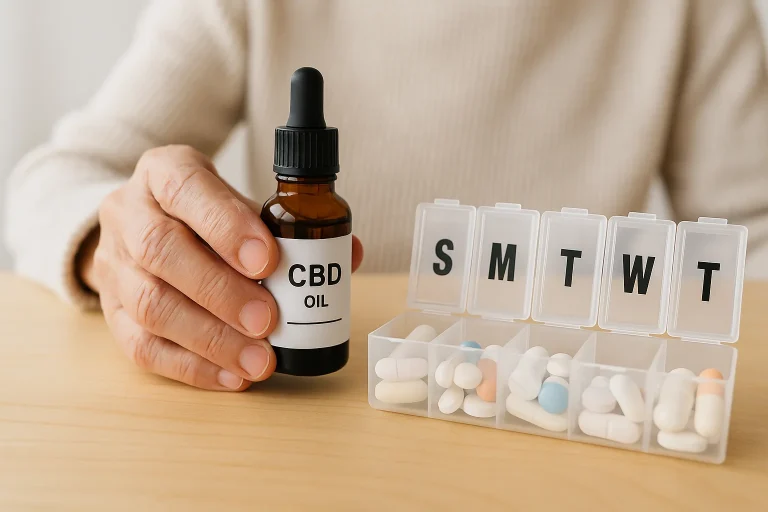
There are no known contraindications to combining both routes, but there is also no evidence that it does anything. A randomized trial with oral CBD in 136 arthritis patients showed no advantage over placebo (Vela et al., 2022). If you are taking medications regularly, consult oral CBD with your doctor.
This article is for informational and educational purposes and does not constitute medical advice. Before starting to use cannabis or CBD for therapeutic purposes, consult your doctor, especially if you are taking other medications, are pregnant, or breastfeeding.
Author: Michał Waluk · Published: 2026-06-22 · Updated: 2026-08-15