
Hemp Dishes for Christmas Eve - Complete Menu of 12 Dishes
Twelve Christmas Eve dishes with seeds, oil, and hemp flour: what to add, how much, and at what moment to not change the taste of the traditional dish.
The tradition of twelve dishes has grown in agricultural Poland, where hemp was as common a crop as rye. Siemieniotka, a creamy drink made from crushed seeds, stood on the Christmas Eve table next to kutia for centuries, and hemp oil replaced expensive imported olive oil as a fasting fat. Therefore, the return to these ingredients is not a trend for superfoods, but a recreation of something that fell out of the Polish Christmas Eve only in the 20th century. Today, you receive them in a more convenient form: hulled seeds ready to eat, cold-pressed oil, and flour from defatted seeds. Below you will find a complete set of twelve dishes with specific guidance for each: what to add, how much, and at what moment, so as not to spoil the dish that everyone at the table knows by heart.
KEY INFORMATION
• Hemp seeds contain about 25.6 g of protein per 100 g of dry mass (Mattila et al., 2018), and this protein carries a complete set of essential amino acids (Farinon et al., 2020).
• Hemp oil smokes at around 165°C, so it only goes into ready, warm, or cold dishes.
• Hemp flour replaces 15-30% of wheat flour; above this threshold, the dough crumbles.
• Siemieniotka is a historical element of Polish Christmas Eve, not a new idea.
Why do hemp products fit the Christmas Eve table?
Because Christmas Eve is a fasting meal, and hemp has been a basic fasting fat in this part of Europe for centuries. Oil pressed from seeds replaced olive oil, which could not be sourced, and the day of strict fasting excluded butter and lard. Therefore, hemp additions do not come to the Christmas Eve table as a novelty, but return to their former place.
Ethnographic sources note siemieniotka served with groats and dumplings, particularly in Podlasie and the former Eastern Borderlands, even in the 19th and early 20th centuries. Kutia, one of the oldest Christmas Eve dishes with an East Slavic origin, was prepared in many regions with hemp seeds alongside poppy seeds.
Today, you receive the same ingredient in hulled, ready-to-eat form, which also solves a problem that no one used to name. Twelve meatless dishes make for a menu that is low in protein but complete. The protein in hemp seeds contains all the essential amino acids that humans need (Farinon et al., Nutrients, 2020), so a tablespoon sprinkled on borscht or on peas with cabbage does more than just add crunch.
What do seeds, oil, and hemp flour bring to the fasting menu?
Three completely different things, and this is more important when planning the menu than the fact that they come from one plant. Seeds provide protein and crunch, oil provides fatty acids and aroma, and flour provides structure and fiber. None of them replaces the others, so the choice depends on what is lacking in a particular dish.
Hemp seeds themselves are a nutritionally dense product in three dimensions at once: fat, fiber, and protein are almost evenly distributed in them (Mattila et al., 2018). For the fasting menu, the third position is particularly important, as twelve meatless dishes rarely meet the demand for protein with a complete amino acid profile.
Hemp oil does not provide protein, but it brings something that the other two products do not have: a ratio of omega-6 to omega-3 fatty acids usually from 2:1 to 3:1 (Callaway, Euphytica, 2004). Simopoulos (Nutrients, 2016) estimates that the modern Western diet has shifted this ratio to around 20:1, so oil with a balanced profile makes sense, especially where you are already reaching for fat for dressing or marinating.
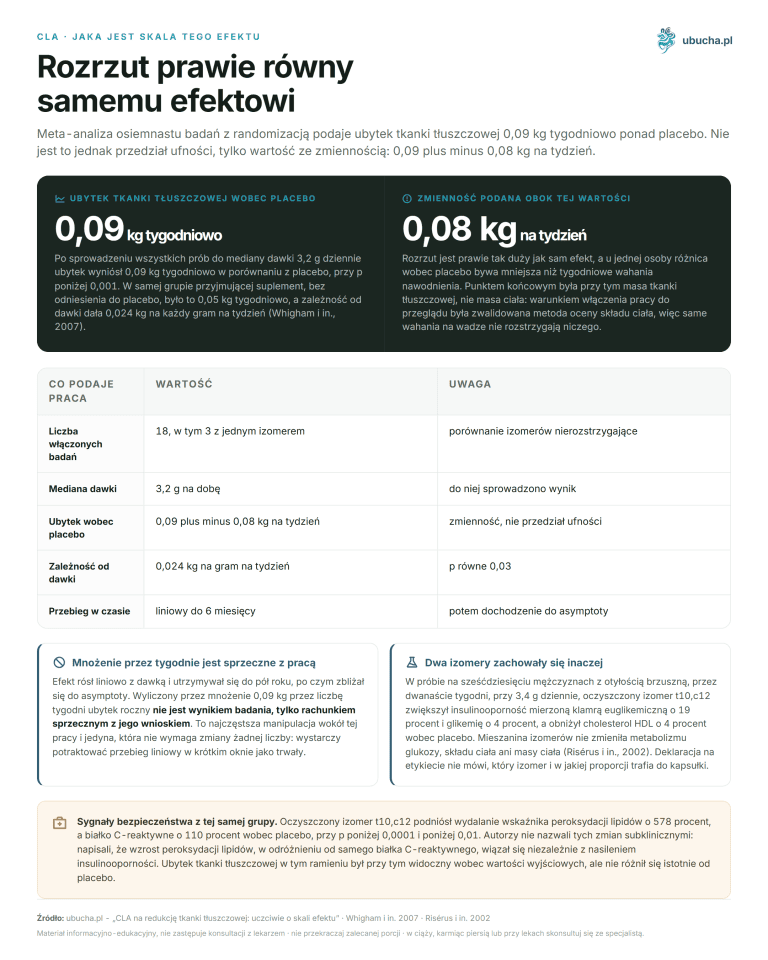
Hemp flour is made from defatted seeds, so fiber and protein are concentrated in it. The flour itself provides over 25 g of insoluble fiber per 100 g (Farinon et al., Nutrients, 2020), but it has no gluten, so in dough, it serves as an additive, not a substitute. We have outlined the proportions separately in the text about hemp flour in baking.
What does the hemp menu for 12 dishes look like?
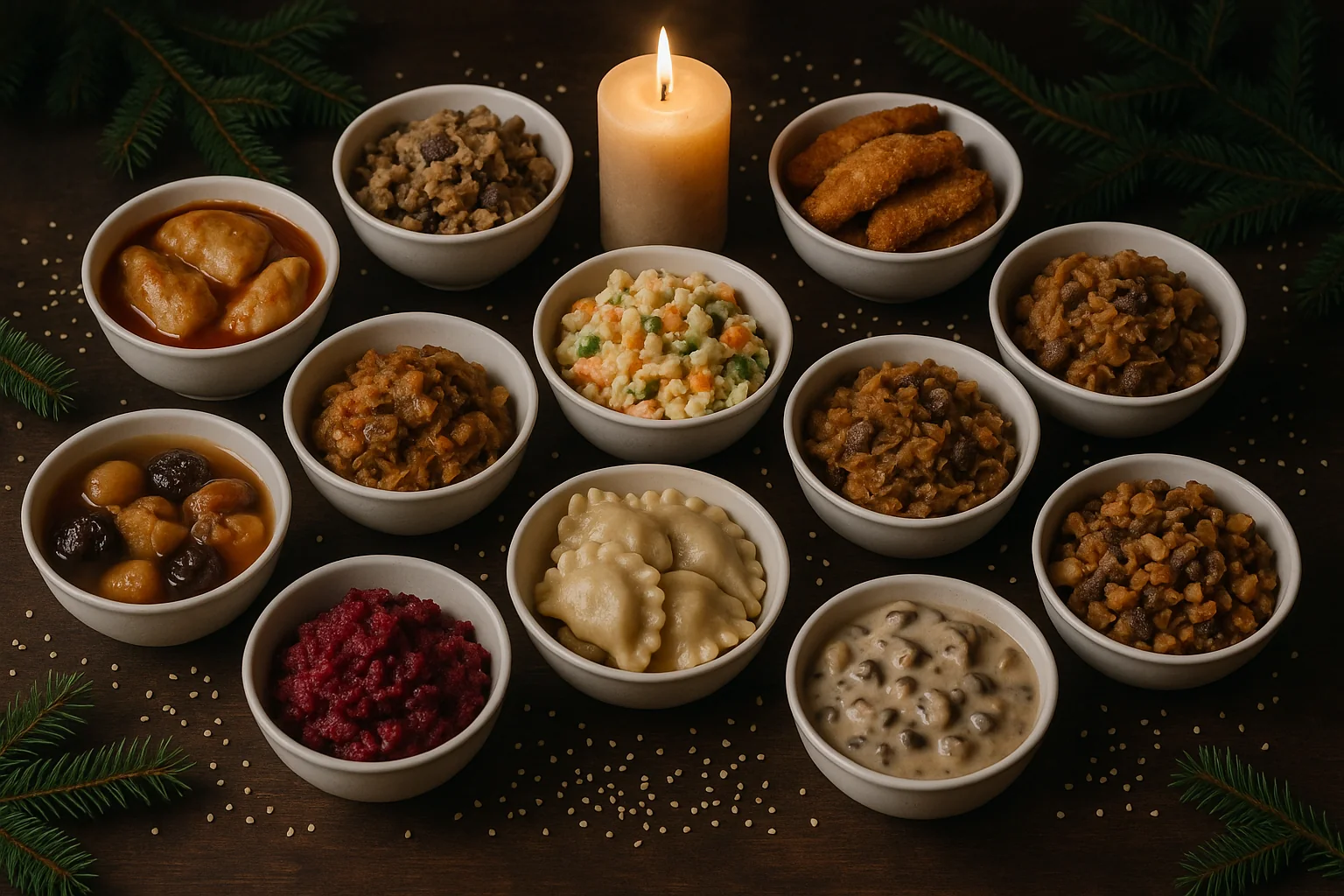
Below is a complete set in the traditional order of serving, from soups to main dishes to desserts. For each dish, one specific addition and the moment to introduce it. The rest of the recipe remains unchanged.
| Dish | What to add | When |
|---|---|---|
| 1. Red borscht with dumplings | a teaspoon of oil, 15% flour in the dumpling dough | oil to the bowl, before serving |
| 2. Cabbage with mushrooms | a tablespoon of oil, 2 tablespoons of seeds | to the cooled filling |
| 3. Dumplings with cabbage and mushrooms | 2 tablespoons of flour per 200 g of wheat | to the dough |
| 4. Herring in hemp oil | 3 tablespoons of oil instead of sunflower oil | to the marinade, 2 hours earlier |
| 5. Fried carp | 2 tablespoons of flour for breading | breading; fry in rapeseed oil |
| 6. Peas with cabbage | a tablespoon of oil, a handful of seeds | warm, not hot |
| 7. Mushroom soup with łazanki | 30 g of flour in the dough, a teaspoon of oil | oil to the bowl |
| 8. Greek-style fish | 2 tablespoons of oil, 2 tablespoons of seeds | to the sauce after removing from heat |
| 9. Poppy seed cake | 3-4 tablespoons of seeds for the filling | together with the poppy seeds |
| 10. Kutia | 4 tablespoons of seeds | with poppy seeds and fruits |
| 11. Dried fruit compote | a pinch of seeds per glass | decoratively, before serving |
| 12. Gingerbread and gingerbread cookies | 30 g of flour per 150 g of wheat | to the dough |
How to incorporate hemp into soups and main dishes?
Borscht is the best place for hemp oil in the entire menu, and it is worth starting with it. A teaspoon poured into the bowl just before serving gives a nutty note and a slightly matte surface, similar to sesame oil in Asian soups. The temperature of the borscht in the bowl has already dropped below the threshold at which the oil loses anything, and the acidity of the beet well withstands a fatty finish.
In cabbage with mushrooms, the oil is added to the filling only after cooling, in place of additional butter, which also preserves the fasting character of the dish. Two tablespoons of seeds sprinkled at the end provide the crunch that vegetable filling usually lacks. The same principle applies to peas with cabbage, where the nutty oil pairs exceptionally well with caraway.
For dumplings and łazanki, the change concerns the dough, not the filling. Two tablespoons of hemp flour per 200 g of wheat is the proportion at which the dough remains elastic, and the flavor is barely perceptible; cook łazanki made from such dough for an extra minute, as they are slightly firmer. A separate full recipe can be found in the text about dumplings made from hemp flour with mushrooms.
Fish have their own rules. Herring practically begs for hemp oil instead of sunflower oil, as the fatty acid profiles of both ingredients complement each other, and the marinade is cold anyway. Carp is the opposite situation: you fry it in rapeseed oil, and hemp only goes into the breading, two tablespoons of flour for four tablespoons of breadcrumbs. Hemp flour darkens faster than wheat flour, so watch the color and remove the fish as soon as it turns golden.
Greek-style fish is worth making a day in advance, as always, but add the oil to the tomato sauce only after removing the pot from the heat. A night in the fridge will blend the flavors anyway, and the oil will not go through cooking. Sprinkle the seeds on top just before serving, as they would soften overnight in the moist sauce to a consistency that no one wants.
Which Christmas desserts accept hemp best?
Those that already contain poppy seeds. Hemp seeds are similar in size and have a related, nutty flavor, so no one will recognize them as a foreign element in the poppy seed filling. Three to four tablespoons for a standard portion of filling with 200 g of poppy seeds increases the protein content without changing the consistency or preparation method.
Kutia is a separate case, as here hemp is not an addition but a return. Four tablespoons of seeds mixed with wheat, poppy seeds, and honey, along with nuts and dried fruits, give a version closer to the historical one than the one most of us know from home. Serve chilled, as always.
In gingerbread, flour works, not seeds: 30 g per 150 g of wheat flour deepens the dark color of the dough, and the nutty note pairs well with cinnamon, ginger, and cloves. Dried fruit compote only accepts a symbolic gesture, a few seeds on top of the glass as a nod to siemieniotka. The seeds sink slowly, so the compote is drunk normally.
Gingerbread cookies allow for some fun if you bake them with children. A tablespoon of ground seeds mixed into the icing gives a gray, speckled color and a slightly sandy texture, which on dark dough looks like frost. This is the only place in the entire menu where hemp is visible immediately, rather than by taste.
There is also a list of desserts where it is not worth introducing hemp, and it is better to know this in advance. Compote gains nothing beyond decoration, nor do jelly and gelatins. Everything that is supposed to be transparent or uniform in color loses with the addition of seeds. Similarly, cheesecake: seeds in the cheese mass clump at the bottom and spoil the consistency, while hemp flour colors it gray. Hemp works where there are already poppy seeds, nuts, or dark dough.
In what order should hemp ingredients be added?
The rule is one and comes down to minimal interference: you do not rebuild recipes, you only add the ingredient at the last possible moment. This way, nothing can turn out differently than it would without hemp, and at the Christmas Eve table, this is an invaluable argument.
| Ingredient | Moment | Limit |
|---|---|---|
| Hemp flour | at the dough stage | 15-30% content, no more |
| Hemp oil | to the ready and cooled dish | never above 165°C |
| Hemp seeds | on the plate, before serving | 1-2 tablespoons per serving |
It is also worth counting the whole, not individual dishes. With twelve dishes, a tablespoon here and a tablespoon there adds up to an amount that no one planned, and hemp seeds are caloric. Choose four, maybe five dishes where the hemp accent really adds something, and skip the rest.
Do your shopping in advance, as two out of three products have their requirements. Buy cold-pressed hemp oil in a dark bottle and keep it in the fridge; once opened, it goes rancid faster than olive oil, so there is no point in taking a large package for one dinner. Hulled seeds also like the cold, as fat constitutes over 30% of their mass (Callaway, Euphytica, 2004). Hemp flour is the least demanding, but it has a distinct flavor, so if you are using it for the first time, make a test batch of dough before December 24, not on Christmas Eve morning.
More ideas for hemp in everyday cooking can be found in our complete guide.
Frequently Asked Questions
Have hemp seeds traditionally been used in Polish Christmas Eve cuisine?
Yes. Hemp has been a common crop for centuries, and oil from its seeds served as a fasting fat. Siemieniotka and kutia with hemp seeds are direct traces of this tradition, noted in Polish ethnographic sources. The protein in these seeds carries a complete set of essential amino acids (Farinon et al., 2020), which is particularly valuable during a meatless fast.
Can hemp oil be heated for Christmas Eve dishes?
No. The oil starts to smoke at around 165°C, so you do not fry or cook with it. Add it to ready-made, warm, or cold dishes: to borscht in a bowl, to herring, to cabbage after cooling. High temperatures oxidize the PUFA acids, of which this oil contains over 80% (Callaway, Euphytica, 2004).
How many hemp seeds should be added to Christmas Eve dishes?
One to two tablespoons per serving as a sprinkle, which is 10-20 g. At a table with twelve dishes, these amounts quickly add up, so it makes no sense to add them to every dish. It is better to choose a few dishes where the seeds actually make a difference and add a full portion there.
Is hemp flour suitable for Christmas Eve dumplings?
Yes, but only as an additive. Two to three tablespoons per 200 g of wheat flour gives a nutty flavor and does not spoil the elasticity of the dough. Hemp flour provides over 25 g of insoluble fiber per 100 g (Farinon et al., 2020), but it has no gluten, so above 30% content, the dough loses its shape.
How to prepare siemieniotka for Christmas Eve?
Pour 100 g of hulled hemp seeds with boiling water, let it sit for 15 minutes, blend, and strain through a thick cloth. The resulting creamy drink was historically served with groats and dumplings instead of cream. This is the oldest hemp element of the Polish Christmas Eve, and at the same time, the simplest to recreate at home.
Are hemp products on the Christmas Eve table safe for children?
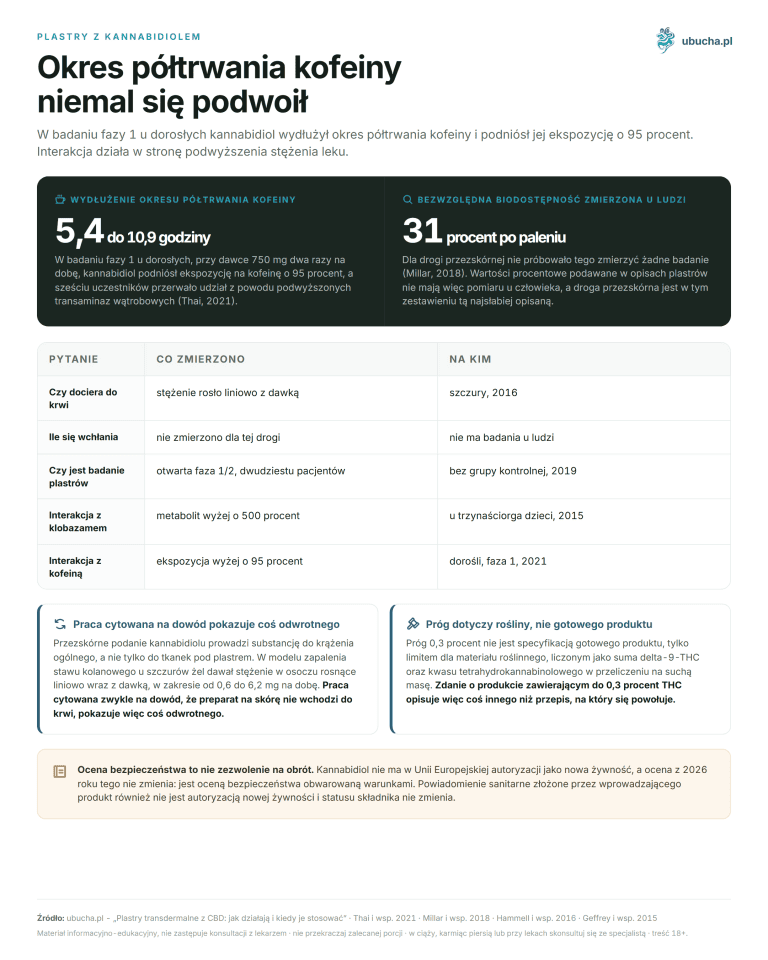
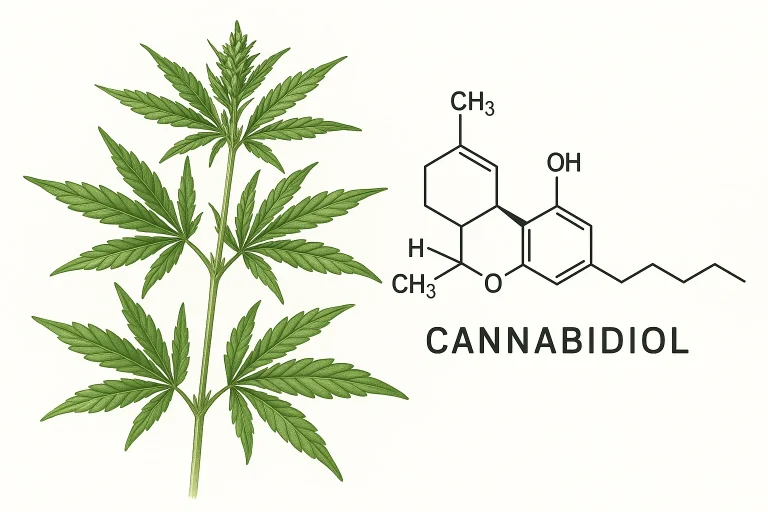
Seeds, oil, and hemp flour are ordinary food without significant amounts of psychoactive substances. The highest permissible level of THC in hemp seeds and products processed from them is 3.0 mg/kg, and in seed oil, it is 7.5 mg/kg (Regulation (EU) 2023/915). CBD preparations are a separate matter, which should not be given to children without a doctor’s indication.
The store at Bucha does not carry hemp seeds, cold-pressed oil, or hemp flour, so reach for the ingredients at a health food store. In the hemp food category, there are hemp teas and herbal blends, as of August 16, 2026.
This article is for informational and educational purposes and does not replace consultation with a doctor. If you are pregnant, breastfeeding, taking medications, or have chronic conditions, consult the use of supplements or herbs with a specialist.
Author: Michał Waluk · Published: 2026-06-22 · Updated: 2026-08-10