
CBD for Endometriosis: Does It Help and How to Use It to Reduce Pain
CBD for endometriosis: what a survey of 484 patients showed, why ESHRE guidelines do not mention cannabinoids, and what to watch out for with hormone therapy.
Endometriosis affects about 10% of women, and its diagnosis can take a decade. In a survey study in reference centers in Austria and Germany, the median time from the first symptoms to diagnosis was 10.4 years, and 74% of the 171 patients received at least one incorrect diagnosis (Hudelist et al., Human Reproduction, 2012). When hormone therapy does not provide full pain control, and anti-inflammatory drugs are no longer sufficient, many women seek something additional. CBD regularly appears in this context and deserves a fair assessment: neither outright rejection nor promises that the data do not support. Below you will find what is actually known, what is not known, and the practical implications of both.
KEY INFORMATION
• There is no randomized clinical trial evaluating CBD for endometriosis; the strongest data comes from a survey of 484 patients (Armour et al., 2019).
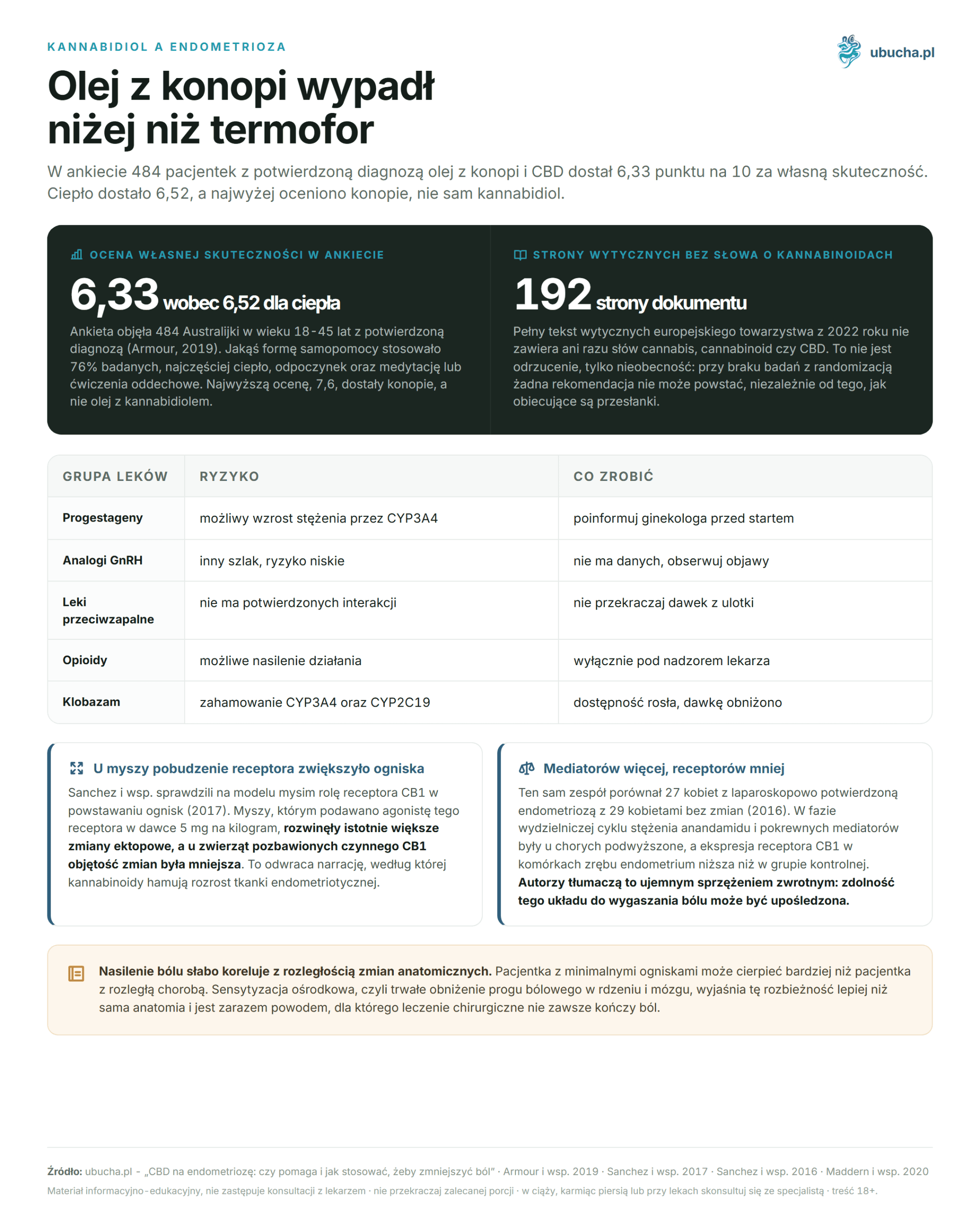
• In this survey, cannabis received the highest self-efficacy score (7.6 out of 10), while hemp oil and CBD scored 6.33, which is below regular warmth.
• CBD does not cure endometriosis. Activation of the CB1 receptor increased the size of lesions in mice (Sanchez et al., 2017).
• The ESHRE guidelines from 2022 do not mention cannabinoids even once in 192 pages.
• CBD inhibits CYP3A4, through which some progestogens are metabolized, so combining it with hormone therapy requires gynecologist approval.
Why does endometriosis hurt?
Because tissue similar to the endometrium grows outside its cavity, on the ovaries, peritoneum, or intestines, and reacts to the hormonal cycle just like the endometrium: it grows, bleeds, and becomes inflamed. The difference is that the blood has no outlet. Chronic inflammation arises, leading to adhesions and scars.
Pain has several independent sources at once, which explains why it is so difficult to control with a single medication. The inflammatory component arises from cytokines and prostaglandins secreted around the lesions. The neuropathic component comes from the ingrowth of nerve fibers into the lesions and from central sensitization, which is a lasting decrease in pain threshold in the spinal cord and brain. The nociceptive component is direct irritation of tissues by adhesions.
A review by Maddern et al. (Frontiers in Cellular Neuroscience, 2020) collects these mechanisms and points out something that has practical significance: the intensity of pain poorly correlates with the extent of anatomical changes. A patient with minimal lesions may suffer more than a patient with extensive disease. Central sensitization explains this discrepancy better than anatomy alone and is also the reason why surgical treatment does not always end pain. The authors add a thread often overlooked in guidelines: irritable bowel syndrome and overactive bladder co-occur with endometriosis, and they are partially innervated by the same network, so the source of pain may be elsewhere than indicated by the patient.
What do studies really say about CBD for endometriosis?
Less than most texts on the internet suggest. No randomized clinical trial evaluating CBD for this indication has been published so far, so any statement starting with “studies show” should be treated with suspicion, including this article.
The strongest available data comes from a cross-sectional online survey by Armour et al. (BMC Complementary and Alternative Medicine, 2019), which included 484 Australian women aged 18-45 with a confirmed diagnosis. Some form of self-help was used by 76% of respondents, most often heat (70%), rest (68%), and meditation or breathing exercises (47%).
The order of effectiveness ratings is worth reading carefully. On a ten-point scale, cannabis received 7.6, heat 6.52, dietary changes 6.39, and hemp oil and CBD 6.33. Therefore, the highest-rated method was cannabis, not CBD, and the oil scored slightly lower than a hot water bottle. The authors also noted that side effects were common, especially with alcohol (53.8%) and exercise (34.2%).
It is important to understand what such a result is and what it is not. This is a self-assessment by patients, collected once, without a control group and without blinding, in a group recruited through social media, thus with an overrepresentation of people actively seeking alternatives. The placebo effect in chronic pain can be significant. At the same time, 484 confirmed diagnoses are not an anecdote, and the signal is clear enough to justify clinical studies, which are still lacking.
How does the endocannabinoid system participate in endometriosis?
It participates, and measurably, although not in a way that would provide simple therapeutic conclusions. Sanchez et al. (Reproductive Sciences, 2016) compared 27 women with laparoscopically confirmed endometriosis to 29 women without changes. In the secretory phase of the cycle, levels of anandamide, 2-arachidonoylglycerol, and oleoylethanolamide were elevated in the patients, while the expression of the CB1 receptor in the endometrial stromal cells was lower than in the control group.
The same team noted that patients with severe dysmenorrhea had higher anandamide levels, and patients with severe pain during intercourse had higher palmitoylethanolamide levels. The authors explain this by negative feedback: there are more mediators, but fewer receptors, so the ability of this system to dampen pain may be impaired. This is a hypothesis from an observational study on 56 individuals, not a clinically confirmed mechanism.
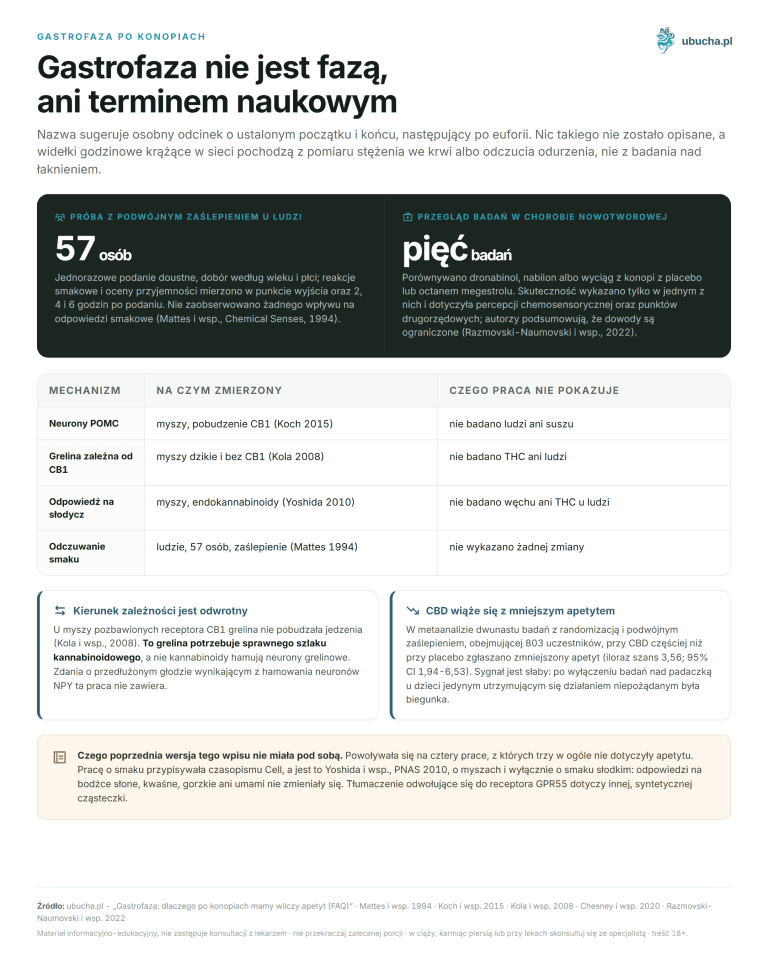
However, mere involvement does not indicate which way this system should be pushed. This distinction is lost in most popular accounts. The fact that some biological system is involved in the disease is often an argument for its inhibition as frequently as for its stimulation. CBD complicates the picture further because it is not a classical agonist of cannabinoid receptors. It acts as a negative allosteric modulator at CB1, interacts with TRPV1, serotonin receptors 5-HT1A, and the FAAH enzyme that breaks down anandamide. Therefore, conclusions from studies on THC or synthetic agonists cannot be directly applied to CBD, although this is often done in texts about cannabis. We describe this in more detail in the article The Endocannabinoid System in the Menstrual Cycle.
Can CBD inhibit the growth of endometriosis lesions?
There is no evidence for this, and one study suggests caution in the opposite direction. Sanchez et al. (Human Reproduction, 2017) examined the role of the CB1 receptor in the formation of lesions in a mouse model. Mice that were given a CB1 agonist, methanandamide at a dose of 5 mg per kilogram, developed significantly larger ectopic lesions (p below 0.05), while in animals lacking active CB1, the volume of lesions was smaller.
This finding reverses the narrative repeated in many articles that cannabinoids inhibit the growth of endometriotic tissue. With CB1 activation in an animal model, the opposite occurred. The authors themselves note that the study was conducted on mice, and the significance of these results in humans requires separate verification. CBD is not a CB1 agonist, so the result does not directly transfer to it, but it is enough to reject the claim that cannabis acts on the cause of the disease.
A fair conclusion is therefore this: CBD can only be considered as a tool for managing pain and accompanying symptoms, never as a therapy modifying the course of endometriosis. Diagnosis, hormone therapy, and surgical treatment remain the foundation that nothing in this article replaces.
This has practical implications for one decision that some patients consider: discontinuing hormone therapy in favor of CBD. Nothing in the available data justifies this. Hormone therapy acts on the mechanism of the disease, while CBD at best acts on pain perception, so replacing one with the other means giving up treatment in exchange for possible symptomatic relief. If hormone therapy does not provide control or its side effects are unbearable, the conversation about changing should be with the gynecologist, not with a supplement store.
What do ESHRE guidelines say about cannabinoids?
Nothing. We searched the full text of the 2022 guidelines from the European Society of Human Reproduction and Embryology, which spans 192 pages: the words cannabis, cannabinoid, or CBD do not appear in it even once. This is not a rejection of cannabinoids, but their absence.
The lack of mention is not a contraindication, and it is worth understanding this difference when talking to a doctor. The guidelines describe what the scientific society can recommend based on evidence of appropriate quality; in the absence of randomized studies, no recommendation can be made, regardless of how promising the premises are. You can find the full text at eshre.eu.
However, it is worth knowing what the same document says about non-medical methods, as it is often cited in reverse. ESHRE recommends that doctors discuss non-medical strategies that support quality of life and well-being with patients, but explicitly states that for none of them separately, including physiotherapy, exercise, acupuncture, diet, and psychological interventions, recommendations can be formulated because the balance of benefits and harms remains unclear. Separately, as a weak recommendation, the guidelines suggest considering psychological care and support for women with confirmed endometriosis.
The change that has the most practical significance for patients in these guidelines concerns diagnostics: since 2022, laparoscopy is no longer the gold standard for diagnosis and is recommended only when imaging has yielded negative results or empirical treatment has proven ineffective or inappropriate.
This has a concrete consequence for conversations in the office. If you tell your gynecologist that you are using CBD, and they respond that there is no evidence for it, both of you are correct, and it is not a dispute. The lack of evidence describes the state of research, not your experience with pain.
Why is there no established dose of CBD for endometriosis?
Because no study has been conducted to establish it. In the case of the disease, the number of milligrams is not a mere editorial detail: it is determined by a doctor who knows your medications and results. You will find descriptions of studies along with their doses here, but no proposal for you, as it would have no basis.
The only number of regulatory significance is a ceiling, not a recommendation. The EFSA panel derived a temporary safe dose of 0.0275 mg per kilogram of body weight per day using the benchmark dose method, with an uncertainty factor of 400, which is about 2 mg daily for a 70 kg person, and only for supplements with at least 98% purity of CBD (EFSA, 2026). The same document states that the safety of CBD cannot be established in pregnant and breastfeeding women or in individuals taking medications simultaneously.
How much CBD actually enters the bloodstream is significantly influenced by food. In eight patients with drug-resistant epilepsy, the same single dose of a CBD capsule with 99% purity, taken after a fatty meal of 840-860 kilocalories, resulted in a peak concentration fourteen times higher and the area under the curve four times higher than when taken on an empty stomach (Birnbaum et al., Epilepsia, 2019). Inconsistency in this one issue changes exposure more than changing the number of drops. General dosing principles, aside from this indication, are outlined in the article CBD Dosing.
A separate issue is sleep, which usually deteriorates first with chronic pain and drives a vicious cycle: worse sleep lowers the pain threshold, and stronger pain worsens sleep. A retrospective case series from a psychiatric clinic included 72 adults. Almost all received 25 mg of CBD per day, a few 50 or 75 mg, and one person gradually reached 175 mg. Anxiety decreased in the first month in 57 individuals (79.2%) and remained so, while sleep scores improved in 48 individuals (66.7%), but did not maintain consistently over three months of observation (Shannon et al., Permanente Journal, 2019). This was not a controlled study, and it is precisely on sleep that most guides cite in this work.
What medications may interact with CBD?
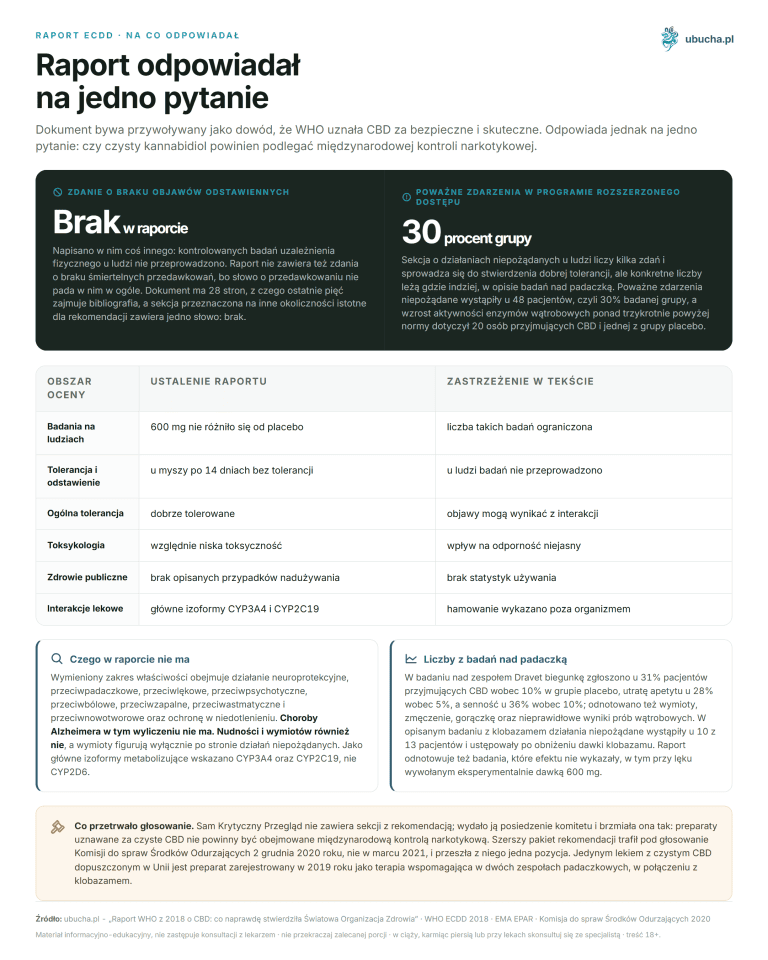
Primarily those metabolized by cytochromes CYP3A4 and CYP2C19, which CBD inhibits (Iffland and Grotenhermen, Cannabis and Cannabinoid Research, 2017). In the case of endometriosis, this has specific significance because some first-line medications belong to this group. The scale of the phenomenon arises from the fact that about 60% of prescription medications pass through CYP3A4.
| Drug Group | Risk | What to Do |
|---|---|---|
| Progestogens (dienogest, noretisterone) | possible increase in concentration via CYP3A4 | inform your gynecologist before starting |
| GnRH analogs | different metabolic pathway, low risk | no data, monitor symptoms |
| Anti-inflammatory drugs (ibuprofen, naproxen) | no confirmed interactions | do not exceed doses from the leaflet |
| Opioids (tramadol, oxycodone) | possible intensification of effects | only under medical supervision |
The authors of the review make a caveat that is worth repeating: a significant portion of the data on cytochrome inhibition comes from in vitro studies at CBD concentrations higher than physiological. The best-described clinical interaction in this review concerns clobazam, an antiepileptic drug, in thirteen children: inhibition of CYP3A4 and CYP2C19 increased its availability enough to allow for a dose reduction.
The practical principle here is one: your treating physician should know about CBD before you start it, not after something starts happening. Endometriosis is treated for years, often with several medications at once, so every new substance enters a system that is not worth disrupting quietly. Data regarding painful menstruation have been collected separately in the article CBD for Menstrual Pain.
Also, pay attention to signals for which CBD should be discontinued and a doctor consulted: unusual bleeding during hormone therapy, a significant change in the intensity of side effects of a medication that you previously tolerated well, and persistent daytime drowsiness. None of these is dangerous in itself, but each means that something in the system has shifted.
Frequently Asked Questions
Does CBD help with endometriosis pain?
There is no randomized study that resolves this. The strongest available data comes from a survey of 484 Australian women with a confirmed diagnosis, where hemp oil and CBD received a score of 6.33 out of 10 for their own effectiveness, while cannabis scored 7.6 (Armour et al., 2019). This is a self-assessment by the patients, not a clinical measurement.
How much CBD should I take for endometriosis?
There are no established doses for this indication, and we cannot provide one as it would lack research support. It is determined by a doctor who knows your medications. EFSA only provides a temporary safety ceiling of 0.0275 mg per kilogram of body weight per day, which is about 2 mg for a 70 kg person.
Does CBD cure endometriosis?
No. CBD does not remove lesions or stop their growth. In a mouse model, activation of the CB1 receptor increased the volume of ectopic lesions (Sanchez et al., 2017), so the effect of cannabinoids on the disease itself is neither simple nor unequivocally beneficial.
Can CBD be combined with hormone therapy?
Only after consulting with a gynecologist. CBD inhibits CYP3A4, through which some progestogens used in endometriosis are metabolized, which may increase their concentration in the blood and intensify side effects (Iffland and Grotenhermen, 2017).
Do ESHRE guidelines allow CBD for endometriosis?
The 2022 guidelines do not take any position on CBD: on 192 pages, not a single word about cannabis, cannabinoid, or CBD is mentioned. The lack of mention is not a contraindication, but a result of the lack of randomized studies on which a recommendation could be based.
If after talking to your gynecologist you want to check what is available, you can find the assortment in the hemp oil category.
This article is for informational and educational purposes only and does not constitute medical advice. Before starting to use cannabis or CBD for therapeutic purposes, consult your doctor, especially if you are taking other medications, are pregnant, or breastfeeding.
Author: Michał Waluk · Published: 2026-06-22 · Updated: 2026-08-15