
Cordyceps for Endurance and VO2max: What RCTs Really Show
Two small randomized studies, two different results. In the longer one, VO2max did not change at all. We check what was really measured and on whom.
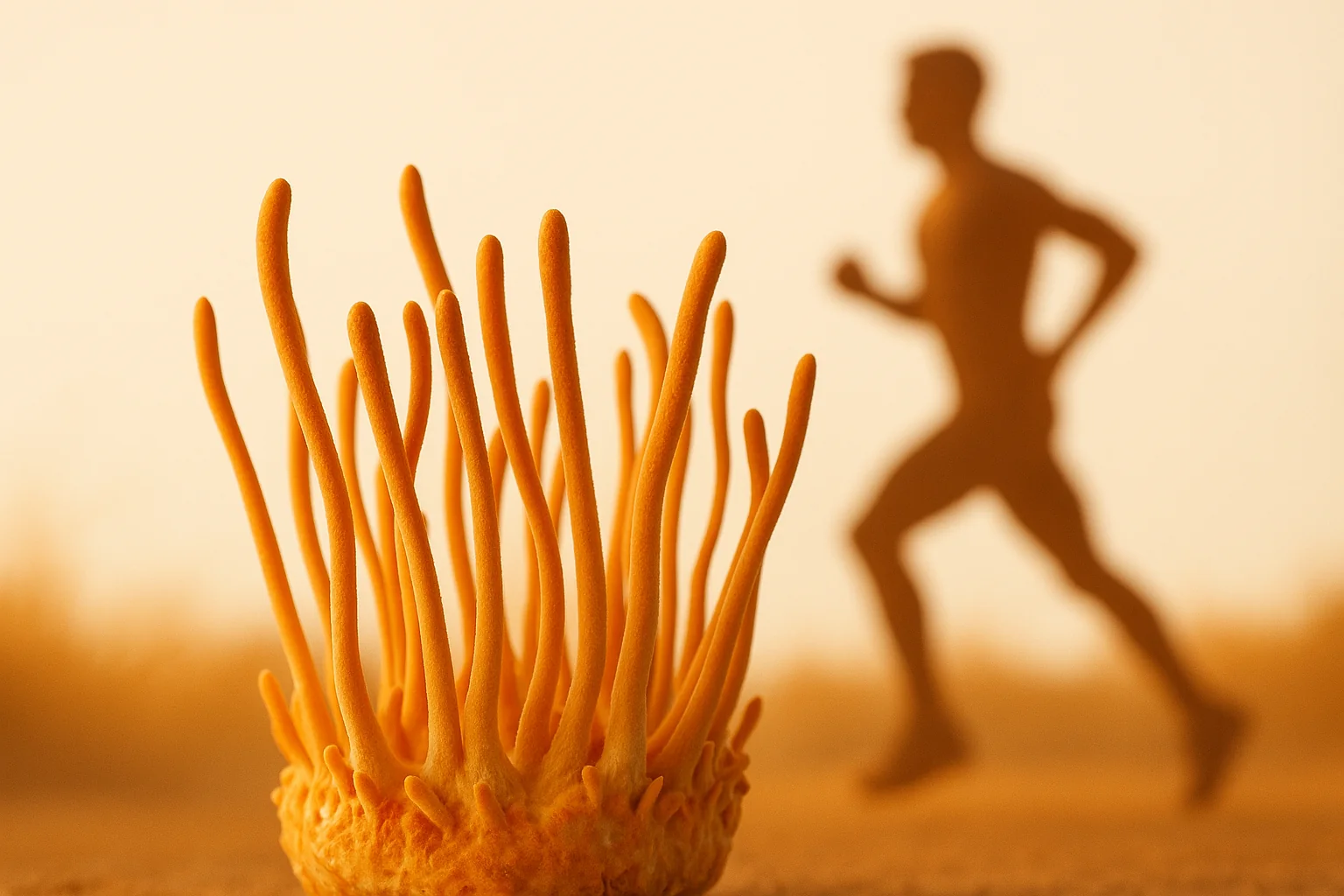
Cordyceps is marketed as a mushroom for aerobic endurance, and the most frequently repeated argument is the increase in VO2max. However, when looking at the randomized studies, the picture becomes much more modest: we are talking about two small trials involving a total of several dozen people, with different preparations and different age groups. In the longer study, VO2max did not change at all, although other exercise parameters shifted. In the shorter one, it increased, but only in the subgroup that continued supplementation, and after a preparation that was a blend of several mushrooms. This article describes what exactly was measured, in whom, and for how many weeks, where both results diverge, and where the conclusions based on this data end.
KEY INFORMATION
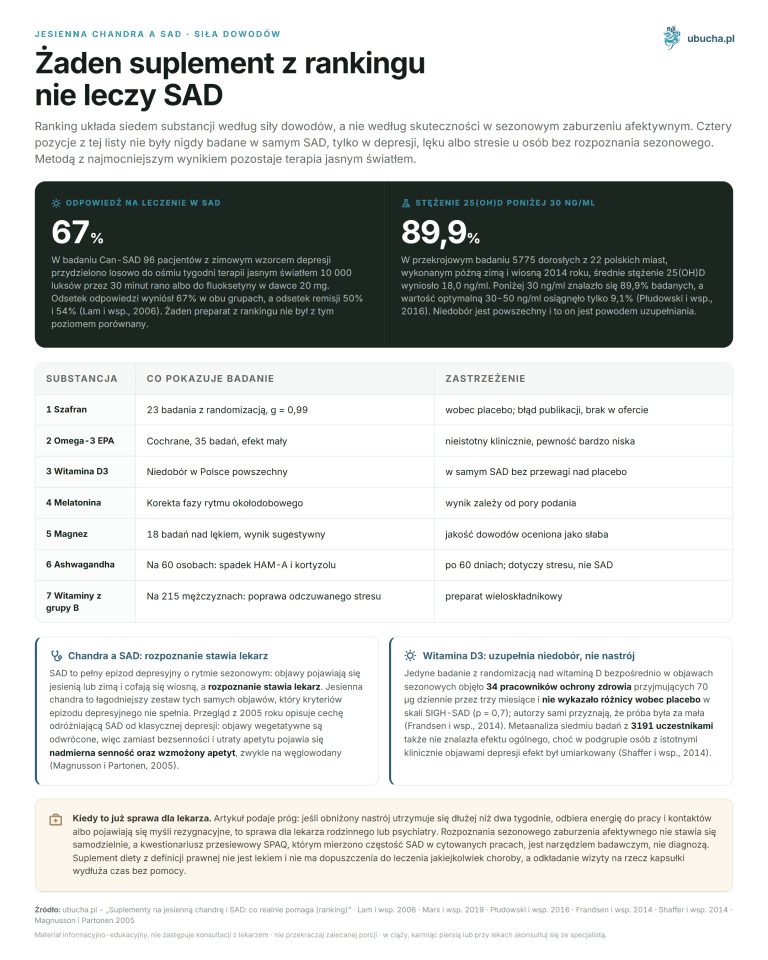
• In a 12-week randomized study of individuals aged 50-75, the metabolic and ventilatory thresholds increased, but VO2max did not change in any group (Chen et al., Journal of Alternative and Complementary Medicine, 2010).
• In the second study, VO2max increased by 4.8 ml/kg/min after three weeks, but this part was completed by ten people, and the preparation was a mushroom blend, not just cordyceps (Hirsch et al., Journal of Dietary Supplements, 2017).
• After one week of supplementation, none of the measured parameters differed significantly from placebo.
• A network pharmacology review indicates that cordycepin concentrations after oral administration remain in the nanomolar range, which undermines simple explanations of the mechanism.
• Stronger clinical data relate to renal and pulmonary applications, not sports.
What is cordyceps and where did its athletic reputation come from?
The name cordyceps refers to two different mushrooms with varying availability. Ophiocordyceps sinensis, or Chinese cordyceps, is one of the most popular remedies in traditional Asian medical systems and is attributed with enhancing vitality. Cordyceps militaris is a related cultivated species, and it is responsible for most commercially available products.
The Chinese pharmacopoeia standardizes O. sinensis for adenosine content, a precursor to ATP. The main compound studied in C. militaris is cordycepin, chemically 3′-deoxyadenosine, thus a structurally close analog of adenosine. Both mushrooms and cordycepin itself exhibit a wide range of biological activities in laboratory studies (Panossian, Pharmaceuticals, 2026).
It is worth noting the sequence of events. The reputation of cordyceps as an endurance agent arose in tradition and the supplement market, and only later was it tested in controlled studies. There are still very few of these trials, and their size counts in the dozens of participants, not hundreds. More about the raw material and its applications can be found in the post Cordyceps: what it is, what it helps with, and how to dose.
Does cordyceps really increase VO2max?
The data is conflicting, and in the longer of the two studies, the answer is: no. In a 12-week double-blind placebo-controlled study, 20 healthy individuals aged 50-75 took either Cs-4 or placebo capsules. The metabolic threshold increased by 10.5 percent, from 0.83 to 0.93 l/min, and the ventilatory threshold by 8.5 percent, from 1.25 to 1.36 l/min. No significant changes were noted in the placebo group. VO2max did not change in any group (Chen et al., 2010).
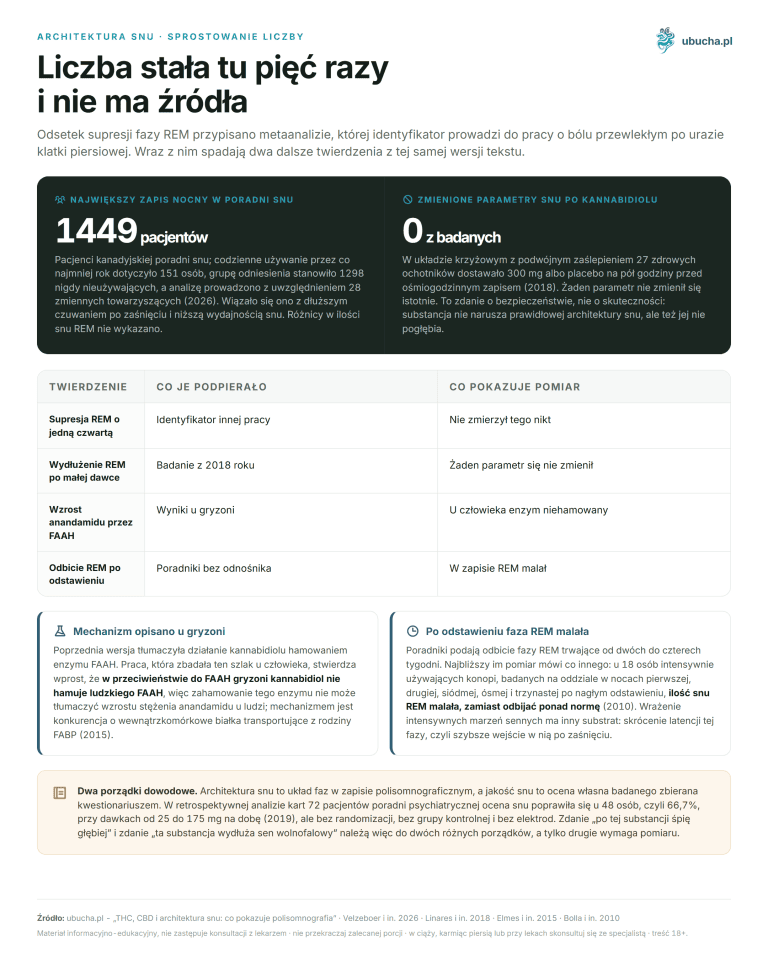
The second study involved 28 individuals with an average age of 22.7 years, who took 4 g per day of a mushroom blend containing C. militaris or maltodextrin for one week. After one week, none of the parameters showed a significant difference between groups. Ten volunteers continued supplementation for another two weeks, and only after three weeks did VO2max significantly increase in the experimental group, by 4.8 ml/kg/min compared to 0.9 ml/kg/min in placebo (p = 0.042). Time to exhaustion increased by 28.1 s after one week and by 69.8 s after three weeks (Hirsch et al., 2017).
| Study | Who and how many | Preparation and duration | VO2max |
|---|---|---|---|
| Chen et al., 2010 | 20 people, 50-75 years | Cs-4, 333 mg three times a day, 12 weeks | no changes in both groups |
| Hirsch et al., 2017 | 28 people, average 22.7 years | mushroom blend 4 g per day, 1 week | no significant difference |
| Hirsch et al., 2017, extension | 10 people from above | same blend, 3 weeks | increase of 4.8 ml/kg/min |
Why do the results of these two studies differ so much?
There are so many differences that directly comparing the two trials makes no sense. They involve different people, different preparations, and different supplementation periods, and each of these factors can independently determine the outcome. The discrepancy is therefore not a mystery requiring resolution, but a natural consequence of measuring two different things.
Participants in the first study were aged 50 to 75, while participants in the second were around their twenties. The first study administered Cs-4, a preparation derived from O. sinensis, at a dose of about 1 g per day for 12 weeks. The second study administered 4 g per day of a mushroom blend containing C. militaris for three weeks. The results also diverged: the first study showed shifts in metabolic and ventilatory thresholds with unchanged VO2max, while the second showed an increase in VO2max only after three weeks.
Another caveat concerns the composition. The preparation from the second study was a mushroom blend, so the observed effect cannot be attributed solely to cordyceps. Additionally, only ten people completed the three-week extension, which is a number where a single atypical result shifts the average of the entire group. Caution is also evident in the publications themselves: the team from 2010 calls its work a pilot study, and the team from 2017 formulates conclusions in a hypothetical mode.
How might cordyceps work on endurance?
The proposed mechanism is multifaceted and therefore difficult to verify. Network pharmacology analysis indicates recurring signaling nodes: PI3K-Akt, AMPK-mTOR, MAPK, NF-kappaB, apoptosis pathways, and adaptive stress response. Experimental studies confirm the influence on cytokine production and mitochondrial regulators (Panossian, 2026).
However, the same review contains a caveat that rarely makes it into marketing materials. Pharmacokinetic data indicate that after oral administration, cordycepin concentrations in circulation remain in the nanomolar range, which is significantly lower than the concentrations used in cell culture studies. The author formulates a cautious conclusion: some predicted molecular interactions may occur indirectly or at the systemic level, rather than through direct binding to the target.
The practical significance of this note is substantial. Descriptions like “cordycepin activates AMPK in muscle, so endurance increases” transfer results from the test tube to humans, omitting the question of whether the substance even reaches that concentration. As long as this question remains open, the mechanism should be treated as a hypothesis, not as an explanation.
What preparations and doses were used in these studies?
The following numbers describe the protocols of two specific trials and are not a recommendation for the reader. In the 2010 study, participants took Cs-4 at a dose of 333 mg three times a day, or about 1 g per day, for 12 weeks. In the 2017 study, 4 g per day of a mushroom blend containing C. militaris was administered for one week, and in the extension for three weeks.
Comparing these two protocols shows how little they yield for the buyer. The doses differ fourfold, the raw materials come from two different species, and one of the preparations was not pure cordyceps at all. None of these trials tested a product that sits on the store shelf, and none allows for translating its results to any other extract.
For this reason, descriptions on packaging referring to “doses from clinical studies” should be read with caution. Without information about the species, form of the raw material, and standardization method, comparison with the research protocol is impossible. If you are comparing cordyceps with other mushrooms, a helpful post can be found at Adaptogenic mushrooms: which to choose and when.
Does cordyceps have better-documented applications than sports?
Yes, and this is one of the more interesting conclusions from the literature review, as it shifts the focus beyond sports. Clinical meta-analyses indicate consistent benefits of cordyceps as a supportive treatment in kidney and lung disorders. The author’s caveat concerns the quality of this data: the heterogeneity of preparations and methodological limitations of individual trials remain significant (Panossian, 2026).
In other words, the area where cordyceps has the most patient studies does not overlap with the area where it is most loudly advertised. Sports have two small trials with conflicting results, while supportive applications in nephrology and pulmonology have received separate meta-analyses. This does not mean that the mushroom can be treated as a treatment for these conditions, as it refers to an additional role alongside therapy conducted by a physician.
For a training individual, the practical conclusion is modest and honest. Cordyceps currently lacks data that would justify expecting a measurable jump in VO2max, so promises from labels should be read with this awareness. If you are looking for a comparison with another raw material described in the context of endurance, check out the post on schisandra.
Frequently Asked Questions
Does cordyceps increase VO2max?
The data is conflicting. In a 12-week study of individuals aged 50-75, VO2max did not change in any group, although metabolic and ventilatory thresholds increased. In the second trial, VO2max increased by 4.8 ml/kg/min after three weeks, but this part was completed by ten participants taking a mushroom blend.
How many people were studied in total?
Very few. The first study involved 20 people, the second 28, with ten completing the three-week extension. With such numbers, a single atypical result shifts the average of the entire group. The team from 2010 itself calls its work a pilot study.
What is the difference between Cordyceps sinensis and Cordyceps militaris?
These are two different species. The Chinese cordyceps, or Ophiocordyceps sinensis, is standardized in the Chinese pharmacopoeia for adenosine. Cordyceps militaris is cultivated and is behind most commercial products, with the compound studied in it being cordycepin. The clinical significance of this difference has not been established.
Is the mechanism of action of cordyceps explained?
Not fully. Network analyses indicate the PI3K-Akt, AMPK-mTOR, MAPK, and NF-kappaB pathways, but pharmacokinetic data show that after oral administration, cordycepin concentrations remain in the nanomolar range. The review author suggests that some described interactions may occur indirectly, rather than through direct binding.
What doses were used in studies on endurance?
In the 2010 study, Cs-4 was administered at a dose of 333 mg three times a day for 12 weeks. In the 2017 study, 4 g per day of a mushroom blend was given for one week, and in the extension for three weeks. This is a description of protocols, not a recommendation, and does not translate to any other preparation.
In what area does cordyceps have the strongest clinical data?
In supportive applications for kidney and lung disorders, where separate meta-analyses have been created. However, the authors note significant heterogeneity of preparations and methodological limitations. This refers to an additional role alongside treatment conducted by a physician, not as a standalone therapy.
Preparations with cordyceps and other mushrooms can be found in the adaptogens category.
This article is for informational and educational purposes and does not replace consultation with a physician. If you are pregnant, breastfeeding, taking medications, or have chronic conditions, consult the use of supplements or herbs with a specialist.
Author: Michał Waluk · Published: 2026-08-09 · Updated: 2026-08-11