
CBD and Social Phobia and Social Anxiety: What the Research Says (FAQ)
Three small clinical trials and one dose with a significant result: 300 mg. What exactly was measured in the studies on CBD for social phobia and where do the conclusions end.
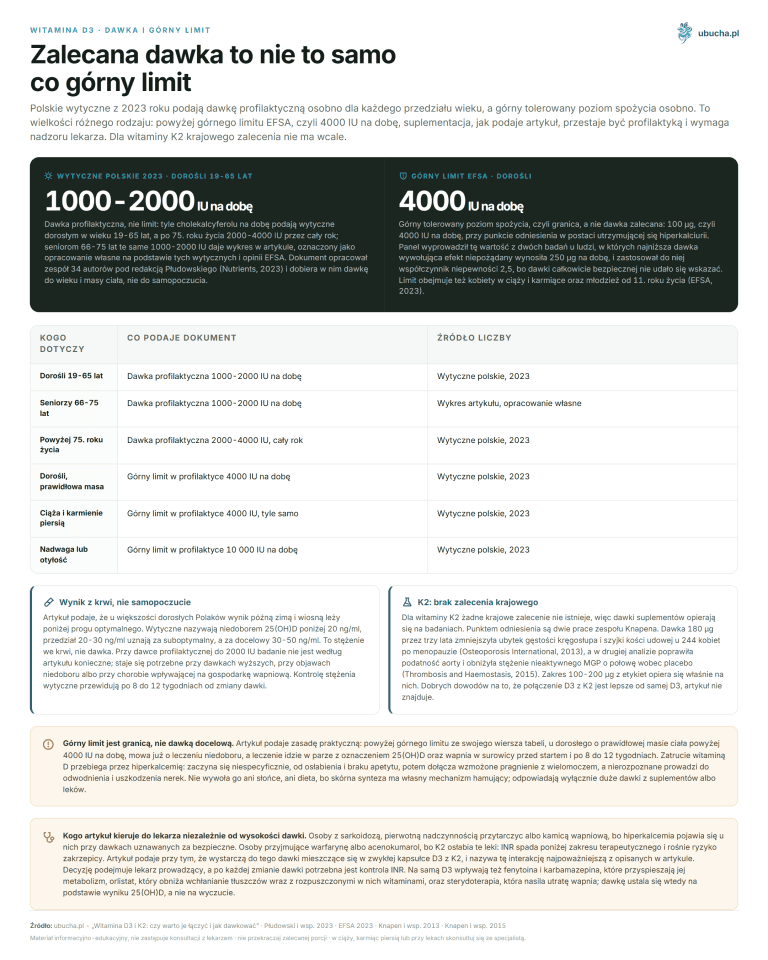
Social phobia is not shyness, but a clinical diagnosis with measured prevalence. In 28 population studies of the World Mental Health Survey, involving 142,405 individuals, the lifetime prevalence was 4.0%, 2.4% in the past year, and 1.3% in the past 30 days. Interest in cannabidiol arose from several small trials in which a single dose reduced anxiety before a simulated public speaking event. This text shows what exactly was measured in these studies, why the highest studied dose performed worse than the average, and where the conclusions that can be drawn from them end. We further describe doses, mechanisms, and the risks of combining cannabidiol with medications used in this diagnosis.
KEY INFORMATION
• The lifetime prevalence of social phobia is 4.0% in 28 population studies involving 142,405 individuals (Stein et al., BMC Medicine, 2017).
• A single 600 mg dose of CBD reduced anxiety in 24 previously untreated patients with social phobia compared to placebo (Bergamaschi et al., 2011).
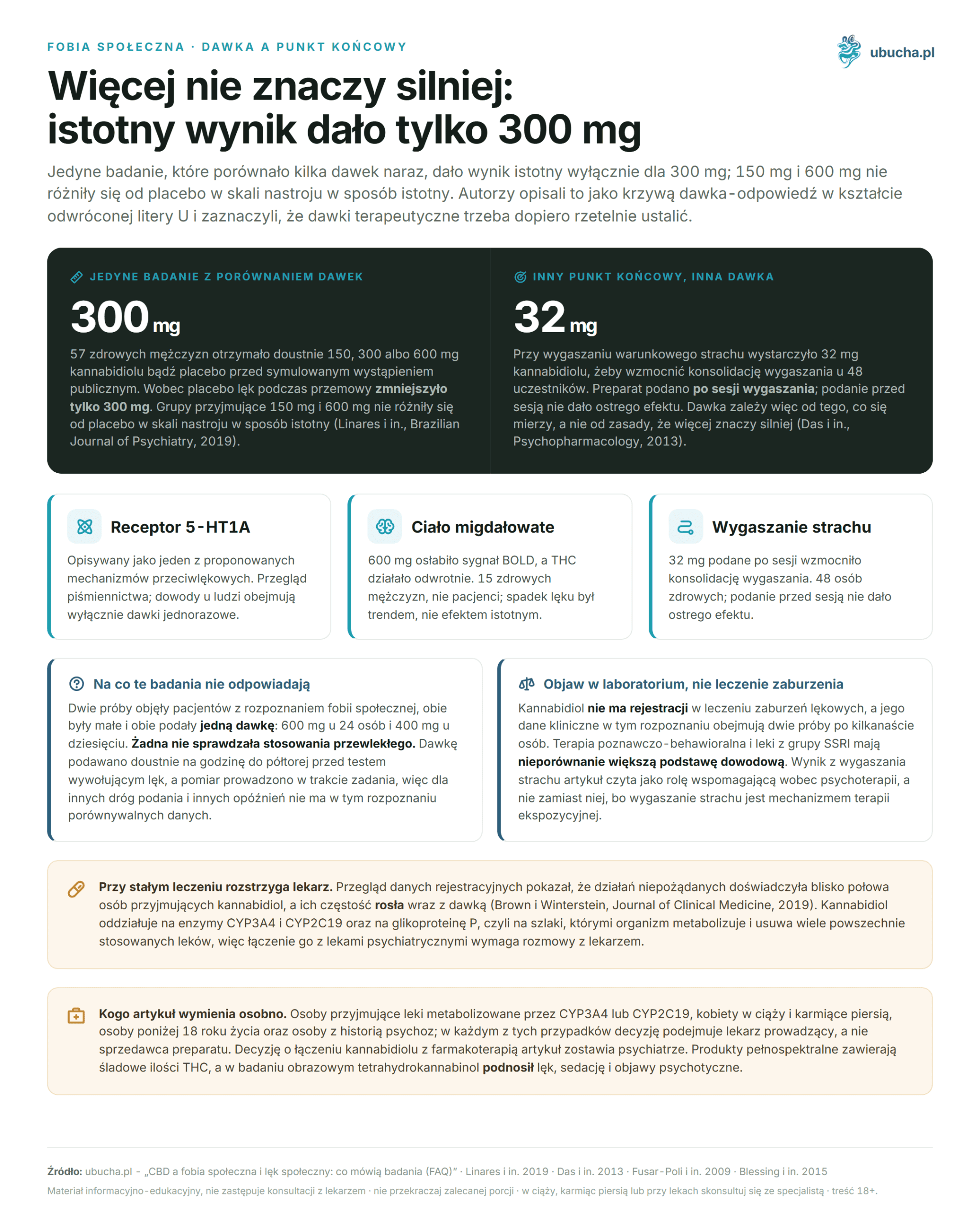
• Among doses of 150, 300, and 600 mg, only 300 mg yielded a statistically significant result, resulting in an inverted U-shaped curve (Linares et al., 2019).
• In an imaging study, CBD weakened the signal in the amygdala, but the reduction in anxiety was only a trend, and the subjects were 15 healthy men, not patients.
• CBD affects the enzymes CYP3A4 and CYP2C19 and P-glycoprotein, so combining it with psychiatric medications requires discussion with a doctor.
What is social phobia and how common is it?
It is an anxiety disorder in which social situations provoke disproportionate fear of negative evaluation. The largest review of population data, based on 28 surveys from around the world and 142,405 respondents, reports a prevalence of 1.3% in the past 30 days, 2.4% in the past year, and 4.0% over a lifetime.
The same data show a clear geographical disparity. Rates are lowest in low and lower-middle-income countries and in the African and Eastern Mediterranean regions, and highest in highly developed countries, in both Americas and in the Western Pacific region. The age of onset is early everywhere, and functional impairment affects many areas of life regardless of the country’s wealth (Stein et al., BMC Medicine, 2017). Anxiety disorders as a group are the most common mental disorders worldwide (Stein et al., Dialogues in Clinical Neuroscience, 2017).
Standard treatment combines cognitive-behavioral therapy with pharmacotherapy, usually with an SSRI or SNRI medication. Both pillars have their costs: therapy requires access to a qualified therapist and regular work, while medications only work after several weeks of use and have their own side effect profile. It is in this gap that the question about cannabidiol arises, developed in a guide on CBD oils for social phobia.
What have clinical studies shown about CBD in social anxiety?
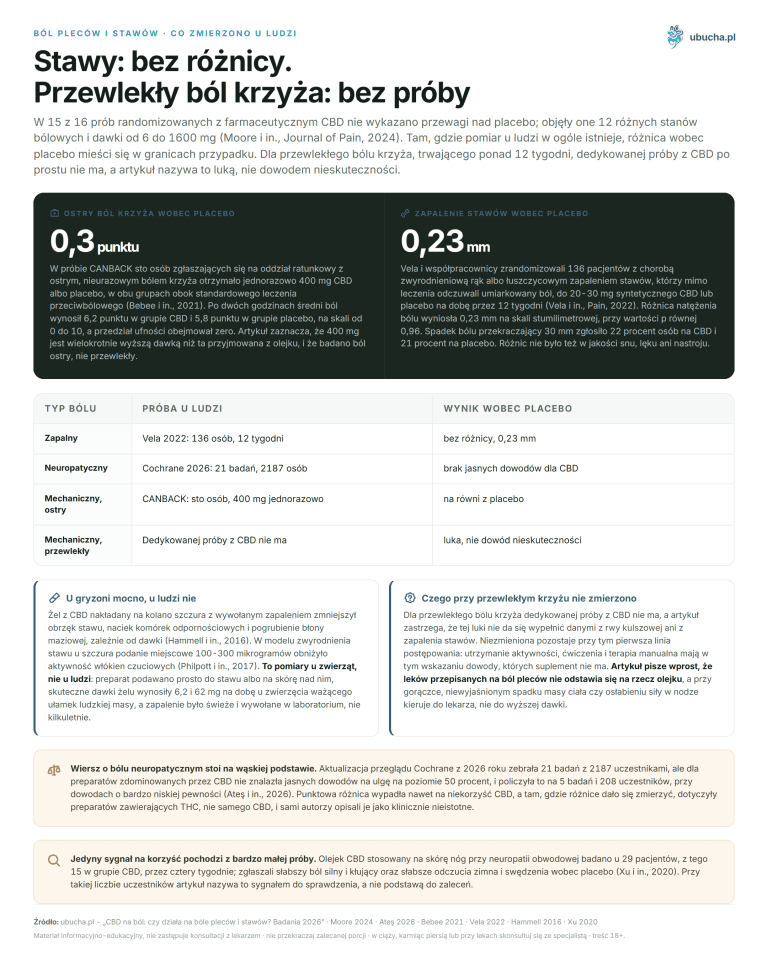
Two trials involved patients diagnosed with social phobia, both were small and both administered a single dose. The first involved 24 previously untreated individuals, the second ten. None examined chronic use.
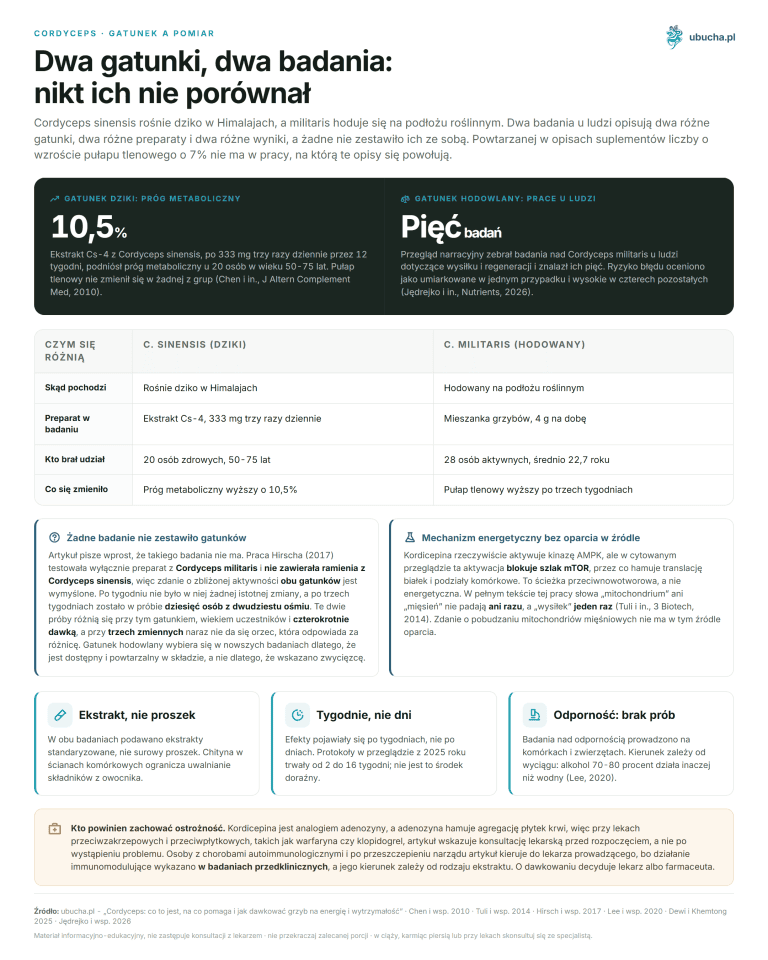
Bergamaschi and colleagues administered 600 mg of cannabidiol to 12 patients and placebo to another 12, one and a half hours before a simulated public speaking event. Separately, the same procedure was undergone by 12 healthy volunteers without any preparation. Cannabidiol reduced anxiety, cognitive impairment, and discomfort during the speech, and the increase in negative self-assessment scores, evident in the placebo group, was almost eliminated in the cannabidiol group. There were no significant differences between the cannabidiol group and healthy volunteers (Bergamaschi et al., Neuropsychopharmacology, 2011).
Crippa and colleagues studied ten untreated patients using SPECT, administering 400 mg of cannabidiol or placebo in a crossover design. Subjective anxiety significantly decreased, and imaging showed lower tracer uptake in the left parahippocampal gyrus, hippocampus, and inferior temporal gyrus, and higher in the right posterior cingulate gyrus (Crippa et al., Journal of Psychopharmacology, 2011). The authors themselves described this work as a preliminary report.
Does a higher dose of CBD work better for anxiety?
No. The only study that compared several doses at once yielded a significant result only in the middle of the range. 57 healthy men received 150, 300, or 600 mg of cannabidiol or placebo orally before a simulated public speaking event.
Compared to placebo, only 300 mg reduced anxiety during the speech. The groups taking 150 mg and 600 mg did not differ from placebo in mood scale significantly. The authors described this as an inverted U-shaped dose-response curve, consistent with previous results in animals, and noted that therapeutic doses need to be reliably established (Linares et al., Brazilian Journal of Psychiatry, 2019).
It is worth comparing this with a study on a different endpoint. In extinguishing conditioned fear, only 32 mg of cannabidiol was sufficient to enhance the consolidation of extinction in 48 participants. The dose thus depends on what is being measured, not on a simple principle that more means stronger. All these values pertain to single doses administered in the laboratory one to one and a half hours before the test, not to daily use of the product. A broader context of both cannabinoids is described in the text about CBD and THC in anxiety states.
What does CBD do in the brain during social situations?
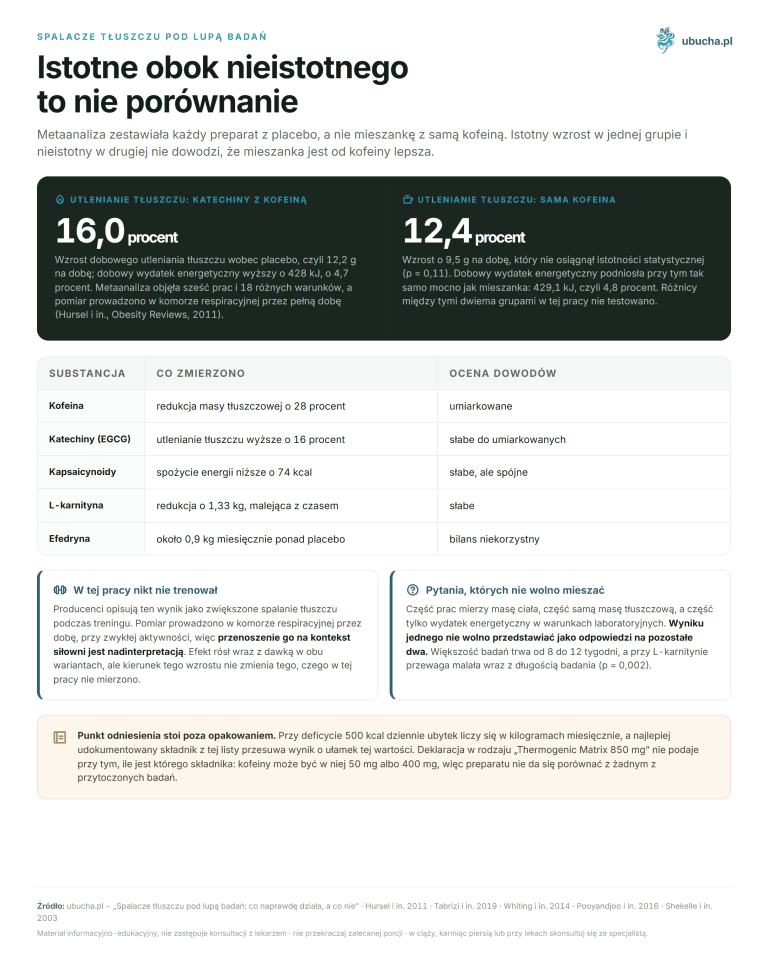
Three pathways have been described, but each has different levels of evidence. One is based on a review of mechanisms, another on imaging in healthy men, and the third on an experiment with fear conditioning. The table below separates what has been demonstrated from whom.
| Pathway | What has been shown | In whom and with what caveat |
|---|---|---|
| 5-HT1A receptor | Described as one of the proposed mechanisms of action of cannabidiol’s anxiolytic effect | Literature review; evidence in humans includes only single doses (Blessing et al., 2015) |
| Amygdala and cingulate gyrus | 600 mg of CBD weakened the BOLD signal when viewing faces expressing strong fear; THC acted conversely and increased anxiety | 15 healthy men, not patients; the decrease in anxiety was only a trend, not a significant effect (Fusar-Poli et al., 2009) |
| Fear extinction | 32 mg of CBD administered after the extinction session enhanced the consolidation of extinction measured by the expectation of the stimulus | 48 healthy individuals; administration before the session did not yield an acute effect (Das et al., 2013) |
The last row has practical significance because fear extinction is a mechanism of exposure therapy. The result suggests a supportive role for psychotherapy, not a replacement for it (Das et al., Psychopharmacology, 2013). The second row should be read together with the behavior of THC in the same experiment: the same study showed that tetrahydrocannabinol increased anxiety, sedation, and psychotic symptoms (Fusar-Poli et al., Archives of General Psychiatry, 2009). A more detailed description of the effects on the central nervous system can be found in the text about the effect of CBD on the brain.
What risks does combining CBD with anxiety medications pose?
Real and well-documented. A review of registration data showed that nearly half of those taking cannabidiol experienced adverse effects, and their frequency increased with dosage. The most common included increased aminotransferase activity, sedation, and sleep disturbances.
The mechanism of interaction is known. Cannabidiol interacts with the enzymes CYP3A4 and CYP2C19 and P-glycoprotein, which are pathways by which the body metabolizes and eliminates many commonly used medications. The authors of the review recommend in such situations reducing the dose of the substrate medication, monitoring adverse effects, or seeking alternative therapy, especially in individuals treated for multiple conditions simultaneously (Brown and Winterstein, Journal of Clinical Medicine, 2019). Cannabidiol can be both the party that changes the concentration of the drug and the party whose concentration is changed by the drug.
Additionally, there is the composition of the product. Full-spectrum products contain trace amounts of THC, and it is tetrahydrocannabinol that increased anxiety in imaging studies. The Polish threshold for raw material is 0.3% and is calculated as the sum of delta-9-THC and tetrahydrocannabinolic acid, rounded to one decimal place, based on Article 4 point 5 of the Act of July 29, 2005 on counteracting drug addiction (Journal of Laws 2023 item 1939) as amended by the Act of March 24, 2022 (Journal of Laws 2022 item 763). Cannabidiol itself does not appear in the lists of controlled substances, but it is also not registered as a medication for anxiety disorders.
Frequently Asked Questions
Does CBD reduce social anxiety?
In two small trials involving patients with social phobia, a single dose reduced anxiety compared to placebo: 600 mg in 24 individuals and 400 mg in ten. Both studies involved a single administration in laboratory conditions, so they say nothing about daily use of the product.
What dose of CBD was used in studies on social anxiety?
Single doses ranged from 150 to 600 mg. In the only study comparing several values at once, only 300 mg yielded a statistically significant result, while 150 mg and 600 mg did not differ from placebo. The dose-response curve has the shape of an inverted U.
Can CBD replace medications for social phobia?
No. Cannabidiol is not registered for the treatment of anxiety disorders, and its clinical data in this diagnosis include two trials with a dozen participants each. Cognitive-behavioral therapy and SSRIs have an incomparably greater evidence base. The decision to combine should be made with a psychiatrist.
How quickly does CBD work for anxiety?
In studies, the dose was administered orally one to one and a half hours before the anxiety-inducing test, and measurements were taken during the task. For other routes of administration and other delays, there are no comparable data in this diagnosis, so popular values of around a few minutes have no support in these studies.
Can CBD increase anxiety?
The highest studied dose, 600 mg, performed worse than 300 mg and did not differ from placebo, which in itself is a warning against increasing the amount. A separate risk is THC present in full-spectrum products, as it increased anxiety and psychotic symptoms in imaging studies.
Who should not use CBD for social anxiety?
Individuals taking medications metabolized by CYP3A4 or CYP2C19, pregnant and breastfeeding women, individuals under 18 years of age, and those with a history of psychosis. In each of these cases, the decision is made by the attending physician, not the product seller.
The oils available in the store have been gathered in the oils category.
This article is for informational and educational purposes and does not constitute medical advice. Before starting to use cannabis or CBD for therapeutic purposes, consult a doctor, especially if you are taking other medications, are pregnant, or breastfeeding.
Author: Michał Waluk · Published: 2026-08-09 · Updated: 2026-08-10