
CBD for Anxiety and Nervousness: How Much to Take, When It Helps, and What to Expect
A review of 87 studies found no effect of CBD on anxiety in 70.3% of observations. We check what was measured in the protocols and why it cannot be made into a recommendation.
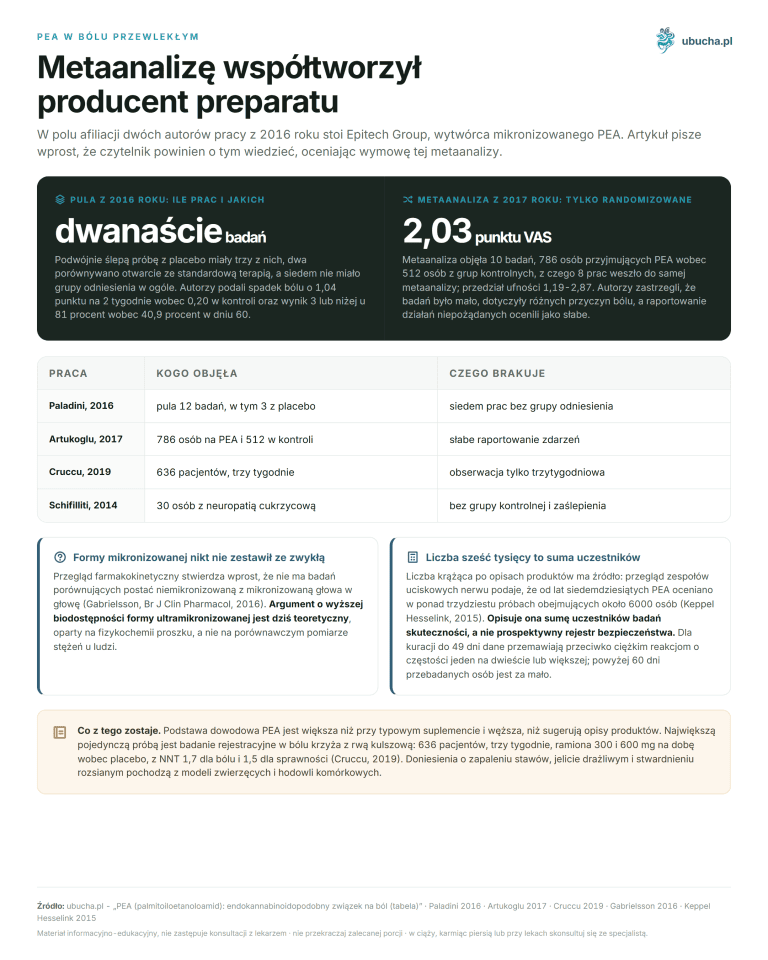
Anxiety disorders are the most common mental disorders in the world: in 2021, 359 million people lived with them, and about one in four receives treatment (WHO). It is no wonder that so many people seek support outside the office. The title of this article promises an answer to the question of how much to take, and this promise must be revoked in the first paragraph: there is no established dose of CBD for anxiety, so you will not find here any dosing scheme or conversion table to drops. You will find a description of what has actually been measured: what amounts were given to participants in individual experiments, why increasing the dose could nullify the effect, and at what point the supplement ceases to be an answer to a problem that has proven effective treatment.
KEY INFORMATION
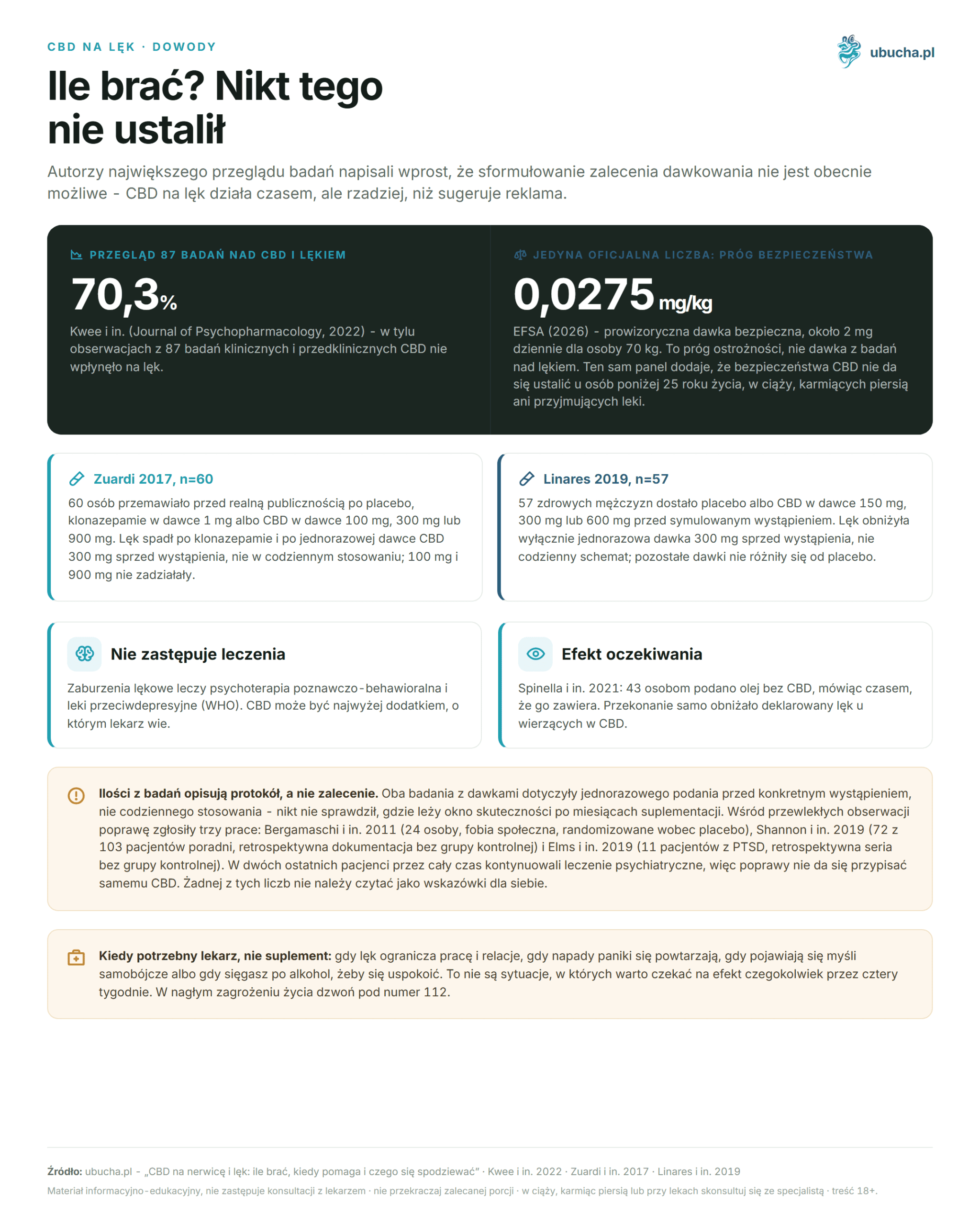
• A systematic review of 87 clinical and preclinical studies (Kwee et al., Journal of Psychopharmacology, 2022): in 70.3% of observations, CBD did not affect anxiety.
• The authors of this review stated directly that formulating dosage recommendations is currently not possible.
• EFSA in 2026 stated that the safety of CBD cannot be established in individuals taking medications, in individuals under 25 years of age, and during pregnancy and breastfeeding.
• Nervousness is a colloquial term for anxiety disorders. They are treated with psychotherapy and pharmacotherapy, not supplements.
Will this article tell how much CBD to take for anxiety?
No, it will not, because no one has established this. The authors of the broadest review of studies on CBD and anxiety stated directly that formulating dosage recommendations is currently not possible: the relationship between the concentration of the substance and the effect varies between species, and the effect on anxiety does not increase linearly with the amount.
This is an uncomfortable answer because the question about the number of milligrams is asked most often, and it is what labels and guides respond to. Numbers will appear in this text, but only as a description of specific experiments: how many participants there were, who they were, what was given to them, and what was measured. None of these values should be read as guidance for oneself, as a research protocol is not a recommendation.
The second reason is regulatory. The EFSA panel in its statement from 2026 (Update of the statement on safety of cannabidiol as a novel food) derived a provisional safe dose of 0.0275 mg per kilogram of body weight per day using the benchmark dose method, with an uncertainty factor of 400. For a person weighing 70 kg, this is about 2 mg per day and applies only to supplements with at least 98% CBD purity. In the same document, the panel states that the safety of CBD cannot be established in individuals under 25 years of age, in pregnant and breastfeeding women, and in individuals taking medications. The last group is a significant portion of the readers of this text.
What is nervousness and how are anxiety disorders treated?
Nervousness is a colloquial term for anxiety disorders, which include generalized anxiety, social phobia, and panic attacks. Modern psychiatry treats them with psychotherapy based on cognitive-behavioral therapy principles and antidepressants from the SSRI group. WHO states that in 2021, 359 million people lived with such a diagnosis, and about one in four receives help.
Each of these diagnoses has separate criteria in the ICD-11 and DSM-5 classifications, but the mechanism is similar. The limbic system reacts to an objectively neutral stimulus as if it were a threat, triggering a full stress response. Hence the symptoms from the body, such as palpitations and muscle tension, and difficulty sleeping. WHO does not recommend benzodiazepines as a first-line treatment, citing a high potential for dependence and limited effectiveness in the long term.
This framework is significant for the rest of the text. A supplement is not an alternative to therapy or to medication prescribed by a psychiatrist. It can at most be an adjunct, and one that the attending physician is aware of. If you are reaching for CBD because therapy is expensive and the wait for a psychiatrist is long, that is understandable, but it does not change what the data shows.
How would CBD work on anxiety?
CBD does not act on GABA-A receptors, so its mechanism differs from that of benzodiazepines. In animal models and imaging studies, three pathways have been described: stimulation of the serotonin receptor 5-HT1A, inhibition of limbic structures, and increased levels of anandamide by inhibiting the FAAH enzyme. These are hypotheses well documented in animals, much less so in humans. The 5-HT1A pathway has been described separately.
A review by Blessing et al. (Neurotherapeutics, 2015) gathered animal and human evidence and then summarized it cautiously: preclinical data strongly support anxiolytic effects with single administration, while there are few studies on chronic administration. This statement from a decade ago still holds, as since then, mainly case series have increased, not large randomized studies.
In humans, the closest approach to the mechanism was made by Crippa et al. (Journal of Psychopharmacology, 2011). Ten previously untreated patients with generalized social phobia received a single dose of 400 mg of CBD or placebo, and cerebral blood flow was measured using SPECT. After CBD, subjective anxiety decreased, and tracer uptake decreased in the left parahippocampal gyrus and hippocampus, while it increased in the right cingulate gyrus. This is ten individuals and a study described by the authors as a preliminary report, so it is a lead, not proof.
What do clinical studies show about CBD and anxiety?
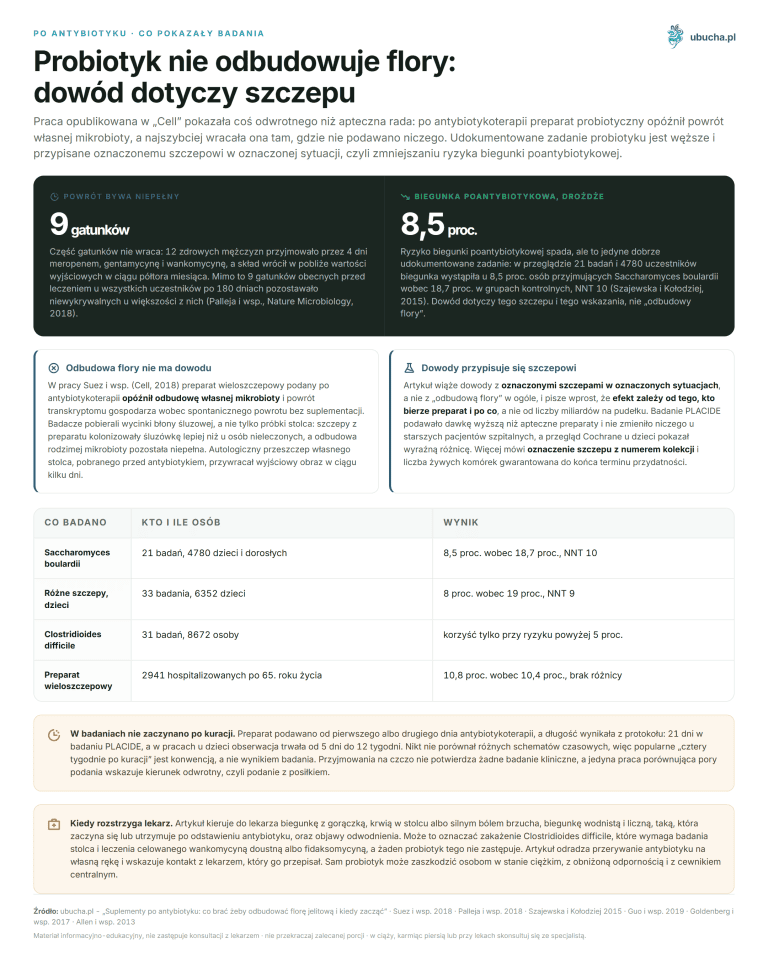
Individual studies appear promising, but the overall picture is much worse. A systematic review by Kwee et al. (Journal of Psychopharmacology, 2022) included 87 studies on humans and animals, and in 70.3% of observations, CBD did not affect anxiety at all. The authors also found no consistent relationship between the level of the substance in the blood and the outcome.
On the side of positive results, there are three studies. Bergamaschi et al. (Neuropsychopharmacology, 2011) administered 600 mg of CBD or placebo to 24 previously untreated patients with social phobia, twelve in each group, one and a half hours before a simulated public speaking event. The group with CBD reported less anxiety, less discomfort, and less cognitive impairment during the speech. Shannon et al. (Permanente Journal, 2019) reviewed the documentation of 103 psychiatric clinic patients and described 72 of them who received CBD as an adjunct to their existing treatment; from the full text, it appears that almost all received 25 mg per day. Anxiety scores decreased in the first month for 57 individuals, or 79.2%, and sleep scores improved for 48 individuals, or 66.7%, but fluctuated in subsequent months. Elms et al. (Journal of Alternative and Complementary Medicine, 2019) tracked 11 PTSD patients over eight weeks, noting a decrease in the average PCL-5 score of 28%, from 51.82 to 37.14.
Two of these three studies are retrospective case series without a control group and without placebo. The patients in Shannon’s and Elms’ studies continued their psychiatric treatment throughout, so improvements cannot be attributed solely to CBD. Comparing these numbers with Kwee’s review gives a realistic picture: the effect may be visible, but it is neither certain, nor large, nor repeatable in every protocol.
Why did larger amounts of CBD not yield better results in studies?
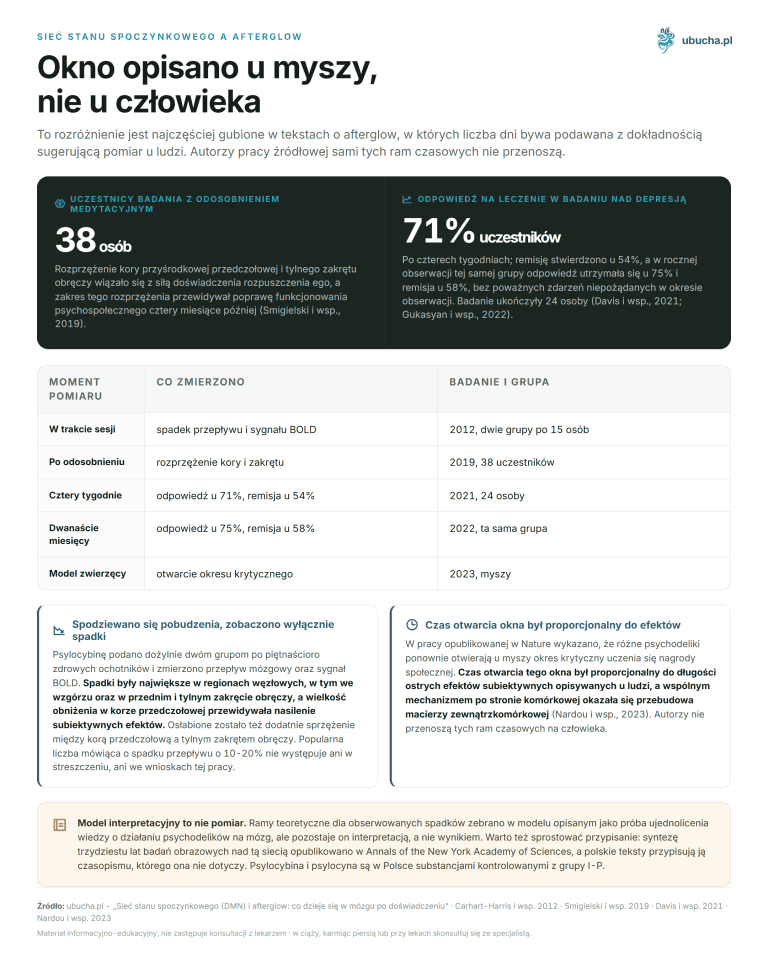
Because the dose-response curve has the shape of an inverted U. In the study by Linares et al. (Revista Brasileira de Psiquiatria, 2019), 57 healthy men received placebo or CBD at doses of 150 mg, 300 mg, or 600 mg before a simulated public speaking event. Anxiety was reduced only by the 300 mg dose. The others did not differ from placebo.
The same pattern appeared earlier in natural conditions. Zuardi et al. (Frontiers in Pharmacology, 2017) studied 60 people speaking before a real audience, administering placebo, clonazepam at a dose of 1 mg, or CBD at doses of 100 mg, 300 mg, or 900 mg. After the performance, anxiety decreased in the clonazepam group and in the CBD 300 mg group. Doses of 100 mg and 900 mg did not work, even though one of them was three times higher than the effective dose.
The conclusion is uncomfortable for supplement marketing. The principle that if a little helps, more will help more does not apply to CBD, and exceeding the window of effectiveness can nullify the effect. The reflex to reach for a larger dose when nothing happens after a week is understandable, but in light of both studies, there is no data to support it.
There is one more caveat. Both studies measured situational anxiety, one-time, in healthy individuals or those with social phobia. No one has checked where the window of effectiveness lies after several months of daily use, as such data simply does not exist. More about anxiety related to public speaking and contact with people is discussed in our text on CBD and social phobia.
How do the amounts from studies relate to the content of a bottle of oil?
They diverge significantly, in both directions. The single dose that worked in Linares’ study was 300 mg, and a 10 ml bottle of oil with a 5 percent concentration contains a total of 500 mg. One administration from the research protocol would thus consume more than half of such a bottle at once. The supplement label suggests amounts an order of magnitude smaller.
On the other hand, there is a regulatory position. The provisional safe dose derived by EFSA in 2026 is about 2 mg per day for a person weighing 70 kg, which is many times less than any amount given in the experiments described above. These two numbers are not two recommendations to choose from. The first describes a one-time intervention in laboratory conditions, the second a safety threshold for a supplement taken chronically, and their range shows how uncertain the entire area is.
Therefore, transferring research results to daily supplementation is an abuse. When the text refers to Bergamaschi and then suggests five drops in the next sentence, it describes two completely different interventions. A review by Millar et al. (British Journal of Clinical Pharmacology, 2019) gathered 35 clinical studies from thirteen areas of medicine; 23 of them reported improvement at the endpoint, with amounts ranging from below 1 to 50 mg per kilogram of body weight per day. The authors noted that none of these publications provided blood concentrations, so even this range says little about how much substance actually worked.
What to realistically expect and when is a doctor needed?
A realistic scenario is a slight reduction in tension during the day and easier falling asleep, and for some individuals, no change at all. CBD will not stop a panic attack, will not cure a phobia, and will not replace psychotherapy for obsessive-compulsive disorder. The Kwee et al. review from 2022 shows that the lack of effect is the most common result.
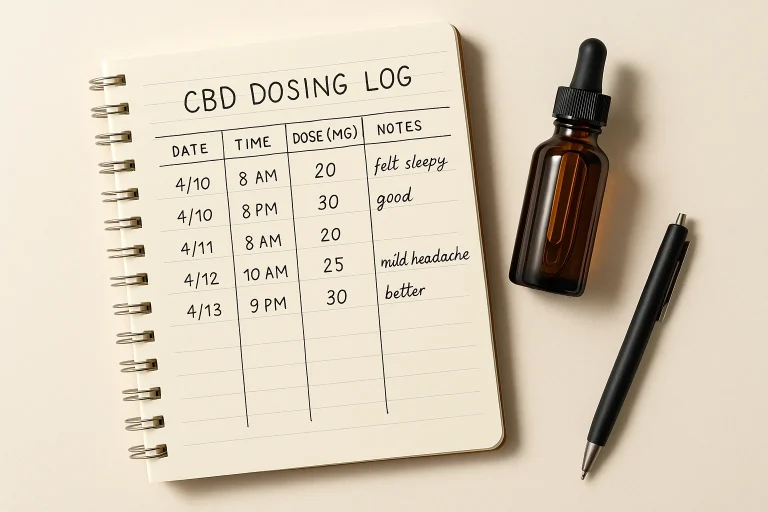
It is also worth knowing how much can be achieved by mere expectation. Spinella et al. (Psychopharmacology, 2021) administered hemp seed oil without any trace of CBD sublingually to 43 healthy individuals, once stating that the preparation contains CBD and once that it does not. The mere belief changed perceived drowsiness and heart rate variability, and in individuals who strongly believed in the anxiolytic effects of CBD before the study, reported anxiety was significantly lower precisely when they thought they had taken it. The popular advice to keep a stress diary and assess the difference after a month will not distinguish the effect of the preparation from the effect of expectations, as the person keeping the record knows what and when they took.
Schedule an appointment with a psychiatrist or psychologist if anxiety limits work and relationships, if panic attacks recur, if suicidal thoughts arise, or if you reach for alcohol to calm down. These are not situations where a supplement is chosen, and they are not situations where it is worth waiting for the effect of anything for four weeks. In an acute life-threatening situation, call 112.
How does CBD differ from benzodiazepines and what about interactions?
It differs in mechanism and risk profile. Benzodiazepines enhance GABA inhibition and act quickly, but lead to tolerance and physical dependence. The WHO in the Expert Committee on Drug Dependence report from 2018 stated that CBD does not show effects indicating potential abuse or dependence in humans.
The risks associated with benzodiazepines are well documented. A case-control study by Billioti de Gage et al. (BMJ, 2014) included 1796 patients with Alzheimer’s disease and 7184 controls and showed an odds ratio of 1.51 for those who had ever used them. The strength of the association increased with the duration of exposure, and with exposure shorter than 91 daily doses, no association was found. This is an argument for caution, not proof of causality.
The biggest practical problem with CBD is interactions. It inhibits the enzymes CYP3A4 and CYP2C19, which metabolize many psychiatric medications, so it may increase their concentration in the blood. Geffrey et al. (Epilepsia, 2015) measured this in thirteen children treated simultaneously with clobazam: the concentration of the drug increased on average by 60%, and its active metabolite by 500%. Brown and Winterstein (Journal of Clinical Medicine, 2019) noted that adverse effects occurred in nearly half of those using CBD and depended on the dose.
The practical conclusion is simple. If you are taking an antidepressant, anticonvulsant, or benzodiazepine, tell your doctor about CBD before you reach for it. A complete overview can be found in the text on CBD interactions with medications.
Frequently Asked Questions
Does CBD help with anxiety and anxiety disorders?
Sometimes, but less often than advertising suggests. A systematic review of 87 studies (Kwee et al., 2022) found no effect of CBD on anxiety in 70.3% of observations. Individual protocols with situational anxiety yielded positive results. CBD does not replace psychotherapy or medications.
How much CBD should I take for anxiety and nervousness?
No one has established this, and this article will not provide dosages. The authors of the review of 87 studies from 2022 stated that formulating dosage recommendations is currently not possible. The amounts from experiments describe a research protocol, not a recommendation. For anxiety disorders, the decision is made with a doctor.
How long does it take for CBD to start working for anxiety?
In experiments on public speaking, the preparation was administered 80 to 90 minutes before the test, and that is the only verified point in time. For daily use, no one has measured the onset of action, so there is simply no data-based answer.
Does CBD replace medications for anxiety?
No. Anxiety disorders are treated with cognitive-behavioral therapy and antidepressants, and WHO indicates these methods as fundamental. Discontinuing psychiatric medication without consultation risks a relapse of symptoms. CBD can at most be an adjunct that the doctor is aware of.
Is CBD addictive with long-term use?
The WHO Expert Committee on Drug Dependence (2018) states that CBD does not show effects indicating potential abuse or dependence in humans. This is consistent with the study Babalonis et al. (2017) in 31 individuals, where CBD did not differ from placebo.
Can CBD be combined with antidepressants?
Only after consulting a doctor. CBD inhibits CYP3A4 and CYP2C19, so it may increase the concentration of psychiatric medications. Geffrey et al. (Epilepsia, 2015) measured an average increase in clobazam concentration of 60%. EFSA adds that the safety of CBD cannot be established in individuals taking medications.
This article is for informational and educational purposes and does not constitute medical advice. Before starting to use cannabis or CBD for therapeutic purposes, consult a doctor, especially if you are taking other medications, are pregnant, or breastfeeding.
Author: Michał Waluk · Published: 2026-06-22 · Updated: 2026-08-10