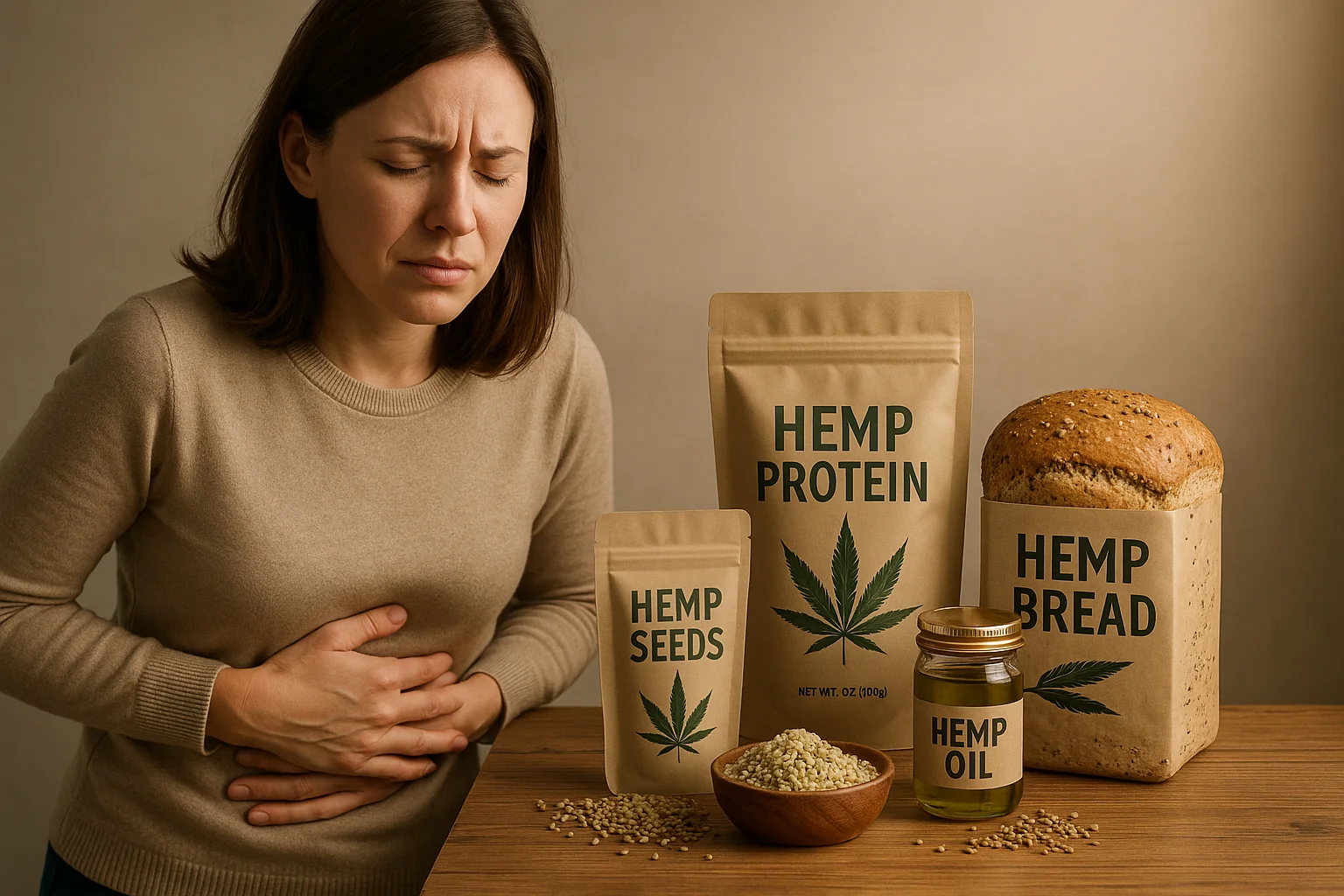

Too Strong Edible CBD: How to Alleviate the Effect and What to Avoid (FAQ)
What to do when edible CBD has worked stronger than you planned: symptoms from controlled studies, situations requiring a doctor, and the truth about combining with alcohol.
You ate a gummy or a capsule, and after forty minutes nothing happened, so you reached for a second portion. Now it is different than you planned, and you are looking for answers. This text provides them, but not in the form of a home protocol with minutes and milligrams. Such a protocol does not exist in any scientific work, and we do not intend to invent one. Instead, we show what symptoms after high doses of cannabidiol have been measured in studies with a control group, in which situations you should not wait but seek medical help, and what the study that administered cannabidiol along with alcohol really showed. The result of the latter is contrary to what this article claimed earlier.
KEY INFORMATION
• Time is the only thing that works for sure, and its length depends on the product and meal. There is no researched home remedy to speed up the alleviation of symptoms.
• Situations requiring medical help: loss of consciousness, difficulty breathing, persistent vomiting, severe disorientation, rapid heartbeat that does not subside. The emergency number is 112.
• Separately and urgently: consumption by a child, consumption by a person taking medications, and consumption during pregnancy or breastfeeding.
• In controlled studies on epilepsy, cannabidiol caused diarrhea, drowsiness, and decreased appetite more frequently than placebo, and in some patients raised liver test results.
• EFSA in 2026 stated that the safety of cannabidiol cannot be established in individuals under 25 years of age, in pregnant and breastfeeding women, and in those taking medications (EFSA NDA Panel, EFSA Journal, 2026).
Why can edible CBD work stronger than you planned?
The main reason is not the strength of the preparation, but the interval between eating and feeling the effects. A cannabinoid ingested with food must pass through the stomach and intestine, then through the portal vein to the liver, and only from there to the general circulation. This distance takes time that cannot be predicted to the minute, so a second portion may be consumed while the first has not yet started to take effect. Both accumulate later.
The second reason is the meal. Birnbaum and colleagues administered a single dose of 99 percent pure cannabidiol capsules to eight adult patients with drug-resistant epilepsy, once on an empty stomach and once after a high-fat breakfast of 840-860 kilocalories (Birnbaum et al., Epilepsia, 2019). The peak concentration was on average 14 times higher after the meal, and total exposure was 4 times higher. The trial is very small, but the direction of the relationship was independently confirmed by Abbott and colleagues in fourteen men who were given five different preparations in standardized doses of 30 mg (Abbotts et al., Nutrients, 2022). This same work showed large differences between the commercial preparations themselves.
The third reason is the least convenient: no one has measured how much cannabidiol is absorbed after ingestion. A systematic review by Millar established that absolute bioavailability in humans was only studied after smoking and was 31 percent (Millar et al., Frontiers in Pharmacology, 2018). The WHO report from 2018 states that for the oral route it is 6 percent, but calls it an estimate and bases it on a textbook chapter, not on measurement (WHO Expert Committee on Drug Dependence, Cannabidiol Critical Review Report, 2018). The ranges of 6-19 percent and 13-19 percent mentioned in this article do not appear in Millar’s review at all.
Does the liver convert cannabidiol into a stronger compound?
There is no evidence for this in humans, and this is a correction to what this article claimed earlier. The liver does indeed process cannabidiol, and the WHO report from 2018 describes the main pathway as hydroxylation to 7-hydroxy-CBD. However, the fact that a metabolite is formed does not mean it acts stronger than the compound from which it was derived.
The statement about 7-hydroxy-CBD as a metabolite with stronger and longer-lasting effects appeared in three places in this article. We found no measurement of it in humans. The existing data comes from cell cultures: Li and colleagues examined 7-hydroxy-CBD and 7-carboxy-CBD in primary human hepatocytes and in the HepG2 line and found that both metabolites damage cells similarly to cannabidiol itself (Li et al., Archives of Toxicology, 2025). This is a result from a test tube and concerns toxicity to liver cells, not the strength of effects felt by humans.
It is worth knowing where this misunderstanding came from. A stronger metabolite formed during first-pass metabolism does indeed exist, but it is derived from THC, not from cannabidiol, and is called 11-hydroxy-THC. Transferring that property to products with cannabidiol is a substitution of molecules. We expand on this separately in the text about where the 11-hydroxy metabolite comes from. The practical conclusion is the opposite of the previous one: simply eating cannabidiol instead of holding it under the tongue does not make it stronger by definition.
What symptoms have been reported after high doses of cannabidiol?
Here we can rely on studies with a control group, so we abandon guessing. The WHO report from 2018 summarizes two large trials on drug-resistant epilepsy, in which cannabidiol was administered long-term and compared to placebo. The doses were many times higher than the content of a single gummy and administered under medical supervision, so the percentages should not be directly compared. The value of this data lies in something else: it shows which symptoms occurred more frequently than in the placebo group, meaning which can be attributed to the substance.
| Symptom | Cannabidiol Group | Placebo Group |
|---|---|---|
| Drowsiness | 36 percent | 10 percent |
| Diarrhea | 31 percent | 10 percent |
| Decreased appetite | 28 percent | 5 percent |
| Discontinuation due to adverse effects | 8 patients | 1 patient |
The above values come from a double-blind placebo trial involving 120 children and young adults with Dravet syndrome. In a second trial, involving 171 patients aged 2 to 55 years with Lennox-Gastaut syndrome, the same symptoms occurred less frequently, and an increase in liver test results more than three times above the upper limit of normal was recorded in 20 patients taking cannabidiol compared to one in the placebo group. The report adds that some adverse effects may have resulted from interactions with concurrently taken antiepileptic medications. Symptoms reported after edible products, such as dry mouth or dizziness, do not have such measured foundations, and the table with the times of their alleviation, which was here, has been removed.
When should you seek medical help, and when is rest enough?
Let’s start with the boundary, as this is the most important part of this text. Call for help at 112 or go to a doctor if there is loss of consciousness or altered consciousness, difficulty breathing, persistent vomiting, severe disorientation, or a rapid heartbeat that does not subside. Do not wait for it to pass on its own, and do not try to wait it out based on an online guide.
Separately and regardless of the severity of symptoms, medical help is required in three situations. The first is consumption by a child, especially accidental, as edible products look like sweets. The second is consumption by a person taking medications regularly: the EFSA panel noted the potential hepatotoxicity of cannabidiol in humans, especially in combination with medications, and stated that safety cannot be established for this group. The third is pregnancy and breastfeeding, as the same document describes the transfer of cannabidiol across the placenta and neurodevelopmental effects after prenatal exposure. The same assessment includes all individuals under 25 years of age.
If none of these situations occur, and the symptoms consist of drowsiness and heaviness, it is reasonable to lie down in a calm place and wait it out. Do not drive or operate machinery until drowsiness and dizziness have completely passed. It is also worth knowing that there is no researched home remedy to shorten this time. Advice about eating carbohydrates, drinking tea, or going outside, which appeared in this article as a fact, has no supporting work to which one could refer. When going to the doctor or calling for help, state clearly what and when was eaten, and show the packaging.
Is it allowed to combine edible CBD with alcohol?
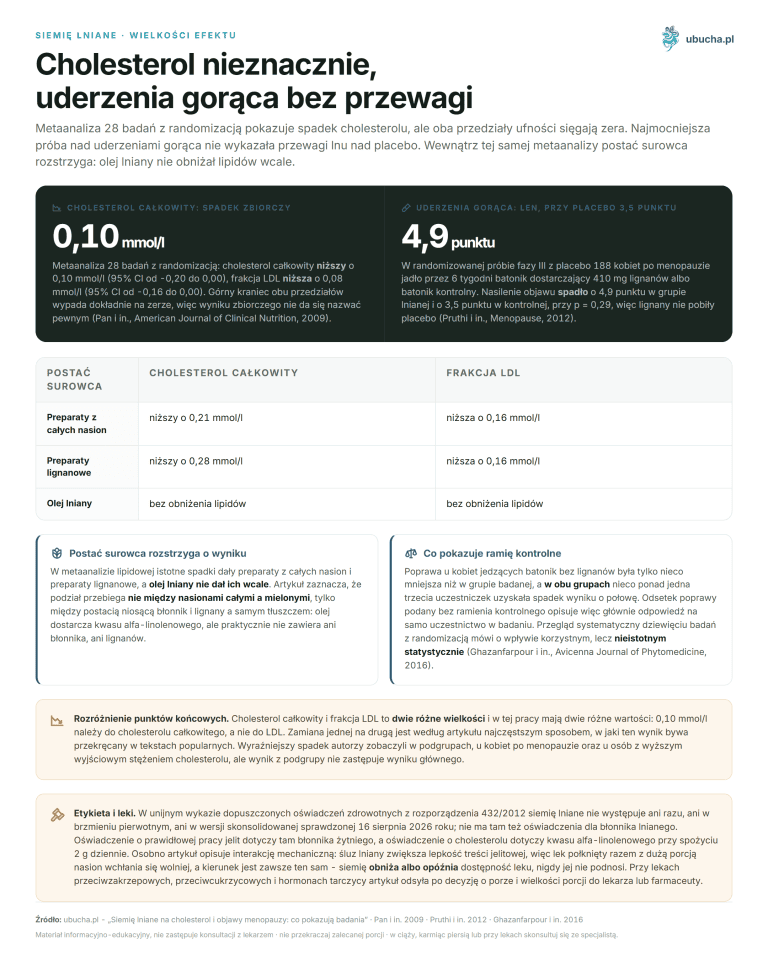
The answer is cautious, but the justification that was previously stated here was false. The article claimed that combining cannabidiol with alcohol results in greater motor impairment than either substance alone, citing Consroe from 1991. The work exists, but it is from 1979 and states the opposite (Consroe et al., Psychopharmacology, 1979).
The study involved ten healthy volunteers, six men and four women, in a double-blind, crossover, and randomized design, with a week-long interval between conditions. Each received placebo, 200 mg of cannabidiol, alcohol at a dose of 1 g per kilogram of body weight, and both simultaneously. Finger tapping speed, attention tests, one-minute recall, and subjective feelings were measured. Compared to placebo, significant impairment of motor and psychomotor performance was caused by alcohol and alcohol with cannabidiol, but not by cannabidiol alone. There were few differences between the two conditions with alcohol, and the blood alcohol concentration was significantly lower when combined. The authors conclude that the lack of effect of cannabidiol on performance extends to its interaction with alcohol.
Thus, the caution regarding this combination has a different justification than previously stated. Alcohol itself impairs performance, the study involved ten people and one dose from nearly fifty years ago, and today’s edible products differ from that capsule in composition and content. Additionally, there is the EFSA warning about the liver, which processes alcohol and cannabidiol simultaneously. If you are looking for a practical rule, it is: do not combine, because it is unknown, not: do not combine, because it has been measured that it is worse.
Frequently Asked Questions
How long does the effect of too large a portion of edible CBD last?
There is no measured answer for food products containing cannabidiol. It is known that absorption after ingestion takes time and that a fatty meal significantly increases exposure. If symptoms consist of drowsiness, it is reasonable to wait them out in a calm place and refrain from driving.
When to call for help?
Dialing 112 or contacting a doctor is advisable in cases of loss of consciousness, difficulty breathing, persistent vomiting, severe disorientation, and a rapid heartbeat that does not subside. Regardless of the severity of symptoms, help is required for consumption by a child, by a person taking medications, and during pregnancy and breastfeeding.
Is cannabidiol toxic to the liver?
The EFSA panel noted consistent liver toxicity in animal studies and potential hepatotoxicity in humans, especially when used concurrently with medications, in 2026. In a controlled trial on epilepsy, liver test results increased more than three times above normal in 20 patients taking cannabidiol compared to one in the placebo group.
Is edible CBD stronger than sublingual oil?
This cannot be determined, as the bioavailability of either route has not been measured in humans. It has only been measured after smoking and was 31 percent. The metabolite formed in the liver from cannabidiol has not been shown to have stronger effects, so the argument for enhancement by first-pass metabolism does not apply here.
What did the study on cannabidiol and alcohol really show?
In ten healthy volunteers, alcohol and alcohol with cannabidiol impaired motor and psychomotor performance compared to placebo, while cannabidiol alone did not. There were few differences between the two conditions with alcohol. The earlier statement in this article, suggesting that the combination intensified impairment, was a reversal of the findings of this study.
Can you drive after consuming a product with cannabidiol?
No, as long as you feel drowsy, dizzy, or have difficulty concentrating. Drowsiness was the most common symptom occurring more frequently than in the placebo group in controlled studies. Wait until all symptoms have completely subsided, and if in doubt, refrain from driving.
If you want to check how much cannabidiol the packaging claims and why calculating the dose based on body weight has no basis in research, we described it in the text about the content of gummies with cannabidiol. Separately, regarding a product with THC, not with cannabidiol, a useful entry will be about what a bad trip is and what first aid looks like.
This article is for informational and educational purposes only and does not constitute medical advice. Before starting to use cannabis or CBD for therapeutic purposes, consult a doctor, especially if you are taking other medications, are pregnant, or breastfeeding.
Author: Michał Waluk · Published: 2026-08-09 · Updated: 2026-08-16