
Tolerance break: how long does it last and how to go through it
A tolerance break from THC and CBD: how long it should last, how to go through it step by step, and how to alleviate withdrawal symptoms. What does the PET study say.
A tolerance break, in English tolerance break, is a planned cessation of cannabinoid use during which CB1 receptors regain sensitivity. With daily THC use, the goal is at least 4 weeks, while for CBD, usually 1-2 weeks is sufficient. Have you been taking the same dose for months and feel less and less? That is tolerance. It is biologically real, not just a subjective impression. PET studies have shown that regular cannabis users have 20% fewer available CB1 receptors in the brain than non-users, and after about 4 weeks of abstinence, receptors return to normal (Hirvonen et al., Molecular Psychiatry, 2012). A tolerance break is a planned pause that restores this sensitivity. Not sure if it’s your time yet? The signals to recognize it are gathered in the text 7 signals that it’s time for a tolerance break. This article answers the most common questions: how long, how gradually, what to do during the break, and whether it makes sense with CBD.
KEY INFORMATION
• Regular THC users have 20% fewer available CB1 receptors. Full density returns after about 4 weeks of abstinence (Hirvonen et al., Molecular Psychiatry, 2012).
• Withdrawal symptoms from THC (irritability, bad dreams, sleep problems) are strongest on days 2-3 and usually subside within 1-2 weeks.
• CBD does not cause classical tolerance through CB1, but a break may help assess whether supplementation still works.
• After a t-break, return to half of the previous dose - receptor sensitivity will be clearly higher.
What is a tolerance break and where did the term come from?
A tolerance break, commonly referred to as a “t-break”, is a planned break from cannabinoid use, primarily THC, but increasingly breaks from CBD are also discussed. The term originates from the cannabis user community, but its biological foundations are solid and well documented in the scientific literature.
The mechanism of tolerance to THC is precisely studied. THC activates CB1 receptors strongly and durably, as a full agonist. This triggers a downregulation mechanism in the neuron: receptor internalization. The cell literally “hides” CB1 receptors inside, reducing the number of available binding sites. With the next administration of THC, fewer receptors remain for activation, so the effect is weaker despite the same dose (Sim-Selley, Critical Reviews in Neurobiology, 2003). The exact kinetics of this process, i.e., how quickly receptors disappear and how quickly they return, is described in our text about the kinetics of the CB1 receptor.
The 2012 study by Hirvonen was groundbreaking because it was the first to measure this process in living humans using PET imaging. The results were clear: chronic cannabis users had 20% fewer available CB1 receptors in brain structures important for reward and emotions. After about a month of uninterrupted abstinence under observation, receptors returned to levels comparable to the control group. This is the scientific justification for a t-break.
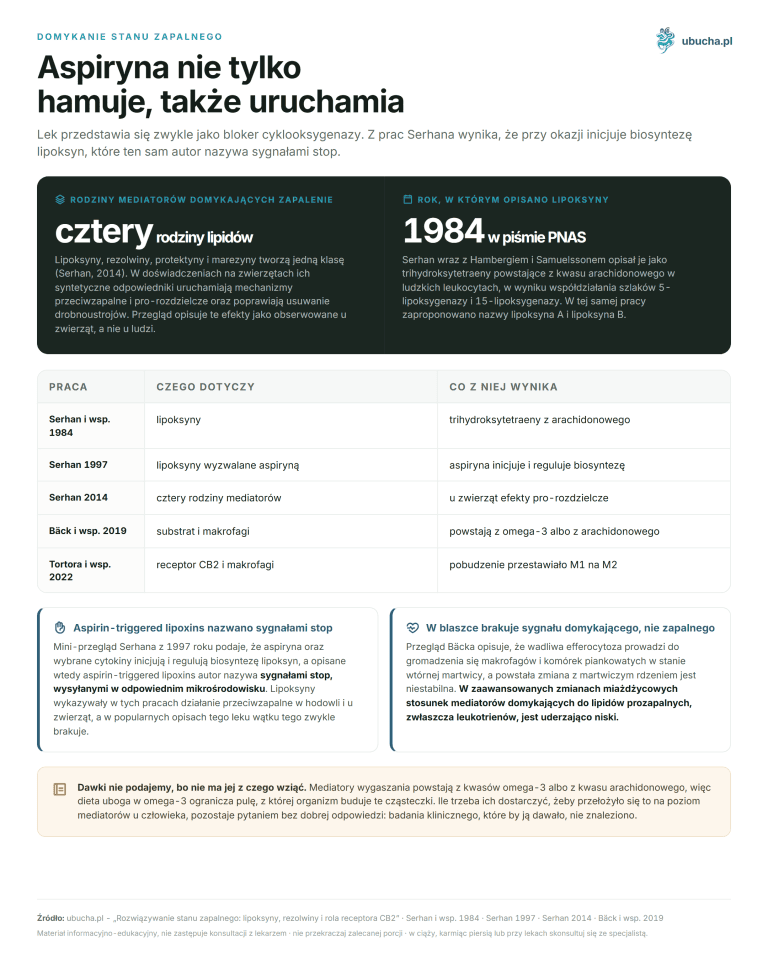
Is tolerance to THC and CBD the same phenomenon?
Tolerance to THC and potential tolerance to CBD are mechanistically different phenomena. THC is a full agonist of CB1 and induces classical tolerance through receptor internalization. This is a certain and well-studied mechanism. CBD, on the other hand, has minimal direct affinity for CB1, so it does not induce the same mechanism.
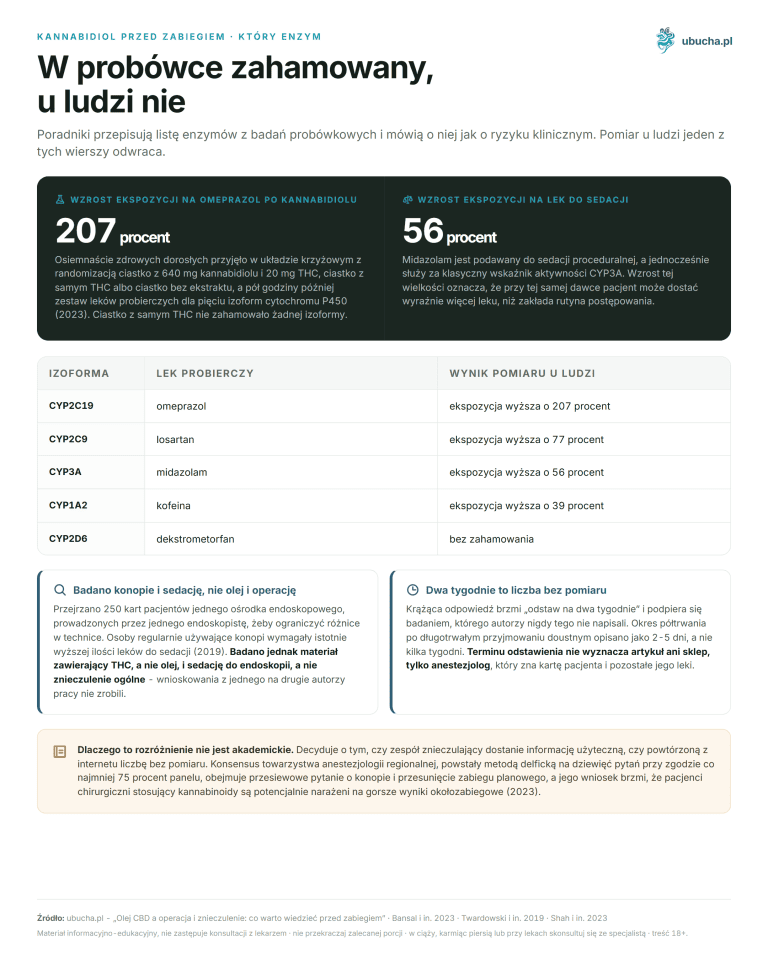
However, why do some CBD users report that the effect weakens after weeks of use? Several possible explanations. First, CBD interacts with many other receptors: 5-HT1A, TRPV1, GPR55, adenosine receptors, and tolerance may concern these pathways. Second, a placebo effect may occur with initial use, which naturally fades. Third, changes in liver metabolism (induction of CYP3A4/CYP2C19 by CBD) may affect bioavailability with prolonged use. If CBD oil has stopped working as it did before, check our text on the CBD tolerance reset protocol to assess which of these mechanisms fits your situation.
| Feature | THC Tolerance | CBD Tolerance |
|---|---|---|
| Mechanism | Internalization of CB1 receptors | Adaptation of 5-HT1A pathways, FAAH, metabolism |
| Scientific confirmation | Strong (PET studies, animal models) | Weak (lack of clinical studies) |
| Withdrawal symptoms | Clear: irritability, insomnia, appetite | Mild or none |
| Length of tolerance break | At least 4 weeks (confirmed by PET study) | 1-2 weeks usually sufficient |
| Upon return | Clearly higher effect of the same dose | Potentially higher, depends on the individual |
How to conduct a tolerance break step by step?
There is no one universal t-break protocol, but certain rules arise from pharmacology. Here is an approach based on what we know about the half-life of THC and the kinetics of CB1 receptors.
- Set the length of the break. The Hirvonen study confirms a full return of CB1 receptor density after about 4 weeks of uninterrupted abstinence: this is a reasonable goal for daily THC users. Shorter, multi-day breaks alleviate withdrawal symptoms but do not fully restore receptor sensitivity; why there is no measurement in brain imaging for two days is explained in our text about brain imaging after a two-day break. For CBD, 1-2 weeks is a reasonable starting point.
- Gradually reduce the dose. Sudden cessation after prolonged THC use can intensify withdrawal symptoms. For 3-5 days before the planned break, reduce the dose by 25-30% daily. This especially applies to those using THC medically: sudden cessation can worsen pain or sleep control before the body stabilizes. With CBD, such cautious tapering is not necessary, but it won’t hurt.
- Plan for alleviating THC withdrawal symptoms. Symptoms are real and are included in the DSM-5 under the name “cannabis withdrawal syndrome.” The most common are irritability and mood swings, insomnia or vivid, disturbing dreams, and decreased appetite with nausea. They intensify on days 2-3 and usually subside by the end of the first week. Physical exercise, melatonin for sleep, and a diet rich in omega-3 fatty acids, which are substrates for endocannabinoid production, help.
- Return to use gradually. After the break, especially from THC, return to 30-50% of the previous dose: CB1 receptors are now more sensitive, so the old dose may be too strong. For the first few weeks, assess the effect slowly and gradually increase it if you really need to. This is also a good time to change the frequency of use, for example, from daily to every other day.
It is worth knowing that aerobic exercises, such as running, cycling, or swimming, are among the best-documented ways to alleviate withdrawal symptoms by raising the natural levels of anandamide and 2-AG. A study comparing humans and dogs showed that intense running clearly raises circulating endocannabinoid levels, while a leisurely walk does not have this effect (Raichlen et al., Journal of Experimental Biology, 2012). So you can partially “take a t-break from the t-break” through movement.
Frequently asked questions
What is a tolerance break and how long should it last?
A tolerance break (t-break) is a planned break from cannabinoid use, aimed at restoring the sensitivity of CB1 receptors. A PET study (Hirvonen et al., Molecular Psychiatry, 2012) confirms a full return of receptor density after about 4 weeks of uninterrupted abstinence. For CBD, where evidence of classical tolerance is weaker, usually 1-2 weeks is sufficient.
Why does tolerance to THC increase with regular use?
Regular use of THC leads to the internalization of CB1 receptors: the brain reduces the number of available binding sites as a protective response to continuous stimulation. PET studies have shown that regular cannabis users have 20% fewer available CB1 receptors than non-users, which translates to a weaker effect of the same dose.
Does CBD also cause tolerance?
CBD does not bind directly to CB1 with high affinity, so it does not induce classical tolerance through receptor internalization. Some users report a weaker effect after weeks of use, which may result from adaptation of 5-HT1A receptors or metabolic changes. There is a lack of hard clinical data: 1-2 week breaks are a reasonable diagnostic strategy.
Will withdrawal symptoms occur during a tolerance break?
Withdrawal symptoms from THC are a real possibility with regular, daily use, and the DSM-5 recognizes cannabis withdrawal syndrome as a separate diagnosis. The most common symptoms are irritability, insomnia, vivid dreams, and decreased appetite: they intensify on days 2-3 and usually subside within 1-2 weeks. Withdrawal symptoms from CBD are milder and less frequently reported.
How long after a tolerance break will the effects of THC or CBD be stronger?
After at least a 4-week t-break, the density of CB1 receptors returns to levels comparable to non-users, which means a clearly higher effect at the same dose. Return to 30-50% of the previous dose and gradually increase it, observing the body’s response.
Does a tolerance break make sense with chronic CBD use?
If you use CBD daily for months and feel that the effect is weakening, a week-long break is a reasonable diagnostic step. There is no hard data that CBD induces clinically significant tolerance, but a break will help assess whether continuing supplementation makes sense. If after a week without CBD you feel no difference, it is worth reconsidering the purpose of supplementation.
Does physical activity help during a tolerance break?
Yes. Aerobic exercise raises the natural levels of anandamide and 2-AG, which can alleviate withdrawal symptoms and improve mood during the break. Intense running clearly increases circulating endocannabinoid levels in humans, unlike a leisurely walk (Raichlen et al., Journal of Experimental Biology, 2012).
If you are returning to CBD after the break, oil with a dropper makes it easier to precisely dose from a lower starting dose: see the offer in the oils category.
This article is for informational and educational purposes and does not constitute medical advice. Before starting to use cannabis or CBD for therapeutic purposes, consult your doctor, especially if you are taking other medications, are pregnant, or breastfeeding.
Author: Michał Waluk · Published: 2026-08-09 · Updated: 2026-08-24