
Shatter, wax, budder and crumble: a guide to concentrate consistencies
Shatter, wax, budder, and crumble are names from producer practices, not science. Check what was detected in 57 tested concentrates and what their status is in Poland.
Four names, four completely different appearances: one extract is as transparent as amber glass, another is creamy, the third crumbles in your fingers, the fourth sticks to everything. These are not different substances, but different consistencies of the same class of extracts. It is worth knowing from the beginning that this division comes from producer practices, not from scientific classification. The only widely cited laboratory study of this group of products divided 57 samples into two groups, not four, and did so based on appearance and the declaration of the person providing the material (Raber et al., The Journal of Toxicological Sciences, 2015). Below you will find what can be said about these products based on measurements, as well as their legal status in Poland.
KEY INFORMATION
• In 57 concentrates from the California market, THC content ranged from 23.7% to 75.9% (Raber et al., 2015).
• Over 80% of samples were contaminated in some way.
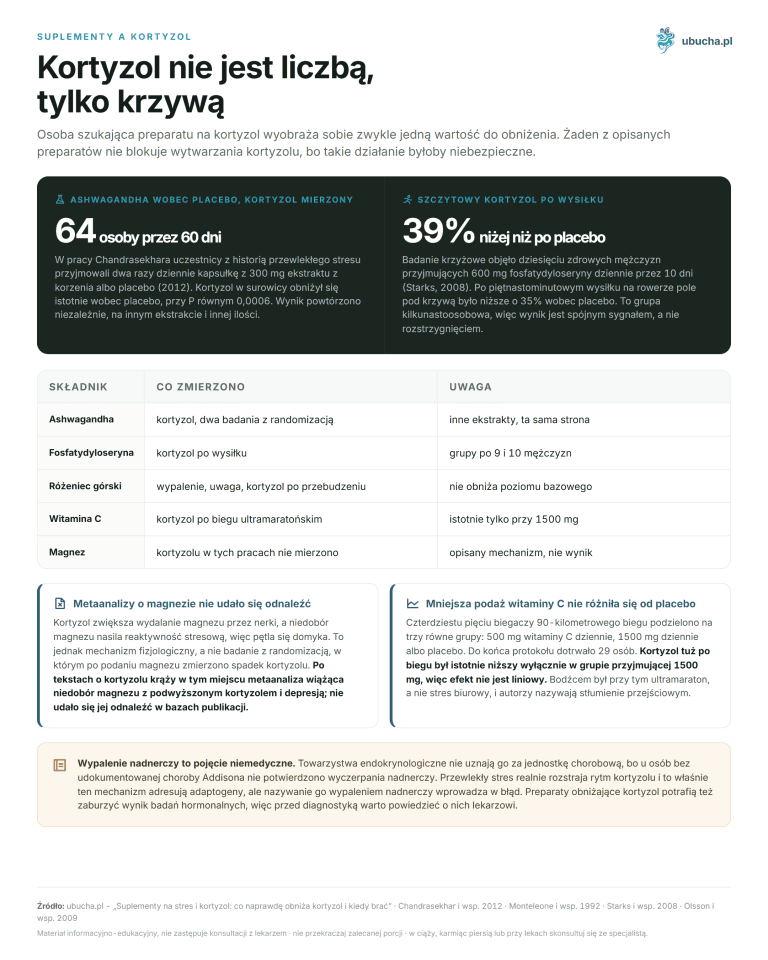
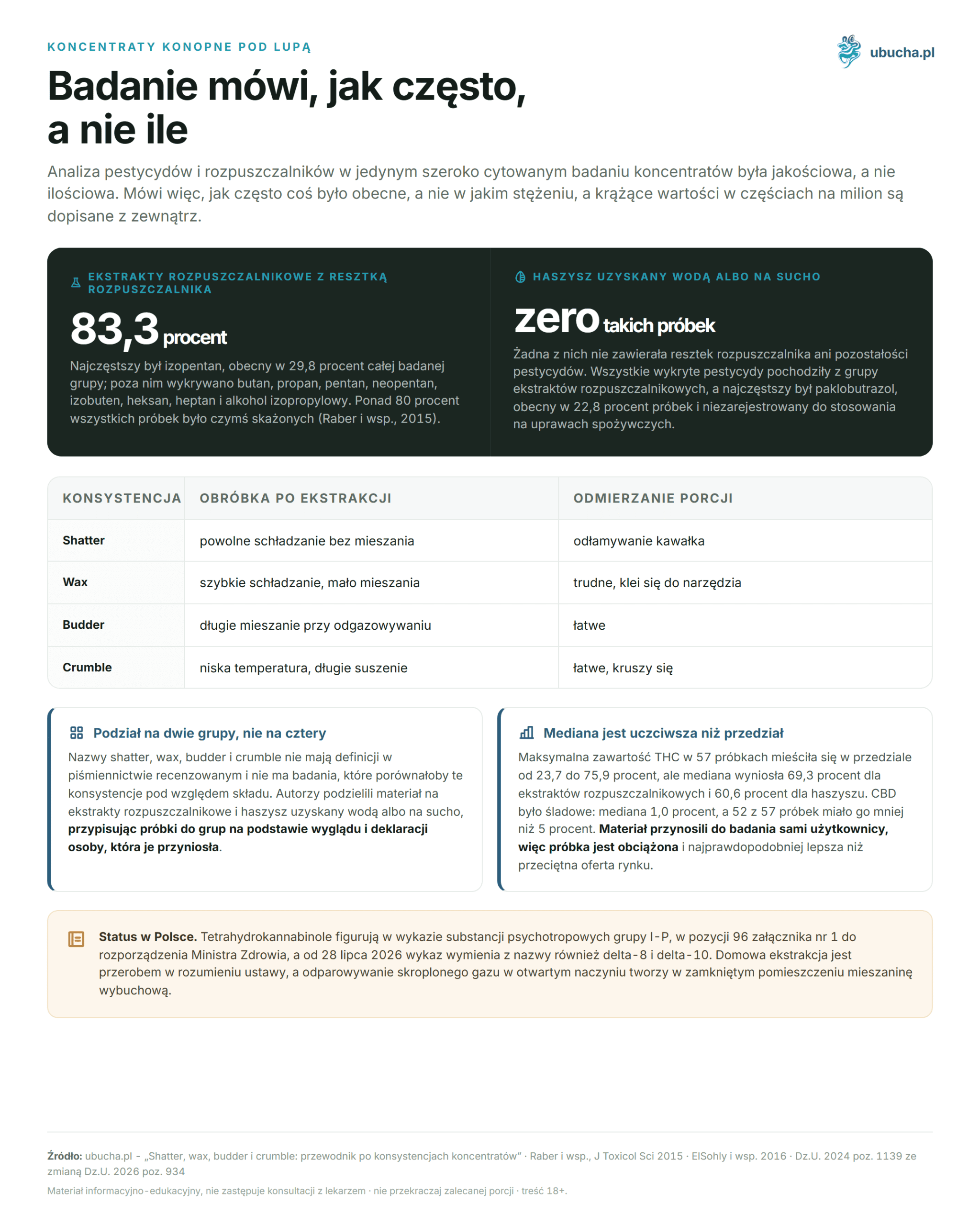
• Residual solvent was detected in 83.3% of solvent extracts and in none of the water hash samples.
• Shatter, wax, budder, and crumble differ in processing after extraction, not in raw material.
• In Poland, tetrahydrocannabinols are controlled substances.
Where do different consistencies of concentrates come from?
Cannabis concentrate is created by extracting cannabinoids and terpenes from the plant. This is done using a solvent, most often a mixture of liquefied hydrocarbon gases, or without a solvent, mechanically and with ice water. What happens to the raw extract after extraction determines its appearance: temperature, vacuum drying time, and whether the mass is mixed or left undisturbed.
At this level, the description is reliable because it stems from the process itself. The situation is worse with the molecular layer. The names shatter, wax, budder, and crumble do not have definitions in the peer-reviewed literature, nor is there a study that compared these four consistencies with each other in terms of composition. In the only widely cited study of concentrates, the authors divided the material solely into solvent extracts and hashish obtained by water or dry methods, assigning samples to groups based on appearance and the declaration of the person who brought them.
The practical consequence is that the name on the package is not a parameter. Two products described as budder may come from different raw materials, different solvents, and different drying regimes. The only thing that realistically distinguishes batches from each other is the result of laboratory testing, not the word used by the seller.
What are the differences between shatter, wax, budder, and crumble?
They differ in the method of processing the extract after it has been obtained and the resulting texture. Shatter is produced by slow cooling without mixing, wax and budder by mixing, crumble by longer vacuum drying at lower temperatures. The table below compares the features that can be observed on the product.
| Feature | Shatter | Wax | Budder | Crumble |
|---|---|---|---|---|
| Consistency | hard, glassy, brittle | soft, sticky | creamy, buttery | dry, crumbly |
| Transparency | transparent | cloudy | opaque | opaque, matte |
| Post-extraction processing | slow cooling without mixing | rapid cooling, minimal mixing | long mixing during degassing | low temperature and long vacuum drying |
| Behavior in heat | softens and starts to stick | softens | softens | most resistant |
| Measuring portions | breaking off a piece | difficult, sticks to the tool | easy | easy, crumbles |
Besides this quartet, there is also sugar, which is an extract with a grainy structure that forms spontaneously from initially uniform material. It is not a fifth category in any scientific study, but another trade name describing what is visible. The same should be applied to other terms on labels.
How much THC do concentrates really contain?
Less than what commercial descriptions state, and with a huge variance. In Raber’s study, 57 samples submitted for testing by participants of the California medical program between December 2012 and February 2013 were analyzed. The maximum THC content ranged from 23.7% to 75.9%, with one exception containing 2.7% THC and 47.7% CBD (Raber et al., The Journal of Toxicological Sciences, 2015).
The median is a fairer measure here than the range. For solvent extracts, it was 69.3%, and for hashish obtained by water or dry methods, 60.6%. CBD in both groups was trace: median 1.0%, and 52 out of 57 samples had less than 5%. The authors note that the material was brought for testing by users themselves, so the sample is biased and likely better than the average market offer.
For comparison with flower: analysis of 38,681 samples seized by the American Drug Enforcement Agency showed an increase in the average THC content in plant material from about 4% in 1995 to about 12% in 2014, with a simultaneous decrease in CBD below 0.15% (ElSohly et al., Biological Psychiatry, 2016). The median of the concentrate is therefore roughly six times higher than the average for the plant material from those analyses. Both numbers come from different datasets and different years, so treat this as an order of magnitude, not a conversion factor.
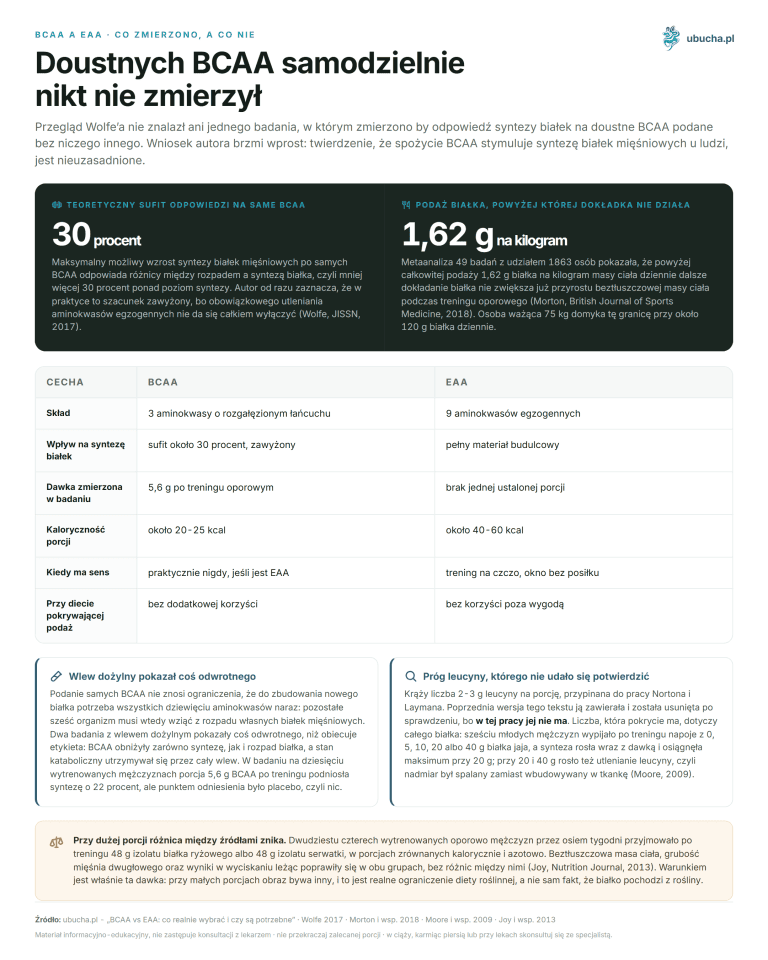
Raber was also interested in how much of this reaches the lungs. In a system simulating a single inhalation, over 90% of THCA acid underwent decarboxylation on the heated element, and from a 40 mg portion of the material with the highest transfer efficiency in traps, over 16 mg of THC was deposited. That much from one inhalation. This is an order of magnitude that is not achieved with flower, and hence the risk with this form of intake.
What was found in the tested concentrates?
Contaminants, and in most samples. Over 80% of the tested concentrates were contaminated in some form. Residual solvent was detected in 83.3% of solvent extracts, with isopentane being the most common, present in 29.8% of the entire tested group. Besides it, butane, propane, pentane, neopentane, isobutene, hexane, heptane, and isopropyl alcohol were detected.
The result for hashish is the opposite and speaks more than the percentages themselves. None of the samples obtained by water or dry methods contained residual solvent or pesticide. All detected pesticides came from the group of solvent extracts. The most common was paclobutrazol, a plant growth regulator, present in 22.8% of samples and not registered for use on food crops.
One caveat to these numbers is important, and the authors themselves noted it: the analysis of pesticides and solvents was qualitative, not quantitative. The study thus indicates how often something was present, not at what concentration. All circulating values in parts per million attributed to this work are added from outside.
The method is also worth noting, as it explains what to look for in the certificate. Solvents were marked using the headspace technique and gas chromatography coupled with mass spectrometry, pesticides by gas chromatography with mass spectrometry in selected ion monitoring mode, and cannabinoid content by high-performance liquid chromatography. A certificate without results for solvents and pesticides describes only half the problem. Two of the three authors worked in a commercial laboratory that performed these analyses; the authors declared no conflict of interest.
Are cannabis concentrates legal in Poland?
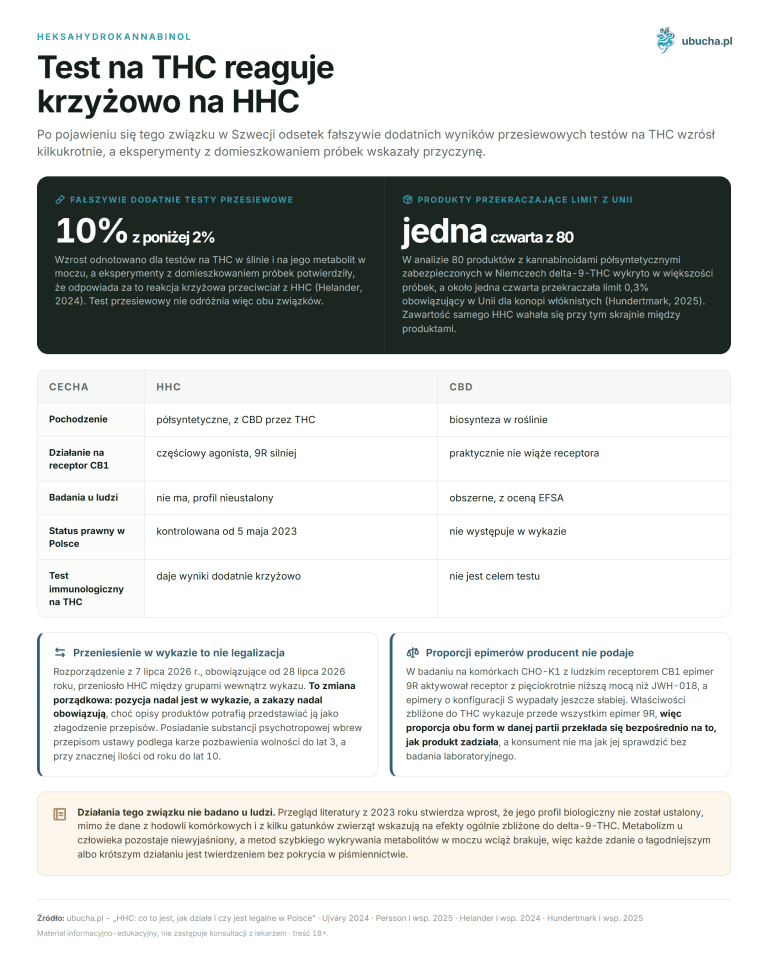
No, if they contain tetrahydrocannabinols. They are listed in the register of psychotropic substances group I-P, position 96 of Annex 1 to the Regulation of the Minister of Health regarding the list of psychotropic substances, narcotic drugs, and new psychoactive substances (consolidated text Journal of Laws 2024, item 1139, amended Journal of Laws 2026, item 934). Since July 28, 2026, the list also names delta-8 and delta-10.
The boundary between legal and illegal plants runs along one number and is counted differently than most guides state. Industrial hemp is defined as plants in which the sum of delta-9-THC and tetrahydrocannabinolic acid in the flowering tops or fruiting does not exceed 0.3% when calculated on a dry mass basis, rounded to one decimal place. The basis is Article 4 point 5 of the Act on Counteracting Drug Addiction, consolidated text Journal of Laws 2023, item 1939, as amended by the Act of March 24, 2022, Journal of Laws 2022, item 763.
The national threshold corresponds to the EU threshold from Article 4 paragraph 4 of Regulation 2021/2115, but it does not derive from it. These are two separate regulations with the same numerical value, and the Polish basis is statutory. The previous EU threshold of 0.2% came from the repealed Regulation 1307/2013.
Home extraction does not bypass these regulations, even for a patient with a prescription. Giving the raw material a new form is processing in the sense of Article 4 point 20 of the Act in connection with Article 53. Possession is regulated by Article 62, and its paragraph 2 provides for a penalty of one year to ten years for significant amounts. You can legally buy hemp flower in Poland; extracts with high THC content are not legal.
Separately from the law, there is a physical risk. The authors of the study describe that equipment for home extraction with liquefied gas is cheap and easily accessible, and evaporating gas in an open container quickly creates an explosive mixture in a closed room. During this study, the use of solvents for producing concentrates was banned in California precisely because of explosions in residential buildings.
What are the differences between solventless and CO2 extracts and BHO?
The starting point is what separates the resin from the plant material. Rosin is produced by mechanically squeezing flowers or hashish between hot plates and does not require any solvent. Water hash is produced by washing the raw material with ice water, which detaches the glandular hairs. We have collected both methods more broadly in a post about extracts from frozen flowers.
The result from Raber’s study speaks in favor of solventless methods more strongly than any marketing argument: in the hashish group, no residual solvent was detected, and no pesticides, while in the solvent extracts group, residual solvent was present in over four-fifths of samples.
The third way is supercritical carbon dioxide, which is above about 31 degrees Celsius and about 74 bars. Under these conditions, it behaves like a solvent, and when the pressure is lowered, it returns to gas form and leaves the product. In the THC transfer test to inhalation, the extract obtained by this method delivered 57.2% of the available THC, compared to 70.0% for good quality wax and 61.8% for water hash, while low-quality wax delivered only 26.7%. The differences between technologies are therefore smaller than the differences between batches of the same technology.
The common denominator is this: without the result of laboratory testing, none of these names guarantees anything. The culture of dabbing has its own date and its own history, which we described in connection with 710 day.
Frequently asked questions
What is shatter and why is it transparent?
Shatter is a hard, glassy extract that breaks into pieces. Transparency is related to the processing method after extraction: slow cooling without mixing. There is no peer-reviewed study that defines shatter as a separate category, so two products with this name may differ significantly from each other.
What are the differences between wax, budder, and crumble?
They differ in the processing after extraction, not in the raw material. Wax is produced by rapid cooling and minimal mixing, budder by prolonged mixing during degassing, crumble by low temperature and long vacuum drying. All three names come from producer practices and are not a quality parameter.
How much THC does a cannabis concentrate contain?
In 57 tested samples from the California market, the maximum THC content ranged from 23.7% to 75.9%, with a median of 69.3% for solvent extracts and 60.6% for hashish (Raber et al., 2015). The material for the study was brought by users, so the sample is biased towards better products.
Are cannabis concentrates contaminated?
In Raber’s study, over 80% of samples were contaminated in some form. Residual solvent was detected in 83.3% of solvent extracts, and paclobutrazol in 22.8% of samples. No sample of hashish obtained by water or dry methods contained solvent or pesticide. The analysis was qualitative, so the concentrations are not provided.
Are cannabis concentrates legal in Poland?
No, if they contain tetrahydrocannabinols. They are listed in the register of psychotropic substances group I-P, position 96 of Annex 1 to the Regulation of the Minister of Health (Journal of Laws 2024, item 1139 with changes Journal of Laws 2026, item 934). Legal are plants and products from industrial hemp, in which the sum of delta-9-THC and THCA does not exceed 0.3%.
Is home extraction safe?
No, and it is also illegal. Giving the raw material a new form is processing in the sense of Article 4 point 20 of the Act on Counteracting Drug Addiction in connection with Article 53. Evaporating liquefied gas in an open container creates an explosive mixture in a closed room, which was the reason for banning such production in California.
This article is for informational and educational purposes and does not constitute legal advice. The legal status described in the article is valid as of the date of publication: regulations regarding cannabis may change. Before making a decision, consult a lawyer or current legal acts.
Author: Michał Waluk · Published: 2026-08-09 · Updated: 2026-08-15