


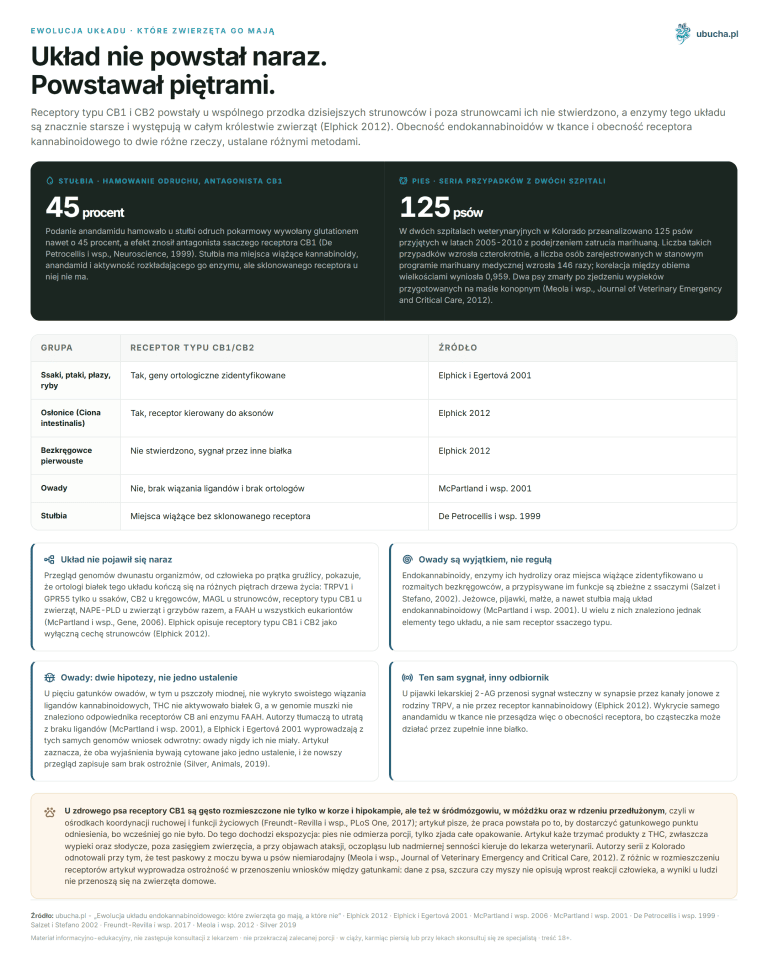
The evolution of the endocannabinoid system: which animals have it and which do not
Which animals have CB1 and CB2 receptors, and which do not. Hydra, insects, dogs, and humans in light of research on the evolution of the endocannabinoid system.

Which animals have CB1 and CB2 receptors, and which do not. Hydra, insects, dogs, and humans in light of research on the evolution of the endocannabinoid system.
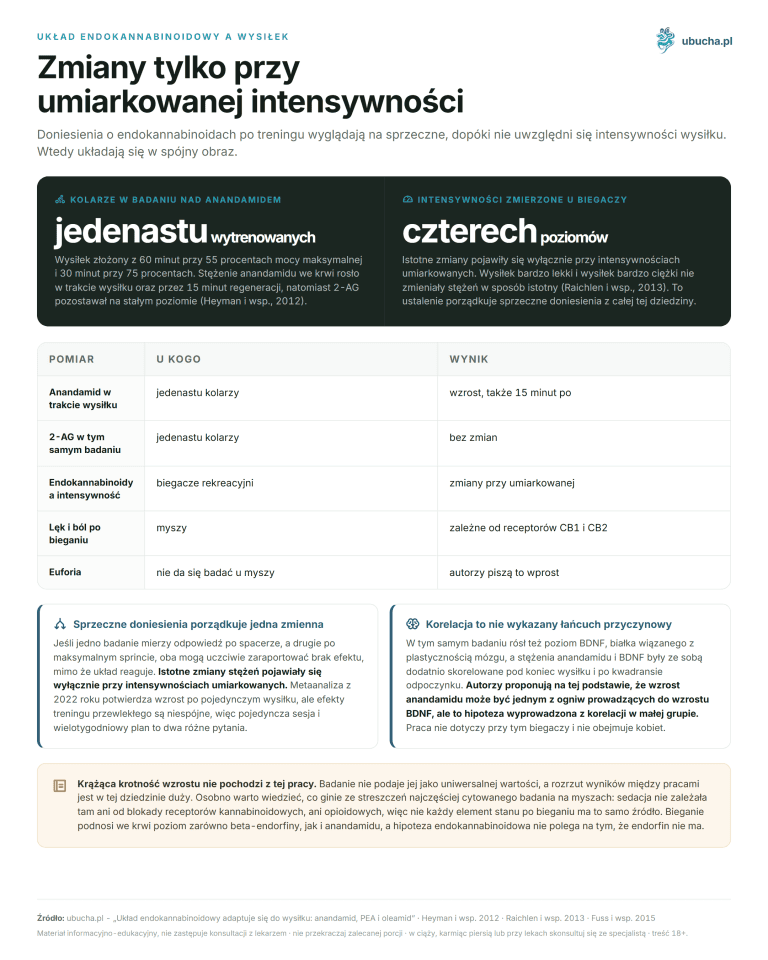
Runner's high is no longer attributed to endorphins. What has really been measured in studies on anandamide, PEA, and oleamide after exercise, and what is still unknown.
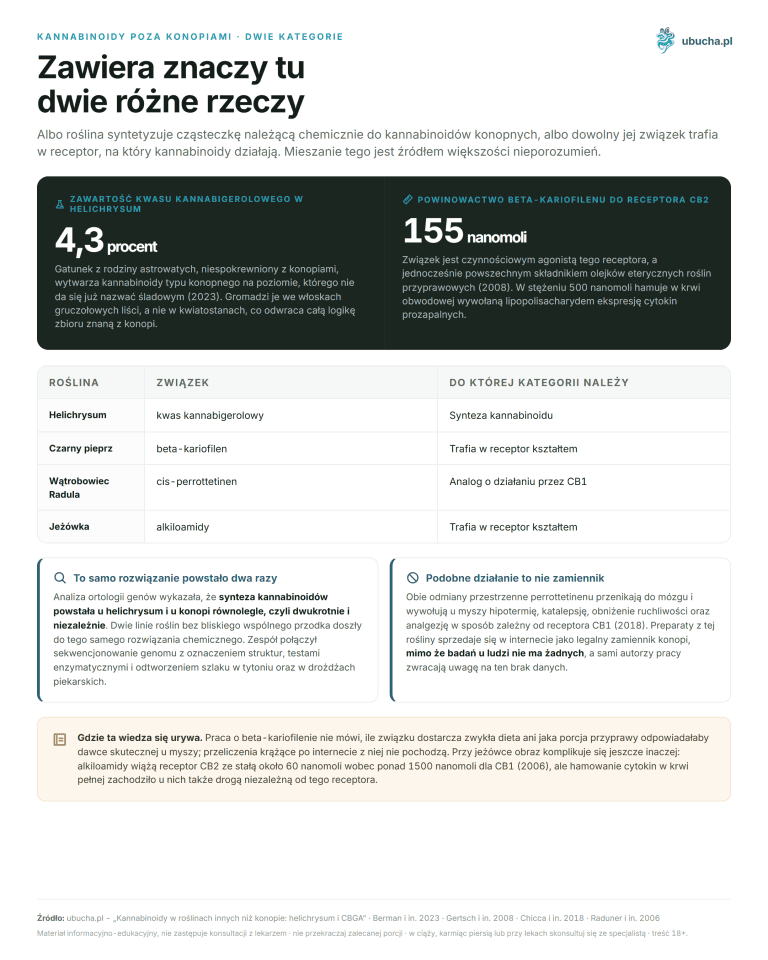
Helichrysum produces cannabigerolic acid independently of cannabis, beta-caryophyllene binds to the CB2 receptor, and Radula liverwort provides a THC analog. What do the studies say.
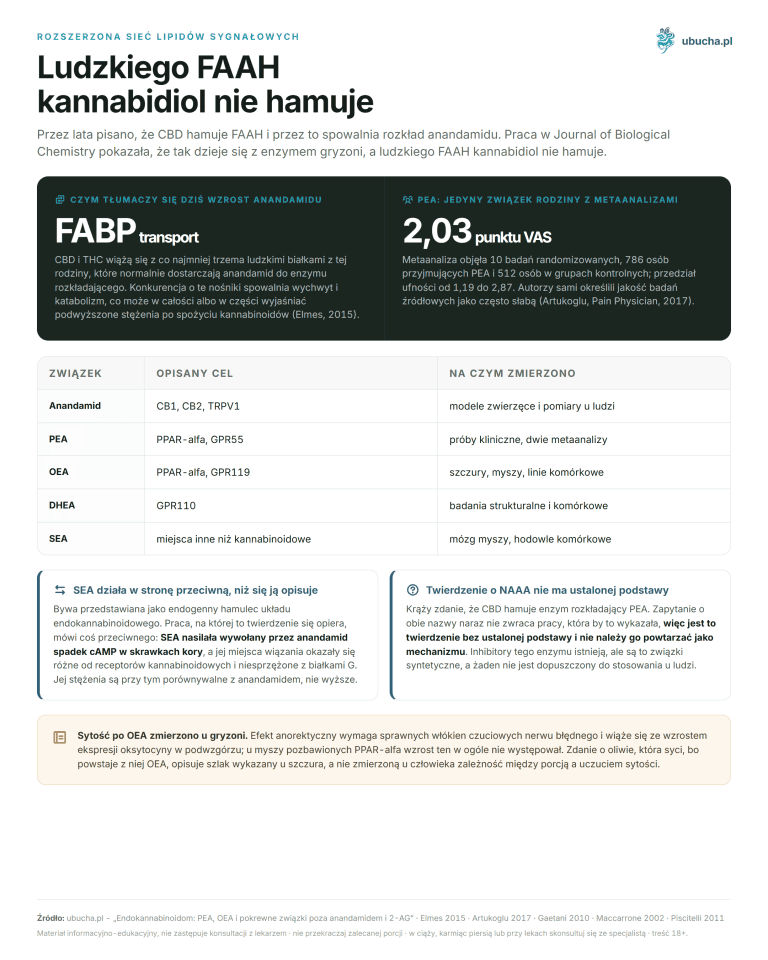
Endocannabinoids are an expanded network of signaling lipids. Where this name comes from, what PEA, OEA, DHEA, and SEA do, and what has been measured in humans and what in animals.
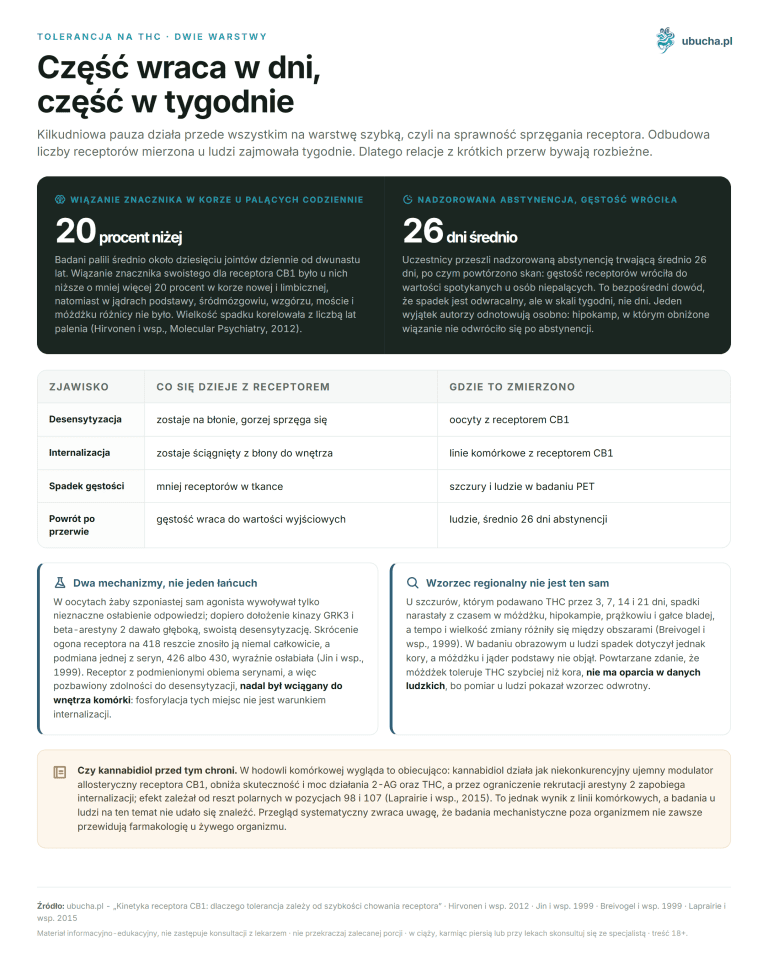
Tolerance to THC is desensitization and internalization of the CB1 receptor. This has been shown by cell, animal, and PET imaging studies in regular users.
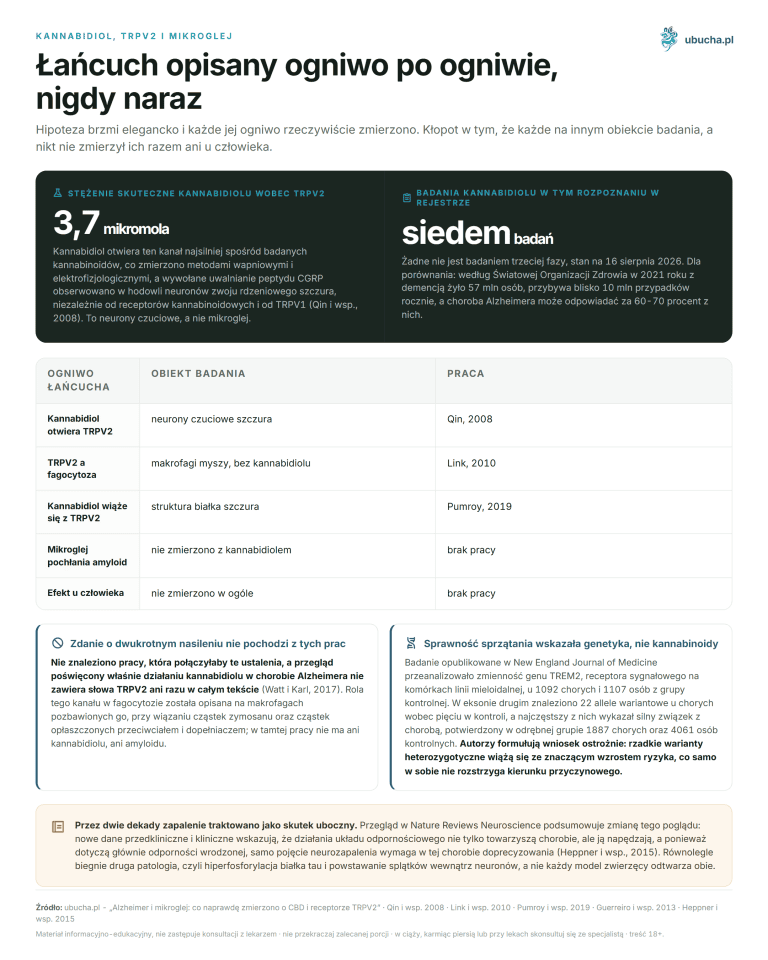
We check what was really measured regarding cannabidiol, the TRPV2 receptor, and amyloid clearance by microglia. Three studies, three different research subjects.
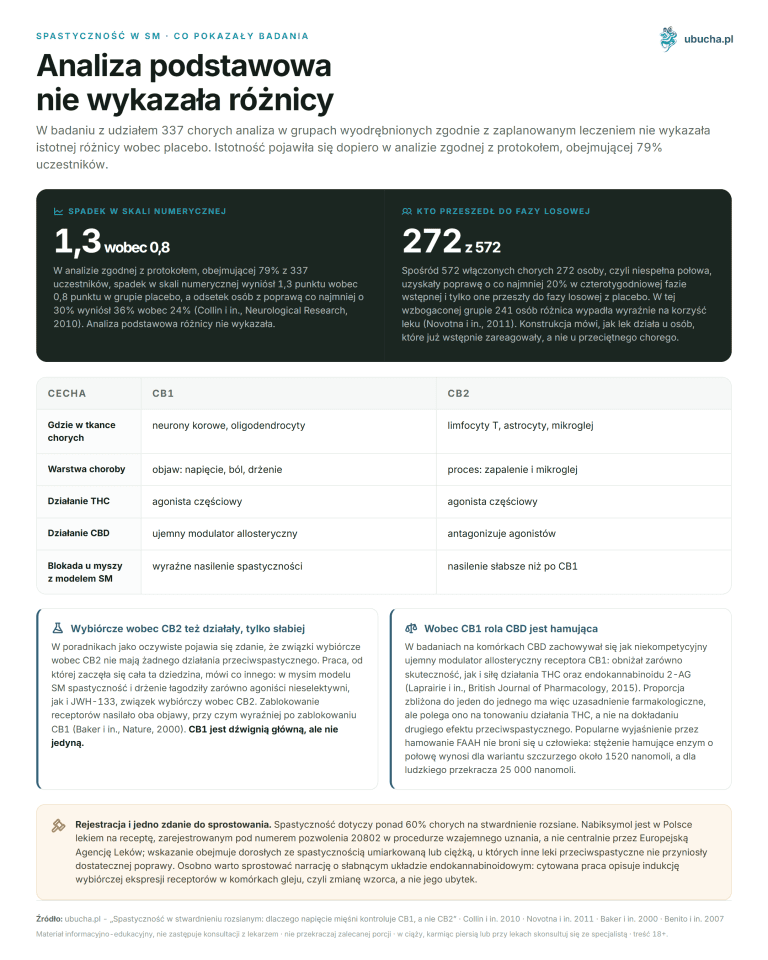
Spasticity in multiple sclerosis and cannabinoid receptors: what CB1 does, what CB2 does, how nabiximols work, and what clinical studies have really shown about it.
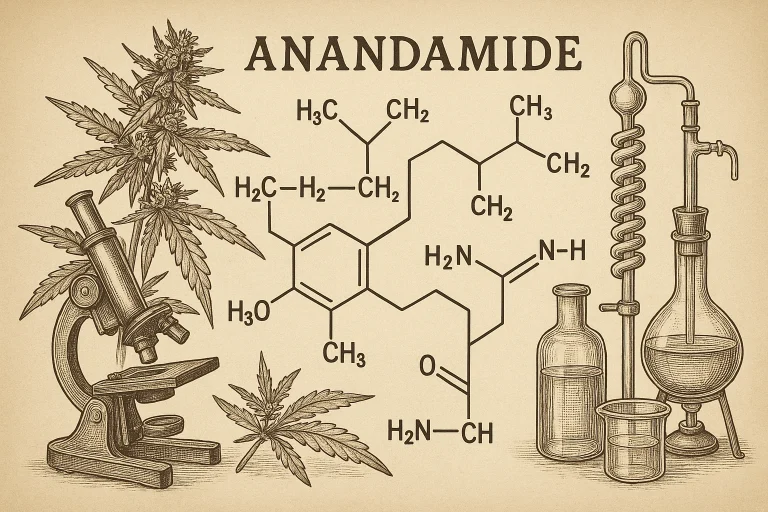
Anandamide was isolated from the pig brain in 1992. Who discovered what and in what order, how this lipid works, and why the CBD mechanism needed improvement.
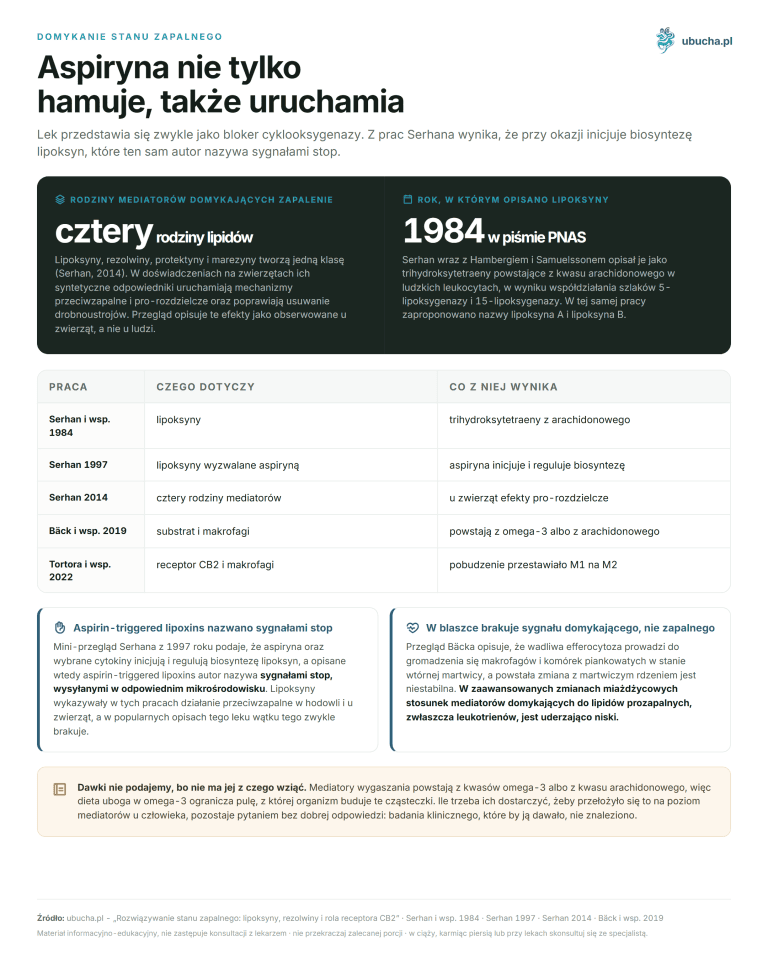
Inflammation does not extinguish on its own. Lipoxins and resolvins actively close it, and the CB2 receptor shifts macrophages towards repair. What studies say about this.
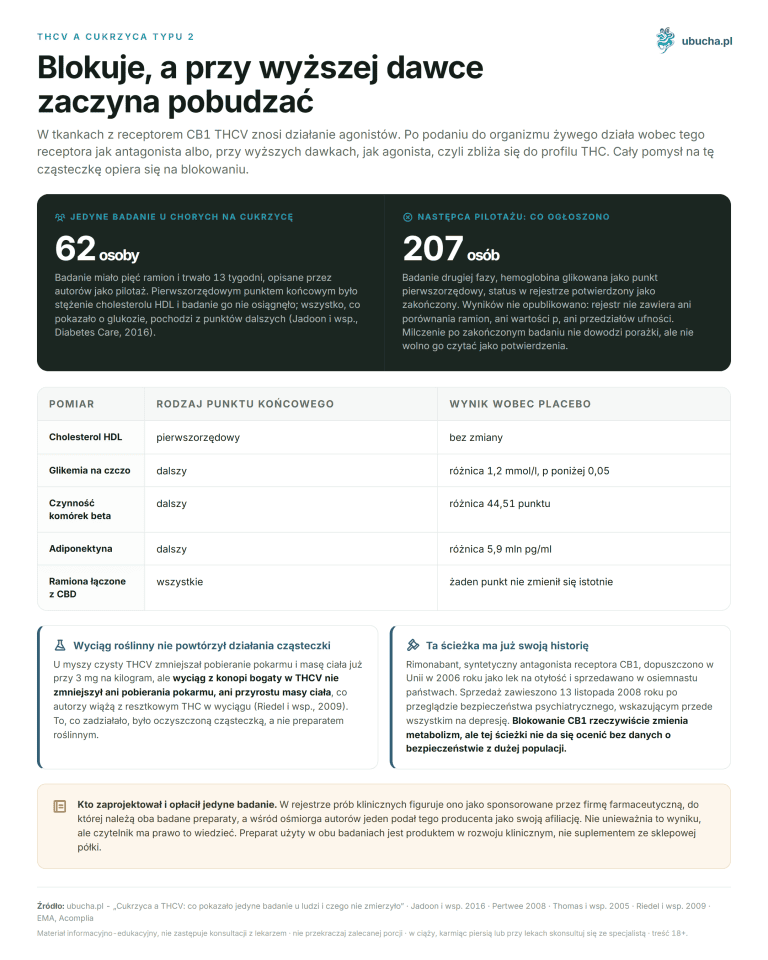
THCV blocks the CB1 receptor, but at higher doses begins to stimulate it. What was measured in a pilot study of 62 patients with type 2 diabetes and what was not measured.
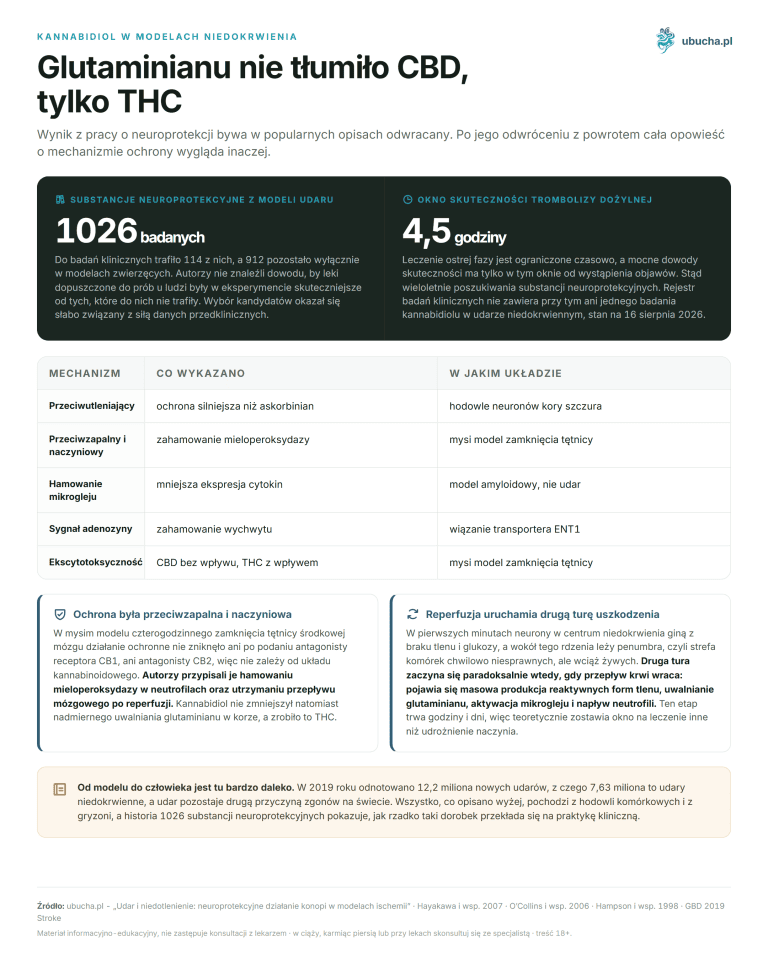
Does CBD protect the brain after a stroke? What have animal models of ischemia really shown, where the boundary of preclinical data lies, and what does the clinical trial registry say.
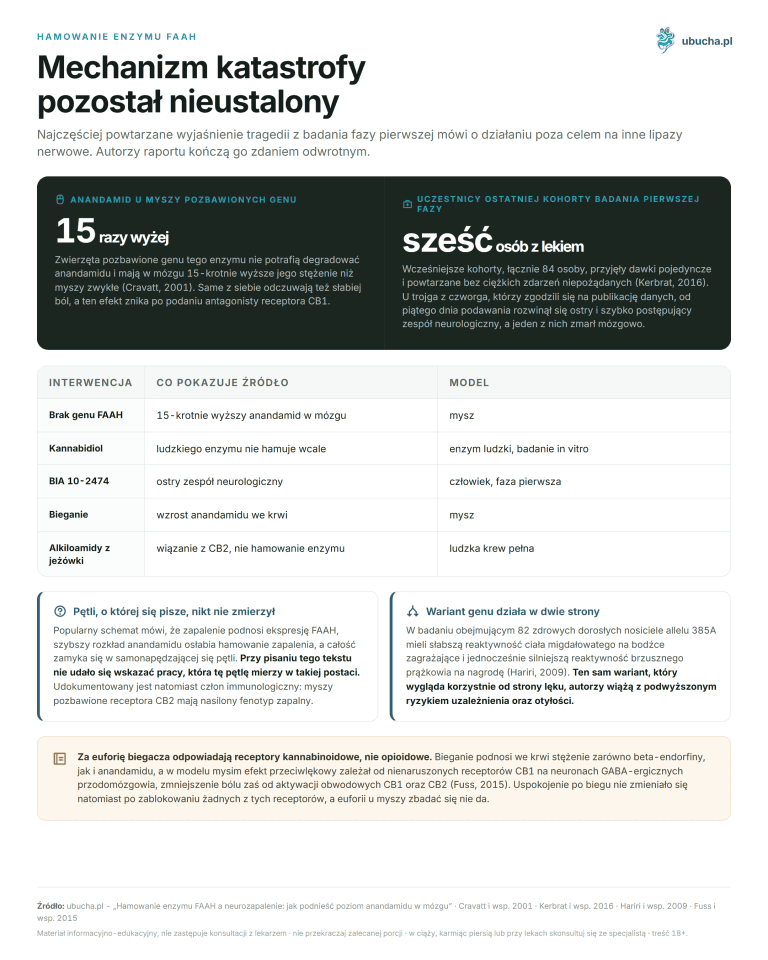
What studies show about inhibiting the FAAH enzyme: Cravatta mice, lack of inhibition of the human enzyme by cannabidiol, and the drug disaster BIA 10-2474.





Are you over 18 years old?
Book with you