
What is lion’s mane (Hericium erinaceus)? Adaptogen, neuroprotection, NGF
Lion's mane (Hericium erinaceus): what compounds it contains, what studies have really shown in humans, how to dose it, and what to watch out for when choosing a product.
Lion’s mane, in Latin Hericium erinaceus, and internationally known as lion’s mane, is an edible mushroom with white, hanging spines that has become one of the most commonly purchased nootropic supplements in recent years. It is distinguished by something that most functional mushrooms lack: its own group of compounds that stimulate the synthesis of nerve growth factor and a small but real randomized study with a placebo group in humans. It is also characterized by the gap between what product descriptions promise and what has actually been demonstrated. In this guide, I separate one from the other: what compounds lion’s mane contains, what specific studies have shown, and where the evidence ends and misinterpretation begins. For each claim, I indicate whether it comes from cell culture, mice, or humans, as this distinction is crucial, and it often disappears in product descriptions.
KEY INFORMATION
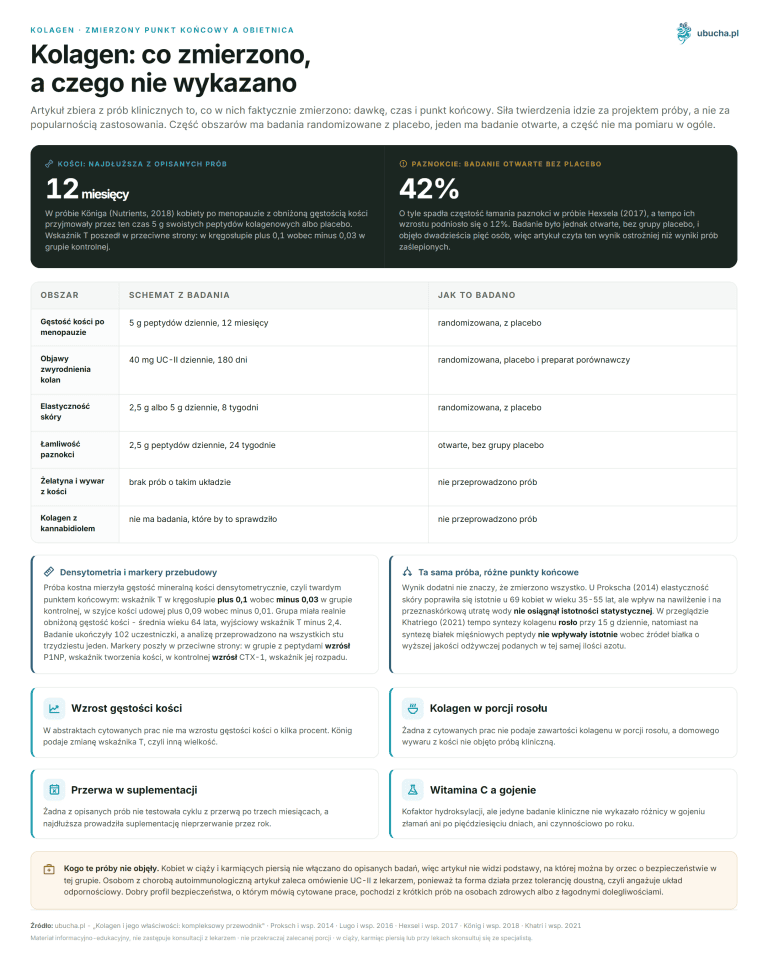
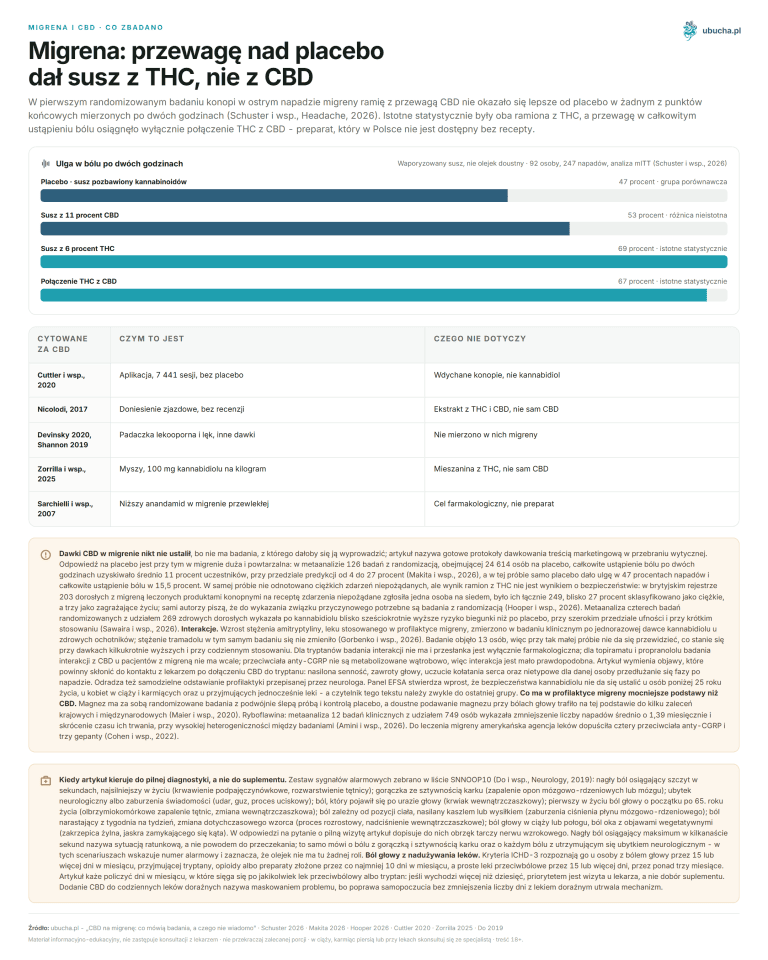
• In a randomized placebo-controlled study of 30 individuals aged 50-80 with mild cognitive impairment, 16 weeks of taking 3 g of dried powder daily improved the score on the HDS-R scale, and the effect disappeared 4 weeks after discontinuation (Mori et al., 2009).
• The extract from lion’s mane stimulated NGF gene expression in human 1321N1 astrocytoma cells via the JNK pathway, but hericenones C, D, and E did not produce this effect (Mori et al., 2008).
• A systematic review included 5 randomized studies and showed a weighted mean increase of 1.17 points on the MMSE scale in the intervention group (Menon et al., 2025).
• Friedman describes about 70 characterized secondary metabolites of this species (Friedman, 2015).
• Reported side effects include gastrointestinal discomfort, headache, and allergic reactions, although they are rarely reported (Menon et al., 2025).
What is lion’s mane and why is it called “lion’s mane”?
Lion’s mane is an edible mushroom from the family Hericiaceae, whose fruiting body takes the form of a white, fleshy mass covered with dense, soft spines hanging down. This appearance has given it all its popular names: the English lion’s mane, the Japanese yamabushitake, and the Polish lion’s mane.
The genus name Hericium derives from the Latin term for hedgehog, and the species epithet erinaceus echoes the same association. The Polish name thus describes exactly the same thing as the Latin, just with a different image. The Japanese yamabushitake refers to the attire of mountain monks (yamabushi), whose fringes resembled the structure of the fruiting body to gatherers.
The mushroom grows on the trunks and logs of deciduous trees, mainly beech and oak, as a saprotroph or a weak parasite of tree wounds. In Poland, it is protected, so the raw material available for sale does not come from forest collection but from cultivation on a substrate of hardwood sawdust or straw. This has practical significance: the composition of the product depends on the strain, substrate, and whether the fruiting body or mycelium was processed, not on a romantically sounding origin from the wild forest.
What is the history of using Hericium erinaceus in Asian medicine?
Lion’s mane is both a culinary ingredient and a raw material for traditional medicine in East Asia, and these two uses have never been as sharply separated there as in Europe. The mushroom is described as both edible and medicinal, widely consumed in Asian countries, although it remained virtually unknown in the United States (Friedman, 2015).
In traditional Chinese medicine, it was primarily used for gastrointestinal ailments, weakness, and digestive problems. Classic recipes recommended cooking dried fruiting bodies in broth rather than extraction, which is worth keeping in mind when evaluating modern preparations: tradition does not support a capsule with an eight-to-one extract, but rather a soup.
Lion’s mane entered Western phytotherapy only at the end of the twentieth century, mainly due to the work of Japanese and Taiwanese researchers on compounds that stimulate the synthesis of nerve growth factor. This moment defined the entire subsequent market narrative: the mushroom ceased to be a food product with culinary tradition and became a nootropic. It is worth remembering that this leap was made based on laboratory studies, not on traditional indications, as ancient Chinese medicine did not use lion’s mane for memory.
What active compounds does lion’s mane contain?
Lion’s mane produces about seventy characterized secondary metabolites. In addition to polysaccharides, it includes erinacines, hericerins, hericenones, resorcinols, sterols, and mono- and diterpenes, as well as volatile compounds responsible for its aroma (Friedman, 2015).
| Group of compounds | Where it occurs | What is known about it |
|---|---|---|
| Hericenones | fruiting body | aromatic compounds; in a test on 1321N1 cells, hericenones C, D, and E did not stimulate NGF gene expression |
| Erinacines | mycelium | cyathane-type diterpenoids; erinacine A inhibited the invasiveness of gastric cancer cells MKN28 and TSGH 9201 |
| Polysaccharides, including beta-glucans | fruiting body and mycelium | immunomodulating fraction, fermented by gut microbiota |
| Sterols, resorcinols, terpenes | fruiting body and mycelium | structurally described, activity mainly studied in the laboratory |
This table contains a distinction that product descriptions blur. Hericenones and erinacines are two distinct chemical classes, not variants of the same substance, and they come from different parts of the mushroom. Erinacines are cyathane diterpenoids, while hericenones are not. Therefore, a product from the fruiting body and a product from the mycelium have a realistically different composition, regardless of what the front of the package promises (Menon et al., 2025).
How does Hericium erinaceus affect the nervous system and NGF?
The neurotrophic mechanism of lion’s mane involves stimulating the synthesis of nerve growth factor by cells, not supplying NGF itself. The mushroom does not contain NGF and could not deliver it orally, as it is a large protein. However, it contains compounds that encourage cells to produce it themselves.
The best-described experiment tested four edible mushrooms, and only the extract from lion’s mane stimulated NGF gene expression in human 1321N1 astrocytoma cells in a concentration-dependent manner. The secretion of NGF protein by these cells also increased, and the medium above them enhanced the growth of neurites from PC12 cells. The effect was abolished by a JNK kinase inhibitor, indicating a signaling pathway. In mice fed a diet with a 5% addition of dried powder for a week, the level of NGF mRNA in the hippocampus increased (Mori et al., 2008).
In the same study, a result was reported that contradicts the most frequently repeated market claim: hericenones C, D, and E did not stimulate NGF gene expression in this system, and the authors concluded that the active substances responsible for the observed effect are not hericenones. The statement about hericenones as the main inducers of NGF is therefore an oversimplification that lacks support in the work it is usually cited from.
The second frequently cited experiment was conducted on a line of neuroblastoma and glioma NG108-15. The combination of 10 ng/ml NGF with 1 microgram per milliliter of extract produced the greatest increase in neurite growth, amounting to 60.6%. However, the same extract did not protect the cells from oxidative stress, so the authors summarized the preparation as neurotrophic but not neuroprotective (Lai et al., 2013). I develop neurotrophic mechanisms separately in the post about lion’s mane as a neurotrophic mushroom.
Does lion’s mane improve cognitive functions in humans?
There is one true randomized placebo-controlled study, and its result is moderately positive. This is the strongest evidence available for this mushroom, yet it is also small evidence: one center, thirty participants, four months of observation.
| Study Element | What Actually Happened |
|---|---|
| Participants | 30 individuals, women and men, aged 50-80, with mild cognitive impairment |
| Division | two groups of 15 individuals, double-blind trial with placebo |
| Preparation | 250 mg tablets containing 96% dried powder from lion’s mane |
| Dose | four tablets three times a day, totaling 3 g per day |
| Time | 16 weeks of intake, then 4 weeks of observation |
| Measurement Tool | scale based on the modified Hasegawa dementia scale (HDS-R) |
| Result | significantly higher scores at weeks 8, 12, and 16; decrease 4 weeks after discontinuation |
It is worth pausing at the last row. The results increased over time, but four weeks after the end of supplementation, they significantly decreased (Mori et al., 2009). This is not a lasting effect. A systematic review later gathered five randomized studies and calculated a weighted increase of 1.17 points on the MMSE scale for the intervention group, which is a real but small change (Menon et al., 2025). What has been demonstrated in humans and what has not is also summarized in the post about studies on lion’s mane.
How does Hericium affect mood and anxiety?
The data is limited to one small study in women and is less favorable than product descriptions suggest. Thirty women were randomly assigned to a group receiving cookies with lion’s mane or placebo cookies for four weeks, and assessments were made using four tools: the Kupperman menopausal index, the CES-D depression scale, the PSQI sleep quality index, and the ICI unspecified discomfort index.
After the intervention, CES-D and ICI scores were significantly lower than before. Compared to placebo, two items on the unspecified discomfort index were significantly lower. Items related to concentration, irritability, and anxiety only showed a tendency towards lower values, meaning the difference did not reach statistical significance (Nagano et al., 2010).
This distinction is important because it is precisely here that marketing materials often cross the line of evidence. The statement about a significant reduction in anxiety and irritability after lion’s mane is not supported by this work, even though the work itself is true and is correctly cited regarding the author and year. The authors also noted that the observed effect suggests a mechanism different from stimulating NGF.
A newer review mentions improvement in symptoms of depression and anxiety, as well as sleep disorders, among the described effects of lion’s mane, still based on a small number of studies (Menon et al., 2025). Lion’s mane is not an antidepressant and does not replace pharmacotherapy or psychotherapy in clinical depression.
What are its anti-inflammatory and antioxidant properties?
The described anti-inflammatory and antioxidant effects of lion’s mane come from studies on cells and animals, and it is attributed a supportive role alongside neurological effects. A review of the chemistry and properties of the species lists anti-inflammatory, antioxidant, and immunostimulatory properties as likely bases for other observed actions (Friedman, 2015).
A newer review dedicated solely to the effects on the nervous system describes lion’s mane as a mushroom capable of stimulating the release of nerve growth factor, regulating inflammatory processes, reducing oxidative stress, and protecting nerve cells from apoptosis (Szućko-Kociuba et al., 2023). However, the authors of the same study emphasize that refining the standardization of supplements with this species is a condition for discussing repeatable efficacy and safety.
Chronic inflammation and oxidative stress are now considered co-responsible for neurodegenerative processes, so a mushroom combining neurotrophic activity with anti-inflammatory properties is a logical candidate for further research. However, this is a premise for investigation, not a conclusion from research. In texts about lion’s mane, these two levels are often conflated into one sentence, after which the reader leaves with the conviction that brain protection against aging has been proven. It has not been proven.
How does lion’s mane affect the digestive system and microbiome?
This is the oldest use of lion’s mane and also the area where newer data best closes the tradition. In Chinese medicine, the mushroom was used for gastrointestinal ailments long before anyone studied its impact on the microbiota.
A systematic review describes that lion’s mane increased the diversity of gut microbiota and the number of bacteria producing short-chain fatty acids, which was associated with reduced inflammation and protection of gut health (Menon et al., 2025). The mechanism is understandable here: beta-glucans are not digested by human enzymes, reach the large intestine, and there they become food for bacteria, and the products of this fermentation include butyrate and other short-chain fatty acids.
This same mechanism explains the most common side effect. Since the polysaccharide fraction is fermented in the intestine, it may cause bloating and gastrointestinal discomfort in some individuals, especially at the beginning and with larger portions. This is not a symptom of intolerance or a reason to discontinue in every case, but a reason to start with smaller amounts.
It is worth separating this from further-reaching claims. Popular statements about inhibiting Helicobacter pylori or healing ulcers with lion’s mane are based on laboratory and animal studies, not on clinical trials in humans, and should not lead to discontinuation of treatment prescribed by a gastroenterologist.
Is the use of Hericium erinaceus safe?
Lion’s mane has a good safety profile for a supplement, but it is not neutral and has not been studied in sensitive populations. In a 16-week randomized study, laboratory tests did not show adverse effects at a dose of 3 g of powder daily (Mori et al., 2009). However, this involved thirty individuals over four months, not population data.
A systematic review lists possible adverse effects including gastrointestinal discomfort, headache, and allergic reactions, adding that they are rarely reported (Menon et al., 2025). Hypersensitivity reactions in individuals allergic to mushrooms remain the most serious described risk.
A broader context is provided by an analysis of the safety of the entire group of adaptogenic and immunomodulating preparations. The most frequently reported events concerned the gastrointestinal tract, skin, liver, circulatory system, and immune system, and among reports indicating one ingredient as suspicious, 15.8% described serious events, with the authors noting that a causal relationship could usually not be established due to incomplete data (Liang et al., 2025).
- Allergy to mushrooms or asthma: exercise caution, hypersensitivity reactions have been reported.
- Pregnancy and breastfeeding: no reliable data, not typically used.
- Children: no data, do not use without consultation.
- Autoimmune diseases and post-organ transplant status: consult due to described immunomodulation.
- Anticoagulants, antidiabetic, and immunosuppressive medications: discuss with a doctor, formal interaction studies are lacking.
- Chemotherapy: do not introduce independently, the decision is up to the treating oncologist.
What forms of lion’s mane are available and how do they differ?
Lion’s mane is available for sale as dried fruiting bodies, powdered form, capsules with extract, and liquid extracts. The difference between them is not just convenience, but also which fraction of compounds actually makes it into the product, as some dissolve in water and others only in alcohol.
| Form | Characteristics | What to watch out for |
|---|---|---|
| Dried fruiting body | raw material closest to culinary form | lowest concentration of active compounds |
| Fruiting body powder | ground whole raw material | cell walls with chitin limit absorption |
| Water extract | polysaccharide fraction, including beta-glucans | excludes alcohol-soluble compounds |
| Alcohol extract | terpenoid fraction, hericenones and erinacines | excludes polysaccharides |
| Dual extract | both fractions combined | declaration without laboratory marking proves nothing |
There is a separate dispute about the raw material: fruiting body or mycelium. The fruiting body is the source of hericenones, while the mycelium is the source of erinacines, so they are not interchangeable products. Mycelium is often grown on grain, and then part of the final mass consists of grain substrate, not mushroom, which lowers the actual content of active compounds. The only way to distinguish is a label stating explicitly what has been processed, and laboratory testing separating beta-glucans from grain starch.
What is the proper dosage of lion’s mane?
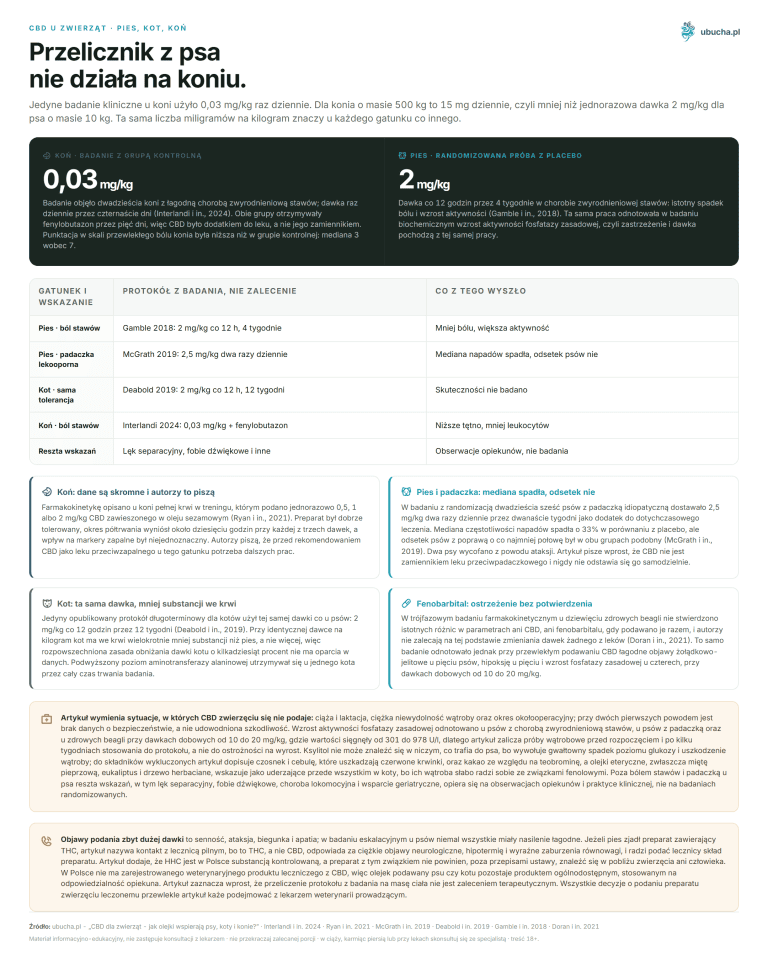
There is no officially established dose for lion’s mane. The only reference point based on a randomized study in humans is 3 grams of dried powder daily, divided into three doses, taken for 16 weeks (Mori et al., 2009). All other numbers on packaging are manufacturer determinations.
Converting this dose to extracts is more complicated than suggested by conversion tables in product descriptions. The extraction ratio given as eight to one only indicates how much raw material was put into the process, not how many active compounds came out of it. Without laboratory marking, two capsules of identical mass may contain significantly different amounts of the substances we care about, and the poor standardization of this group of preparations is a documented problem (Liang et al., 2025).
The second practical tip concerns timing. Lion’s mane does not work immediately and does not have an effect felt after one dose. In Mori’s study, the advantage over placebo appeared only in the eighth week, so assessment after two weeks of use does not make sense. From the same study comes another piece of information: four weeks after discontinuation, the results dropped, so the effect requires continuity.
Since the polysaccharide fraction is fermented in the intestine, it is reasonable to start with a smaller portion and gradually increase it. The time of day can be chosen freely, as the mushroom does not have a stimulating effect and there is no reason to avoid it in the evening.
Can lion’s mane be combined with other adaptogens?
Yes, but without expecting proven synergy, as formal studies on combining lion’s mane with other adaptogens have practically not been conducted. Everything circulating on this topic online is mechanistic reasoning based on the individual profiles of each ingredient, not results from studies on the mixture.
The reasoning itself can be sensible. Lion’s mane works by stimulating the synthesis of nerve growth factor and regulating inflammatory processes, which occurs over weeks. Ingredients that calm tension work over hours. Combining two different time horizons is logical, but logic does not replace evidence, and with mixtures comes a practical problem: the more ingredients, the harder it is to determine which one is responsible for the perceived effect and which for the side effect.
This last problem has been described directly. In an analysis of adverse event reports for multi-ingredient preparations, attributing a specific event to a specific ingredient remained difficult, and complex preparations accounted for the majority of all reports (Liang et al., 2025).
The practical conclusion is simple: introduce one preparation at a time and give it as much time as needed to evaluate anything. If you are interested in comparing it with another popular species, I have described it in the post about reishi mushroom.
How to assess the quality of lion’s mane products on the Polish market?
Assessing quality comes down to one question: does the manufacturer state clearly what they are selling. You cannot infer from the label whether the product will work, but you can infer whether it is known what is inside, and this eliminates a significant portion of the offer.
- The species name Hericium erinaceus stated clearly, without collective terms like mushroom complex.
- Information on whether the raw material is the fruiting body, mycelium, or both.
- Method and extraction ratio stated specifically, along with information about the type of extraction.
- Marked content of beta-glucans, stated separately from alpha-glucans derived from grain starch.
- Testing for heavy metals and microbiological purity.
- Batch number, expiration date, and origin of the raw material.
A certificate of analysis issued by an independent laboratory is the only solid document here. Its absence does not prove that the product is bad, but it means that its composition is based solely on the seller’s declaration. Authors of a review dedicated to the effects of lion’s mane on the nervous system indicate progress in standardization and access to pure analytical standards as a condition for the creation of repeatable, high-quality supplements with this species (Szućko-Kociuba et al., 2023). In Poland, lion’s mane is marketed as a dietary supplement subject to notification to the Chief Sanitary Inspectorate, which means product registration, not testing its efficacy.
Frequently Asked Questions
How long does it take for lion’s mane to start working?
In the only randomized study in humans, the advantage over placebo appeared in the eighth week of taking 3 g of dried powder daily and lasted until the sixteenth week (Mori et al., 2009). Four weeks after discontinuation, the results significantly decreased, so the effect requires continuous use.
Does Hericium help with Alzheimer’s disease?
Lion’s mane is not a treatment for Alzheimer’s disease and does not replace neurological treatment. Mori’s 2009 study included individuals with mild cognitive impairment, not Alzheimer’s patients, and had 30 participants. There is a lack of long-term phase III studies for this indication.
What is the difference between hericenones and erinacines?
Hericenones are aromatic compounds mainly found in the fruiting body, while erinacines are cyathane-type diterpenoids primarily present in the mycelium. These are two distinct chemical classes, not variants of the same substance, which is why a product from the fruiting body and a product from the mycelium differ in composition (Friedman, 2015).
Are hericenones responsible for stimulating NGF?
Not necessarily. In a study on human 1321N1 astrocytoma cells, the extract from lion’s mane stimulated NGF gene expression, but hericenones C, D, and E did not produce this effect, and the authors stated that the active substances are not hericenones (Mori et al., 2008). The popular attribution of this action to hericenones is an oversimplification.
Can I take lion’s mane with antidepressants?
No serious interactions between lion’s mane and SSRI and SNRI medications have been reported, but formal interaction studies have not been conducted, so the lack of reports is not evidence of safety. The decision to combine should be discussed with the treating psychiatrist, and one should not discontinue prescribed treatment on their own.
Is lion’s mane addictive?
There is no data indicating the addictive potential of lion’s mane, and withdrawal syndrome has not been described after its discontinuation. However, it is worth noting that after discontinuation, the cognitive effect diminished within four weeks (Mori et al., 2009), which can be confused with withdrawal symptoms.
Does lion’s mane cause side effects?
Reported side effects include gastrointestinal discomfort, headache, and allergic reactions, although they are rarely reported in the literature (Menon et al., 2025). The most serious risk concerns individuals allergic to mushrooms. Gastrointestinal discomfort is associated with the fermentation of polysaccharides in the large intestine.
Can I grow lion’s mane at home?
Yes, lion’s mane is one of the easier mushrooms to grow at home on ready-made blocks of hardwood sawdust. However, home harvesting is a culinary raw material, not a standardized supplement with known active compound content. In Poland, the species is protected, so it is not collected in the forest.
Is it worth introducing lion’s mane into supplementation?
Lion’s mane is one of the best-documented functional mushrooms, but the bar in this category is low. It has a true randomized study with a placebo group in humans, which distinguishes it from most mushrooms sold as adaptogens, and a coherent laboratory mechanism based on stimulating the synthesis of nerve growth factor via the JNK pathway.
However, one must see the scale. The human study involved thirty individuals in one center over sixteen weeks, and a systematic review of five randomized trials calculated a weighted increase of 1.17 points on the MMSE scale. This is a real change, but far from the promises in product descriptions. The effect diminishes after discontinuation, data regarding mood are weaker than presented, and the most frequently repeated statement about hericenones as NGF inducers lacks support in the work it is cited from.
If you still want to try, a sensible approach looks like this: choose a product that clearly states whether it comes from the fruiting body or the mycelium and has marked beta-glucan content. Give it at least eight weeks before evaluating anything. Start with smaller portions due to the intestines. And do not replace lion’s mane with treatment for cognitive disorders, depression, or stomach diseases, as it has not been studied for that.
Mushroom and herbal extracts, including lion’s mane, can be found in the herbs and plant extracts category in the u Bucha store.
This article is for informational and educational purposes and does not replace consultation with a doctor. If you are pregnant, breastfeeding, taking medications, or have chronic conditions, consult the use of supplements or herbs with a specialist.
Author: Michał Waluk · Published: 2026-05-11 · Updated: 2026-08-10