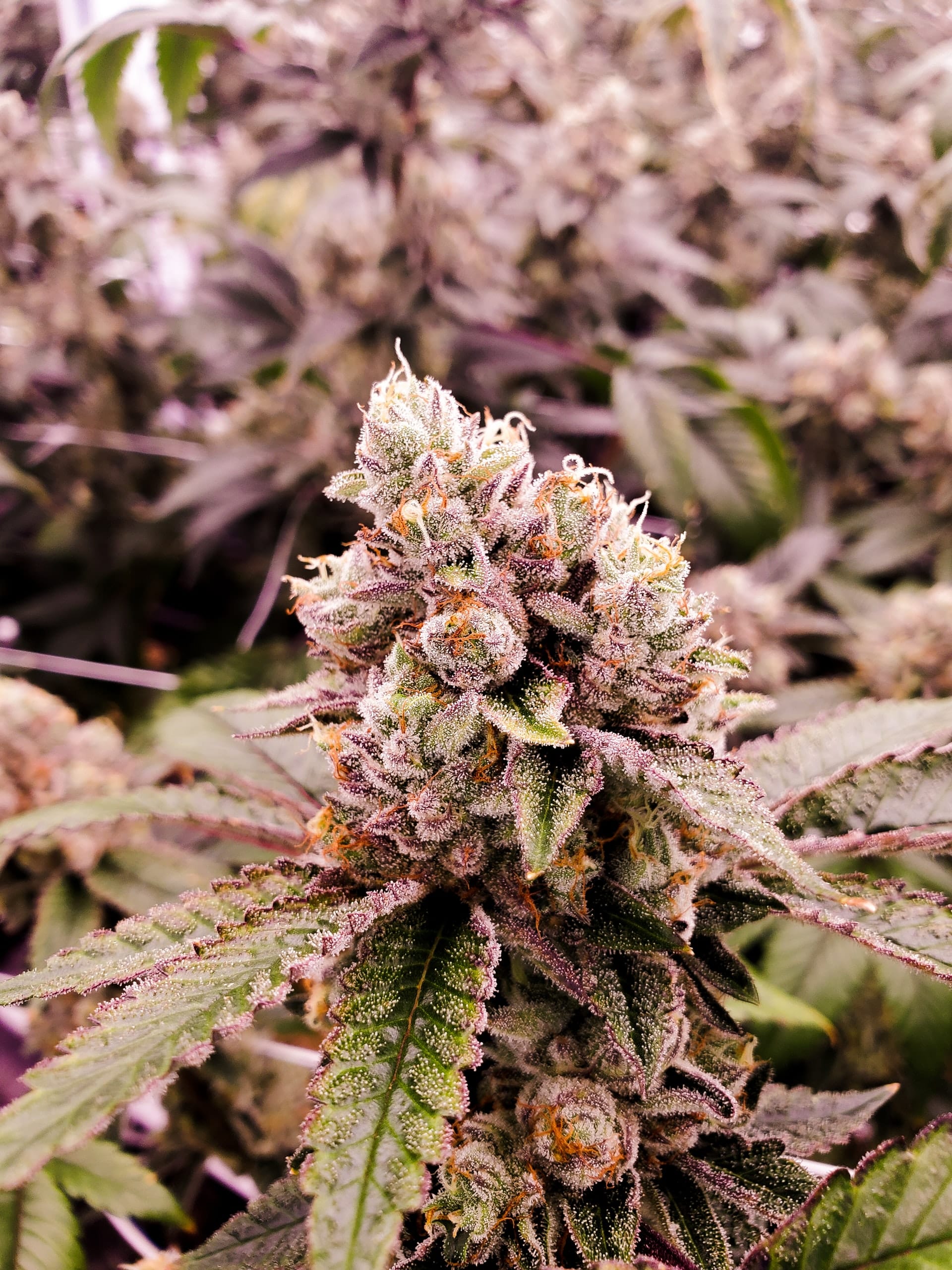

CBG – What is it? The Complete Guide to Cannabigerol
What is CBG (cannabigerol)? The mother of cannabinoids, precursor to THC and CBD. Effects, dosing, legality in Poland, how to buy high-quality CBG oil.
Key information
- CBG is the "mother of cannabinoids"„ – Cannabigerol (CBG) is formed from cannabigerolic acid (CBGA), which is the biochemical precursor to THCA, CBDA, and CBCA in the cannabis plant. Without CBGA, neither THC nor CBD would exist.
- Does not exhibit psychoactive effects, because it has very weak affinity for the CB1 receptor in the brain. It does not produce the "high" characteristic of THC.
- Discovery: first isolation – Yehiel Gaoni and Raphael Mechoulam, 1964 ([J. Am. Chem. Soc.](https://pubs.acs.org/doi/10.1021/ja01062a046), 1964).
- Legal status in Poland: products containing CBG with up to 0.3% THC are legal under the Act of July 29, 2005 on counteracting drug addiction (after the amendment in 2022).
- Price: CBG oils typically cost 2-4 times more than CBD oils of the same concentration, due to low natural yield – CBG is typically below 1% dry weight in standard varieties ([Calapai et al., MDPI Medical Sciences](https://www.mdpi.com/2076-3271/10/3/47), 2022).
Cannabigerol, abbreviated as CBG, still remains in the shadow of its popular "cousins" – CBD and THC. It's a bit of a paradox. Without CBG, neither compound would be produced in the cannabis plant. Why? Because CBG, or rather its acidic form CBGA, is the biochemical matrix from which plant enzymes create all the other major cannabinoids. This article explains exactly what CBG is, how it was discovered, how it differs from CBD and THC, its properties, and what you should know before buying CBG oil in Poland.
What is CBG and why is it called the „mother of cannabinoids”?
CBG, or cannabigerol, is a non-psychoactive phytocannabinoid that serves as a biochemical precursor in the living cannabis plant. Its acidic form, CBGA (cannabigerolic acid), is a substrate for three synthase enzymes: THCA, CBDA, and CBCA synthases. From this one compound, three main cannabinoids are formed ([Calapai et al., MDPI Medical Sciences](https://www.mdpi.com/2076-3271/10/3/47), 2022).
In practice, this means that the older and more mature the plant, the less CBG remains in its tissue. Enzymes "eat" CBGA, converting it into THCA or CBDA, which, after decarboxylation (drying or heating), become THC and CBD, respectively. Hence, the typical CBG content in classic cannabis strains is below 11 TP3T of dry flower weight, often closer to 0.1-0.31 TP3T.
CBG (cannabigerol) is a non-psychoactive phytocannabinoid that occurs in the living plant as CBGA, a precursor to three synthase enzymes responsible for the production of THCA, CBDA, and CBCA. The typical CBG content in standard cannabis strains does not exceed 1% dry weight ([Calapai et al., MDPI Medical Sciences](https://www.mdpi.com/2076-3271/10/3/47), 2022).
Is CBG psychoactive?
No. CBG has very weak affinity for the CB1 receptor, which is responsible for THC's psychoactive effects. In vitro studies show that CBG acts more as a partial CB1 antagonist, meaning it actually reduces the effects of THC at the same dose. Therefore, CBG products do not cause a "high," intoxication, or perceptual disturbances.
Where does the name "mother of cannabinoids" come from?
This is an informal term used by the community of producers and patients. It stems from a simple biochemical fact. CBGA is the first full-fledged cannabinoid produced in the plant from a mixture of olivetolic acid and geranyl pyrophosphate. Everything else that constitutes the pharmacological value of cannabis comes from it.
When was CBG discovered and who was behind it?
The first isolation of cannabigerol was reported in 1964 by Yehiel Gaoni and Raphael Mechoulam, two Israeli chemists from the Weizmann Institute. Mechoulam had identified the structure of THC just a few months earlier, and in the following decades he also discovered anandamide – the first known endocannabinoid produced by the human body ([Gaoni & Mechoulam, J. Am. Chem. Soc.](https://pubs.acs.org/doi/10.1021/ja01062a046), 1964).
The 1964 paper presented the exact structure of the CBG molecule and the method of its isolation from Lebanese hashish. However, for the next 40 years, CBG remained on the fringes of mainstream research. The reason was simple: typical cannabis samples contained significantly more THC and CBD, so they became the focus of scientists' interest.
Why is CBG only gaining popularity now?
Three factors converged after 2015. First, breeders created "high-CBG" strains—such as White CBG by Oregon CBD, Anson, Stem Cell Genetics, and John Snow—that yield CBG as high as 15-18% dry flower weight. Second, CO2 extraction and distillation technologies became more affordable. Third, scientific research on endocannabinoids accelerated, and CBG was revealed to have interesting and unique mechanisms of action.
Cannabigerol was first isolated from hashish in 1964 by Yehiel Gaoni and Raphael Mechoulam of the Weizmann Institute in Israel, who also identified the structure of THC around the same time ([Gaoni & Mechoulam, J. Am. Chem. Soc.](https://pubs.acs.org/doi/10.1021/ja01062a046), 1964).
How is CBG produced in the cannabis plant? Biosynthesis step by step
CBGA biosynthesis occurs in glandular trichomes—microscopic hairs that cover cannabis flowers and leaves. Olivetolic acid combines with geranyl pyrophosphate under the influence of the enzyme CBGA synthase, producing cannabigerolic acid. This is the "zero" point in the cannabinoid chain ([Calapai et al., MDPI Medical Sciences](https://www.mdpi.com/2076-3271/10/3/47), 2022).
CBGA is then acted upon by one of three enzymes, depending on the plant's genetic makeup. THCA synthase converts it into tetrahydrocannabinolic acid. CBDA synthase creates cannabidiolic acid. CBCA synthase produces cannabichromenic acid. These three pathways compete for the same substrate, which is why "high-THC" strains are low in CBD and "high-CBD" strains are low in THC.
Where do high-CBG strains come from?
Breeders have discovered that by selecting plants with mutations in the genes encoding THCA, CBDA, and CBCA synthases, a bottleneck in the biosynthetic pathway can be created. The plant continues to produce CBGA, but lacks the enzymes for further processing. The result? CBGA accumulates in trichomes to levels as high as 18% dry weight. After decarboxylation, this yields 12-15% of finished CBG, values similar to those found in typical Cannova CBG oil (15%).
When in the plant's cycle is CBG most abundant?
The highest concentration of CBG is found in the plant around weeks 6-8 of flowering, well before ripening. Standard growers harvesting plants at weeks 10-12 lose much of the CBG to THC and CBD. Growers of high-CBG strains harvest earlier, deliberately halting CBGA conversion.
How does CBG differ from CBD and THC?
These three cannabinoids share a common molecular core: resorcinol with a ten-carbon geranylic side chain. The structural differences are subtle but pharmacologically significant. THC contains a closed pyran ring, which gives it psychoactivity and a strong affinity for CB1. CBD has an open ring and mainly acts outside the cannabinoid system. CBG also has an open geranylic chain, but differs from CBD by two double bonds and the position of the hydroxyl group ([Calapai et al., MDPI Medical Sciences](https://www.mdpi.com/2076-3271/10/3/47), 2022).
Receptors: where do they bind?
THC is a CB1 and CB2 agonist—it binds strongly to both. CBD has minimal affinity for CB1 and CB2, but acts on 5-HT1A (serotonin), TRPV1 (vanilloid), GPR55, and many other targets. CBG has weak affinity for CB1 and CB2 (more of a CB1 antagonist, CB2 partial agonist), but is one of the most potent alpha-2 adrenergic receptor agonists known. It also affects 5-HT1A, exerting anxiolytic and antidepressant effects.
Subjective effects
THC: euphoria, altered perception, increased appetite, sometimes anxiety, blood pressure spikes. CBD: relaxation, anxiety reduction, no high, mild sleep-inducing effects. CBG: described by users as a "calm boost of focus" – mental clarity without sedation, tension relief, mildly stimulating effects. Shoppers often compare CBG to "caffeine-free coffee" – it boosts energy without causing nervousness.
How does CBG affect the body? Pharmacological mechanism
CBG exhibits multifaceted pharmacological action, in which the endocannabinoid system is one of many molecular targets. The review by Calapai et al. from 2022 identified at least eight different mechanisms, including alpha-2 adrenergic agonism, modulation of the 5-HT1A receptor, inhibition of anandamide reuptake, PPAR-γ agonism, and blockade of TRPM8 channels ([Calapai et al., MDPI Medical Sciences](https://www.mdpi.com/2076-3271/10/3/47), 2022).
CB1 and CB2 receptors
CBG binds weakly to CB1 and acts more as a partial antagonist, meaning it reduces the psychoactive effects of THC. This has practical implications – full-spectrum oils with added CBG are often more gentle than pure THC isolates. CBG binds to CB2 as a partial agonist, which explains its potential anti-inflammatory and immunomodulatory effects.
Alpha-2 adrenergic receptors
This is one of the most interesting mechanisms. CBG is a potent alpha-2 agonist, similar to clonidine, a drug used for hypertension, ADHD, and opioid withdrawal. This mechanism may explain its analgesic, blood pressure-regulating, and potentially concentration-enhancing effects.
5-HT1A serotonin receptor
CBG, like CBD, acts on 5-HT1A as a partial agonist. This receptor is the target of many anxiolytic and antidepressant drugs (e.g., buspirone). Activation of 5-HT1A may reduce anxiety and improve mood, although clinical studies in humans are still in the early stages.
Inhibition of anandamide reuptake
Anandamide is the body's own endocannabinoid, sometimes called the "happiness molecule." CBG inhibits its breakdown, allowing anandamide to remain in synapses longer. The effect is indirect – CBG enhances the activity of our own endocannabinoids.
CBG acts pharmacologically through at least eight molecular mechanisms, including as a strong agonist of alpha-2 adrenergic receptors (comparable to clonidine), a partial agonist of 5-HT1A serotonin receptors, and an anandamide reuptake inhibitor ([Calapai et al., MDPI Medical Sciences](https://www.mdpi.com/2076-3271/10/3/47), 2022).
What are the potential therapeutic properties of CBG?
Most research on CBG comes from in vitro and in vivo models (on animals), with very few clinical studies in humans. Despite this, the action profile of CBG is promising enough that a separate review by Calapai et al. lists potential applications in bowel diseases, neurodegenerative conditions, bacterial infections, glaucoma, and cancers ([Calapai et al., MDPI Medical Sciences](https://www.mdpi.com/2076-3271/10/3/47), 2022).
Anti-inflammatory action and non-specific inflammatory bowel disease
The most cited study on CBG and the intestines is the work by Borrelli et al. from 2013. The researchers administered CBG to mice with induced colitis (a model of ulcerative colitis). CBG significantly reduced inflammation by lowering levels of pro-inflammatory mediators such as iNOS and interleukin-1β ([Borrelli et al., Biochem Pharmacol](https://pubmed.ncbi.nlm.nih.gov/24029302/), 2013).
The same group of researchers published a study in 2014 on a model of colon cancer (azoxymethane-induced colon carcinogenesis), showing that CBG inhibits the growth of cancer cells in vitro and reduces tumor progression in mice. These results are promising but require confirmation in clinical studies in humans.
Antibacterial action, including MRSA
In 2008, a team led by Giovanni Appendino published a groundbreaking study showing that five major phytocannabinoids (CBD, CBG, CBC, CBN, THC) exhibit strong antibacterial activity against resistant strains of Staphylococcus aureus, including MRSA (methicillin-resistant Staphylococcus aureus). The MIC (minimum inhibitory concentration) was 0.5-2 µg/ml, comparable to reference antibiotics ([Appendino et al., J. Nat. Prod.](https://pubmed.ncbi.nlm.nih.gov/18681481/), 2008).
This opens up potential applications for CBG in dermatology (acne, skin infections), dentistry (mouthwashes), and as an ingredient in antibacterial cosmetics. However, manufacturers must remember that any such properties cannot be claimed as "medicinal" in the EU without appropriate approvals.
Appetite stimulation
Brierley et al. demonstrated in 2017 that CBG stimulates appetite in rats, with the effect being pronounced at doses of 60-240 mg/kg body weight. Unlike THC, which also increases appetite but causes psychoactive side effects, CBG could theoretically help cachectic patients (e.g., after chemotherapy) without the risk of intoxication ([Brierley et al., Psychopharmacology](https://pubmed.ncbi.nlm.nih.gov/28012868/), 2017).
Glaucoma and intraocular pressure
Animal studies show that CBG may lower intraocular pressure through the alpha-2 adrenergic mechanism. Clonidine, which acts similarly, is used in ophthalmology to treat glaucoma. However, there are no clinical studies in humans with CBG for this indication.
Does CBG have neuroprotective effects?
The neuroprotective profile of CBG is one of the most promising areas of research. Valdeolivas et al. in 2015 demonstrated that CBG delays neurodegeneration in a mouse model of Huntington's disease, reducing striatal atrophy and improving motor functions in the animals. The mechanism is associated with a reduction in oxidative stress and protein aggregation ([Calapai et al., MDPI Medical Sciences](https://www.mdpi.com/2076-3271/10/3/47), 2022).
In vitro studies show that CBG protects neurons from death caused by glutamate (a model of excitotoxicity) and hydrogen peroxide (oxidative stress). These effects are potentially significant for diseases such as Alzheimer's, Parkinson's, and multiple sclerosis. However, it should be noted that none of these studies have been validated in randomized clinical trials in humans.
Evidence review: what do we already know?
According to the review by Calapai et al. from 2022, by the end of 2021, about 90 papers on CBG had been published, of which less than 5% were clinical studies in humans. Most evidence comes from in vitro (on cell lines) and in vivo (on mice and rats) studies. This means that despite a promising profile, CBG remains at the stage of basic and early translational science.
How to use CBG and what are the doses?
There are no established official doses of CBG for humans – cannabigerol is not a registered drug in Poland or the EU. Practical data comes from manufacturers' experience, patient opinions, and extrapolation from animal studies. Typical daily doses for adults are 10-50 mg of CBG, divided into 2-3 servings, although some use as much as 100-150 mg daily ([Calapai et al., MDPI Medical Sciences](https://www.mdpi.com/2076-3271/10/3/47), 2022).
CBG oil: how to calculate the dose?
Standard CBG oil 15% contains 1500 mg of CBG in a 10 ml bottle. One drop (approx. 0.05 ml) contains approximately 7.5 mg of CBG. For a daily dose of 30 mg, we need about 4 drops. It's best to use it sublingually, holding the oil under the tongue for 60-90 seconds before swallowing – this allows for absorption through the mucous membrane, bypassing the liver.
Other forms of CBG
In addition to oils, available forms include: CBG flowers (for vaporization or brewing as tea), CBG capsules (precise dosing, slower effect), CBG cosmetics (creams, balms), and pet-friendly products (oils for dogs and cats, although this always requires consultation with a veterinarian).
How to get started: the "start low, go slow" principle„
Regardless of the form, start with a minimal dose (5-10 mg daily) and monitor your body's response for 5-7 days. Then gradually increase weekly. Reactions to cannabinoids are highly individualized – what works for one person may be too much or too little for another.
Typical daily doses of CBG for adults range from 10-50 mg, divided into 2-3 portions. A 15% CBG oil in a 10 ml package provides about 7.5 mg of CBG per drop, which translates to about 200 daily doses at a concentration of 30 mg/day ([Calapai et al., MDPI Medical Sciences](https://www.mdpi.com/2076-3271/10/3/47), 2022).
Why are CBG oils more expensive than CBD oils?
The price of CBG oils is directly related to the biology of the plant. In typical cannabis strains, CBG constitutes less than 1% of the dry mass, while CBD or THC can constitute 15-25%. To obtain 1 gram of CBG, a grower needs 15-20 times more plant biomass than for 1 gram of CBD. Additionally, dedicated high-CBG strains (Anson, Stem Cell Genetics, John Snow, White CBG) are more expensive to license than popular CBD strains ([Calapai et al., MDPI Medical Sciences](https://www.mdpi.com/2076-3271/10/3/47), 2022).
Price comparison in Polish stores
In Polish cannabis shops, a typical 10% CBD oil costs 90-120 PLN for 10 ml. A 10% CBG oil in the same form usually costs 200-300 PLN. Cannova CBG 15%, as a higher-class reference product, is priced around 240 PLN for a 10 ml bottle. This is 2-3 times more than a comparable CBD oil, which corresponds to the raw material cost ratio.
What influences the price besides the raw material?
The second price factor is extraction. Due to its low concentration in the raw material, CBG requires a greater number of distillation cycles to obtain a product of 80%+ purity. This increases energy costs, labor time, and material losses. The third factor: COA (Certificate of Analysis) certificates – high-quality producers commission analyses from independent laboratories, which adds 2-5 PLN to each bottle.
How to buy high-quality CBG oil?
It is crucial to have access to a current Certificate of Analysis (COA) from an independent laboratory. The COA should include: a full cannabinoid profile (CBG, CBD, THC, CBC, CBN, CBGA), a purity test (absence of heavy metals, pesticides, solvent residues), and an analysis date no older than 12 months. According to the review by Calapai et al., lack of certification is one of the most common issues in the CBG market ([Calapai et al., MDPI Medical Sciences](https://www.mdpi.com/2076-3271/10/3/47), 2022).
Full-spectrum, broad-spectrum, or isolate?
Full-spectrum: Contains the entire spectrum of cannabinoids and terpenes from the plant, including trace amounts of THC (up to 0.31 TP3T). This is the closest to "natural" cannabis. Its potent effects are due to the "entourage effect" described by Russo in 2011 ([Russo, Br. J. Pharmacol.](https://pubmed.ncbi.nlm.nih.gov/21749363/), 2011).
Broad-spectrum: full spectrum minus THC. A good choice for those who, for professional reasons (drug testing for drivers, pilots), must avoid THC.
CBG isolate: pure CBG (98%+) without other cannabinoids and terpenes. No entourage effect, but precise dosing and no THC. Good for precise dosing in studies or for creating your own blends.
Polish market: reference products
CBG is still a niche market in Poland. The most common reference product is Cannova CBG 15% – a full-spectrum oil, Polish-made, with a COA certificate. It retails for approximately PLN 240 per 10 ml. Other brands available in Poland include KannabiGarden, Hempking, and Medical Hemp Family.
High-quality CBG oil should have a current COA from an independent laboratory, containing a full cannabinoid profile and tests for heavy metals, pesticides, and solvents. In the Polish market, the reference product is Cannova CBG 15% priced at about 240 PLN for 10 ml.
Is CBG legal in Poland?
Yes. Products containing CBG and at the same time containing up to 0.3% THC are legal in Poland based on the Act of July 29, 2005 on counteracting drug addiction (after the amendment in 2022, which raised the threshold from 0.2% to 0.3% THC). CBG itself is not a controlled substance either in Poland or in any EU country, as it does not exhibit psychoactive effects.
What about THC in CBG products?
Full-spectrum CBG oil may contain trace amounts of THC, but the producer is obliged to ensure that they do not exceed the threshold of 0.3% of the dry mass of the extract. COA tests confirm legal compliance. Broad-spectrum products and CBG isolates contain 0% THC.
Status in the EU and FDA
In the European Union, CBG is not classified as a Novel Food in the same category as CBD. The European Commission is evaluating individual extracts. In the USA, the FDA has not approved CBG as a drug or supplement, but the 2018 Farm Bill legalizes industrial hemp products containing up to 0.3% THC.
Consultation with a doctor
Despite the legality of CBG, it's recommended to consult a doctor before using it, especially if you're taking prescription medications. CBG may affect the metabolism of drugs metabolized by cytochrome P450 (e.g., warfarin, anticonvulsants, some antidepressants). Customers often ask about interactions, so we always refer you to your doctor.
CBG for animals: is it safe?
Pet-friendly CBG oils are a growing market segment, but scientific data are limited. We know the most about CBD in dogs and cats, with studies showing good tolerability at doses of 1-2 mg/kg body weight. Similar doses are extrapolated for CBG, although formal veterinary studies are ongoing ([Calapai et al., MDPI Medical Sciences](https://www.mdpi.com/2076-3271/10/3/47), 2022).
What to remember with dogs
Dogs have significantly more CB1 receptors in their brains than humans, making them more sensitive to THC. For animals, always choose broad-spectrum CBG oils or isolates, meaning without THC. Consult dosing with a veterinarian. Oils for animals should be free of flavors and preservatives.
Cats and cannabinoids
Cats are particularly sensitive to the metabolism of many plant substances. Scientific data on CBG in cats is very scarce. Use requires special caution and veterinary supervision.
Horses and larger animals
Sport horses are a new segment where CBG is sometimes used to calm nervousness and support recovery. Doses are proportionally larger (10-50 mg per animal), usually given in feed. However, remember that in equestrian sports, anti-doping regulations may prohibit the use of cannabinoids.
CBG in cosmetics: how does it affect the skin?
CBG is gaining popularity in the cosmetics industry due to two properties: strong antibacterial action against Staphylococcus aureus and anti-inflammatory effects through modulation of PPAR-γ receptors. In the study by Appendino et al. from 2008, CBG had an MIC comparable to vancomycin against MRSA, making it an interesting ingredient in acne products ([Appendino et al., J. Nat. Prod.](https://pubmed.ncbi.nlm.nih.gov/18681481/), 2008).
Acne and seborrheic dermatitis
Acne is a multifactorial condition in which excessive sebum production and colonization of the skin by Cutibacterium acnes play a significant role. CBG may act on both mechanisms. First, it inhibits sebum production by modulating receptors on sebocytes. Second, it acts antibacterial against C. acnes, although clinical studies are at an early stage.
Atopic dermatitis
In atopic dermatitis, there is an excessive inflammatory reaction of the skin and damage to the hydrolipid barrier. The anti-inflammatory and moisturizing effects of cannabis extracts with CBG may alleviate itching and redness. However, there are still no randomized clinical studies confirming efficacy.
Skin aging
CBG exhibits antioxidant properties, neutralizing free radicals responsible for skin photoaging. This makes it an interesting ingredient in anti-aging creams, often combined with vitamin C, vitamin E, and coenzyme Q10. CBG creams are appearing in hemp shops, but their effectiveness is still difficult to measure due to a lack of comparative studies.
Does CBG interact with medications?
CBG, like CBD, is metabolized by the cytochrome P450 enzyme system in the liver—primarily CYP3A4, CYP2D6, and CYP2C19. These same enzymes are responsible for the metabolism of many drugs, including warfarin, anticonvulsants, antidepressants, statins, and benzodiazepines. Hence, the potential risk of drug interactions ([Calapai et al., MDPI Medical Sciences](https://www.mdpi.com/2076-3271/10/3/47), 2022).
Warfarin and anticoagulants
CBG may inhibit CYP2C9, slowing the metabolism of warfarin and leading to increased INR. This raises the risk of bleeding. Patients on warfarin should approach CBG with particular caution and consult dosing with their attending physician and monitor INR more frequently than usual.
Anticonvulsants
Clobazam, valproate, and phenytoin are metabolized by the same enzymes as CBG. CBG may raise their blood levels, increasing the risk of side effects such as drowsiness, ataxia, and cognitive dysfunction. Patients with epilepsy should not experiment with CBG on their own.
Statins
Atorvastatin and simvastatin are substrates of CYP3A4. CBG may raise their levels, increasing the risk of myopathy and rhabdomyolysis. If you are taking statins, discuss the potential use of CBG with your doctor.
Antidepressants
Selective serotonin reuptake inhibitors (SSRIs), tricyclic antidepressants, and MAO inhibitors may interact with CBG. Additionally, CBG itself acts on 5-HT1A, which theoretically may enhance the serotoninergic effect of some drugs. Consultation with a psychiatrist is crucial here.
CBG is metabolized by the cytochrome P450 system, mainly CYP3A4, CYP2D6, and CYP2C19. It may interact with warfarin, anticonvulsants, statins, and antidepressants, increasing their blood levels. Patients on prescription medications should consult their doctor before using CBG ([Calapai et al., MDPI Medical Sciences](https://www.mdpi.com/2076-3271/10/3/47), 2022).
The future of CBG research: what lies ahead?
Despite nearly 60 years since its discovery, CBG is still in the early stages of clinical research. According to the ClinicalTrials.gov database, as of 2024, there were fewer than 20 registered clinical trials involving CBG in humans, compared to over 300 studies on CBD. Most ongoing projects concern applications in anxiety, depression, bowel diseases, and chronic pain ([Calapai et al., MDPI Medical Sciences](https://www.mdpi.com/2076-3271/10/3/47), 2022).
Phase I and II clinical trials
The first Phase I trials (safety and pharmacokinetics in healthy volunteers) are underway in the USA, UK, and Israel. Preliminary results confirm a good safety profile for CBG at doses up to 200 mg daily. Phase II trials (efficacy in specific indications) are at a very early stage.
CBG derivatives and synthetic analogs
Pharmacological research is beginning to explore synthetic CBG derivatives, such as HU-433 and VCE-003.2—molecules with increased receptor selectivity. These could become the basis for new neuroprotective drugs. Greater selectivity potentially means fewer side effects while maintaining therapeutic effect.
Combining with other therapies
More and more studies are evaluating the synergy of CBG with other cannabinoids, terpenes, and flavonoids from cannabis. Russo described in 2011 the so-called entourage effect, where the whole extract works more strongly than the sum of its individual components ([Russo, Br. J. Pharmacol.](https://pubmed.ncbi.nlm.nih.gov/21749363/), 2011). Commercial formulas CBG+CBD+terpenes attempt to leverage this synergy.
Myth and fact: common misconceptions about CBG
There is a lot of misinformation about CBG circulating on the internet, often spread by cannabis shops for marketing purposes. According to the WHO ECDD review from 2018 regarding CBD and other cannabinoids, a common issue is claiming therapeutic effects without scientific basis ([WHO ECDD CBD critical review](https://www.who.int/publications/i/item/who-ecdd-40-cbd-critical-review), 2018).
Myth: "CBG Cures Cancer"„
Fact: Borrelli et al. demonstrated in vitro the inhibitory effect of CBG on colon cancer cells ([Borrelli et al., Biochem Pharmacol](https://pubmed.ncbi.nlm.nih.gov/24029302/), 2013), but this is still a laboratory experiment. There are no randomized clinical trials in humans with oncology. A hemp shop that declares the "therapeutic" effect of CBG on cancer is violating Polish and EU law.
Myth: "CBG is legal marijuana"„
Fact: CBG is not psychoactive. It doesn't produce a "high." It doesn't cause euphoria. It's a completely different compound than THC, even though it comes from the same plant. Marketing comparing CBG to "legal weed" is misleading and often turns off customers expecting psychoactive effects.
Myth: "CBG is more expensive because it's better"„
Fact: The price of CBG is driven by production economics—low natural yields and extraction costs. This doesn't automatically mean that CBG is "better" than CBD. Each cannabinoid has its own pharmacological profile and applications. Often, a combination of both is optimal.
Myth: "CBG works from the first drop"„
Fact: cannabinoids work cumulatively. The full therapeutic effect is seen after 2-4 weeks of regular use. A single dose may provide a subtle subjective effect, but one should not expect a dramatic change from the first drop of oil.
FAQ: frequently asked questions about CBG
Does CBG work immediately after ingestion?
The time of action depends on the form. CBG oil sublingually acts after 15-30 minutes (absorption through the mucous membrane). Capsules: 60-90 minutes (through the liver). Vaporizing CBG flower: 5-10 minutes. The fastest effect comes from vaporization, the longest from capsules, but the most lasting: the effect after capsules lasts 6-8 hours.
Can I combine CBG with CBD?
Yes, and it is often recommended. Russo described in 2011 the so-called entourage effect, where cannabinoids and terpenes enhance each other's effects ([Russo, Br. J. Pharmacol.](https://pubmed.ncbi.nlm.nih.gov/21749363/), 2011). Many producers offer ready-made CBG+CBD blends in ratios of 1:2 or 1:3, combining the properties of both compounds.
Is CBG detected in drug tests?
Standard drug tests look for THC and its metabolites, not CBG. Pure CBG isolate or broad-spectrum CBG should not produce a positive result. Full-spectrum CBG oil may contain trace amounts of THC – with long-term use at high doses, there is a theoretical risk of a positive result, although in practice, this risk is low.
Does CBG cause side effects?
According to the review by Calapai et al., CBG has a very good safety profile. The most commonly reported mild side effects are: dry mouth, slight drops in blood pressure, drowsiness (rarely), headaches. There are no reports of serious adverse effects at doses up to 100 mg daily ([Calapai et al., MDPI Medical Sciences](https://www.mdpi.com/2076-3271/10/3/47), 2022).
How does CBG differ from CBN?
CBN (cannabinol) is formed from THC through oxidation (aging of the raw material). It has a mildly sedative effect and is often recommended for sleep. CBG, on the other hand, is a precursor to THC and CBD, formed from CBGA, and acts more stimulating/focusing. These are completely different compounds, even though their names are similar.
Does CBG help with sleep?
Directly, probably not – CBG has an energizing effect and improves concentration. CBD or CBN are better for sleep. However, some users report that CBG reduces anxiety and tension, which may indirectly facilitate falling asleep. There are no rigorous clinical studies on this indication.
Does CBG have caffeine-like effects?
There is no chemical relationship between CBG and caffeine. The subjective feeling of "stimulation without nervousness" likely results from alpha-2 adrenergic agonism and 5-HT1A modulation. This is a completely different mechanism than caffeine's blockade of adenosine receptors.
Can CBG be used during pregnancy?
No. There are no clinical studies in pregnant women. All cannabinoids—including THC, CBD, and CBG—are contraindicated during pregnancy and breastfeeding. This also applies to hemp cosmetics during the first months of pregnancy. Always consult your doctor.
What is the difference between CBG oil and CBG balm?
CBG oil is taken orally (sublingually) and acts systemically on the entire body. Balm, cream, or ointment with CBG acts locally, on the skin and subcutaneous tissues. Used for joint pain, muscle pain, skin lesions. It does not absorb systemically in significant amounts, so it does not affect mood or psyche.
Can I drive after taking CBG?
CBG itself doesn't affect driving ability – it's not psychoactive. However, remember that full-spectrum oils may contain trace amounts of THC. In the event of a roadside check and drug test, there's a theoretical risk of a positive result at very high doses. For safety, professional drivers should choose isolate or broad-spectrum.
Summary: is it worth reaching for CBG?
CBG is a fascinating cannabinoid with a unique pharmacological profile. It is the "mother" of all other cannabinoids, non-psychoactive, with weak affinity for CB1 and strong affinity for alpha-2 adrenergic receptors. In vitro and in vivo studies show promising potential in intestinal inflammation, bacterial infections (including MRSA), neurodegeneration, and glaucoma. However, large-scale clinical trials in humans are lacking, as most of the evidence is still in the preclinical stage.
CBG is legal in Poland (up to 0.3% THC), but its price remains 2-4 times higher than CBD due to low natural yields and extraction costs. If you're interested in CBG, start with a small dose (10-20 mg per day) and choose a product with a valid COA, preferably Polish-made, like Cannova CBG 15%. Consult your doctor before making a decision, especially if you're taking medications metabolized by cytochrome P450. See the article about quality certificates.
Featured products
- Cannova CBG 15% – PLN 240 – Polish-made CBG oil, full-spectrum, COA certificate, 1500 mg CBG in 10 ml
- SOOL CBD 10% – PLN 99 – classic CBD oil to complement the ritual, full-spectrum, Polish manufacturer
- SOOL CBD 5% – PLN 76 – a milder version of CBD oil, a good starting point for beginners
- Mars Dry CBD 9% – PLN 59 – hemp flower for vaporization, an alternative to oil, quick effect
Disclaimer and legal information
This article is for informational and educational purposes only. It does not constitute medical advice, diagnosis, or treatment suggestions. CBG is not a registered medicine in Poland or the EU. CBG products containing up to 0.3% THC are legal in Poland under the Act of July 29, 2005, on Counteracting Drug Addiction (after the 2022 amendment). Most research on CBG is in vitro and in vivo – large randomized clinical trials in humans are lacking. Consult a doctor before using CBG, especially in combination with other medications. Do not discontinue prescribed medications on your own. When purchasing CBG oils, always check the current product COA. CBG is not recommended during pregnancy, breastfeeding, or in children. Source: [Calapai et al., MDPI Medical Sciences](https://www.mdpi.com/2076-3271/10/3/47), 2022; [WHO ECDD CBD critical review](https://www.who.int/publications/i/item/who-ecdd-40-cbd-critical-review), 2018.