
Semolina with hemp seeds: quick breakfast for kids
Creamy semolina with hulled hemp seeds in seven minutes. Recipe without lumps, actual nutritional values, and THC limits in food from seeds.
Semolina is one of the few breakfasts that children eat without persuasion. It is creamy, slightly sweet, and ready in seven minutes, making it a winner on any busy morning. However, it has a drawback that only shows up in the table: it is almost all carbohydrates. One hundred grams of dry semolina contains 72.8 g of carbohydrates, 12.7 g of protein, and only 1.05 g of fat (USDA FoodData Central, record 168933). Two teaspoons of hulled hemp seeds change this balance without any fight with the taste, as the seeds are soft, have a mild nutty flavor, and disappear in the white semolina. Below you will find the recipe, a calculation of what the seeds actually contribute, and a way to make semolina without lumps.
KEY INFORMATION
• Hulled hemp seeds: 31.6 g of protein, 48.8 g of fat, and 700 mg of magnesium per 100 g (USDA FoodData Central, record 170148).
• Two teaspoons (10 g) add about 3.2 g of protein, 4.9 g of fat, and 70 mg of magnesium to the serving.
• Omega-3 from the seeds is alpha-linolenic acid, a plant form, not DHA.
• The THC limit for hemp seeds in food is 3.0 mg/kg and has nothing to do with the 0.3% threshold.
What do hemp seeds add to semolina?
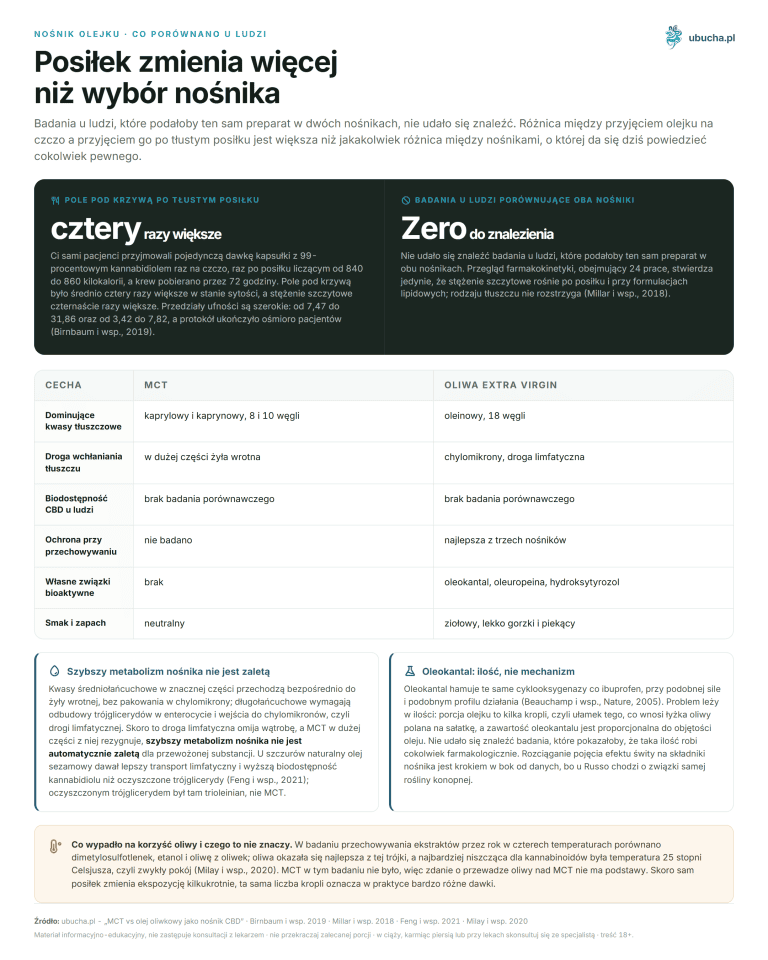
Protein and fat, exactly what semolina lacks. Two teaspoons of hulled seeds, about ten grams per serving, contribute 3.2 g of protein, 4.9 g of fat, and 70 mg of magnesium. For comparison: the same amount of protein is provided by 25 g of dry semolina, and there is five times more magnesium in those two teaspoons than in thirty grams of dry semolina.
It is worth keeping the proportions in mind in the description. Ten grams of seeds do not turn semolina into a high-protein dish, but shift its balance in a reasonable direction. This is a real change, but a change of the scale of an addition, not a complete meal reconstruction.
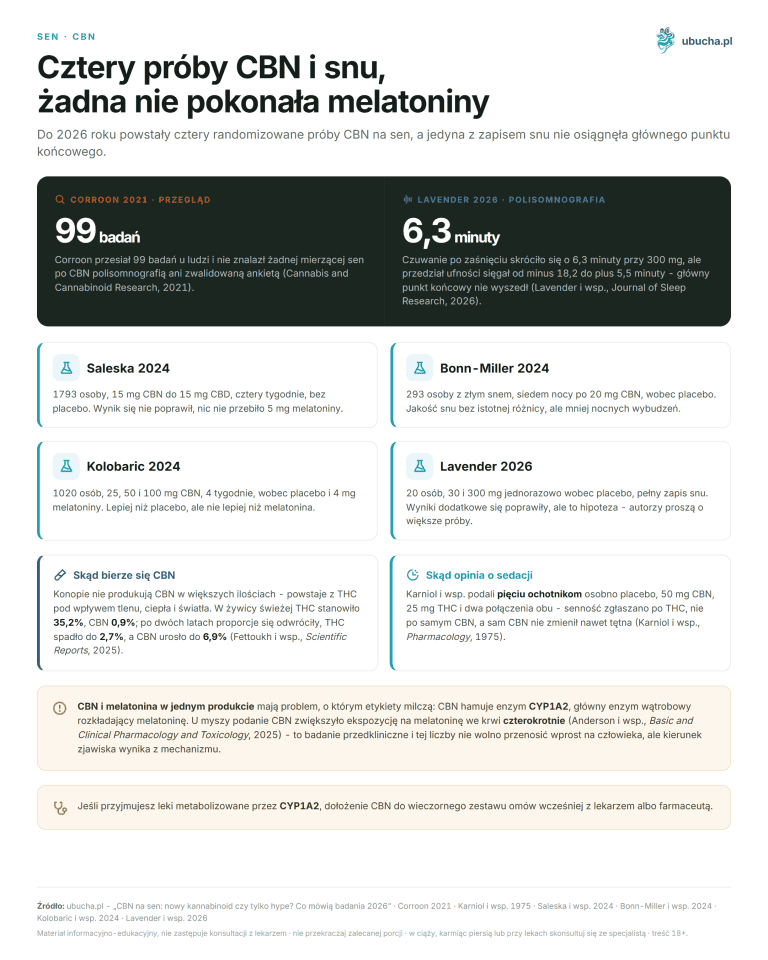
The fat from the seeds is mostly polyunsaturated: out of 48.8 g, 38.1 g are PUFAs, including 27.4 g of linoleic and 8.68 g of alpha-linolenic acid (USDA, record 170148). The latter is omega-3 in plant form and is not the same as DHA, which is discussed in relation to the development of the nervous system. DHA does not appear in the fatty acid profile of hulled seeds, so the seeds do not replace either fish or DHA supplements. They are a good source of fat in a child’s diet, and that is where their role ends.
Separately about the quality of protein, as there is a simplification circulating here. Essential amino acids are present in the seeds in nutritionally significant amounts (Callaway, Euphytica, 2004), however, in measurements of thirty commercial batches of hemp products, lysine turned out to be the first limiting amino acid in all of them, and the PDCAAS score for hulled seeds was 63-66% (House et al., Journal of Agricultural and Food Chemistry, 2010). It is good plant protein, but not exemplary.
Are hemp seeds in food for children legal?
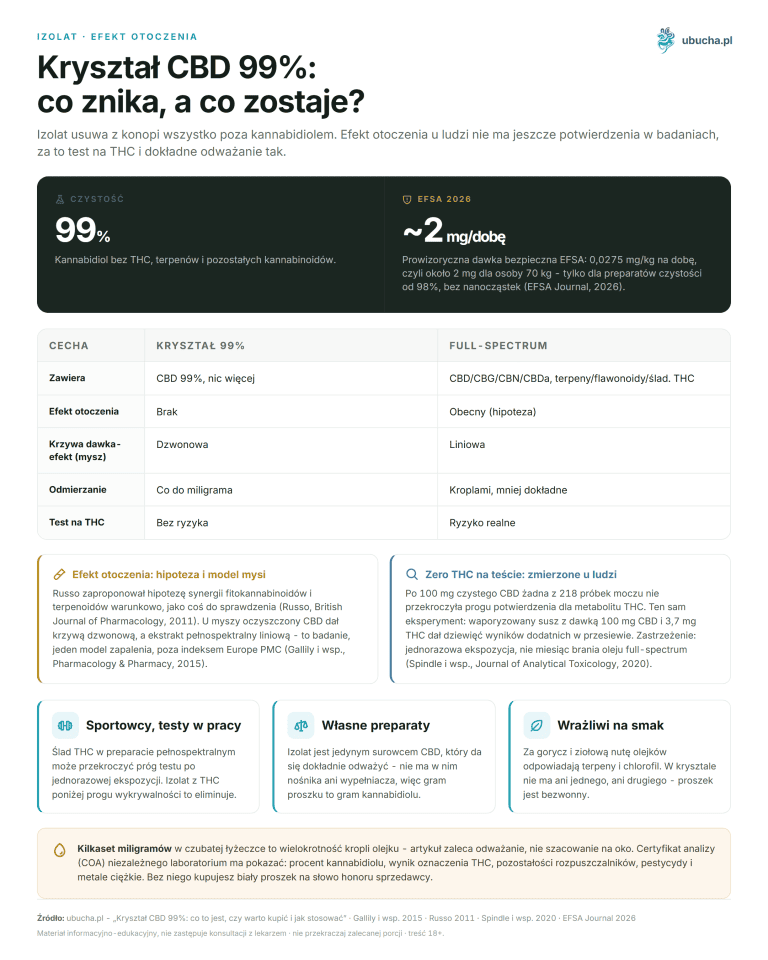
Yes. Hulled hemp seeds are a regular food product and are not subject to controlled substances regulations. EU law sets the maximum allowable level of THC for them. This is where culinary regulations most often cite a number taken from a completely different regulation.
The limit for food is expressed in milligrams per kilogram, not in percentages. For hemp seeds and for ground seeds and other seed products, it is 3.0 mg/kg, and for hemp seed oil, it is 7.5 mg/kg. The level refers to the sum of delta-9-THC and delta-9-THCA, expressed as delta-9-THC, with a conversion factor of 0.877 for THCA. The basis is Annex I to Commission Regulation (EU) 2023/915 of April 25, 2023, on the maximum allowable levels of certain contaminants in food, applicable from May 25, 2023.
The 0.3% threshold, which appears most often in culinary regulations, pertains to something completely different. It is the sum of delta-9-THC and THCA in flowering or fruiting tops of the plant, calculated on a dry weight basis, rounded to one decimal place. It is defined by Article 4 point 5 of the Act of July 29, 2005, on counteracting drug addiction (Journal of Laws 2023, item 1939), as amended by the Act of March 24, 2022 (Journal of Laws 2022, item 763). The same act in Article 4 point 37 explicitly excludes seeds from the definition of hemp, so the percentage threshold simply does not apply to seeds.
The practical conclusion for a parent is simple: you buy seeds as food, and the producer is responsible for staying within the limit. Neither the culinary recipe nor home cooking has anything to check here.
What do you need for two servings?
The proportions are enough for two children or for an adult and a child. The equipment needed is a pot with a thick bottom and a whisk, without which lumps are a matter of time.
- 60 g of semolina, about four tablespoons
- 500 ml of cow’s or plant-based milk
- a pinch of salt
- 1 teaspoon of honey, vanilla sugar, or maple syrup
- 2-4 teaspoons of hulled hemp seeds, or 1-2 teaspoons per serving
- optionally a teaspoon of butter for creaminess
- optionally fruits: banana, berries, strawberries, or a spoonful of jam
The type of milk changes the effect more than it seems. Cow’s milk gives the creamiest semolina, oat milk makes it thick and noticeably sweeter, and almond milk is the thinnest of the three. Buy hulled hemp seeds and keep the opened package in the fridge, as nearly half of the weight is fat, which quickly develops a rancid taste. Whole seeds, with a hard shell, are not suitable for semolina: they crunch and spoil the creaminess that this dish is all about. Honey should be reserved for children over the age of one. Semolina is sold in several grain sizes; finer semolina thickens faster, so reduce cooking time by half a minute with it.
How to cook semolina without lumps?
Lumps do not arise from incorrect proportions, but from the speed of pouring. Semolina thrown all at once into boiling milk clumps in a fraction of a second because the outer layer of the grains sticks together before the water reaches the inside. When poured in a thin stream while stirring continuously, it cannot clump together.
- Pour 500 ml of milk into a pot, add a pinch of salt and heat over medium heat. Stay by the pot, as the milk boils without warning.
- When the first large bubbles appear, reduce the heat and stir with a whisk with one hand while slowly adding the semolina in a thin stream with the other.
- Cook on low heat for 3-4 minutes, stirring every half minute. The semolina is ready when it thickens and starts to pull away from the sides of the pot.
- Remove from heat, add honey or vanilla sugar and optionally a teaspoon of butter. Stir vigorously and taste.
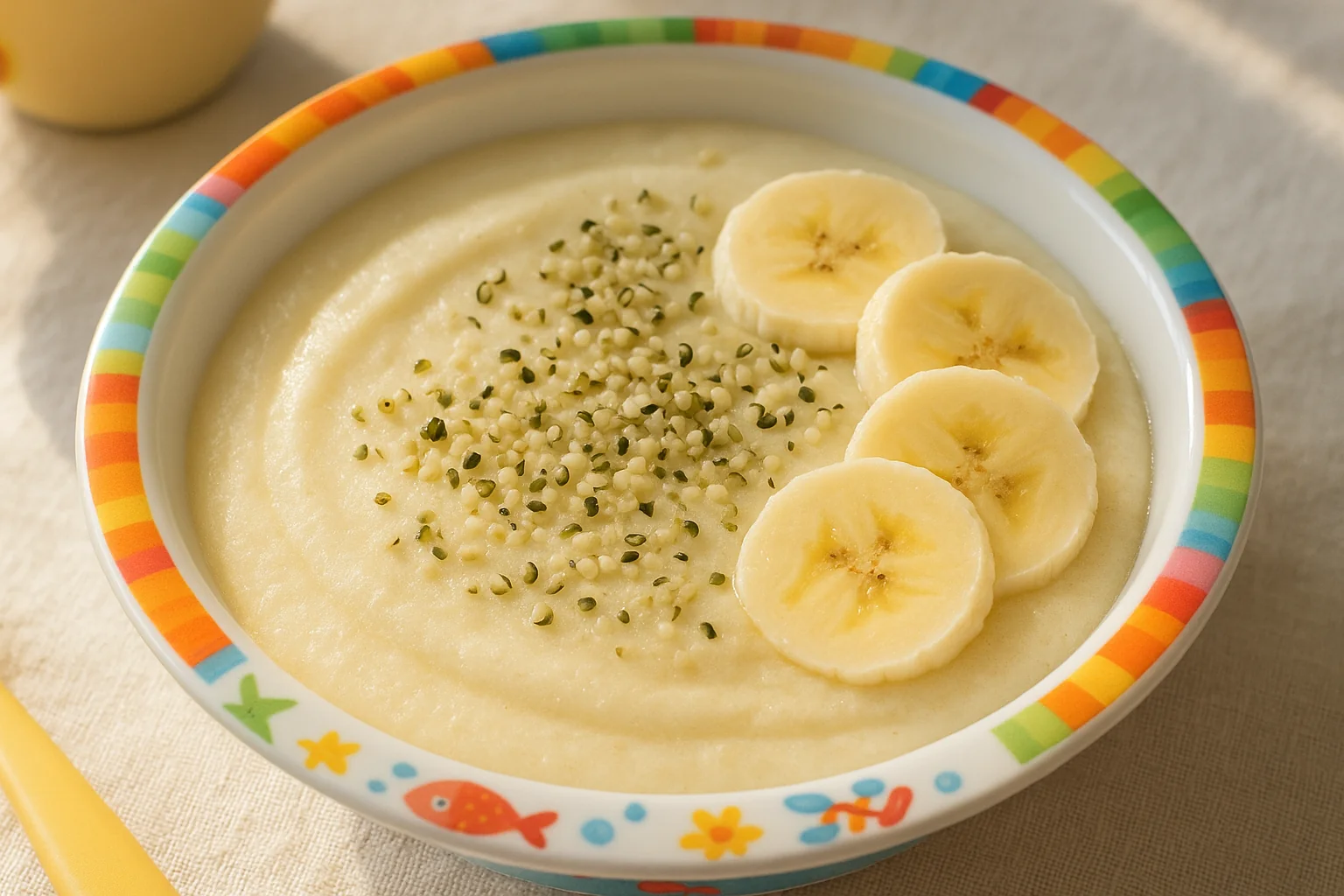
- Transfer to bowls, sprinkle each serving with hemp seeds and arrange fruits. The seeds are added after removing from heat to prevent them from cooking with the semolina.
If lumps still appear, all is not lost. Pour the semolina into a taller container and run a hand blender through it for 10-15 seconds, then heat it briefly if it has cooled down. The consistency returns to creamy and no one will notice. The same rescue works for oatmeal with hemp seeds and berries, although lumps occur less frequently there.
What variations work for kids?
The base is neutral enough to accept almost anything. Four directions that have worked for us.
The fruity version involves mixing two or three tablespoons of strawberry jam into the hot semolina. The semolina takes on color and sweetness without adding sugar, and the green seeds on the pink background look like a deliberate decoration. The chocolate version involves mixing a teaspoon of cocoa with the dry semolina before adding it to the milk: adding it later clumps together.
The gluten-free version requires substituting the raw material, as semolina is a wheat product. Instead, use cornmeal or rice flour, keeping the same proportions and the same pouring method. If you are looking for a ready recipe in this convention, check out millet porridge with hemp oil and raspberries.
For the youngest, it is advisable to finely grind or crush the seeds at first so that they do not remain whole. The timing for introducing seeds and gluten into a child’s diet should be discussed with a pediatrician, as it depends on the child’s age and what they have already eaten. And when there are not even seven minutes in the morning, an alternative served cold is smoothie bowl with fruits and hemp seeds.
Frequently asked questions
Are hemp seeds safe for children?
Yes, they are a regular food product. EU law sets the maximum allowable level of THC for hemp seeds at 3.0 mg/kg, and for seed oil at 7.5 mg/kg (EU Commission Regulation 2023/915). The producer is responsible for complying with the limit, not the person cooking at home.
Do hemp seeds in food fall under the 0.3% threshold?
No. The 0.3% threshold applies to the sum of delta-9-THC and THCA in flowering or fruiting tops of the plant, and the drug prevention law explicitly excludes seeds from the definition of hemp. There is a separate limit for food, expressed in milligrams per kilogram.
At what age can I give my child hemp seeds?
Seeds are introduced like other seeds and nuts, and the timing depends on the child’s age and what they have already eaten. In the first weeks, it is advisable to finely grind or crush them so that they do not remain whole. Set a specific date with your pediatrician.
How to avoid lumps in semolina?
Add the semolina in a thin stream to boiling milk, stirring constantly with a whisk, not a wooden spoon. The whisk breaks up clumps at the outset. If lumps still form, run a hand blender through the cooked semolina for 10-15 seconds.
How many hemp seeds to add to semolina for a child?
One to two teaspoons per serving, or 5-10 g, is a reasonable amount to add. Ten grams contributes about 3.2 g of protein, 4.9 g of fat, and 70 mg of magnesium (USDA FoodData Central, record 170148). A larger portion starts to change the taste and texture of the semolina.
Can semolina with hemp seeds be prepared in advance?
It is best to cook it fresh, as it hardens after cooling. It can be reheated with the addition of two or three tablespoons of milk per serving, over low heat or in the microwave for a minute. Always add hemp seeds at the end, just before serving.
This article is for informational and educational purposes and does not replace consultation with a doctor. If you are pregnant, breastfeeding, taking medications, or have chronic conditions, consult the use of supplements or herbs with a specialist.
Author: Michał Waluk · Published: 2026-06-08 · Updated: 2026-08-16