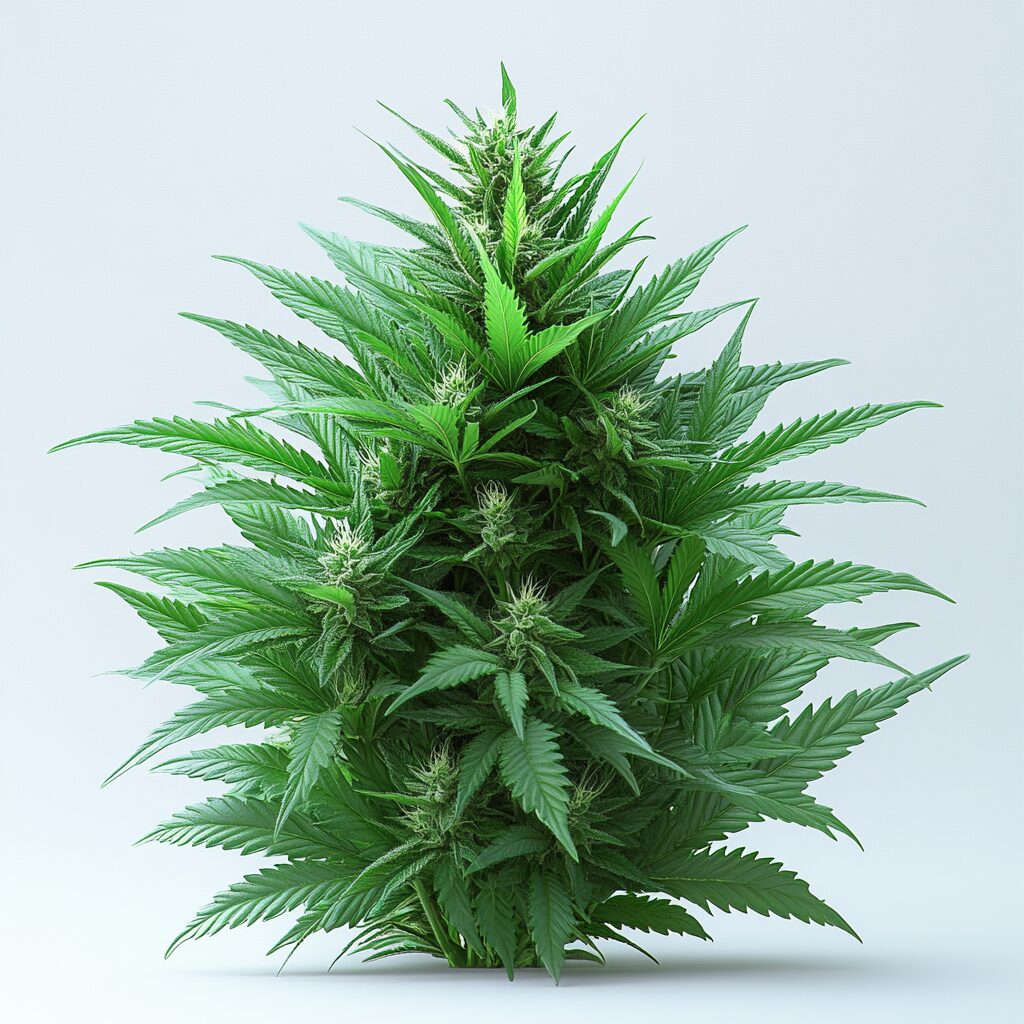

Popular questions about medical marijuana. For Patients and more.
Rpw prescription only after personal examination, no reimbursement for flower, driving ban after THC. We answer 23 patient questions, legal status as of August 15, 2026.
Since November 2024, the first prescription for medical marijuana can no longer be obtained remotely. The doctor must examine the patient in person, and the effect of this change is visible in data from the e-Health Center: the number of prescriptions issued by prescription machines dropped from about 25,000 monthly to 3,000 in December 2024. The therapy itself remains fully legal and increasingly accessible. This guide answers 23 questions most frequently asked by patients and their relatives: about prescriptions, indications, costs, driving, drug tests, and travel. The legal status is described as of August 15, 2026, based on the Journal of Laws and official communications. The text does not replace medical consultation. It aims to facilitate conversation with a specialist and help assess whether this treatment path concerns you at all.
KEY INFORMATION
• Strong evidence of effectiveness covers three areas: chronic pain, spasticity in multiple sclerosis, nausea after chemotherapy (NASEM, 2017).
• Since November 7, 2024, a cannabis herb prescription is issued after a personal examination of the patient (Journal of Laws 2024 item 1600).
• NFZ does not reimburse flower. Only Epidyolex is reimbursed, in two drug programs.
• Driving after THC is prohibited, and Polish law does not specify a blood concentration threshold.
• An Rpw prescription is valid for 30 days and covers up to 90 days of treatment.
What is medical marijuana under Polish law?
It is a pharmaceutical raw material, not a supplement or recreational drug. Polish law refers to cannabis herb other than fiber hemp and to extracts, pharmaceutical tinctures, and resin from this cannabis. Such raw material enters the market only after obtaining permission from the President of the Office for Registration of Medicinal Products.
The basis is the amendment to the Act on Counteracting Drug Addiction of July 7, 2017, which came into force on November 1, 2017 (Journal of Laws 2017 item 1458). The provision does not create a new ready-made medicine. It allows a pharmacy to prepare a magistral drug from approved raw material based on a personalized prescription.
There are two practical consequences. First, the product must have a known and repeatable content of active substances, confirmed by a batch analytical certificate. Second, the entire path is a pharmacy path: without a prescription, there is no legal access, and possession of raw material outside this path remains punishable.
It is worth separating two worlds that often merge in everyday conversation. Medical marijuana is a prescription drug with THC content measured in percentages. Hemp products from general trade, including oils and cosmetics, are based on fiber hemp and do not have the status of medicine or registered indications.
The boundary between them is set by the 0.3 percent threshold, usually cited in shorthand, which changes its meaning. According to Art. 4 point 5 of the Act (consolidated text Journal of Laws 2023 item 1939, as amended by the Act of March 24, 2022, Journal of Laws 2022 item 763), the sum of delta-9-THC and tetrahydrocannabinolic acid is counted, measured in the flowering or fruiting tops of plants from which resin has not been removed, rounded to one decimal place. The threshold thus concerns the plant, not the finished product, and includes two compounds, not one.
Nomenclature can also be confusing the other way. The term raw material includes not only flower cannabis but also oil extracts prepared in pharmacies. Finished cannabinoid medicines, such as sublingual sprays or oral cannabidiol solutions, are a separate category with their own registration and indications.
How does pharmacy raw material differ from black market flower?
Repeatability of composition and producer responsibility. Pharmacy raw material is produced under Good Manufacturing Practice conditions, and each batch has an analytical certificate with cannabinoid content and test results for molds, bacteria, and pesticide residues. Material from illegal sources has none of this information.
The difference directly affects dosing. If you do not know how much THC is in a gram of flower, it is impossible to determine the dose or assess whether lack of effect is due to too small a portion or therapy inefficacy. The doctor prescribes a scheme in milligrams, not pinches.
| Feature | Pharmacy raw material | Black market material |
|---|---|---|
| THC and CBD content | declared, measured per batch | unknown |
| Microbiological tests | mandatory | none |
| Pesticides and heavy metals | controlled | uncontrolled |
| Legal possession status | legal with prescription | crime |
| Quality responsibility | manufacturer and pharmacy | none |
We noticed during conversations with patients that the most common reason for returning to illegal sources is price, not lack of trust in the pharmacy. This is understandable but costly in another dimension: during a traffic stop or personal check, a document from the pharmacy is the only proof of legality.
There is also a difference easily forgotten when comparing prices. Pharmacy raw material has a specified expiration date and storage conditions provided by the manufacturer. With material from an uncertain source, it is not even known how many months have passed since harvest, which directly affects the active substance content.
Does medical marijuana help with everything?
No. The 2017 review by the US National Academies of Sciences covered over 10,000 scientific abstracts and identified only three areas with strong evidence of effectiveness (NASEM, 2017). The rest fell into weaker categories, and several indications frequently asked about by patients were actually supported by evidence of no effect. This division is more important for therapy decisions than the length of the indication list because it tells what not to expect from cannabis.
The 2015 meta-analysis by Whiting et al. in JAMA collected 79 randomized studies with 6,462 participants (Whiting et al., JAMA, 2015). Effects were real but modest. Complete antiemetic response was noted in 47 percent of treated versus 20 percent on placebo, with an odds ratio of 3.82 and confidence interval from 1.55 to 9.42. Pain improvement was weaker: 37 percent versus 31 percent, with a confidence interval from 0.99 to 2.00, including one. On a 0-10 pain scale, the difference was 0.46 points, and on the Ashworth scale for spasticity, 0.36 points.
How strong is this evidence and what do NASEM categories mean?
One number from this meta-analysis says more about the quality of the entire base than all others: of 79 studies, only 4 were considered at low risk of systematic bias. The authors rated evidence as moderate for chronic pain and spasticity, and low quality for chemotherapy-induced nausea, weight gain in HIV infection, and sleep disorders. It is worth comparing with the table below, as NASEM rated chemotherapy nausea higher than Whiting.
| Strength of evidence according to NASEM 2017 | Indications |
|---|---|
| Conclusive or strong | chronic pain in adults, nausea and vomiting after chemotherapy, patient-reported spasticity symptoms in multiple sclerosis |
| Moderate | short-term sleep improvement with chronic pain, fibromyalgia, and sleep apnea |
| Limited evidence of effectiveness | appetite in HIV infection, tics in Tourette syndrome, social anxiety symptoms |
| Limited evidence of NO effectiveness | glaucoma, depression, behavioral symptoms in dementia |
| Insufficient | epilepsy as a whole, addictions, cancer, Parkinson’s disease, amyotrophic lateral sclerosis |
The penultimate row is more important than it looks and for years was placed incorrectly in this text. For glaucoma and depression, NASEM did not say it is unknown. It said available evidence indicates no effectiveness, which is a much stronger answer leading to a different decision.
Stories about curing cancer or autism circulate online but lack controlled studies. This does not mean the patient is fabricating. It means it is unknown how many others would have the same effect and whether it was not due to concurrent treatment.
Who can issue a prescription today and is teleconsultation enough?
Any doctor with the right to practice can issue an Rpw prescription regardless of specialization, but since November 7, 2024, they must first examine the patient in person. Teleconsultation is excluded. The exception applies only to treatment continuation by a primary care doctor under an NFZ contract, excluding night and holiday care.
The change was introduced by the Minister of Health’s regulation of October 29, 2024 (Journal of Laws 2024 item 1600). The list included fentanyl, morphine, oxycodone, and cannabis herb other than fiber hemp with extracts and resin (Patient Rights Ombudsman).
| Date | What changed |
|---|---|
| November 1, 2017 | Cannabis herb becomes pharmaceutical raw material available on prescription (Journal of Laws 2017 item 1458) |
| May 7, 2022 | Cultivation of cannabis other than fiber hemp for pharmaceutical raw material allowed only for research institutes with Chief Pharmaceutical Inspector’s permission (Art. 49a, added by Journal of Laws 2022 item 763) |
| January 1, 2024 | Epidyolex enters reimbursement in two drug programs |
| November 7, 2024 | Obligation to personally examine patient before prescription (Journal of Laws 2024 item 1600) |
| July 12, 2026 | New document templates for export of narcotic drugs abroad (Journal of Laws 2026 item 827) |
The effect was immediately visible. According to e-Health Center data, the number of cannabis prescriptions issued by entities operating without examination dropped from about 25,000 monthly to 3,000 in December 2024 (Rynek Zdrowia, 2025).
What is the path from the first visit to filling the prescription?
The standard path has five steps and usually takes from a few days to two weeks. It starts with gathering medical documentation and ends at a pharmacy authorized to dispense narcotic drugs. Without an in-person visit, this path cannot be completed, which is worth remembering when planning the appointment.
- Gather documentation: diagnosis, discharge summaries, test reports, and list of medications used.
- Schedule an in-person visit with the doctor managing cannabis therapy.
- The doctor records the clinical indication, history, examination result, and justification for the prescription.
- You receive an e-prescription Rpw with the initial dose and administration method specified.
- You fill it at a pharmacy authorized to dispense narcotic preparations.
Two numbers are important here, both with a legal basis. A narcotic drug prescription must be filled within 30 days from the date of issue or from the date marked as the start of fulfillment (Art. 96a sec. 7 point 4 of the Pharmaceutical Law, consolidated text Journal of Laws 2026 item 612). The amount of raw material on one prescription cannot exceed the requirement for 90 days of use (paragraph 7 sec. 1 of the Minister of Health’s regulation of September 11, 2006, consolidated text Journal of Laws 2025 item 1678). After this time, another visit is required.
Not every pharmacy fills Rpw prescriptions. In larger cities, a dozen or so do, in smaller towns sometimes none. Before going to pick up, it is worth calling to confirm if a specific strain is in stock, as availability depends on import schedules.
What indications does Polish law allow?
Poland does not have a closed list of indications. The Act on Counteracting Drug Addiction allows the use of cannabis raw material for medical purposes, and the assessment of justification belongs to the attending physician. This is a liberal solution compared to Europe, where specific specialization or official indication lists are often required.
Lack of a list does not mean arbitrariness. The doctor is disciplinarily and professionally responsible for the decision, so must demonstrate that standard treatment failed or cannot be applied. The records include diagnosis, course of previous therapy, and justification for cannabis use.
In Polish practices, pain indications predominate. Besides these, spasticity in multiple sclerosis, cachexia and nausea during oncological treatment, and sleep disorders accompanying chronic pain are most common. Drug-resistant epilepsy in children has a separate path described later.
Mental disorders are a separate issue. Some psychiatrists use cannabis in resistant anxiety or PTSD, but the NASEM review found insufficient evidence for these indications. For schizophrenia and psychoses, THC may be contraindicated as it can worsen symptoms.
The question about the indication list usually returns in another form: does the doctor have to prove that everything else failed? They do not have to exhaust every possible option but should describe what was tried and why it was insufficient. The more detailed the documentation brought to the visit, the easier the conversation.
How does THC work and how quickly will you feel the effect?
THC stimulates cannabinoid receptors CB1 in the central nervous system and CB2 in peripheral tissues. This changes pain perception, mood, and appetite. Time to first effect depends almost exclusively on the administration route, not the strain of raw material.
| Administration route | Onset of action | Duration | Notes |
|---|---|---|---|
| Flower vaporization | 5-10 minutes | 2-4 hours | easy dose titration |
| Oral administration | 30-90 minutes | 6-8 hours | easy to overdose due to impatience |
| Sublingual spray | 15-45 minutes | 4-6 hours | fixed dose per spray |
Side effects increase with dose. At the lowest doses, analgesic and calming effects dominate, and the higher the dose, the more often anxiety, increased heart rate, and concentration problems occur, especially in persons without prior tolerance. Therefore, therapy starts with the smallest reasonable dose, and its size is set by the doctor on the prescription, not by an internet article.
CB1 receptors in the hippocampus and prefrontal cortex explain two symptoms most often reported by patients. The first is worse memory of new information during drug action. The second is slower reaction in situations requiring quick assessment, directly affecting driving.
Tolerance develops faster to psychoactive effects than to analgesic action. After a few weeks, the same dose is less intoxicating while maintaining symptom relief. This argues for patience at therapy start, not automatic dose increase after the first week.
How does CBD differ from THC?
Cannabidiol does not strongly stimulate CB1 receptors, so it does not cause intoxication. The WHO Expert Committee in a 2018 review concluded that pure CBD has no psychoactive properties or addiction potential and does not require international control (WHO ECDD, 2018).
Chemically, both compounds are almost twins and differ in ring bond arrangement. This small difference changes receptor affinity. CBD acts rather on serotonin 5-HT1A and vanilloid TRPV1 receptors, associated with anxiolytic and anti-inflammatory effects, not intoxication.
Safety does not mean neutrality. The 2017 review by Iffland and Grotenhermen lists fatigue, diarrhea, and changes in appetite and body weight as most common (Iffland and Grotenhermen, 2017). They note most data come from epilepsy and psychotic disorder studies, often without control groups, so frequency of side effects cannot be compared. Drug interactions are discussed separately later.
Legal statuses of both substances differ completely. THC from cannabis other than fiber hemp is a narcotic available only by prescription. Fiber hemp products are sold as cosmetics, food, or collectibles. They are not medicines and have no registered indications.
The practical consequence for patients is: if the doctor prescribed a THC preparation, buying fiber hemp oil will neither replace nor reliably enhance therapy and may alter metabolism of other drugs. Inform your doctor about such additions at follow-up visits.
Does cannabis treatment cause addiction?
Risk exists but is lower than for most psychoactive substances. In a study by Lopez-Quintero et al. on 7,389 cannabis users, the cumulative probability of transitioning from first use to addiction was 8.9 percent, compared to 20.9 percent for cocaine, 22.7 percent for alcohol, and 67.5 percent for nicotine (Lopez-Quintero et al., 2011).
The same study gives another number less often mentioned but important for patients. Half of cannabis addiction cases appeared on average five years after first use, while for alcohol it was thirteen years, and for nicotine twenty-seven. Cannabis causes addiction less often but faster in those who become addicted. Data come from the US NESARC population study, not from patients treated on prescription.
Diagnosis of cannabis use disorder requires meeting at least two of eleven criteria within a year. These include loss of control over quantity, increasing tolerance, and continued use despite clear harm. A patient using medicine as prescribed usually does not meet these criteria, even after years of therapy.
Withdrawal symptoms are milder than with alcohol or benzodiazepines. Most common are irritability, insomnia, and appetite loss, resolving within one to two weeks. This does not change the fact that stopping long-term therapy should be planned with a doctor, not abruptly.
The popular thesis that medical legalization reduces opioid mortality did not withstand verification. The analysis by Shover et al. repeated the method of a famous 2014 study with data extended to 2017 and reversed the association: from minus 21 percent to plus 23 percent, and in the full set, states with medical marijuana laws had 22.7 percent more overdose deaths, confidence interval 2.0 to 47.6 (Shover et al., PNAS, 2019).
The authors do not conclude that cannabis increases opioid mortality. They write something more cautious and important: since about 2.5 percent of the US population uses medical marijuana, it is unlikely to cause such large effects in either direction, so the most probable explanation is spurious correlation. If the analysis was limited to 2008-2012, a benefit would appear. The data cutoff date determined the conclusion direction.
What side effects can you expect?
Most common symptoms are short-term and dose-dependent. The meta-analysis by Whiting et al. lists dizziness, dry mouth, nausea, fatigue, drowsiness, euphoria, vomiting, disorientation, confusion, balance disorders, and hallucinations among frequent side effects (Whiting et al., JAMA, 2015).
Most resolve after dose reduction or a few days of adjustment. The principle of starting low and going slow is not a mere precaution. Patients who skip it more often discontinue treatment after the first unpleasant episode and return convinced therapy does not work.
Less common are symptoms requiring doctor intervention. These include increased heart rate, blood pressure drops on standing, and increased anxiety. In persons with family history of psychosis, THC may trigger psychotic episodes and is contraindicated in this group.
In case of an unpleasant episode after a dose, the procedure is simple. Lie down in a quiet place, drink water, and wait for the peak effect to pass, usually within one to three hours. Fatal overdose with THC alone has not been described, related to the very low number of CB1 receptors in brainstem respiratory centers. Inform your attending doctor about any such episode.
Is it allowed to drive after medical marijuana?
No. Polish law does not specify a THC blood concentration threshold for drivers and does not distinguish treatment from recreational use. Driving under the influence of a narcotic is a crime under Art. 178a of the Penal Code, punishable since October 1, 2023, by imprisonment up to 3 years.
Additional consequences apply. The court imposes a driving ban for no less than 3 years, up to 15 years. It also orders a financial penalty of at least 5,000 PLN. Driving under the influence, i.e., lesser impairment, is an offense under Art. 87 of the Code of Offenses.
A prescription does not change this assessment. Courts treat patients the same as persons using cannabis outside therapy because the provision refers to the driver’s condition, not the substance source. In practice, this means a person taking THC daily has no safe window for driving.
The doctor should inform about this restriction at the first visit, preferably in writing. If work or daily duties require driving, this is an argument for choosing THC-free therapy or discussing other treatment options. Do not postpone this conversation until a traffic stop.
Can you work during cannabis therapy?
In most professions, yes. Polish labor law does not prohibit employing persons treated with cannabis, and diagnosis is covered by medical confidentiality. Barriers appear where industry regulations require drug testing or where work demands quick reactions.
Practically excluded are professional drivers, train operators, pilots, and heavy machinery operators. Similar applies to uniformed services. A positive test usually results in suspension regardless of a valid prescription.
In office work, problems usually do not occur if dosing does not impair performance. A common solution is shifting the dose to the evening so peak effect coincides with sleep. In the morning, analgesic effect remains without noticeable attention impairment.
There is usually no obligation to inform the employer. It is different in occupational medicine: it is worth showing the prescription to the occupational doctor because without this information, a positive test will be interpreted as non-medical use. One piece of paper can save many weeks of explanations.
Internal regulations can be stricter than common law. In healthcare, transport, and some production plants, rules prohibit performing duties under psychoactive substances without distinguishing medical treatment from non-medical use. Before starting therapy, check your workplace regulations.
Remote work and tasks requiring long concentration are a separate matter. Even without formal restrictions, patients report more difficulty maintaining attention on long analytical tasks after an afternoon dose. Shifting the dose or reducing it usually solves the problem without therapy discontinuation.
Which drugs interact with cannabinoids?
More than you might think. The 2019 review by Brown and Winterstein indicates nearly half of CBD users experience side effects, and cannabidiol affects CYP3A4 and CYP2C19 enzymes and P-glycoprotein (Brown and Winterstein, Journal of Clinical Medicine, 2019). Note that this half comes from registered CBD-containing drugs with doses in hundreds of milligrams per day, not from store-bought oil portions. The dose dependence is explicit, so applying this percentage to supplements is an overstatement in the opposite direction.
The same metabolic pathways process many prescription drugs. The result can be increased or decreased concentration of the base drug, leading to either intensified side effects or loss of efficacy. Therefore, the decision to add cannabis to a stable regimen is not up to the patient.
| Drug group | Watch out for |
|---|---|
| Anticoagulants, including warfarin | more frequent coagulation parameter monitoring after adding cannabinoids |
| Antiepileptics, including clobazam | increased metabolite concentration, increased drowsiness |
| Immunosuppressants | drug concentration fluctuations, necessary control tests |
| Opioids and benzodiazepines | sedation summation, fall risk in elderly |
| Alcohol | increased coordination and judgment impairment |
The practical rule is: show your doctor a full list of medications, including supplements and oils bought without prescription. The pharmacist can also spot metabolic pathway overlaps if given a complete list, not just the new one.
How much does therapy cost and does NFZ reimburse anything?
The patient pays in full for flower and extracts. A gram of raw material in pharmacies cost from about 50 to 70 PLN, and monthly therapy reached, depending on the condition, even 3,000 PLN (Rynek Zdrowia, data from May 2024). Pharmacies set their own margins, so prices vary, and treat these numbers as rough estimates, not a price list. Add the cost of a paid visit. Current rates are collected separately in the post on medical marijuana prices in pharmacies.
One exception to no reimbursement exists. Since January 1, 2024, Epidyolex with cannabidiol is reimbursed in two drug programs: for patients with Lennox-Gastaut or Dravet syndrome and for seizures in tuberous sclerosis (Ministry of Health).
Prices for the same raw material can differ between pharmacies by several tens of percent, so calling two or three places before picking up a prescription makes sense. The difference can be greater than travel cost. Practical advice: choose a pharmacy by strain availability, not just price, as changing raw material during therapy requires consultation.
A broader market picture, including import data and access barriers, is described in the article Medical marijuana in Poland. It is worth visiting if you wonder why availability of specific strains is unpredictable.
Can children use cannabis preparations?
In a narrow scope, yes, but we then talk about cannabidiol, not THC flower. The best-documented pediatric use is Epidyolex in drug-resistant epilepsy, administered under a drug program and supervised by a pediatric neurologist.
The registration basis was the study by Devinsky et al. published in the New England Journal of Medicine. In a group of 120 children and young adults with Dravet syndrome, median monthly seizure count dropped from 12.4 to 5.9, and at least half fewer seizures were recorded in 43 percent of treated versus 27 percent on placebo (Devinsky et al., NEJM, 2017).
Outside epilepsy, pediatric indications are rare and controversial. THC may affect brain maturation, so its use under 18 is limited to exceptional cases, such as severe pain in terminal cancer. The decision is made by a team of specialists.
For autism and ADHD, evidence remains weak. Available studies are usually small open trials without control groups, and results do not allow recommendations. Parents considering this path should be advised to contact clinical trial centers rather than experiment on their own.
What should seniors watch out for?
Dose and other medications. The percentage of people over 65 using cannabis is growing: in a US population study of 15,689 people, past-month use rose from 4.8 percent in 2021 to 7.0 percent in 2023, with confidence intervals 3.9-5.9 and 6.2-8.0 respectively (Han et al., JAMA Internal Medicine, 2025). This is a three-year measurement, not a decade: authors note a 2020 survey methodology change prevents comparison with earlier years. Physiology of older bodies changes risk balance.
Three differences matter practically. Sensitivity to psychoactive effects is higher, blood pressure drops on standing are more frequent, and the number of concurrent medications is higher than in younger patients. Initial doses in seniors are often two or three times smaller.
Potential benefit mainly concerns reducing opioid and benzodiazepine doses, which increase fall and cognitive impairment risk in elderly. However, this is swapping one risk for another, not eliminating risk, and requires assessment by a doctor familiar with the full medication list.
In this group, preparations with CBD predominance over THC and oral forms instead of inhaled are more often recommended. Vaporization requires manual dexterity and memory of the scheme, which can be a barrier with cognitive disorders. We observed that a caregiver keeping a simple symptom diary greatly helps the doctor adjust the dose.
Fall risk deserves special attention. The first days of therapy are the period of greatest drowsiness and blood pressure fluctuations, so the evening dose is better taken after lying down. A clear path to the bathroom and a night light reduce risk more effectively than any preparation adjustment.
How to store raw material to preserve potency?
Protect it from light, heat, oxygen, and humidity fluctuations. A home standard is a tight, dark container at 15-20 degrees Celsius, with humidity maintained around 58-62 percent. A dark glass jar works better than a zip bag.
Improper conditions trigger THC degradation to cannabinol, which acts more as a sedative than analgesic. After a year in warm and bright places, active substance content can drop enough for the patient to feel the medicine weakening and increase the dose. Too humid environment promotes mold.
The fridge is not a good idea for flower. Opening the door causes temperature swings and moisture condensation inside the package. A cabinet in a room with stable temperature, away from heaters and windowsills, works better. Oils can be kept cool but should be brought to room temperature before use.
Access remains the most important issue. Keep preparations out of reach of children and animals, preferably in a locked cabinet. A dropper bottle can be mistaken for syrup, and cannabinoid poisoning in small children leads to hospitalization. Practical solutions are described in the storage accessories category.
What will drug tests show in a patient with a prescription?
Exactly the same as in a person using cannabis outside therapy. Routine tests detect THC and its metabolites but cannot indicate whether the substance comes from a pharmacy. The prescription does not change the result but changes how the result can be explained.
| Material | Occasional use | Daily use |
|---|---|---|
| Urine | 3-7 days | up to 30-45 days |
| Blood | 24-72 hours | longer, depending on dose |
| Hair | usually undetectable | up to 90 days |
Home methods to speed elimination do not work. THC accumulates in fat tissue and is released gradually, so drinking water, sauna, or intense training will change the result only slightly. Detox products advertised online are often ineffective and some burden the liver.
The practical conclusion is simple: carry proof of e-prescription fulfillment or a printout from the Internet Patient Account. In the response of the Police Headquarters to the Ombudsman, it is stated clearly that possession of such documents allows ending proceedings without criminal procedure. The same response reminds that a positive rapid test is not by itself grounds for charges, and each case requires thorough assessment including medical documentation.
Distinguishing between screening and confirmatory tests is also useful. A rapid strip test detects metabolites above cutoff and says nothing about the current state of the tested person. Only laboratory measurement of active THC concentration in blood allows assessing whether the substance was active at sampling.
For patients, this means a simple tactic during workplace checks. Ask to record in the protocol that you take medicine on prescription and keep a copy of the document. The screening result will not change, but occupational medicine interpretation will differ.
What to do if the dose is too low or too high?
Schedule a follow-up visit instead of adjusting the scheme yourself. Too low a dose means the symptom is not controlled, and supplementing it from illegal sources is a crime and spoils the entire therapy effectiveness assessment. The doctor can increase a single portion or densify the scheme.
Too high a dose can be recognized by a set of symptoms: drowsiness, disorientation, increased heart rate, dry mouth, sometimes increased anxiety. In such a situation, stop taking it for a day or two, assess symptoms without the drug, then return to a smaller amount. Inform the doctor about every such episode.
A symptom diary is a tool, not a formality. Record the time of intake, dose, symptom severity on a zero to ten scale, and side effects. Two weeks of such notes give the doctor more information than an hour-long memory-based conversation.
Changing strain also requires consultation. The same THC percentage in a different terpene profile can act noticeably differently, and two variables at once make it impossible to assess what worked. For each change, keep a diary for two or three weeks.
Sometimes the opposite of too low a dose occurs: the drug works but its duration shortens. Usually, the solution is not a larger portion but dividing the same amount into two or three doses per day. This is also decided by the attending doctor.
Can medical marijuana be exported abroad?
Only with official certification and not everywhere. The border runs along the European Union, not the Schengen area, and this difference is easy to overlook. For transport within the EU, the relevant provincial pharmaceutical inspector issues the document on the form provided in Art. 75 of the Schengen Implementation Convention. For export or import outside the EU, the Chief Pharmaceutical Inspector is responsible. In both cases, the document is issued for no longer than 30 days.
Since July 12, 2026, new document templates apply, introduced by the Minister of Health’s regulation of June 8, 2026 (Journal of Laws 2026 item 827). The forms have security features for public documents, so old forms can no longer be used.
The application must be submitted no later than 15 days before crossing the border. The package requires proof of e-prescription fulfillment and data to issue the document. The deadline is realistic, not precautionary: the inspectorate is not obliged to process the case faster.
The certificate is not a pass. Countries outside the EU treat THC possession very differently, and in some popular tourist destinations, it is a serious crime regardless of documents. Detailed rules for specific countries are collected in the article on traveling with medical marijuana.
For longer trips, it is wiser to plan a therapy break or temporary treatment change than to fight formalities. Make such a decision with your doctor in advance, as sudden discontinuation after long use can be unpleasant. The destination country’s embassy can confirm local requirements in writing, which is worth carrying.
Where to find support and reliable information?
Start with official sources, as regulations change faster than online content. The free Patient Telephone Information at 800 190 590 operates 24/7 and answers questions about patient rights and access to services (Patient Rights Ombudsman).
If the problem is cannabis use itself, not treatment, help is provided by the nationwide helpline Drugs and Drug Addiction at 800 199 990, open daily from 16 to 21. Parents of teenagers can use the Orange Line at 801 14 00 68, available Monday to Friday from 14 to 20.
Reliable information about preparations is on the websites of the Office for Registration of Medicinal Products, Ministry of Health, and National Center for Addiction Prevention. Your prescription history and fulfillment confirmations are in the Internet Patient Account at pacjent.gov.pl.
Forums and social media groups can be valuable emotional support but fail as medical knowledge sources. A single report says nothing about how many people a strain worked for and does not consider your medications or comorbidities.
When verifying what you read online, one habit helps: check the date. Prescription regulations changed in November 2024, and drug export rules in July 2026. A guide from two years ago may describe a procedure no longer in force.
What to remember about medical marijuana in Poland?
Therapy is legal but narrow and fully paid. Strong evidence covers chronic pain, spasticity in multiple sclerosis, and nausea after chemotherapy. Outside these areas, decisions are based on the doctor’s assessment, not hard randomized trial data.
Three things determine treatment safety. First, a personal visit and documented indication, without which since November 2024 no prescription will be issued. Second, review of all medications for interactions. Third, absolute abstinence from driving during THC therapy.
Hemp products available without prescription serve a different role and are not treatment substitutes. Oils, cosmetics, or fiber hemp flower are cosmetics, food, or collectibles without registered indications. If you use them alongside prescription therapy, inform your doctor and do not discontinue prescribed treatment.
The last advice concerns pace. Dose selection is a process measured in weeks, not days, and the most common disappointment reason is too rapid dose increase. Start with a low dose, keep a diary, and bring it to follow-up visits.
Frequently Asked Questions
How long is an Rpw prescription valid?
A prescription for narcotic preparations must be filled no later than 30 days from the date of issue or from the date marked as the start of fulfillment (Art. 96a sec. 7 point 4 of the Pharmaceutical Law). The amount of raw material on one prescription cannot exceed the patient’s requirement for 90 days of use. After this period, another visit is required.
Can I cultivate cannabis for my own medicinal use?
No. Cultivation of cannabis other than fiber hemp without permission remains a crime under Art. 63 of the Act on Counteracting Drug Addiction, punishable by imprisonment up to 3 years. An Rpw prescription does not grant the right to cultivate. Permits from the Chief Pharmaceutical Inspector apply to research institutes, not private individuals.
Can CBD oil from a store replace medical marijuana?
No. Hemp products available without a prescription are cosmetics, food, or collectible items, not medicines. They have no registered indications, do not contain a therapeutic dose of THC, and do not replace therapy conducted by a doctor. Do not discontinue prescription treatment in favor of them and inform your doctor if you use them.
Does the NFZ reimburse any cannabis preparations?
The patient pays in full for cannabis flower and extracts. Only Epidyolex with cannabidiol is reimbursed, from January 1, 2024, in two drug programs: for Lennox-Gastaut syndrome or Dravet syndrome and for seizures in tuberous sclerosis.
Can a doctor refuse to issue a prescription?
Yes. The doctor is responsible for the medical indication and must document it in the patient’s records. A mere request is not grounds for issuing a prescription. Refusal most often occurs when there is no disease documentation or when standard treatment has not yet been tried.
Can CBD oil cause a positive THC test result?
Rarely, but it is possible. Full-spectrum preparations contain trace amounts of THC because they are made from fiber hemp, i.e., plants with a total delta-9-THC and THCA below 0.3 percent dry weight. With very high daily doses, metabolites may reach detectable levels in urine. Isolates described as THC-free reduce this risk, though do not eliminate it entirely.
How long can medical marijuana be used?
As long as the doctor confirms benefit and acceptable tolerance. In chronic pain and multiple sclerosis, therapy can be long-term. In transient conditions, such as during chemotherapy, it lasts several months. Each extension requires a follow-up visit and reassessment of effectiveness.
If you are looking for hemp products for daily care and comfort, not prescription treatment, browse the hemp oils category in the u Bucha store.
This article is for informational and educational purposes and does not constitute medical advice. Before starting cannabis or CBD for therapeutic purposes, consult a doctor, especially if you take other medications, are pregnant, or breastfeeding.
Author: Michał Waluk · Published: 2026-05-11 · Updated: 2026-08-15