
Limonene in medical marijuana: sixteen strains from the list and two studies on rodents
Limonene leads the pharmacy list with sixteen strains, and it is described in the composition of sixty-four. We gather what has been shown about it in rodents and state directly what has not been demonstrated in humans.
What is limonene and where is it found outside of hemp?
Limonene is a hydrocarbon with the formula C10H16 and a molecular weight of 136.23, described in the PubChem database under number 22311. Hemp is not its parent plant nor the only place it occurs: the same compound gives the scent to the peel of citrus fruits, caraway oil, and the needles of coniferous trees growing in Poland.
The systematic name is 1-methyl-4-prop-1-en-2-ylcyclohexene, and chemical literature uses the abbreviations d-limonene and l-limonene, as the compound occurs naturally in both optical isomers. The Hazardous Substances Data Bank, provided by PubChem, lists it in oils from oranges, lemons, grapefruits, caraway, dill, bergamot, and in both mints: pepper and spearmint. The same entry mentions plants that release it into the air, including Scots pine, fir, common juniper, cypress, and western red cedar. The scent is characterized there with one term: pleasant citrus.
The source of these descriptions matters for what can be written about limonene. The physicochemical values we have come from chemical safety and industrial toxicology databases: CAMEO Chemicals, Hazardous Substances Data Bank, and OSHA listings. None of them were created to describe inhaling this compound along with vapor from dried flower. When a strain description mentions limonene among the ingredients, it refers to the chemistry of the plant, not the course of treatment. This distinction recurs in every section below, because without it, the page about the terpene turns into a promise.
How long does it take for limonene to reach the body and how long does it stay there?
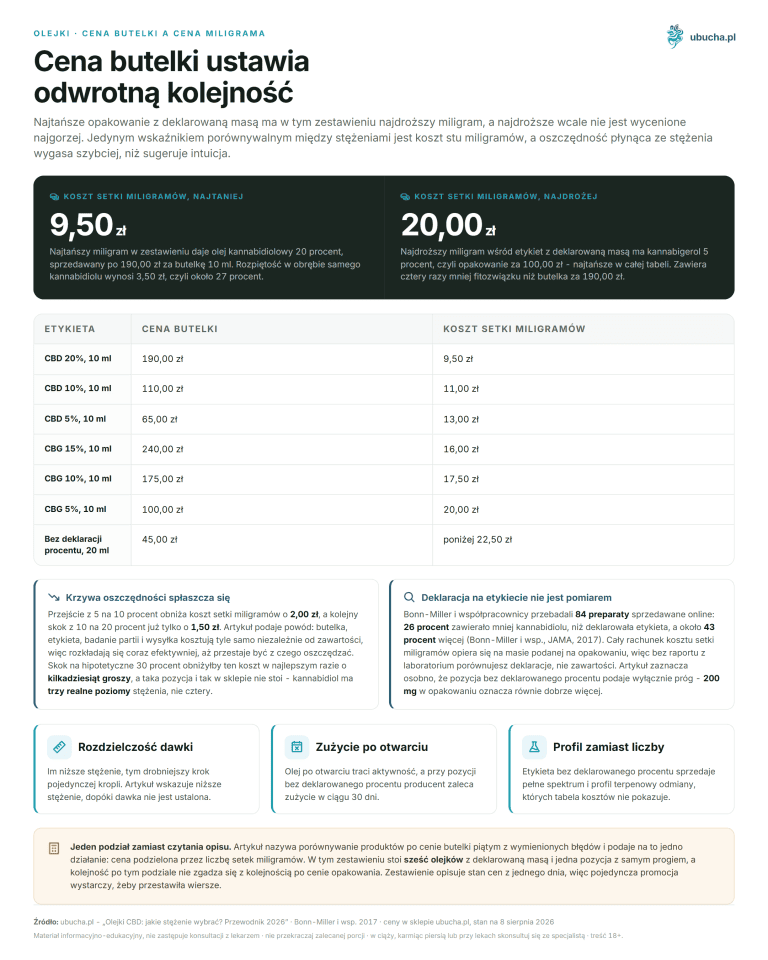
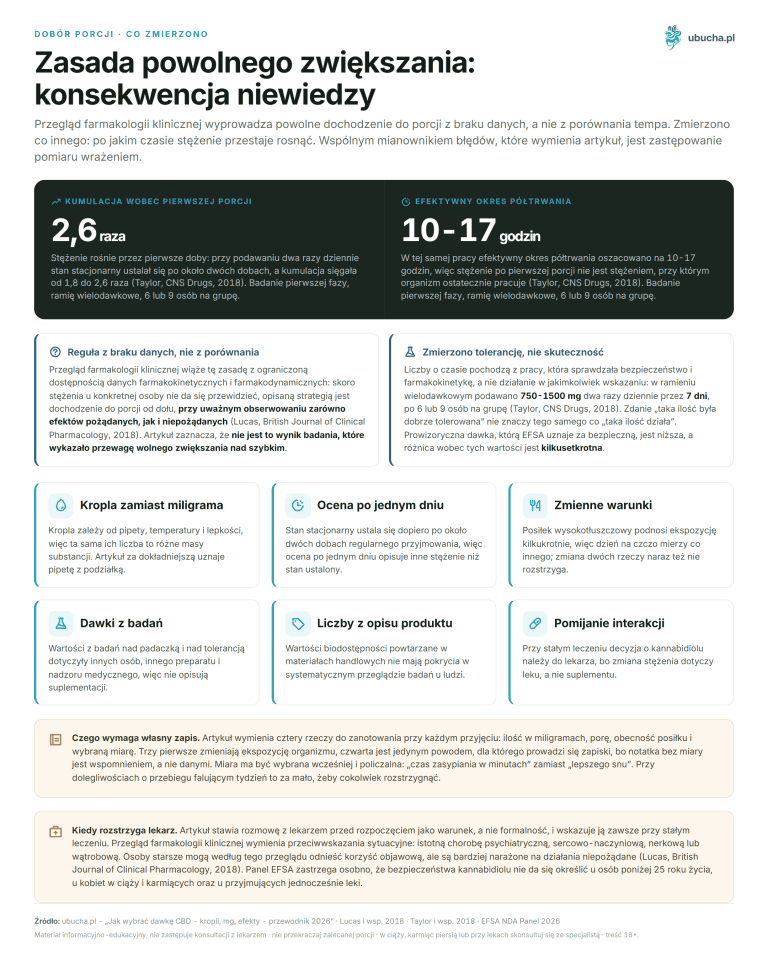
It is unknown. No one has measured how much limonene from hemp vapor enters the bloodstream or how long it stays there, so an honest answer is: there is no such data for the compound itself. However, one can provide a course dependent on the route of administration of the whole raw material and the boiling point of the pure substance.
The route of administration determines the course more than the variety itself. After vaporization, the substance passes from the lungs to the blood almost immediately, so the first sensations appear after a few minutes, the intensity increases for another ten to thirty minutes, and the whole effect lasts for two to four hours. After ingestion, the raw material first passes through the intestine and liver, so the first sensations are awaited from half an hour to two hours, and the episode can last six, sometimes eight hours. Hence the most common mistake with oral administration: anyone who thinks nothing is happening after thirty minutes and takes another dose will receive both doses at once. The above ranges describe the route of administration, not this variety; pharmacokinetic studies for a single cultivar have not been published.
Pure limonene boils around 177.8 degrees Celsius. This value comes from converting the record of 352 degrees Fahrenheit at a pressure of 760 mmHg, accompanied in the source by a reference to the US Coast Guard from 1999; another record in the same collection mentions a range of 175-176 degrees. Both numbers pertain to conditions close to atmospheric, so they can be compared. For limonene, there is not a single measurement in our data taken under reduced pressure, which distinguishes it from caryophyllene and humulene: there such records exist, and then values cannot be directly compared with room temperature measurements.
None of these numbers describe the device. Boiling pertains to the pure substance under known pressure, while in the vaporizer chamber lies the crushed plant, in which limonene is a minor component of the mixture. We do not provide the settings or method of intake anywhere on this page, and they cannot be derived from the above values.
What have studies shown about the effects of limonene?
Two studies, both on rodents. The first described muscle relaxation and prolonged sleep in mice after intraperitoneal administration, while the second reported reduced swelling and pain responses in rats and mice. In the evidence base of the entire cluster, there are twenty-two studies, and none of them included humans.
| Work | Model | What was shown |
|---|---|---|
| do Vale TG, Furtado EC, Santos JG, Viana GS, Phytomedicine 2002, PMID:12587690 | rodent (mouse, intraperitoneal administration) | Limonene administered intraperitoneally in mice showed muscle relaxant effects (rota-rod test) from a dose of 50 mg/kg and prolonged sleep induced by pentobarbital at a dose of 200 mg/kg (about 2.6 times); in the elevated plus maze test, already at a dose of 5 mg/kg, it reduced the number of entries into the open arms, which the authors described as an anxiogenic effect, not anxiolytic. |
| Fakhri S, Yarmohammadi M, Abbaszadeh F, Kiani A, Farzaei MH, Behavioural Pharmacology 2025, PMID:40622197 | rodent (rat and mouse) | Limonene reduced paw swelling induced by carrageenan in rats and pain responses in the formalin test in mice; the effect was associated with the l-arginine/nitric oxide/cGMP/KATP channel pathway and involvement of opioid and benzodiazepine receptors. |
The study model is here the content, not a footnote in small print. The older of the studies administered the substance to mice via injection into the abdominal cavity, which is a route unrelated to inhalation. The newer one connected paw swelling in rats with the formalin test in mice and indicated a signaling pathway, not the patient's sensation. Translating such a result to humans would be an abuse, and it is not present here.
Proportions are also visible in the entire collection. The twenty-two studies are distributed across eleven terpenes, and no human involvement was recorded in any of them. Two do not concern mammals at all: one describes a transgenic radish along with aphids, the other is a review of insect literature. Several others were conducted on cell cultures. For limonene, both entries are animal studies, so the upper limit of what can be derived from here is at the level of rodents.
Such a collection looks poor only when compared to what is written about terpenes on the internet. Competing strain descriptions repeat the same general bibliography on every subpage and do not indicate a single study that could be verified. The above table provides authors, journal, year, and publication registration number, so anyone can verify whether the result sounds as summarized here. Indicating two studies that actually exist speaks more about the state of knowledge than a list of several dozen entries chosen without relation to the statement they are meant to support.
What has not been shown about limonene?
The most. Nothing has been shown in humans, as no study from this collection included humans, and in animals, the only available result from the anxiety test went in the opposite direction to what commercial descriptions repeat. The following sentence comes from the evidence base of the project and stands here in its original wording.
No anxiolytic effect of limonene has been demonstrated in humans. It has also not been shown that isolated limonene acts anxiolytically in animals; the only available data from the elevated plus maze test showed an opposite effect in mice, reducing the number of entries into the open arms even at a low dose.
Let's expand on this, as it is easy to read too quickly. The elevated plus maze test measures a rodent's willingness to enter an open arm, that is, a more exposed place. A calmer animal enters there more often. Mice after limonene entered there less frequently, and this was already at the lowest of the tested doses. The authors called the effect anxiogenic, that is, anxiety-inducing. Therefore, it is not just the lack of evidence for anxiolytic action, but a result indicating the opposite in one animal model.
Moreover, three things that are most often asked have not been shown. First, no one has investigated how much limonene passes into the inhaled vapor or whether the resulting dose has anything to do with the doses injected into rodents. Second, no study has been published for a single cultivar, so none of the strains listed below has its own result. Third, it has not been shown that the terpene marked in the list as leading predicts anything about the course of treatment.
Strain descriptions circulating online rarely set this boundary and usually settle for a general bibliography. Here, the boundary of evidence is part of the content, because without it, there remains a suggestion that the aromatic composition of the plant says something about the therapeutic effect.
What adverse effects have been reported after limonene?
None attributed to this compound. Reports are collected for a medicinal product with a specific batch number, not for an individual terpene, so there is simply no compilation of symptoms after limonene from hemp. What is known about its harmfulness comes from cosmetics and skin contact.
Reports of adverse effects are collected for medicinal products with a batch number, not for the strain name, so the following pertains to hemp dried flower as a group of raw materials. The most frequently reported symptoms are dry mouth, red eyes, and increased heart rate. Dizziness upon rapid standing, daytime drowsiness, and temporary worsening of short-term memory are less frequently described, as well as anxiety that increases with dosage. A separate issue is medications taken concurrently, especially sedatives and those affecting coagulation: their assessment requires knowledge of the entire list of preparations, not just the description of the plant. We do not provide the frequency of these symptoms numerically, as public compilations for hemp dried flower in Poland do not separate them by individual products.
However, there is a lead regarding limonene from a completely different field. European Union cosmetic law mentions it by name among fragrance substances, which must be separately indicated in the product's composition when concentration thresholds are exceeded, and it also limits its peroxide number to below twenty millimoles per liter. The limitation targets oxidized limonene, as the products of its oxidation can cause skin allergies, not the fresh compound.
This lead describes a cosmetic and skin contact, not inhaling vapor from a pharmaceutical raw material. It cannot be used to derive either the frequency of respiratory tract irritations or the threshold above which vapor begins to irritate. Terpenes at high concentrations can be irritating to the respiratory tract and skin, and this statement is as general as the data allows. There are no specifics for limonene administered via inhalation in this collection, and pretending that there are would be the worst disservice to the reader.
Which strains from the Polish pharmaceutical list have limonene as the leading terpene?
Sixteen out of eighty-five cultivars described in this cluster. There are eighteen registration entries from seven producers behind them. Fifteen strains are provided by one producer, and only Mac 1 comes from two. The list assigns one leading terpene to each entry, so the following list is a list of labels, not measurements.
| Strain | Producer in the list | Registration entries |
|---|---|---|
| Biscuit Runtz | S-LAB | 1 |
| Black Jelly | Aurora | 1 |
| Blood Orange Kush | Canopy Growth | 1 |
| Facade | Synoptis Pharma | 1 |
| Farm Gas | Aurora | 1 |
| Gelato 33 | Cantourage | 1 |
| Kush Mints | Canopy Growth | 2 |
| Mac 1 | Cantourage and Four 20 Pharma | 2 |
| Mac Monkey (Blue Monkey) | Cosma | 1 |
| Masterpiece | Four 20 Pharma | 1 |
| Modified Gas | Cantourage | 1 |
| Orange Cake | Cantourage | 1 |
| Red Velvet Cake | Canopy Growth | 1 |
| Sourdough | Aurora | 1 |
| Sweet Berry Kush | S-LAB | 1 |
| White Widow | S-LAB | 1 |
The distribution of producers is not equal. Cantourage appears with four strains from this list, S-LAB with three, Aurora with three, and Canopy Growth also with three, Four 20 Pharma with two, while Cosma and Synoptis Pharma each have one. The total of these indications gives seventeen, which is one more than the names, because Mac 1 is supplied by two producers at once. Both Mac 1 and Kush Mints have two registration entries, while the remaining fourteen strains have one each, totaling eighteen entries.
This set changes over time and this is not an exaggerated disclaimer. Licenses have their expiration dates, producers withdraw batches and introduce new ones, and the pharmacy orders what is currently available in the wholesale. We maintain the current status of entries along with availability separately, in an overview of strains available in Polish pharmacies. The dried flower itself is a pharmaceutical raw material dispensed by prescription in the Rpw category, so the presence of a name on the above list does not indicate whether a strain is suitable for someone.
Why do profile databases list limonene for sixty-four strains, while the list shows sixteen?
Because they answer two different questions. The pharmacy list indicates one leading terpene for the registration entry, while profile databases enumerate all compounds described for the strain. Limonene is the leading terpene in sixteen cultivars, while it appears in the composition of sixty-four out of eighty-five. Merging these lists would yield a number without significance.
The profile databases themselves also do not speak with one voice. Among those sixty-four strains, both sources describe the composition consistently in only two cases, diverge in nineteen, and forty-three entries rely on one source. For nine strains, limonene appears only at budcare.pl and is absent at medweed.pl, while for one, Northern Berry, it is the opposite. This is not a data retrieval error, but rather a reflection of the market for descriptions.
This is where the rule comes from that you won't see shares next to compound names. The budcare.pl database assigns a number that looks like a share next to each of them, but the denominator remains unknown. For entries listing limonene, the sums of those numbers range from 58 to 125, with a median of 85. Eight entries sum exactly to one hundred, six exceed one hundred. A number whose sum can be greater than the whole is not a measurement and will not be presented here as such.
This is also evident in the sixteen strains from the list. For nine of them, the profile database also ranks limonene highest. For four, it indicates something different: farnezen for Mac 1, caryophyllene for Biscuit Runtz, myrcene for Orange Cake, and pinene for Sweet Berry Kush. For the remaining three, Blood Orange Kush, Gelato 33, and Kush Mints, no leading value is provided at all. The label from the list and the profile from the database are two different things.
Can the presence of limonene predict the scent or effects of a strain?
Partially for scent, not for effects. Chemical databases describe the scent of limonene as a pleasant citrus aroma, so the citrus note likely has its source there. Transitions from composition to effects experienced by the patient have not been demonstrated for this compound in any human studies, as there are no such studies in this collection.
The name of the strain can be misleading in both directions. In the cluster are Frosted Lemon Angel, Frozen Lemon Mints, Lemon Haze Gelato, and Orange Cream Pop, and none of these four have been attributed limonene as the leading compound, although all contain it according to the profile databases. Conversely, Sourdough, Farm Gas, or Modified Gas, whose names do not suggest citrus, are listed as leading.
The same applies to effects. In the profile database, limonene appears in one hundred eleven out of one hundred forty-six entries, and the highest value, without a tie with another compound, is found in only ten of them. A compound that is almost ubiquitous in descriptions is rarely leading in them, so basing predictions about effects on it would be like building a conclusion on a label. The selection is determined by the prescribing physician, not the scent profile, and none of these names will be found in of the dried flower category.
The conclusion from this side is brief. Limonene is well described chemically, is common in plants and everyday products, and is present in most strain profiles from this cluster. However, what is known about its impact on the body ends with two animal studies, one of which showed a direction contrary to common assurances.
Frequently asked questions about limonene
Does limonene have anxiolytic effects?
This has not been demonstrated in humans. In animals, the only available result from the elevated plus-maze test went in the opposite direction: mice after limonene were less likely to enter the open arms, and the authors described this effect as anxiety-inducing.
Is limonene found only in hemp?
No. Toxicological databases list it in oils from oranges, lemons, grapefruits, caraway, dill, and bergamot, as well as in mints and among volatile compounds emitted by coniferous trees.
Is the boiling point of limonene a vaporizer setting?
No. About 177.8 degrees Celsius is the boiling point of the pure substance under pressure close to atmospheric. This is not a recommendation regarding the device or method of consumption, and this value does not indicate how much of the compound reaches the inhaled vapor.
How many strains from the Polish list have limonene as a leading terpene?
Sixteen out of eighty-five cultivars described in this cluster, backed by eighteen registry entries from seven producers. According to profile databases, limonene has sixty-four strains.
Why don't you provide percentage shares of terpenes?
Because the denominator is unknown. For entries listing limonene, the sums of the numbers assigned to individual compounds range from 58 to 125, and eight entries sum exactly to one hundred. A value whose sum exceeds the total is not a measurement.
Can limonene cause allergies?
Yes, upon contact with the skin, and this primarily concerns oxidized limonene. European Union cosmetic law requires it to be indicated by name in the composition after exceeding concentration thresholds and limits its peroxide number. For inhaling vapor from dried hemp, such data is not available.
The material is for informational purposes only and does not replace medical advice. Dried hemp is a pharmaceutical raw material dispensed by a doctor's prescription in the Rpw category. The editorial text was prepared by redakcja ubucha.pl.