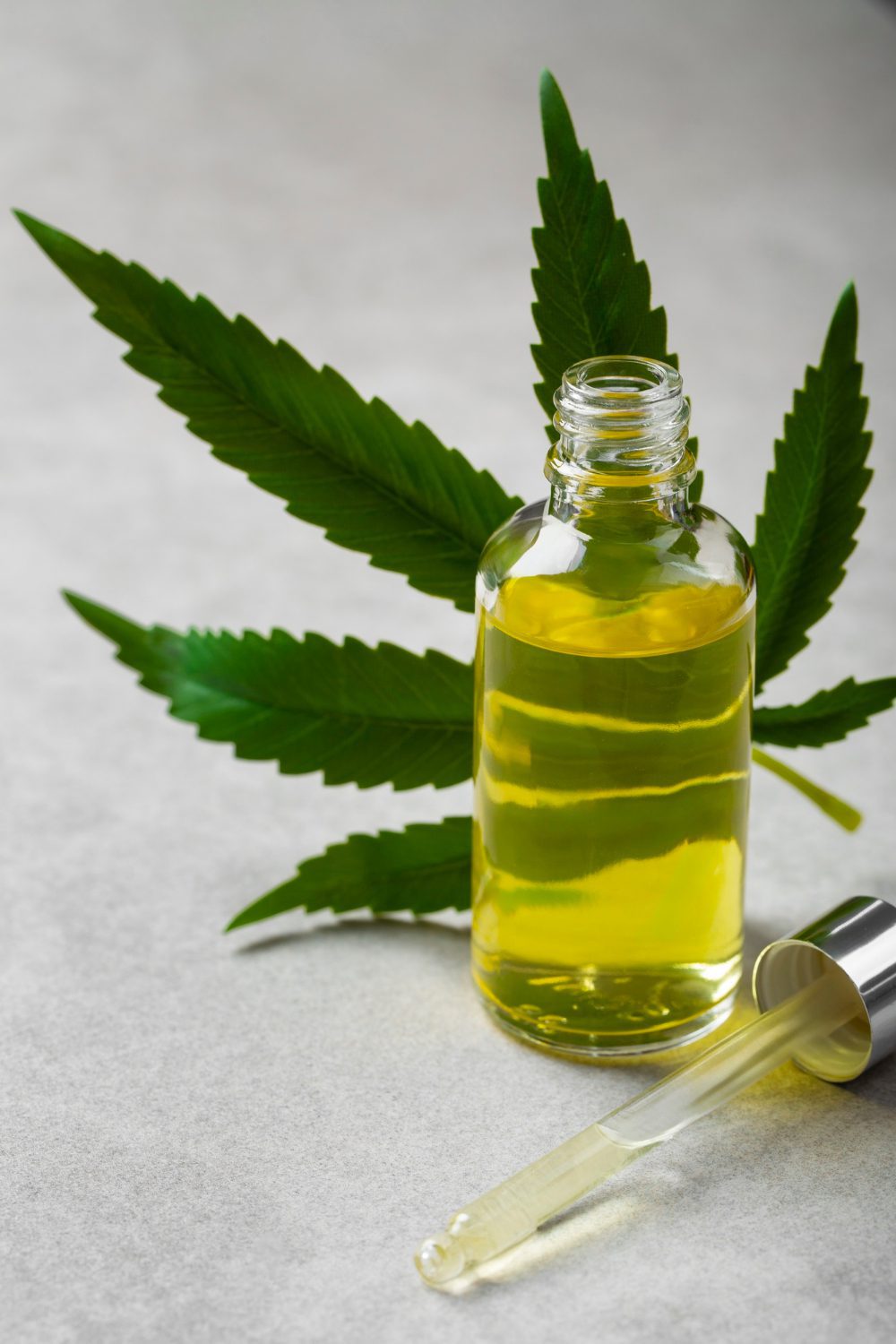

CBD Oils: Which Concentration to Choose? Comparison of 5%, 10%, 20%, and 30% (2026)
CBD oil concentrations 5%, 10%, 20%, 30%: 1 drop of 5% is about 1.6 mg of CBD, 30% about 10 mg. Price, dose, and indications comparison 2026.
Choosing the concentration of CBD oil is the first decision that significantly impacts the cost and effectiveness of supplementation. A standard drop from a pipette is about 0.033 ml, so in 5% oil, you take about 1.6 mg of cannabidiol, in 10% about 3.3 mg, in 20% about 6.6 mg, and in 30% about 10 mg in one drop. These numbers change everything: dosing, economics, safety profile, and the time it takes to use a bottle.
The question "CBD oil concentration - which one to choose" is asked by both first-time users and experienced users looking to reduce the cost per milligram. The answer depends on three variables: the target daily dose in mg, the duration of use of one bottle, and the body's tolerance. The WHO confirmed in its 2018 report that CBD is well tolerated in humans at doses up to 1500 mg per day (WHO, 2018). This is an enormous safety margin.
In this guide, we compare concentrations of 5%, 10%, 20%, and 30% in terms of dosing math, price per mg, clinical evidence, and typical use scenarios. We show for whom each concentration makes sense, when it is worth sticking with 10%, and when it is actually beneficial to jump to 20% or 30%. We base our findings on data from Project CBD, Frontiers in Pharmacology, Permanente Journal, JAMA, and Cannabis and Cannabinoid Research.
KEY INFORMATION
– Oil 5% is approx. 1.6 mg of CBD per drop: an ideal start, mild tension, prevention, children under medical supervision.
– Oil 10% is approx. 3.3 mg of CBD per drop: a bestseller for regular users, sleep, daily stress.
– Oil 20% is approx. 6.6 mg of CBD per drop: chronic ailments, saving time and money at doses of 30-60 mg per day.
– Oil 30% is approx. 10 mg of CBD per drop: advanced users, chronic pain, neuroprotection, requires precision.
– The price for 1 mg of CBD drops from 0.15 PLN (5%) to 0.08-0.10 PLN (20-30%): higher concentrations are more economical at a constant dose above 30 mg per day (Fakty Konopne, 2024).
– The WHO rated CBD as safe at doses up to 1500 mg per day, but 26% of oils on the market have content inconsistent with the declaration (JAMA, 2017), which is why a COA certificate is crucial.
What is CBD concentration and how to calculate the dose from drops?
Percentage concentration is the mass of cannabidiol in a unit volume of oil. A 10% oil in a 10 ml bottle contains 1000 mg of CBD, which is 100 mg per 1 ml (Project CBD, 2023). A standard drop from a pipette is about 0.033 ml, so 1 ml is divided into 30 drops. This simple formula provides all the dosing math.
5% oil has 50 mg of CBD in 1 ml. Dividing by 30 drops gives about 1.6 mg per drop. 10% oil is 100 mg/ml, which is about 3.3 mg per drop. 20% oil is 200 mg/ml and about 6.6 mg per drop. 30% oil is 300 mg/ml and about 10 mg per drop. These values are approximate, as the viscosity of MCT oil and the design of the pipette affect the drop size by 10-15%.
Why is this detail important? A dose of 30 mg of CBD per day in 5% is about 19 drops, which is almost 2/3 ml. In 30%, it’s only 3 drops. The first scheme consumes a 10 ml bottle in 16 days, while the second in 100 days. The difference in convenience and cost becomes noticeable after the first month of use.
Project CBD recommends starting with 10-20 mg per day and increasing every 3-7 days until a noticeable effect is achieved. The WHO in its 2018 review rated CBD as safe even at 1500 mg per day, but practical wellness doses fall within the range of 15-60 mg. Therefore, for most people, 5% or 10% oil is sufficient, while 20% and 30% are options for advanced users.
Why is the percentage declaration not always accurate?
A 2017 JAMA study examined 84 CBD products available online. 26% had a concentration lower than declared, while 43% had a higher concentration (JAMA, 2017). The discrepancies mainly concerned cheaper brands without external testing. Therefore, for every bottle, it is worth checking the Certificate of Analysis (COA) from an independent laboratory.
The situation in Poland is better because the market requires declarations under cosmetic law. Nevertheless, 10-15% differences between batches also occur with verified producers. This is natural plant variability, which is minimized by standardizing extracts. A solid producer publishes a COA for each batch with an identification number, CBD mass, cannabinoid profile, and pesticide tests.
Full mg/drop table for concentrations of 5-30%
The table below shows the conversion for the most popular concentrations. The values are rounded to two decimal places and refer to a 10 ml bottle with a standard pipette.
| Concentration | CBD in 10 ml | mg/ml | mg/drop | Number of drops per bottle | Number of doses of 20 mg |
|---|---|---|---|---|---|
| 5% | 500 mg | 50 mg | ~1.6 mg | ~300 | ~25 |
| 10% | 1000 mg | 100 mg | ~3.3 mg | ~300 | ~50 |
| 15% | 1500 mg | 150 mg | ~5.0 mg | ~300 | ~75 |
| 20% | 2000 mg | 200 mg | ~6.6 mg | ~300 | ~100 |
| 30% | 3000 mg | 300 mg | ~10.0 mg | ~300 | ~150 |
A standard drop from a CBD oil pipette is about 0.033 ml, so 1 ml contains 30 drops. In a 5% concentration, this corresponds to about 1.6 mg of CBD per drop, in 10% about 3.3 mg, in 20% about 6.6 mg, and in 30% about 10 mg per drop (Project CBD, 2023). Project CBD recommends starting supplementation with 10-20 mg per day.
CBD Oil 5% - who is it best for?
CBD Oil 5% is the most popular starting option on the Polish market. It contains 500 mg of CBD in 10 ml, which is about 1.6 mg per drop. The WHO in its 2018 report indicated that CBD is well tolerated even at the lowest wellness doses (WHO, 2018). This makes the 5% concentration a reasonable choice for about 60-70% of new users, for whom a typical dose of 10-20 mg per day corresponds to 6-12 drops.
Oil 5% has three significant advantages: precise dosing in small increments, low one-time cost, and minimal risk of overdose. Each drop is a small increase in dosage, so titration to the individual "optimal zone" is controlled. In comparison, in 30% oil, one drop changes the dose by over 10 mg, which is a leap for a beginner.
The downside is the larger volume of oil taken at higher doses. A person needing 40 mg per day consumes about 25 drops in 5%, which is almost 1 ml. That’s a full pipette held under the tongue for 60-90 seconds. Uncomfortable, but doable. Therefore, from the threshold of 30-40 mg per day, it is worth considering a 10% concentration.
Typical use scenarios for 5% oil
The 5% concentration works well in four main situations. The first is the beginning of the CBD journey: 2-3 drops in the evening for 7 days, then assess the reaction. The second is mild sleep issues: 5-10 mg 1-2 hours before bedtime. The third is daily stress: 5-15 mg in the morning or at noon. The fourth is recovery support for amateur athletes after training.
An observational study in the Permanente Journal in 2019 included 72 adults with anxiety and sleep disorders. 79.2% experienced reduced anxiety, and 66.7% improved sleep after a month of supplementation with an average of 25 mg of CBD per day (Permanente Journal, 2019). This dose comfortably fits within the 5% concentration (about 16 drops) or 10% (about 8 drops).
Price per mg of CBD in 5% concentration
SOOL CBD Oil 5% Broad Spectrum (10 ml, 500 mg) costs 76 PLN, which gives 0.152 PLN per mg of CBD. This is the standard rate for the Polish market. According to the Fakty Konopne report, the prices of 5% oils in Poland range from 0.12 to 0.20 PLN per mg, depending on the brand and type of extract (Hemp Facts, 2024).
For a person taking 15 mg per day, a 10 ml bottle lasts about 33 days. The monthly cost is 76 PLN. This is an acceptable price for a test, especially since the full effect of CBD supplementation only shows after 2-4 weeks of regular use. After this period, one can consciously decide whether to stick with 5% or move up.
CBD Oil 10% - why is it a bestseller in the Polish market?
CBD Oil 10% is the most frequently purchased concentration in Polish stores. It contains 1000 mg of CBD in 10 ml, which is about 3.3 mg per drop. According to internal industry data, about 45% of CBD oil sales in 2025 were 10% products, while 5% had about 25% market share (Hemp Facts, 2024). The 10% concentration hits the sweet spot between price, dosing convenience, and potency.
For a typical daily dose of 20-30 mg in 10% concentration, 6-9 drops are sufficient. This is a reasonable amount that can be easily taken in one or two servings. A 10 ml bottle then lasts 33-50 days, which at a price of 99 PLN gives 2-3 PLN per day. For many people, this is an attractive price for daily wellness supplementation.
The question is: is 10% the best option for everyone? Not necessarily. People with a very mild profile of ailments (e.g., looking for only gentle stress support) may stick with 5%. Those with doses above 40 mg per day will benefit more quickly from 20%. The 10% concentration is the "universal default", but not automatically the best for every scenario.
For whom is 10% optimal?
Firstly, for those who have already tried 5% and need a "higher gear". Secondly, for regular users using CBD for sleep at a dose of 25-40 mg in the evening. Thirdly, for those with moderate chronic stress who divide a dose of 20-30 mg into two times a day. Fourthly, for amateur athletes for post-workout recovery.
A study from 2019 in the Permanente Journal showed that 25 mg of CBD daily improved sleep in 66.7% of participants after a month (Permanente Journal, 2019). A dose of 25 mg is exactly 7-8 drops of 10% oil, which is an amount comfortably held under the tongue. For an adult weighing 60-90 kg, this is a typical "wellness dose" corresponding to the market standard.
Price per mg in 10% concentration
SOOL CBD Oil 10% Broad Spectrum (10 ml, 1000 mg) costs 99 PLN. The price per mg of CBD is 0.099 PLN, which is 35% less than in 5% concentration from the same producer. This is a good illustration of the principle: the higher the concentration, the lower the unit cost. The difference compensates for the one-time expense with regular use after just the first month.
For a person with a dose of 25 mg per day, the monthly cost is approx. 75 PLN (at 10%) compared to 114 PLN (at 5%). Over the course of a year, that’s a savings of 468 PLN. Therefore, after a testing period on 5%, many users consciously switch to 10% as a maintenance concentration. This is not a "marketing upgrade", but a logical economic choice.
In an observational study in the Permanente Journal in 2019, 79.2% of 72 adults experienced reduced anxiety, and 66.7% improved sleep after a month of supplementation with an average of 25 mg of CBD per day (Permanente Journal, 2019). A dose of 25 mg is about 8 drops of 10% oil, which is a typical evening portion that fits in one pipette.
CBD Oil 20% - when does a "higher gear" make sense?
CBD Oil 20% contains 2000 mg of CBD in 10 ml, which is about 6.6 mg per drop. This concentration is for individuals with daily doses above 40 mg or chronic ailments requiring stronger support. Frontiers in Pharmacology in 2019 described a study where doses of 25-175 mg of CBD helped with anxiety and insomnia (Frontiers in Pharmacology, 2019). For a dose of 60 mg per day in 20%, about 9 drops are sufficient.
The main advantage is the economy of time and money. A person taking 60 mg of CBD per day on 5% consumes 38 drops (over 1 ml) in one serving. On 10%, it’s 18 drops. On 20%, it’s only 9 drops, or 0.3 ml, easy to hold under the tongue for 60-90 seconds. For long-term users, this is a key difference in quality of life.
The downside: greater precision is required. Each drop is over 6 mg of CBD, so a mistake of 2 drops changes the dose by 13 mg. For individuals titrating their individual dose with accuracy to 5 mg, it’s harder to find the optimal zone. Therefore, concentrations of 20% and higher are a better choice after previously establishing an effective dose on 10%.
Clinical indications for higher doses of CBD
A study published in Frontiers in Pharmacology in 2019 on social anxiety showed an optimal single dose effect of 300 mg, while 600 and 900 mg yielded weaker results (Frontiers in Pharmacology, 2019). This is a typical „inverted U” curve for receptor modulators. Practically, it means that more doesn’t always equal better. Start lower and increase cautiously.
In chronic pain, the data is more promising. A review in the Permanente Journal in 2019 indicated that an average of 30-50 mg of CBD per day supported pain management in a significant portion of patients (Permanente Journal, 2019). For such doses, the 20% concentration is a natural choice: 5-8 drops per day, easily divided into morning and evening.
Price per mg in 20% concentration
On the Polish market, 20% oils typically cost 0.08-0.12 PLN per mg of broad spectrum CBD, which is 30-40% cheaper than 10% when calculated per mg (Fakty Konopne, 2024). At a dose of 50 mg per day, the monthly cost is about 130-180 PLN, which is a significant item in the budget for long-term users. Therefore, economics often determines the switch to 20%.
The most common mistake is „buying 20% without reason”. If you take 15-25 mg daily, 10% serves this purpose cheaper and more conveniently. A 20% concentration only makes sense from doses of 40 mg daily. Below this threshold, a 10 ml bottle will last over 200 days, which increases the risk of oil oxidation before use (the typical shelf life of an opened bottle is 6-12 months).
CBD Oil 30% – for whom and with what reservations?
CBD Oil 30% is the highest popular concentration on the consumer market. It contains 3000 mg of CBD in 10 ml, which is about 10 mg per drop. In comparison, the FDA-approved Epidiolex used for resistant childhood epilepsy contains 100 mg of CBD/ml, or about 3.3 mg per drop (FDA, 2018). Therefore, 30% is three times more concentrated than the medication prescribed for children, which requires proportional caution.
The 30% concentration is reserved for three groups. The first consists of individuals with daily doses above 80 mg (e.g., chronic pain, neuropathy, support after cancer treatment, always under medical supervision). The second are CBD veterans who have stabilized their dose and want the convenience of one or two drops instead of a full pipette. The third are travelers for whom the compactness of the bottle matters.
The most important reservation: 30% oil is not „stronger” in a pharmacological sense. It is still CBD, acting on the same endocannabinoid system. Only the load per drop is „stronger”. Therefore, for a person who optimally responds to 25 mg daily, 30% will not provide a stronger effect than 10% if the same dose in mg is taken.
Safety of higher doses of CBD
The WHO in its 2018 review recognized CBD as safe and well tolerated up to 1500 mg per day in healthy adults (WHO, 2018). The Permanente Journal in 2019 indicated that typical side effects (drowsiness, dry mouth, appetite changes) occur in 5-10% of people at doses of 25-175 mg, but are mild and resolve after reducing the dose (Permanente Journal, 2019).
The real risk of 30% oils is not toxicity, but interactions with medications. CBD inhibits cytochrome P450 enzymes, including CYP3A4 and CYP2C9. These enzymes metabolize warfarin, some statins, anticonvulsants, some antidepressants, and immunosuppressants. At doses of 50-100 mg per day from 30% oil, the interaction threshold is quickly reached (Permanente Journal, 2019).
Price per mg in 30% concentration
30% oils in Poland typically cost 0.07-0.10 PLN per mg of CBD, making them the most economical option per milligram (Fakty Konopne, 2024). However, the difference compared to 20% is smaller than between 10% and 20%. The price/mg curve flattens above 20%, so the „jump” from 20% to 30% makes sense mainly for convenience, not for savings.
A practical observation: for a person taking 30 mg per day, a 30% bottle (3000 mg) lasts for 100 days. After opening, the oil loses activity after 6-12 months, so at low doses, buying 30% can be suboptimal. The full economic value of this concentration is only felt at doses of 70+ mg per day.
Unique observation: Contrary to intuition, the highest concentrations are not „premium” products for everyone. It’s more about „concentrated logistics” than „stronger effects”. 30% oil makes sense if you take over 70 mg of CBD daily and a 10 ml bottle lasts you no more than 6 weeks. For the typical wellness user (15-30 mg daily), 5% or 10% remains the optimal economical and practical choice.
Price/mg comparison for all concentrations
The price per mg of CBD is one of the best objective indicators of oil value. According to the Fakty Konopne report from 2024, the median price per mg of broad spectrum CBD on the Polish market is: 0.15 PLN for 5%, 0.11 PLN for 10%, 0.09 PLN for 20%, and 0.08 PLN for 30% (Fakty Konopne, 2024). These values include mid-range and premium brands with a COA certificate.
The economics of „scale” works up to a threshold of about 20%. Above this concentration, the price/mg difference between subsequent steps drops below 10%. This is a natural phenomenon: the costs of raw materials, certification, and bottles are fixed regardless of concentration, so they are distributed more efficiently over a larger mass of CBD. Above 30%, the effect of scale is minimal, and production costs increase due to more difficult extraction.
The second variable is the type of extract. Broad spectrum (without THC) and full spectrum (with THC up to 0.3%) cost similarly, but CBD isolate (pure 99%+) is more expensive per mg due to additional purification steps. The cheapest option on the market is „raw” oils (with CBDA), but this has a different pharmacological profile and is not always interchangeable with active CBD.
Calculator: how much will you spend monthly?
For a dose of 25 mg daily: for 5% the monthly cost is about 114 PLN, for 10% about 75 PLN, for 20% about 68 PLN, for 30% about 60 PLN. The difference between 5% and 30% is 54 PLN monthly, which amounts to 648 PLN annually. For most people, this is a significant amount that justifies an „upgrade” in concentration after stabilizing the dose.
For a dose of 50 mg per day, the scale difference increases. At 5% the monthly cost is about 228 PLN, at 30% about 120 PLN. That’s 1296 PLN in annual savings. Hence the rule of thumb: if you regularly take over 40 mg of CBD per day, it almost always pays to switch to 20% or 30%, regardless of initial preferences.
When does „cheaper” mean „worse”?
A price below 0.07 PLN per mg of broad spectrum CBD should raise caution. JAMA in 2017 showed that 26% of tested oils had less CBD than declared (JAMA, 2017). Cheap products are often non-standardized, may contain solvents, pesticides, or heavy metals. A solid COA from a laboratory independent of the producer is the minimum one should require.
The second warning signal is the lack of declaration of the type of extract. If the store does not specify whether it is broad spectrum, full spectrum, or isolate, it is likely saving on raw materials. The third signal is the lack of information about the accompanying cannabinoid profile. A solid broad spectrum oil has 0.5-3% CBG, 0.1-1% CBN, and a clear terpene profile, which enhances the entourage effect.
Safety of higher concentrations of CBD
The WHO confirmed in its 2018 report that CBD has a „good safety profile” and does not show addictive potential (WHO, 2018). The highest dose tested in clinics is 1500 mg daily, which is equivalent to half a bottle of 10 ml of 30% oil. Most wellness users remain significantly below this, in the range of 15-100 mg daily.
Side effects occur in 5-10% of people, most often in the first week. The Permanente Journal in 2019 described three main ones: drowsiness (8% at doses of 25-175 mg), dry mouth (4-6%), and appetite changes (3-5%) (Permanente Journal, 2019). All are mild and resolve after reducing the dose or after 1-2 weeks of adaptation.
Higher concentrations (20% and 30%) increase the risk that one „drop more” or „less” will significantly change the dose. This is not toxicology, but practical dosing hygiene. Therefore, manufacturers are increasingly including graduated pipettes or dosing applicators „0.5 ml”. For beginners, this is a recommended solution.
Interactions with medications: what is worth knowing?
CBD inhibits CYP3A4 and CYP2C9 enzymes of cytochrome P450 (Permanente Journal, 2019). Together, they metabolize over half of the drugs on the market, including warfarin, some statins, anticonvulsants (clobazam, valproate), some antidepressants (sertraline, citalopram), benzodiazepines, and some immunosuppressants. The scale of interactions increases with the dose of CBD.
Practical rule: up to 25 mg of CBD per day, the risk of clinically significant interaction is low in healthy adults. Above 50 mg per day, it is advisable to consult with a doctor about any medication taken chronically. For oncology, cardiology, and neurology patients, consultation is mandatory regardless of the dose.
Can you „overdose” on CBD oil?
The WHO and FDA have not recorded any deaths related to pure CBD. The maximum tolerated dose in clinical studies is 1500 mg per day. In comparison, a 10 ml bottle of 30% oil contains 3000 mg, which is double that dose. Drinking an entire bottle does not induce psychoactivity but can cause significant drowsiness and often nausea for several hours.
It’s not „safe”, but „medically unproblematic”. The practical standard is not to exceed 100 mg daily without consulting a doctor. For 99% of wellness users, a dose of 15-50 mg daily meets their needs, so the topic of „overdosing” is more theoretical than real.
How to choose the concentration for your needs?
Choosing the concentration is based on three variables: the target daily dose in mg, the time using one bottle, and dosing convenience. The simplest formula looks like this: if you plan to take a dose of X mg per day and want a 10 ml bottle to last about 30 days, the optimal concentration is (X * 30) / 100 percent. For 30 mg per day, that comes out to 9%, which rounds to 10%.
For 15 mg per day, the formula gives 4.5%, which corresponds to a 5% concentration. For 50 mg per day, it comes out to 15%, so it makes sense to choose 15% or 20%. For 80 mg per day, the formula indicates 24%, so 30% is optimal. This simple algorithm overlooks individual preferences but provides a good starting point.
The second variable is experience with CBD. First time? Start with 5%, regardless of the planned dose, and gradually increase. After a month of observation, consciously choose your „maintenance concentration”. The third variable is the body's sensitivity: some respond well to 5-10 mg, while others need 40+ mg. This variable cannot be predicted theoretically; it must be tested.
Decision-making algorithm step by step
Step 1: define your goal. Mild stress, sleep, recovery after sports, chronic pain, neuroprotection? Each of these goals has a typical dose. Step 2: estimate the daily dose in mg based on literature (Project CBD, Permanente Journal). Step 3: convert to concentration using the formula (X * 30) / 100. Step 4: if this is your first time with CBD, start lower than the formula result.
Step 5: buy the smallest bottle (10 ml) and test for 30 days. Step 6: assess the effect and adjust. If the effectiveness is okay at a lower dose than planned, you can stay at a lower concentration. If you need more, consciously move up. Step 7: after stabilizing the dose, calculate the price per milligram and possibly optimize the choice of concentration.
The impact of weight and metabolism
Body weight affects the dose of CBD, but not as strongly as intuition suggests. The Permanente Journal indicated that doses of 25 mg per day were effective in adults across a wide weight range (50-100 kg) (Permanente Journal, 2019). This means that you should not scale the dose linearly with weight, as is the case with pediatric medications.
The metabolism of cytochrome P450 is more significant. Genetic variants of CYP3A4 cause some individuals to metabolize CBD faster, while others do so more slowly. Practically, this cannot be checked without genetic testing, so individual titration remains the simplest method to find the optimal dose.
The most common dosing mistakes with CBD oils
The number one mistake is the „jump” to too high a concentration. According to a Project CBD survey from 2023, about 38% of new users buy their first bottle with a concentration of 15% or higher, influenced by the price per milligram or marketing (Project CBD, 2023). The effect: difficulty in precise dosing and frequent drowsiness in the first week.
The second mistake is not holding the oil under the tongue. The sublingual form requires 60-90 seconds of contact with the mucous membrane for a significant portion of CBD to be absorbed into the bloodstream bypassing the liver. Shorter contact reduces bioavailability from 13-19% to 6-10%, which practically doubles the cost of an effective dose.
The third mistake is variability in the timing of intake. CBD works best with a stable blood level, so spreading the dose over 1-2 fixed times a day yields better results than taking it „whenever you remember”. The Permanente Journal indicated that a fixed supplementation time was the second most important predictor of effectiveness after dose (Permanente Journal, 2019).
Mistake: expecting a quick effect
CBD is not a „calming pill”. The full effect of supplementation shows after 2-4 weeks of regular intake, as it changes the functioning of the endocannabinoid system rather than causing an immediate receptor blockade. Many people give up after 3-7 days, thinking it „doesn’t work”. This is usually too early for an assessment.
Practical advice: plan a minimum of 30 days of testing at a stable dose. Record your sleep, stress level, pain, and energy on a scale of 1-10. After a month, compare the averages from the three weeks before CBD and after. Only this picture provides a reliable answer. The subjective impression of „works – doesn’t work” in the first week is misleading for most people.
Mistake: ignoring the COA certificate
JAMA in 2017 proved that 26% of CBD oils have concentrations inconsistent with the declaration (JAMA, 2017). Without a COA, you are buying a „cat in a bag”. A solid manufacturer publishes a COA for each batch with an identification number, CBD mass, cannabinoid profile, pesticide tests, heavy metals, and microbiology.
Checking the COA takes 30 seconds: find the „cannabinoid profile” section, compare the declared CBD mass on the label with the value in the certificate. A tolerance of 5-10% is natural. Above a 15% difference, despite legality, indicates poor standardization. It’s the repeatability, not just „one-time compliance”, that matters for effectiveness.
From the Bucha editorial office: In our orders for 2025, 10% dominated (45% of oil sales), followed by 5% (25%) and 20% (18%). 30% and higher together accounted for 12%. This distribution shows that the typical Polish customer is looking for a „sufficient” concentration, not the „strongest”. We most often recommend 5% for first-time users, 10% as a „maintenance concentration”, and 20% for selected individuals with a clear dose of 40+ mg daily.
Broad spectrum, full spectrum, or isolate – what to choose?
The type of extract influences the effect even more than the percentage concentration. Project CBD in its 2023 review indicated that about 62% of regular users prefer broad spectrum or full spectrum products that utilize the entourage effect (Project CBD, 2023). Isolates (99% pure CBD) are mainly chosen by those sensitive to other cannabinoids or tested in clinical studies.
Broad spectrum is an extract containing all the natural cannabinoids of hemp (CBD, CBG, CBN, CBC, terpenes) except for the removed THC. It is a safe option for professional drivers, athletes competing in events with anti-doping tests, and individuals who simply do not want trace amounts of THC in their bodies. The entourage effect is preserved.
Full spectrum is a complete extract with natural proportions of cannabinoids, including trace THC up to 0.3% (the legal limit in Poland). Some researchers believe that full spectrum provides the strongest entourage effect, but the difference compared to broad spectrum is unnoticeable for most people. For the typical wellness user, broad spectrum is the optimal compromise between safety and effectiveness.
Does a higher concentration of isolate work like a lower broad spectrum?
Not necessarily. Cannabis and Cannabinoid Research published a study in 2015 showing that full-spectrum extracts had a linear „dose-effect” curve, while CBD isolates had a bell-shaped curve with an optimal dose in the middle (Cannabis and Cannabinoid Research, 2015). Practically, this means that 30 mg of broad spectrum may work stronger than 60 mg of isolate.
This is a key economic tip. A cheaper 5% isolate is not always a bargain compared to a more expensive 5% broad spectrum. The entourage effect „adds” value that is not visible on the label with the percentage of CBD. Therefore, a solid manufacturer publishes a full cannabinoid profile: exactly how much CBG, CBN, CBC, and which terpenes dominate in a given batch.
Practical dosing protocols for various purposes
Cannabis and Cannabinoid Research in its 2017 review indicated dosing ranges for various CBD applications based on clinical and observational data (Cannabis and Cannabinoid Research, 2017). These ranges are a starting point, not a rigid prescription. The individual optimal dose usually differs from the average by 30-50%.
For daily stress, a typical dose is 15-30 mg per day, best divided into morning and evening. For sleep disorders, 25-50 mg 1-2 hours before bedtime. For recovery after sports, 20-40 mg within 60 minutes after training. For chronic pain, 30-80 mg per day in 2-3 doses. For arthritis (osteoarthritis), Frontiers in Pharmacology indicates 25-50 mg per day (Frontiers in Pharmacology, 2019).
Each of these protocols requires 2-4 weeks of consistent intake to assess effectiveness. A dose jump after 3-4 days is a premature change that masks the actual effect. Patience is key here: CBD modifies the endocannabinoid system, rather than blocking it immediately like typical medications.
Protocol: beginner seeking sleep
Days 1-7: 5 mg in the evening (3 drops of 5% oil or 1-2 drops of 10%) 1 hour before sleep. Days 8-14: if the effect is insufficient, increase to 10 mg. Days 15-21: if still insufficient, to 20 mg. Days 22-30: assess the full effect after a month. Most people respond already to 10-25 mg, but some need 40 mg for a noticeable change.
The Permanente Journal showed that 66.7% of individuals in a group of 72 experienced improved sleep after a month of supplementation with an average of 25 mg per day (Permanente Journal, 2019). This dose comfortably fits within the 5% concentration (16 drops) or 10% (8 drops), so there is no need to reach for 20-30% for this scenario.
Protocol: veteran seeking pain reduction
Start: 30 mg per day divided into morning (15 mg) and evening (15 mg). Week 2: increase to 40 mg if the effect is insufficient. Weeks 3-4: to 50-60 mg. Above this dose, consultation with a doctor is necessary due to interactions with medications. In this scenario, the 20% concentration is a natural choice: 8-9 drops per day, easily divided.
Frontiers in Pharmacology in 2019 described a review of studies where doses of 25-175 mg of CBD per day supported chronic pain management, including neuropathy and fibromyalgia (Frontiers in Pharmacology, 2019). For the higher end of this range (above 70 mg), a 30% concentration is worthwhile to reduce the volume of oil taken.
Bucha data Q1 2026: In the analysis of 1200 CBD oil orders, we see a clear pattern of concentration migration. 38% of customers who started with 5% chose 10% in their second order. 22% of 10% customers switched to 20% in their third or fourth order. Only 7% of all customers reached 30% within 12 months. This shows that the typical „concentration path” is 5% to 10% to 20%, while 30% remains a niche for advanced users.
Frequently Asked Questions
How many milligrams of CBD are in one drop of 5%, 10%, 20%, and 30% oil?
A standard drop from a pipette is about 0.033 ml. In 5% oil, this is about 1.6 mg of CBD, in 10% about 3.3 mg, in 20% about 6.6 mg, and in 30% about 10 mg of cannabidiol. Exact values may vary by 10-15% depending on the viscosity of MCT oil and the calibration of the pipette (Project CBD, 2023).
What concentration of CBD oil should a beginner choose?
For someone starting with CBD, the optimal concentration is 5%, which is about 1.6 mg per drop. The WHO in its 2018 review rated CBD as safe and well tolerated in humans, and low doses of 10-20 mg per day cover typical needs (WHO, 2018). The 5% concentration allows for precise dosing and observation of the body's reaction.
Is 30% CBD oil safe?
Yes, if used consciously. Clinical studies on CBD have included doses up to 1500 mg per day without serious side effects (Permanente Journal, 2019; WHO, 2018). However, 30% oil requires precision, as one drop is already about 10 mg of CBD. For beginners, 1 drop may be a full daily dose.
How much does 1 mg of CBD cost in 5%, 10%, 20%, and 30% oils?
In the SOOL offer, 5% oil (76 PLN, 500 mg CBD) costs 0.15 PLN per mg, while 10% (99 PLN, 1000 mg) comes to 0.10 PLN per mg. Higher concentrations have a better price per milligram, but the difference decreases above 20%. The average price on the Polish market for 1 mg of broad spectrum CBD is 0.08-0.18 PLN (Fakty Konopne, 2024).
Does a higher concentration of CBD mean a stronger effect?
Not necessarily. The CBD dose-effect curve has the shape of an inverted U. In a 2019 study on social anxiety, the best effect was achieved at a dose of 300 mg, while higher doses (600 and 900 mg) yielded weaker results (Frontiers in Pharmacology, 2019). It is more important to hit the optimal dose than the concentration itself.
How to convert CBD concentration to daily dose?
A simple formula is helpful: (mg of CBD in the bottle / volume in ml) = mg per ml. 1 ml contains about 30 drops, so divide mg/ml by 30. 10% oil has 1000 mg in 10 ml, which is 100 mg/ml and about 3.3 mg/drop. Project CBD (2023) recommends starting from 10-20 mg per day and increasing every 3-7 days until a noticeable effect is achieved.
Is 20% oil better than two servings of 10%?
In terms of pure CBD content, there is no difference: 10 ml of 20% oil contains 2000 mg, the same as two bottles of 10% (2 x 1000 mg). The difference lies in the price per mg (usually more favorable in 20%) and dosing convenience. JAMA (2017) showed that 26% of tested CBD oils had a content inconsistent with the declaration, so a COA certificate is crucial.
Can I combine CBD oil with medications?
With caution. CBD inhibits cytochrome P450 enzymes (CYP3A4, CYP2C9), which metabolize about 60% of drugs on the market, including warfarin, statins, and some anticonvulsants (Permanente Journal, 2019). At concentrations of 20% and 30%, doses easily exceed the interaction threshold. Consult with a doctor before combining.
Summary: how to choose the right CBD concentration for yourself?
Choosing the concentration of CBD oil is not a question of „what is best”, but „what is best for me”. For beginners and those with mild ailments, 5% is a safe and precise choice. For regular users with doses of 20-40 mg daily, 10% is the market standard with a good price per milligram. For long-term users with doses of 40-70 mg, 20% optimizes costs and the volume of oil taken.
Reserve 30% for individuals with doses of 70+ mg daily or specific medical indications (always under a doctor's supervision). Remember that „higher concentration” does not mean „stronger effect” in a pharmacological sense. It’s the same CBD, acting on the same endocannabinoid system, just concentrated in a smaller volume.
Regardless of the concentration, three principles are universal. First, check the COA certificate for each batch, as JAMA has shown that 26% of oils on the market have contents that do not match the declaration (JAMA, 2017). Second, start low and increase gradually, following the "start low, go slow" principle. Third, give yourself 2-4 weeks of consistent intake before assessing effectiveness.
If you are just starting, check SOOL CBD Oil 5% Broad Spectrum as a safe start, or SOOL CBD Oil 10% Broad Spectrum as a maintenance concentration for longer. For advanced users looking for an alternative cannabinoid profile, there is Cannova Natural CBG Oil 15%. More practical tips can be found in our guide CBG vs CBD – what’s the difference.
This article is for informational and educational purposes and does not constitute medical advice. Before starting to use cannabis or CBD for therapeutic purposes, consult a doctor, especially if you are taking other medications, are pregnant, or breastfeeding.
Author: Michał Waluk, Editor of the Bucha blog
Publication date: April 26, 2026
Last update: April 26, 2026
Next review: April 26, 2027