
Marihuana i CBD w Szwajcarii - przepisy 2026 (FAQ)
Marihuana i CBD w Szwajcarii: odpowiedzi na najczestsze pytania i co mowia badania. u Bucha.
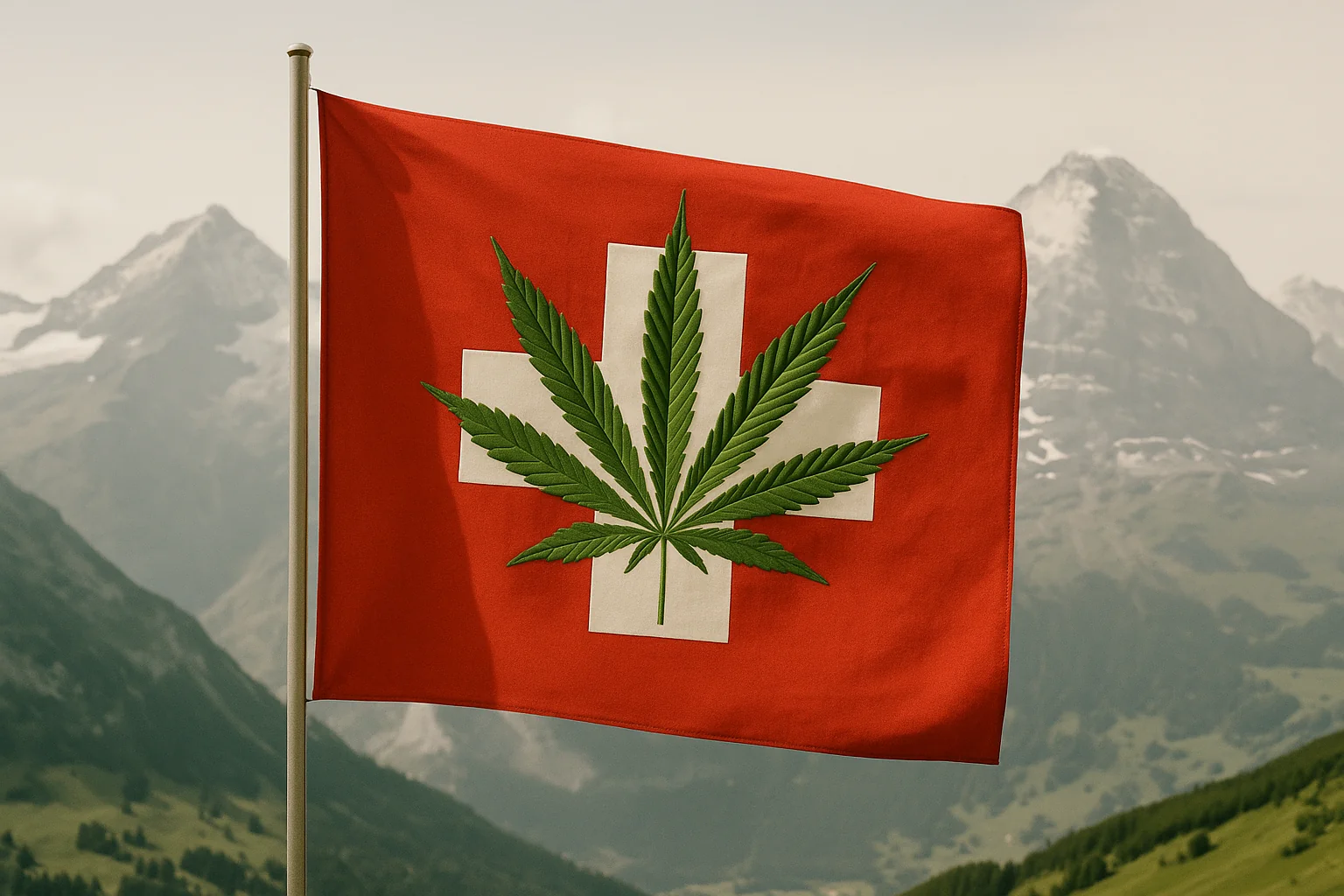
Switzerland has long been a European leader in pragmatic drug policy - it is a country that was among the first to introduce needle exchange programs, prescription heroin for addicts, and decriminalized marijuana possession. Today, it goes even further by conducting pioneering pilot programs for regulated cannabis sales to adults in several major cities. At the same time, Switzerland has its own - and more liberal than the EU - legal regime for CBD. Below, we answer the most important questions regarding marijuana and CBD in Switzerland for 2026, based on current regulations and official sources.
KEY INFORMATION
• Possession of up to 10 g of marijuana for personal use has been decriminalized in Switzerland since 2013 - penalty: fine of 100 CHF (Article 19b of the Betäubungsmittelgesetz, BetmG).
• CBD from hemp with THC below 1% has been fully legal in Switzerland since 2016 - a higher threshold than in the EU (Federal Office of Public Health FOPH).
• Since 2023, Switzerland has been conducting pilot programs for regulated marijuana sales in Basel, Zurich, and Bern - the first of its kind in Europe on this scale.
• Exporting CBD products from Switzerland to Poland may be problematic - the difference in THC limits (1% vs 0.3%) poses legal risks.
Legal basis: how does Switzerland regulate cannabis?
Swiss drug law is primarily contained in the Bundesgesetz über die Betäubungsmittel und die psychotropen Stoffe (BetmG) - the federal law on narcotic drugs and psychotropic substances. This law, most recently amended in 2021, defines controlled substances, punishment rules, and exceptions. Importantly, Switzerland is not a member of the European Union, which means it applies its own regulations and THC content thresholds independent of EU laws.
The key amendment from 2011 (effective 2013) to art. 19b BetmG decriminalized possession of up to 10 grams of cannabis for personal use. Instead of criminal proceedings, a fine of 100 CHF is imposed, similar to a fine for minor traffic offenses. This is one of the most liberal decriminalization regimes in Europe in terms of quantitative thresholds and low financial penalties (EMCDDA, Switzerland Drug Report 2024).
At the same time, Switzerland lifted the ban on prescribing herbal marijuana by doctors in 2022, paving the way for a broader medical marijuana program. Previously, since the 1990s, only dronabinol (synthetic THC) and Sativex (a spray with CBD and THC) were available, registered as a medication for multiple sclerosis.
Pilot programs for regulated marijuana sales - a groundbreaking experiment
The most groundbreaking element of Swiss drug policy in recent years has been the pilot programs for the regulated sale of marijuana to adults, launched based on amendments to the BetmG adopted by the Swiss parliament. The first pilots started in 2023 in Basel-City (Basel-Stadt), followed by Zurich, Bern, and several other cities.
As part of the programs, adult residents participating in the study can purchase marijuana at designated sales points (in pharmacies or specialty stores) upon presenting identification and for a fee close to the market price. Products are tested for purity and THC content. Participants regularly fill out surveys - this data is used to assess the impact of regulations on consumption patterns, mental health, the relationship with the black market, and the effectiveness of prevention among youth.
The pilots are scientific in nature and are closely monitored. The results will help the Swiss parliament assess whether full regulation of the marijuana market is justified. Initial conclusions from the pilots are expected in 2026-2027. This "data first, then decision" approach distinguishes Switzerland from countries that have legalized marijuana through legislative means without prior pilot studies.
| Category | Status in Switzerland 2026 | Legal basis |
|---|---|---|
| Possession up to 10 g (personal use) | Zdekryminalizowane - mandat 100 CHF | Art. 19b BetmG (2013) |
| Possession over 10 g | Illegal - criminal proceedings | Art. 19 BetmG |
| Trafficking and distribution | Illegal (outside the pilot) | Art. 19 BetmG |
| Pilot regulated sales | Legal for participants of programs in selected cities | Amendment to BetmG 2021 |
| CBD (THC <1%) | Legal - free sale | FOPH Regulations 2016 |
| Medical cannabis | Legal with a prescription since 2022 | Amendment to BetmG 2021 |
| Home cultivation | Illegal (outside of research programs) | BetmG |
CBD in Switzerland - why does the 1% THC threshold matter?
Switzerland was a pioneer of the European CBD market. In 2016, the Federal Office of Public Health (FOPH) exempted hemp with THC content below 1% from the BetmG regulations, considering it as non-intoxicating products. The 1% threshold is nearly five times higher than the EU's (0.2%) and three times higher than the current Polish (0.3%).
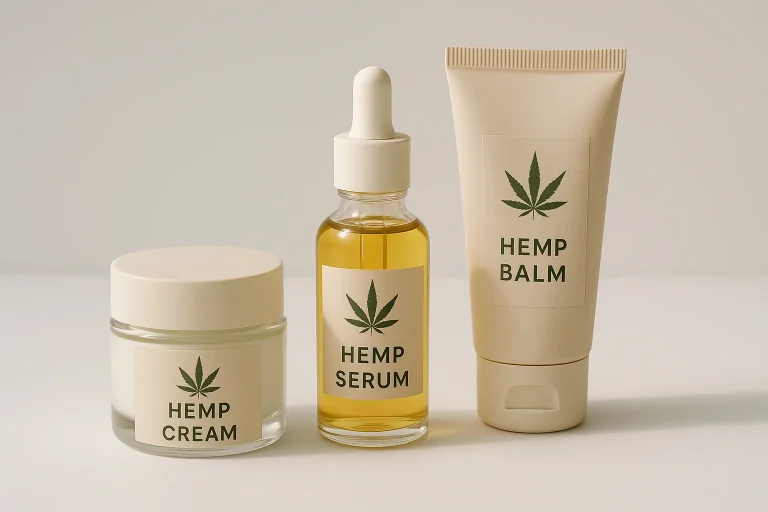
In practice, this means that CBD products available in Switzerland can contain up to 1% THC and are completely legal in Switzerland. The CBD market has flourished - stores offer dried hemp flowers with THC content of 0.7-0.9%, CBD oils, resins, and edible products. For European producers, Switzerland has become an attractive market due to this higher tolerance limit.
However, this higher threshold poses a risk for individuals traveling with CBD products purchased in Switzerland to EU countries. A product with 0.8% THC legally purchased in Basel may exceed the permissible limits in Poland (0.3%), Germany (0.2%), or Austria (0.3%). When crossing the Switzerland-EU border (e.g., through Zurich or Geneva), it is necessary to verify the THC content on the label or certificate of analysis (COA) and compare it with the regulations of the destination country.
Frequently Asked Questions
Is marijuana legal in Switzerland in 2026?
Recreational marijuana is not fully legalized in Switzerland in 2026. Possession of up to 10 grams for personal use has been decriminalized since 2013 - only a fine of 100 CHF is imposed (Article 19b BetmG). Sale and cultivation without permission remain illegal. In selected cities, pilot programs for regulated sales to adult research participants are ongoing (EMCDDA, Switzerland Drug Report 2024).
What is the pilot program for marijuana sales in Switzerland?
Since 2023, Switzerland has been conducting pilot programs for regulated marijuana sales to adults in Basel, Zurich, and Bern. Participants can purchase tested cannabis products at designated points upon showing identification. The programs are research-oriented - data is being collected on the impact of regulations on consumption, public health, and the black market. The results will assist the parliament in deciding on potential full regulation.
What is CBD in Switzerland and what is its legal status?
CBD from hemp with THC content below 1% has been legal in Switzerland since 2016 based on the regulations of the Federal Office of Public Health (FOPH). CBD products can be freely purchased in stores, pharmacies, and online. The 1% THC threshold is higher than in the EU (0.2%), making the Swiss CBD market more liberal than the European one.
What is the THC limit for CBD hemp in Switzerland?
Switzerland applies a 1% THC limit for CBD hemp and CBD products - this is nearly five times higher than the European Union limit (0.2%) and three times higher than in Poland (0.3%). Therefore, CBD products legally purchased in Switzerland may exceed the THC limits applicable in other European countries, which must be considered when transporting across borders.
What penalties are there for possession of marijuana in Switzerland?
Possession of up to 10 grams of marijuana for personal use carries a fine of 100 CHF in Switzerland (art. 19b BetmG). Possession of larger amounts or trafficking is a criminal offense under art. 19 BetmG. Minors and repeat offenders face stricter penalties. In pilot sales programs, participants can legally purchase specified amounts of cannabis.
Is medical marijuana available in Switzerland?
Yes. Switzerland lifted the ban on prescribing herbal marijuana in 2022 (amendment to BetmG 2021). Doctors can prescribe cannabis products to patients with chronic pain, multiple sclerosis, autism, and other indications. Previously, only dronabinol and Sativex were available. The medical program is more widely accessible than in many other European countries.
Can CBD be transported from Switzerland to Poland?
Transporting CBD products from Switzerland to Poland carries risks if the THC content exceeds 0.3% - the Polish limit. A product legal in Switzerland at the 1% THC threshold may be non-compliant with Polish regulations. Always check the certificate of analysis (COA) of the product and compare the THC content with the regulations of the destination country. Before traveling with CBD products across the border, consult a lawyer.
When might Switzerland fully legalize marijuana?
The results of the pilot sales programs are expected in 2026-2027 and will serve as the basis for the parliament's decision on potential full regulation of the marijuana market. Full legalization is possible, but not guaranteed - it depends on research results, political will, and public sentiment. The Swiss model based on data may become a benchmark for other European countries.
How does Switzerland deal with addictions and what is its approach to drug policy in general?
Switzerland is regarded as one of the European models of pragmatic drug policy, based on four pillars: prevention, treatment, harm reduction, and repression of trafficking. This model was introduced in the 1990s in response to the heroin crisis, which particularly affected Zurich - the famous "Platzspitz" (Needle Park) became a symbol of the problem but also a starting point for systemic reforms. Switzerland was the first country in the world to implement a large-scale prescription heroin program for addicts, significantly reducing the number of related crimes and improving patient health. Experiences from this program have been published by EMCDDA as a model to follow (EMCDDA, Switzerland Drug Report 2024). It is this pragmatic approach that makes the pilot sales of marijuana taken seriously by federal authorities in Switzerland - as a tool for data collection, not an ideological gesture.
This article is for informational and educational purposes and does not constitute legal advice. The legal status described in the article is valid as of the publication date - regulations regarding cannabis may change. Consult a lawyer or current legal acts before making decisions.
Author: Michał Waluk · Published: 2026-05-04 · Updated: 2026-05-04