
Increased Appetite After Marijuana – Where Does the Gastrophase Come From? Neurobiology, Therapy, and the Obesity Paradox
The munchies after marijuana result from the activation of CB1 in POMC neurons of the hypothalamus, olfactory epithelium, and striatum. It affects 85-95 percent of THC users.
KEY INFORMATION
- The increased appetite after marijuana, colloquially called the gastrophase or „the munchies,” results from THC activation of CB1 receptors in hypothalamic POMC neurons, which paradoxically switch from signaling satiety to signaling hunger (Koch et al., Nature, 2015).
- THC activates CB1 receptors in the olfactory epithelium, making food odors more intense and the taste more satisfying (Soria-Gómez et al., Nature Neuroscience, 2014).
- Tetrahydrocannabinol increases levels of ghrelin, the hunger hormone, and decreases sensitivity to leptin, the satiety hormone, which synergistically increases appetite in most users.
- The obesity paradox: Regular cannabis users have, on average, a lower BMI and a lower rate of obesity than non-users (Le Strat and Le Foll, International Journal of Obesity, 2011).
- In medicine, this effect is therapeutically exploited in patients with AIDS wasting, cancer cachexia, and anorexia nervosa (Beal et al., Journal of Pain and Symptom Management, 1995).
Important medical information: This article is for educational and scientific purposes only and does not replace consultation with a physician or dietitian. The THC-induced gastrointestinal effect is a physiological, documented effect of tetrahydrocannabinol on the endocannabinoid system, but it can be problematic in several patient groups. In individuals with type 1 and type 2 diabetes, uncontrolled carbohydrate consumption during the hyperphagia phase may lead to blood glucose fluctuations and reactive hypoglycemia. In patients with eating disorders (anorexia nervosa, bulimia nervosa, BED), this effect can be bidirectional, helpful in some patients, and in others, triggering a cycle of compulsive eating. In cancer patients with cachexia, post-chemotherapy chemotherapy, and HIV/AIDS wasting syndrome, appetite stimulation by THC or dronabinol provides a clear therapeutic benefit. Marijuana containing THC is legal in Poland only in the medical marijuana channel (Rp-w). This article does not encourage the recreational use of psychoactive substances. Individuals with metabolic disorders, eating disorders, gastrointestinal diseases, or those undergoing pharmacotherapy should consult a physician before considering cannabis therapies. The content does not apply to patients under 18 years of age or to pregnant or breastfeeding women.
The increased appetite from marijuana, known in Polish slang as "gastrofaza" and in English as "the munchies," is one of the best-documented and most surprising pharmacological effects of tetrahydrocannabinol (THC). This phenomenon, which was treated anecdotally for decades, has been precisely described at the neuronal level in recent years. A key discovery comes from 2015, when Tamas Horvath's team from Yale School of Medicine published a paper in Nature showing that THC "trickers" POMC neurons in the hypothalamus, which normally suppress hunger, and redirects them to pro-appetite signaling. In this pillar guide, we explain the neurobiology of gastrofaza, the role of CB1 receptors in the olfactory epithelium and striatum, the effect of THC on satiety hormones, therapeutic applications in medicine, and the surprising paradox of a lower BMI in regular cannabis users.
The article was prepared by Michał Waluk based on peer-reviewed biomedical publications (Koch et al. 2015, Nature; Soria-Gómez et al. 2014, Nature Neuroscience; Bellocchio et al. 2010, Nature Neuroscience; Monteleone et al. 2005, Neuropsychopharmacology; Le Strat and Le Foll 2011, International Journal of Obesity; Beal et al. 1995, Journal of Pain and Symptom Management; Haney et al. 2007, JAIDS; Timpone et al. 1997, AIDS Research and Human Retroviruses; PubMed Central; Neuron; Cell Metabolism; Journal of Neuroscience; Appetite).
What is gastroplasy and where does the increased appetite after marijuana come from?
Gastrophasia is a colloquial Polish term for an intense craving that occurs 30-90 minutes after consuming THC and usually lasts 2-4 hours. In the scientific literature, this phenomenon is described as cannabinoid-induced hyperphagia. According to Kirkham's review in Appetite (2009) the effect affects 85-95 percent of recreational marijuana users at therapeutic doses of THC.
The mechanism underlying the gastrointestinal tract isn't limited to a single system. THC acts simultaneously on several levels of appetite regulation: the hypothalamus, the reward system in the striatum, the olfactory epithelium, the gustatory centers in the insular cortex, and peripherally on gastrointestinal hormones. This multifaceted stimulation explains why the effect is so potent and difficult to control.
Citation Capsule: The increased appetite from marijuana results from THC's activation of CB1 receptors in four main areas: POMC neurons in the hypothalamus (paradoxical switching from satiety to hunger), the olfactory epithelium (intensification of odors), the striatum (enhancement of food reward), and peripherally in the stomach (increased ghrelin). This effect affects 85-95 percent of recreational users (Koch et al., Nature, 2015; Kirkham, Appetite, 2009).
pillar article on ECS and homeostasis
Historical observations of gastrophase
Descriptions of cannabis-induced appetite have appeared in medical literature for thousands of years. Ancient Ayurvedic texts mentioned the stimulating effects of Cannabis indica on digestion and appetite. By the 20th century, this observation was familiar to every clinician, but it wasn't until the development of molecular pharmacology in the 1990s and the discovery of the endocannabinoid system that the mechanism was elucidated.
The difference between the THC gastrointestinal phase and physiological hunger
Physiological hunger gradually increases over several hours without food and is associated with a real energy deficit. The post-THC gastrointestinal phase occurs regardless of nutritional status, often immediately after a large meal. A user can be satiated and still experience an intense desire to eat. This distinction has clinical significance, particularly in patients with eating disorders.
The munchies is not true hunger in the metabolic sense. It is a pharmacologically induced state of hedonic hunger, where food provides disproportionately large rewards. Therefore, users often prefer high-calorie, salty, fatty, and sweet products, which maximally activate the reward system.
How does THC activate POMC neurons in the hypothalamus?
POMC (pro-opiomelanocortin) neurons in the arcuate nucleus of the hypothalamus constitute the primary satiety signaling center in the mammalian brain. According to a groundbreaking study by Koch et al. published in Nature (2015) THC paradoxically activates these neurons but changes their signaling profile: instead of secreting alpha-MSH (which inhibits eating), they start releasing beta-endorphin, which stimulates appetite.
The POMC Paradox, Anti-Satiety Instead of Satiety
Horvath's team's discovery was counterintuitive. For decades, it was assumed that THC triggered hunger by inhibiting POMC neurons. The Nature paper showed the opposite. THC doesn't shut down these neurons; it simply switches their secretion from an appetite-suppressing peptide (alpha-MSH) to an appetite-stimulating opioid peptide (beta-endorphin). This is an example of biological neuronal flexibility, where the same cell can perform opposing functions depending on the pharmacological context.
CB1 receptors in neuronal mitochondria
Further research by Bellocchio et al. Nature Neuroscience (2010) and Bénard et al. in Nature Neuroscience (2012) showed that CB1 receptors in hypothalamic neurons are located not only on the cell membrane but also in mitochondria. This mitochondrial location influences the cell's bioenergetics and explains why THC's effects on appetite are so persistent. These changes affect not only neurotransmission but also the energy metabolism of neurons.
Arcuate nucleus and peri-monastery area
The arcuate nucleus (nucleus arcuatus) contains two opposing populations of neurons that regulate appetite. POMC neurons suppress hunger and promote satiety, whereas AgRP (agouti-related peptide) and NPY (neuropeptide Y) neurons stimulate appetite. THC activates CB1 receptors in both populations, but the net effect is pro-appetite, as beta-endorphin from the switched POMC further enhances NPY and AgRP signaling. The net effect is a push toward food.
Citation Capsule: In 2015, Koch and Horvath's team demonstrated in Nature that THC activates CB1 receptors in POMC neurons of the hypothalamus and switches their secretion from alpha-MSH (a satiety signal) to beta-endorphin (a hunger signal). This paradoxical switch is a key mechanism of the gastrointestinal tract and explains why THC induces appetite even in metabolically satiated individuals (Koch et al., Nature, 2015).
What role do the olfactory epithelium and sense of smell play?
Smell is a powerful regulator of appetite. According to the work of Soria-Gómez et al. Nature Neuroscience (2014) THC activates CB1 receptors in the olfactory epithelium and olfactory bulb, leading to increased sensitivity to food odors. This effect is critical to the gastrointestinal phenomenon, as more intense odors directly increase the desire to consume.
From the nose to the hypothalamus
The olfactory pathway runs from the olfactory receptors through the olfactory bulb to the piriform cortex, and from there to the insular cortex (taste), the amygdala (emotions), and the hypothalamus (appetite). THC sensitizes this entire pathway. The smell of cheese, French fries, or chocolate elicits a stronger response than when sober, which translates into a more intense desire to eat the food. The effect is reversible as THC is eliminated from the body.
The Sense of Taste and the Island Bark
The insular cortex integrates taste and somatosensory signals with emotion and motivation. Functional imaging studies have shown that after THC administration, insular cortex activity in response to taste stimuli increases. Sweet becomes sweeter, salty more intense, and fatty more satisfying. This explains why many people experiment with unusual flavor combinations under the influence of cannabis.
Observations from over a decade of working with CBD store customers suggest that even products with very low THC content (below 0.2 percent), such as Mars CBD 9 percent hemp flower for vaporization, are occasionally reported as slightly appetite-stimulating. However, the full munchies effect requires THC doses exceeding 2-5 mg, which is characteristic of medical or recreational marijuana, not for legal CBD products in Poland.
Loss of sense of smell and gastroplasy
Individuals with anosmia (loss of smell) or hyposmia (reduced sense of smell) exhibit impaired gastrointestinal function. This supports the role of olfaction in the mechanism. In mouse models with the CB1 gene knocked out in the olfactory epithelium, the increased appetite following THC administration was significantly reduced. This elegant evidence demonstrates that CB1 receptors in the olfactory system are an essential link in the chain.
What happens in the striatum and reward system?
The striatum and nucleus accumbens are key regions of the brain's reward system. According to DiPatrizio and Piomelli's work in Neuron (2012) THC activates CB1 receptors in these structures, which increases dopamine release in response to food-related stimuli. The hedonic effect, or pleasure from eating, increases by 30-50 percent compared to a sober state.
Dopamine and hedonic appetite
Dopamine isn't a direct satiety neurotransmitter, but it does control motivation to engage in reward-enhancing actions. The increase in dopamine release in the nucleus accumbens after a tasty bite explains why cannabis users continue to eat even after their stomachs are full. The reward system overrides satiety signals. This mechanism is similar to that observed in food addictions.
The role of endogenous endocannabinoids
The body produces its own cannabinoids, anandamide and 2-arachidonoylglycerol (2-AG). Their levels in the striatum naturally increase when consuming appealing foods, intensifying pleasure. THC, as an external CB1 agonist, enhances this natural mechanism many times over. This is why "ordinary" food subjectively tastes better under the influence of cannabis.
Prefrontal Cortex and Impulse Control
THC simultaneously suppresses activity in the prefrontal cortex, responsible for impulse control and planning. Reduced cognitive control, combined with heightened reward signals, creates ideal conditions for pushing normal dietary boundaries. This explains why, under the influence of cannabis, users reach for amounts of food they would normally avoid and for food combinations that would be considered strange when sober.
How does THC affect ghrelin, leptin, and satiety hormones?
Ghrelin, secreted primarily by the X/A cells of the stomach, is the only peripheral hormone that induces the feeling of hunger. According to a study by Monteleone et al. Neuropsychopharmacology (2005) Dronabinol (synthetic THC) increases plasma ghrelin levels by 30-45 percent in healthy volunteers, which directly translates into increased appetite.
Ghrelin, the hunger hormone
Ghrelin travels from the bloodstream to the hypothalamus and activates NPY/AgRP neurons in the arcuate nucleus. This hunger signal typically increases 2-3 hours after a meal and decreases afterward. THC "mimics" this signal, increasing ghrelin regardless of satiety. The effect is bidirectional, centrally via CB1 in the hypothalamus and peripherally via stimulation of stomach cells.
Leptin, the satiety hormone
Leptin, secreted by adipocytes, informs the brain about energy reserves. High leptin levels suppress appetite. Studies show that THC reduces the hypothalamus's sensitivity to leptin, which reduces appetite suppression. In regular users, long-term leptin receptor desensitization may partially explain eating patterns.
Citation Capsule: THC disrupts the hormonal regulation of appetite in two ways: it increases ghrelin (the hunger hormone) by 30-45 percent and decreases the hypothalamus's sensitivity to leptin (the satiety hormone). This synergistic effect with activation of POMC neurons and the reward system explains the intensity of the gastrointestinal tract in most marijuana users (Monteleone et al., Neuropsychopharmacology, 2005).
Cholecystokinin and GLP-1
GI satiety hormones such as cholecystokinin (CCK), peptide YY (PYY), and glucagon-like peptide-1 (GLP-1) are also modulated by THC. According to DiPatrizio's work in Cell Metabolism (2016) CB1 receptors in the small intestine inhibit CCK release, which reduces the satiety signal originating in the gastrointestinal tract. The peripheral effect synergizes with the central action.
Insulin and glycemia
THC may affect insulin sensitivity and blood glucose levels. In diabetic patients, it is important to pay attention to the hyperphagia phase, as massive consumption of simple carbohydrates in a short period of time can lead to hyperglycemia and then to reactive hypoglycemia. Therefore, in diabetics, the gastrointestinal phase requires conscious meal planning and blood glucose monitoring.
What do CB2 and gut inflammation have to do with gastroenteritis?
CB2 receptors predominate in the immune system and gastrointestinal tract. According to a review by Izzo et al. Pharmacology and Therapeutics (2014) CB2 activation in the gut reduces inflammation, inhibits motility, and influences the release of gut hormones, which may indirectly modulate appetite and food tolerance.
CB2 in the gut and microbiome
The endocannabinoid system modulates the interaction between the intestinal epithelium and the microbiome. In inflammatory bowel conditions such as Crohn's disease and ulcerative colitis, CB2 receptor expression is altered. Patients with inflammatory bowel disease often report improved appetite after medical marijuana, which may be due to both the CB1 and anti-inflammatory effects of CB2.
Gut-brain axis
The gut-brain axis connects gastrointestinal health with central activity. THC affects it from both directions. Centrally, it increases appetite via CB1 in the hypothalamus, and peripherally, it reduces digestive discomfort and inflammation via CB2. This dual modulation explains why patients with chronic GI disorders often eat better under the influence of medical cannabis.
What are the therapeutic uses of gastrofasa in medicine?
In medicine, THC and its synthetic analogues, primarily dronabinol (Marinol) and nabilone (Cesamet), are registered appetite stimulants in patients with severe wasting diseases. According to a classic study by Beal et al. Journal of Pain and Symptom Management (1995) Dronabinol increased appetite in 38 percent of patients with AIDS wasting syndrome and stabilized body weight compared with placebo.
AIDS wasting syndrome
In the 1980s and 1990s, AIDS wasting syndrome was a major clinical problem in HIV. Patients lost kilograms of muscle and fat mass, significantly worsening their prognosis. Dronabinol was approved by the FDA in 1992 for the treatment of AIDS-related anorexia nervosa after documenting benefits in controlled clinical trials.
Cancer cachexia
Cancer cachexia, a multifactorial wasting syndrome, affects up to 80 percent of patients with advanced cancer. Appetite stimulation with THC or cannabis extracts helps patients maintain nutrition, which translates into improved chemotherapy tolerance and quality of life. Research in this area is ongoing, and results are promising, especially when combined with the treatment of post-chemotherapy nausea.
Nausea and vomiting after chemotherapy
Chemotherapy often causes intense nausea and vomiting, which further reduces appetite. A study by Timpone et al. AIDS Research and Human Retroviruses (1997) demonstrated the effectiveness of dronabinol in combination therapy with megestrol in oncology patients. The antiemetic effect of THC adds to the pro-appetite effect, providing a synergistic clinical benefit.
Citation Capsule: Dronabinol (synthetic THC) has been FDA-approved for the treatment of anorexia in AIDS wasting syndrome since 1992. A study by Beal et al. showed increased appetite in 38 percent of patients and weight stabilization compared with placebo. In cancer cachexia and after chemotherapy, THC is a therapeutic tool to maintain nutrition and improve quality of life (Beal et al., Journal of Pain and Symptom Management, 1995; Timpone et al., AIDS Research and Human Retroviruses, 1997).
Anorexia nervosa
The use of THC in anorexia nervosa is controversial and requires individual evaluation. Some pilot studies, particularly the work by Andries et al. in the International Journal of Eating Disorders, showed a small but significant increase in body weight in patients with chronic anorexia treated with dronabinol. Other studies did not confirm its effectiveness. The mechanism of "hedonic appetite" is theoretically helpful here, but the psychological aspects of the disease require multifaceted treatment.
supporting article on the role of cannabis in eating disorder therapy
What are the clinical trials for gastroparesis?
The clinical literature on gastroparesis includes dozens of placebo-controlled trials. According to the meta-analysis by Haney et al. JAIDS (2007) Smoked marijuana and oral dronabinol were equally effective in increasing calorie intake in HIV patients, resulting in a 15–45 percent increase in daily energy intake relative to placebo.
Haney et al. 2007, marijuana vs. dronabinol
A study by Margaret Haney from Columbia University compared the efficacy of smoked marijuana (2 and 3 percent THC) and dronabinol (10 and 20 mg) in a randomized, double-blind trial with placebo. Both forms were effective in increasing appetite and body weight in HIV patients, but the safety profile was better for oral dronabinol. The lack of significant euphoria at lower doses made it an acceptable medication for patients not seeking psychoactive effects.
Beal et al. 1995, FDA approval
The pivotal registration study by Beal and colleagues included 139 patients with AIDS and documented anorexia. Dronabinol 2.5 mg twice daily increased appetite in 38 percent of patients, compared with 8 percent in the placebo group. Body weight stabilized or increased in the active group, while it decreased in the placebo group. The study formed the basis for the FDA's expanded indication for Marinol.
Timpone et al. 1997, combination therapy
Timpone tested the combination of dronabinol with megestrol in HIV-infected patients. Megestrol alone increased body weight, but primarily through fat deposition. Adding dronabinol reduced muscle catabolism and improved body composition. This is an example of rational combination pharmacology based on different mechanisms of appetite and metabolism stimulation.
Dosage studies
The dose of THC determines the intensity of the gastrointestinal tract. Low doses (2.5-5 mg) increase appetite without significant psychoactive effects. Medium doses (10-20 mg) produce pronounced euphoria and a strong gastrointestinal tract. High doses (above 20 mg) in intolerant individuals can cause the opposite effect, nausea, anxiety, and loss of appetite. This dose-response relationship is crucial in clinical practice and demonstrates the importance of individualized treatment.
What does epidemiology say about the obesity paradox of regular users?
Even though THC stimulates appetite, regular cannabis users statistically have a lower BMI than non-users. According to a groundbreaking study by Le Strat and Le Foll published in International Journal of Obesity (2011) analysis of two large epidemiological databases NESARC and NHANES (totalling over 52,000 participants) showed that obesity occurs in 16.1 percent of non-users, but only in 14.3 percent of occasional and 15 percent of frequent cannabis users.
Le Strat and Le Foll, 2011
The authors analyzed two independent databases from the United States. After adjusting for age, gender, physical activity, and other variables related to body weight, regular marijuana users had significantly lower rates of obesity. The difference was small but statistically significant in both databases, suggesting a real biological effect rather than a methodological artifact. The study initiated a series of studies on the obesity paradox.
Reverse regulation mechanisms
The explanation for the paradox is based on several hypotheses. Chronic activation of CB1 receptors leads to their desensitization and downregulation. Over time, the body compensates for the increased stimulation by reducing the number of receptors, which suppresses basal endocannabinoid tone. Reduced tone translates to a lower baseline appetite in the sober state. The effect is reminiscent of gastrointestinal tolerance.
The paradox of obesity among regular cannabis users does not mean that marijuana "protects against obesity." Rather, it indicates that chronic overload of the endocannabinoid system leads to its adaptive downregulation, resulting in lower baseline appetite. This mechanism is utilized in obesity pharmacotherapy, where CB1 antagonists (rimonabant, now withdrawn) induced weight loss but caused depression and anxiety.
Metabolism and insulin sensitivity
Some studies suggest that regular cannabis users have better insulin sensitivity and lower fasting insulin levels. American Journal of Medicine (2013) analyzing NHANES data showed that current marijuana users had 16 percent lower fasting insulin levels and 17 percent lower insulin resistance (HOMA-IR) than non-users. The authors did not suggest marijuana as a treatment, but noted the metabolic implications of long-term ECS modulation.
Limitations of epidemiological research
Observational data have limitations. Self-reporting of cannabis consumption can be imprecise. Individuals who readily report marijuana use may differ in lifestyle from those who do not. Causality cannot be definitively attributed. Longer-term prospective trials are needed to confirm or refute the metabolic benefit hypothesis.
What are the myths and facts about gastroparesis?
Gastroenteritis is surrounded by numerous myths. Some are supported by evidence, others are simply stereotypes repeated without verification. The following summary summarizes the most common beliefs in light of the scientific literature.
The myth that "everyone experiences gastroplasy"„
In fact, 85-95 percent of recreational users report increased appetite, but 5-15 percent experience no significant change or report decreased appetite. Individual CB1 receptor density, CNR1 gene polymorphisms, THC metabolism by CYP2C9 and CYP3A4 enzymes, and overall psychophysical state determine the response. Especially in individuals with anxiety, a loss of appetite may occur during a cannabis session instead of a munchies.
The Myth, "CBD Causes Gastrointestinal Flu"„
In fact, CBD (cannabidiol) does not activate CB1 receptors in an agonistic manner. It acts as an allosteric modulator, without inducing the classic effects of THC. It does not stimulate appetite in the sense of a gastrointestinal stimulant. Clinical data even shows a moderate reduction in appetite in some patients using high doses of CBD. Broad-spectrum products, such as SOOL CBD 5% or 10% oils or Cannova CBG 15%, do not induce a gastrointestinal stimulant.
The myth that "gastroenteritis causes weight gain"„
True, this is where the aforementioned paradox comes in. In the short term, the gastrointestinal phase increases calorie intake by 15-45 percent above normal, which, in isolation, could lead to weight gain. However, regular users do not have a higher BMI. Adaptive mechanisms of the endocannabinoid system and possible effects on metabolism offset the energy balance. Nevertheless, in individuals predisposed to obesity and lacking dietary discipline, the risk exists.
Practical note: People who want to avoid the negative effects of the gastrointestinal phase (excess calories, unhealthy food choices) can use several strategies: preparing healthy snacks before the session (fruits, vegetables, nuts), consciously limiting access to high-calorie products, consciously choosing products with a lower THC content, or switching to CBD products.
The myth that "gastroenteritis lasts all day"„
In fact, a typical gastrointestinal phase lasts 2-4 hours after inhalation and up to 6-8 hours after edibles. After this time, cravings normalize or even temporarily decrease, which is due to desensitization of CB1 receptors and depletion of beta-endorphin stores. Full normalization takes 12-24 hours.
The myth that "artificial THC (dronabinol) does not cause a high"„
In fact, dronabinol induces a full gastrointestinal effect because it is identical to natural THC found in cannabis. The difference lies in its kinetics; oral dronabinol has a delayed onset and longer duration of action. In therapeutic applications, this difference is beneficial because it allows for predictable dosing.
What are practical strategies for managing gastroparesis?
For medical patients and recreational users, consciously managing gastrointestinal stimuli can help avoid undesirable effects. Strategies vary depending on the goal, whether it's to increase appetite (therapeutic) or reduce unnecessary calorie intake (daily use). The following principles are based on clinical evidence and practical observations.
Strategy for medical patients
Patients with cachexia or anorexia should plan meals for the peak gastrointestinal phase, 1-2 hours after an oral dose or 30-60 minutes after inhalation. Foods should be high in calories, rich in protein, fat, and easily digestible carbohydrates. It's beneficial to prepare meals in advance, as energy and motivation to cook are low during the hyperphagia phase.
Strategy for recreational users
Conscious THC consumption requires preparing the environment. It's worth limiting access to high-calorie, ultra-processed foods (chips, sweets, fast food) and having healthy alternatives on hand (fruits, vegetables, yogurt, nuts). Hydration and eating before the session reduce the intensity of the gastrointestinal phase. Vaporization has a shorter effect than edibles, making it easier to control.
Strategy for diabetics
Patients with type 1 diabetes should monitor their blood glucose levels during and after the gastrointestinal phase, have quick sources of glucose (gels, juice) on hand in case of reactive hypoglycemia, and plan their insulin doses based on their planned carbohydrate intake. Type 2 diabetics should avoid rapid carbohydrate loading and choose meals with a low glycemic index.
Strategy for People with Eating Disorders
In patients with anorexia, bulimia, or BED, any decision to use cannabis should be consulted with a psychiatrist or psychotherapist. The gastro-intestinal effect may be therapeutically beneficial in some cases, but in others it triggers a cycle of compulsive eating. Individual assessment and monitoring are necessary.
CBD products without the gastrointestinal effect
For those seeking the relaxing properties of cannabis without the appetite-stimulating effects, broad-spectrum CBD products and CBG isolates are optimal. They do not activate CB1 receptors agonistically and do not induce a gastrointestinal effect. Below are four pre-verified options available through legal channels.
SOOL Broad Spectrum CBD 5 percent 10ml
Broad-spectrum CBD oil, 500mg per 10ml, THC-free, contains terpenes and other cannabinoids with an entourage effect. It doesn't cause a gastrointestinal or psychoactive effect. Price: PLN 76. Recommended as a starter product for those sensitive to cannabinoids or those introducing CBD into their routine.
SOOL Broad Spectrum CBD 10 percent 10ml
Higher concentration, 1000mg CBD per 10ml, with a full broad-spectrum profile without THC. For those familiar with their response to CBD and needing stronger support without the side effect of appetite stimulation. Price: PLN 99.
Cannova Natural CBG 15 percent 10ml
CBG (cannabigerol) oil 1500 mg in 10 ml. CBG, as a precursor to other cannabinoids, works differently than CBD and does not activate CB1. It does not induce a gastrointestinal effect. Price: PLN 240. An advanced option for those exploring the effects of individual cannabinoids.
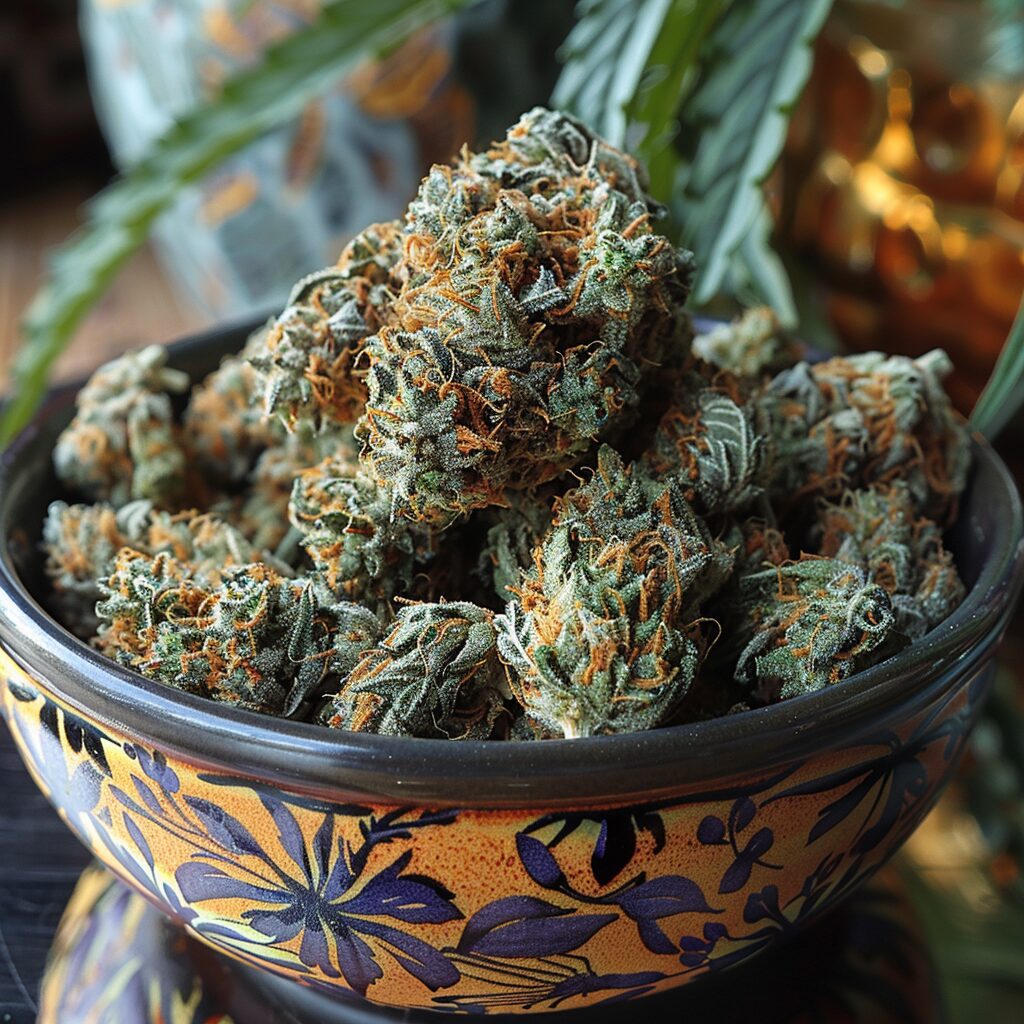
Mars CBD Hemp Herb 9%
Hemp herb intended for vaporization, 9% CBD, THC content below 0.2% (legal limit). The aroma and consumption ritual are similar to marijuana, but without the psychoactive effects and gastrointestinal effects. Price: PLN 59. This product is for those who prefer vaporization over sublingual oils.
Frequently asked questions about marijuana-induced gastropnea
What exactly is gastroplasy?
Gastrophasia is a colloquial Polish term for an increased appetite that occurs 30-90 minutes after consuming THC-containing products. In the medical literature, it is described as cannabinoid-induced hyperphagia. This phenomenon affects 85-95 percent of recreational marijuana users and results from activation of CB1 receptors in the hypothalamus, striatum, olfactory epithelium, and peripherally in the stomach (Kirkham, Appetite, 2009).
How long do the munchies last?
The gastrointestinal phase following inhalation (smoking, vaporizing) typically lasts 2-4 hours, peaking at 30-60 minutes. With edibles (oral products), the effect begins within 60-120 minutes and lasts for 4-8 hours, sometimes longer. Full recovery from a session takes 12-24 hours. This time depends on the dose, method of administration, and individual THC metabolism.
Does CBD cause gastropnea?
No. CBD (cannabidiol) is not an agonist of the CB1 receptor and does not induce a classic gastrointestinal effect. It acts as an allosteric modulator and influences other biochemical pathways. Broad-spectrum CBD products, such as SOOL 5% or 10% oils, and CBG oils, are safe for people who do not want appetite stimulation. In some studies, CBD even slightly suppresses appetite.
Does gastroparesis cause weight gain?
In the short term, gastrointestinal effects increase caloric intake by 15–45 percent, which could theoretically lead to weight gain. Paradoxically, however, regular marijuana users have, on average, a lower BMI than non-users. Le Strat and Le Foll, in the International Journal of Obesity (2011), showed that obesity occurs in 14.3 percent of occasional and 15 percent of frequent users, compared to 16.1 percent of non-users. The mechanism involves CB1 receptor desensitization and metabolic adaptations.
Why is the taste of food more intense during gastrophase?
THC activates CB1 receptors in the olfactory epithelium and olfactory bulb, increasing sensitivity to odors. The insular cortex, which integrates taste signals, responds more strongly to taste stimuli. Simultaneously, the striatum releases more dopamine in response to food, enhancing hedonic reward. The sum of these effects results in a subjectively 30-50 percent more intense taste of food (Soria-Gómez et al., Nature Neuroscience, 2014).
Is gastrofaza safe for diabetics?
Diabetics require special caution. Sudden consumption of large amounts of carbohydrates during the hyperphagia phase can cause hyperglycemia, followed by reactive hypoglycemia. Patients with type 1 diabetes on insulin therapy should monitor their blood glucose, have a quick sugar on hand, and adjust their insulin doses. People with type 2 diabetes are advised to choose meals with a low glycemic index. Consultation with a diabetologist before cannabis therapy is recommended.
How does THC affect ghrelin and leptin?
THC increases plasma ghrelin (the hunger hormone) by 30-45 percent, according to a study by Monteleone et al. in Neuropsychopharmacology (2005). At the same time, it reduces the hypothalamus's sensitivity to leptin, the satiety hormone. This bidirectional modulation synergizes with the activation of POMC neurons and the reward system, explaining the intensity of the gastrointestinal tract even in metabolically satiated individuals.
When is gastroparesis therapeutically beneficial?
In medicine, THC and dronabinol are used in patients with cancer cachexia, AIDS wasting syndrome, post-chemotherapy anorexia, and in selected cases of anorexia nervosa. Beal et al., in the Journal of Pain and Symptom Management (1995), demonstrated increased appetite in 38 percent of AIDS patients compared with 8 percent in the placebo group. Dronabinol has been approved by the FDA for these indications since 1992.
Can you have a gastrointestinal episode without smoking marijuana?
Yes, but only in medical settings. Dronabinol (oral THC) and nabilone (a synthetic analogue) induce a full gastrointestinal effect without smoking. In Poland, medical marijuana is available by prescription only to patients eligible for cannabinoid therapy. THC-free CBD products, legally available without a prescription, do not induce gastrointestinal effects.
What are effective strategies for controlling gastroparesis?
Key strategies include eating a meal before your session, staying hydrated, preparing healthy snacks, limiting access to ultra-processed, high-calorie foods, choosing vaporization over edibles (for a shorter effect), using lower THC doses, and considering products with a higher CBD ratio. CBD in a balanced formula (1:1 or higher CBD) partially offsets the THC-induced gastrointestinal effects.
Summary and practical recommendations
Marijuana-induced appetite, commonly known as the "gastrophase," is a well-documented neurobiological effect of THC activation of CB1 receptors in several key brain regions and peripherally. The mechanisms include a paradoxical switch of POMC neurons in the hypothalamus from satiety to hunger signaling, sensitization of the olfactory epithelium, enhancement of food reward in the striatum, and hormonal disruption of the ghrelin-leptin axis.
In medicine, this effect is therapeutically used in patients with AIDS wasting syndrome, cancer cachexia, post-chemotherapy anorexia, and in selected cases of eating disorders. Dronabinol is an FDA-approved drug, and medical marijuana in Poland is available by prescription only to qualified patients.
Paradoxically, despite a short-term increase in caloric intake, regular marijuana users have, on average, a lower BMI than non-users. This mechanism involves adaptive desensitization of CB1 receptors and likely metabolic benefits associated with modulation of the endocannabinoid system. However, the obesity paradox does not mean that marijuana is "healthy" for weight management.
For those seeking the effects of cannabis without the appetite-stimulating effects, broad-spectrum CBD products and CBG oils are optimal. They do not activate the CB1 receptor as agonists and do not induce gastrointestinal distress. SOOL Broad Spectrum CBD oils 5% or 10%, Cannova CBG 15%, and Mars CBD 9% are legal and safe alternatives.
Diabetics require particular caution (risk of reactive hypoglycemia after consuming carbohydrates during the hyperphagia phase), patients with eating disorders (the effect may be bidirectional), and individuals undergoing intensive pharmacotherapy. Consultation with their physician is always recommended. In Poland, products containing THC concentrations above 0.3 percent are legal only in the medical marijuana channel, and this article is for educational and scientific purposes and does not encourage the recreational use of psychoactive substances.
pillar guide on safe cannabis therapy
SOOL Broad Spectrum CBD 5% 10ml – PLN 76
SOOL Broad Spectrum CBD 10% 10ml – PLN 99
Cannova Natural CBG 15% 10ml – PLN 240
Mars CBD Hemp Seeds 9% – PLN 59