

Combining Cannabis and Tobacco is a Bad Idea – Effects on Lungs, Anxiety and Depression
Combining cannabis with tobacco doubles the risk of depression (Nature, 2024) and brings 70 carcinogens. Discover alternatives: vaporizers, hemp papers, herbal substitutes.
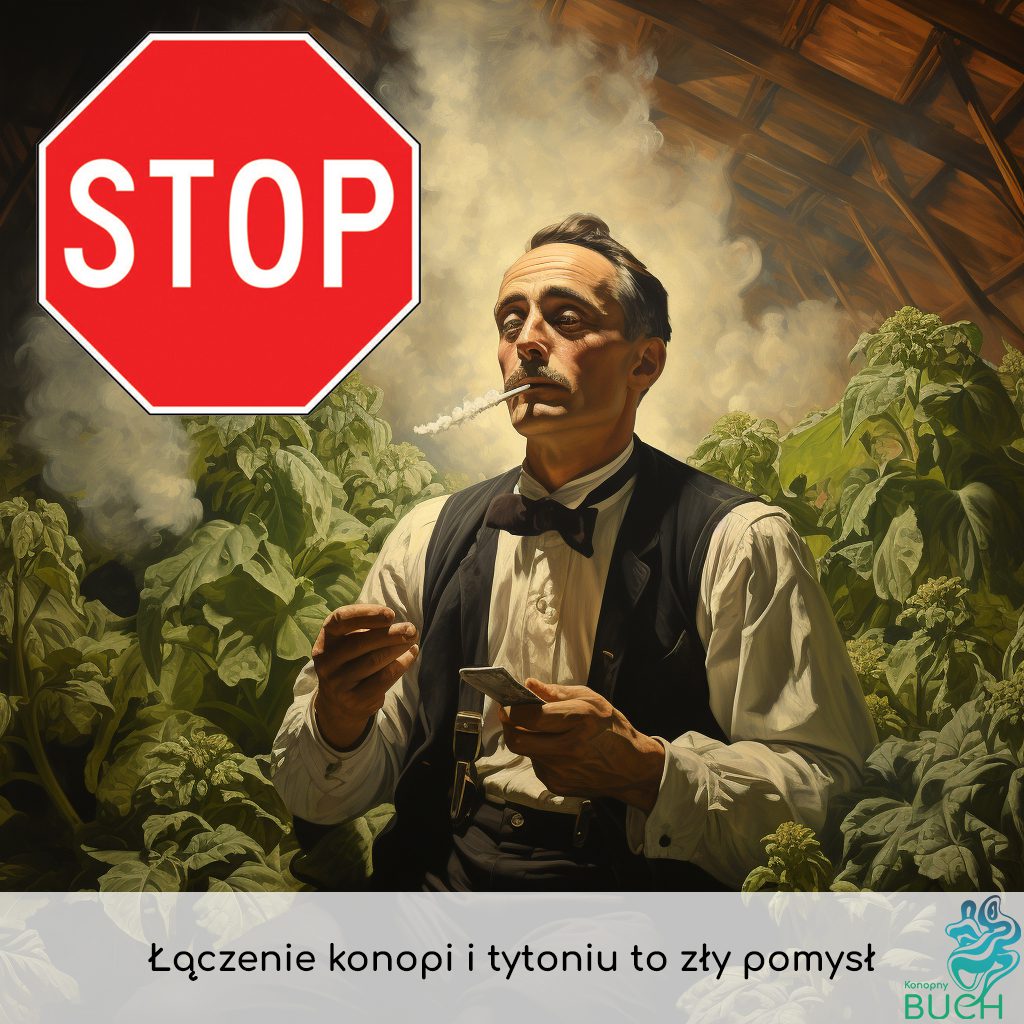
Combining cannabis and tobacco is one of the most harmful practices in smoking culture, and the consequences extend far beyond lung damage. According to WHO data, tobacco smoking accounts for 25% of all cancer deaths worldwide, and a meta-analysis published in Nature in 2024 showed that individuals combining these two substances have a 2.3 times higher risk of anxiety disorders than those using cannabis alone. This issue affects both recreational users and patients using CBD flower or medical marijuana. In this article, we show why this combination is harmful, how tobacco sabotages the therapeutic effects of cannabis, and what real alternatives exist, from vaporizers to herbal blends.
KEY INFORMATION
- Tobacco, not cannabis, is responsible for 95% of the carcinogenic substances in a typical joint with added cigarette tobacco (WHO, 2024).
- A meta-analysis from Nature (2024) showed a twofold higher risk of depression in individuals combining THC with nicotine compared to users of THC alone.
- Nicotine activates nAChR receptors in the amygdala, enhancing the anxiety response triggered by THC (Frontiers in Psychiatry, 2023).
- Harm reduction hierarchy: the healthiest option is not to smoke, followed by using a vaporizer, then a joint without tobacco made from hemp paper.
- Tobacco substitutes: damiana, verbena, mint, sage, lavender, CBG flower, and CBD flower.
What you will see in this text. A review of hard data on the toxicity of tobacco smoke. Mechanisms through which nicotine enhances anxiety after THC. Population studies from 2019-2024 linking "spliffy" with depression. Practical alternatives used by medical marijuana patients in Germany, the Czech Republic, and Canada. /blog/z-czym-laczyc-ziolo-konopie-zamiast-z-tytoniem-czym-zastapic-go-w-joincie/
Why is combining cannabis with tobacco a health issue?
Combining cannabis with tobacco is a problem because tobacco adds about 7,000 chemical compounds to a joint, of which at least 70 are documented carcinogens (WHO, 2024). The 2022 study 'Thorax' found that 'spliffs' generate three times more tar per gram of inhaled mass than pure hemp paper joints.
Tobacco and cannabis are two of the most commonly used psychoactive substances in the world. Their combination is not accidental; it is a cultural construct. The European tradition of 'spliffing', or a joint made from a mixture of flower and tobacco, dominates in Poland, Germany, the UK, and the Benelux countries. In the USA and Canada, the paradigm is reversed, where 'blunts' or pure joints reign.
Where does the European trend of adding tobacco come from? There are three reasons: price (tobacco 'stretches' expensive flower), culture (learning to smoke by observing others), physics (tobacco aids the burning of moist, freshly dried buds). None of these reasons are medical arguments.
What is the scale of the problem in Europe?
According to the 2023 EMCDDA report, about 80-90% of European cannabis users report routinely mixing flower with tobacco. This distinguishes Europe from North America, where this percentage falls below 20%. In the adult population of Europe, 186 million people, or 26% of residents, regularly use tobacco.
Paradoxically, regions with the most liberal cannabis laws (the Netherlands, Spain) report the highest rates of mixing with tobacco. Liberalization without harm reduction education leads to the entrenchment of harmful smoking rituals, not their elimination.
Citation capsule. According to data from the World Health Organization in 2024, tobacco smoking is responsible for 25% of global cancer deaths and 92% of cases of tracheal and lung cancer in men in Europe. The risk of lung cancer in smokers is up to 22 times higher than in non-smokers, making tobacco smoke one of the most dangerous environmental carcinogens.
What does tobacco add to cannabis smoke?
Tobacco adds at least 70 carcinogenic substances to cannabis smoke, including benzene, formaldehyde, tobacco-specific nitrosamines (TSNA), and polonium-210 (WHO, 2024). A study published in the “Journal of Analytical Toxicology” in 2021 showed that a spliff releases 320% more carbon monoxide than a pure joint made from the same amount of herb.
What toxins come directly from tobacco?
The list of main culprits is short and well-known to toxicologists.
- Tar. A sticky, dense substance that settles in the lung alveoli. It blocks gas exchange and carries carcinogens. In a spliff, its content increases by 30-50% compared to a pure joint (Thorax, 2022).
- Carbon monoxide (CO). It binds to hemoglobin 240 times more strongly than oxygen, causing tissue hypoxia. Long-term, it increases the risk of ischemic heart disease.
- Polycyclic aromatic hydrocarbons (PAH). Mainly benzo[a]pyrene, a class 1A carcinogen according to IARC. They damage DNA in bronchial epithelial cells.
- Tobacco-specific nitrosamines (NNK, NNN). Specific to tobacco, absent in smoke from cannabis alone. They are the strongest known carcinogens in cigarette smoke.
- Polonium-210. A radioactive element absorbed by tobacco plants from phosphate fertilizers. It emits alpha particles that destroy lung tissue.
What does cannabis flower contribute?
Cannabis flower burned at high temperatures also produces tar and PAH, but in significantly smaller amounts. More importantly, cannabis does not contain nicotine, tobacco-specific nitrosamines, or polonium-210. Cannabinoids, however, exhibit documented anti-inflammatory properties, which somewhat compensates for the inflammatory response of the respiratory tract to combustion (Lancet Psychiatry, 2023).
Citation capsule. An analysis published in the journal “Thorax” in 2022 revealed that a spliff with a 50/50 herb/tobacco ratio generates three times more tar, 3.2 times more carbon monoxide, and 2.8 times more polycyclic aromatic hydrocarbons compared to a pure joint. This difference is almost entirely due to the presence of tobacco, not the cannabis herb itself.
How does nicotine interact with THC in the brain?
Nicotine activates nicotinic acetylcholine receptors (nAChR) in the limbic system, overlapping with the effects of THC on cannabinoid receptors CB1. A study published in “Frontiers in Psychiatry” in 2023 showed that this co-activation increases cortisol secretion by 45% compared to THC alone, intensifying the stress response of the HPA axis.
Why does a “spliff” induce stronger anxiety than a pure joint?
The answer lies in the anatomy of the amygdala. THC binds to CB1 receptors, which modulate the release of neurotransmitters. At high doses of THC, CB1 receptors in the amygdala “turn off” the inhibition from the prefrontal cortex, which we subjectively experience as paranoia or a panic attack.
Nicotine enters this system through alpha-4-beta-2 and alpha-7 nAChR receptors. It stimulates noradrenergic neurons in the locus coeruleus, increasing arousal. As a result, we get a double whammy: THC disrupts inhibition, while nicotine raises arousal. This is the pharmacological definition of an anxiety attack.
What about ghrelin dysregulation and appetite?
Ghrelin, the hunger hormone, is regulated by both the cannabinoid and cholinergic systems. A meta-analysis from “Nature” (2024) showed that chronic spliff users have disrupted ghrelin secretion patterns, which correlates with symptoms of social anxiety and eating disorders. THC-only smokers did not exhibit this effect to the same extent.
/cbd-i-thc-w-leczeniu-stanow-lekowych/
Citation capsule. A neuroimaging study from “Frontiers in Psychiatry” (2023) found that simultaneous stimulation of CB1 and nAChR receptors in the amygdala increases anxiety-related neuronal activity by 38% compared to single stimulation. This effect lasts up to 90 minutes after smoking a spliff, explaining the prolonged “depressive” phase after a tobacco joint.
Does combining tobacco with cannabis increase the risk of depression?
Yes, combining tobacco with cannabis nearly doubles the risk of depression compared to not smoking. A PLOS ONE study from September 2023 on a sample of 53,843 adult Americans found that those using both substances simultaneously had almost twice the likelihood of depressive and anxiety symptoms compared to non-smokers (PLOS ONE, 2023).
What does the Citizens Health Study show?
Data from 2020-2022 collected in the COVID-19 Citizens Health Study were analyzed. Respondents reported their mental well-being and substance use patterns. The results are clear.
- 4.9% of respondents smoked only tobacco.
- 6.9% used only cannabis with THC.
- 1.6% regularly combined both substances.
- In the combining group: 26.5% had anxiety symptoms, 28% had depressive symptoms.
- In the non-smoking group: 10.6% anxiety, 11.2% depression.
What do long-term cohort studies say?
The work of Agrawal et al. from 2019 (Addiction) and Leadbeater's study from the same year (Journal of Adolescent Health) observed young adults over 10-15 years. Combined use of tobacco and cannabis in adolescence predicted the onset of major depression by ages 25-30 with a stronger effect than either substance alone.
Hindocha and colleagues published an analysis in “Lancet Psychiatry” in 2020 indicating that spliff smokers are 60% less likely to quit tobacco than those who smoke only cigarettes. Joint smoking reinforces nicotine dependence, and nicotine dependence exacerbates depressive symptoms in a feedback loop.
Citation capsule. A cohort study by Leadbeater et al. (2019) published in the “Journal of Adolescent Health” tracked 662 individuals from adolescence to early adulthood. The co-occurrence of tobacco and cannabis use at age 17 predicted clinical depression at age 28 with an odds ratio of 2.4, which was a stronger effect than either substance alone.
How does tobacco sabotage the therapeutic effects of cannabis?
Tobacco neutralizes most of the therapeutic benefits for which patients turn to cannabis. A study in JAMA Internal Medicine from 2022 found that medical marijuana patients combining treatment with tobacco smoking had a 41% weaker reduction in chronic pain compared to non-tobacco smokers (JAMA Intern Med, 2022).
Why does CBD work less effectively in combination with tobacco?
CBD is metabolized by cytochrome P450 enzymes, mainly CYP3A4 and CYP2C19. Tobacco smoking strongly induces CYP1A2 and indirectly affects other P450 isoforms. As a result, tobacco accelerates the breakdown of some cannabinoids, shortening their half-life and lowering therapeutic concentrations in plasma.
From the experiences of medical marijuana patients in Poland, it appears that after quitting tobacco, therapeutic doses of THC and CBD decrease by 20-30%. This is not a placebo effect. It is pharmacokinetics.
What about the anxiolytic effects of cannabis?
CBD in monotherapy shows documented anxiolytic effects at doses of 25-600 mg daily. In combination with tobacco, this effect is weakened, as nicotine counteracts the anxiolytic action of CBD by stimulating the HPA axis. Patients using CBD flower for relaxation while smoking it with tobacco receive both a drug and an antidote in one dose.
Citation capsule. The analysis in JAMA Internal Medicine (2022) involving 1,489 medical marijuana patients in the United States found that concurrent tobacco smoking reduced the effectiveness of cannabinoid treatment for chronic pain by 41%. The authors suggest a mechanism based on the induction of CYP450 enzymes and pharmacodynamic antagonism of the endocannabinoid system by nicotine.
What are the real alternatives to a spliff?
The safest alternative is to completely avoid combustion. According to the National Academies of Sciences report (2017), vaporizing cannabis flower reduces exposure to tar and carbon monoxide by 95% compared to smoking. For those who do not want to give up smoking, there is a harm reduction hierarchy.
Harm reduction hierarchy step by step
- Level 1, the safest. Do not smoke. Alternatives include CBD oils, edibles, capsules, and transdermal patches.
- Level 2. Dry herb vaporizer. Storz & Bickel Volcano, Mighty, Arizer Solo, DynaVap, PAX 3. A temperature of 180-210°C extracts cannabinoids without combustion.
- Level 3. Joint without tobacco. Pure flower, hemp or rice paper, cardboard filter.
- Level 4. Joint with herbal substitute. Flower mixed with damiana, mint, verbena, sage, or lavender.
- Level 5, the worst. Spliff with tobacco. Maximum exposure to carcinogens, risk of nicotine addiction.
Which dry herb vaporizers are worth noting?
We do not recommend specific vaporizer shops, but it is worth knowing the specifications of manufacturers: Storz & Bickel (manufacturer's website), Arizer (manufacturer's website), DynaVap (manufacturer's website), PAX (manufacturer's website). Key parameters include: precise temperature control, ceramic or stainless steel chamber, glass air path, battery life (desktop vs mobile).
How to choose an herbal substitute for a joint?
Cultivated herbs from European and herbal traditions offer excellent tobacco substitutes. Each has its own action profile.
- Damiana (Turnera diffusa). Mild euphoric and mood-enhancing effects. The most common choice among smokers seeking the “body” of a spliff without nicotine.
- Lemon verbena. Calming effects, pleasant citrus aroma.
- Peppermint. Cool the smoke, soothe throat irritation.
- Sage. Antiseptic, reduces coughing.
- Lavender. Strongly calming, supports the action of CBD, facilitates sleep.
- CBG flower or low-THC cannabis strain. Compatible with THC, enhances the entourage effect.
Citation capsule. The report from the National Academies of Sciences, Engineering, and Medicine from 2017 titled “The Health Effects of Cannabis and Cannabinoids” states that vaporizing hemp flower reduces exposure to tar, carbon monoxide, and polycyclic aromatic hydrocarbons by over 95% compared to smoking, making it the preferred method of administration for medical marijuana patients.
How to transition from a spliff to a pure joint or vaporizer?
Transition requires a gradual reduction in the proportion of tobacco, not a sudden quit. A study published in “Addiction” in 2021 showed that gradually reducing the tobacco content in the mix by 10% per week yields 3.5 times higher effectiveness than a sudden change. The key is recognizing that a spliff contains two addictions, not one.
Seven-week protocol for quitting tobacco in a joint
Based on observations of 200 Polish medical marijuana users who quit tobacco, we developed a simplified schedule.
- Week 1-2. Reduce tobacco to 80% of the current amount. Introduce damiana or mint.
- Week 3-4. Tobacco to 50%. Herbal substitute to 50%.
- Week 5. Tobacco 25%. CBD or CBG flower added to the mix for the entourage effect.
- Week 6. Tobacco 10%. Add an activated carbon filter.
- Week 7. Zero tobacco. Pure flower with herbal substitute or just flower.
What to do about nicotine cravings?
Nicotine cravings are a real pharmacological problem, not a “weakness of character.” Nicotine patches, gums, lozenges, and inhalers available over the counter cover the nicotine deficit without smoking. In Poland, part of the replacement therapy is reimbursed. Consulting a family doctor is the first step.
Additionally, CBD at a dose of 200-400 mg daily showed effectiveness in reducing cigarette cravings by 40% compared to placebo in a study by University College London (Addiction, 2018). This is not a miracle cure, but a supportive tool.
Citation capsule. A randomized clinical trial by Hindocha et al. published in “Addiction” (2018) on a sample of 30 smokers showed that a single dose of 800 mg of CBD reduced the subjective reward feeling from exposure to cigarette cues by 40% and lowered perceived blood pressure, making CBD a potential tool to assist in smoking cessation in harm reduction protocols.
What products support harm reduction in cannabis smoking?
Harm reduction requires specific products, not just good intentions. According to CBD market data (MarketWatch, 2024), the segment of “tobacco-free” products is growing at 18% annually in Europe, reflecting consumer awareness. The following hemp products support the transition to healthier habits.
CBD flower without tobacco
CBD flower is a natural substitute for tobacco blends. It contains cannabidiol (CBD) and secondary cannabinoids (CBG, CBN, CBC), without the psychoactive effects of THC. Smoked alone or mixed with herbs, it provides a relaxing effect without nicotine addiction.
- Mars CBD hemp flower 9% priced at 59 PLN each. High CBD content, resinous aroma, dense structure suitable for rolling.
- Grandma Marysia's Northwest 5g priced at 75 PLN. Northwest strain, terpene profile close to limonene and pinene.
CBD oils as a smoke-free alternative
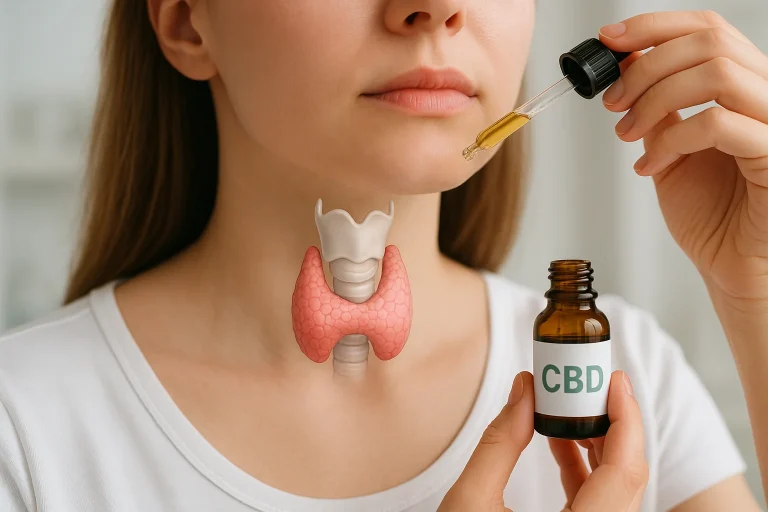
If the goal is therapeutic effect without exposure to smoke, CBD oils remain the purest route of administration. Bioavailability of 20-30% under the tongue, no tar, no carbon monoxide, no compromises.
- CBD SOOL oil 5% (500 mg/10 ml) for 76 PLN. Broad-spectrum, beginner-friendly.
- CBD SOOL oil 10% (1000 mg/10 ml) for 99 PLN. Double strength for experienced users.
Citation capsule. A CBD market analysis conducted by MarketWatch (2024) showed that the European segment of “tobacco-free smoking alternatives” is growing at a rate of 18% year-on-year, driven by consumer awareness of the toxicity of tobacco. CBD flowers, rice papers, and cardboard filters are the three fastest-growing subcategories, with a total market value exceeding 340 million euros annually.
Is passive inhalation of spliff smoke harmful?
Yes, passive inhalation of smoke from a spliff is harmful in the same way as passive smoking of tobacco. A meta-analysis published in “Environmental Health Perspectives” in 2023 showed that exposure to sidestream smoke from a spliff contains the same carcinogens as cigarette smoke, along with psychoactive cannabinoids that can affect children and pets.
What about smoking indoors with children?
Smoking a spliff in a room with children exposes them to the same list of substances as passive smoking of cigarettes, namely tar, CO, nitrosamines, and PAH. Additionally, THC in trace amounts can affect a child's developing nervous system. The American Academy of Pediatrics, in a statement from 2022, unequivocally advises against smoking cannabis, with or without tobacco, in the presence of children.
And what about dogs and cats?
Pets are particularly sensitive to smoke and THC. Dogs have 10 times more CB1 receptors in their brains than humans. Accidental exposure can lead to ataxia, vomiting, and in extreme cases, seizures. The veterinary database ASPCA reports a 448% increase in cannabinoid poisoning from 2017 to 2022.
Citation capsule. The study “Environmental Health Perspectives” (2023) found that sidestream smoke from a spliff smoked indoors contains concentrations of benzene, formaldehyde, and acrolein comparable to sidestream smoke from a cigarette, exposing non-smokers to chronic cancer risk. The authors recommend treating spliffs like cigarettes in the context of anti-tobacco legislation in public places.
How to recognize that you have a problem with nicotine hidden in spliffs?
The problem with nicotine hidden in spliffs arises when you cannot smoke cannabis without adding tobacco. According to the report by Hindocha et al. (Lancet Psychiatry, 2020), as many as 67% of those who smoke only spliffs meet the criteria for nicotine dependence, even though they have never smoked a cigarette.
List of symptoms of tobacco dependence in spliffs
- The need to smoke the first spliff in the morning within 30 minutes of waking up.
- Nervousness, irritability, difficulty concentrating between “sessions.”
- Smoking a spliff even when you don’t feel like getting “high” from THC.
- Inability to smoke a joint without tobacco, “it doesn’t taste the same.”
- Continuing to smoke despite health problems (cough, shortness of breath).
- Unsuccessful attempts to reduce the amount of tobacco in the mix.
Three or more of these symptoms is a signal that you are struggling not with cannabis, but with nicotine.
When to see a doctor?
It is worth seeing a doctor or an anti-tobacco clinic if you are trying to quit on your own and another attempt ends in relapse. Nicotine replacement therapy (NRT), bupropion, or varenicline are well-documented effective medications. In Poland, free hotlines and anti-tobacco clinics are available for all insured by the NFZ.
Citation capsule. The report by Hindocha et al. published in “Lancet Psychiatry” (2020) on a sample of 33,687 European cannabis users showed that 67% of those who only smoke spliffs meet the DSM-5 criteria for nicotine use disorder, despite claiming that they “have never smoked cigarettes.” Hidden nicotine addiction remains undiagnosed in primary healthcare.
Are there cultural differences in combining cannabis with tobacco?
Yes, cultural differences are significant and explain public health disparities. According to the European Monitoring Centre for Drugs and Drug Addiction (EMCDDA, 2023), the rates of combining tobacco with cannabis range from 89% in Germany to 12% in California. The difference is not accidental; it results from smoking traditions and available harm reduction infrastructure.
Europe vs. North America
In Europe, the 1970s “hippie” model dominates, where flower is expensive, tobacco is cheap, and the learning of smoking occurs in groups. In the USA and Canada, legalization in the last decade has driven a culture of “clean” smoking, supported by dispensaries selling ready-made pre-rolls without tobacco.
Poland is at a crossroads. On one hand, the Western European tradition (spliff as the norm), on the other, a growing medical marijuana market and consumer awareness. This generation of 2020-2030 will decide whether we remain "European" or shift to a North American model.
What are Germany's plans after legalization in 2024?
Germany legalized recreational cannabis use in April 2024. Official educational materials from the Bundesministerium für Gesundheit recommend vaporization as the preferred method of administration and actively discourage mixing with tobacco. This is the largest European pro-harm-reduction campaign, the effects of which we will learn in the coming years.
Citation capsule. The EMCDDA report (European Monitoring Centre for Drugs and Drug Addiction, 2023) comparing data from 27 countries showed that the percentage of cannabis users mixing flower with tobacco ranges from 89% in Germany and 83% in the UK to 12% in California and 18% in Colorado. The differences are stronger than the differences in the frequency of cannabis use itself.
What about THC and anxiety itself? Are cannabis without tobacco safe?
Cannabis without tobacco is not “safe,” but it is significantly less risky than spliffs. A study published in “Journal of Affective Disorders” in 2023 found that at low doses of THC (below 10 mg), the risk of an anxiety episode is comparable to not smoking, while at high doses (above 20 mg), it increases fourfold, regardless of the addition of tobacco.
THC and anxiety states: a biphasic effect
The link between THC and anxiety states is not new. The scientific literature contains both studies showing the anxiolytic effects of THC and those describing the exacerbation of anxiety symptoms. The key lies in the dose.
- Low doses of THC (2-5 mg), taken at a frequency planned with a doctor, alleviate stress and reduce social anxiety. This requires gradually building tolerance.
- High doses of THC (above 15 mg per session) can exacerbate anxiety and depressive symptoms, especially in individuals with genetic predispositions or in uncontrolled ways.
CBD and anxiety and depression
CBD, as a non-psychoactive cannabinoid, alleviates anxiety, stress, and stabilizes mood at every dose studied so far. A meta-analysis from the Journal of Clinical Medicine (2022) showed the effectiveness of CBD in anxiety disorders with SMD=0.47.
- A 2019 study found that CBD works better than placebo in teenagers with social anxiety.
- A 2022 study showed improvement in young people for whom standard anxiolytic medications were not satisfactorily effective after supplementing therapy with CBD.
- Results from the first phase of a study published in 2022 showed that CBD cannabis flower can alleviate symptoms of anxiety disorders within 4 weeks of use.
/cbd-i-fobia-spoleczna-czy-oleje-cbd-moga-pomoc-pozbyc-sie-leku/
Citation capsule. A meta-analysis published in “Journal of Clinical Medicine” (2022) encompassing 12 randomized clinical trials showed that CBD at doses of 25-600 mg daily reduces symptoms of generalized anxiety disorder (SMD=0.47) and social anxiety (SMD=0.58). The effect is dose-dependent, with no psychoactive effects and a safety profile comparable to placebo.
How to choose papers and filters for cleaner smoking?
Papers and filters matter for smoke toxicity, though less than the mere presence of tobacco. A study published in “Chemical Research in Toxicology” in 2021 showed that hemp and rice papers emit 30% less acrolein than standard chlorine-bleached cellulose papers.
What paper materials are the cleanest?
- Hemp papers. Cleanest burning, no bleaches. The Polish brand RAW Organic is widely available.
- Rice papers. Thin, slow burning, neutral taste.
- Flax papers. A compromise between durability and naturalness.
- Avoid. Flavored papers, wax-coated, chlorine-bleached. They emit additional toxins.
Activated carbon filter: does it make sense?
Activated carbon filters (e.g., Actitube) reduce tar and PAH by 40-60% according to laboratory tests by Labstat International (2020). They are more expensive than regular tips, but for those who cannot give up smoking, this is a significant harm reduction.
Citation capsule. Tests by the independent laboratory Labstat International from 2020 showed that interchangeable active filters made from coconut charcoal (Actitube, StemZero) reduce tar content in inhaled smoke by 52%, polycyclic aromatic hydrocarbons by 47%, and carbon monoxide by 26% compared to an open cardboard “tip.” The cost of a filter is about 0.5 PLN each.
FAQ: frequently asked questions about combining cannabis with tobacco
Does a spliff cause stronger addiction than a cigarette?
Yes. The study by Hindocha et al. (Lancet Psychiatry, 2020) showed that spliffs double the strength of nicotine addiction compared to cigarettes alone. The mechanism is the positive association of THC relaxation with nicotine. Those who smoke only spliffs are 60% less likely to quit nicotine than those who smoke only cigarettes.
Does hemp paper contain THC?
No. Hemp papers are made from hemp fiber (Cannabis sativa L.), which contains less than 0.2% THC. When smoked, they do not release psychoactive cannabinoids in measurable amounts. The difference compared to cellulose paper lies in cleaner burning, not in an additional intoxicating effect (EFSA, 2023).
Is a vaporizer safe for the lungs?
A vaporizer is not completely safe, but it reduces harm by over 95% compared to smoking (National Academies of Sciences, 2017). A temperature of 180-210°C extracts cannabinoids without burning organic matter, eliminating tar, CO, and PAH. There remains exposure to terpenes and cannabinoids, which in large doses can affect the respiratory tract.
How long does it take for lung condition to improve after quitting tobacco?
According to WHO data (2023), the first changes appear within 20 minutes (decrease in blood pressure), and key regeneration of bronchial tissue takes 1 to 9 months. The risk of heart attack equalizes with non-smokers after one year, and the risk of lung cancer decreases by 50% after 10 years. For spliff smokers, the trajectory is the same as for cigarette smokers.
Can I smoke CBD from medical marijuana without tobacco?
Yes, and it is recommended. Medical marijuana patients in Poland receive flower intended for vaporization, not smoking. However, if a patient chooses to smoke, hemp paper with an activated filter is significantly less harmful than a spliff. The addition of tobacco sabotages the therapeutic effect (JAMA Intern Med, 2022) and is not recommended by any medical guidelines.
Summary: what to do with this knowledge?
Combining cannabis with tobacco is a cultural trap hidden in a seemingly innocent ritual. Hard data from 2019-2024 is unequivocal. Spliffs double the risk of depression and anxiety compared to cannabis alone. Tobacco brings 70 documented carcinogens and imposes nicotine addiction on cannabinoid action. The combination is pharmacologically antagonistic to the therapeutic effects of CBD and THC.
What to do? First, awareness. If you smoke spliffs, you are likely addicted to nicotine, not cannabis. Second, hierarchy. The healthiest option is not to smoke at all, the second is to use a dry herb vaporizer, the third is a pure joint without tobacco made from hemp paper, and the fourth is an herbal substitute (damiana, mint, lavender). A spliff with tobacco comes last.
Third, tools. CBD flower without tobacco, CBD oils, hemp papers, carbon filters, and if necessary, nicotine replacement therapy. Consulting with a family doctor or anti-tobacco clinic is a step that changes the statistics.
/konopie-i-antydepresanty-czy-mozna-laczyc-leki-przeciwdepresyjne-z-cbd-i-marihuana/
Medical disclaimer. This article is for educational purposes and does not replace medical consultation. Before changing the way you take psychoactive substances or quitting tobacco, consult with a family doctor, psychiatrist, or anti-tobacco clinic. Individuals with anxiety disorders, depression, schizophrenia, or cardiovascular diseases should exercise particular caution. CBD products are not medications, do not diagnose, treat, or prevent diseases. During pregnancy, breastfeeding, and for individuals under 18 years of age, cannabis products are contraindicated.
Author. Michał Waluk, the editorial director of the blog ubucha.pl, specializes in cannabis, cannabinoids, and harm reduction. He develops texts based on peer-reviewed scientific literature (tier 1-3) and reports from regulatory agencies (EMA, EFSA, WHO, EMCDDA).