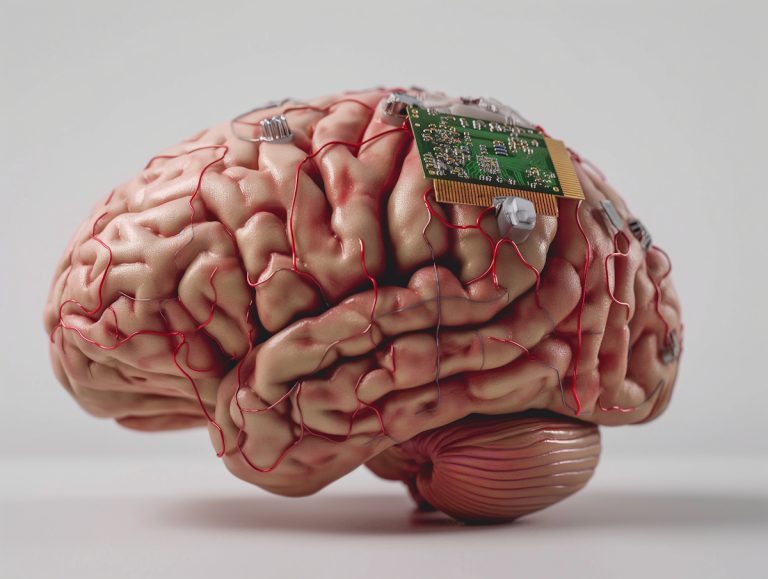

Endocannabinoids and Stress – How Anandamide and 2-AG Work Similar to CBD and THC
Endocannabinoids (anandamide, 2-AG) alleviate stress similarly to CBD and THC. 44% of adult Poles experience chronic stress (CBOS, 2023). Learn about the ECS and the CED hypothesis.
Our body produces its own cannabinoids. This is one of the most important discoveries in neurobiology in the last thirty years. Anandamide was identified in 1992 in Raphael Mechoulam's laboratory in Jerusalem (Science, 1992). Its name comes from the Sanskrit word „ananda”, meaning bliss, peace, inner joy. It is this compound, along with 2-arachidonoylglycerol (2-AG), that modulates the daily response to stress.
The scale of the problem is serious. 44% of adult Poles report experiencing chronic stress at least a few times a week (CBOS, 2023). One hypothesis links this civilizational epidemic to dysfunction of the endocannabinoid system (ECS). Ethan Russo, a neurologist and cannabis researcher, coined the term „clinical endocannabinoid deficiency” (CED), described in 2004 and updated in 2016 (Cannabis and Cannabinoid Research, 2016).
In this text, we explain how the body synthesizes and degrades its own cannabinoids, why chronic stress disrupts this system, and how CBD and THC mimic or enhance the effects of anandamide and 2-AG. We also discuss behavioral interventions (exercise, cold exposure, omega-3, mindfulness) that effectively raise the tonic levels of endocannabinoids. The entire discussion is based on publications from PubMed, Frontiers in Neuroscience, Neuropsychopharmacology, and Cannabis and Cannabinoid Research.
KEY INFORMATION
– The body produces cannabinoids on its own: anandamide (AEA) and 2-arachidonoylglycerol (2-AG), which bind to the same CB1 and CB2 receptors as phytocannabinoids (Science, 1992).
– Chronic stress lowers anandamide levels in the amygdala and increases anxiety (Hill and McEwen, 2010).
– The CED hypothesis links endocannabinoid deficiency to migraine, fibromyalgia, IBS, and PTSD (Russo, 2016).
– CBD inhibits the FAAH enzyme and doubles the level of anandamide (Leweke, Translational Psychiatry, 2012).
– 44% of Poles experience chronic stress (CBOS, 2023); ECS support is a preventive approach, not a treatment for diagnosis.
What are endocannabinoids and why are they called internal THC?
Endocannabinoids are lipid signaling molecules produced by the human body and all vertebrates. The two main ones are anandamide (AEA) and 2-arachidonoylglycerol (2-AG), discovered in 1992 and 1995 respectively (Frontiers in Pharmacology, 2020). They activate the same CB1 and CB2 receptors as THC and, indirectly, CBD. Their role is to precisely regulate homeostasis in response to current stimuli.
The name anandamide is not a coincidence. Raphael Mechoulam, who identified the molecule, named it after the Sanskrit „ananda”, meaning joy and inner calm. This is an apt description of its function. Anandamide is produced in situations requiring emotional regulation: during exposure to stress, after physical exertion, and during social interactions. In a short time window, it alleviates tension and improves mood.
The key difference compared to classical neurotransmitters lies in the „on-demand” principle. Serotonin or dopamine are stored in synaptic vesicles and released on signal. Endocannabinoids are not stored at all. They are produced „in situ” from membrane phospholipids just before use and break down within minutes. This is a system that reacts instantly and locally, without reserves.
The question is: why the internal THC? Anandamide binds to the CB1 receptor with a similar affinity as THC. The difference is in intensity and duration of action. Tetrahydrocannabinol from the plant remains in the blood for hours, causing psychoactive effects. Anandamide disappears within minutes. That’s why the body has its own „internal” cannabinoid, but without the high.
Main endocannabinoids in the body
Anandamide (N-arachidonoylethanolamine, AEA) occurs in low concentrations, around 1-10 pmol/g of tissue. Its primary role is synaptic modulation in the CNS, mood regulation, stress response, and reproductive functions. Anandamide has even been detected in chocolate and edible truffles, which partially explains their calming effect on some individuals.
2-AG (2-arachidonoylglycerol) occurs at concentrations about 200-1000 times higher than anandamide. It is the main endocannabinoid of the nervous system. It is responsible for retrograde neurotransmission, where the postsynaptic neuron sends a „quiet” signal to the presynaptic one. This way, neurons protect themselves from excitotoxicity resulting from excessive glutamate stimulation.
Alongside AEA and 2-AG, congeners are also identified: palmitoylethanolamide (PEA), oleoylethanolamide (OEA), 2-arachidonoylglycerol ether (noladin), and N-arachidonoyldopamine (NADA). Together, they form a family of so-called endocannabinoidome. PEA and OEA do not strongly bind to CB1/CB2 but act through PPAR-alpha and GPR55 receptors. PEA is well-studied as a natural anti-inflammatory and analgesic.
Difference from phytocannabinoids from cannabis
Phytocannabinoids (CBD, THC, CBG) are plant molecules, not endogenous lipids. Chemically, they belong to terpenophenols, not acylethanolamines. They are produced in the trichomes of cannabis from cannabinoid acids (CBDA, THCA) under the influence of thermal decarboxylation. Structurally, they differ from endocannabinoids but activate the same CB1 and CB2 receptors.
THC acts directly as a partial agonist of CB1 and CB2. It produces a strong effect because, unlike anandamide, it is not broken down by the FAAH enzyme. It remains in the body for hours. CBD works differently; it does not strongly bind to CB1 or CB2. However, it is a FAAH inhibitor and an allosteric modulator of CB1. Both mechanisms indirectly enhance signaling by anandamide.
Endocannabinoids anandamide and 2-AG activate CB1 and CB2 receptors similarly to THC, but they are produced locally on demand and broken down within minutes (Science, 1992; Frontiers in Pharmacology, 2020). CBD does not bind directly to CB1 but inhibits the FAAH enzyme and raises anandamide levels, enhancing the internal endocannabinoid tonic.
How does the body synthesize and break down endocannabinoids?
The synthesis pathways of endocannabinoids are precise biochemistry „on demand”. Anandamide is formed from the phospholipid NAPE under the influence of the enzyme NAPE-PLD. 2-AG is formed from diacylglycerol by the enzyme DAGL (diacylglycerol lipase). They are broken down respectively by FAAH (fatty acid amide hydrolase) and MAGL (monoacylglycerol lipase). The entire cycle lasts minutes (Frontiers in Pharmacology, 2020).
This explains why the ECS is so precise. A classic neurotransmitter like serotonin is produced hours in advance, stored in vesicles, and released in bulk. Endocannabinoids do not wait in storage. Their production begins only when a neuron detects excessive stimulation. The produced portion returns „back” to the presynaptic neuron, suppressing overactive glutamate release and breaking down.
Pharmacological studies focus on inhibiting FAAH and MAGL. Inhibition of these enzymes raises AEA and 2-AG levels in the brain without administering exogenous cannabinoids. URB597-type drugs (FAAH inhibitor) in animal models show anxiolytic and analgesic effects (PMC, 2017). This is precisely the mechanism through which CBD acts soothingly.
NAPE-PLD and DAGL – synthesis enzymes
NAPE-PLD (N-acyl phosphatidylethanolamine-specific phospholipase D) is the enzyme that synthesizes anandamide. It catalyzes the breakdown of the precursor NAPE from the cell membrane. The NAPE-PLD gene is widely expressed in the brain, particularly in the hippocampus, cortex, and amygdala. Activity depends on calcium concentration, ensuring a response to the stimulus.
DAGL (diacylglycerol lipase) synthesizes 2-AG from diacylglycerol. It exists in two isoforms: DAGL-alpha (brain, postsynaptic neurons) and DAGL-beta (peripheral, mainly macrophages). Genetic knockout of DAGL-alpha in mice results in over an 80% decrease in 2-AG in the brain and a phenotype of increased anxiety. This is strong evidence that 2-AG is crucial for anxiety regulation.
FAAH and MAGL – degradation enzymes
FAAH (fatty acid amide hydrolase) breaks down anandamide, PEA, and OEA. Its rapid action means that the half-life of AEA is a fraction of a minute in brain tissue. The polymorphism of the FAAH gene (C385A variant) is known. Carriers of the A allele have lower FAAH activity and higher anandamide levels. Studies show that they also exhibit lower anxiety levels and greater stress resilience (PNAS, 2015).
MAGL (monoacylglycerol lipase) is responsible for about 85% of 2-AG degradation. The remaining 15% are metabolized by the enzymes ABHD6 and ABHD12. Inhibition of MAGL (e.g., compound JZL184) raises 2-AG levels and shows analgesic, anti-inflammatory, and anxiolytic effects in animal models. Clinical trials with MAGL inhibitors in humans are ongoing.
Why is this system so delicate?
The short half-life of endocannabinoids is a feature, not a flaw. It ensures precise, time-limited regulation. The problem arises when chronic stress disrupts this system. Prolonged elevation of cortisol increases FAAH activity, lowers anandamide levels, and weakens the ECS's ability to suppress the HPA axis. A vicious cycle emerges: stress lowers the ECS, and the weakened ECS fails to suppress stress.
NAPE-PLD and DAGL synthesize anandamide and 2-AG on demand, while FAAH and MAGL break them down within minutes (Frontiers in Pharmacology, 2020). CBD inhibits FAAH and raises endogenous anandamide levels (Translational Psychiatry, 2012). Carriers of the FAAH C385A allele have naturally higher anandamide levels and lower anxiety.
Which receptors are responsible for the stress response?
The stress response engages four main types of receptors that endocannabinoids act upon: CB1 in the central nervous system, CB2 in the immune system, vanilloid receptors TRPV1, and nuclear receptors PPAR. Additionally, the GPR55 receptor, known as „CB3”. The density of CB1 in the brain is ten times higher than that of opioid receptors, illustrating the significance of the ECS (Frontiers in Pharmacology, 2020).
CB1 is the most densely distributed metabotropic receptor in the mammalian brain. It is particularly abundant in the hippocampus, amygdala, prefrontal cortex, and basal ganglia. These areas modulate the stress response, emotional memory, and anxiety regulation. CB1 inhibits the release of glutamate and GABA. The net effect is to tone down excessive neuronal activity in stressful situations.
CB2 is mainly found in peripheral tissues: in the spleen, B lymphocytes, macrophages, and brain microglial cells. Its activation suppresses the production of pro-inflammatory cytokines TNF-alpha, IL-6, IL-1 beta. Chronic stress triggers low-grade inflammation, which CB2 can limit. This is a link between psychological stress and biological inflammation.
TRPV1 (vanilloid receptor type 1) is responsible for nociception, or the perception of pain and heat. Anandamide is a natural ligand for TRPV1, alongside capsaicin from chili. Activation of TRPV1 by AEA modulates pain perception and is related to the anti-inflammatory response. CBD also acts on TRPV1, which explains part of its analgesic effects.
CB1 in the central nervous system
In the amygdala, CB1 plays a key role in regulating anxiety. Mice with CB1 knockout exhibit a pronounced anxiety and depressive phenotype. Chronic stress lowers CB1 expression and anandamide levels in this area (Hill and McEwen, Neuropsychopharmacology, 2010). This is the direct mechanism through which persistent stress increases anxiety.
In the hippocampus, CB1 influences memory consolidation, particularly emotional memory. This is why cannabinoids can disrupt contextual memory. In PTSD, this mechanism is bidirectional: we need the consolidation of a safe context, but also the extinction of traumatic memory. The approach to PTSD therapy is based on manipulating the extinction of conditioned fear through the ECS pathway.
In the prefrontal cortex, CB1 regulates executive control and inhibits automatic responses. In the hypothalamus, CB1 modulates the HPA axis, controlling the secretion of corticotropin-releasing hormone (CRH), adrenocorticotropic hormone (ACTH), and ultimately cortisol. Disruption of CB1 signaling in the hypothalamus is one of the mechanisms of chronic hypercortisolism in chronic stress.
CB2 in the immune system
CB2 on brain microglial cells regulates neuroinflammatory processes. In chronic stress, microglia activate to a pro-inflammatory M1 phenotype. CB2 agonists shift the balance towards the anti-inflammatory M2. This mechanism is being studied in treatment-resistant depression, where neuroinflammation is a pathogenic component.
In peripheral immune cells, CB2 modulates T lymphocyte activity, reducing excessive pro-inflammatory responses. In the intestines, CB2 regulates peristalsis and intestinal barrier permeability. This is significant in IBS (irritable bowel syndrome), where the CED hypothesis predicts ECS dysfunction.
GPR55, PPAR, and TRPV1 – non-canonical receptors
GPR55, long referred to as „CB3”, has different signaling pathways than CB1 and CB2. It is involved in pain regulation, bone metabolism, and energy. CBD is an antagonist of GPR55, which may explain its anti-inflammatory effects. PEA (palmitoylethanolamide), one of the congeners of endocannabinoids, mainly acts through the nuclear receptor PPAR-alpha, inducing a long-lasting anti-inflammatory effect.
TRPV1 is an ion channel activated by heat, acid, and capsaicin. Anandamide is its endogenous ligand. Activation of TRPV1 causes initial, short-lived irritation (e.g., a burning sensation). Prolonged activation desensitizes the channel and reduces pain. CBD and palmitoylethanolamide act through TRPV1 desensitization, which is one of the pain-relieving pathways of cannabinoids.
CB1 in the amygdala and prefrontal cortex regulates the anxiety response and the HPA axis (Hill and McEwen, Neuropsychopharmacology, 2010). CB2 on microglia suppresses neuroinflammation. Anandamide also activates TRPV1, and PEA acts through PPAR-alpha. The density of CB1 in the brain is ten times higher than opioid receptors (Frontiers in Pharmacology, 2020).
What is clinical endocannabinoid deficiency (CED)?
Clinical endocannabinoid deficiency (CED) is a hypothesis that some ailments arise from chronically reduced ECS function. The postulate was formulated by Ethan Russo in 2004 and expanded in 2016 (Cannabis and Cannabinoid Research, 2016). The three main diseases with the strongest evidence for CED are migraine, fibromyalgia, and irritable bowel syndrome (IBS).
The logic of CED is simple. If the ECS regulates pain perception, mood, peristalsis, and inflammatory response, then chronic deficiency of anandamide and 2-AG will manifest as disorders in these areas. Critics of the hypothesis pointed to the lack of cheap, reliable tests for endocannabinoid levels. However, in recent years, studies have emerged that directly measure AEA in cerebrospinal fluid and serum.
Tartaglia (2020) measured anandamide levels in cerebrospinal fluid (CSF) in patients with chronic migraine. Result: a 16.7% decrease compared to the control group (Frontiers in Neurology, 2020). This is the first prospective, clinically measured confirmation of the CED hypothesis in migraine.
CED in migraine – evidence
Migraine affects about 10-12% of the adult population. Sarchielli (2007) measured anandamide in blood platelets of patients with chronic migraine. Result: significantly reduced compared to controls. Rossi (2008) showed a similar reduction in cerebrospinal fluid. Tartaglia (2020) confirmed this in a broader clinical sample. Migraine also responds to CBD and medical marijuana, as confirmed by observational studies.
The mechanism is likely a tonic dysfunction in the trigeminal nucleus of the brainstem. The ECS normally inhibits glutamatergic activity responsible for the pathogenesis of migraine. With AEA deficiency, tonic inhibition weakens, and the migraine pain threshold decreases. This is an elegant model that connects migraine neurology with ECS biochemistry.
CED in fibromyalgia and IBS
Fibromyalgia is a syndrome of generalized chronic pain and fatigue. It affects 2-4% of the population, mainly women. Russo summarized a series of studies showing reduced anandamide and 2-AG in patients with fibromyalgia. Clinically, improvement is observed after medical marijuana treatment in a significant portion of patients. Habib (2018) reported that over 50% of patients reduce or discontinue opioids after starting CBD therapy.
IBS (irritable bowel syndrome) affects 5-10% of the population. Storr (2008) showed reduced CB1 density in the colonic mucosa of IBS patients. The action of CBD and THC on the gut is multifaceted: they regulate peristalsis, intestinal barrier permeability, gut nervous system activity, and inflammatory response. From a practical standpoint, CBD is one of the better-studied supports for the ECS in IBS.
CED in PTSD and anxiety disorders
Post-traumatic stress disorder (PTSD) also fits the CED hypothesis. Neumeister (2013) showed in a PET study reduced CB1 binding and lower anandamide levels in PTSD patients compared to traumatized but non-ill individuals (Molecular Psychiatry, 2013). Morena (2016) described a mechanism in which AEA deficiency weakens the extinction of traumatic memory (Neuropsychopharmacology, 2016).
Clinical trials with nabilone (synthetic THC) in veterans with PTSD show a reduction in nightmares and better sleep. Trials with CBD in individuals with generalized anxiety disorder (GAD) show an anxiolytic effect at doses of 300-600 mg taken before a public stressor (Medical Cannabis and Cannabinoids, 2023). The mechanism is likely the elevation of tonic AEA levels through FAAH inhibition.
Russo's CED hypothesis (2016) links endocannabinoid deficiency to migraine, fibromyalgia, and IBS. Tartaglia (2020) measured a 16.7% reduction in anandamide in the cerebrospinal fluid of patients with chronic migraine (Frontiers in Neurology, 2020). Neumeister (2013) showed reduced CB1 binding in PTSD.
How does chronic stress dysregulate the endocannabinoid system?
Chronic stress and the ECS enter a destructive feedback loop. Short, acute stress increases anandamide levels, helping to end the stress response. Chronic stress lowers baseline AEA levels and increases FAAH activity in the amygdala, weakening endogenous anxiety regulation (Hill and McEwen, Neuropsychopharmacology, 2010). 44% of adult Poles report chronic stress (CBOS, 2023), making this dysregulation an epidemiological issue.
The HPA axis (hypothalamus-pituitary-adrenal) releases cortisol in response to stress. Under normal conditions, the ECS acts as a "brake" that turns off this response after the stimulus has ended. Anandamide in the amygdala tonically inhibits CRH. When a threat arises, FAAH degrades AEA, releasing the brake. After the threat has passed, AEA levels rise again and the brake functions once more.
The problem begins with chronic stress. Prolonged cortisol increases FAAH expression and lowers baseline AEA levels. The ECS stops functioning as a brake. The HPA axis operates continuously without a stable reference point. This creates a phenotype of a chronically tense, anxious person who finds it difficult to "get out" of stress even after the stimulus is removed.
Why does stress dysregulate the ECS?
Morena (2016) described the mechanistic coupling of stress and the ECS. In the acute phase of stress, both endocannabinoids act differently: anandamide decreases (through FAAH induced by glucocorticoids), while 2-AG increases (postsynaptic mobilization). In chronic stress, the first mechanism predominates, and AEA remains chronically low. This disruption of homeostasis is a biomarker in clinical PTSD studies (Neuropsychopharmacology, 2016).
Additionally, stress weakens neurogenesis in the hippocampus. The hippocampus is a key area for modulating the HPA axis and emotional regulation. The ECS plays a role in adult neurogenesis; anandamide and 2-AG support the survival of new neurons. Dysregulation of the ECS weakens neurogenesis, further impairing stress regulation and restoring homeostasis.
Cortisol and ECS – negative feedback
High cortisol levels reduce CB1 expression in the hippocampus and amygdala. This affects the number of receptors available for anandamide. Even if AEA levels are correct, the reduced amount of CB1 weakens signaling. Therefore, chronic stress leads to a gradual weakening of ECS effectiveness.
Conversely, the ECS regulates cortisol. Administration of exogenous CBD in healthy individuals lowers baseline cortisol for about 4 hours (Journal of Clinical Pharmacy and Therapeutics, 1993). This early study by Zuardi showed one of the mechanisms of anxiolytic CBD, independent of direct CB1 binding.
Markers of ECS dysregulation
Promising clinical markers of ECS dysregulation include serum anandamide levels, serum 2-AG levels, FAAH activity in blood platelets, levels of AEA metabolites (such as arachidonoylethanolamide), and the FAAH genotype. Carriers of FAAH C385A have higher baseline AEA and a more stable stress response (PNAS, 2015). This is not yet a diagnostic panel in clinical practice, but the direction of research is clear.
Chronic stress raises FAAH activity and lowers baseline anandamide levels in the amygdala, damaging the endogenous inhibition of the HPA axis (Hill and McEwen, Neuropsychopharmacology, 2010). Morena (2016) described ECS dysregulation as a biomarker for PTSD. CBD lowers cortisol in humans (Zuardi, 1993).
How do CBD and THC enhance endogenous cannabinoids?
CBD and THC are not "substitutes" for endocannabinoids. They work synergistically, enhancing the body's own system. CBD inhibits the FAAH enzyme and doubles the level of anandamide in serum (Leweke, Translational Psychiatry, 2012). THC directly activates CB1 and CB2, acting like an external endocannabinoid with a longer half-life. These are two different mechanisms of ECS support.
CBD is an example of the so-called "entourage" for its own ECS. It does not occupy space on the receptor, does not cause CB1 tolerance. On the contrary, by raising anandamide levels through FAAH inhibition, it enhances natural signaling. The effect is subtle but lasting and physiological. Therefore, CBD is well tolerated in doses up to 1500 mg per day and rarely causes side effects (WHO, 2018).
THC works the opposite way, directly activating CB1. In the short term, it produces a stronger effect; in the long term, it may lead to desensitization (down-regulation) of CB1. Therefore, clinical protocols suggest microdoses of THC (2.5-5 mg) combined with CBD, rather than high doses of THC in monotherapy. In Poland, CBD from hemp is legal with THC content below 0.3%.
CBD as a FAAH inhibitor
Leweke (2012) conducted a classic study in patients with first-episode schizophrenia. Administration of 800 mg of CBD daily for 4 weeks raised serum anandamide levels and clinically reduced psychotic symptoms (Translational Psychiatry, 2012). The effect was comparable to amisulpride but with a much better safety profile. This fundamental study showed that CBD truly works by raising internal anandamide levels.
In anxiety disorders, the mechanism is similar. Elevated tonic anandamide in the amygdala alleviates the anxiety response. Therefore, CBD shows anxiolytic effects in studies involving public speaking, prosocial situations, and simulated stressors. A typical effective dose is 300-600 mg taken at once or 25-75 mg daily.
THC as a direct CB1 agonist
THC mimics anandamide but without the degradation mechanism by FAAH. Therefore, it remains in the blood for hours and produces a strong psychoactive effect. In clinical practice, medical marijuana with THC is used for chronic pain, spasticity in MS, nausea after chemotherapy, and some sleep disorders. In Poland, it is available only by prescription in the medical marijuana program.
Microdosing THC (0.5-2.5 mg) is gaining popularity. Small doses can improve mood without psychoactive effects and receptor tolerance. CBD:THC mixtures in a 20:1 or 10:1 ratio are typical therapeutic proportions. CBD mitigates the psychoactivity of THC through allosteric modulation of CB1 and competitive action in metabolic circulation.
Other phytocannabinoids supporting the ECS
CBG (cannabigerol) is the "mother" of phytocannabinoids, a biochemical precursor to CBD, THC, and CBC. It acts on alpha-2 adrenergic receptors, 5-HT1A, TRPV1, and CB2. It does not strongly bind to CB1 and is not psychoactive. It has a profile particularly useful in reducing anxiety and inflammation (PMC, 2020). CBN is formed from the degradation of THC, slightly sedative, promoted for sleep support.
CBC (cannabichromene) shows neuroprotective potential in preclinical models. THCV (tetrahydrocannabivarin) suppresses appetite at low doses. CBDV (cannabidivarin) is being studied as a potential anti-epileptic drug. Each of these compounds complements the "entourage" effect with CBD and terpenes, enhancing the multifaceted action on the ECS.
CBD inhibits the FAAH enzyme and raises serum anandamide levels, as Leweke (2012) demonstrated in patients with schizophrenia (Translational Psychiatry, 2012). THC acts as a direct CB1 agonist, mimicking anandamide but with a longer half-life. The WHO (2018) recognized CBD as well tolerated at doses up to 1500 mg/day.
How to naturally raise your own endocannabinoid levels?
The strongest natural booster of endocannabinoids is aerobic physical exercise. Raichlen (2012) measured a threefold increase in anandamide in the blood after 30 minutes of moderate-intensity running (PLoS ONE, 2012). Fuss (2015) proved in mice that "runner's high" depends on CB1, not endorphins: blocking CB1 eliminated the effect, while opioid blockade did not (PNAS, 2015).
This is a fundamental lesson: if you want a stable, well-functioning ECS, get moving. The optimal protocol is 30-60 minutes of aerobic exercise (70-85% HRmax) at least 3 times a week. The intensity of "I can still talk, but in short sentences" is a typical threshold for increasing AEA. Running, swimming, cycling, brisk walking, long hikes, everything works.
Runner's high has often been attributed to endorphins, but recent studies indicate the dominant role of endocannabinoids. Endorphins do not cross the blood-brain barrier, so they cannot directly induce euphoria in the CNS. Anandamide is lipophilic and crosses this barrier easily. Therefore, actively training individuals not only have stronger muscles but also a tonically stronger ECS.
Cold, omega-3, and diet
Exposure to cold (ice baths, cold showers, winter swimming) activates the sympathetic system and raises anandamide levels. Human studies are early, but the physiological mechanism aligns: adaptive stress triggers a compensatory ECS response. The Wim Hof method combines cold, breath, and meditation. Some observed psychological effects are explained by the mobilization of AEA.
Omega-3 fatty acids are substrates for endocannabinoid biosynthesis. Both AEA and 2-AG are derived from arachidonic acid (AA), an omega-6 derivative. The proper omega-3 to omega-6 ratio (1:4 instead of the typical Polish 1:20) promotes better ECS regulation and inflammation. Wild fish, algae, flaxseed oil, chia, and walnuts provide DHA, EPA, and ALA.
Dark chocolate (70% and above) contains small amounts of anandamide and its analogs (N-oleoylethanolamide, N-linoleoylethanolamide). This partially explains the calming effect of a piece of chocolate. Edible truffles (especially black) also contain AEA, resulting from the evolutionary relationship of lipid pathways. These are not therapeutic doses, but systematic exposure subtly supports the ECS.
Probiotics and the gut-brain axis
The gut microbiome influences the ECS. Bacteria produce short-chain fatty acids (SCFA) that modulate ECS gene expression in the intestines. Some strains (Akkermansia muciniphila, Lactobacillus acidophilus) modify the expression of CB2 and NAPE-PLD in the gut. In animal models, this restores anandamide levels after stress and alleviates anxiety behaviors.
Fermented products (kefir, natural yogurt, pickles, miso, kombucha) provide natural probiotics. Diets rich in plant fiber support microbiome diversity. Chronic stress always negatively impacts the microbiome, further exacerbating ECS dysregulation. Conversely, supporting the microbiome stabilizes the stress response at the gut-brain level.
Mindfulness, singing, sleep
Mindfulness meditation lowers cortisol and subtly raises endocannabinoid levels. Krismer (2020) showed that an 8-week MBSR (Mindfulness-Based Stress Reduction) program increases PEA and OEA levels in participants' serum. The mechanism is likely the reduction of chronic HPA axis activity and glucocorticoid-induced suppression of ECS synthesis enzymes.
Singing and resonant music activate the vagus nerve and the parasympathetic system. Lowering sympathetic tension promotes ECS recovery. Laughter and social relationships trigger dopamine release and raise AEA levels. Regular, deep sleep (7-9 hours for adults) is fundamental because it is at night that the ECS does most of its regulatory work.
Aerobic physical exercise increases anandamide levels threefold after 30 minutes of running (Raichlen, PLoS ONE, 2012). Fuss (2015) demonstrated in mice that runner's high depends on CB1, not on endorphins (PNAS, 2015). Omega-3, probiotics, mindfulness, and sleep systematically support the ECS.
How to safely combine CBD with natural ECS boosters?
The optimal ECS support protocol combines two tracks: natural interventions (exercise, diet, mindfulness) and CBD supplementation as a fast pharmacological FAAH inhibitor. Start low, go slow is the foundation. Starting doses of CBD are 10-25 mg daily, increased every 3-7 days until the effect is achieved (Project CBD, 2023). The effect stabilizes after 2-4 weeks.
Sublingual oils are the most commonly chosen form for ECS support. Absorption is quick (15-45 minutes), with a bioavailability of 13-19%. One drop of 5% oil is about 2.5 mg of CBD, 10% about 5 mg. A typical dose of 20 mg of CBD is 8 drops of 5% or 4 drops of 10%. Hold the oil under your tongue for 60-90 seconds before swallowing.
Drug interactions are the most significant safety limitation. CBD inhibits cytochromes CYP3A4 and CYP2C9, which metabolize 50% of drugs on the market (PMC, 2019). Warfarin, some statins, benzodiazepines, immunosuppressants, and antiepileptic drugs require monitoring. Always consult your doctor before combining.
Example of a weekly protocol
Monday-Friday: running or swimming for 30-45 minutes in the morning, 20 mg of CBD in the evening after dinner. Saturday: cold shower for 2-3 minutes in the morning, long hike for 90-120 minutes, 20 mg of CBD in the evening. Sunday: meditation practice for 20-40 minutes, restorative sleep for 8+ hours. Throughout the week: omega-3 through 2-3 meals with fish/algae, fermented dairy daily, minimum 30 g of fiber daily.
In situations of particular stress (important meeting, exam, travel), a preventive dose is 50-100 mg of CBD one hour before. Bergamaschi (2011) showed that 600 mg of CBD one hour before public speaking significantly reduces perceived anxiety in individuals with SAD. In practice, for healthy individuals, smaller doses (100-200 mg) are sufficient.
Product forms for ECS balance
5% CBD oil is a starting point for beginners. Easy titration, low price, broad spectrum profile without THC. 10% CBD oil for greater dosing convenience and stronger support (sleep, persistent anxiety). 15% CBG oil as an alternative for those seeking a different receptor profile (alpha-2 adrenergic, TRPV1). CBD hemp flower for vaporization (quick onset of action, full entourage effect).
Good practices when choosing a product: certificate of analysis (COA) from an independent laboratory, declared cannabinoid and terpene profile, information on the extraction method (supercritical CO2 is the gold standard), production date, expiration date, Polish or European manufacturer with complete contact details. Reliable sellers provide COA upon request.
When not to combine CBD with anything
Pregnancy and breastfeeding: insufficient safety data, FDA and EMA advise against. Children: only under pediatric supervision, with accurate diagnostics. Liver diseases: CBD is metabolized in the liver, requires caution. Severe mental disorders (psychoses): avoid THC, CBD or be cautious. Pre-surgical period: inform the anesthesiologist.
Do not combine CBD and other cannabinoids with alcohol. Both affect the CNS, and the effect can be unpredictable. Do not drive after initial dosing of CBD, especially if you are taking sedatives. Drug tests – broad spectrum CBD theoretically does not contain THC, but trace amounts in full spectrum may yield a positive result.
Start low, go slow is the principle of ECS support. Doses of 10-25 mg of CBD daily, increased every 3-7 days (Project CBD, 2023). CBD inhibits CYP3A4 and CYP2C9, which metabolize 50% of drugs (PMC, 2019). The optimal protocol combines aerobic exercise, a good diet, and CBD supplementation.
What are the differences between endocannabinoids, phytocannabinoids, and synthetics?
These three groups connect to CB1/CB2 receptors, but the difference in origin, structure, and pharmacokinetics is fundamental. Endocannabinoids (AEA, 2-AG) are lipid molecules produced by the body. Phytocannabinoids (CBD, THC, CBG) are plant terpenophenols. Synthetics (dronabinol, nabilone, spice) are laboratory analogs with modified receptor activity. Each group has its role (Frontiers in Pharmacology, 2020).
Endocannabinoids are produced "on demand", broken down within minutes, acting locally and very precisely. They have a short half-life and never reach "psychoactive" concentrations. They are the foundation of healthy homeostasis. They cannot be "taken" as a supplement because they would not survive passage through the stomach and liver.
Phytocannabinoids provide a longer, more stable effect. They are resistant to enzymes that degrade AEA and 2-AG, so they act for hours. Therefore, they are suitable as a supplement to enhance the ECS. CBD is particularly interesting because it does not induce psychoactivity, is well tolerated, and has a multifaceted receptor profile.
Synthetics are divided into medical (dronabinol, nabilone, nabiximols) and dangerous designer drugs (spice, K2). Medical ones are registered as drugs and can be used under a doctor's supervision for specific indications. Designer drugs are uncontrolled analogs of THC with a potential 100x higher, responsible for thousands of poisonings worldwide.
Full, broad, and isolate – which CBD to choose?
Full spectrum contains the entire cannabinoid profile of hemp, including trace amounts of THC (<0.3%). It provides the most complete entourage effect. Broad spectrum is a full profile without THC. A compromise for those avoiding THC for legal, health, or professional reasons (drivers). Isolate is 99%+ pure CBD. Precise, without the entourage effect.
Gallily's (2015) study on mice showed that the anti-inflammatory and analgesic effect of full spectrum was stronger than that of CBD isolate, even at the same CBD dose. This is how the entourage effect works: a combination of cannabinoids and terpenes acts more strongly than a single molecule. Broad spectrum approaches full spectrum without THC.
Receptor profiles of different cannabinoids
Anandamide: CB1 (full agonist), CB2 (partial), TRPV1, GPR55. 2-AG: CB1 and CB2 (full agonist). THC: CB1 and CB2 (partial agonist). CBD: very weak on CB1 directly, FAAH inhibitor, allosteric modulator of CB1, 5-HT1A activator, GPR55 antagonist, TRPV1 modulator. CBG: partial agonist of CB2, alpha-2 adrenergic, 5-HT1A, TRPV1. CBN: weak CB1, CB2.
This receptor difference explains the different clinical profiles. CBD acts anxiolytically and anticonvulsively without psychoactivity. THC acts analgesically but can induce anxiety or paranoia at high doses. CBG has a profile of "soft CBD with an additional adrenergic effect", particularly useful in supporting the stress response with a somatic component.
Endocannabinoids, phytocannabinoids, and synthetics differ in origin, structure, and pharmacokinetics, but they act through the same CB1/CB2 receptors (Frontiers in Pharmacology, 2020). Full spectrum CBD acts stronger than isolate due to the entourage effect (Gallily, 2015). Broad spectrum is a compromise: a full profile without THC.
What do studies say about the ECS in anxiety, depression, and PTSD?
Anxiety disorders, depression, and PTSD are three areas where the ECS dysregulation hypothesis has the strongest clinical support. A meta-analysis in 2023 included over 30 studies on CBD in anxiety. 52% of patients with generalized anxiety reported significant improvement after 8 weeks of supplementation with 25-75 mg of CBD daily (Medical Cannabis and Cannabinoids, 2023). The mechanism is FAAH inhibition and 5-HT1A activation.
In PTSD, evidence is growing. Neumeister (2013) showed reduced CB1 binding in PTSD in a PET study. Morena (2016) described a mechanism in which ECS dysregulation weakens the extinction of traumatic memory. Clinical trials with nabilone in veterans showed a reduction in nightmares and better sleep. Trials with CBD are ongoing, but preliminary data are promising.
In depression, the evidence is more complex. Depression is not homogeneous; there are different subtypes. Some (especially those with anxiety, somatic, neuroinflammatory components) likely respond to ECS support. Studies in animal models show a rapid antidepressant effect of CBD, comparable to ketamine. In humans, this effect has not yet been documented in large RCTs.
CBD in generalized anxiety disorder (GAD)
Bergamaschi (2011) administered 600 mg of CBD 1.5 hours before public speaking to patients with SAD (social anxiety disorder). CBD significantly reduced subjective anxiety, avoidance behaviors, and physiological indicators (heart rate, blood pressure). This classic study unequivocally confirmed the anxiolytic effect of CBD in humans. Since then, dozens of replications have emerged.
In clinical practice, CBD in GAD is used at doses of 25-75 mg daily sublingually, divided into 2-3 doses. The effect stabilizes after 2-4 weeks. In individuals with heightened anxiety, doses can reach 150-300 mg daily. A significant plus is the lack of addiction and withdrawal risk, unlike benzodiazepines.
THC and CBD for PTSD
An Israeli study from 2014 showed that nabilone (synthetic THC) reduces nightmares in 72% of veterans with treatment-resistant PTSD. THC works best in microdoses of 2.5-5 mg before sleep. CBD complements it by acting anxiolytically during the day. CBD:THC mixtures in a 10:1 or 20:1 ratio are a typical therapeutic configuration.
The mechanism in PTSD is likely related to the influence on the consolidation and reconsolidation of traumatic memory. The ECS plays a key role in extinguishing conditioned fear. Studies in animal models indicate that CB1 agonists used after recalling a traumatic situation weaken the emotional strength of the memory. This is precisely the research direction that could change PTSD therapy.
Depression – data conflict
In animal models, CBD acts as a rapid antidepressant: it activates 5-HT1A, increases BDNF, and enhances neurogenesis in the hippocampus. In humans, large RCTs with CBD alone in depression do not exist. There are observational studies and small RCTs suggesting benefit, but the evidence is weaker than in anxiety. CBD may be useful as an adjunct, not as monotherapy for depression.
A particularly promising direction is depression with an inflammatory component. About 25-30% of patients with depression have elevated CRP and pro-inflammatory cytokines. In these individuals, CBD acting anti-inflammatorily (through CB2) may complement classical medications. Biomarker studies in this direction are ongoing.
52% of patients with generalized anxiety reported improvement after 25-75 mg of CBD daily for 8 weeks (Medical Cannabis and Cannabinoids, 2023). Bergamaschi (2011) demonstrated the anxiolytic effect of 600 mg of CBD before public speaking. Neumeister (2013) showed reduced CB1 binding in PTSD (Molecular Psychiatry, 2013).
What are OEA and PEA – neurosteroid-like regulators?
Alongside anandamide and 2-AG, there are so-called endocannabinoid congeners in the body. The two most important are OEA (oleoylethanolamide) and PEA (palmitoylethanolamide). They do not strongly bind to CB1 and CB2 but act through nuclear receptors PPAR-alpha and GPR55, as well as GPR119. OEA regulates appetite and metabolism, while PEA is a natural anti-inflammatory and analgesic.
PEA is particularly interesting. Discovered in the 1950s as a natural component of lecithin from soy and egg, it long lacked a receptor. Today it is known to act through PPAR-alpha and indirectly enhances signaling with anandamide (inhibits AEA degradation, the "entourage" effect). It is available in some countries as a supplement or medication (Normast in Italy, Pelvilen in Spain).
OEA is produced in the intestine in response to food intake, especially fats. It activates PPAR-alpha and sends a "satiety" signal to the brain. It is a natural appetite regulator. A diet rich in olive oil, nuts, and fish supports OEA production and indirectly regulates metabolism. OEA is being studied as a potential treatment for obesity and insulin resistance.
PEA in chronic pain and inflammation
PEA is an endogenous cannabinoid analog with strong anti-inflammatory and analgesic effects. Clinical studies (especially Italian) show efficacy in neuropathic pain, fibromyalgia, endometriosis, and back pain. A typical dose is 300-600 mg daily of micronized PEA. The safety profile is excellent, with no effects on the CNS and no drug interactions.
The mechanism of PEA is PPAR-alpha plus the so-called "entourage" effect: PEA inhibits the breakdown of anandamide and enhances its signaling, without strongly binding to CB1 itself. It is an elegant model in which a "gentle" endogenous lipid indirectly enhances the main endocannabinoid pathway. In Poland, PEA is available as a dietary supplement (not a drug).
Anandamide and neurosteroids – a common pattern
Neurosteroids are steroids produced in the brain (allopregnanolone, pregnenolone, DHEA), regulating neuronal excitability and the stress response. They share common functions with endocannabinoids: rapid, local regulation of the HPA axis, GABAergic modulation, influence on emotional memory. Some cannabinoids (PEA, OEA, AEA) exhibit "neurosteroid-like" characteristics in the brain.
Disruptions in neurosteroid synthesis (especially allopregnanolone) are observed in PTSD and postpartum depression. Brexanolone (synthetic allopregnanolone) is a registered drug for postpartum depression. The interplay between the ECS and neurosteroids is an area of active research that may yield new therapies for stress disorders.
PEA (palmitoylethanolamide) and OEA (oleoylethanolamide) are congeners of endocannabinoids acting through PPAR-alpha and GPR55, not through CB1. PEA enhances anandamide signaling by inhibiting FAAH (entourage effect). OEA regulates appetite and metabolism. A typical dose of PEA 300-600 mg daily is well tolerated.
Are endocannabinoids legal and who should test them?
The body produces anandamide and 2-AG, so the question of the legality of "possessing" endocannabinoids makes no sense. The issue concerns supplementation with phytocannabinoids. CBD from hemp with THC content below 0.3% is legal in Poland as a supplement (Act on Counteracting Drug Addiction, Dz.U. 2005 nr 179 poz. 1485). THC outside the medical marijuana program remains a controlled substance.
Medical marijuana with THC has been available by prescription in Poland since 2017. Patients obtain it from a doctor, usually a pain specialist, neurologist, or psychiatrist. Indications include refractory chronic pain, spasticity in MS, nausea after chemotherapy, some sleep disorders, and PTSD. Availability is increasing, and the number of pharmacies offering it has risen several times in recent years.
Diagnostics of endocannabinoid levels is not available in routine practice. Measuring AEA and 2-AG requires mass spectrometry in specialized laboratories. Genotyping of the FAAH C385A polymorphism is available in commercial genetic testing offers. Currently, this data has research value, not diagnostic.
For whom is ECS support most significant?
Individuals with chronic stress and burnout (occupational burnout, prolonged crisis situations). Patients with migraines, fibromyalgia, IBS (CED subtypes according to Russo 2016). Individuals diagnosed with GAD, SAD, mild PTSD as an adjunct to psychotherapy. Patients with non-organic insomnia. Individuals wishing to proactively support the ECS during periods of intense stress (exams, higher responsibility).
For healthy individuals, without medical indications, CBD is optional wellness support. The first line is always natural ECS boosters: regular exercise, a good diet, sleep, mindfulness, and social relationships. CBD complements, it does not replace. The primary strategy is to remove the source of chronic stress, not to include supplementation.
Who is not affected by ECS support
Children: only under medical supervision, for specific indications (e.g., Epidiolex in refractory epilepsy). Pregnant and breastfeeding women: insufficient data, EMA and FDA advise against. Patients after transplants: interactions with immunosuppressants. Individuals with severe liver diseases: impaired cannabinoid metabolism. All patients require medical consultation before starting CBD supplementation.
In cases of psychiatric diagnoses (schizophrenia, bipolar disorder, severe depressive disorder), psychiatric consultation is always required. CBD may be helpful, but it never replaces pharmacological treatment in these indications. Self-discontinuation of psychiatric medications in favor of CBD is dangerous.
CBD from hemp (THC <0.3%) is legal in Poland as a supplement (Dz.U. 2005 nr 179 poz. 1485). Medical marijuana with THC has been available by prescription since 2017. ECS support is most significant in chronic stress, CED subtypes (migraine, fibromyalgia, IBS), and anxiety disorders.
What are the practical conclusions and next steps?
Endocannabinoids are a physiological stress regulation system that works similarly to CBD and THC but with less intensity and shorter half-life. Chronic stress dysregulates this system by raising FAAH activity and lowering anandamide levels. 44% of adult Poles struggle with chronic stress (CBOS, 2023), which is why ECS support is of population significance, not just individual.
The first-choice strategy is to naturally boost the tonic ECS through aerobic exercise, cold exposure, a diet rich in omega-3, probiotics, mindfulness practices, and stable sleep. Raichlen (2012) measured a threefold increase in anandamide after 30 minutes of running. This is the cheapest, most effective "supplementation" of ECS available to everyone.
CBD supplementation is a reasonable complement for individuals whose chronic stress has exceeded adaptive capacities or who suffer from specific ailments (migraine, fibromyalgia, IBS, GAD, PTSD). A typical protocol is 20-40 mg of broad spectrum CBD daily, starting from 10 mg and increasing every 3-7 days. Consultation with a doctor is always recommended if you are taking other medications.
What to do this week?
Monday: plan 3 aerobic exercise sessions for the upcoming week (minimum 30 minutes, moderate to high heart rate). Tuesday: buy EPA/DHA fish oil or plan 2-3 meals with fatty fish. Wednesday: try a 2-minute cold shower at the end of your daily bath. Thursday: meditate for 10 minutes (Calm, Headspace, or simply "count breaths"). Friday: if you're considering CBD, buy 5% oil, start with 2-3 drops in the evening. Saturday-Sunday: go for a longer walk in nature, without your phone.
After 4-6 weeks, assess changes. Sleep, mood journal (scale 1-10), stress level (scale 1-10). Write down 2-3 changes you find useful. Discard what does not work. The ECS is a system that responds to a consistent, repeatable program, not to one-off interventions. Regular small actions yield results that sporadic large bursts cannot.
Advanced directions for the interested
FAAH C385A genotype testing may provide personal information about predispositions. Carriers of the A allele have naturally higher AEA, lower baseline anxiety, but potentially greater sensitivity to chronic stress (when ECS resources are depleted). Commercial tests (24Genetics, Atlas, Genomed) offer reports containing the FAAH variant.
For individuals with advanced ailments (PTSD, treatment-resistant fibromyalgia, chronic migraine), medical marijuana with THC may be an option to consider with the attending physician. Therapeutic doses are small (2.5-5 mg of THC per day), with minimal psychoactive effect. Combined protocols of CBD:THC in a 10:1 or 20:1 ratio are the safest.
It is worth following clinical trials on FAAH (e.g., PF-04457845) and MAGL inhibitors. These are new generation drugs that may replace benzodiazepines in the treatment of anxiety and PTSD in the future, without the risk of addiction and tolerance. Clinical trials are ongoing, and the first products may reach European pharmacies in the next decade.
ECS support strategy: aerobic exercise, omega-3 diet, probiotics, mindfulness, sleep (first line) plus CBD supplementation (second line). Raichlen (2012) measured a threefold increase in AEA after 30 minutes of running (PLoS ONE, 2012). 44% of Poles experience chronic stress (CBOS, 2023), so ECS support is of population significance.
Frequently Asked Questions
Does the human body produce cannabinoids on its own?
Yes. The body produces endocannabinoids, mainly anandamide (AEA) and 2-arachidonoylglycerol (2-AG). Anandamide was discovered by Mechoulam's team in 1992 (Science, 1992), and 2-AG in 1995. They are synthesized on demand from membrane phospholipids by the enzymes NAPE-PLD and DAGL, and then quickly broken down by FAAH and MAGL.
Do endocannabinoids act like CBD and THC?
Partially yes. Anandamide binds to the same CB1 receptor as THC, which is why it is called endogenous THC. However, the body produces it in minimal amounts and breaks it down quickly. CBD works differently, inhibiting the FAAH enzyme and raising anandamide levels (Translational Psychiatry, 2012). Both systems alleviate stress through the same ECS.
What is the clinical endocannabinoid deficiency (CED) hypothesis?
The CED hypothesis, described by Ethan Russo (2004, 2016), suggests that chronic endocannabinoid deficiency may trigger migraine, fibromyalgia, and irritable bowel syndrome (IBS). Tartaglia (2020) confirmed reduced anandamide levels in cerebrospinal fluid in migraine patients (Frontiers in Neurology, 2020).
How does chronic stress dysregulate the endocannabinoid system?
Chronic stress activates the HPA axis and lowers anandamide levels in the amygdala, which intensifies the anxiety response (Hill and McEwen, 2010). At the same time, FAAH activity, the enzyme that breaks down AEA, increases. Morena (2016) showed that ECS dysregulation is a biomarker for PTSD (Neuropsychopharmacology, 2016).
How to naturally raise your own endocannabinoid levels?
The strongest natural boost is aerobic physical exercise. Raichlen (2012) measured a threefold increase in anandamide after 30 minutes of running (PLoS ONE, 2012). Cold exposure, omega-3 intake, dark chocolate above 70%, probiotics, mindfulness practice, and regular sleep also help. CBD supplementation pharmacologically supports this system.
Does CBD raise anandamide levels?
Yes. CBD is a FAAH inhibitor, the enzyme that breaks down anandamide. Leweke (2012) showed that 800 mg of CBD daily doubled AEA levels in serum in patients with schizophrenia (Translational Psychiatry, 2012). In this way, CBD enhances the body's own endocannabinoid tonic, alleviating the stress response without psychoactive effects.
What is runner's high and is it related to endocannabinoids?
Runner's high, the runner's euphoria, is largely an endocannabinoid effect rather than an endorphin effect. Sparling (2003) demonstrated an increase in anandamide after exercise, and Fuss (2015) showed in mice that blocking CB1 eliminates euphoria, while blocking endorphins has no effect (PNAS, 2015). Anandamide crosses the blood-brain barrier; endorphins do not.
Is CBD legal in Poland for ECS support and stress reduction?
Yes, CBD from hemp with THC content below 0.3% is legal in Poland as a supplement. Legal basis: The Act on Counteracting Drug Addiction from 2005 (Dz.U. 2005 nr 179 poz. 1485). CBD can be purchased without a prescription in physical and online stores. THC outside the medical marijuana program remains a controlled substance.
This article is informational and educational and does not constitute medical advice. Before starting to use CBD or other cannabinoids, especially in cases of anxiety disorders, depression, PTSD, chronic diseases, or while taking medications, consult a doctor. This also applies to pregnant women, breastfeeding mothers, children, organ transplant recipients, and individuals with liver diseases. The studies described are scientific and do not indicate self-medication.
Author: Michał Waluk, Editor of the Bucha blog
Publication date: September 27, 2025
Last update: April 24, 2026