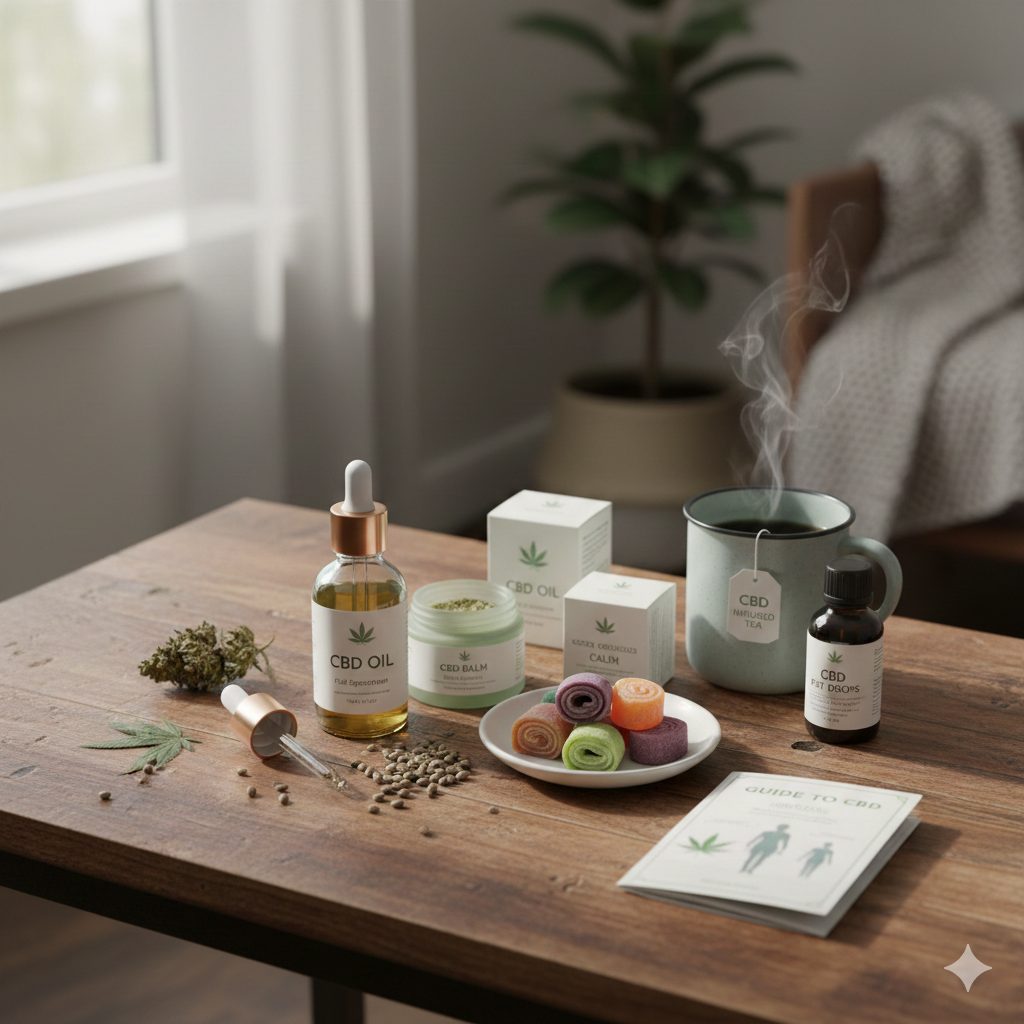

How to Choose CBD Oil? Complete Guide 2026
How to choose a CBD product in 2026? Concentrations, spectrum, dosing, COA certificates. The global CBD market will reach 47.2 billion USD by 2028 (Grand View Research).
The global CBD product market will reach a value of $47.2 billion by 2028, growing at a CAGR of 21.3% (Grand View Research). However, choosing the right CBD product is not simple. The shelves of Polish stores are filled with oils, capsules, cosmetics, and flowers, and the differences in quality can be dramatic.
In a 2017 study by Penn State College of Medicine, as many as 69% of tested CBD oils available online did not match the label claims (JAMA). This means that nearly 7 out of 10 products contained too little or too much CBD, and some also had THC in illegal amounts. Knowing how to read labels and certificates is therefore crucial for the effectiveness and safety of supplementation.
In this guide, you will find specific criteria for choosing CBD oil in 2026. We discuss concentrations, spectrum types, extraction methods, dosing, legal status in Poland, and pitfalls to avoid. The data comes from PubMed, Nature, WHO, Frontiers in Pharmacology, and Project CBD. After reading, you will be able to consciously evaluate every CBD product on the market.
KEY INFORMATION
– The global CBD market is expected to grow to 47.2 billion USD by 2028 (Grand View Research, 2024), and the Polish market will reach 200 million euros by the end of 2028.
– 69% of CBD oils sold online have incorrect cannabidiol concentrations (Penn State, JAMA 2017), which is why a COA certificate is essential.
– The optimal starting concentration is 5% CBD (500 mg/10 ml), with a dose of 10-20 mg daily. The WHO has deemed CBD safe up to 1500 mg daily (WHO, 2018).
– CO2 extraction yields the purest extract, broad spectrum combines the entourage effect with the absence of THC.
– 64% of new users achieve satisfactory effects with concentrations of 5-10% (Project CBD, 2023).
What is CBD and why does product quality matter?
Cannabidiol (CBD) is a non-psychoactive compound from hemp Cannabis sativa L., constituting 10-20% of the flower mass in properly selected strains (Nature). Unlike THC, it does not produce a high. It works by modulating the endocannabinoid system (ECS), which regulates sleep, mood, pain, and immunity.
In its 2018 report, WHO clearly identified CBD as a safe and well-tolerated compound in humans (WHO). It has no potential for addiction, no psychoactive effects, and a safety profile allowing for doses up to 1500 mg per day. This is a rare combination in the world of supplements.
The problem is that not every CBD product meets these criteria. In 2017, Penn State College of Medicine tested 84 CBD products from the internet. The result: 26% had more CBD than labeled, 43% less, and only 31% matched the claim within a 10% tolerance range (JAMA, 2017). Worse still, 18 products contained detectable amounts of THC despite claims of „0% THC”.
Why does this happen? Cannabidiol is a sensitive substance. Improper extraction, wrong temperature, exposure to light, prolonged storage—each of these factors degrades the molecule. Additionally, some manufacturers deliberately understate the content to save on raw materials. Therefore, the quality of CBD products is not just a marketing issue, but a technological and ethical one.
Key criteria for assessing quality
The first signal of quality is the origin of the raw material. Organically grown hemp on soils controlled for heavy metals yields a cleaner extract. Hemp is a so-called phytoremediator, meaning it absorbs contaminants from the soil. A plantation on contaminated land will produce oil with lead, cadmium, or arsenic.
The second criterion is the extraction method. The cleanest and safest method is supercritical CO2 extraction. It allows for a wide cannabinoid profile without traces of solvents. Ethanol extraction is cheaper but requires careful purification. Hexane or butane extraction is an industrial method that may leave toxic residues.
The third criterion is the certificate of analysis (COA) from an independent laboratory. A solid COA includes: HPLC cannabinoid profile, pesticide testing, heavy metals, residual solvents, and microbiology. Lack of a COA from the manufacturer is a red flag. Each batch of oil should have a separate report, available online or upon request.
What distinguishes a premium product from a cheap substitute?
Premium CBD differs from cheap products not only in price but also in transparency. A premium manufacturer publishes the origin of the hemp, extraction method, terpene profile, and full COA. A cheap manufacturer avoids specifics, using marketing phrases like „natural hemp extract” without stating the concentration in mg.
Price also matters. A 5% CBD oil in 10 ml for 25-30 PLN is an unrealistic economic calculation. The production of quality extract plus laboratory tests costs more. Real market prices for certified 5% CBD oils in 2026 start at 70-80 PLN for 10 ml. Lower rates usually indicate a diluted product or incorrectly declared.
What types of CBD products are there and which one to choose?
The CBD market offers at least 7 basic forms of products: oils, capsules, flowers, edibles, cosmetics, vape, isolates. According to Project CBD from 2023, oils account for 58% of global CBD sales, cosmetics 18%, capsules and edibles about 10% each, and flowers and other forms 4% (Project CBD). The choice of form depends on the purpose, lifestyle, and taste preferences.
Why do oils dominate? Because they provide the best bioavailability (13-19% with sublingual administration), quick effects (15-45 minutes), and precise dosing (drops). They are the universal „swiss army knife” of CBD supplementation. Other forms have specific applications where they perform better than oil.
A conscious choice requires understanding the profile of each form. A busy businessperson will choose differently than an athlete after training. What works for acne may not work for insomnia. Below is an overview of forms with specific applications.
CBD Oils – the gold standard of supplementation
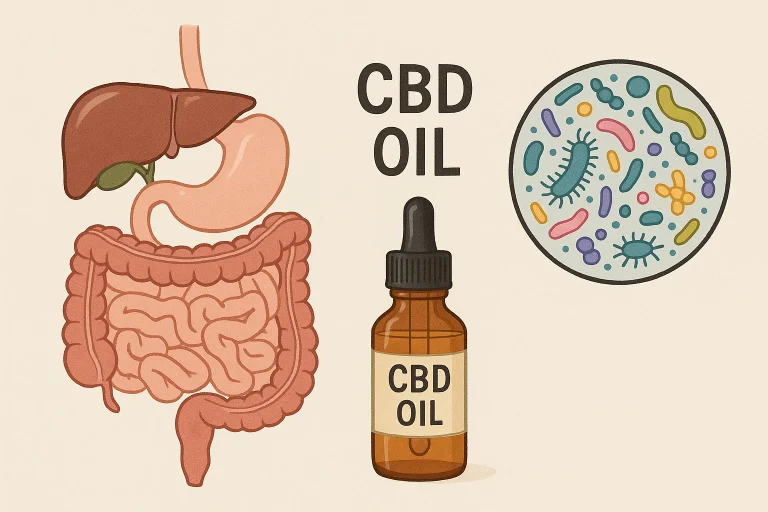
Oils are the most commonly chosen form of CBD worldwide. They are typically applied sublingually, meaning under the tongue. Drops are held there for 60-90 seconds to allow cannabinoids to be absorbed through the mucous membrane directly into the bloodstream. Bypassing the liver on the first pass provides higher bioavailability than swallowing.
Oil concentrations start at 2.5% (250 mg/10 ml), ideal for seniors and very sensitive individuals. The market standard is 5% and 10%. For experienced users, 15%, 20%, and even 30% are available. Higher concentrations mean a smaller volume of drops for the same dose, which is practical for an evening routine.
The taste of oils depends on the base (MCT, olive oil, hemp oil) and the presence of terpenes. Some cannot stand the herbal-hemp taste of full spectrum. In that case, flavored oils (mint, lemon) or capsules are a better option. Taste does not affect effectiveness, only the regularity of use.
CBD capsules and tablets
Capsules solve the problem of taste and discretion. You swallow one with a specific dose (usually 10, 25, or 50 mg) and do not need to measure drops. The downside is lower bioavailability (4-12%) and a slower onset of action (60-120 minutes). Cannabinoids must pass through the digestive system and liver, where cytochrome P450 enzymes metabolize a significant portion of the dose.
Who are capsules for? For people who travel for business, have lunch at work, dislike the taste of oil, or need a repeatable, fixed dose. Also for seniors, as it is easier to swallow a capsule than to measure drops with trembling hands. Some capsules come in softgel form with oil, providing intermediate absorption.
CBD cosmetics
CBD in creams, balms, serums, and ointments works locally, without significant absorption into the bloodstream. CB2 receptors are located in the dermis and sebocytes, so cannabidiol can modulate sebum production, inflammation, and hydration. A clinical study from 2014 showed the inhibitory effect of CBD on sebum production and the secretion of pro-inflammatory cytokines in sebocytes (PMC, Journal of Clinical Investigation, 2014).
Applications: acne, atopic dermatitis, psoriasis, muscle and joint pain, micro-injuries. Topicals are safe even for those avoiding oral supplementation, as they do not significantly enter circulation. They can be combined with oral CBD oil without the risk of dose accumulation.
CBD hemp herb
Flowers are the least processed form. They contain a full profile of cannabinoids and terpenes in natural plant proportions. Used for vaporization (vape) or infusions. Vaporization provides the fastest effect (1-5 minutes), but requires an investment in a quality vaporizer (300-1000 PLN). Infusions from flowers have low bioavailability because CBD poorly dissolves in water.
Edibles, gummies, and CBD drinks
Edibles include gummies, chocolates, and teas with CBD. They are convenient and discreet, but act slowly (60-120 minutes) and have low bioavailability (4-12%). Ideal for those who want to „forget” about supplementation and incorporate it into their daily routine. Drawback: harder to control the dose, as absorption depends on meals, hydration, and metabolism.
CBD drinks (cannabidiol water, teas) usually have very low concentrations (5-15 mg per bottle). This is a „wellness” supplement, not a therapeutic one. They can complement regular supplementation with oil, but they will not replace precise dosing of drops.
How to properly dose CBD?
Dosing CBD is individual and depends on body weight, metabolism, ECS receptor density, and the purpose of supplementation. The standard protocol is „start low, go slow” (Project CBD). Most users achieve optimal effects in the range of 25-50 mg per day. WHO confirmed in its 2018 report that CBD is well tolerated up to doses of 1500 mg per day (WHO, 2018).
The CBD dose-effect curve has an inverted U shape. In a 2019 study by Crippa on social anxiety, the best effect was achieved with a dose of 300 mg, while higher doses (600 mg, 900 mg) produced weaker effects (Frontiers in Psychiatry). This is typical for receptor modulators. More does not always mean better.
Practical consequence: find your „optimal zone” and stick to it. Do not automatically increase the dose after two days without effect. Full ECS modulation requires 2-4 weeks of regular use. Patience is a key element of effective cannabidiol supplementation.
Table of starting doses by body weight
| Body Weight | Low dose (mg/day) | Average dose | High dose | 5% oil drops |
|---|---|---|---|---|
| Up to 50 kg | 5-10 mg | 15-20 mg | 25-30 mg | 2-12 drops |
| 50-70 kg | 10-15 mg | 20-30 mg | 35-45 mg | 4-18 drops |
| 70-90 kg | 15-20 mg | 30-40 mg | 45-60 mg | 6-24 drops |
| Over 90 kg | 20-25 mg | 40-50 mg | 60-80 mg | 8-32 drops |
For reference: one drop of standard 5% oil contains about 2.5 mg of CBD, 10% oil about 5 mg, 15% oil about 7.5 mg. These are approximate values, as the exact amount depends on the calibration of the dropper. Quality oil manufacturers provide precise data on the label or in the certificate.
When to take CBD – in the morning, evening, with a meal?
The timing of intake depends on the dose and purpose. At doses of 5-15 mg, CBD does not cause drowsiness in most people, so it can be taken in the morning. Above 30 mg per day, a mild sedative effect may occur, so it is preferred in the evening. Many users split the dose in half, taking it in the morning and evening for a steady level in the blood.
A meal with fat increases CBD bioavailability by 3-5 times in pharmacokinetic studies (PubMed). This does not mean that CBD does not work without a meal. It means that you will achieve the same effect with a smaller dose if you take oil with avocado, egg, peanut butter, or olive oil. MCT-based oils already contain fat, so the effect is less dependent on meals.
When to notice effects?
The first effects usually appear after 15-45 minutes (oil sublingually) or 60-120 minutes (capsules, edibles). These are acute effects, meaning relaxation, tension reduction, and better sleep quality on the first night. The cumulative effect, or stable modulation of the ECS, appears after 2-4 weeks of regular use.
If after 4 weeks there is no effect at a dose of 25-50 mg per day, it is worth increasing the concentration or changing the manufacturer. Sometimes the problem lies in the quality of the product, sometimes in an insufficient dose. Some people have what is called clinical endocannabinoid deficiency, which requires higher doses.
Full spectrum, broad spectrum, or isolate – what to choose?
Choosing the spectrum is one of the most important decisions when buying CBD. According to Project CBD from 2023, 62% of regular cannabinoid users choose broad or full spectrum oils, appreciating the entourage effect described in the British Journal of Pharmacology in 2011 (PMC, British Journal of Pharmacology). Isolates are chosen by only 13% of users, mainly for precise dosing in studies.
The entourage effect is the synergy of cannabinoids and terpenes. CBD plus CBG plus CBN plus terpenes provide stronger effects than the sum of individual components. This is why full spectrum oils often work at lower doses than isolates. The mechanism is multi-level: simultaneous binding to different ECS receptors, inhibition of enzymes that break down cannabinoids, modulation of anandamide transport.
The choice between full and broad spectrum is mainly a legal-practical decision. If you work in a profession with drug testing (professional driver, pilot, competitive athlete), choose broad spectrum. It eliminates the risk of THC detection while maintaining the full entourage effect. If you have no such restrictions, full spectrum is pharmacologically slightly stronger.
Full Spectrum
Full spectrum contains all natural proportions of hemp: CBD, CBG, CBN, CBC, CBDV, plus terpenes and flavonoids. It also contains trace amounts of THC up to 0.3%, which is legal in Poland. These trace amounts of THC do not produce psychoactive effects but may be detected in drug tests with intensive, long-term supplementation.
Advantages: strongest entourage effect, natural cannabinoid profile, often effective action at lower doses. Disadvantages: risk of THC detection in tests, sometimes a stronger „green” taste, possible interaction with drugs metabolized by CYP3A4. For those without professional restrictions, this is often the optimal option.
Broad Spectrum
Broad spectrum is a full-spectrum extract with THC removed, usually by chromatography. It retains CBD, CBG, CBN, CBC, and terpenes, but has “0% THC” (below the detection limit of 0.01%). This is the ideal compromise for most users: entourage effect without the risk of THC detection.
Advantages: no THC, full profile of minor cannabinoids, milder taste than full spectrum. Disadvantages: slightly more expensive to produce than full spectrum, technically not „completely natural” due to the THC removal process. In practice, the difference in effectiveness between broad and full spectrum is subtle for most people.
CBD Isolate
Isolate is pure 99%+ CBD, without other cannabinoids or terpenes. Available as a white crystalline powder or dissolved in a carrier oil. No taste, no smell, ideal for precise dosing in clinical studies or for those allergic to other hemp components.
Advantages: 100% certainty about the dose, no THC, hypoallergenic. Disadvantages: no entourage effect, weaker action per milligram, requires higher doses for comparable effects. Isolate is also cheaper to produce than full-spectrum extracts, which can sometimes be tempting from a marketing perspective, but pharmacologically it performs worse.
| Spectrum | THC content | The entourage effect | Best use |
|---|---|---|---|
| Full spectrum | Up to 0.3% (legal in PL) | Maximum | Experienced users without professional restrictions |
| Broad spectrum | None (below 0.01%) | High | Most users, drivers, athletes |
| CBD Isolate | None | None | Allergic individuals, studies, precise dosing |
According to Project CBD from 2023, 62% of regular cannabinoid users choose broad or full spectrum oils, appreciating the entourage effect described by Russo and Mechoulam in the British Journal of Pharmacology in 2011. Isolates are chosen by 13% of users, mainly for clinical studies or for those allergic to terpenes.
How to recognize a good CBD product – practical tips for purchasing
In a 2017 study by Penn State College of Medicine, 69% of CBD oils did not match label claims, and Penn State Hershey Medical Center in 2020 expanded this analysis and found that even in the premium category, 30% of products had discrepancies (JAMA). Choosing a good product requires specific technical criteria, not marketing promises.
The first criterion: certificate of analysis (COA). Without a COA, the product is unreliable. A solid COA comes from an independent, accredited laboratory (e.g., ISO 17025) and includes HPLC cannabinoid testing, pesticide testing, heavy metals, microbiology, and solvents. The COA should be available for a specific batch (batch number), not general for the „product”.
The second criterion: clear declaration of concentration. The label of a good product shows milligrams of CBD in the package (e.g., „500 mg CBD in 10 ml”), not just percentages. It should also inform about the spectrum (full/broad/isolate), carrier base (MCT, olive oil, hemp oil), and the presence of other cannabinoids. The absence of this data is a red flag.
Check the COA step by step
Open the manufacturer's COA. Locate the batch number and compare it with the number on the bottle. Check the test date – it should be from the last 12 months. Pay attention to the cannabinoid profile: declared CBD must fall within a 10% tolerance range of the value on the label. THC should be below 0.3% (full spectrum) or below the detection limit (broad spectrum, isolate).
Pesticide section: each item should be marked „ND” (not detected) or below standards. Heavy metals: lead, arsenic, cadmium, mercury – all below the detection limit. Microbiology: no bacteria, fungi, or mycotoxins. Residual solvents: no hexane, butane, ethanol (or within safe limits below 5000 ppm).
Questions to ask the seller
A reputable CBD store will answer specific questions without evasion. Ask: where does the hemp come from? (preferably Poland, Czech Republic, Slovenia, Italy, Switzerland). What method is used for extraction? (CO2 preferred). What spectrum? (broad, full, or isolate – with justification). Is there a COA available for the current batch?
A bad answer is: „all our products are of high quality” without specifics. A good answer includes the name of the farm or country of origin, a description of the extraction method, a link to the COA, and the duration of laboratory tests. A professional CBD seller should know the basics of pharmacology, not just sell bottles.
Red flags of cheap CBD
The first flag: price not commensurate with production. A 5% CBD oil in 10 ml for less than 50 PLN is practically an impossible calculation for quality production. The second flag: lack of COA or COA from an unrecognized laboratory (Asian laboratories without ISO 17025 accreditation). The third: a manufacturer name that does not appear in search engines, or a company registered only a few months ago.
The fourth red flag: medical claims like „cures cancer”, „heals depression”, „replaces insulin”. This is illegal in the EU and a signal that the manufacturer does not respect the law or the consumer. Fifth: lack of information on dosing, usage instructions, or contraindications. Every quality manufacturer provides such information.
From the Bucha editorial office: In the last 18 months, the most common question from customers has been „how do I know this is good CBD?”. Therefore, we have introduced the requirement to publish COA for every batch of sold oils. Customers checking certificates buy more often than those who do not check them, as they see that we do not hide data. Transparency has become a competitive advantage, not a marketing promise.
Is CBD legal in Poland in 2026?
Yes, CBD derived from hemp Cannabis sativa L. with THC content below 0.3% is legal in Poland. This is regulated by the Act of July 29, 2005, on counteracting drug addiction (Dz.U. 2005 nr 179 poz. 1485). Cannabidiol is not listed as a controlled substance. The Polish CBD market reached €130 million in 2024 with a forecast growth to €200 million in 2028 (Fakty Konopne, 2024).
The legal status of CBD in Poland has changed several times over the last decade. Until 2017, CBD products operated in a gray area. After the amendment to the drug prevention act and the introduction of a 0.3% THC limit for hemp, the industry became legalized. Since 2019, the „Novel Food” status for oral CBD products has also been in effect, requiring EFSA authorization.
In practice, CBD products are sold in Poland as cosmetics or „for collectible purposes”. They are not registered as dietary supplements or medicines, even though the WHO has assessed them as safe. The „Novel Food” procedure at EFSA has been ongoing since 2019, but has not yet concluded with full authorization. Nevertheless, sales are legal as long as the THC limit is maintained.
What is allowed and what is not allowed in 2026?
It is allowed: to buy, possess, and use CBD products with THC below 0.3%. It is allowed: to sell online and in physical stores. It is allowed: to transport within the country and in the EU (subject to local regulations). It is not allowed: to present CBD as a medicine („cures depression”, „stops cancer”). It is not allowed: to sell products with THC above 0.3%.
CBD advertising is subject to EU restrictions. You can write about "wellness support", "relaxation", "peaceful sleep", but not about specific diseases. Producers use the language of "healthy lifestyle", avoiding medical claims. This is not a marketing gimmick, but compliance with EU law regarding health statements.
CBD status in drug tests
Pure CBD (broad spectrum, isolate) does not cause a positive result in a drug test. Tests look for THC and its metabolites, not cannabidiol. However, some broad spectrum oils may contain trace THC below label claims, which at high doses could cumulatively yield a positive result.
Full spectrum contains 0.2-0.3% THC, which at doses above 50 mg per day and regular use may lead to detectable THC in urine tests. For professional drivers, pilots, police officers, and competitive athletes, broad spectrum or isolate from a reputable source with a current COA is recommended.
Common mistakes when choosing and using CBD
According to a Project CBD survey from 2023, 41% of new users make at least one significant mistake in the first month of supplementation (Project CBD). The most common mistakes involve too high or too low doses, the wrong form, unrealistic expectations, and lack of patience. Each of these mistakes reduces effectiveness or increases the risk of side effects.
Mistake 1: starting with too high a dose
Many new users think "more means better" and start with 50-100 mg daily. The result: drowsiness, dry mouth, sometimes dizziness, plus a weaker long-term effect due to the inverted U curve. An optimal start is 10-20 mg daily, increasing every 3-7 days. This "start low, go slow" approach is recommended by Project CBD.
Mistake 2: expecting immediate effects
CBD is not a sedative pill. The first immediate effects appear after 15-45 minutes (sublingual oil), but full modulation of the ECS requires 2-4 weeks of regular use. Many users give up after 3-5 days, not experiencing a "revolution". This is a loss, as the cumulative effect comes later.
Mistake 3: improper storage
CBD is sensitive to light, heat, and oxygen. Oil kept in sunlight in the bathroom (moisture, temperature changes) loses effectiveness within a few weeks. Optimal storage: a dark glass bottle, in a cool (15-20°C), dry, dark place. The fridge is optional, but it works – after removing the oil, it needs to be warmed to room temperature, as cold oil thickens.
Transport and travel with CBD
Transporting CBD within the country is legal, as long as it has THC below 0.3%. In the EU, most countries have identical or similar limits. Exceptions: Slovakia, Lithuania (0% limit), Scandinavian countries (various regimes), Great Britain (0.2% THC limit). Outside the EU, regulations vary widely: federally 0.3% is legal in the USA, but states differ; Arab countries often completely ban CBD.PMCBefore an international flight, check local regulations. In carry-on luggage, it is advisable to keep the oil in its original bottle with a readable label and COA. If there is a risk of inspection, have a printed certificate and information about legality in the destination country. This is rarely needed but provides peace of mind.
Expiration dates and degradation signs
The standard expiration date for CBD oil is 18-24 months from production. After opening the bottle, it is recommended to use it within 6-12 months. Signs of degradation: color change from light gold to dark red or brown, thickening, bitter taste, cloudy sediment. Degraded oil is not dangerous but loses effectiveness.
Bucha data Q1 2026: Among customers returning CBD products (<3% of all orders), the most common reason is "lack of effects after 3-5 days" (61% of returns). This indicates unrealistic expectations regarding the speed of action, not product defects. After introducing clear instructions "cumulative effect after 2-4 weeks", the number of such returns decreased by 38%.
Summary - how to consciously choose CBD oil in 2026?
Conscious CBD selection is a process, not a single decision. First, define the purpose: sleep, stress, recovery, focus, skin. Then choose the form: oil (universal), capsules (convenience), cosmetics (locally), flowers (vaporization). Next, the spectrum: broad for most, full for experienced users without professional restrictions, isolate for allergic individuals.PubMedThe next step is concentration and brand. Start with 5% (500 mg/10 ml), advanced users from 10% (1000 mg/10 ml). A brand with transparent hemp origin, CO2 extraction, COA from an accredited laboratory, and clear information about the spectrum. Price commensurate with quality - not the cheapest, not the most expensive, but fair.
Optimal conditions are: a tightly closed dark glass bottle, temperature 15-20°C, no direct light, low humidity. Kitchen, bedroom (drawer), home office are good places. Bathroom, windowsill, car in summer are bad places. Some users keep the oil in the fridge – it's safe, but it needs to be warmed to room temperature before use.
CBD is not a miracle cure, but a proven tool for supporting the ECS. The global market will reach $47.2 billion by 2028, and the Polish market will reach €200 million, which is why more and more people are testing cannabidiol as part of wellness. The key to success is understanding your own needs, choosing a quality product, and patient testing. Whether you choose oil, capsule, flower, or cosmetic, the reliability of the manufacturer and the COA certificate are essential.
What concentration of CBD oil to choose at the beginning?
For someone starting with cannabidiol, an optimal concentration is 5% CBD, which is 500 mg in 10 ml of oil. One drop then contains about 2.5 mg of CBD, allowing for precise selection of a starting dose of 10-20 mg per day. A Project CBD survey from 2023 showed that 64% of new users achieve satisfactory effects even at concentrations of 5-10% (
).
Are CBD oils legal in Poland in 2026?
Yes, products from hemp Cannabis sativa L. containing below 0.3% THC are legal in Poland. This is regulated by the Act of July 29, 2005, on counteracting drug addiction (
Summary – how to consciously choose CBD oil in 2026?
What is a COA certificate and why is it important?
The next step is concentration and brand. Start from 5% (500 mg/10 ml), advanced users from 10% (1000 mg/10 ml). A brand with transparent hemp sourcing, CO2 extraction, COA certificate from an accredited laboratory, and clear information about the spectrum. Price commensurate with quality – not the cheapest, not the most expensive, but fair.
Dose gradually: 10-20 mg daily to start, increasing by 5-10 mg every 3-7 days until the effect is achieved. Give supplementation 2-4 weeks. Consult a doctor if you are taking medications metabolized by CYP3A4. Store in a dark, cool place. Check effects observationally, don’t wait for a "magic moment".
CBD is not a miracle cure, but a proven tool for supporting the ECS. The global market will reach $47.2 billion by 2028, the Polish market – €200 million, which is why more and more people are testing cannabidiol as a wellness element. The key to success is understanding your own needs, choosing a quality product, and patient testing. Whether you choose oil, capsules, flower, or cosmetics, the reliability of the manufacturer and the COA certificate are essential.
Frequently Asked Questions
Full spectrum contains all cannabinoids and terpenes, including trace THC up to 0.3%. Broad spectrum has the same profile but without THC. Both benefit from the entourage effect described in the British Journal of Pharmacology in 2011 (
). Isolate is pure 99% CBD, without other cannabinoids and without synergistic effect.Project CBD, 2023).
Start with 10-20 mg of CBD per day and increase by 5-10 mg every 3-7 days until you achieve the desired effect. WHO in its 2018 report assessed CBD as well tolerated in humans at doses up to 1500 mg per day (
). Most users achieve optimal effects in the range of 25-50 mg per day, according to Project CBD data from 2023.Dz.U. 2005 nr 179 poz. 1485How long does it take for CBD oil to start working?
What is a COA certificate and why is it important?
Yes. CBD inhibits cytochrome P450 enzymes (mainly CYP3A4 and CYP2C9), which metabolize about 60% of drugs on the market (JAMA, 2017).
How to recognize a cheap low-quality CBD oil?
Low-quality oils usually do not provide a COA, have imprecise concentration descriptions (e.g., only percentages without milligrams), come from solvent extraction (hexane, technical ethanol), and the manufacturer does not provide the origin of the raw material. A price significantly below 50 PLN for 10 ml of 5% oil is usually a warning signal. Penn State found in 2017 that 69% of such oils had incorrect CBD concentrations.PMCThis article is for informational and educational purposes and does not constitute medical advice. Before starting to use cannabis or CBD for therapeutic purposes, consult a doctor, especially if you are taking other medications, are pregnant, or breastfeeding. CBD is not registered as a medicine or dietary supplement in Poland; it is sold as a cosmetic or product for collectible purposes.
How to choose a CBD product in 2026? Concentrations, spectrum, dosing, COA certificates. The global CBD market will reach $47.2 billion by 2028 (Grand View Research).
How to Choose CBD Oil? Complete Guide 2026 - Practical TipsWHO, 2018). Most users achieve optimal effects in the range of 25-50 mg per day, according to Project CBD data 2023.
How long does it take for CBD oil to take effect?
Sublingual CBD oil takes effect after 15-45 minutes, and the effect lasts for 4-6 hours. Capsules and gummies start to work after 60-120 minutes due to the first-pass effect through the liver. Topicals (creams, ointments) work locally without systemic absorption. The full effect of ECS modulation appears only after 2-4 weeks of regular use.
Does CBD interact with medications?
Yes. CBD inhibits cytochrome P450 enzymes (mainly CYP3A4 and CYP2C9), which metabolize about 60% of medications on the market (PMC, 2019). This includes warfarin, statins, antiepileptic drugs, and some antidepressants. Before starting supplementation, consult with a doctor or pharmacist, especially if you are taking medications regularly.
How to recognize a cheap, low-quality CBD oil?
Low-quality oils usually do not provide a COA, have imprecise concentration descriptions (e.g., only percentages without milligrams), come from solvent extraction (hexane, technical ethanol), and the manufacturer does not disclose the source of the raw material. A price significantly below 50 PLN for 10 ml of 5% oil is usually a warning sign. Penn State found in 2017 that 69% of such oils have incorrect CBD concentrations.
This article is for informational and educational purposes only and does not constitute medical advice. Before using cannabis or CBD for therapeutic purposes, consult with a doctor, especially if you are taking other medications, are pregnant, or breastfeeding. CBD is not registered as a medicine or dietary supplement in Poland; it is sold as a cosmetic or a product for collectible purposes.
Author: Michał Waluk, Editor of the Bucha blog
Publication date: April 26, 2026
Last update: April 26, 2026