
CBD in the diet – New recipes and culinary trends
CBD in the diet – New recipes and culinary trends
In 2025, CBD (cannabidiol) is becoming one of the hottest trends in the culinary world, appearing in a growing number of food products—from energy drinks to chocolates to gummies. In Europe, including Poland, consumers and producers are enthusiastically discovering the possibilities offered by this non-psychoactive compound derived from hemp. CBD in diets is gaining popularity thanks to its potential relaxation and anti-stress properties, but new EU regulations introduce both opportunities and challenges for the market. In this article, we'll explore why CBD is so popular in the culinary world, the legal changes that will take place in 2025, how to safely incorporate CBD into your diet, and we'll propose two simple recipes for smoothies and chocolate truffles infused with CBD.
Why is CBD in the diet popular?
CBD is winning consumers' hearts in 2025, becoming a key ingredient in food products that combine taste with potential wellness benefits. In Europe, including Poland, we're seeing growing interest in CBD in diets, fueled by the wellness trend and the search for natural alternatives to traditional supplements. Products such as CBD-infused drinks, chocolates, gummies, and protein bars infused with cannabidiol are gaining popularity among people looking to relieve tension, improve sleep quality, or simply try something new. The global CBD market, including the food segment, is growing rapidly – according to market data, its value is expected to increase from $9.14 billion in 2024 to 2030 at a CAGR of 15,601 t/m³.
In Poland, where CBD is legal provided the THC content is below 0.31 TP3T, consumers are increasingly turning to cannabidiol-infused edibles, seeing them as a way to relax in their daily lives. Culinary trends are shifting toward simple, tasty, and functional recipes—from CBD-infused coffee to oatmeal and smoothies that can be easily prepared at home.
New EU regulations in 2025
In Europe, CBD in food is strictly regulated as a "novel food" because it was not widely consumed in the EU before 1997. In 2025, the European Food Safety Authority (EFSA) resumed its evaluation of applications for CBD as a novel food, a breakthrough after previous suspensions due to lack of safety data. In mid-2022, EFSA suspended 19 applications, citing lack of data on CBD's effects on the liver, nervous system, and reproductive system. However, in 2025, the first approvals for CBD supplements began to be granted, opening the door to new food products.
In Poland, as in other EU countries, CBD products must contain less than 0.31 TP3T THC, and producers are required to adhere to strict safety and labeling standards. New EU regulations aim to harmonize the market, which may facilitate cross-border trade, but they also require companies to conduct detailed safety tests. This means greater certainty for consumers about product quality, but also a potential price increase due to additional production costs.
CBD Culinary Trends
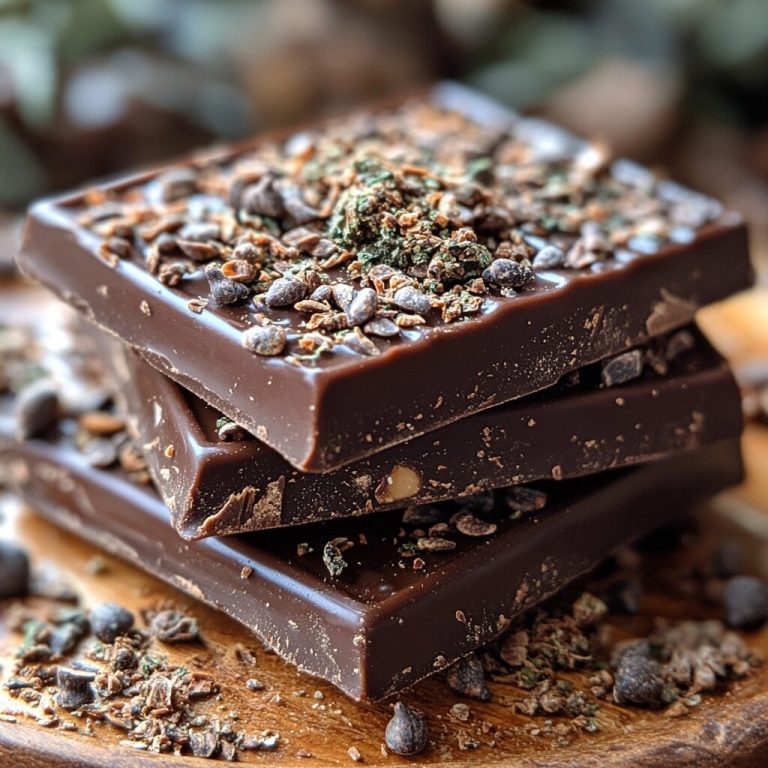
In 2025, CBD is ubiquitous in kitchens worldwide, and culinary trends are shifting toward simple, delicious, and functional recipes. CBD-infused beverages, such as coffee, tea, and energy drinks, are popular, combining the relaxing properties of cannabidiol with daily rituals. Chocolates and gummies with CBD dominate the sweets scene, while smoothies and oatmeals infused with CBD oil dominate the breakfast category. In Europe, interest in "ready-to-eat" products, such as CBD protein bars, is growing, combining health benefits with convenience. In Poland, consumers are experimenting with homemade recipes, adding CBD to fruit smoothies, salad dressings, and homemade baked goods.
How to safely incorporate CBD into your diet?
CBD is fat-soluble, meaning it's best absorbed when consumed with fats like coconut oil, butter, or milk. Safe doses, according to research, range from 10 to 100 mg per day, but it's worth starting with a smaller amount (e.g., 5-10 mg) and observing your body's response. Excessive consumption (over 300 mg per day) can cause side effects such as fatigue, dry mouth, and drug interactions, so moderation is key.
Tips:
- Choose products with laboratory certificates that confirm the absence of THC and the safety of the ingredients.
- Avoid cooking at high temperatures (above 160°C) as this can degrade the CBD – no-bake recipes are better.
- Consult your doctor if you are taking medications, especially those metabolized by the liver (e.g., for blood pressure).
CBD Recipes
Here are two simple recipes that will allow you to introduce CBD into your diet in a tasty and safe way:
CBD and Berry Smoothie
Ingredients (1 serving):
- 1 cup frozen blueberries
- 1 banana
- 1/2 cup of coconut milk
- 1 tablespoon almond butter
- 5-10 mg CBD oil (1-2 drops of standard 500 mg oil)
- 1 teaspoon honey (optional)
Preparation:
- In a blender, blend the blueberries, banana, coconut milk, and almond butter until smooth.
- Add CBD oil and honey for added sweetness and blend for another 5 seconds.
- Pour into a glass and enjoy a relaxing smoothie, perfect for breakfast or after a workout.
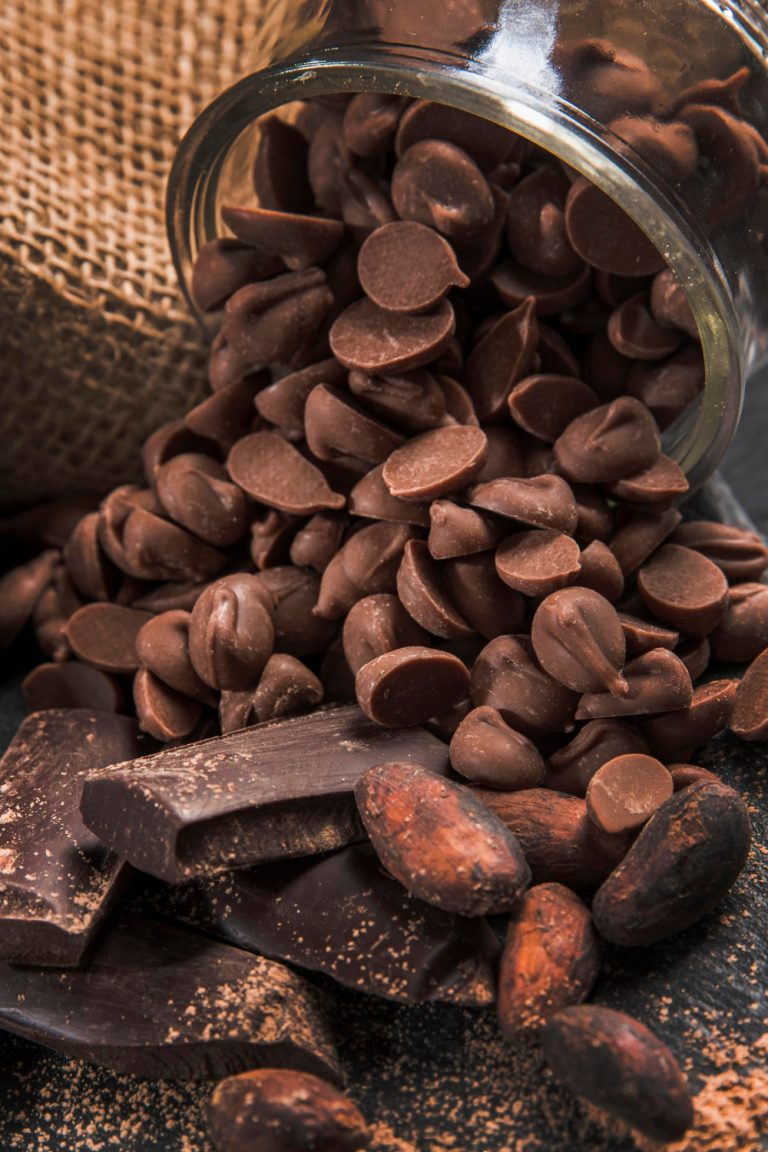
Chocolate CBD Truffles
Ingredients (10-12 truffles):
- 100 g dark chocolate (min. 70% cocoa)
- 1/4 cup coconut cream
- 1 teaspoon vanilla extract
- 20 mg CBD oil (4-5 drops of standard 500 mg oil)
- Cocoa powder for coating
Preparation:
- Melt the chocolate in a water bath, add the coconut cream and mix until smooth.
- Add vanilla extract and CBD oil, mix thoroughly and refrigerate for 1-2 hours until the mixture hardens.
- Form small balls (1 teaspoon of mixture per truffle), roll them in cocoa and store in the refrigerator.
- Eat 1-2 truffles a day to enjoy the subtle relaxing effect and chocolate flavor.
The impact of regulation on the market
New EU regulations in 2025 have two effects. On the one hand, harmonization of regulations makes it easier for manufacturers to introduce products to the European market, increasing the availability of CBD in Poland. The first EFSA approvals for CBD supplements open the door to new food products such as beverages and snacks. On the other hand, stringent safety requirements increase production costs, which may translate into higher prices for consumers. In Poland, the CBD food market is still in its infancy, but growing public acceptance and interest in functional products point to a promising future. As regulations become clearer, we can expect more innovative culinary products with CBD on shelves.
CBD in the diet is one of the most exciting culinary trends of 2025, combining flavor with potential relaxation benefits. New EU regulations introduce greater transparency but also create challenges for producers, potentially impacting pricing and availability. With simple recipes like blueberry smoothies or chocolate truffles, you can safely experiment with CBD in your kitchen, enjoying both the flavor and the subtle effects of cannabidiol. However, it's crucial to choose high-quality products and follow dosage recommendations to fully enjoy all that CBD has to offer.