
Cocoa – a natural ally of long life and excellent memory
Cocoa and flavanols - RCT evidence for lowering blood pressure (Cochrane 2017), improving memory (Mastroiacovo 2015), and supporting metabolism. A practical guide to dosing and selection.
Key information about cocoa and its properties
- Short answer: Raw cocoa (Theobroma cacao) is an exceptional source of flavanols (epicatechin, catechin, procyanidins), theobromine, and magnesium, with documented cardioprotective, neurocognitive, and anti-inflammatory effects.
- Effective dose: 30-40 g of dark chocolate 70-85% or 1-2 tablespoons of raw cocoa daily provides 200-400 mg of flavanols, which is the range studied in randomized clinical trials (Ried 2017, Cochrane).
- RCT benefits: a reduction in blood pressure by 2-3 mmHg, improvement in endothelial function, improvement in episodic memory in seniors (Mastroiacovo 2015) and increased hippocampal perfusion (Sloan 2018).
- Safety: theobromine is toxic to dogs and cats; dark chocolate can be contaminated with cadmium/lead (ConsumerLab 2023), choose certified products.
- Disclaimer: cocoa is food, not medicine. Consult a doctor if you have heart disease, diabetes, or are pregnant.
Can a cup of real cocoa actually affect blood pressure and memory? Increasingly strong data suggests that it can. A 2017 Cochrane meta-analysis, which included 35 randomized studies and 1804 participants, showed that cocoa flavanols lower systolic blood pressure by an average of 1.76 mmHg and diastolic by 1.76 mmHg compared to placebo (Ried et al., Cochrane Database 2017). This effect is similar to that of a moderate dietary intervention.
In this guide, I take a look at cocoa without the marketing hype. I show how raw beans differ from milk chocolate bars, what compounds are at work, how much you really need to eat to feel the effect, and which traps to avoid. This text is for those who want to base their dietary decisions on data, not on packaging marketing.
Why is cocoa called the food of the gods?
Cocoa received its botanical name Theobroma cacao, which in Greek means "food of the gods." The classification was given by Carl Linnaeus in 1753, but the title of divine drink was already bestowed upon it by the Aztecs, who treated the beans as currency and a part of rituals. Today, global cocoa production exceeds 5 million tons annually (ICCO, 2023), and cultivation still concentrates in the equatorial belt.
Olmecs, Mayans, and Aztecs: 3500 years of history
The first traces of cocoa bean fermentation are found by archaeologists in Olmec vessels dated to around 1500 BC, in present-day Mexico. The Mayans drank cocoa as a bitter, spicy beverage called chocolha. The Aztecs called it xocoatl, combining it with chili, vanilla, and achiote, serving it to warriors before battles and to priests during ceremonies.
The beans also served as money: for 100 cocoa beans, one could buy a slave, for 30, a turkey. According to chronicles, Montezuma II reportedly drank as many as 50 cups daily xocoatl foamed with a special wooden whisk.
Spanish conquest and the European sweet revolution
In 1528, Hernán Cortés brought cocoa beans to Spain. The Spaniards quickly added cane sugar, cinnamon, and vanilla to the bitter drink, creating the prototype of modern drinking chocolate. For two hundred years, the Madrid court guarded the recipe until the drink conquered Versailles and London in the 17th century.
A true explosion of popularity occurred in the 19th century. Dutchman Coenraad van Houten patented a press in 1828 that separated cocoa butter from the powder, enabling the production of powdered cocoa and, later, mass-produced bars. Daniel Peter added milk (1875), Rodolphe Lindt developed conching (1879), and Cadbury, Ferrero, and other families built industrial empires on this.
What bioactive compounds make cocoa effective?
Cocoa contains over 700 identified compounds, but documented health effects are attributed to a dozen or so. Raw beans contain 6-8% flavanols based on dry mass (EFSA Journal, 2012), 1-2% theobromine, and an exceptionally high portion of magnesium, zinc, and copper for food.
Flavanols: epicatechin and procyanidins
The main cocoa flavanols are (-)-epicatechin, (+)-catechin, and polymers called procyanidins. Epicatechin activates endothelial nitric oxide synthase (eNOS), increasing NO production in blood vessels. Nitric oxide dilates blood vessels, lowers pressure, and improves tissue perfusion, including in the brain.
In 2012, EFSA approved a health claim: 200 mg of cocoa flavanols daily helps maintain normal vascular elasticity, supporting proper blood flow. This is the first and one of very few positive EFSA rulings regarding a food ingredient.
Theobromine: the milder sister of caffeine
Theobromine is a methylxanthine alkaloid, structurally related to caffeine. In 100 g of raw cocoa, there are 1500-2500 mg of theobromine and significantly less caffeine (50-200 mg). It acts as a mild stimulant, dilates bronchi, has a diuretic effect, and is cardiotonic.
Unlike caffeine, theobromine does not cause sudden energy spikes. Its half-life is about 7-12 hours, so it acts steadily and for a long time. Therefore, cocoa does not produce the typical energy "crash," but evening doses may disrupt sleep in sensitive individuals.
Anandamide: an endogenous cannabinoid in food
In 1996, a team led by Daniele Piomelli from San Diego published a groundbreaking discovery in Nature: cocoa beans contain anandamide, the same endocannabinoid that our body produces on its own and which binds to CB1 receptors in the brain (di Tomaso, Beltramo, Piomelli, Nature 1996).
Cocoa also contains compounds that block the breakdown of anandamide (N-oleoylethanolamide, N-linoleoylethanolamide), so it acts doubly: it provides an endocannabinoid and prolongs its effect. This is one of the mechanisms behind the mild euphoria after good chocolate. This profile explains why people using cocoa along with phytocannabinoids from hemp, such as CBD or CBG, describe the effect as more harmonious than when using each separately.
Phenylethylamine, magnesium, and trace elements
Phenylethylamine (PEA) is sometimes called the "molecule of love" because our brain produces it in states of infatuation and euphoria. However, PEA from cocoa is quickly metabolized by monoamine oxidase B in the intestines, so very little reaches the brain. The mood effect of cocoa is rather a synergy of anandamide, theobromine, NO, and sensory context.
100 g of raw cocoa powder provides 400-500 mg of magnesium (over 100% of daily requirement), 13-15 mg of iron, 6-7 mg of zinc, and a record 3-4 mg of copper. In terms of magnesium density, cocoa is one of the richest foods in the world, surpassed only by some algae and bran.
How does cocoa affect the heart and blood pressure?
The most strongly documented benefits of cocoa relate to the cardiovascular system. The aforementioned Cochrane meta-analysis from 2017 showed that short-term consumption of cocoa flavanols lowers blood pressure by an average of 1.76 mmHg, and in subgroups of people with hypertension, even by 4 mmHg (Ried et al., Cochrane 2017). This effect is comparable to reducing salt in the diet.
Mechanism: nitric oxide and endothelial function
Epicatechin activates eNOS, an enzyme that produces nitric oxide in endothelial cells. NO signals smooth muscle in the arterial walls to relax. Blood vessels dilate, peripheral resistance decreases, and pressure drops. This mechanism has been confirmed in studies measuring brachial artery reactivity (FMD) and pulse wave velocity.
The European Society of Cardiology in its 2021 prevention guidelines lists flavonoids from cocoa and tea as components of a diet supporting heart health, although it does not recommend them as a therapeutic intervention (ESC Guidelines, European Heart Journal 2021).
Lipid profile and platelet aggregation
Regular consumption of 30-50 g of dark chocolate daily lowers LDL cholesterol by about 6-8 mg/dl and raises HDL by 2-4 mg/dl in 4-12 week trials. Additionally, flavanols inhibit platelet aggregation in a mechanism similar to aspirin, although much weaker, which translates to a lower tendency to form clots.
The Cochrane meta-analysis (Ried, 2017) on 1804 participants from 35 RCTs showed that consumption of 30-1218 mg of cocoa flavanols daily lowers systolic pressure by 1.76 mmHg (95% CI -2.76 to -0.76) and improves endothelial function measured by FMD. The effect lasted 2-18 weeks.
Does cocoa really improve memory and brain function?
Yes, but only cocoa rich in flavanols and only at the right dose. A randomized study by Mastroiacovo's team from 2015 showed that older adults with mild cognitive impairment taking 520 or 993 mg of cocoa flavanols daily for 8 weeks had significant improvements in verbal memory and visuospatial ability (Mastroiacovo et al., American Journal of Clinical Nutrition 2015).
Hippocampus and cerebral hemorrhage
Adam Brickman and Richard Sloan from Columbia University used a high-flavanol cocoa beverage (900 mg/d, 12 weeks) and fMRI imaging in a group of healthy adults aged 50-69. They observed increased blood flow in the dentate gyrus of the hippocampus and better performance in episodic memory tests, which corresponded to a reversal of about 30 years of aging in participants (Sloan et al., Scientific Reports 2018).
The mechanism involves increased NO production and better perfusion, as well as the effect of flavanols on BDNF, or brain-derived neurotrophic factor. This is the molecular basis of neuroplasticity, or the brain's ability to form new connections.
Acute effects: concentration and mood
Acute studies show that a single dose of 250-500 mg of cocoa flavanols improves reaction time in attention tests within 1-2 hours, and the effect lasts 3-6 hours. This mainly applies to tasks requiring rapid processing and divided attention, such as pattern recognition, counting backward, or responding to stimuli.
From my own practice, I observe that a tablespoon of raw cocoa in a morning smoothie provides stable, non-sharp concentration without the nervous stimulation that comes with strong coffee on an empty stomach. The effect builds up over 30-60 minutes and lasts throughout the morning.
How does cocoa support metabolism and insulin sensitivity?
Cocoa flavanols improve tissue sensitivity to insulin, reducing the risk of type 2 diabetes. A classic study by Davide Grassi's team from 2008 showed that people with hypertension consuming 100 g of dark chocolate (1008 mg of flavanols) for 15 days had an 18% improvement in HOMA index and significantly lower glucose levels after a load (Grassi et al., Journal of Nutrition 2008).
Insulin sensitivity, glucose, and HbA1c
The mechanism involves the inhibition of alpha-glucosidase, better glucose uptake by muscles due to increased perfusion, and activation of the AMPK pathway in liver cells. Meta-analyses from 2017-2022 observed a moderate reduction in HbA1c by 0.1-0.3 percentage points in insulin-resistant individuals.
Inflammation and CRP markers
Dark chocolate lowers high-sensitivity C-reactive protein (hs-CRP) by 10-20% in randomized trials. Procyanidins and theobromine inhibit the production of pro-inflammatory cytokines (IL-6, TNF-alpha) and support the gut microbiome, which produces short-chain fatty acids with anti-inflammatory effects.
Why do athletes reach for cocoa?
Cocoa is gaining status as functional food in endurance sports. A systematic review by de la Fuente's team from 2024 gathered 18 RCTs assessing cocoa flavanol supplementation before exercise; in most protocols, improved endothelial function after exercise, lower oxidative stress, and slight ergogenic support were observed in trials lasting over 30 minutes (de la Fuente et al., Nutrients 2024).
Post-exercise recovery
After intense training, cocoa milk has become a popular recovery drink due to its carbohydrate-to-protein ratio of 3:1 and the addition of flavanols. Studies on runners show similar effectiveness to commercial recovery drinks, at a significantly lower price and better flavor profile.
Nitric oxide and exercise tolerance
Increased bioavailability of NO reduces the oxygen cost of submaximal exercise by 1-3%, similar to supplementation with beet juice. The effect is small, but for regular trainers, it can mean a minute better time in a half marathon or easier conversation during runs.
How to choose good cocoa and dark chocolate?
The most important parameters are cocoa percentage, processing method, and bean origin. According to ConsumerLab tests from 2023, the flavanol content in popular dark chocolates 70-85% varies up to 6 times between brands, from 100 to over 600 mg per 100 g (ConsumerLab Dark Chocolate Report 2023). The label "dark" is not enough.
Cocoa percentage and flavanols
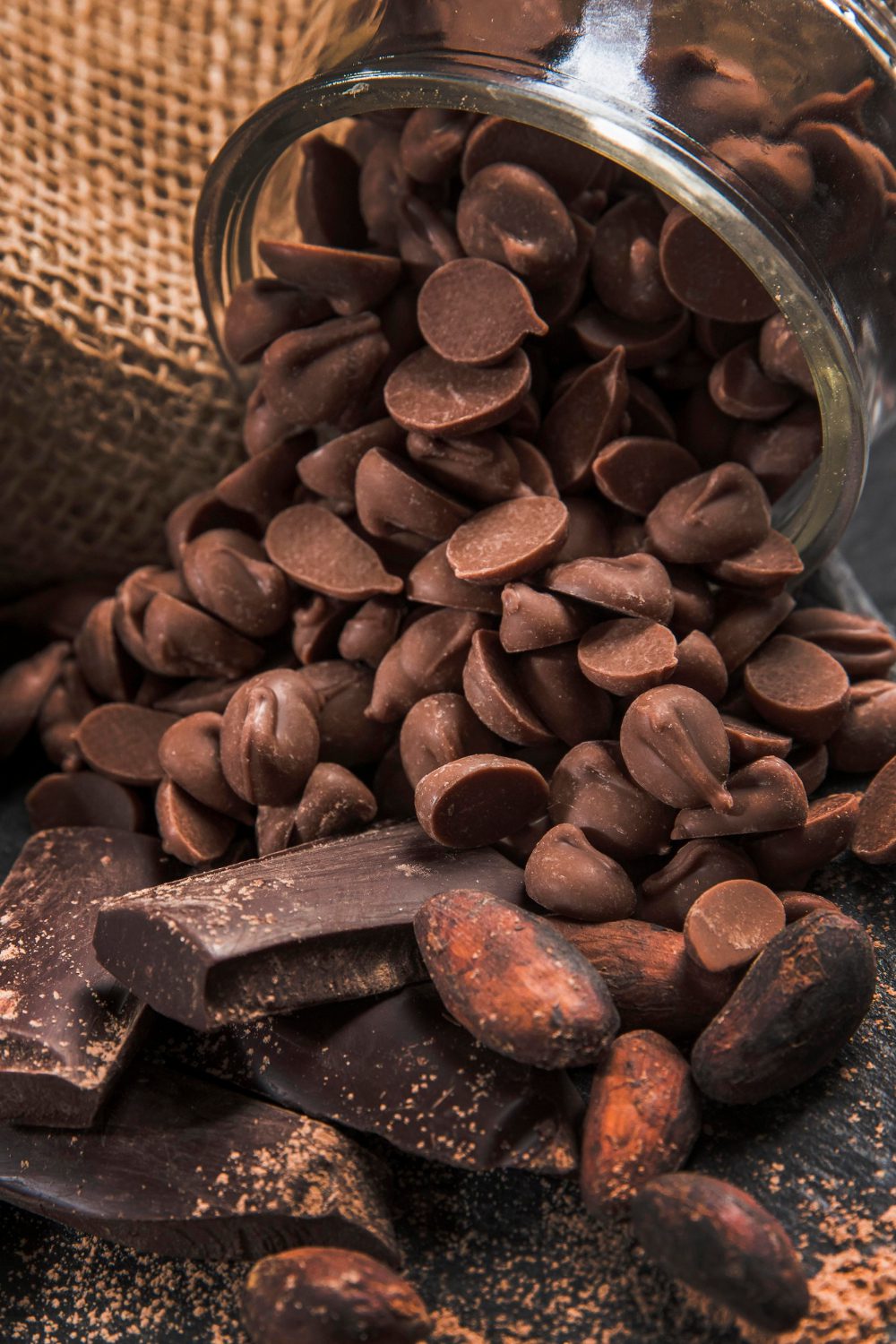
Chocolates with 70-85% cocoa provide the most flavanols with tolerable sugar content. Versions with 99-100% have the highest flavanol density but are very bitter and fatty. Milk chocolate (25-35% cocoa) contains 4-6 times less flavanols and significantly more sugar and milk fat, so it is not worth expecting health benefits.
Dutch process vs. raw cocoa
Alkalization, known as the "Dutch process," involves treating beans or powder with potassium carbonate. It gives a darker color, milder flavor, and better solubility, but destroys 60-90% of flavanols. If health is a priority, choose cocoa labeled as "non-alkalized," "natural cacao," or "raw."
From my comparison of 12 popular cocoas available in Polish stores in 2025: natural cocoa (e.g., unalkalized from South America) retains 400-600 mg of flavanols per 100 g, while classic "dark cocoa" like DecoMorreno falls within the range of 50-150 mg/100 g. The difference in real health benefits is dramatic.
Varieties of beans: Criollo, Trinitario, Forastero
Forastero (90% of global production) is high-yielding and resistant but has the least noble flavor. Criollo (1-5%) is the most prized aromatic variety from Venezuela and Madagascar. Trinitario is a hybrid of both, popular in Trinidad and Ecuador. Small artisan manufacturers usually work with Criollo and Trinitario.
Origin: single origin and fair trade
Single origin cocoa from Ecuador (Nacional, Arriba), Madagascar (Sambirano), Venezuela (Chuao, Porcelana), or Peru offers distinct flavor notes and usually higher bean quality. Fair Trade, Rainforest Alliance, and UTZ certifications signal fairer working conditions, although they do not always guarantee the highest organoleptic quality.
How much cocoa should I consume daily and when is the best time?
The optimal dose for a healthy adult is 30-40 g of dark chocolate 70-85% (200-400 mg of flavanols) or 1-2 tablespoons of raw cocoa powder. This aligns with doses tested in most RCTs. Above 100 g daily, calories and saturated fat begin to outweigh metabolic benefits (EFSA Health Claim 2012).
Time of day and sleep
Theobromine has a half-life of 7-12 hours. For sensitive individuals, it is advisable to consume the last cocoa no later than 6-8 hours before sleep. For less sensitive individuals, even small evening pieces of chocolate do not disrupt sleep architecture but may shorten REM sleep latency.
Form: drink, chocolate, smoothie
The best health effects come from raw cocoa in a smoothie with banana, plant milk, and a tablespoon of peanut butter: preserved flavanols, low temperature, no sugar. Classic hot cocoa made with milk (60-70 degrees) loses 10-20% of flavanols, but is still a great choice. Spanish-style drinking chocolate with dark bars is a compromise version.
Synergies: CBD, adaptogenic mushrooms, magnesium
Cocoa + CBD: both flavanols and phytocannabinoids have anti-inflammatory and pro-circulatory effects, and cocoa contains N-oleoylethanolamide that blocks FAAH (the enzyme that breaks down anandamide and indirectly affects CBD metabolism). Evening cocoa with a few drops of CBD oil is becoming popular in the wellness community as a calming ritual.
Cocoa + Reishi or Lion's Mane: adaptogenic mushrooms pair well with bitter cocoa and enhance its effect on memory (Lion's Mane increases NGF) or on sleep and immunity (Reishi). Cocoa + chelated magnesium: after evening training, this is a classic combination for muscle recovery and deep sleep.
What are the biggest myths about cocoa and chocolate?
Many simplifications have arisen around cocoa that make their way into headlines. According to a Mintel consumer report from 2024, 67% of Poles believe that "dark chocolate is healthy" without checking the composition, while over half of products labeled as "dark" contain less than 50% cocoa and over 40% sugar (Mintel Confectionery Report 2024).
"Cocoa is the same as chocolate"
False. Raw cocoa is fermented, dried, and ground beans without sugar, milk, and milk fat. Chocolate is a mixture of cocoa mass, cocoa butter, sugar, and often milk and lecithin. The nutritional profile of both is completely different: 100 g of cocoa has 230 kcal, while 100 g of milk chocolate has over 540 kcal.
"Dark chocolate helps with weight loss"
Doubtful. Some studies suggest that a piece of dark chocolate before a meal reduces appetite by 15-20%, but overall it still provides calories. Dark chocolate is not a miracle weight loss aid; it is just less harmful than refined sweets.
"Cocoa will replace magnesium supplements"
Partially yes, but only raw cocoa. 100 g of raw cocoa contains about 400 mg of magnesium, but the bioavailability from cocoa is lower than from chelates (e.g., magnesium bisglycinate). For individuals with deficiencies, cocoa can be a sensible supplement, but it does not replace therapeutic doses of 300-400 mg of chelated magnesium.
"Chocolate causes acne"
A myth from the 60s. Modern meta-analyses show that sugar and milk (high glycemic index, IGF-1 hormones) correlate with acne, not cocoa itself. Dark chocolate without milk and with low sugar does not worsen and often improves skin condition due to anti-inflammatory flavanols.
Is cocoa safe for everyone?
For healthy adults, culinary doses of cocoa are safe. However, certain groups require caution. According to the ConsumerLab 2023 report, in 7 out of 28 tested dark chocolates, the cadmium or lead content exceeded California's alarm thresholds (Prop 65), which may have health implications with daily high consumption (ConsumerLab Heavy Metals Report 2023).
Toxicity to dogs and cats
Theobromine is a mild stimulant for humans but a powerful poison for dogs and cats. A dog metabolizes theobromine 3-5 times slower than a human. Just 50 mg of theobromine per kg of body weight (i.e., a small dark chocolate bar for a small dog) causes vomiting, seizures, arrhythmia, and larger doses can kill the animal. Keep cocoa and chocolate out of reach of pets.
Heavy metals: cadmium and lead
The cocoa plant absorbs cadmium from volcanic soils in South America, and lead settles on dried beans from polluted air. Cocoa from Ecuador and Venezuela usually has higher cadmium levels than cocoa from West Africa. Choose brands that publish heavy metal test results and do not exceed 30-50 g of dark chocolate daily.
Impact on sleep, anxiety, and interactions
In individuals with anxiety disorders, a large dose of theobromine with coffee may intensify palpitations and anxiety. Cocoa may interact with MAO inhibitors (PEA), some heart medications (vasodilation), and anticoagulants (inhibiting platelet aggregation). If using warfarin or clopidogrel, it is advisable to consult doses with a doctor.
Pregnancy and breastfeeding
Moderate cocoa consumption (up to 30 g of dark chocolate daily) during pregnancy is considered safe, and some observational studies link it to a lower risk of preeclampsia. Caffeine and theobromine pass into breast milk, so nursing mothers should limit their total intake of cocoa plus coffee to about 200 mg of caffeine per day.
How does cocoa present itself in the Polish market in 2026?
The Polish chocolate market is worth over 4 billion zlotys annually and is one of the largest in Central Europe (Statista, 2025). Consumers today have a choice from mass-produced to bean-to-bar manufacturers, which were not available a decade ago. The premium dark chocolate category is growing by 8-10% annually, while milk chocolate stagnates.
Mass brands: Wedel, Wawel, Lindt, Milka
Wedel offers a "Premium" series with chocolates 64-90%, Wawel has a "Black" line up to 99% cocoa, and Lindt Excellence is a standard shelf with dark bars 70-99%. These are good quality products priced at 8-15 zlotys for 100 g, although none of the mass producers publish full flavanol content.
Polish bean-to-bar manufacturers
Chocolate Factory (Warsaw), Chocolate Story (Łódź), Stoo (Kraków), Choco Lover, Chocolate Owl: these small manufacturers source beans from specific plantations, roast and grind them in Poland, offering single origin chocolates for 25-50 zlotys per 50-70 g bar. Flavor-wise and quality-wise, they play in the Champions League of the global chocolate scene.
Cocoa and adaptogenic chocolate
A new segment includes chocolates and cocoa with added adaptogenic mushrooms (Reishi, Lion's Mane, Cordyceps), CBD, ashwagandha, or magnesium. They combine the pleasure of taste with a functional effect on mood, recovery, and concentration. For those seeking an evening ritual or support for cognitive functions, this is an interesting category, although prices are higher (40-80 PLN per bar).
Legal status in Poland
Cocoa and chocolate are foods of common consumption, not subject to regulation. Dietary supplements with cocoa extracts (e.g., high-flavanol) are supervised by GIS and must be notified. Products with added CBD as food require Novel Food authorization, the process for which is still ongoing in the European Commission.
Recommended products for the cocoa plus hemp ritual
If you want to try the classic Polish combination of evening cocoa with added CBD, here are four products from our store worth considering. All come from certified European producers and are laboratory tested.
A mild concentration ideal for beginners. 2-3 drops under the tongue 30 minutes before evening cocoa support relaxation without drowsiness.
Standard strength for those seeking a more pronounced relaxation effect. It works great with the anandamide found in raw cocoa.
Cannabigerol oil is valued for its anti-inflammatory effects and support for concentration. Combined with morning cocoa, it creates a nootropic duo.
Hemp flower vaporized at low temperatures (180-190 degrees) complements the cocoa ritual with a full spectrum of cannabinoids and terpenes.
Frequently Asked Questions
How many cocoa flavanols do I need daily?
EFSA confirmed the health properties from a dose of 200 mg of cocoa flavanols daily (EFSA Health Claim 2012). This is equivalent to about 30 g of 85% dark chocolate or 1-2 tablespoons of raw cocoa. Most RCTs testing cognitive effects use higher doses of 500-900 mg, but such amounts are difficult to achieve with just chocolate without excess calories.
Does alkalized cocoa (Dutch process) have any value?
Yes, but mainly in terms of taste and minerals, not flavanols. Alkalization destroys 60-90% of flavanols but retains magnesium, iron, and theobromine. If you drink cocoa for magnesium and flavor, Dutch process is fine. For cardiovascular and cognitive effects, choose natural, unalkalized cocoa.
Does cocoa raise or lower blood pressure?
It lowers, although the effect is moderate. The Cochrane meta-analysis (Ried 2017) showed an average reduction in systolic pressure of 1.76 mmHg, and in people with hypertension, even by 4 mmHg. The mechanism involves flavanols that activate nitric oxide synthase in the endothelium. Theobromine has a diuretic effect, further helping to regulate pressure.
Can I drink cocoa every day?
Yes. Daily consumption of 1-2 tablespoons of raw cocoa or 30-40 g of 70-85% dark chocolate is safe for healthy adults and provides the best cardiovascular effects. Larger doses (over 100 g of chocolate daily) start to contribute more calories and saturated fat than benefits. Remember the quality: alkalized cocoa and milk chocolate have significantly less health effect.
Cocoa vs. coffee: which to choose in the morning?
Coffee provides a stronger, shorter stimulating effect (caffeine, half-life 5 hours), while cocoa offers a milder and longer effect (theobromine, 7-12 hours) plus an improvement in cerebral blood flow. The ideal solution is coffee in the morning and cocoa in the afternoon or combined in a "mocha": coffee with a tablespoon of raw cocoa instead of sugar.
Does dark chocolate contain dangerous heavy metals?
Some brands do. The ConsumerLab 2023 test showed that 25% of tested dark chocolates exceeded cadmium or lead limits of Prop 65 (ConsumerLab 2023). The highest concentrations were noted in chocolates from South America. Choose brands that publish test results (e.g., Beyond Good, Pascha, Endangered Species) and do not exceed 30-50 g daily.
Does cocoa help with weight loss?
Not directly. However, it helps in appetite control (greater satiety after a small portion), improves insulin sensitivity, and reduces cravings for sweet snacks (the effect of PEA and anandamide on mood). In a weight reduction diet, 20-30 g of 85% dark chocolate can replace several hundred calories of empty sweets without a sense of restriction.
Can I give cocoa to my child?
In moderation, yes, from around 3 years old. A small amount of cocoa (a teaspoon in milk) provides the child with magnesium and flavanols without excess theobromine. Avoid cocoa in the evening and do not give sweet "instant" drinks with added sugar. Be very cautious with children with ADHD, where stimulants may increase anxiety.
Does cocoa contain caffeine?
Yes, but not much. 100 g of 85% dark chocolate contains 50-80 mg of caffeine (less than one cup of coffee, which is 95-200 mg) and 600-800 mg of theobromine. A cup of hot cocoa made with 1 tablespoon of powder contains about 5-10 mg of caffeine. In comparison, green tea contains 25-45 mg of caffeine per cup.
Raw cocoa vs. roasted cocoa, which is better?
Raw (raw cacao, dried to max 45 degrees) retains 100% of flavanols but has a higher microbiological risk. Roasted (classic roasting to 110-130 degrees) loses 10-30% of flavanols but is more aromatic and safer. For healthy adults, the difference is minimal. Pregnant women and children should choose roasted cocoa.
Summary: is it worth incorporating cocoa into the daily diet?
Yes, if you choose high-quality cocoa and do not treat it as a miracle cure. RCT data and meta-analyses show real, albeit moderate, benefits for the heart, brain, metabolism, and mood at a dose of 200-400 mg of flavanols daily, which is 30-40 g of 70-85% dark chocolate or 1-2 tablespoons of raw cocoa in a smoothie.
The key rules are: choose natural (unalkalized) cocoa, prioritize chocolates 70%+ from brands transparent about flavanols and heavy metals, control portions (above 100 g daily, fat and calories start to outweigh benefits), do not give cocoa to pets, and remember the time of day when you are sensitive to stimulants.
Cocoa will not replace antihypertensive medications, statins, or therapies for cognitive disorders. However, it is one of the few "tasty superfoods" with a strong scientific evidence base that can be incorporated into the daily diet without sacrifices. Combined with CBD hemp oils or adaptogenic mushrooms, it creates a modern ritual supporting concentration during the day and calming in the evening.
Disclaimer: The above information is educational and does not replace medical advice. Cocoa is food, not medicine. Individuals with cardiovascular diseases, diabetes, anxiety disorders, pregnant and nursing women, and those taking anticoagulants should consult cocoa consumption with a doctor. Do not give cocoa and chocolate to dogs and cats; theobromine is toxic to them. Choose certified products that are regularly tested for heavy metal content.