
Lemongrass: health benefits and how to use it
Lemongrass (Cymbopogon citratus) in light of research: oil composition, antimicrobial action in vitro, and negative results from human trials with the infusion.
Lemongrass (Cymbopogon citratus) is mainly known here as an aromatic base of Thai and Vietnamese cuisine, and in Brazil, India, and West Africa, infusions have been consumed for generations for stomach ailments and calming effects. A lot of promises have accumulated around this second use, which do not hold up against research. The strongest results concern the essential oil studied in vitro and in animals, and the only trial conducted in humans using the infusion yielded negative results. This article separates these three levels of evidence, shows where the boundary lies between them, and explains why essential oil should not be confused with tea. The plant remains valuable, but for a different reason than is usually written.
KEY INFORMATION
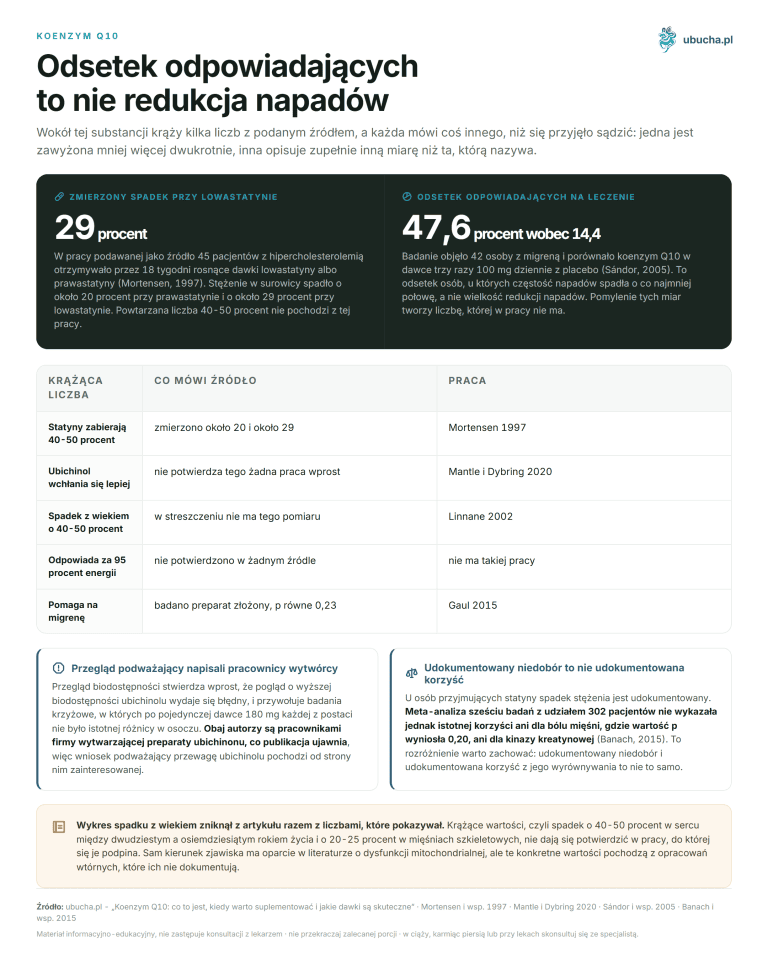
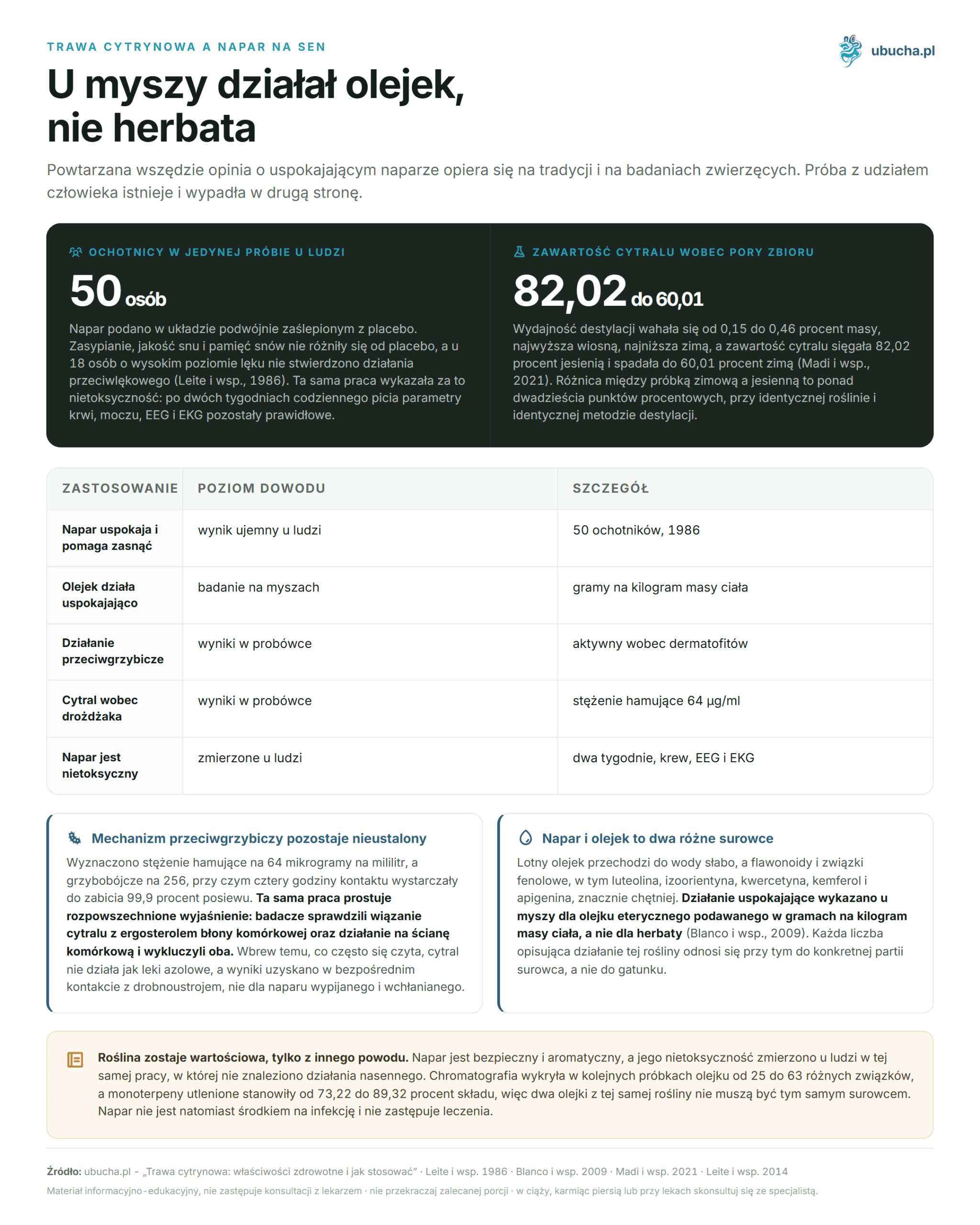
• Leite et al. (Journal of Ethnopharmacology, 1986) administered lemongrass infusion to 50 volunteers in a double-blind setup with placebo. Sleep onset, sleep quality, and dream recall did not differ from placebo, and no anxiolytic effect was found in 18 individuals with high anxiety levels.
• The same study showed that the infusion is non-toxic: after two weeks of daily consumption, blood, urine, EEG, and EKG parameters remained normal.
• Sedative effects were demonstrated in mice, but for the essential oil administered in grams per kilogram of body weight (Blanco et al., Phytomedicine, 2009), not for the tea.
• The content of citral in the oil varies with the harvest time from about 60 to 82 percent (Madi et al., Natural Product Research, 2021), so two oils from the same plant may not be the same raw material.
What does lemongrass contain and what determines its composition?
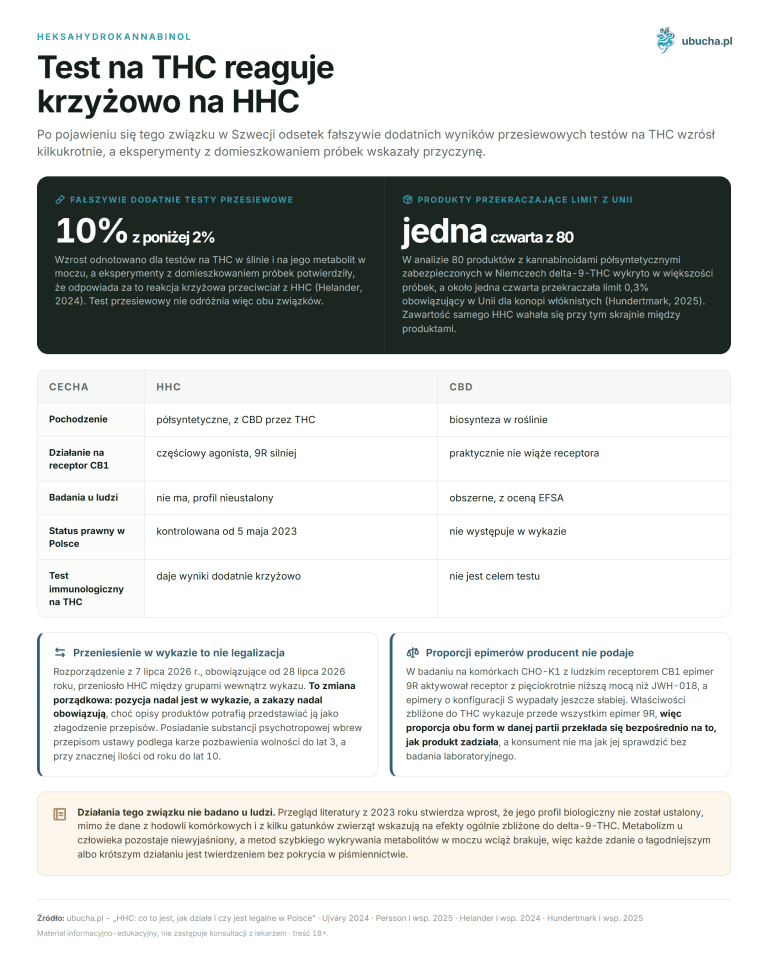
The main component of the essential oil is citral, which is a mixture of geranial (alpha citral) and neral (beta citral). However, its proportion is not constant, and this is the most practical information about this plant, as it explains why two preparations with the same name can behave differently.
Madi i wsp. (Natural Product Research, 2021) Over four seasons, they distilled oil from fresh lemongrass leaves grown in Egypt. The distillation yield ranged from 0.15 to 0.46 percent by weight, highest in spring and lowest in winter. The citral content in the obtained oil reached 82.02 percent in autumn and 80.01 percent in summer, dropping to 60.01 percent in winter. Oxidized monoterpenes constituted 73.22 to 89.32 percent of the composition, and chromatography detected between 25 and 63 different compounds in subsequent samples.
This is a variation that cannot be ignored. The difference between the winter and autumn samples is over twenty percentage points in the content of the main active ingredient, with the same plant and the same distillation method. Therefore, any number describing the "effects of lemongrass" refers to a specific batch of raw material, not to the species.
Shah i wsp. (Journal of Advanced Pharmaceutical Technology and Research, 2011) In the literature review, they mention alongside citral geraniol, nerol, citronellal, terpinolene, geranyl acetate, and myrcene, as well as flavonoids and phenolic compounds: luteolin, iso-orientin, quercetin, kaempferol, and apigenin. The latter group passes into water much more readily than the volatile oil, which is significant when making an infusion.
Does lemongrass have antibacterial and antifungal properties?
In vitro, yes, and quite clearly. Outside of the test tube, this has not been verified in humans, and the transition from one level to another is not obvious in this case.
The review by Shah et al. compiles studies in which lemongrass oil inhibited the growth of Bacillus subtilis, Escherichia coli, Staphylococcus aureus, Salmonella paratyphi, and Shigella flexneri. The antifungal results are stronger and more reproducible: the oil is active against dermatophytes causing skin mycoses, namely Trichophyton mentagrophytes, Trichophyton rubrum, Epidermophyton floccosum, and Microsporum gypseum, and the authors of the review call it one of the most active agents against human dermatophytes.
Citral itself was tested against the yeast Candida albicans. Leite i wsp. (Evidence-Based Complementary and Alternative Medicine, 2014) They determined the inhibitory concentration at 64 micrograms per milliliter and the fungicidal concentration at 256, with four hours of contact sufficient to kill 99.9 percent of the culture. The same study clarifies a common explanation of the mechanism: the researchers checked the binding of citral to ergosterol in the cell membrane and its action on the cell wall and excluded both. Contrary to what is often read, citral does not act like azole drugs, and the mechanism of its antifungal action remains undetermined.
The practical consequence is straightforward. The results were obtained for the oil and isolated citral in direct contact with the microorganism, not for the infusion consumed and absorbed. Lemongrass infusion is not a remedy for infection and does not replace treatment.
Does lemongrass infusion have a calming effect and help with sleep?
This was tested in humans, and the result was negative. This is the most important sentence of this article, as the widely repeated opinion about the calming effect of the infusion is based on tradition and animal studies, not on a trial involving humans, although such a trial has existed for forty years.
Leite i wsp. (Journal of Ethnopharmacology, 1986) They administered the infusion from dried leaves prepared in the Brazilian way, called abafado, to healthy volunteers. The sedative effect was tested in 50 people in a double-blind setup with a placebo, measuring sleep onset, sleep quality, dream recall, and awakenings. None of these parameters differed from the placebo. Eighteen individuals with high anxiety levels were subsequently subjected to a test inducing anxiety after receiving either the infusion or placebo, also in a blinded manner. The anxiety level was the same in both groups. The authors conclude directly that the infusion has no sedative or anxiolytic properties.
However, the same study yields a positive result, albeit in a different context. After a single dose and two weeks of daily consumption, no changes were observed in glucose, urea, creatinine, cholesterol, liver function tests, protein, or urine analysis, and EEG and EKG readings remained normal. Some volunteers experienced slight increases in direct bilirubin and amylase without clinical symptoms. The authors conclude that the infusion is non-toxic for humans. This is good news for someone who simply enjoys the taste. A similar distinction between aroma and effect is described in lawendzie na sen i stres.
Where does the discrepancy between mice and humans come from?
Because two different things were studied. Animals were given essential oil in amounts measured in grams per kilogram of body weight, while humans received an infusion from leaves. This is not the same material or the same order of magnitude.
Blanco i wsp. (Phytomedicine, 2009) They obtained oil from fresh leaves through steam distillation and administered it orally to Swiss strain mice in doses of 0.5 or 1.0 grams per kilogram of body weight half an hour before the test. The oil prolonged sleep induced by pentobarbital, increased the percentage of entries and time spent in the open arms of the elevated plus maze, as well as time in the bright part of the cage, and delayed seizures induced by pentetrazol while abolishing tonic posturing after electroshock. Importantly, no impairment of motor function was observed in the rotarod test or in the open field.
It is worth noting that in mice, the sedative effect was evident. The statement about anxiolytic effects "without sedation" that circulates in descriptions of this plant does not reflect this study: prolongation of sleep after pentobarbital is indeed a measure of sedative action. The lack of motor impairment only means that the animals were not sedated, not that they were not sleepy.
Converting these doses to an infusion makes no sense. The distillation yield of oil from fresh leaves is a fraction of a percent of their weight, and only a portion of the volatile components passes into a glass of infusion. Therefore, the discrepancy between results in mice and results in humans is not a contradiction, but rather a difference in material and dosage.
Lemongrass for digestion: what can be confirmed?
Tradition agrees on three continents, but there is a lack of studies in humans. The review by Shah et al. mentions one animal observation from this area: an extract from the stems reduced the amount of feces excreted in a dose-dependent manner. This is an anti-diarrheal result, not an antispasmodic one, and these two things can easily be confused when translating folk applications.
The rest of the list from this review looks impressive, and that is precisely why it must be read together with its own disclaimer. It mentions anti-inflammatory and antiparasitic effects, including against the dysentery amoeba. Antimalarial and antitubercular results, as well as antioxidant effects, are described separately. Additionally, there is a reduction in glucose levels. However, the authors summarize them as encouraging and requiring confirmation, not as established medicinal properties. This is their own opinion closing the entire work, not caution added by us.
In practice, this means that an infusion after a heavy meal can be pleasant and safe, but attributing it a specific effect on intestinal cramps goes beyond what anyone has measured. It is also worth remembering where the tradition itself comes from. In Brazil and West Africa, an infusion from leaves was often a home remedy available at hand, much faster than any pharmaceutical preparation, which explains its popularity regardless of its potency. If you are looking for an herb with a stronger basis for digestive ailments, more data has been collected around bitter plants, which we discuss in the entry about wormwood and its effect on digestion.
How to brew lemongrass and how to use essential oil?
The infusion is prepared from dried leaves or from crushed fresh stems, pouring water just below boiling and steeping covered for several minutes. Covering makes practical sense: without it, volatile components escape with the steam, and mainly the water fraction with flavonoids remains in the vessel. Fresh raw material smells more intense than dried, and the longer the dried material sits, the less volatile fraction remains in it.
Essential oil is a completely different product and requires different handling. It should not be used undiluted on the skin or internally. A few drops go into the diffuser, and for skin application, it should only be used highly diluted in a carrier oil. When using it for the first time, it's advisable to check for reactions on a small patch of skin, as citral is known to be a fragrance component with a potential for allergic reactions.
In the kitchen, there are no limits. The lower, thicker parts of the stems go into broths, soups, and fish dishes, while the upper leaves are used for infusions. Combining the infusion with ginger, lemon, or mint creates a refreshing cold drink for summer, and the cooked stem can be eaten. This application has the strongest basis of all described in this article, as the work of Leite et al. from 1986 showed that drinking the infusion daily for two weeks did not disturb the tested blood or urine parameters, aside from minor and asymptomatic deviations mentioned above. You can find other herbal infusions and blends in the category. herbaty.
Safety and interactions: what to watch out for?
The infusion has the best-documented safety profile among all forms of this plant, based on studies in humans, not assumptions. Concerns primarily relate to essential oil and concentrated preparations.
An interaction worth knowing about involves the CYP2B6 enzyme. Seo i wsp. (Chemico-Biological Interactions, 2008) They studied 22 monoterpenoids and found that citral and geraniol inhibit this enzyme in a competitive manner, with inhibition constants of 6.8 and 10.3 micromoles compared to 1.8 micromoles for the standard inhibitor thio-TEPA. It's important to interpret this direction correctly: a higher constant means weaker inhibition, not stronger, which is why the authors refer to both compounds in the title of the paper as moderate inhibitors. They also note that large amounts of these compounds could interact with drugs metabolized by CYP2B6, and they directly call for pharmacokinetic studies in humans to determine if this has clinical significance. Such a study does not exist, so no one knows today where the limit lies. If you are regularly taking medications, especially bupropion, discuss concentrated preparations of lemon grass with your doctor or pharmacist.
Pregnancy and breastfeeding is an area without data. The study by Leite et al. involved healthy volunteers, not pregnant women, so its results do not apply to this group. The same applies to children. It is also worth remembering about allergies: if you are allergic to grass pollen, it is better to start cautiously with a new plant from this family and observe the reaction. A similar approach to strongly aromatic herbs is described with tulsi, or holy basil.
Frequently Asked Questions
Does lemongrass help with sleep?
This has not been demonstrated in humans. Leite et al. (1986) administered an infusion to 50 volunteers in a double-blind setup with placebo and found no difference in sleep onset, sleep quality, or dream recall. Sedative effects were only shown in mice, and that was for essential oil in very high doses, not for tea.
Does lemongrass calm and reduce anxiety?
Not in a human study. Eighteen individuals with high anxiety levels underwent an anxiety-inducing test after the infusion or placebo, and the results were the same in both groups. In mice, the essential oil acted anxiolytically, but at doses measured in grams per kilogram of body weight, not translatable to a cup of infusion.
Is lemongrass safe?
Yes, for the infusion, and this is known from the study, not from assumption. After two weeks of daily consumption, there were no changes in blood, urine, EEG, or EKG parameters of the volunteers. Essential oil is another matter: it should only be applied to the skin when heavily diluted, never in pure form, as citral can cause allergic reactions.
Does lemongrass fight bacteria and fungi?
In vitro, yes. The oil inhibits the growth of, among others, Escherichia coli and Staphylococcus aureus, and it acts most strongly against dermatophytes causing skin infections. Citral at fungicidal concentrations kills Candida albicans within four hours. However, none of these results have been confirmed in humans, so the infusion does not replace treatment.
How much citral does lemongrass oil contain?
Madi et al. (2021) measured the content from 60.01 percent in a winter sample to 82.02 percent in a fall sample, using the same plant and the same distillation method. The efficiency of the distillation itself ranged from 0.15 to 0.46 percent of the weight of fresh leaves. Therefore, the composition strongly depends on the harvest time.
Does lemongrass interact with medications?
Citral and geraniol inhibit the CYP2B6 enzyme in vitro, which metabolizes, among other things, bupropion. The authors of this study note that clinical significance cannot be assessed without studies in humans, and there are none. If you are undergoing continuous treatment, discuss concentrated preparations with your doctor or pharmacist.
This article is for informational and educational purposes and does not constitute medical advice. Before starting supplementation, consult your doctor, especially if you are taking medications regularly, are pregnant or breastfeeding, or have a chronic illness.
Author: Michał Waluk · Opublikowano: 2026-06-02 · Aktualizacja: 2026-08-15